
I have acne triggered by dairy, so plant milk has always been my go-to. I recently heard about pistachio milk.
Pistachio milk is a plant-based, dairy-free, nutritious alternative made from pistachio nuts. Pistachio milk is becoming popular for people looking for a tasty and healthy alternative to dairy milk. As more and more people explore plant-based diets, different types of nut milks like almonds, soy, and oats have gained popularity. But now, pistachio milk is stepping into the spotlight, offering a unique flavor and plenty of benefits.
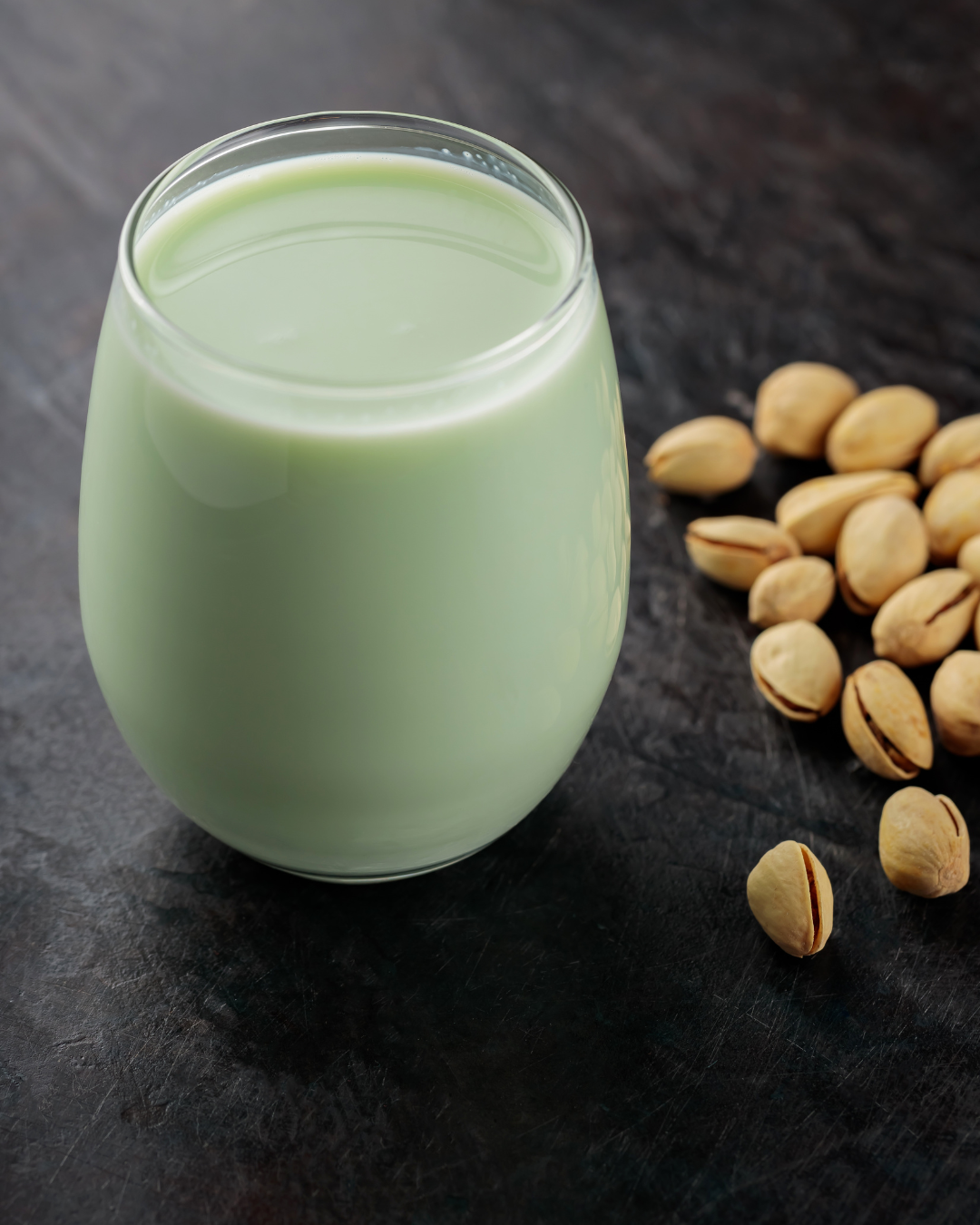
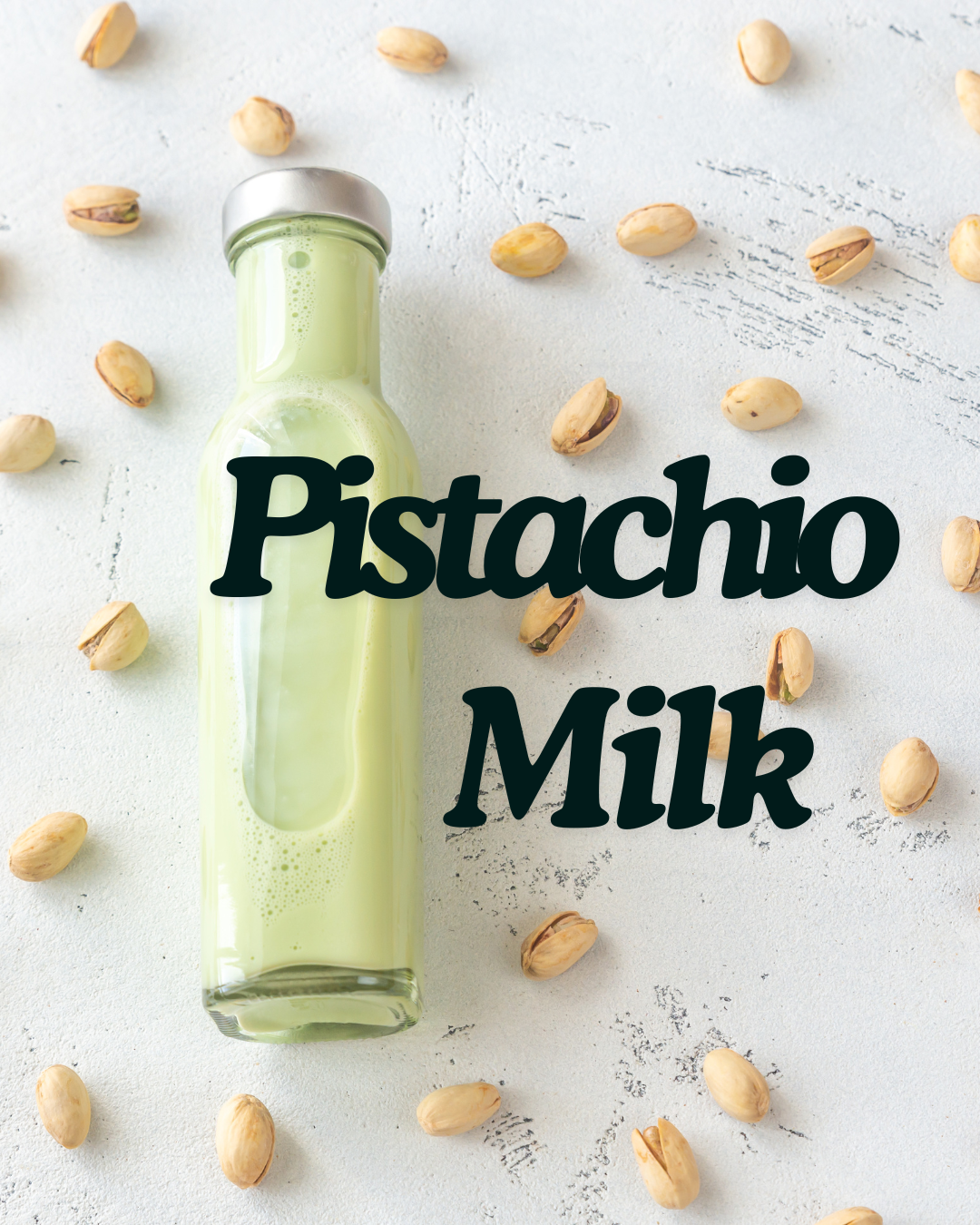
It is made by blending pistachios with water and then straining the mixture to remove any solid bits, leaving a smooth and creamy liquid. This milk has a light green color and a slightly sweet, nutty taste that sets it apart from other nut milk like almond or cashew milk.
Unlike some nut milk, which can be bland or watery, pistachio milk offers a unique, slightly buttery taste that’s delicious on its own or in your favorite recipes.
The texture of pistachio milk is creamy but not overly thick. It’s thicker than other plant-based milks like rice milk but less dense than full-fat cow’s milk or cream. This makes it versatile for various uses, whether pouring it over cereal or adding it to coffee.
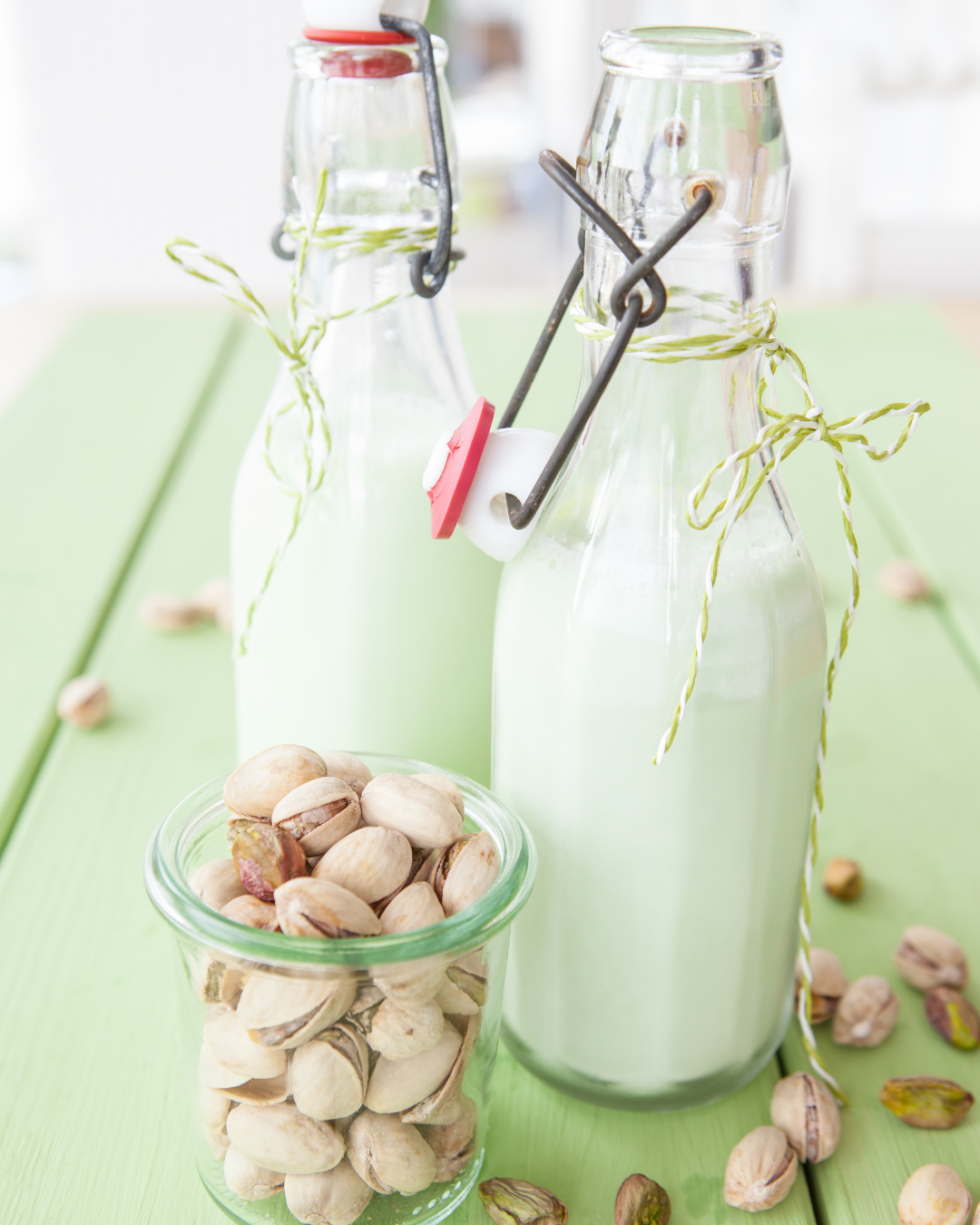
Pistachio milk isn’t naturally salty. However, some store-bought versions may add a pinch of salt to enhance the flavor, so checking the label is always good. If you’re making it at home, you can control the salt content to suit your taste.
Some brands may add sweeteners, salt, or other flavorings. To enhance its nutritional profile, commercial pistachio milk might include added vitamins and minerals, such as calcium, vitamin D, and vitamin B12.
This milk offers several health benefits, making it a top choice among plant-based alternatives.
In this blog post, we’ll explore what makes pistachio milk unique, how it compares to other nut milks, and why it’s gaining attention. You’ll also learn how to make your pistachio milk at home and discover some delicious recipes.
Nutritional Profile of Pistachio Milk
Pistachio milk is generally low in calories and contains healthy fats, much like nuts. It’s a good source of monounsaturated fats that benefit heart health. Pistachio milk has a low protein content similar to other nut-based milk, unlike cow or soy milk.
Naturally, it contains a high content of vitamins B6 and E and minerals like potassium and magnesium. However, the nutritional composition varies depending on how the milk is processed and whether any fortifications are added.
Flavor and Texture
Pistachio milk has a distinct, slightly sweet, and nutty flavor, similar to the taste of raw pistachios. This makes it a good choice for those who enjoy the flavor of pistachios. It tends to be creamy, making it a good coffee, smoothie, and baking option. However, depending on the brand and preparation method, it might be less creamy than dairy milk.
Usage
Pistachio milk is very versatile. It can be used in various ways—poured over cereal, added to coffee, used in smoothies, or incorporated into baking recipes.
Availability and Brands
Pistachio milk is less widely available than almond or oat milk, but it is becoming more common in health food stores and some supermarkets. Brands like Tache and Elmhurst are known for offering pistachio milk.
Benefits of Pistachio milk
Heart Health
A standout feature of pistachio milk is the healthy fat content. The healthy fats in pistachios, mainly monounsaturated fats, help to lower bad cholesterol (LDL) levels and reduce the risk of heart disease. It has a low saturated fat level, which is beneficial for maintaining healthy cholesterol levels and overall cardiovascular health.
Antioxidants
Pistachios are high in antioxidants like lutein, zeaxanthin, and polyphenols. These compounds help protect the body against oxidative stress and inflammation, which can damage cells and contribute to chronic diseases like cancer and heart disease.
Supports Eye Health
Lutein and zeaxanthin are antioxidants found in pistachios that are particularly beneficial for eye health. They help protect against age-related macular degeneration and cataracts.
Bone Health
Pistachio milk is often fortified with calcium and vitamin D, crucial for maintaining strong bones. Calcium helps build and maintain bone structure, while vitamin D improves calcium absorption. This makes pistachio milk a beneficial option for supporting bone health, especially if you’re avoiding dairy.
Digestive Health
Pistachios are a source of dietary fiber, which can aid in digestion and help keep your digestive system running smoothly. Some of this fiber carries over into pistachio milk, contributing to a healthy gut.
Nutrient-Rich
The essential vitamins and minerals in pistachio milk, such as vitamin B6, potassium, magnesium, and vitamin E, help support various bodily functions, such as immune health, nerve function, and muscle contraction.
Many commercial pistachio milks are fortified with additional vitamins and minerals, such as calcium and vitamin D, making them an excellent alternative to dairy milk for those seeking to meet their daily nutritional needs.
Supports Weight Management
Pistachio milk is relatively low in calories compared to other nut-based and dairy milk, making it a suitable choice for those looking to manage their calorie intake.
Satiety is achieved with healthy fats and fiber content (depending on the preparation), which gives the feeling of fullness and satisfaction, thereby aiding weight management.
Low Glycemic Index
Pistachios have a low glycemic index, meaning they cause a slower and more gradual rise in blood sugar levels. This blood sugar control makes pistachio milk a good option for those managing blood sugar levels, such as individuals with diabetes.
Dairy-Free and Lactose-Free
Pistachio milk is naturally lactose-free, making it a suitable option for those who are lactose intolerant or have a dairy allergy.
Vegan-Friendly
Pistachio milk is an excellent choice for those following a vegan or plant-based diet.
Skin Health
Pistachios are a good source of vitamin E, an antioxidant that helps protect skin cells from damage and supports overall skin health. Regular consumption of pistachio milk contributes to healthier and more radiant skin.
Pistachio Milk Flavor Profile
Beyond the health benefits, pistachio milk has a unique and pleasant nutty flavor, making it a tasty addition to smoothies, coffee, cereal, and recipes. Its creamy texture also enhances the overall eating experience.
These benefits make pistachio milk a nutritious and versatile option for those looking to incorporate more plant-based foods into their diet while enjoying pistachio’s distinctive flavor and health benefits.
How to Make Pistachio Milk at Home
Making pistachio milk at home is simple and rewarding. Here’s a step-by-step guide to help you create your pistachio milk:
Ingredients:
– 1 cup raw pistachios
– 4 cups water (plus extra for soaking)
– Sweetener of choice (optional, e.g., honey, maple syrup, or a few dates) – Vanilla extract (optional, for added flavor)
Instructions
1. Soak the Pistachios
Place the raw pistachios in a bowl and cover them with water. Allow them to soak for at least 4 hours or overnight.
Soaking helps to soften the nuts, making them easier to blend and giving the milk a smoother texture.
2. Drain and Rinse
After soaking, drain the pistachios and rinse them under cool running water. This step removes any residual soaking water and prepares the nuts for blending.
3. Blend the Pistachios
Add the soaked pistachios to a high-speed blender. Pour in 4 cups of fresh water. Blend on high until the mixture is smooth and creamy, typically around 1-2 minutes. You can add a sweetener or a splash of vanilla extract at this stage for extra flavor.
4. Strain the Milk
You’ll need a nut milk bag, cheesecloth, or a fine-mesh strainer to separate the milk from the nut pulp. Place the strainer over a large bowl or jug. Pour the blended pistachio mixture into the strainer or nut milk bag. If using a nut milk bag, gently squeeze the bag to extract as much milk as possible. Using cheesecloth or a filter, use a spoon to press the mixture and extract the liquid.
5. Store the Pistachio Milk
Transfer the strained pistachio milk into a clean bottle or jar with a lid. Store it in the refrigerator for up to 4-5 days. Shake well before each use, as separation can occur.
6. Use the Pistachio Pulp
Don’t throw away the leftover pistachio pulp! You can use it in smoothies, baking, or even pistachio butter. Spread the pulp on a baking sheet, let it dry out, and then blend it into creamy butter.
Tips for the perfect pistachio milk
- Use less water if you prefer thicker or creamier milk.
- Add a sweetener if you like your milk sweetened.
- Try blending in a pinch of cinnamon or a drop of vanilla extract for added flavor.
Is Pistachio Milk Good with Coffee?
Yes, pistachio milk can be a great addition to coffee. Its creamy texture and nutty flavor complement coffee well and can add a unique twist to your regular latte or cappuccino.
Pistachio Milk Latte:– Ingredients:
– 1 cup pistachio milk
– 1 shot of espresso or 1 cup of brewed coffee
– 1 tablespoon honey or a sweetener of your choice (optional) – A dash of cinnamon or vanilla extract (optional)
Instructions:
– Heat the pistachio milk in a saucepan or microwave until hot. Froth the milk using a frother or whisk. Pour the hot
espresso or coffee into a cup, add the sweetener if desired, and top with the frothed pistachio milk. Sprinkle with cinnamon or vanilla extract for extra flavor.
How Long Does Pistachio Milk Last?
Homemade pistachio milk typically lasts about 4-5 days in the refrigerator. Store it in an airtight container and shake it well before each use, as it may separate over time. Store-bought pistachio milk usually has a longer shelf life and should be checked for expiration dates on the packaging.
Does Pistachio Milk Help You Sleep?
There’s no specific evidence that pistachio milk helps with sleep, but it does contain magnesium, which is known to promote relaxation and improve sleep quality. Drinking it as part of a balanced diet may contribute to overall well-being.
Conclusion
Pistachio milk is a delightful and nutritious alternative to traditional dairy and plant-based milk. Its creamy texture, unique nutty flavor, and impressive nutritional benefits make it an excellent choice for those looking to explore new flavors and add variety to their diet.
Knowing how to make pistachio milk yourself can ensure it’s fresh and free from unwanted additives.
Comparing it to other nut milks helps you choose the best option based on your taste preferences and dietary needs. Additionally, being mindful of waste and knowing how to repurpose or recycle leftover pulp makes your use of pistachio milk more sustainable.
Pistachio milk provides a tasty and healthy alternative and aligns with diverse dietary choices, whether vegan, dairy-free.
Try making pistachio milk at home and share your experiences with pistachio milk in the comments.
Did you find this article interesting? Leave a comment below.

 MABS
MABS 
Looks delicious, thanks for sharing.
LikeLike
Thank you 😊
LikeLike