
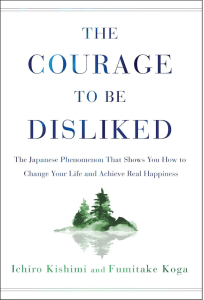
In The Courage to Be Disliked, living in the moment is a central theme that encourages individuals to focus on the present rather than being preoccupied with the past or anxious about the future. The book, drawing on Adlerian psychology, suggests that embracing the present moment leads to a more fulfilling and authentic life.
This is part 5 on our review on The Courage to be Disliked.
- Part 1: Happiness is a choice
- Part 2: Separation of task
- Part 3: All problems are interpersonal problems
- Part 4: Role of trauma
The Illusion of the Past and Future
The past and future are not real, they exist only in the mind. The past is gone, and the future has not yet arrived. Therefore, the only reality is the present moment. By worrying excessively about past experiences or future uncertainties, we are distracted from what we can do here and now. Living in the moment means fully engaging with what is happening right now, as it is the only time in which life unfolds.
Letting Go of the Past
The book challenges the idea that the past dictates one’s present behavior. It suggests that we often hold onto past grievances, failures, or traumas as a way of justifying current behaviors or avoiding changes. For example, someone might say, “I can’t be happy because of what happened to me,” which prevents them from taking action in the present. Instead, living in the moment involves letting go of these narratives and recognizing that what matters is how you choose to act today.
Not Being Driven by Future Goals or Expectations
While setting goals is essential for growth, the book emphasizes that people should not be so fixated on future outcomes that they forget to appreciate the journey. Constantly striving for future success can lead to dissatisfaction if one becomes overly focused on the end result rather than the process. Living in the moment means finding joy and meaning in the present activities, regardless of the anticipated outcome.
The Concept of “Life Tasks” and Engaging Fully
Adlerian psychology, as presented in the book, talks about “life tasks” – things that require your attention and effort. When you are engaged in a task, giving it your full attention without distractions from past regrets or future worries allows you to perform better and feel more satisfied. Being present in the moment fosters a sense of flow, where time seems to disappear because you are fully immersed in the activity.
20 life tasks that require your time and efforts
- Building a Career
- Maintaining Health and Fitness
- Developing Personal Relationships
- Managing Finances
- Learning New Skills
- Caring for Family
- Setting and Achieving Goals
- Building Self-Discipline
- Growing Spiritually
- Improving Communication Skills
- Nurturing Hobbies and Passions
- Household Chores and Maintenance
- Volunteering or Giving Back
- Planning and Organizing Life Events
- Managing Stress and Mental Health
- Networking and Socializing
- Time Management
- Saving and Investing
- Traveling and Expanding Horizons
- Developing Emotional Intelligence
Reducing Anxiety by Focusing on What Can Be Controlled
Living in the moment also involves focusing on what is within your control. Anxiety often arises from worrying about things that are beyond one’s control, such as others’ opinions or future events. By directing attention to present actions and decisions, individuals can manage their lives more effectively. The book encourages focusing on what you can do right now to improve your situation, which leads to a greater sense of empowerment.
Cultivating Gratitude and Mindfulness
A part of living in the moment is practicing gratitude for the present. By appreciating what you have right now, you shift your focus from what is lacking or what you fear may happen. The book’s approach aligns with mindfulness practices, which involve paying attention to the present moment with a non-judgmental attitude. This mindset helps reduce stress and enhances well-being by allowing individuals to fully experience life as it happens.
Interpersonal Relationships and Being Present
In the context of relationships, living in the moment means genuinely listening to and engaging with others. Often, people are distracted by their own thoughts, past experiences, or future concerns during interactions, which prevents them from truly connecting. The book suggests that by being fully present in conversations and relationships, individuals can foster deeper, more meaningful connections.
Releasing the Need for Approval
Living in the moment also involves letting go of the need for approval or fear of disapproval. When individuals are preoccupied with how others might judge them, they are not fully engaged in the present. The book encourages people to be true to themselves and act according to their values without being overly concerned about external validation, allowing them to live more freely and authentically.
Embracing the “Here and Now” Mindset
The “here and now” mindset involves making decisions based on what is currently happening, rather than what has happened in the past or what might happen in the future. This approach helps individuals adapt to changing circumstances and make the most of their present opportunities. It encourages a proactive attitude where one responds to the immediate environment rather than being stuck in habitual patterns of thinking.
Practical Application
Set aside time each day for mindfulness practices, consciously letting go of thoughts about the past or future, and focusing on the current task at hand.
It’s about training the mind to stay grounded in the present and finding contentment in everyday activities.
Life is a Series of “Dances”
The authors use the metaphor of life as a dance, where the joy comes not from reaching a destination but from the dance itself. This means embracing every moment as an opportunity to live fully, rather than always looking ahead or looking back. By seeing life as an ongoing, ever-unfolding process, one can find happiness in the here and now, no matter the circumstances.
So you see, living in the moment as described in The Courage to Be Disliked involves fully engaging with the present, letting go of past narratives and future anxieties, and finding meaning in everyday experiences. This approach fosters a sense of freedom, reduces stress, and allows for a more authentic and fulfilling life.
Did you find this article interesting? Leave a comment below.

 MABS
MABS 