
Productivity is crucial for success in our fast-paced world, but various obstacles often derail our progress. Social media has to be one of the biggest culprits today, but there is also going out too much with friends, oversleeping, and chronic procrastination. In this post, we will discuss 11 things that are harming your productivity.
Productivity measures how efficiently tasks are completed. It’s about maximizing output—whether that’s work done, goals achieved, or problems solved—in the least amount of time with the best use of resources, including effort and energy.
Why Productivity is Needed
Productivity helps you reach your personal and professional goals faster and more efficiently. When you’re productive, you can accomplish more in less time, moving you closer to success in whatever area you focus on. Productivity isn’t just about speed; it also involves maintaining quality. Efficiently managing time and resources allows you to focus on delivering high-quality work.
High productivity ensures time is used wisely, helping you effectively manage and balance your tasks. When you’re productive, you avoid spending excessive time on low-priority tasks and can free up time for essential activities.
When productivity is low, stress often increases because tasks pile up and goals are out of reach. Being productive can reduce this stress by creating a sense of accomplishment and control over your work and time. Being productive often gives a sense of purpose and fulfillment. It allows individuals to focus on meaningful work and see tangible progress, which can be highly motivating.
When you’re productive, you can easily handle challenges and adapt to changes. But sometimes, we are in our own way. And it causes our productivity levels to drop.
11 Ways You’re Sabotaging Your Own Productivity
1. Multitasking
Multitasking might seem like a productivity booster, but studies reveal it can significantly reduce efficiency. Each time you switch tasks, your brain requires time to refocus, resulting in a productivity loss known as the “switch cost.” Multitasking leads to errors, slower completion times, and increased stress.
Instead of multitasking, practice “single-tasking” by prioritizing one task. To maintain your focus, try techniques like time-blocking or the Pomodoro method.
2. Lack of Clear Goals and Prioritization
Without clear goals, it’s easy to feel overwhelmed or unsure where to start. Unclear priorities can lead to procrastination or focusing on low-value tasks instead of high-impact ones.
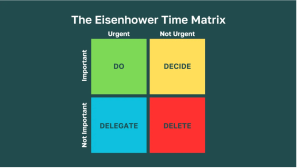
Start each day by listing your top three goals and setting specific, measurable objectives. Tools like the Eisenhower Matrix can help you prioritize tasks based on urgency and importance.
3. Social Media, Phone Notifications, and Interruptions
Distractions are everywhere—social media, notifications, and other interruptions steal valuable time and disrupt focus. A study found that it can take over 20 minutes to refocus after a distraction.
Limit distractions by turning off notifications, setting designated times to check emails and social media, and using productivity apps to block distracting websites. Try working in a quiet space or using noise-canceling headphones to minimize interruptions.
4. Burnout and Lack of Self-Care
Pushing yourself too hard without taking breaks or focusing on self-care can lead to burnout, which can severely impact productivity. Burnout causes mental and physical exhaustion, reduced creativity, and a lack of motivation.
Schedule regular breaks throughout your day and take time for activities you enjoy outside of work. Incorporate physical activity, good nutrition, and quality sleep into your routine for sustained energy and focus.
5. Poor Time Management
With adequate time management, it’s easier to maintain track of priorities, procrastinate, or get bogged down in unimportant details. This results in wasted time and rushed deadlines.
Adopt time management techniques like the Pomodoro Technique, time-blocking, or the “two-minute rule” to manage your time efficiently. Set specific deadlines for tasks, even if they’re self-imposed.

6. Overcommitting and Inability to Say “No”
Trying to do everything and please everyone leads to an overload that compromises productivity. Taking on too many tasks often results in lower-quality work and stress.
Learn to say “no” when your schedule is complete or a task doesn’t align with your priorities. Use phrases like “I’d love to help, but I don’t have the capacity right now.” Delegating tasks when possible also reduces your workload.
7. Perfectionism
Perfectionism can be paralyzing. It leads to overthinking and spending too much time on small details, which can cause delays, frustration, and reduced output.
Set realistic standards for yourself and recognize that perfection isn’t always necessary. Use the 80/20 rule—focus on the 20% of effort that produces 80% of the results. Set time limits for tasks to avoid dwelling on details.
8. Inadequate Sleep
Sleep is essential for cognitive function, mood, and overall well-being. Lack of sleep leads to reduced focus, slower information processing, and lower productivity.
Aim for 7-9 hours of sleep each night. Create a sleep routine by going to bed and waking up at the same time daily, and avoid caffeine or screen time before bed.
9. Poor Physical Health and Lack of Exercise
Physical health is directly linked to mental clarity and energy levels. A sedentary lifestyle, poor diet, and lack of exercise can contribute to low energy and reduced productivity.
Incorporate physical activity into your day, even just a short walk or stretching break. Eat a balanced diet to fuel your brain, and drink plenty of water to stay hydrated.
10. Cluttered or Unorganized Workspace
A cluttered workspace can lead to an untidy mind. An unorganized environment makes it hard to find what you need and can even contribute to stress and distractions.
Take a few minutes each day to tidy your workspace. Keep essential items within reach and create a filing system for documents. Digital tools like task managers can also help keep your digital workspace organized.
11. Negative Mindset and Lack of Motivation
A negative mindset can lead to self-doubt, procrastination, and resistance to challenging tasks. This mindset makes it hard to stay motivated, focused, and productive.
Practice gratitude, focus on your achievements, and set small, achievable goals to build momentum. Surround yourself with positive influences and take regular breaks to recharge. If unmotivated, try breaking large tasks into smaller, manageable steps.
Conclusion
Productivity isn’t just about working harder—it’s about working smarter. Recognizing and addressing these productivity pitfalls can help you reclaim control of your time, increase efficiency, and ultimately lead to more satisfaction and success in your work and personal life.
Did you find this article interesting? Leave a comment below

 MABS
MABS 