
Have you ever wondered why certain foods leave you feeling full for hours while others leave you scavenging for snacks shortly after a meal?
Understanding how to stay satisfied with your meals can be a game changer, especially if you’re managing your weight or simply trying to avoid hunger during the afternoon.
This blog post explores a variety of foods that are not only nutritious but also top performers on the Satiety Index. Whether planning a meal or looking for the right snacks, choosing foods with high satiety values can help you curb hunger and maintain your energy levels throughout the day.
Satiety Foods to Include in Your Diet
Choosing foods that keep you satisfied longer can significantly impact your overall health, energy levels, and weight management efforts. Based on the Satiety Index, which measures the extent to which foods keep you full after eating them, here are some highly satiating food groups to incorporate into your diet.
Including these foods in your diet can help manage hunger and boost nutrition. They are satiating and contribute to a balanced and healthy dietary pattern.
1. Proteins
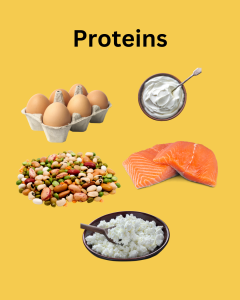
- Eggs
- Greek yogurt
- Fish
- Cottage cheese
- Beans, lentils, chickpeas
Eggs
Often considered a staple in a satiating diet, eggs are high in protein and provide essential vitamins and minerals. They contribute to a feeling of fullness and help stabilize blood sugar levels.
Greek Yogurt
This thick, creamy yogurt is much higher in protein than traditional yogurts. Its high protein content effectively reduces feelings of hunger and delays the need for a next meal.
Fish
Particularly fatty types like salmon and mackerel, fish is a good source of protein and omega-3 fatty acids, contributing to fullness and overall heart health.
Cottage Cheese
Cottage cheese is low in calories but high in protein. It is a filling option that can be eaten as a snack or used as a versatile ingredient in recipes.
Legumes
Beans, lentils, and chickpeas are rich in protein and have high fiber content, making them incredibly filling. They’re also versatile in cooking, making excellent additions to salads, soups, and stews.
2. Whole Grains and High Fiber Foods
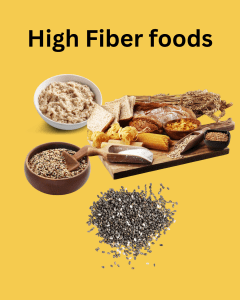
- Oatmeal
- Whole grain
- Quinoa
- Chia seeds
Oatmeal
Oatmeal is a popular breakfast choice. It is rich in a type of fiber called beta-glucan, which absorbs water and expands in the stomach, helping to keep you full longer.
Whole Grain
Products like whole-grain bread, pasta, and brown rice contain all the parts of the grain, including the fiber-rich outer layer, which helps increase satiety and prevent overeating.
Quinoa
Known as a “superfood,” quinoa is a seed with all nine essential amino acids, fiber, and protein, making it highly satisfying.
Chia Seeds
These tiny seeds are a powerhouse of fiber. They absorb several times their weight in water to form a gel-like consistency in the stomach, significantly extending fullness.
3. Healthy Fats
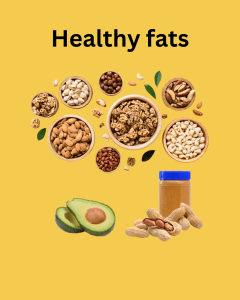
- Avocado
- Nuts and almonds
- Peanut butter
Avocado
Besides being a tasty addition to almost any meal, avocados are high in monounsaturated fats and fiber, which help keep you full.
Nuts and Almonds
Nuts and almonds are great sources of healthy fats, protein, and fiber. When eaten in moderation, they can effectively curb appetite.
Peanut Butter
Despite its caloric density, peanut butter can be part of a satiating snack. Its protein, fat, and fiber content balance its energy density.
4. Vegetables and Fruit
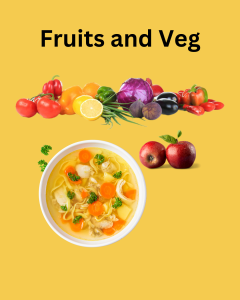
- Vegetable
- Vegetable soup
- Apples
- Fruits
Vegetables
Loaded with fiber and water, they fill up your stomach without adding extra calories. Spinach, broccoli, and carrots are exceptionally high in fiber and nutrients.
Vegetable Soup
The high water content of soup can lead to a feeling of fullness with fewer calories consumed.
Apples
Rich in soluble fiber and pectin, apples help regulate digestion and extend feelings of fullness.
Fruits
Other fruits like oranges, berries, and pears also contain a lot of fiber and water, helping to control hunger.
5. Snacks
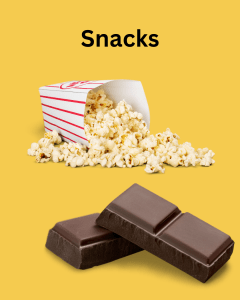
- Popcorn
- Dark chocolate
Popcorn
If air-popped and eaten without unhealthy toppings, popcorn can be a voluminous, low-calorie snack and a good fiber source.
Dark Chocolate
When consumed in moderation, dark chocolate can satisfy cravings for sweets while also providing fiber, healthy fats, and antioxidants.
Tips for Incorporating These Foods into Your Diet
Integrating high-satiety foods into your daily meals and snacks can make a significant difference in managing your hunger and maintaining a healthy lifestyle. Here are some practical tips and meal ideas to help you effectively incorporate these foods into your diet:
1. Start Your Day Right
Begin with a protein-rich breakfast like scrambled eggs with spinach and avocado or Greek yogurt topped with chia seeds and berries.
For a heartier meal, try oatmeal with a scoop of peanut butter and sliced apples or almonds.
Consistently including protein and fiber in your breakfast can help stabilize your blood sugar levels and set a satiety standard for the rest of the day.
2. Smart Snacking
Keep snacks that combine protein, healthy fats, and fiber handy. Examples include hummus with vegetable sticks, an apple with almond butter, or a small portion of nuts with dark chocolate. Be mindful of portions, especially with high-calorie foods like nuts and cheese. Small, frequent meals can help prevent overeating at meal times.
3. Lunch and Dinner
For lunch and dinner, fill half your plate with vegetables, a quarter with lean protein such as fish, cottage cheese, or legumes, and the remainder with a whole grain like quinoa or whole grain pasta.
You can also try some vegetable soup before dinner. Beginning with a vegetable soup will help you consume fewer calories before moving on to more calorie-dense parts of your meal.
4. Master Meal Prepping
Prepare meals and snacks in advance to avoid the temptation of less healthy options. Investing in meal prep containers can help you portion and store your meals efficiently, making it easier to grab a balanced option on busy days. Batch cooking legumes, grains, and proteins can save time during the week and ensure you always have healthy meals ready to go.
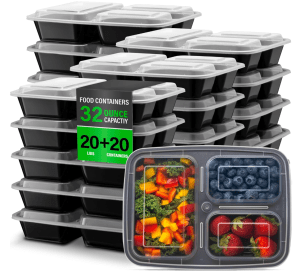
Mix several high-satiety foods in your meals to keep things interesting and flavorful. Experiment with spices and herbs to enhance the taste without adding extra calories.

5. Hydration Helps
Often, feelings of hunger are signs of dehydration. Drinking daily water can help you stay hydrated and reduce unnecessary snacking.
You can also include fruits and vegetables with high water content in your meals to aid satiation and hydration.
6. Mindful Eating
Take time to chew your food thoroughly and enjoy each bite. Eating slowly can help you more effectively recognize your body’s satiety signals.
Try to eat without distractions like TV or smartphones. Being mindful while you eat enhances your ability to feel satisfied with less food.
Conclusion
Choosing foods that rank high on the Satiety Index can transform how you manage your hunger and overall eating habits. Incorporating a variety of protein-rich, fiber-dense, and healthy fat foods into your meals can enhance satiety and reduce the urge to snack unnecessarily. These foods keep you feeling full longer and provide essential nutrients that support a healthy lifestyle.
Remember, the key to a satisfying diet is balance and variety, ensuring that every meal contributes to your feelings of fullness and your nutritional needs.
We hope this guide inspires you to experiment with these satiating foods in your daily diet. Which foods do you find most effective at keeping hunger at bay? Do you have any favorite recipes that combine these ingredients? Share your experiences and tips in the comments below.

 MABS
MABS 