
Eggs have long been our go-to for quick, protein-packed meals. That’s understandable, considering an average egg contains 6-7 grams of protein. According to a detailed article by VeryWellHealth, a regular man needs about 56 grams of protein per day, while women require around 46 grams. Some people consume more than five eggs daily. For example, Coach Ryan Meng emphasizes that eating at least five eggs per day is essential for muscle growth and overall health. He debunks the myth that eggs cause heart disease, explaining that poor health habits—such as a sedentary lifestyle and processed foods—are the real culprits.
Some bodybuilders believe that maximizing muscle building and fat loss requires at least 30 grams of protein per meal. Eggs, being one of the most nutrient-dense foods available, are a staple for many fitness enthusiasts.
However, a 2018 article by Brad and Alan does not strongly support the claim.
- Muscle Protein Synthesis (MPS) Threshold –MPS is maximized in young adults at around 20–25g of high-quality protein per meal. This suggests that 30g is not necessarily required, though it may not be harmful.
- Higher Protein Doses & Utilization – While excess protein beyond ~25g may be oxidized for energy, some studies (e.g., Macnaughton et al.) suggest that consuming more (like 40g) after resistance training can further enhance MPS, especially when larger muscle groups are trained.
- Slower Digestion & Mixed Macronutrients – Protein consumed with other macronutrients (such as fat and carbs) is absorbed more slowly, potentially increasing amino acid availability and utilization.
- Guidelines for Optimal Protein Distribution – Brad and Alan recommend consuming protein at 0.4 g/kg/meal across at least four meals to reach 1.6 g/kg/day for muscle growth, with an upper intake of 0.55 g/kg/meal for those consuming 2.2 g/kg/day.
Why are Eggs Expensive?
Do we blame the gym bros for the increased price of eggs? No. According to Daily News journals, there are many factors responsible for the high prices of eggs. Inflation, supply chain issues, bird flu and shortage of staff.
It also takes about 6 months to get an hen to start laying eggs and when they do lay eggs, we have to wait a while to start laying large eggs because their first eggs are usually small
The primary reason for the decreased egg supply is the outbreak of highly pathogenic avian influenza (HPAI), particularly the H5N1 strain. This disease, which began in 2022, has affected over 150 million birds, including laying hens. The virus has led to the loss of millions of birds, and the impact continues, with 23.3 million birds lost in January 2025 alone.
With the egg industry under significant pressure, it’s time to consider high-protein alternatives that offer even more protein than eggs.
High-Protein Egg Alternatives for Your Diet
1. Greek Yogurt

Greek yogurt is more than just a creamy snack—it’s a high-protein powerhouse. According to USDA, 100g of Greek yogurt can provide around 10 grams of protein, depending on the brand and variety. It’s also rich in probiotics, which can benefit your digestive system.
Greek yogurt supports digestive health and muscle repair. Plus, it’s a great source of calcium, which is important for bone health.
How to Use It:
– Add it to smoothies for a creamy texture and protein boost.
– Use it in baking cakes and muffins.
– Enjoy it as a topping for your favorite breakfast bowls and granola or mix with fruits and nuts for a delicious snack.
2. Tofu
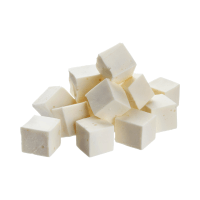
Tofu is an incredibly versatile protein source, especially in plant-based diets. It’s packed with protein, according to USDA, it is about 8 grams per 100 grams of tofu and is a great replacement for eggs in many recipes
In an article by Healthline, it is mentioned that tofu is packed with nutrients and contains all the essential amino acids your body needs,
How to Use It:
– Scramble it with spices and veggies as a substitute for scrambled eggs.
– Add it to stir-fries, salads, or soups.
– Blend it into smoothies for a creamy texture without the eggs.
3. Chia Seeds
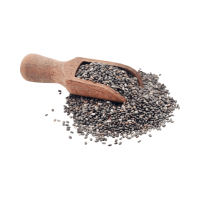
Just two tablespoons of chia seeds provide about 4 grams of protein and are also rich in omega-3 fatty acids and fiber. Chia seeds are loaded with antioxidants and fiber, helping support heart health and digestive function.
How to Use It:
– Use chia seeds in puddings by mixing them with your favorite plant-based milk and letting them soak overnight.
– Add them to smoothies or sprinkle them on top of salads and yogurt.
4. Lentils

Lentils are my favorite things to eat because they are very versatile. A cup of cooked lentils provides about 18 grams of protein and is also high in fiber, making it a filling and nutritious substitute. Lentils are rich in iron and are an excellent choice for vegetarians and vegans looking to boost their protein intake.
How to Use It:
– Add lentils to soups and stews.
-Use them as muffins, akara and moi moi
– Use them in wraps, salads, or as a filling for veggie burgers.
– Combine them with rice for a complete protein source.
5. Quinoa
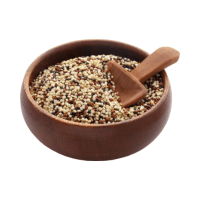
Unlike most plant-based proteins, quinoa is a complete protein, meaning it contains all nine essential amino acids. One cup of cooked quinoa offers about 8 grams of protein, making it an excellent choice for vegetarians.
Quinoa is gluten-free, high in fiber, and provides a steady release of energy, making it perfect for people with active lifestyles.
How to Use It:
– Use quinoa as a base for salads, grain bowls, or in place of rice.
– Mix quinoa with fruit and nuts for a delicious breakfast porridge.
– Incorporate quinoa into baking recipes like muffins or cookies.
6. Nut Butters
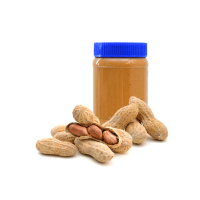
Nut butters, such as almond, peanut, or cashew butter, are packed with protein and healthy fats. Just two tablespoons of peanut butter can provide around 8 grams of protein.
Nut butters support heart health, improve satiety, and provide a quick energy boost, making them a great snack option.
How to Use It:
– Spread nut butter on toast or crackers.
– Add it to smoothies or oatmeal for extra protein.
– Use it in baking or as a dip for fruits like apple slices.
7. Cottage Cheese
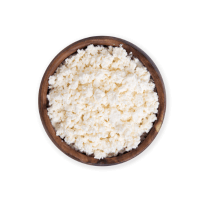
Cottage cheese is an underrated protein source, offering about 14 grams of protein per half-cup serving. It’s also packed with calcium, which is essential for bone health.
Cottage cheese is an excellent choice for muscle building and is easy to incorporate into various meals, both sweet and savory.
How to Use It:
– Enjoy it as a topping for fruits or mix it into salads.
– Use cottage cheese as a filling for crepes or stuffed vegetables.
– Blend it into smoothies for added creaminess and protein.
8. Seitan

Seitan, made from gluten, is a protein-packed alternative that provides around 17 grams of protein per 100g serving. It’s often referred to as “wheat meat” due to its meat-like texture. Seitan is high in iron and can be a great addition to a plant-based or vegetarian diet for muscle-building.
How to Use It:
– Use seitan in stir-fries, sandwiches, or tacos as a substitute for meat.
– Grill or bake it with spices for a savory main dish.
– Add it to soups and stews.
9. Edamame: A Protein-Packed Snack
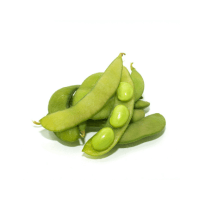
Edamame, young soybeans, are a great source of protein, with about 12 grams of protein per 100g serving. They’re also packed with fiber, making them a filling snack.
Edamame supports digestive health and is an excellent choice for lowering cholesterol levels.
How to Use It:
– Snack on edamame by boiling or steaming them.
– Toss them into salads or grain bowls.
– Blend them into spreads like hummus.
10. Beans
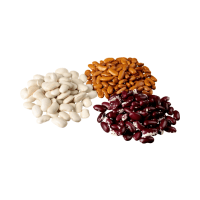
Beans, such as black beans, kidney beans, and chickpeas, are packed with protein and fiber. A cup of cooked beans can provide up to 15 grams of protein, depending on the variety.
Beans help regulate blood sugar levels and are excellent for heart health due to their high fiber content.
How to Use It:
– Use beans in soups, stews, or chili.
– Add them to salads or make a delicious bean dip like hummus.
– Incorporate them into baked goods like brownies for added protein.
Conclusion
There are plenty of high-protein egg alternatives out there, ranging from dairy options like Greek yogurt and cottage cheese to plant-based choices such as tofu, quinoa, and edamame. Whether you’re vegan, lactose intolerant, or simply trying to diversify your diet, these alternatives can provide the protein you need without relying on eggs. Try incorporating them into your meals to enjoy both the health benefits and the delicious flavors they bring to your table.

 MABS
MABS 