
Key Points
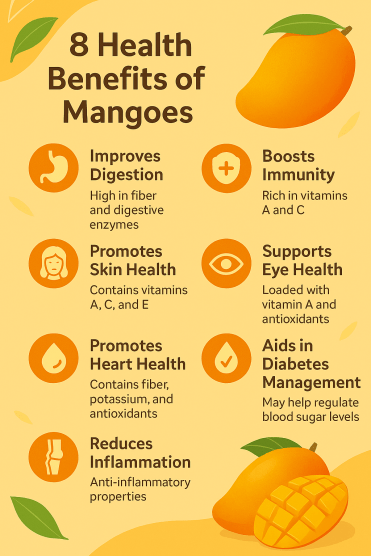
- Research suggests mangoes offer numerous health benefits, including improved digestion, boosted immunity, and better skin health.
- It seems likely that mangoes can support heart health, aid diabetes management, and reduce inflammation, though moderation is key for diabetics.
- The evidence leans toward mangoes helping prevent certain cancers and supporting eye health, but more studies are needed for confirmation.
Some people call mangoes the “king of fruits.” In this regard, mangoes have to be one of my top favorite fruits. In Africa, during mango season, you’ll see lots of kids sucking on a mango, with its juices dripping down their jaws and forearms. However, beyond their taste, they’re packed with nutrients like vitamins A, C, and fiber, making them a great addition to a balanced diet. This article will explore how they can benefit your health in various ways, and we will also discuss the different ways we can incorporate more mangoes into our diet.

Mangoes (Mangifera indica) are a tropical stone fruit, part of the drupe family, known for their sweet, creamy taste and vibrant golden-yellow flesh.
Nutritional Profile and Caloric Content
Mangoes are low in calories, with one cup (165 grams) containing about 99 calories, making them a nutrient-dense choice. They provide 22.5 grams of sugar and 2.6 grams of fiber per cup, contributing to their role in various health benefits. Their nutritional breakdown includes:
- Vitamin C: 60.1 mg (67% DV)
- Vitamin A: 89.1 mcg RAE (10% DV)
- Potassium: 277 mg (5.89% daily needs)
- Folate: 71 mcg (18% DV)
- Vitamin B6: 12% DV
- Copper: 20% DV
- Vitamin E (10% DV)
- Vitamin K (6% DV)
- Niacin (7% DV)
This profile makes mangoes a versatile fruit, supporting multiple bodily functions from immunity to digestion. Dried mango, however, has higher calories (510 per cup, 160 grams) and sugar (106 grams), so fresh is preferred for lower calorie density.
Digestive Health Benefits
Mangoes are excellent for digestion, offering both soluble and insoluble fiber (2.6 grams per cup), which aids in preventing constipation and supporting gut microbiome health.
A study highlighted their effectiveness over soluble fiber supplements for constipation relief in a 4-week study. They also contain digestive enzymes like amylases, which break down food, improving gut health and reducing bloating.
Immune System Support
Mangoes are a powerhouse for immunity, providing nearly 75% of the daily value for vitamin C and 10% for vitamin A per cup. Vitamin C is crucial for producing disease-fighting white blood cells, while vitamin A supports skin and mucous membrane health, acting as barriers against pathogens. Additional nutrients like copper, folate, and vitamin E further enhance immune function by aiding cell growth and repair.
Skin and Hair Health
Ever wondered why many skin products contain mango extracts? That’s because they know mangoes are good for the skin. Mangoes are rich in vitamins A, C, and E, which act as antioxidants to protect against free radical damage from pollution and UV rays. Vitamin C supports collagen production, essential for firm, youthful skin, while beta-carotene (1,060 mcg per cup) helps maintain a healthy skin tone and may prevent premature aging. Vitamin A also moisturizes the hair by providing sebum and supports tissue growth. This makes mangoes a natural ally for skincare—some people even use mashed mango as a DIY face mask.
Bonus: Try This DIY Mango Face Mask
Mix:
-
2 tbsp mashed ripe mango
-
1 tsp honey
-
1 tsp plain yogurt
Apply for 10–15 minutes, then rinse for smooth, glowing skin.
Cancer Prevention
Mangoes contain over a dozen polyphenols, including mangiferin, gallic acid, and quercetin, linked to reduced cancer risks. These antioxidants combat oxidative stress, potentially lowering risks for colon, breast, lung, and neuronal cancers. Beta-carotene may also help prevent skin cancer, and vitamin A boosts immune system action against cancer cells.
Eye Health Support
Mangoes support eye health with vitamin A (10% DV per cup), crucial for preventing night blindness and maintaining vision. They also contain lutein (38 mcg per cup) and zeaxanthin, antioxidants that protect against harmful blue light and may reduce age-related macular degeneration (AMD) risk. These compounds act like natural sunglasses, filtering out damaging light, making mangoes a tasty way to care for your eyes, especially for screen-heavy lifestyles.
Cardiovascular Health Promotion
For heart health, mangoes offer potassium (277 mg per cup, 5.89% daily needs), which regulates blood pressure by counteracting sodium effects, reducing hypertension risk—a major factor in heart disease and stroke. Their fiber (2.6 grams per cup) also lowers total and LDL cholesterol, supporting cardiovascular health.
Mangiferin also plays a big role in making mangoes a heart-friendly fruit, especially when paired with a low-sodium diet.
Diabetes Management Aid
Contrary to myths, mangoes can fit into a diabetes-friendly diet when consumed in moderation (about one cup daily). Their low glycemic index, combined with 2.6 grams of fiber per cup, helps regulate blood sugar levels, reducing spikes after meals.
How to Add More Mangoes to Your Diet
Looking for ways to enjoy this juicy fruit beyond just slicing it? Try these:
-
Blend into a smoothie with banana and yogurt
-
Add chopped mango to your salad
-
Make mango salsa for tacos or grilled chicken
-
Toss frozen mango chunks into oatmeal or yogurt
-
Freeze them for a refreshing snack
-
Use in overnight oats or chia pudding
While mangoes offer many benefits, moderation is key, especially for diabetics, with a recommended limit of about two cups (330 grams) daily due to high natural sugar (22.5 grams per cup). Fresh mango is preferred over dried for lower calorie density. Cutting tips can be found at how to cut a mango. Pairing with protein or healthy fats can enhance benefits, and they’re versatile for breakfast, snacks, or desserts.

Beyond eating, mangoes are used in frozen fruit bags, trail mixes, salsas, and even skincare, like DIY face masks, highlighting their versatility. This unexpected use extends their appeal beyond just consumption, offering creative ways to incorporate them into daily life.
Frequently Asked Questions
Q: Can diabetics eat mangoes?
A: Yes, in moderation! Opt for fresh mango in small portions and pair with protein or fiber.
Q: Are dried mangoes just as healthy?
A: They still have nutrients, but they’re more calorie-dense and higher in sugar—so watch your portions.
Q: Is it okay to eat mangoes daily?
A: Absolutely! Just balance it with other fruits and be mindful of portion sizes if you’re watching sugar intake.
Conclusion
Mangoes are a nutritional powerhouse, offering benefits from digestion to cancer prevention, making them a valuable addition to a balanced diet.
Whether sliced fresh, blended into smoothies, or grilled, they’re easy to enjoy and can enhance overall well-being. How do you like to enjoy mangoes?
Share your favorite recipes or tips below or on social media—we’d love to hear from you and spread the mango love!
Below is a table summarizing key nutrients and benefits for quick reference:
| Benefit Category | Details | Relevant Nutrients/Compounds | Exact Numbers (per cup, 165g) |
|---|---|---|---|
| Digestion | Fiber aids constipation, enzymes improve gut health | Fiber (2.6g), Amylases | – |
| Immunity | Supports white blood cells, skin barriers | Vitamin C (67% DV), Vitamin A (10% DV) | Vitamin C: 60.1 mg, Vitamin A: 89.1 mcg RAE |
| Skin Health | Antioxidants protect, collagen production for youthfulness | Vitamins A, C, E, Beta-carotene | Beta-carotene: 1,060 mcg |
| Cancer Prevention | Polyphenols reduce oxidative stress, potential cancer risk reduction | Mangiferin, Polyphenols | – |
| Eye Health | Prevents night blindness, protects against blue light | Vitamin A, Lutein, Zeaxanthin | Lutein/Zeaxanthin: 38 mcg |
| Heart Health | Regulates blood pressure, lowers cholesterol | Potassium, Fiber | Potassium: 277 mg |
| Diabetes Management | Low glycemic index, regulates blood sugar with moderation | Fiber, Mangiferin | Sugar: 22.5g, Fiber: 2.6g |
| Anti-Inflammation | Reduces chronic inflammation, beneficial for arthritis | Quercetin, Polyphenols | – |

 MABS
MABS 