

Key Points
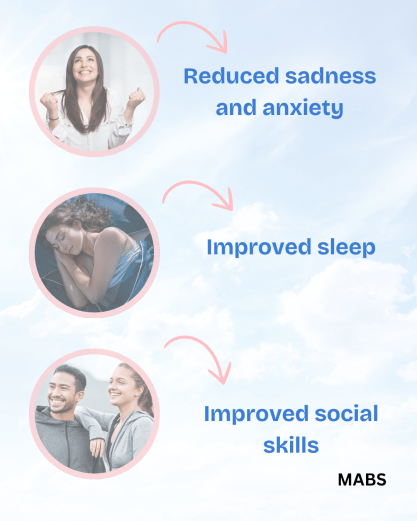
- Research suggests regular gyming improves mental health, reducing stress, anxiety, and depression.
- It seems likely that gyming enhances cognitive functions like memory and concentration.
- The evidence leans toward gyming fostering social connections and boosting emotional well-being, such as self-esteem.
A Personal Journey: How Gyming Became My Therapy
To bring these benefits to life, let me share a personal story. I first stepped into a gym not for physical gains, but because I was drowning in sadness and anxiety. I felt stuck, overwhelmed by emotions I couldn’t shake. That first workout didn’t magically fix everything, but it did something—it made me happy, even if just for a little while. Over time, the gym became my therapy, a place where I could channel my restlessness into something positive. It’s not a cure, though; I’ve noticed that when I skip sessions, that familiar low feeling creeps back in, a reminder of how much I rely on it to keep my mental health steady.
Beyond the obvious physical perks—like stronger muscles or better stamina—I can vouch for the mental health boost. Research backs this up: studies show exercise reduces depression and anxiety symptoms by altering stress responses and boosting mood-enhancing chemicals in the brain (Schuch et al., 2018; Herring et al., 2010). My experience aligns with that—gyming doesn’t erase the struggles, but it gives me a tool to manage them.
There’s another unexpected perk I’ve noticed: gyming sparks my creativity. As a writer, I often hit blocks where ideas just won’t flow. But a few minutes into a workout—whether it’s lifting weights or jogging on the treadmill—new thoughts start bubbling up. Suddenly, I’m piecing together sentences or plotting stories I couldn’t crack before. Science supports this too; exercise increases blood flow to the brain, enhancing cognitive functions like memory and problem-solving (Hillman et al., 2008). For me, it’s like the gym doubles as a brainstorming session.
So, which gym benefits am I most grateful for? It’s a tie between the mental lift that keeps my anxiety at bay and the creative jolt that fuels my writing. What about you—which gym benefits are you most thankful for? Whether it’s a clearer mind, a stronger spirit, or a new friend made during a class, I’d love to hear your story.
Mental Health Benefits
Regular gyming has been extensively studied for its positive effects on mental health, particularly in reducing symptoms of depression, anxiety, and stress. A review by Schuch et al. (2018) found that physical activity is associated with a reduced risk of developing depression, with an odds ratio of 0.83 across 49 studies involving 267,000 individuals. For anxiety, Herring et al. (2010) conducted a systematic review showing that both acute and chronic exercise can decrease anxiety levels, with effect sizes indicating moderate to large improvements. Salmon (2001) further noted that exercise can improve resilience to stress by altering the body’s stress response, which is crucial for managing daily pressures.
Additionally, gyming enhances mood and emotional well-being, with the National Institute on Aging highlighting that exercise can reduce feelings of depression and stress, enhance mood, increase energy levels, and improve sleep (Mental Health Benefits of Exercise). This is supported by a review from PMC, which discusses how regular physical activity improves the functioning of the hypothalamus-pituitary-adrenal axis, influencing depression and anxiety (Role of Physical Activity on Mental Health and Well-Being).
Cognitive Enhancements
The cognitive benefits of regular gyming are equally significant, with research suggesting improvements in memory, concentration, and overall cognitive function. Erickson et al. (2011) found that exercise training increases the size of the hippocampus, improving both short-term and long-term memory, which is crucial for learning and recall (Exercise training increases size of hippocampus and improves memory). Hillman et al. (2008) noted that exercise increases blood flow to the brain, leading to better focus and concentration, which can enhance productivity in daily tasks (Be smart, exercise your heart).
A meta-analysis by Colcombe and Kramer (2003) showed a moderate effect size of 0.48 for training benefits on cognitive processes, particularly executive control processes like working memory and inhibitory processes, in older adults. Harvard Health also emphasizes that engaging in a program of regular exercise over six months or a year is associated with increased volume in brain regions controlling thinking and memory, indirectly improving mood and sleep, which further supports cognitive health (Exercise can boost your memory and thinking skills).
Social and Emotional Gains
Gyming regularly offers substantial social benefits, fostering connections and improving interpersonal skills. Planet Fitness highlights that gyms can help make friends due to the release of endorphins and the social environment, expanding networks and improving mood (5 Social Benefits of Exercise That Might Surprise You). Nivati’s blog lists top social benefits, including increased sociability and openness to new experiences, which can be particularly helpful for those with gym anxiety (The Top 10 Social Benefits of Exercise).
A study on parkrun participants from PMC examined how social reward and support in exercise are associated with positive experiences and performance outputs, reducing social isolation and loneliness through opportunities for social connection (Social reward and support effects on exercise experiences and performance). This aligns with findings that group exercise settings, such as gym classes, can enhance motivation and social bonds, as noted in blogs from Simply Supplements, which suggest trying classes like aerobics or Pilates to meet like-minded people (The Social Benefits of Exercise).
The emotional benefits of regular gyming include increased self-esteem, confidence, and emotional resilience. Sonstroem and Morgan (1989) found that achieving fitness goals can lead to enhanced self-esteem and a positive self-image, which is crucial for emotional well-being. Hausenblas and Fallon (2006) conducted a meta-analysis showing that exercise can improve body image, further boosting confidence.
A study by McGonigal (2020) in her book “The Joy of Movement” argues for looking beyond weight loss to the emotional benefits, such as building resilience to stress, which can help in coping with emotional challenges (Hope, Happiness And Social Connection). Another study from PubMed by Young et al. (2018) suggests that exercise can attenuate the effects of rumination and difficulties with emotion regulation, enhancing emotional recovery after stress (Exercise as a buffer against difficulties with emotion regulation).
Conclusion
Quiz: Share Your Gym Story, Win a Free EBook!
We want to hear about your gym journey! Take our quick quiz to tell us how the gym has impacted your life—whether it’s a mental boost, a creative spark, or something else entirely. Every story shared enters you for a chance to win a free Ebook. Let’s celebrate the power of gyming together!
References
Colcombe, S., & Kramer, A. F. (2003). Fitness effects on the cognitive function of older adults: A meta-analytic study. Psychological Science, 14(2), 125–130. https://pubmed.ncbi.nlm.nih.gov/12626692/
Erickson, K. I., Voss, M. W., Prakash, R. S., Basak, C., Szabo, A., Chaddock, L., Kim, J. S., Heo, S., Alves, H., White, S. M., Wojcicki, T. R., Mailey, E., Vieira, V. J., Martin, S. A., Pence, B. D., Woods, J. A., McAuley, E., & Kramer, A. F. (2011). Exercise training increases size of hippocampus and improves memory. Proceedings of the National Academy of Sciences, 108(7), 3017–3022. https://www.pnas.org/doi/10.1073/pnas.1015950108
Harvard Health Publishing. (2021, February 15). Exercise can boost your memory and thinking skills. Harvard Medical School. https://www.health.harvard.edu/mind-and-mood/exercise-can-boost-your-memory-and-thinking-skills
Hausenblas, H. A., & Fallon, E. A. (2006). Exercise and body image: A meta-analysis. Psychology & Health, 21(1), 33–47. https://pubmed.ncbi.nlm.nih.gov/16450883/
Herring, M. P., O’Connor, P. J., & Dishman, R. K. (2010). The effect of exercise training on anxiety symptoms among patients: A systematic review. Archives of Internal Medicine, 170(4), 321–331. https://pubmed.ncbi.nlm.nih.gov/20142564/
Hillman, C. H., Erickson, K. I., & Kramer, A. F. (2008). Be smart, exercise your heart: Exercise effects on brain and cognition. Nature Reviews Neuroscience, 9(1), 58–65. https://www.nature.com/articles/nrn2298
McGonigal, K. (2020, January 4). Hope, happiness and social connection: Hidden benefits of regular exercise. NPR Health Shots. https://www.npr.org/sections/health-shots/2020/01/04/790346204/hope-happiness-and-social-connection-hidden-benefits-of-regular-exercise
National Institute on Aging. (n.d.). Mental health benefits of exercise and physical activity. https://www.nia.nih.gov/health/mental-and-emotional-health/mental-health-benefits-exercise-and-physical-activity
Nivati. (n.d.). The top 10 social benefits of exercise. https://www.nivati.com/blog/the-top-10-social-benefits-of-exercise
Planet Fitness. (n.d.). 5 social benefits of exercise that might surprise you. https://www.planetfitness.com/community/articles/5-social-benefits-exercise-might-surprise-you
Salmon, P. (2001). Effects of physical exercise on anxiety, depression, and sensitivity to stress: A unifying theory. Clinical Psychology Review, 21(1), 33–61. https://pubmed.ncbi.nlm.nih.gov/11146376/
Schuch, F. B., Vancampfort, D., Richards, J., Rosenbaum, S., Ward, P. B., & Stubbs, B. (2018). Physical activity and incident depression: A meta-analysis of prospective cohort studies. The American Journal of Psychiatry, 175(7), 631–648. https://pubmed.ncbi.nlm.nih.gov/29731846/
Simply Supplements. (n.d.). The social benefits of exercise. https://www.simplysupplements.co.uk/healthylife/fitness-tips/the-social-benefits-of-exercise
Sonstroem, R. J., & Morgan, W. P. (1989). Exercise and self-esteem: Rationale and model. Medicine & Science in Sports & Exercise, 21(3), 329–337. https://pubmed.ncbi.nlm.nih.gov/2661052/
Stevens, M., Rees, T., & Polman, R. (2021). Social reward and support effects on exercise experiences and performance: Evidence from parkrun. Frontiers in Sports and Active Living, 3, 655883. https://pmc.ncbi.nlm.nih.gov/articles/PMC8443045/
Vina, J., Sanchis-Gomar, F., Martinez-Bello, V., & Gomez-Cabrera, M. C. (2023). Role of physical activity on mental health and well-being: A review. Cureus, 15(1), e33475. https://pmc.ncbi.nlm.nih.gov/articles/PMC9902068/
Young, H. A., Cousins, A., & Benton, D. (2018). Exercise as a buffer against difficulties with emotion regulation: A pathway to emotional wellbeing. Psychology & Health, 33(9), 1131–1148. https://pubmed.ncbi.nlm.nih.gov/30081242/
 MABS
MABS 