
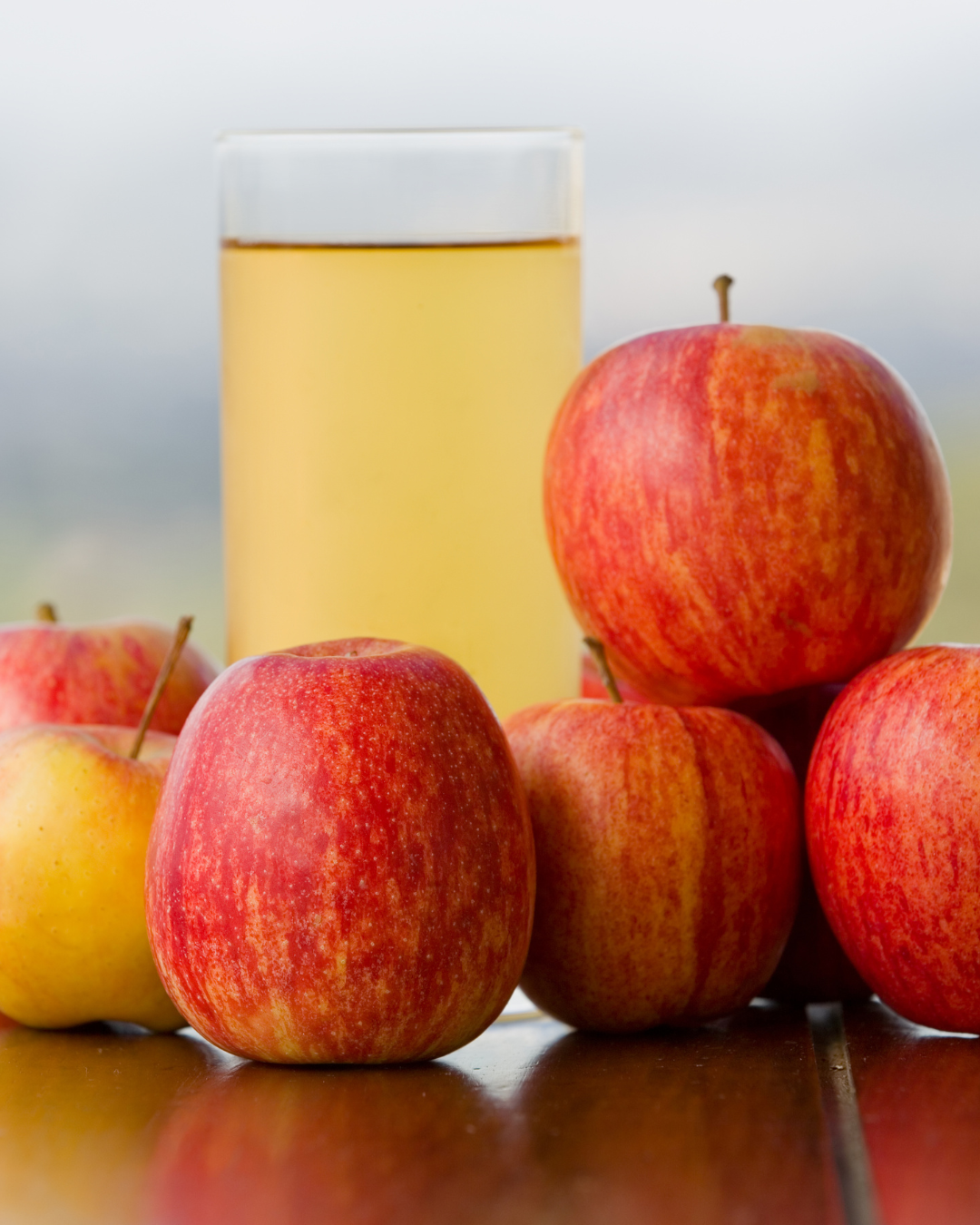
An apple a day keeps the doctor away. I am not sure where I first heard that, but it means it’s essential to eat apples because they have many health benefits. Are apples healthy? Yes, They are low in calories yet high in fiber and vitamin C. They also contain various antioxidants and dietary fiber, which are beneficial for heart health, weight management, and reducing the risk of several chronic diseases.
But what makes apples unique? Apples are versatile. You can eat them fresh, bake with them, or make smoothies, juices, and sauces with them. They are also special because they have many health benefits. They are rich in fiber, vitamins, and antioxidants, making them an excellent choice for a healthy diet. Apples also come in various flavors, textures, and colors, with over 7,500 varieties grown worldwide.
Almost everyone loves apples, but once sliced, they quickly turn brown, diminishing their visual appeal and texture. This blog post will show you the best ways to prevent apples from browning, delicious apple recipes, and the best ways to preserve your apples.
Why Are Apples Famous?
Apples are also among the most famous fruits. They became so famous due to their adaptability to various climates and soils, allowing them to be cultivated worldwide. Their role in historical and cultural contexts, such as the biblical story of Adam and Eve and the folklore of Johnny Appleseed, also contributed to their fame.
Apples are one of the most loved fruits. We love apples because they are delicious and have nutritional benefits. We also love apples for their convenience as a portable, easy-to-eat snack.
Why Do Apples Go Brown?
When apple flesh is exposed to oxygen, it undergoes enzymatic browning. This is caused by the enzyme polyphenol oxidase (PPO), which reacts with oxygen. Stopping this reaction is key to keeping apples fresh.
Best Methods to Prevent Apple Browning
There are different ways to keep an apple from browning and these are some of the most common methods.
Salt Water Soak
Dissolve a teaspoon of salt in a water bowl and soak the apple slices for a few minutes. Rinse before serving or using in recipes to remove any salty taste.
Lemon Juice Method
Sprinkle or soak apple slices in lemon juice. The citric acid in lemon juice significantly slows down the oxidation process.
Water Soak
Immerse the apple slices in a bowl of cold water. This reduces their exposure to air, slowing down the browning.
Honey Solution
Mix a tablespoon of honey with one cup of water. Soak the apple slices for 30 seconds. Honey slows down oxidation due to a compound that acts as an antioxidant.
Rubber Band Trick
If you’ve sliced an apple and need to prevent browning temporarily, reassemble the apple and secure it with a rubber band.
Top 5 apples
Apples are delicious, and everyone love the different apples for different reasons. But here are some of the most loved apples:
Red Delicious

Known for its deep red color and sweet flavor. Known for their bright red color and thick skin, these apples are good for eating fresh and in salads. They are best from late September through early October.
Granny Smith

Famous for its bright green color and tart taste, Granny Smith apples are perfect for baking. Known for their bright green color and tart flavor, Granny Smith apples are ideal for recipes where a strong apple flavor is desired. They are available from late April through early May.
Gala

Sweet and aromatic, ideal for eating fresh. With a crisp texture and sweet flavor, Gala apples are famous for both raw and cooked dishes. They are in season from mid-July through September.
Fuji

Incredibly sweet and crunchy, it is often used in salads and snacks. Fuji is versatile and can be eaten fresh, cooked, baked, or used in salads. It is in season from late September to late October.
Honey Crisp

Popular for its crisp texture and balanced sweet-tart flavor, Honeycrisps are large, juicy apples with a sweet taste. They are great for a variety of uses, including eating fresh and in desserts. Their season is from September through November.
Best Apples for Various Uses
Do you love to eat your apples fresh? Then go for Honeycrisp and Fuji apples. They are crisp and juicy perfect for an healthy snack.
If you want to make apple sauces, then go for McIntosh apples. McIntosh apples cook down smoothly and fast.
For baking, go for Granny Smith and Braeburn. These apples maintain their texture and tartness, complementing sweetness.
For salads, I would recommend Gala apples. Gala apples add a sweet, mild flavor and crisp texture.
Benefits of Apples
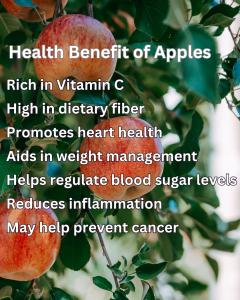
Apples are highly nutritious and offer several health benefits.
They contain essential vitamins and minerals, particularly vitamin C and potassium. Apples have antioxidant and anti-inflammatory effects that can improve overall health.
Another good thing about apples is their fiber, which aids in digestion and can help manage weight. If you eat apples regularly, you have a lower risk of heart disease, partly due to the soluble fiber that helps lower cholesterol.
The fiber in apples can also help stabilize blood sugar levels.
Apples are versatile and beneficial, making them a great addition to a balanced diet.
Now, let’s discuss delicious apple recipes.
Oatmeal apple pancakes
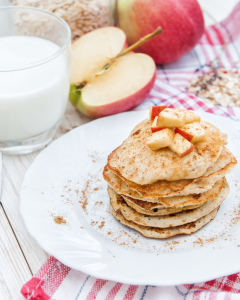
Oatmeal apple pancakes are a delightful twist on a classic breakfast dish.
Ingredients
– 1 cup rolled oats
– 1 cup all-purpose flour
– 2 teaspoons baking powder
– 1/2 teaspoon cinnamon
– 1/4 teaspoon salt
– 1 apple, peeled and grated
– 2 tablespoons sugar
– 1 egg
– 1 cup milk
– 2 tablespoons melted butter
What to do
- Mix the oats, flour, baking powder, cinnamon, and salt in a large bowl.
- In another bowl, combine the grated apple with sugar, egg, milk, and melted butter.
- Stir the wet ingredients into the dry ingredients until they are combined.
Cooking
- Heat a non-stick skillet over medium heat and lightly grease it.
- Pour about 1/4 cup of batter for each pancake onto the skillet.
- Cook until bubbles form on the surface, then flip and cook until golden brown on the other side.
Serve these oatmeal apple pancakes warm with your choice of toppings, like maple syrup or yogurt.
Apple Carrot Smoothie
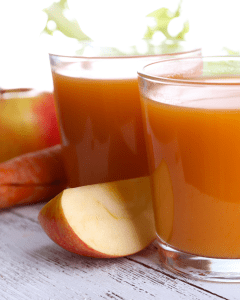
This is an excellent pre-workout smoothie or a pre-lecture smoothie
Ingredients:
– 1 large apple, cored and chopped
– 2 medium carrots, peeled and chopped
– 1/2 inch piece of ginger, peeled
– 1/2 cup water
– Ice cubes (optional for a colder smoothie)
– 1 tablespoon honey
– A pinch of ground cinnamon (optional for extra flavor)
What to do
- Start by preparing your fruits and vegetables. Wash, core, and chop the apple. Peel and chop the carrots. Peel the ginger.
- Place the chopped apple, carrots, and ginger in a blender. Add water. If using, add ice, honey, and cinnamon.
- Blend on high until everything is smooth. If the smoothie is too thick, add more liquid to reach your desired consistency.
- Taste your smoothie and adjust the sweetness with more honey if needed.
- Pour into a glass and enjoy immediately for the best flavor and nutrient retention.
Apple Juice to Tea
Adding juice to tea is a widespread practice that enhances the beverage’s flavor profile and can add nutritional benefits. The natural sweetness and tartness of juice, such as apple, complement tea flavors, reducing the need for added sugars.
This combination also provides a more complex taste experience and can make the drink more refreshing and enjoyable. Additionally, incorporating juice, which contains vitamins and antioxidants, can boost the health properties of the tea, making it a healthier choice.
- Steep your favorite tea (black, green, or herbal) as you usually would.
- Mix the tea with an equal part of homemade or store-bought apple juice once the tea is brewed.
- Serve hot or chilled, depending on your preference. For extra flavor, add a slice of lemon or a cinnamon stick.
How to Make Homemade Apple Juice
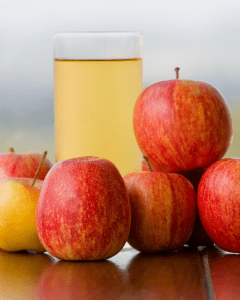
- Wash, core, and cut apples into quarters.
- Use a juicer to extract the juice from the apples. If you don’t have a juicer, blend the apples with water, then strain the mixture through a cheesecloth or fine mesh strainer.
- Enjoy the juice fresh, or store it in the refrigerator in an airtight container for up to a week.
Is it OK to eat an apple daily?
Eating an apple daily is beneficial as it contributes to the dietary fiber and vitamin intake necessary for a healthy diet. The adage “an apple a day keeps the doctor away” reflects the longstanding belief in apples’ health benefits. Eating two apples daily is generally not too much for most healthy individuals. However, since apples contain sugar and calories, one must consider one’s overall diet and calorie needs.
Apples are not known to disrupt sleep patterns and can be a healthy, low-calorie night snack option. However, due to their fiber and sugar content, some might prefer to eat them earlier if they experience digestive sensitivities.
How To Preserve Apples
Preserving apples can extend their shelf life and enhance their versatility in the kitchen.
Drying
Dehydrate apple slices using a dehydrator or an oven set to a low temperature. This method concentrates the apple’s natural sugars, making them a sweet, chewy snack.
Freezing
Slice apples and coat them with some lemon juice to prevent browning before freezing. This is great for later use in cooking or baking.
Canning
Prepare apples as apple sauce or apple pie filling and can them using a water bath canning process to seal in freshness and flavor.
Cold Storage
Store whole apples in a cool, humid, dark place like a cellar or a fridge. Some apple varieties can last several months if properly stored.
Conclusion
Apples are a fundamental part of diets worldwide, from their rich history to their diverse culinary uses. Whether baking a pie, whipping up a salad, or snacking straight from the fruit bowl, apples offer flavor, nutrition, and versatility unmatched by other fruits.
Did you find this post helpful? Leave a comment below.
 MABS
MABS 