
Today, we will talk about something that affects so many of us yet often stays hidden behind brave faces and forced smiles: anxiety. Raise your hand if you have anxiety. Do you know that feeling when your heart races, your mind spirals, and you can’t catch your breath? Yeah, you are not alone; my hands are raised, too.
I find that reading the bible helps me reduce my anxiety, so here is a link to a colouring book with biblical inspirational quotes. Click here
Whether it’s the butterflies before a big presentation, the nagging worry that keeps you up at night, or the overwhelming panic that hits out of nowhere, anxiety comes in many forms and doesn’t discriminate.
In this article, we’ll break it all down. We’ll explore anxiety, explore its causes, highlight its symptoms, and, most importantly, share some solid strategies for coping with it.
What is Anxiety?
Anxiety is a natural stress response. It’s that feeling of fear or apprehension about what’s to come. Think of it as your body’s alarm system, alerting you to potential danger.
A little bit of anxiety can be a good thing—it can keep you on your toes and ready for action. But when anxiety becomes a constant companion, it can be overwhelming and interfere with your daily life.
First, let’s distinguish between normal anxiety and anxiety disorders. Normal anxiety is a fleeting feeling that everyone experiences from time to time. It might hit you before an important meeting, a big test, or a first date. It’s situational and usually goes away once the stressful event is over.
Anxiety disorders, on the other hand, are more intense and persistent. They can cause significant distress and make it hard to function in everyday life. If your anxiety is constant, out of proportion to the situation, or leads to avoidance of activities, it might be an anxiety disorder.
Common Types of Anxiety Disorders
Here are some of the most common types of anxiety disorders:
- Generalized Anxiety Disorder (GAD)
- Panic Disorder
- Social Anxiety Disorder
- Specific Phobias
- Obsessive-Compulsive Disorder (OCD)
- Post-Traumatic Stress Disorder (PTSD)
Understanding the different types of anxiety disorders is the first step in recognizing what you or someone else might be going through. Remember, seeking help and talking about what you’re experiencing is okay. Anxiety is common, and you’re not alone in this.
Symptoms of Anxiety
Anxiety can manifest in a multitude of ways, impacting your body, mind, emotions, and behavior. Recognizing these symptoms is crucial for identifying anxiety in yourself or others and taking steps toward management and treatment.

Physical Symptoms
- Increased Heart Rate
- Sweating
- Trembling or Shaking
- Shortness of Breath
- Muscle Tension
- Headaches
- Digestive Issues
- Dizziness or Lightheadedness
Emotional Symptoms
- Feelings of Dread
- Irritability
- Restlessness
- Overwhelming Worry
Cognitive Symptoms
- Racing Thoughts
- Difficulty Concentrating
- Catastrophizing
- Indecisiveness
Behavioral Symptoms
- Avoidance
- Compulsive Behaviors
- Restlessness
- Procrastination
The Impact of Anxiety
Anxiety doesn’t just exist in a vacuum—it has a significant impact on various aspects of your life. Whether it’s your daily routine, relationships, or long-term health, the effects of anxiety can be far-reaching and, if left untreated, can lead to severe consequences. It can affect your work, productivity, academic performance, daily routine, and sleep patterns.
Recognizing the impact of anxiety on your life is the first step toward addressing it. It’s essential to seek help and find strategies that work for you. Whether through self-help techniques, professional therapy, or a combination of both, managing anxiety can significantly improve your quality of life.
Remember, you don’t have to face anxiety alone. Support is available, and with the right approach, it’s possible to regain control and lead a fulfilling life.
How to cope with anxiety
Managing anxiety effectively often requires a multi-faceted approach. While professional help is crucial for many, there are also numerous self-help techniques and lifestyle changes that can make a significant difference.
Mindfulness and Meditation
Practicing mindfulness helps you stay grounded in the present moment, reducing the tendency to worry about the future or dwell on the past. Meditation can calm your mind and reduce anxiety symptoms. Try guided meditation or mindfulness apps to get started.
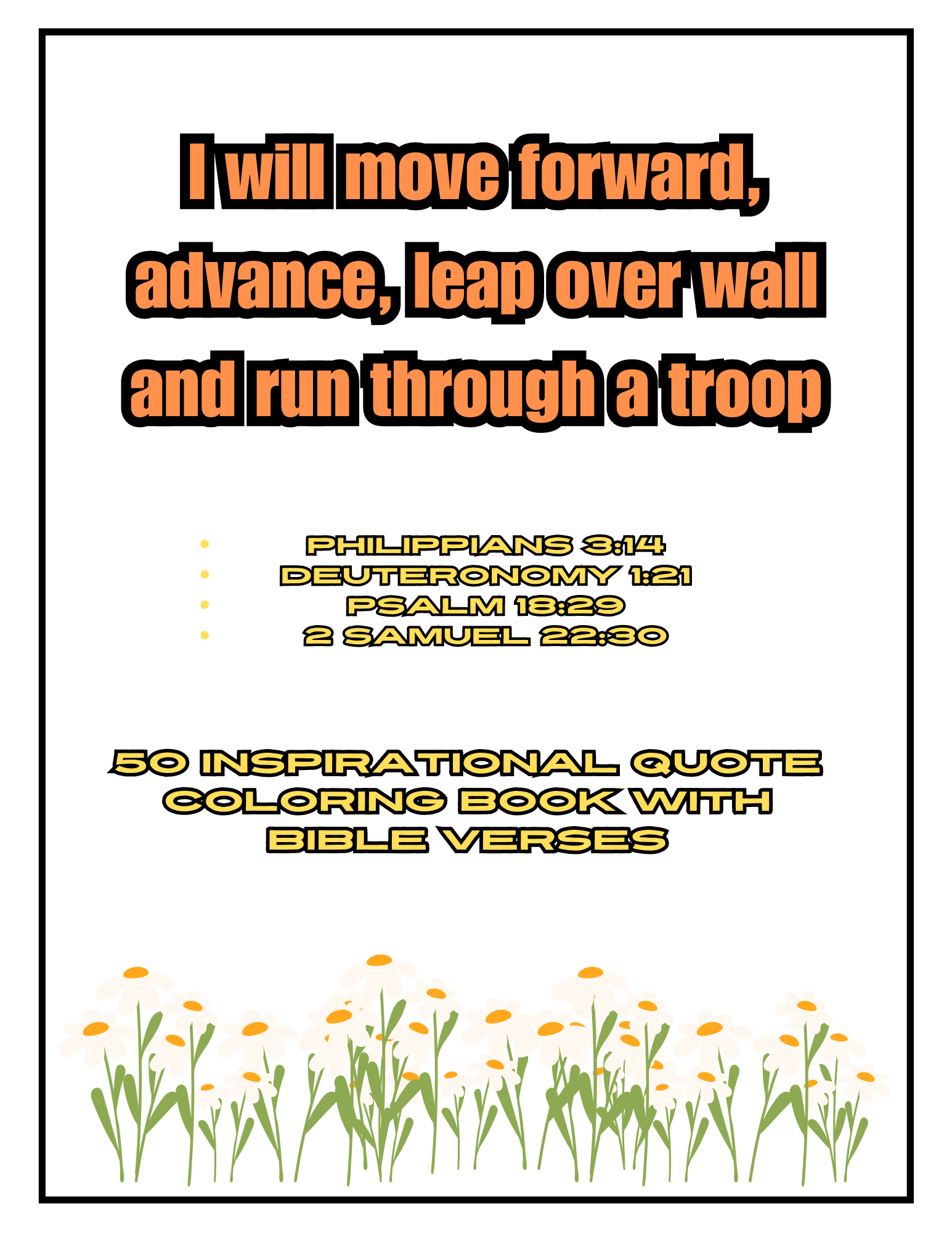
You can also use quote coloring books to help you meditate and remain mindful. I created a quote coloring book with bible verses to help you meditate on God’s word and relieve anxiety. Click here to access the book.
Professional Help
Cognitive Behavioral Therapy (CBT) is one of the most effective treatments for anxiety. It helps you identify and challenge negative thought patterns and behaviors.
We also have a listening service. If you need someone to talk to and pray with, click here.
When someone shares their anxiety with you, listen without judgment and validate their feelings. Sometimes, knowing someone cares can make a big difference. Gently encourage them to seek professional help if they haven’t already. Offer to help them find a therapist or accompany them to appointments.
Conclusion
Supporting someone with anxiety requires empathy, patience, and understanding. By listening, validating their feelings, and encouraging healthy habits, you can significantly impact their journey. Remember, professional help is often crucial; your role is to support them in seeking and adhering to treatment. And don’t forget to take care of yourself—supporting someone else is much easier when you’re also in a good place mentally and emotionally.
Did you find this article helpful? Leave a comment below. As a thank you, here is a free coloring page for you to try.
Remember to like and follow us for more.

 MABS
MABS 

One thought on “How To Cope with Anxiety”