Plans May Change, But God Doesn’t: A Journey of Faith and Surrender

Plans may change, but God doesn't change

This year, I had my heart set on writing an exam. I poured myself into studying — subscribed to a Qbank, got into “beast mode,” and for the first time, I truly started believing I could pass. The progress was real, and so was my faith in the journey.

Then came news that shattered me. It was the kind of blow that, in the past, would’ve knocked me out for a month — sending me spiraling into unhealthy coping: overeating, harsh self-talk, and self-sabotage that felt impossible to stop.

But this time was different.

The crash only lasted two weeks. And those two weeks were full of prayer, quiet reflection, and clinging to the Word of God.

I noticed something else, too: I started shrinking my dreams — not because they were impossible, but because I felt hurt and disappointed. I began aiming lower, convincing myself that I had to settle for less.

But the Holy Spirit wouldn’t let me stay there. I was reminded that my value doesn’t decrease because my circumstances changed. God’s promises over my life still stand.

Yes, I’ve felt jealousy — seeing others with easier paths, stronger passports, or stable incomes. But God has been tenderly reminding me:
I am not less. I am not behind. I am not forgotten.

Now, July has become a symbol of pivot, not pause. A shift in strategy, not in purpose. It’s a new plan — not worse, just different — and it still leads to the same goal. Maybe it’ll take more work, maybe more faith. But I know the One who gives strength.

How to Maintain Faith in God (especially when life feels uncertain)

1. Stay in the Word, even when it’s hard

The Bible isn’t just for encouragement on good days — it’s a foundation for the difficult ones. God’s promises provide clarity and peace when everything else feels unstable. Even reading one verse a day can help you reset your thoughts and shift your focus back to truth.

Start with the Psalms. They’re full of raw honesty, reminding you that it’s okay to feel hurt while still holding onto hope.

You can buy a physical bible here. I earn a small commission if you purchase the Bible through this link, but it won’t cost you anything extra.

2. Journal your prayers and reflections

Writing out your thoughts, prayers, and even doubts is a powerful way to process your emotions. Over time, you’ll begin to see patterns of growth and answered prayers.

A simple prompt: “Lord, today I feel ____, but I choose to trust You because ____.”

3. Be honest with God

God doesn’t need rehearsed or perfect prayers. He wants your real heart. You can tell Him when you’re tired, confused, disappointed, or even angry. He’s not distant or offended by your emotions. He is near and listening.

4. Reflect on past faithfulness

Think back to what God has already brought you through — the doors that closed for a reason, the comfort that came unexpectedly, the strength you didn’t know you had. These memories are reminders that His faithfulness didn’t end with yesterday.

5. Create a consistent rhythm with God

It doesn’t have to be complicated. Whether it’s a few minutes in the morning, quiet time before bed, or listening to worship music while you work — building small habits of connection with God helps keep your trust rooted, even when life feels unpredictable.

6. Surround yourself with faith-filled people

Who you talk to can either build your faith or break it down. Make space for conversations with people who speak truth, offer perspective, and pray with you. A supportive faith community can make all the difference when your personal trust feels weak.

7. Let go of the need to control everything

Sometimes, trusting God means releasing your tight grip on the outcome. It’s not always easy to surrender, but real faith often shows up in the quiet decision to believe that God still knows what’s best — even when you don’t have all the answers.

Trusting God doesn’t mean the fear disappears. It means you choose to move forward anyway, believing He will meet you in every step. If you’ve had to adjust your goals, change your timeline, or grieve a detour — I see you. You’re not weak for rerouting. Keep showing up. Keep believing. God’s not done writing your story.

The Riches of His Grace By Apostle Joshua Selman

The riches of his grace Is a message by Apostle Joshua Selman

When the Apostle said this, I didn’t realize when tears started rolling down my eyes. Like many Christians, I was under the impression that due to my sin, maybe God was angry with me, and perhaps I wasn’t worthy of love like others were. The Apostle broke such an evil thought with this word, and I am so grateful for it. I listened while he spoke, reading each Bible verse and trying to remain focused.

Biblical Description of Jesus

He began by showing us who God was according to the Bible. I can almost recite it: the Bread of Life, the Mediator, the Word, the Author and the Finisher of our faith, our Mediator, the Savior of the world. He went on to describe Jesus and emphasized that these descriptions of Jesus were spiritual pathways.

  • The Bread of Life: John 6:35
  • The Light of the World: John 8:12
  • The Door: John 10:7
  • The Good Shepherd: Psalm 23:1, John 10:11
  • The True Vine: John 15
  • The Way, the Truth, and the Life: John 14:6
  • Alpha and Omega: Revelation 22:13
  • The First and the Last: Revelation 1:17
  • He that liveth, dead and alive forever: Revelation 1:18

Why did Jesus come to Earth?

He then asked a profound question, one I thought I knew the answer to: Why did Jesus come to Earth? In my mind, I thought, “To die for our sins.” Well, I wasn’t wrong, but the Apostle showed us other agendas that Jesus fulfilled during His time on Earth:

  • To save us from our sins: Matthew 1:21
  • To reconcile us with God: John 3:16, John 10:10
  • He came as the Pattern Man—meaning He is the earthly representation of who God is.

The message went on to explain what salvation is. Salvation is victory over sin, Satan, death, hell, the grave, the flesh, and the world. He taught quite a lot about the Greek words related to sin. I can try naming them here, but definitely go watch the message to ensure you understand the meaning.

  • Pawsa, which means transgression—breaking away from a just authority: Exodus 34:7
  • Avon, iniquity, which means to make crooked: Psalm 52:3
  • Harmartia, sin, which means to miss the mark: Matthew 1:21

So how are we saved?

We are saved by believing the gospel and all the blessings that come with it through faith in Jesus Christ: Romans 10:8-9.

There are 4 parts of the gospel:

  1. The original state: Genesis 1:6
  2. The fall of man and the consequences of the fall: Romans 3:23, Ezekiel 18:22
  3. The revelation of Jesus and the redemption
  4. Man’s response to that gift and his newfound status in Christ

He rounded things up by hammering it into our heads that God loves us, and He loves all equally: 2 Timothy 2:20. The same God is rich unto all.

I recommend that you guys watch the full video, He starts preaching at 02:08:46

//www.instagram.com/embed.js

How To Dwell In The Secret Place

Man standing outside

The Secret Place is more than just a hideaway when life gets crazy; it’s your home in God.  Think of it as the place where you cultivate a real, two-way relationship with Him. The secret place is where you dwell in God’s presence, connecting through worship, Word study and prayer. This article will discuss facts about the secret place and how to make the most of it.

Free A person holds an open Bible with Proverbs highlighted, bathed in warm light. Stock Photo

What does the Bible say about the secret place?

Jesus teaches us how to pray in Matthew 6:6: “But when you pray, go into your room, close the door and pray to your Father, who is unseen.” The Bible refers to the secret place as a space of divine protection, intimacy, and revelation. Psalm 91:1 says, “He who dwells in the secret place of the Most High shall abide under the shadow of the Almighty.” 

Free A serene morning scene with a person praying, an open Bible, oatmeal, and coffee. Stock Photo

What is the mystery of the secret place?

The mystery of the secret place is that it is where God reveals Himself to those who seek Him wholeheartedly. It is a place of supernatural encounters, spiritual renewal, and divine guidance. Many believers experience peace, wisdom, and breakthroughs in the secret place, making it a powerful aspect of a Christian’s journey.

What does dwelling in a secret place mean?

Dwelling in the secret place means maintaining a consistent and intentional relationship with God. It is not just a one-time event but a lifestyle of seeking His presence, trusting Him, and surrendering to His will. It involves prayer, worship, meditating on His Word, and living in obedience to Him.

What is the power of the secret place?

The power of the secret place lies in the transformation and spiritual strength that comes from time spent in God’s presence. It is where faith is strengthened, battles are won, and divine strategies are revealed. In the secret place, believers receive comfort, guidance, and empowerment to face life’s challenges.

Who hides in the secret place?

Those who trust in God hide in their secret place. Psalm 32:7 Personifies God as His Hiding place, “You are my hiding place; you will protect me from trouble and surround me with songs of deliverance.” It is a refuge for those who seek God’s protection, peace, and wisdom. 

10 Tips to Make the Best of Your Secret Place

Every Believer must have access to God through their Secret place.

  1. Choose a location, however small, that is specifically for your quiet time. It could be a corner of a room, a favorite chair, or even a spot outdoors. 
  2. Set consistent time. Even short periods of time spent consistently in your secret place are more beneficial than sporadic longer sessions. 
  3. Minimize distractions. Turn off your phone, close your laptop, and let others in your household know you need uninterrupted time. 
  4. Before entering your secret place, take a few moments to transition.  Perhaps listen to gospel music, or a sermon from your Spiritual leader.
  5. Engage in spiritual practices. This might include prayer, meditation, reading scripture or singing praise to God
  6. Take time to acknowledge the good things in your life.  
  7. Listen more than you speak. 
  8. Don’t get discouraged if you don’t feel immediate results. 
  9. Carry the peace and insights you experience in your secret place into the rest of your day.  
  10. Periodically reflect on your time in your secret place.  Are your practices effective? Do you need to adjust the time or location?  

Free Adult man writing notes and studying at a desk with a Bible and coffee in a cozy room. Stock Photo

Benefits of Having a Quality Secret Place

A quality secret place with God is not just a religious routine—it’s a lifeline that transforms every area of your life

  1. Deepened Intimacy with God – Spending time in His presence strengthens your relationship with Him, allowing you to know His heart and hear His voice more clearly.
  2. Divine Guidance and Wisdom – In the secret place, God reveals His plans and gives direction for your life, helping you make better decisions. Refer to Apostle Joshua Selman teaching on purpose
  3. Inner Peace and Rest– The world may be chaotic, but time with God brings a supernatural peace that surpasses understanding (Philippians 4:7).
  4. Renewed Strength and Encouragement – Life’s battles can be exhausting, but in God’s presence, you receive strength to keep going (Isaiah 40:31).
  5. Spiritual Growth and Maturity – A consistent secret place with God helps you grow in faith, character, and understanding of His Word.
  6. Divine Protection – Psalm 91:1 reminds us that those who dwell in the secret place of the Most High remain under His covering and protection.
  7. Healing and Restoration – Whether it’s emotional wounds, spiritual dryness, or physical ailments, God restores and heals in His presence.
  8. Increased Faith and Confidence – The more you spend time with God, the more you trust Him, leading to boldness and unshakable faith.
  9. Freedom from Fear and Anxiety – The presence of God casts out fear and replaces worry with trust and confidence in His plans.
  10. Greater Spiritual Authority – When you are deeply connected to God, you walk in His power, and your prayers carry greater impact.

 Conclusion

In a world full of storms—both physical and emotional—Your secret place is your weapon. God offers us a safe refuge, a place where we can rest, heal, and be renewed. Instead of turning to temporary escapes or unhealthy coping mechanisms, we can choose to abide in His presence, where peace, strength, and restoration await us. No matter how overwhelming life gets, His dwelling place is always open to us. Which of the tips for making the most of your Secret Place will you add to your routine?


A Call to Faithfulness: Psalm 81:8

Psalm 81:8 (KJV):
“Hear, O my people, and I will testify unto thee: O Israel, if thou wilt hearken unto me;”

This verse is a plea from God, calling His people to listen to Him. It sets the stage for the following verses, where God warns against the worship of other gods. Just two verses later, in Psalm 81:9, God makes His command clear:

“There shall no strange god be in thee; neither shalt thou worship any strange god.”

This verse is a direct warning against idolatry, which was one of Israel’s greatest spiritual struggles—and remains a struggle for many people today.

The Command Against Idolatry

God’s instruction is firm: we should worship Him alone and never give our devotion to another god. He is a jealous God (Exodus 20:5), meaning He desires our undivided love and commitment. Just as a faithful spouse does not tolerate unfaithfulness in marriage, God does not tolerate divided worship.

Idolatry in Today’s World

While we may not bow before carved statues like in ancient times, idolatry is still prevalent today. Around the world, many people claim to be Christians while still engaging in idol worship. This can take different forms:

  • Traditional idol worship – Some mix Christianity with ancestral worship, consulting diviners, or using charms.
  • Material idolatry – Money, fame, and power often take the place of God in people’s hearts.
  • Self-idolatry – Prioritizing personal desires over God’s will is a modern form of idolatry.

God’s message in Psalm 81:8 is a reminder to examine our hearts. Are we truly devoted to God, or do we secretly hold on to other “gods” in our lives?

A Call to Repentance and Faithfulness

God wants His people to return to Him wholeheartedly. In the next verses of Psalm 81, He promises blessings to those who listen and obey:
“Oh that my people had hearkened unto me, and Israel had walked in my ways!” (Psalm 81:13).

If we fully trust in God and reject all idols, He will provide, protect, and guide us. Let this verse serve as a wake-up call: we must not worship any other god but the Lord alone.

Trusting God’s Sovereignty: A Reflection on Psalm 75:6-8

tall buildings

Psalm 75:6-8 (NIV) states:

“No one from the east, west, or desert can exalt themselves. It is God who judges: He brings one down, he exalts another. In the hand of the Lord is a cup full of foaming wine mixed with spices; he pours it out, and all the wicked of the earth drink it down to its very dregs.”

God’s Sovereignty in Exaltation

Promotion and honor do not originate from human effort or external factors (“east,” “west, or “desert”). Instead, God alone determines who is exalted and who is humbled. This truth teaches us to trust God’s perfect timing rather than striving for self-promotion or succumbing to fear of human opposition.

How to Apply This Bible Verse

  • Acknowledge God as the ultimate source of authority and favor.
  • Recognize that lasting success is found in aligning with His will.
  • Cultivate humility.
  • Embrace the reality that exaltation comes from God, not from our efforts.

God is the Righteous Judge

Verse 7 emphasizes God’s role as the supreme and just judge. His decisions are perfect—He lifts the humble and brings down the proud. This brings comfort to those facing injustice while serving as a warning to those acting arrogantly or unjustly.

How to Apply This Bible Verse

  • Trust in God’s justice.
  • When you encounter unfair situations, remember He sees everything and will act at the right time.
  • Align your actions with God’s principles.
  • Live with integrity, knowing that He evaluates all deeds.

The Cup of Judgment

In verse 8, the “cup symbolizes God’s judgment, a common biblical metaphor (e.g., Jeremiah 25:15, Matthew 26:39). The imagery of a foaming, spiced wine illustrates the intensity and completeness of God’s wrath against wickedness. The wicked will drink this cup “to its dregs, signifying they will fully experience the consequences of their actions without escape.

How to Apply This Bible Verse

  • Be mindful of the consequences of sin
  • Regularly examine your life and repent before God’s judgment.
  • Trust God to address evil.
  • Rest in the assurance that He will bring justice to those who suffer.

Thanksgiving For God’s Justice

This psalm, attributed to Asaph, is a song of thanksgiving and confidence in God’s justice. It reassures us that God rewards righteousness and punishes wickedness, emphasizing His ultimate control over human affairs.

Ask Yourself This Questions

  • Are you trusting in God for your success or relying on self-promotion?
  • How does the certainty of God’s justice encourage you in difficult times?
  • In what ways can you respond to His sovereignty with humility and obedience?

Psalm 75:6-8 reminds us to rest in God’s control, trust His perfect timing, and live righteously as we await His ultimate judgment. Let this passage inspire you to seek God’s guidance, knowing that He is the One who holds all power and authority.

Did you find this post valuable? Leave a comment below

Fall and Forgiveness (Part 2)

Continuing from our previous post, fall and forgiveness part 1

How to Forgive Someone (Even When They’re Not Sorry)

Forgiving someone who hasn’t apologized or shown remorse can be particularly challenging, but it’s also a profound act of self-care that can lead to significant personal growth and peace. 

1. Acknowledge your feelings

Recognize and accept your emotions about the situation. It’s essential to understand how deeply you’ve been hurt and allow yourself to feel those emotions without judgment—anger, sadness, or disappointment.

2. Understand Forgiveness

Clarify what Forgiveness means and does not mean. Forgiving someone does not imply condoning their actions or forgetting what happened. It means letting go of the hold that resentment has on you.

3. Reflect on the context

Consider the circumstances that might have led the other person to act as they did. This is not about excusing their behavior but understanding it. Seeing the situation from the other person’s perspective can lessen the personal sting and help foster forgiveness.

4. Decide to forgive

Forgiveness is a choice, often made for one’s well-being rather than as a favor to the other person. Decide that you are ready to release the pain for your own sake, to heal and move forward.

5. Work through the pain

Process the pain through writing, therapy, or conversations with trusted friends. Sometimes, articulating your feelings helps to diminish their power.

6. Seek support

Talk to people who understand and support your feelings. Support groups, counselors, or spiritual leaders can provide guidance and validate your emotions throughout the forgiveness process.

7. Practice empathy

Cultivate empathy for the person who wronged you. Everyone makes mistakes, and while their actions might have been hurtful, understanding their humanity can facilitate forgiveness.

8. Consider the benefits of forgiveness

Reflect on how holding onto anger and resentment affects you. Often, not forgiving can be more harmful to you than to the person who wronged you.

9. Let go of expectations

Do not expect a change in the other person’s behavior or an apology. Forgiveness is a personal act you do for yourself; it should not be contingent on the actions of others.

10. Embrace personal growth

Use this experience as a growth opportunity. What can you learn about yourself, your boundaries, and how you handle conflict? How can this make you a stronger, more compassionate person?

11. Move forward

Create a positive path forward. Engage in activities that bring you joy and fulfillment. Sometimes, the best way to forgive is to build a happy, enriched life consciously.

Forgiving someone who isn’t sorry is ultimately about not allowing another person’s actions to control your emotional well-being. 

How to Forgive Yourself: Letting Go of Shame and Guilt

Forgiving yourself is a crucial step toward personal growth and emotional well-being. 

1. Acknowledge your mistakes

Recognize and accept your errors without harsh self-judgment. Understanding what went wrong and why it happened is the first step toward making peace with yourself.

2. Understand the context

Decisions that seem regrettable in hindsight were often made under complex circumstances. Give yourself the grace to consider the context in which you made those choices, acknowledging that you did the best you could at the time with the information and emotional tools you had.

3. Learn from the experience

Use your past mistakes as learning opportunities. Identify what you can learn from the situation and how you can apply this knowledge in the future to avoid similar mistakes.

4. Apologize and make amends

If your actions hurt others, offer a sincere apology and try to make amends. This can be a significant step in healing your relationship with the other person and your feelings toward yourself.

5. Practice self-compassion

Treat yourself with the kindness and compassion you would offer a good friend in a similar situation. Self-compassion involves recognizing that everyone is imperfect and making mistakes is part of being human.

6. Seek professional help

If self-forgiveness feels overwhelming, consider seeking support from a counselor or therapist. A professional can guide you through the process and offer strategies tailored to your situation.

7. Meditate on Forgiveness

Meditation can help soothe guilt and promote emotional healing. Try guided meditations focused on forgiveness or loving-kindness to reconnect with your inner peace.

8. Set new goals

Focus on the future by setting new, positive goals. Taking active steps toward these objectives can help you move past your previous mistakes and rebuild your self-esteem.

9. Celebrate progress

Recognize and celebrate your progress toward self-forgiveness. Acknowledge the effort it takes to overcome feelings of guilt and self-reproach.

10. Repeat affirmations

Positive affirmations can reinforce your journey to self-forgiveness. Regularly reminding yourself of your worth and humanity can help change negative thought patterns.

By integrating these practices into your life, you can develop a healthier relationship with yourself characterized by kindness and understanding. This will allow you to move forward with greater confidence and self-acceptance.

How to prepare for autumn – Forgiveness

Preparing for fall and incorporating the theme of forgiveness can create a refreshing and meaningful seasonal transition. 

1. Embrace change like nature

Fall is characterized by change—leaves turning colors, temperatures cooling, and days shortening. It’s a natural time to reflect on personal changes, too.

2. Clean and declutter

In preparation for fall, consider cleaning and decluttering your physical and emotional spaces. As you clean your home, consider each item you discard as letting go of a grievance or resentment. This physical act can symbolize and facilitate an emotional release, making room for positive energy and new experiences.

3. Nurture yourself and relationships

Forgiving others and asking for Forgiveness can renew and deepen connections. Organize small gatherings, perhaps around a fire pit or during a meal, where open conversations can flourish.

4. Reflect and keep a journal

Spend some time writing about the past year, focusing on moments where forgiveness (either given or received) played a role. What lessons did you learn? How have these experiences changed you? Writing can help solidify your thoughts and feelings about Forgiveness and personal growth.

5. Set goals for the season

As you prepare for fall, set intentions focusing on Forgiveness. This could be as simple as forgiving one person who has wronged you or forgiving yourself for past mistakes. Think of this as setting the tone for a peaceful and reflective season.

6. Connect with nature

Fall’s beauty is breathtaking. Spend time in nature to reflect on the beauty of letting go, which trees perfectly exemplify as they drop their leaves. This connection can offer new insights into the nature of Forgiveness—how it can feel both like a loss and a relief simultaneously.

Focusing on these areas can help you prepare for fall in a way that refreshes your environment and spirit and aligns with deeper themes of renewal and Forgiveness.

8 Bible Verses about Forgiveness

Forgiveness is a central theme in the Bible, emphasized across both the Old and New Testaments.

“For if you forgive others when they sin against you, your heavenly Father will also forgive you. But your Father will not forgive your sins if you do not forgive others.” Matthew 6:14-15

“Get rid of all bitterness, rage and anger, brawling and slander, and malice. Be kind and compassionate to one another, forgiving each other, just as in Christ God forgave you.” Ephesians 4:31-32

“Bear with each other and forgive one another if any of you has a grievance against someone. Forgive as the Lordforgave you.” Colossians 3:13

“So watch yourselves. If your brother or sister sins against you, rebuke them; if they repent, forgive them. Even if they sin against you seven times in a day and seven times come back to you saying ‘I repent,’ you must forgive them.” Luke 17:3-4

“And when you stand praying, if you hold anything against anyone, forgive them, so that your Father in heaven may forgive you your sins.” Mark 11:25

“Then Peter came to Jesus and asked, ‘Lord, how many times shall I forgive my brother or sister who sins against me? Up to seven times?’ Jesus answered, ‘I tell you, not seven times, but seventy-seven times.'” Matthew 18:21-22

“If we confess our sins, He is faithful and just and will forgive and purify us from all unrighteousness.”1 John 1:9

“He does not treat us as our sins deserve or repay us according to our iniquities. As high as the heavens are above the earth, so great is His love for those who fear Him; as far as the east is from the west, so far has He removed our transgressions from us.” Psalm 103:10-12

These verses encapsulate the biblical perspective that Forgiveness is not just a one-time act but a continuous process that reflects God’s infinite mercy towards humanity. 

Did you find this post helpful? Leave a comment below.

Fall and Forgiveness (Part 1)

Fall or autumn is the season between summer and winter.

Forgiveness is a powerful act of letting go and moving forward. With its yellow leaves and cooler temperatures, the fall season serves as an impactful metaphor for Forgiveness.

As nature transforms, plants shed their old leaves to prepare for the winter. This natural transition beautifully illustrates the idea of ‘letting go,’ making it an ideal time to explore and embrace forgiveness.

In this blog post, we shall see how Fall and Forgiveness are related.

Embracing the Essence of Fall

Fall (autumn) is about letting go. It is often seen as the season of transformation when nature sheds the old to make way for the new. As the leaves turn from vibrant greens to rich shades of orange, yellow, and red, they remind us of the beauty and necessity of letting go.

This natural cycle provides a clear similitude to our lives, highlighting the importance of releasing things that no longer serve us to cultivate growth and renewal.

In many cultures, fall is a season of harvest—a time to reap what has been sown throughout the year. But it’s also a preparation period for the winter months when old and unnecessary parts of the environment are naturally cleared away. Understanding the innate need to conserve energy for the colder months, trees let go of their leaves in a spectacular display of acceptance and surrender.

The process of release provides a powerful lesson. Just as trees let go of their leaves to preserve their strength, so must we let go of past grievances, outdated commitments, and unhelpful beliefs to maintain our energy and protect our well-being.

Letting go is not just an act of removal; it’s choosing where to direct our energies more fruitfully.

The Symbolism of Shedding Leaves

Trees let go of their leaves in the fall. This natural shedding process is not only necessary for the health of the trees but is also crucial for their rejuvenation and growth in the coming seasons.

Similarly, letting go and forgiving those who have wronged us, or even forgiving ourselves, can free us from the unnecessary weight of past pains, allowing emotional growth and renewal.

We can use this season as a reminder to release our burdens of grudges and resentment. The following five points provide further insight into the relationship between fall and Forgiveness.

1. Preparing for Renewal

Fall marks a time of preparation for the new and preservation for the harsher winter months ahead. In the human experience, forgiveness can be a preparation for a more peaceful state of mind, safeguarding our emotional well-being against the bitterness that can harden us during more challenging times.

By forgiving, we open ourselves to new relationships and opportunities as the soil readies itself for new seeds in the spring.

2. The Beauty in Change

There is undeniable beauty in the fall colors, a vibrant finale before the quiet of winter. Forgiveness, too, can bring beauty to our lives by transforming relationships and enhancing our understanding of human frailty, including our own.

It adds depth and color to our character, teaching us about compassion and the strength of the human spirit.

3. A Time for Reflection

The longer nights and cooler days of autumn offer a perfect opportunity for reflection—a chance to sit back and contemplate the events and interactions of the past year.

This introspection can lead to a deeper understanding of the situations where forgiveness might be needed. It’s a time to think about whom we must forgive and why and perhaps seek reconciliation.

4. Harvesting Peace

As farmers harvest their crops in the fall, we too can harvest the personal peace from forgiving. There’s a profound peace and satisfaction in resolving old conflicts and healing old wounds, which can improve our mental health and overall happiness.

5. Embracing the Cycle of Life

Fall and Forgiveness remind us of life’s cycles—of endings and beginnings. Forgiveness marks the end of conflict and the beginning of something brighter. It helps us close chapters that need closing and renew our spirit for the upcoming chapters.

The Art of Letting Go

Letting go can be challenging because it often involves stepping out of our comfort zones and confronting uncomfortable truths about our lives and relationships. It requires recognizing that some relationships, habits, and old ways of thinking may no longer contribute positively to our lives.

The process is not about loss but about making room for new experiences and opportunities.

Here’s how we can embrace this season to help us let go:

Reflect on the past year

Just as trees shed their leaves, take stock of what you might need to shed. What burdens are you carrying that you can let go of? This could be anything from resentments and fears to physical clutter in your home.

Practice forgiveness

Just as autumn clears the old and makes way for the new, Forgiveness allows us to clear old grudges. Forgiving yourself and others can free up tremendous energy and lead to a healthier emotional state.

Set goals for the coming months

As the landscape changes, consider the changes you wish to see. What new qualities do you want to cultivate? Setting intentions can help you focus on what truly matters.

Cultivate gratitude

Take time to appreciate the beauty of the changing seasons and the lessons they bring. Gratitude shifts your focus from what you need to let go and enhances your overall well-being.

Connect with nature

Spend time outdoors. The crisp autumn air and the crunch of leaves underfoot can be incredibly grounding and rejuvenating, reminding us of the cycle of life and renewal.

Autumn teaches us that letting go is a natural and necessary process for growth. It’s a beautiful reminder that there is also a beginning in every end, and in the act of release, there is renewal.

As you watch the leaves fall this season, remember that it’s an invitation to drop the weights you’ve carried, perhaps longer than necessary, and to walk lighter into the days ahead.

Best Ways to Let Go of the Past

Letting go of the past can be a liberating yet challenging process, but it’s crucial for moving forward and living a fulfilling life.

1. Acknowledge and express your feelings

Recognize the emotions tied to your past experiences. Allow yourself to feel them fully, whether it’s through talking with someone, journaling, or creative expression. Suppressing these feelings can delay the healing process.

2. Seek closure

Speaking to the people involved or writing a letter you never send can provide a form of closure. It’s a way to articulate your feelings and say everything you need to say, even if the other person isn’t part of the conversation.

3. Forgive

Forgiving yourself or others is a powerful tool for letting go. It doesn’t mean excusing the behavior or forgetting what happened, but freeing yourself from bitterness and resentment.

4. Change your narrative

Shift how you talk about your past. Instead of seeing it as a series of misfortunes, try to find lessons or strengths you gained from those experiences. This can transform how you view your past and its impact on your life.

5. Practice mindfulness and meditation

Engage in mindfulness exercises and meditation to help anchor you in the present moment. These practices can help you gradually detach from the cycles of regret or nostalgia that tie you to the past.

6. Create new memories

Actively seek out new experiences to create positive memories. This can shift your focus from the past to the present and future, helping you move on.

7. Set goals for the future

Having clear goals provides direction and motivation to help shift your focus away from the past. Plan steps to achieve these goals and start working on them.

8. Talk to a therapist

Sometimes, letting go of deep-seated or traumatic past events requires professional help. A therapist can provide strategies tailored specifically to you and support you.

9. Limit reminders

If certain places, people, or things trigger painful memories, limit your exposure to them as you work through your feelings.

10. Embrace change

Recognize that change is an inevitable part of life. Embracing it can reduce the fear and pain of leaving the past behind.

Letting go is not about erasing the past but lightening its impact on your present and future. It’s a journey that requires patience and self-compassion, but each step forward makes it easier to enjoy the present and look forward to what’s coming next.

Importance of Forgiveness

Forgiveness is a powerful and transformative process that benefits both the forgiver and the forgiven, and it plays a vital role in fostering healthy relationships and promoting personal and emotional well-being. 

Emotional healing

Holding onto anger, resentment, or grudges can be emotionally draining and detrimental to one’s mental health. Forgiveness allows individuals to release these negative emotions, leading to more excellent emotional stability and peace.

It helps heal the wounds of the past, allowing people to move forward without the burden of unresolved emotions.

Physical health benefits

Research has shown that Forgiveness improves physical health outcomes. Those who forgive tend to experience lower levels of stress, anxiety, and depression, which are all associated with a myriad of health problems, including heart disease and weakened immune systems. Forgiving can lead to lower blood pressure, improved heart health, and longevity.

Improved relationships

Forgiveness is essential for the longevity and health of relationships. It fosters a positive and supportive environment, enabling relationships to thrive even in the face of conflicts.

Individuals can prevent bitterness from poisoning their relationships by choosing to forgive and build stronger, more resilient bonds.

Psychological resilience

Forgiving others and oneself can build psychological resilience. It helps individuals develop a more adaptive approach to dealing with setbacks and conflicts. People who practice Forgiveness are better equipped to handle future challenges without being overwhelmed by negative emotions.

Spiritual growth

Many religious and spiritual traditions emphasize the importance of forgiveness as a pathway to enlightenment and inner peace. Forgiving is often seen as a divine attribute, and practicing forgiveness can deepen one’s spiritual life and connection to others.

Fosters empathy and compassion

Forgiveness encourages empathy and compassion. Understanding the reasons behind others’ actions and recognizing our vulnerabilities helps nurture compassion, which is crucial for forgiveness.

This makes interpersonal relationships more fulfilling and promotes a more compassionate society.

Freedom from the past

Forgiveness is a way of freeing oneself from the past. It allows individuals to let go of the parts of their history that bind them in negative cycles, opening up new possibilities for personal growth and happiness. It is a crucial step in reclaiming power over one’s own life.

Reduces the cycle of retaliation

On a broader scale, forgiveness can help reduce the cycle of retaliation and violence within communities and societies. Forgiveness can be a powerful tool for conflict resolution and peace-building.

However, forgiveness is not always easy and often requires a conscious, deliberate decision to let go of perceived wrongs. It might require time and can be a gradual process. However, the benefits of forgiving far outweigh the initial emotional cost, making it a crucial element for a fulfilled and healthy life.

10 Inspirational Quotes to Encourage Forgiveness

These forgiveness quotes will inspire you or help you to inspire others to forgive someone.

“The weak can never forgive. Forgiveness is the attribute of the strong.” – Mahatma Gandhi

 “To forgive is to set a prisoner free and discover that the prisoner was you.” – Lewis B. Smedes

“Forgiveness does not change the past, but it does enlarge the future.” – Paul Boese

“Forgiving isn’t something you do for someone else. It’s something you do for yourself. It’s saying, ‘You’re not important enough to have a stranglehold on me.'” – Kathleen Norris

“Forgiveness is not an occasional act; it is a constant attitude.” – Martin Luther King Jr.

“Forgiveness says you are given another chance to make a new beginning.” – Desmond Tutu

“The act of Forgiveness takes place in our mind. It has nothing to do with the other person.” – Louise Hay

“When you forgive, you in no way change the past – but you sure do change the future.” – Bernard Meltzer

“Resentment is like drinking poison and then hoping it will kill your enemies.” – Nelson Mandela

“Forgiveness is the fragrance that the violet sheds on the heel that has crushed it.” – Mark Twain


Finding Hope and Healing Through Faith

Addressing suicide is a susceptible topic that requires a compassionate and comprehensive approach. Among the various methods of support, spirituality can be compelling. Faith offers comfort, hope, and a sense of purpose for many, especially during deep despair.

This blog explores how integrating spiritual practices and beliefs can play a crucial role in suicide prevention. You can find solace and strength through faith.

How Faith Can Help Fight Depression

Faith can be a beacon of hope and strength for those facing overwhelming challenges. When struggling with suicidal thoughts, feelings of isolation and lack of purpose can become overwhelming.

Whether through religious beliefs or spiritual practices, faith offers connection and support beyond immediate struggles. It reminds individuals they are part of something greater, that their lives have value and meaning, and that help is available, even if it’s not immediately visible.

For many, faith provides a framework to understand and cope with suffering. It offers comfort through belief in a compassionate and caring higher power, providing solace when hope feels lost. Faith encourages resilience, reminding individuals they are not alone and that their struggles can be overcome with support and divine assistance.

Encouragement Through Scripture

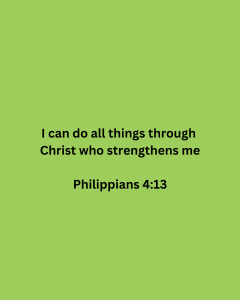
Many religious traditions have sacred texts filled with messages of hope and reassurance. For instance, in Christianity, Bible verses like Philippians 4:13, “I can do all things through Christ who strengthens me,” remind individuals of the strength available through faith. Similarly, Psalm 34:18 offers comfort: “The Lord is close to the brokenhearted and saves those who are crushed in spirit.”

These passages provide divine support, helping individuals feel less isolated. Reflecting on such teachings can offer comfort by reinforcing the belief that there is a more excellent plan and that a higher power sees and understands their pain.

These teachings can foster a more profound sense of peace and hope, even amid significant challenges.

Spiritual Practices for Mental Wellness

1. Prayer and Meditation

Prayer and meditation are accessible spiritual practices that can provide comfort. Through prayer, individuals can express their fears, hopes, and needs directly to their faith, finding peace, understanding, and the strength to navigate difficult times. Many find reassurance in knowing they communicate with a divine presence caring about their well-being.

Meditation on spiritual teachings or sacred texts can offer calm and clarity, reducing stress and anxiety. Focusing on uplifting thoughts or reflecting on spiritual principles can also renew an individual’s sense of purpose and hope. Both practices can be incorporated into daily routines, offering ongoing support during emotional distress.

Scriptures such as Isaiah 41:10 and Matthew 11:28 can be powerful reminders of the divine strength available.

2. Community Support

A vital component of spiritual wellness is the support found within faith communities. Engaging with a faith community offers emotional and practical help. Whether through attending services, participating in group activities, or simply being part of a social network, individuals benefit from understanding others who share their beliefs.

Faith communities reduce feelings of isolation, offering platforms for sharing struggles and receiving support. Leaders and members are crucial in providing spiritual insights, counseling, and a listening ear.

Faith-based support groups offer safe spaces for individuals to discuss challenges, share experiences, and receive encouragement from others with similar spiritual perspectives.

Incorporating prayer, meditation, and community support can significantly enhance mental well-being and provide the strength needed to navigate difficult times.

Encouraging Open Conversations About Mental Health

Openly discussing mental health within spiritual communities is one of the most impactful ways to prevent suicide. Fear of stigma or judgment often makes these conversations difficult. Faith communities can help reduce stigma and offer vital support by creating environments where mental health is openly addressed.

Faith leaders and members can foster open discussions about mental health through workshops, personal stories, and active listening. Doing so creates a culture of acceptance and understanding, encouraging individuals to seek help without fear of judgment.

Faith communities that address mental health compassionately promote a supportive environment where individuals feel valued, understood, and supported on their journey toward healing.

Free Coloring page

I made a coloring book to help you boost your faith while you manage your mental health.

Finding Meaning and Purpose Through Faith

Faith can give individuals a sense of purpose and meaning in life’s challenges. Many spiritual traditions teach that struggles are part of a larger plan, helping individuals find meaning in even the darkest moments. This perspective can turn adversity into an opportunity for growth and deeper understanding.

By viewing challenges through faith, individuals can build resilience, instilling hope and a sense of inner strength. Faith-based teachings often emphasize divine strength, reassuring that there is a greater purpose, even in times of difficulty.

Integrating Faith with Therapy

Spiritual support can provide significant comfort but is often most effective when combined with professional mental health care. Integrating faith with therapy offers a holistic approach to managing mental health challenges. Therapists can address mental health issues using evidence-based methods, while spiritual beliefs provide emotional and spiritual resilience.

It’s essential for individuals seeking help to find therapists who respect and incorporate their spiritual beliefs into treatment, providing a comprehensive approach to healing.

Knowing When to Reach Out

Recognizing the need for professional help is critical. While spiritual support is powerful, it may not fully address all mental health challenges. If someone is experiencing severe distress or suicidal thoughts, professional intervention is necessary.

Combining spiritual support with professional care offers a well-rounded support system. In urgent situations, such as when someone is at immediate risk of self-harm, it’s essential to contact crisis helplines or emergency services.

Conclusion

Addressing suicide and mental health challenges requires a compassionate, multifaceted approach, with spiritual support playing a crucial role. Faith offers profound comfort, hope, and a sense of purpose, helping individuals navigate their darkest times with resilience.

By integrating faith with professional mental health care, individuals receive comprehensive care to ensure their well-being. If you or someone you know is struggling, don’t hesitate to seek support from faith leaders and mental health professionals.

Together, we can create a supportive environment where individuals feel valued and empowered to seek help.

Did you find this article helpful? Leave a comment below. Here is a free coloring page for you to try.

Another free coloring page

My Journey

What motivates you?

I used to wake up helpless, just going with the flow or mindlessly scrolling for hours on Instagram—hours wasted on cheap dopamine. I was unhappy. I lacked the motivation to do anything extra other than what was required. 

I am unsure when I changed or decided to start dreaming again. I remember listening to Apostle Joshua Selman. His words always encouraged me. He would always say look unto the cross. I did. I remember praying to God, just handing everything over to him. 

I am weak and as human as it gets, but I know that I am in God’s hand and that his Mercy radiates all through my life. I have the courage to try again. If a project fails, I try a new one. If a client leaves, I up my skills while praying for new clients.

Apostle Joshua Selman Biography, Age, Marriage, Ministry - Gistlover
Photo credit: Gistlover

The truth is that most people who show a happy face or seem competent everywhere have a dark side. My dark side was when I thought I could do everything with my power and wisdom. The realization that I alone was not enough gave me a beating to helplessness and not willing to try; some would call that depression. 

Apostle Joshua Selman changed my life because he made me aware that not being enough on my own was a truth. A more significant fact is that a competent God is ready to accept me, just as I am. No matter how frail or how big of a sinner I am. 

Another thing that motivates me is seeing other black women succeed, win, and achieve their goals. Every time I hear these women talk, all they always say is God. These women have a prayer life, a word study life, and, most importantly, a personal journey with God.

My biggest motivation is my personal journey with God. I created my coloring book with that journey in mind.

You can find Apostle Joshua Selman on YouTube, Koinonia Global.

Enough Room To Grow

What do you love about where you live?

I love easy access to Wi-Fi, constant electricity, and clean water. These are basic things, but where I come from, they’re considered luxury. I am grateful for where I am and always hopeful.


In some way, being here has brought me closer to God, and that’s what really matters.

I created a new coloring book. It’s called knowing God. I had the idea of relating animals to a truth found in the bible. Every animal offers a glimpse into the spiritual truths that shape our understanding of the Creator.

The coloring book is perfect for all ages, it is not just an artistic activity but a spiritual journey. It invites you to reflect, meditate, and grow closer to God through the wonder of His creation.

I think it is pretty cool, here is a free coloring page.  And if you would love the entire coloring book, totally click here.