
Back hyperextensions are a powerful exercise that target the posterior chain, especially the lower back, glutes, and hamstrings. Do you want to alleviate lower back discomfort? Or would you like to improve your posture? Back hyperextensions offer a myriad of benefits.
This post will discuss the various aspects of back hyperextensions, from proper techniques to equipment options, and how this exercise can contribute to injury prevention, posture improvement, core strength, and much more.
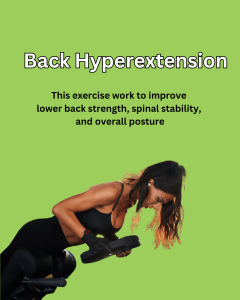
What Are Back Hyperextensions?
Back hyperextensions focus on the posterior chain, a group of muscles including the erector spinae, glutes, hamstrings, and other stabilizing muscles. These exercises work to improve lower back strength, spinal stability, and overall posture.
Contrary to the name, the back isn’t hyperextended in a dangerous way during this movement. Instead, you move into an extended position from neutral, which strengthens the muscles that help maintain proper spinal alignment.
Benefits of Back Hyperextensions
We need a strong core for almost every movement we perform. Back hyperextensions target the erector spinae, which are crucial for maintaining proper spinal posture and preventing injury. Stronger core muscles also contribute to enhanced sports performance and better movement efficiency.
If you are someone who sit a lot, you need this exercise. Sedentary behavior, often associated with sitting for long hours, can lead to poor posture. Back hyperextensions can correct this by strengthening the lower back, helping to realign your spine and improve posture over time.
Strengthening your lower back and posterior chain helps protect the spine and surrounding muscles from injury. Athletes and non-athletes alike benefit from a strong, balanced core and lower back, making hyperextensions an essential exercise for injury prevention.
Hyperextensions also improve muscle endurance in the lower back, hamstrings, and glutes. This is particularly beneficial for athletes and individuals who perform repetitive motions that require strong, resilient muscles.
People who participate in sports that demand lower back strength, like weightlifting, football, or even running, will find that back hyperextensions contribute to improved performance. Enhanced range of motion and better muscle activation directly translate to more power and stability during athletic movements.
Which Muscles Work During Back Hyperextensions
Erector Spinae
The erector spinae, a muscle group that runs along the length of your spine, is the primary muscle engaged during back hyperextensions. By strengthening this muscle, you improve spinal stability and posture, reducing the risk of injury during physical activity.
Hamstrings and Glutes
The hamstrings and glutes are key muscles that get activated as you lift your body back into a neutral position. These muscles are critical for lower back and hip movement, contributing to your overall posterior chain strength.
Hip Extensors
Hip extensors, including the glutes and hamstrings, play a vital role in the lifting phase of a hyperextension. If these muscles are underdeveloped or weak, lower back discomfort is common. Hyperextensions help activate and strengthen these muscles, leading to better core stability.
Different Types of Hyperextension Exercises
90-Degree Hyperextension Bench
The 90-degree hyperextension bench places your body in a fully horizontal position, maximizing resistance as you lift against gravity. This position engages the glutes, hamstrings, and lower back even more intensively than other variations. It’s ideal for individuals with intermediate to advanced core strength, as it demands more control and stability.
45-Degree Hyperextension Bench
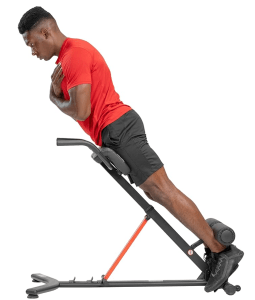
A 45-degree bench is more forgiving for beginners. This position reduces the resistance slightly but still provides enough challenge to activate the posterior chain. It’s an excellent introduction to hyperextensions for those new to lower back exercises.
Reverse Hyperextension
In reverse hyperextensions, the movement is inverted, with the upper body staying stable and the legs moving instead. This variation works the glutes and lower back muscles while minimizing strain on the spine. It can be performed on a gym bench or a stability ball, making it accessible even for home workouts.
GHD Machine
The Glute Ham Developer (GHD) machine is another piece of equipment used for hyperextensions. It allows for an extended range of motion and engages the hamstrings and glutes more intensely. GHD hyperextensions are great for building strength in the posterior chain, especially for athletes needing explosive power in their lower body.
Techniques and Form for Hyperextensions
Proper technique is crucial for reaping the full benefits of hyperextensions and avoiding injury.
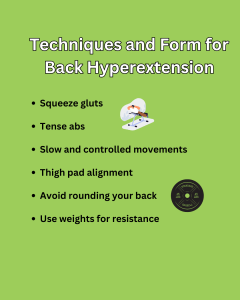
Squeeze Glutes
As you lift your body back up, focus on squeezing your glutes. This activates the posterior chain muscles and helps alleviate lower back discomfort.
Tense Abs
Engage your core muscles throughout the movement. By tensing your abs, you reduce the strain on your lower back and maintain better form.
Slow and Controlled Movement
Avoid rushing through hyperextensions. A slow and controlled motion ensures proper engagement of the muscles and prevents injury. Focus on keeping your back straight as you move down and lift back up.
Thigh Pad Alignment
On a hyperextension bench, ensure the top of your hips aligns with the top of the thigh pad. Misalignment can cause discomfort and reduce the effectiveness of the exercise.
Avoid Rounding Your Back
It’s crucial to avoid rounding your back during the descent. Keep your back flat and hinge from the hips to protect your spine.
Weights for Resistance
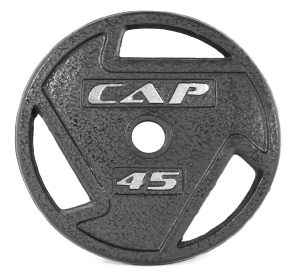
As you progress, you can add resistance by holding a weight plate during the exercise. Start with a 5kg weight and gradually increase to 10kg or more as you become stronger. Adding weights enhances muscle endurance and strength in the posterior chain.
Equipment Options for Hyperextensions
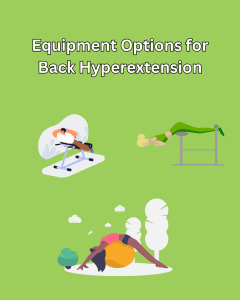
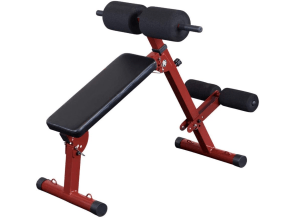
Hyperextension benches are available for home use, allowing you to perform these exercises without needing to visit the gym.
The Roman chair is another common piece of equipment for performing hyperextensions. It provides support for your lower body, making it easier to focus on your back and core muscles.
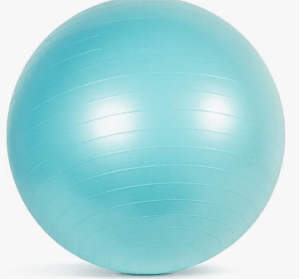
If you don’t have access to a hyperextension bench, a stability ball can be used as an alternative. This option requires more balance and engages the core muscles to stabilize the body during the movement. It’s a great choice for home workouts.
GHD Machine
For those seeking a more advanced challenge, the GHD machine offers a greater range of motion and resistance. This equipment is more commonly found in gyms but can be purchased for home use as well.
Common Mistakes to Avoid in Hyperextension Exercises
1. Going Too Fast
Speed is not the goal in hyperextensions. Performing the exercise too quickly reduces muscle engagement and increases the risk of injury. Focus on slow, controlled movements for optimal results.
2. Arching Past Straight
When lifting back up, avoid arching your back past a straight line. Going too far can strain your lower back and negate the benefits of the exercise. Aim to keep your torso in line with your thighs as you reach the top of the movement.
3. Rounding Your Back
Rounding your back during hyperextensions puts unnecessary strain on your spine. Always keep your back flat and hinge from the hips to maintain proper form.
Hyperextension Exercise Variations
To keep your workouts interesting and challenging, you can try various hyperextension exercise variations. These include:
- Weighted Hyperextensions
- Single-Leg Hyperextensions
- Isometric Holds
Incorporating Hyperextensions Into Your Routine
Back hyperextensions can be incorporated into your workout routine 2-3 times a week. For beginners, start with bodyweight exercises and gradually add resistance as your strength improves. Advanced athletes can perform weighted hyperextensions to continue challenging their muscles.
Hyperextension Workouts for Different Goals
For Core Strength- Perform 3 sets of 12-15 reps of hyperextensions at the end of your workout to target the core muscles.
For Injury Prevention- Incorporate hyperextensions into your warm-up routine to activate the lower back and glutes, preparing your body for heavier lifts like squats and deadlifts.
For Muscle Endurance- Use higher reps (15-20) with lighter resistance to improve muscle endurance in the lower back and hamstrings.
Conclusion
Back hyperextensions are an effective and versatile exercise that provides numerous benefits, from improving core strength and posture to preventing injury. Whether you’re using a hyperextension bench, stability ball, or GHD machine, mastering this exercise can lead to a stronger, healthier body. Incorporate hyperextensions into your fitness routine and enjoy the lasting benefits for your posterior chain strength and overall physical performance.
Did you find this blog post interesting? Leave us a comment

 MABS
MABS 