
Your doctor might prescribe you some glucocorticoids, but usually, they prefer to give you a short course to get rid of the inflammation.
Inflammation comes in different ways; it could be an allergy, a gout attack, or something chronic like an inflammatory bowel disorder.
The bottom line is that glucocorticoids (prednisone) work, and they work fast. They have the superpower of getting rid of the inflammation fast.
But why aren’t long-term glucocorticoids the go-to solution?
Doctors are cautious about prescribing them for extended periods due to the numerous potential side effects. This careful consideration is a testament to your doctor’s commitment to your well-being.
One of the side effects that many people don’t remember is that glucocorticoids can eat the bones. Well, a better way of putting it is that, this medication can activate bone-eating (osteoclasts) enzymes that resorb bone. This is called glucocorticoid-induced osteoporosis.
Patients taking glucocorticoids (like prednisone) are at an increased risk of developing glucocorticoid-induced osteoporosis because these medications can interfere with the body’s ability to absorb calcium, decrease bone formation, and increase bone resorption.
However there are some conditions where people have to use glucocorticoids for a long time. For example Lupus and Rheumatoid Arthritis patients. These category of people need to use glucocorticoids for a long time so they need to protect their bones.
How Prednisone Weakens Your Bones
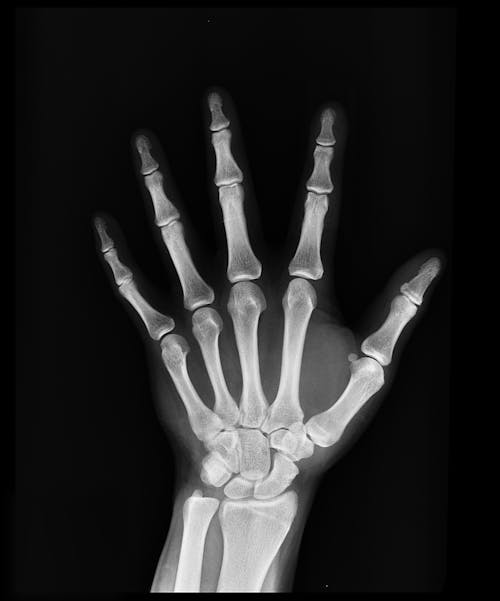
Prednisone affects your bones in a number of ways, which can lead to a condition known as glucocorticoid-induced osteoporosis.
Decreased Calcium Absorption
Prednisone reduces the body’s ability to absorb calcium from food.
Calcium is a critical mineral that helps keep bones strong. Without enough calcium, your bones become more prone to weakness and fractures.
Increased Calcium Loss
In addition to blocking absorption, prednisone also causes the body to excrete more calcium through the kidneys, which leads to a further drop in calcium levels in the bloodstream.
Low calcium triggers the body to pull calcium from the bones, further weakening them.
Reduced Bone Formation
Healthy bones are constantly being broken down and rebuilt.
Prednisone disrupts this balance by decreasing the activity of osteoblasts—the cells responsible for forming new bone. This slows down bone rebuilding, while bone breakdown continues at the same rate.
Increased Bone Breakdown
Prednisone increases the activity of osteoclasts—the cells that break down bone tissue. This speeds up the process of bone resorption, making bones more fragile over time.
How to Prevent Glucocorticoid Induced Osteoporosis
Your doctor probably is aware of the side effects of using glucocorticoids so feel free to mention your concerns and definitely ask your doctor
Calcium and Vitamin D Supplementation
Take enough vitamin D and calcium. Speak to your doctor to confirm your recommended daily does. I wouldn’t be specifying any recommended amount in this posts to ensure everyone is safe.
Bone Density Monitoring
Regular bone mineral density (BMD) testing using a DEXA scan is advised, especially if patients are on long-term or high-dose glucocorticoid therapy. This helps detect early bone loss.
Medications to Strengthen Bones
Bisphosphonates (e.g., alendronate, risedronate) are often prescribed to prevent or treat bone loss. These drugs help slow bone resorption. Teriparatide or Denosumab may be recommended in cases of severe bone loss or if bisphosphonates are not suitable.
Weight-bearing Exercise
Regular weight-bearing exercises such as walking, jogging, or resistance training can help strengthen bones. These exercises stimulate bone formation.
Lifestyle Changes
Avoid smoking and limit alcohol consumption, as both can contribute to bone loss.
Another lifestyle change we recommend is eating healthy. Eat an healthy diet rich in bone-supporting nutrients like Magnesium and Vitamin K
Foods That are Good for the Bone
- Dairy products (milk, cheese, yogurt)
- Leafy greens (kale, spinach, collard greens)
- Fortified plant-based milk (almond, soy, rice milk)
- Fatty fish (salmon, sardines, mackerel)
- Almonds
- Tofu
- Broccoli
- Oranges
- Eggs
- Fortified cereals
- Nuts and seeds (chia seeds, flaxseeds)
- Beans and lentils
- Figs
- Prunes
In Conclusion
Prednisone can be a highly effective treatment for many inflammatory and autoimmune conditions, but it does come with potential side effects, especially on your bones.
If you’re taking prednisone, it’s important to be proactive about your bone health. By ensuring adequate calcium and vitamin D intake, staying active, and possibly using medications to protect your bones, you can reduce the risk of osteoporosis and maintain strong bones for years to come.
If you’re concerned about how prednisone is affecting your bones, talk to your doctor. They can help you develop a plan to protect your bone health while managing your condition effectively.
Did you find this post interesting, please leave a comment below

 MABS
MABS 
great ideas
LikeLike
Thank you 🙏
LikeLike