
Periods bring a range of challenges, from painful cramps and fatigue to mood swings that can make daily life feel more difficult. During this time, it’s essential to prioritize your self-care to help ease these discomforts and promote overall well-being.
In this article, we’ll explore practical and soothing tips to help you manage your period with more comfort and care, so you can feel your best throughout the month.
Don’t be angry with yourself for staining, get up, clean up and reward yourself with a soothing cup of tea.
1. Prioritize Comfort
Periods can often leave you feeling physically drained, so prioritizing comfort is essential.
Use a Heating Pad
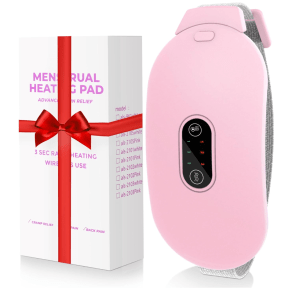
Applying a heating pad or hot water bottle to your lower abdomen or back can work wonders for relieving cramps. The warmth helps to relax the muscles and improve blood flow, reducing the intensity of pain.
Take Warm Baths
A warm bath can soothe your body and mind. Add Epsom salts or a few drops of calming essential oils like lavender to your bath for added relaxation.
Wear Comfortable Clothing
When you’re on your period, tight or restrictive clothing can add to your discomfort. Opt for loose-fitting, breathable outfits that let you feel cozy and at ease throughout the day. Wear cute socks and clean clothes.
Prioritize Rest
Your body works overtime during your period, so give it the rest it deserves. Take naps, go to bed earlier, or simply allow yourself some downtime to recharge.
2. Nourish Your Body
During your period, your body needs extra care and nourishment to keep energy levels up and support your overall well-being. Eating the right foods can help ease discomfort and even improve your mood.
Eat Iron-Rich Foods
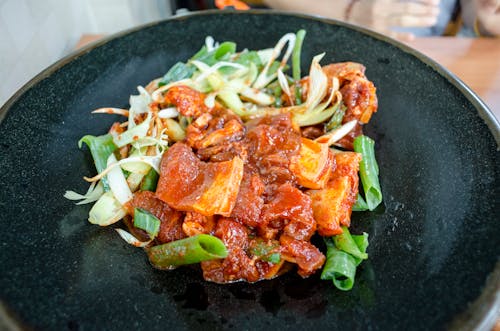
Menstruation can deplete your iron levels, leaving you feeling fatigued. Incorporate foods like spinach, lentils, red meat, tofu, and fortified cereals into your diet to replenish your iron stores.
Opt for Anti-Inflammatory Choices
Certain foods, like fatty fish (salmon, mackerel), nuts, seeds, and leafy greens, are rich in omega-3 fatty acids and other anti-inflammatory compounds that can help reduce cramping and bloating.
Stay Hydrated
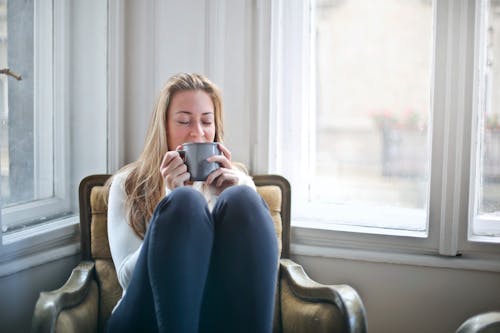
Drinking plenty of water is crucial to combat bloating and fatigue. Herbal teas like chamomile or peppermint can also soothe cramps and improve digestion.
Limit Sugar and Caffeine
High sugar and caffeine intake can lead to energy crashes, increased bloating, and heightened mood swings. Opt for natural sweeteners like honey and herbal teas to stay balanced.
Indulge in Dark Chocolate
If you’re craving something sweet, dark chocolate (70% cocoa or higher) is a great choice. It’s rich in magnesium, which can help relax muscles and improve your mood.
3. Prioritize Rest and Sleep
Your body works harder during your period, so giving it the rest it deserves is essential for feeling your best. Prioritizing quality sleep and relaxation can help alleviate period symptoms and boost your energy.
Get Enough Sleep
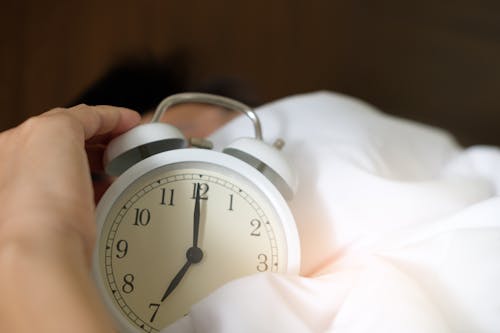
Aim for 7-9 hours of restful sleep each night. Sleep helps your body recover and reduces stress, which can worsen cramps and mood swings. If you’re struggling to sleep due to discomfort, try using a heating pad or taking a warm bath before bed.
Nap if Needed
If you feel drained during the day, give yourself permission to take short power naps. Even 20–30 minutes of rest can improve your mood and energy.
Practice Relaxation Techniques
Meditation, praying and journaling can calm your mind and relax your body. These practices can help reduce pain and ease tension, especially during particularly challenging days.
Create a Relaxing Sleep Environment
Make your bedroom as comfortable as possible by dimming lights, keeping the room cool, and using soothing scents like lavender to promote relaxation.
Listen to Your Body
If you feel too tired to complete your usual activities, allow yourself to take a break. Resting doesn’t mean being unproductive; it’s a necessary part of self-care.
Conclusion
Remember that your body is going through a natural process. Be patient with yourself and understand that you may not feel your best during this time. Periods can be physically and emotionally challenging. Self-compassion is not indulgence, it’s about honoring your needs and giving yourself the support you deserve.
Even small acts of self-care can make a significant difference in how you feel during your period. A warm bath, a cup of herbal tea, or a few minutes of meditation can all contribute to a more positive experience.
Did you find this article helpful? Leave a comment below

 MABS
MABS 