
Type 2 diabetes is a growing health concern worldwide, but the good news is that it can often be prevented or delayed through lifestyle changes. Diet plays a critical role in managing blood sugar levels and maintaining overall health. If you’re at risk for type 2 diabetes, adopting healthy eating habits can make a significant difference.
This article provides 10 practical dietary tips to help regulate blood sugar, improve metabolism, and lower the risk of developing diabetes. We’ll also explore healthier alternatives to common foods and habits that could be increasing your risk.
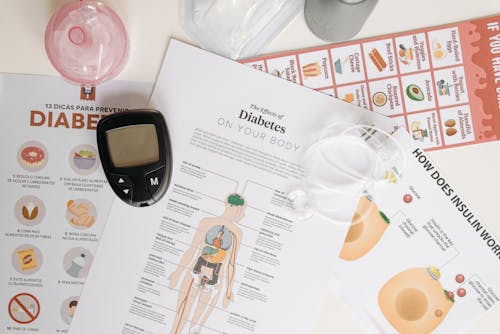
1. Choose Drinks Without Sugar
One of the easiest ways to cut down on excess sugar is by changing what you drink. Sugary drinks like soda, energy drinks, and sweetened teas can cause rapid blood sugar spikes and increase insulin resistance.
Healthier Alternatives:
- Water: The best choice for hydration with zero calories or sugar.
- Herbal teas: Naturally free from sugar and available in a variety of flavors.
- Sparkling water with a splash of lemon or lime: A great substitute for soda.
- Infused water: Add slices of cucumber, berries, or mint for a refreshing drink.
2. Drink Tea and Coffee Without Added Sugar
While tea and coffee can have health benefits, adding sugar, syrups, or flavored creamers can turn them into sugar-laden drinks. Instead, try these alternatives:
- Use cinnamon or vanilla extract for natural sweetness.
- Try unsweetened almond or coconut milk instead of sugary creamers.
- Choose black coffee or green tea, which contain antioxidants beneficial for blood sugar control.
3. Skip Fruit Juices and Smoothies
Although fruit is healthy, fruit juices and store-bought smoothies often remove the fiber and concentrate the sugar content. This can cause a rapid rise in blood sugar levels.
According to research, Drinking 100% fruit juice is not linked to a higher risk of diabetes, but it may not be the best option for individuals already managing the condition
Best alternatives:
- Eat whole fruits instead of drinking juice.
- Blend homemade smoothies with high-fiber ingredients like spinach, flaxseeds, and unsweetened yogurt.
- Dilute fruit juices with water to reduce sugar intake.
4. Choose High-Fiber Carbs
Fiber helps slow down digestion, keeping blood sugar levels stable. According to CDC, diabetics should opt for complex carbs that are high in fiber, rather than low-fiber refined carbs.
High-Fiber Carbs (Good Choices):
- Whole grains: Brown rice, quinoa, whole wheat bread, oats.
- Legumes: Lentils, chickpeas, black beans.
- Vegetables: Sweet potatoes, carrots, broccoli.
Low-Fiber Carbs to Avoid (Bad Choices):
- White bread and white rice.
- Pastries, cookies, and processed cereals.
Below is an example of how you can add complex carbs to your diet.
Breakfast:
- Swap white toast for whole grain bread with avocado or peanut butter.
- Add oats to your morning routine—try oatmeal topped with nuts and berries.
- Blend a fiber-rich smoothie with spinach, flaxseeds, and unsweetened yogurt.
Lunch & Dinner:
- Replace white rice with quinoa, brown rice, or bulgur as a side dish.
- Use lentils, chickpeas, or black beans in soups, stews, or salads.
- Choose whole wheat pasta instead of regular pasta.
Snacks:
- Enjoy hummus with whole grain crackers or veggie sticks.
- Munch on air-popped popcorn, which is a whole grain.
- Try Greek yogurt with flaxseeds and chia seeds for an added fiber boost.
5. Replace Red Meat with Healthier Proteins
Research shows that consuming too much red and processed meat can increase the risk of diabetes due to its high saturated fat content.

Healthier Protein Sources:
- Poultry: Skinless chicken and turkey.
- Fish: Salmon, sardines, and mackerel are rich in omega-3 fatty acids.
- Plant-based proteins: Lentils, beans, tofu, and unsalted nuts.
- Eggs: A great source of protein with minimal impact on blood sugar.
6. Eat Plenty of Fruits and Vegetables
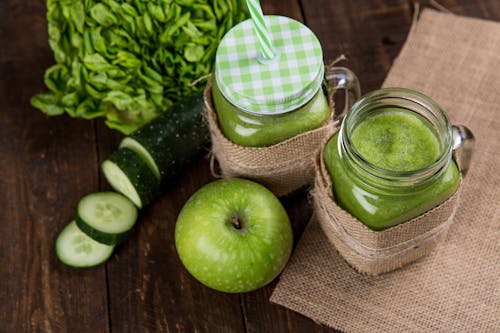
Fruits and vegetables are essential for a balanced diet, but not all fruits are equal when it comes to blood sugar control.
Best Fruits for Diabetes Prevention:
The best fruit according to American Diabetes Association fruits that are fresh, frozen, or canned without added sugars. When selecting canned fruit, look for labels such as ‘packed in its own juices,’ ‘unsweetened,’ or ‘no added sugar.’ While dried fruit and 100% fruit juice can also be nutritious options, their smaller portion sizes may make them less satisfying compared to whole fruits.
- Berries: Blueberries, raspberries, strawberries (high in fiber, low glycemic index).
- Citrus fruits: Oranges, lemons, grapefruits.
- Apples and pears: High in fiber when eaten with the skin.
Furthermore, avoid juicing fruits, as it removes fiber and spikes blood sugar levels.
7. Choose Unsweetened Yogurt and Cheese
Many yogurts contain hidden sugars, especially flavored varieties. Instead:
- Choose plain Greek yogurt and add fresh fruit for flavor.
- Opt for cheese varieties with lower saturated fat, such as cottage cheese or mozzarella.
8. Don’t Drink Too Much Alcohol
Excess alcohol can contribute to weight gain and blood sugar imbalances. Researchers have found an association between moderate alcohol intake with a reduced risk of diabetes. To reduce alcohol intake:
- Set weekly limits for alcohol consumption.
- Drink water between alcoholic beverages.
- Choose lower-alcohol options, like wine spritzers.
9. Choose Healthy Snacks
Snacking is a great way to keep energy levels steady, but unhealthy choices can lead to blood sugar spikes. Instead, opt for healthy snacks, check a full list of healthy snacks by MedicalNewsToday
Healthy Snacks for Blood Sugar Control:
- Nuts and seeds: Almonds, walnuts, chia seeds.
- Avocados
- Turkey slices
- Hummus with veggie sticks.
- Hard-boiled eggs.
- Greek yogurt with berries.
10. Choose Healthier Fats
Did you know fats can be part of a healthy diet, According to the American Heart Association, not all fats are bad. Avoid unhealthy trans fats and opt for healthier options instead.
Bad Fats (Avoid):
- Margarine, fried foods, processed snacks.
Good Fats (Include More):
- Olive oil, avocado oil.
- Nuts and seeds.
- Fatty fish (salmon, tuna).
Bonus Tip: Get Vitamins from Food, Not Supplements
Whole foods provide a natural balance of nutrients without synthetic additives. Prioritize:
- Leafy greens: High in vitamin C and magnesium.
- Nuts: Provide healthy fats and vitamin E.
- Dairy: A good source of calcium and vitamin D.
Conclusion
Preventing type 2 diabetes starts with small, sustainable dietary changes. By following these 10 tips, you can make healthier food choices that help maintain stable blood sugar levels and promote long-term health.
Did you find this article helpful? Leave a comment below

 MABS
MABS 
a probleum now is the diabetes in the world.
LikeLike
Absolutely 💯
LikeLike