

Clinical rotations are one of the most exciting and most intense phases of medical school. It’s the point where everything you’ve memorized in books starts coming to life in hospital corridors, patient rooms, and daily rounds. Download this FREE Checklist to make sure you have everything you need for your rotations.
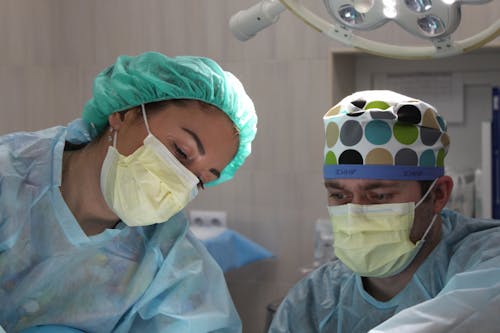
The Ups of Clinical Rotation
You’ll finally have the chance to examine real patients, take histories, scrub in for procedures, and present cases to your group mates. From understanding how to document progress notes in electronic medical records to collaborating with nurses, residents, and attendings, your days will be packed with fast-paced, hands-on learning and team-based care.
You’ll also gain a ton of skills during this time. From mastering physical exams and suturing techniques to interpreting labs and imaging, your clinical abilities will grow quickly. Beyond the technical, you’ll also learn time management, communication, and professional behavior—things that no textbook can teach fully.
furthermore, you’ll learn how to think like a doctor, reason through diagnoses, and weigh treatment options in real time. You’ll start to find your voice, and you’ll realize how important it is to express your ideas with clarity and confidence—something Dr. Docherty touched on when he said in an interview for the AMA’s “What I Wish I Knew in Medical School” series:
“If I could do it again, I’d definitely be more forthright with my thoughts. I’d be more confident with how I spoke and really put my thoughts out there.”
The Downs of clinical Rotation
But let’s not sugarcoat it—rotations can be tough. Some days will drain you. Especially in demanding rotations like surgery, the long hours, emotional pressure, and performance evaluations can wear on you.
The hierarchy can feel intimidating at first, and being evaluated constantly may cause you to doubt yourself. But know this: it gets better, and the key is to show up, stay curious, and never be afraid to say, “I don’t know, but I’ll find out.”

My First Clinical Rotation
Let me tell you about my own experience. My first clinical rotation was, in short, a nightmare. I had so much anxiety—not from patients, but from the idea that they might dislike me or treat me poorly. Ironically, the patients were the kindest part of that rotation. It was my classmates who made it hard. I found myself in a toxic group where I was shut out for reasons I still don’t understand. I’d walk into a room, and the whole group would walk out. It hurt me more than I’d like to admit. I always tell myself I don’t let things get to me, but that got to me. The strange part? It was cardiology—a rotation I genuinely loved. I still remember the first time I palpated a pulse. Fast forward to this year, and I actually saw a heart beating inside someone’s chest. Am I called for cardiology? Mmm, maybe.
Download this FREE Checklist to make sure you have everything you need for your rotations.
Other clinical rotations were much smoother. I learned how to manage my emotions better, navigate relationship conflicts, and even built meaningful connections with some of my groupmates. I attended numerous surgeries and felt genuinely excited to observe and try my hand at a few procedures.
What I Wish I Knew Earlier
One thing I wish I knew earlier is how important it is to forge relationships during rotations. Connecting with your residents, attendings, and even nurses makes a world of difference, not only for learning but for emotional support.
These relationships often lead to mentorships, letters of recommendation, and lifelong connections. Don’t isolate yourself, even when things get hard. You’re not just being evaluated on knowledge but also on how you function as part of a team.
Common Questions About Clinical Rotations
How do I prepare for my first clinical rotation?
Start by reviewing common conditions in that specialty. Brush up on how to take patient histories and perform physical exams. Set realistic goals and get plenty of rest beforehand. Most importantly, show up early and be ready to learn.
How hard are clinical rotations?
They can be very demanding, physically, mentally, and emotionally. But they’re also incredibly rewarding if you stay organized, take feedback well, and maintain a growth mindset.
How do I survive a clinical rotation?
Time management is key. Take care of your health, ask for help when needed, and don’t compare yourself to others. Focus on progress, not perfection.
What should I expect on my first day?
Expect early starts, introductions, and a general feeling of “Where do I belong here?” You’ll probably shadow your team, meet patients, and observe more than you do.
How should I dress?
Professional attire is a must. Think: clean white coat, scrubs or business-casual (depending on the department), and closed-toe shoes. Keep it simple and neat.
How do I do well in clinical rotations?
Be curious, helpful, respectful, and proactive. Study the cases you see. Ask intelligent questions. Seek feedback and apply it.
How long do clinical rotations take?
Typically, each rotation lasts 4–12 weeks depending on your curriculum and the specialty.
What do clinical rotations look like?
They usually include morning rounds, patient care, procedures, lectures, and sometimes night shifts or call duties.
Do you put clinical rotations on your resume?
Yes, especially if you’re applying for residencies or jobs that value specific experiences.
What is the purpose of clinical rotations?
To give you real-world exposure to patient care, help you apply classroom knowledge, and guide you in choosing a specialty.
How do you list rotations on a CV?
List the specialty, hospital name, dates, and notable experiences or procedures observed/performed.
What is an example of a clinical experience?
“Completed an 8-week Internal Medicine rotation at XYZ Hospital, managing patient care under supervision, interpreting labs, and presenting cases during rounds.”
Download this FREE Checklist to make sure you have everything you need for your rotations.
Conclusion
Clinical rotations are where you evolve from a student into a future doctor. They will test your knowledge, shake your confidence, and stretch your limits, but they will also ignite your passion, sharpen your skills, and help you find your place in medicine.
Did you find this blog interesting? Leave a comment below.


