
Caring for a loved one with Parkinson’s disease (PD) can be a deeply rewarding experience, but it also comes with challenges that test patience, resilience, and adaptability. Parkinson’s affects movement, mood, and cognition, and its symptoms can vary daily. For caregivers, understanding the disease and implementing practical strategies can make a huge difference for both the patient and themselves.
This guide covers everything you need to know to provide compassionate, safe, and effective care. But First lets take a look at Maria’s Journey
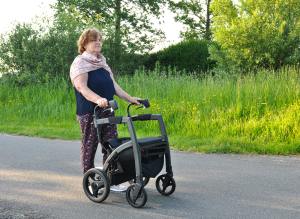
What Maria Taught us about Caregiving
Maria was 32 when her father, Samuel, was diagnosed with Parkinson’s disease. At first, the tremors in his hands seemed minor—sometimes spilling a cup of coffee or dropping his keys. But over time, the stiffness in his legs and slowness in movement became more noticeable.
Maria worked full-time but decided to become her father’s primary caregiver. The first few months were overwhelming. She struggled to keep track of his medication schedule, worried constantly about him falling, and felt guilty when she needed a break. Samuel, proud and independent, sometimes resisted her help, which made communication tense.
Determined to make it work, Maria started educating herself about Parkinson’s. She learned about exercises that improved balance, adaptive tools to help her father dress and groom himself, and ways to manage constipation with a fiber-rich diet. She set up pill organizers and alarms to make sure medications were taken on time, and she rearranged the house to reduce tripping hazards.
Even with all her planning, the emotional toll was heavy. Maria realized she was experiencing caregiver stress—she felt exhausted and anxious. She turned to a local Parkinson’s support group and learned about respite care, giving herself a few hours each week to rest while a trained caregiver helped her father. She also built a “backup team” of cousins and neighbors who could step in when needed.
Months later, Maria noticed a change—not just in her father, who seemed more confident walking with his cane and less frustrated during meals, but in herself. She felt more prepared, less stressed, and more capable of providing compassionate care. She learned that caregiving isn’t just about doing tasks; it’s about patience, communication, and building a support system that works for both the caregiver and the loved one.
1. Be Honest with Each Other
Open communication is the foundation of caregiving. Discuss symptoms, daily struggles, and emotional experiences with your loved one. Parkinson’s can affect mood and cognition, which may lead to frustration or anxiety. Honest conversations help you understand their priorities, fears, and limitations, and allow them to participate in decisions about their care.
Tip: Schedule a weekly check-in to discuss how they’re feeling and what adjustments might be needed.
2. Educate Yourself
The more you know about Parkinson’s, the better you can anticipate challenges. Learn about:
- Motor symptoms: tremors, rigidity, slow movements, and balance issues.
- Non-motor symptoms: depression, anxiety, sleep disturbances, and cognitive changes.
- Treatment options: medications, therapies, and lifestyle adjustments.
Tip: Join support groups or follow Parkinson’s organizations online for up-to-date resources and practical advice.
3. Attend Doctor’s Appointments
Accompany your loved one to appointments whenever possible. This ensures:
- You fully understand the treatment plan.
- You can monitor medication effectiveness and side effects.
- You can report new symptoms your loved one may not notice.
Tip: Take notes during appointments or record questions in advance to make sure nothing is missed.
4. Stay on Top of Insurance
Parkinson’s care can involve medications, physical therapy, and specialized equipment. Keep track of:
- Health insurance coverage
- Prescription plans
- Medical bills and reimbursements
Being proactive prevents last-minute stress and ensures uninterrupted care.
5. Be Flexible
Parkinson’s symptoms can fluctuate from day to day, or even hour to hour. Some days, tasks like walking or eating may be harder. Be ready to adjust routines, schedules, or expectations based on how your loved one feels.
Tip: Focus on what can be done rather than what can’t, celebrating small victories maintains morale.
6. Make Sure Medications Are Taken on Time
Medication timing is critical for managing Parkinson’s symptoms. Missed or delayed doses can lead to:
- Increased tremors
- Stiffness
- Slowness in movement
Tip: Use pill organizers, alarms, or smartphone reminders. Keep a medication log to track doses and any side effects.
7. Use Tools to Make Grooming Easy
Parkinson’s can make fine motor tasks challenging. Adaptive tools can maintain independence and reduce frustration:
- Electric toothbrushes and razors
- Button hooks or zipper pulls for clothing
- Long-handled grooming brushes
Tip: Encourage independence where possible, it boosts confidence and dignity.
8. Avoid Shoes with Rubber Soles
Shoes with rubber soles can create friction, making shuffling or walking unstable. Opt for:
- Shoes with smooth, firm soles
- Proper-fitting footwear to prevent trips and falls
- Non-slip indoor slippers
Tip: Always keep walking paths clear and well-lit.
- Provide Fiber-Rich Foods to Prevent Constipation
Constipation is a common non-motor symptom of Parkinson’s. Include:
- Fresh fruits and vegetables
- Whole grains and legumes
- Adequate water intake
Tip: Regular meals, hydration, and gentle exercise like walking or stretching can help digestive health.
10. Recognize Caregiver Stress, Strain, and Burnout
Caring for someone with Parkinson’s can be physically, emotionally, and mentally taxing. Common issues include:
- Stress: Worry about your loved one’s health or daily tasks
- Strain: Physical exhaustion from lifting, assisting, or household duties
- Burnout: Feeling overwhelmed, irritable, or disconnected
Use tools like the Caregiver Stress Inventory to evaluate your wellbeing. Being proactive about your mental and physical health is just as important as caring for your loved one.
11. Build a Backup Team
You don’t have to manage everything alone. Build a network of:
- Family members or friends
- Professional caregivers or home aides
- Community support groups
A reliable support system ensures consistent care, especially during emergencies or when you need a break.
- Consider Respite Care
Respite care provides temporary relief for caregivers. Options include:
- In-home professional care for a few hours or days
- Short-term stays in a care facility
- Community programs or adult day care
Taking time for yourself helps prevent burnout, reduces stress, and allows you to recharge while ensuring your loved one is safe and cared for.
In conclusion
Caring for someone with Parkinson’s requires patience, flexibility, and preparation. By educating yourself, supporting medication adherence, ensuring safety, and taking care of your own wellbeing, you can provide compassionate, high-quality care.
Remember, you’re not alone. Building a support system, using adaptive tools, and seeking help when needed ensures both you and your loved one thrive despite the challenges of Parkinson’s disease.

 MABS
MABS 