Why You Should Be Eating More Mangoes

mango held in hand in a pink background

Key Points

  • Research suggests mangoes offer numerous health benefits, including improved digestion, boosted immunity, and better skin health.
  • It seems likely that mangoes can support heart health, aid diabetes management, and reduce inflammation, though moderation is key for diabetics.
  • The evidence leans toward mangoes helping prevent certain cancers and supporting eye health, but more studies are needed for confirmation.

Some people call mangoes the “king of fruits.” In this regard, mangoes have to be one of my top favorite fruits. In Africa, during mango season, you’ll see lots of kids sucking on a mango, with its juices dripping down their jaws and forearms. However, beyond their taste, they’re packed with nutrients like vitamins A, C, and fiber, making them a great addition to a balanced diet. This article will explore how they can benefit your health in various ways, and we will also discuss the different ways we can incorporate more mangoes into our diet.

Mangoes (Mangifera indica) are a tropical stone fruit, part of the drupe family, known for their sweet, creamy taste and vibrant golden-yellow flesh.
Nutritional Profile and Caloric Content

Mangoes are low in calories, with one cup (165 grams) containing about 99 calories, making them a nutrient-dense choice. They provide 22.5 grams of sugar and 2.6 grams of fiber per cup, contributing to their role in various health benefits. Their nutritional breakdown includes:

  • Vitamin C: 60.1 mg (67% DV)
  • Vitamin A: 89.1 mcg RAE (10% DV)
  • Potassium: 277 mg (5.89% daily needs)
  • Folate: 71 mcg (18% DV)
  • Vitamin B6: 12% DV
  • Copper: 20% DV
  • Vitamin E (10% DV)
  • Vitamin K (6% DV)
  • Niacin (7% DV)

This profile makes mangoes a versatile fruit, supporting multiple bodily functions from immunity to digestion. Dried mango, however, has higher calories (510 per cup, 160 grams) and sugar (106 grams), so fresh is preferred for lower calorie density.

Digestive Health Benefits

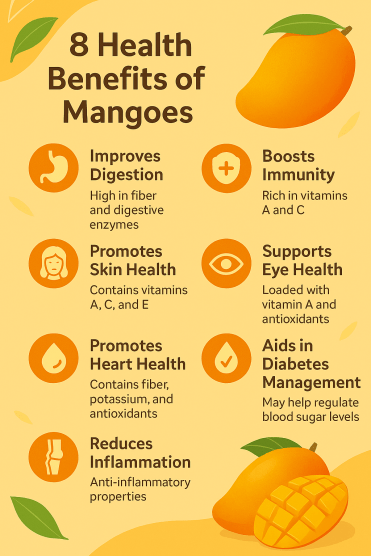
Mangoes are excellent for digestion, offering both soluble and insoluble fiber (2.6 grams per cup), which aids in preventing constipation and supporting gut microbiome health.

A study highlighted their effectiveness over soluble fiber supplements for constipation relief in a 4-week study. They also contain digestive enzymes like amylases, which break down food, improving gut health and reducing bloating.

Immune System Support

Mangoes are a powerhouse for immunity, providing nearly 75% of the daily value for vitamin C and 10% for vitamin A per cup. Vitamin C is crucial for producing disease-fighting white blood cells, while vitamin A supports skin and mucous membrane health, acting as barriers against pathogens. Additional nutrients like copper, folate, and vitamin E further enhance immune function by aiding cell growth and repair.

Skin and Hair Health

Ever wondered why many skin products contain mango extracts? That’s because they know mangoes are good for the skin. Mangoes are rich in vitamins A, C, and E, which act as antioxidants to protect against free radical damage from pollution and UV rays. Vitamin C supports collagen production, essential for firm, youthful skin, while beta-carotene (1,060 mcg per cup) helps maintain a healthy skin tone and may prevent premature aging. Vitamin A also moisturizes the hair by providing sebum and supports tissue growth. This makes mangoes a natural ally for skincare—some people even use mashed mango as a DIY face mask.

Bonus: Try This DIY Mango Face Mask
Mix:

  • 2 tbsp mashed ripe mango

  • 1 tsp honey

  • 1 tsp plain yogurt
    Apply for 10–15 minutes, then rinse for smooth, glowing skin.

Cancer Prevention

Mangoes contain over a dozen polyphenols, including mangiferin, gallic acid, and quercetin, linked to reduced cancer risks. These antioxidants combat oxidative stress, potentially lowering risks for colon, breast, lung, and neuronal cancers. Beta-carotene may also help prevent skin cancer, and vitamin A boosts immune system action against cancer cells.

Eye Health Support

Mangoes support eye health with vitamin A (10% DV per cup), crucial for preventing night blindness and maintaining vision. They also contain lutein (38 mcg per cup) and zeaxanthin, antioxidants that protect against harmful blue light and may reduce age-related macular degeneration (AMD) risk. These compounds act like natural sunglasses, filtering out damaging light, making mangoes a tasty way to care for your eyes, especially for screen-heavy lifestyles.

Cardiovascular Health Promotion

For heart health, mangoes offer potassium (277 mg per cup, 5.89% daily needs), which regulates blood pressure by counteracting sodium effects, reducing hypertension risk—a major factor in heart disease and stroke. Their fiber (2.6 grams per cup) also lowers total and LDL cholesterol, supporting cardiovascular health.

Mangiferin also plays a big role in making mangoes a heart-friendly fruit, especially when paired with a low-sodium diet.

Diabetes Management Aid

Contrary to myths, mangoes can fit into a diabetes-friendly diet when consumed in moderation (about one cup daily). Their low glycemic index, combined with 2.6 grams of fiber per cup, helps regulate blood sugar levels, reducing spikes after meals.

How to Add More Mangoes to Your Diet

Looking for ways to enjoy this juicy fruit beyond just slicing it? Try these:

  • Blend into a smoothie with banana and yogurt

  • Add chopped mango to your salad

  • Make mango salsa for tacos or grilled chicken

  • Toss frozen mango chunks into oatmeal or yogurt

  • Freeze them for a refreshing snack

  • Use in overnight oats or chia pudding

While mangoes offer many benefits, moderation is key, especially for diabetics, with a recommended limit of about two cups (330 grams) daily due to high natural sugar (22.5 grams per cup). Fresh mango is preferred over dried for lower calorie density. Cutting tips can be found at how to cut a mango. Pairing with protein or healthy fats can enhance benefits, and they’re versatile for breakfast, snacks, or desserts.

Beyond eating, mangoes are used in frozen fruit bags, trail mixes, salsas, and even skincare, like DIY face masks, highlighting their versatility. This unexpected use extends their appeal beyond just consumption, offering creative ways to incorporate them into daily life.

Frequently Asked Questions

Q: Can diabetics eat mangoes?
A: Yes, in moderation! Opt for fresh mango in small portions and pair with protein or fiber.

Q: Are dried mangoes just as healthy?
A: They still have nutrients, but they’re more calorie-dense and higher in sugar—so watch your portions.

Q: Is it okay to eat mangoes daily?
A: Absolutely! Just balance it with other fruits and be mindful of portion sizes if you’re watching sugar intake.

Conclusion

Mangoes are a nutritional powerhouse, offering benefits from digestion to cancer prevention, making them a valuable addition to a balanced diet.

Whether sliced fresh, blended into smoothies, or grilled, they’re easy to enjoy and can enhance overall well-being. How do you like to enjoy mangoes?

Share your favorite recipes or tips below or on social media—we’d love to hear from you and spread the mango love!

Below is a table summarizing key nutrients and benefits for quick reference:

Benefit Category Details Relevant Nutrients/Compounds Exact Numbers (per cup, 165g)
Digestion Fiber aids constipation, enzymes improve gut health Fiber (2.6g), Amylases
Immunity Supports white blood cells, skin barriers Vitamin C (67% DV), Vitamin A (10% DV) Vitamin C: 60.1 mg, Vitamin A: 89.1 mcg RAE
Skin Health Antioxidants protect, collagen production for youthfulness Vitamins A, C, E, Beta-carotene Beta-carotene: 1,060 mcg
Cancer Prevention Polyphenols reduce oxidative stress, potential cancer risk reduction Mangiferin, Polyphenols
Eye Health Prevents night blindness, protects against blue light Vitamin A, Lutein, Zeaxanthin Lutein/Zeaxanthin: 38 mcg
Heart Health Regulates blood pressure, lowers cholesterol Potassium, Fiber Potassium: 277 mg
Diabetes Management Low glycemic index, regulates blood sugar with moderation Fiber, Mangiferin Sugar: 22.5g, Fiber: 2.6g
Anti-Inflammation Reduces chronic inflammation, beneficial for arthritis Quercetin, Polyphenols

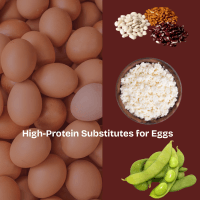
Why Are Eggs So Costly? Protein Alternatives to Try

eggs alternative, pics of eggs, edamame, cottage cheese and beans

Eggs have long been our go-to for quick, protein-packed meals. That’s understandable, considering an average egg contains 6-7 grams of protein. According to a detailed article by VeryWellHealth, a regular man needs about 56 grams of protein per day, while women require around 46 grams. Some people consume more than five eggs daily. For example, Coach Ryan Meng emphasizes that eating at least five eggs per day is essential for muscle growth and overall health. He debunks the myth that eggs cause heart disease, explaining that poor health habits—such as a sedentary lifestyle and processed foods—are the real culprits.

Some bodybuilders believe that maximizing muscle building and fat loss requires at least 30 grams of protein per meal. Eggs, being one of the most nutrient-dense foods available, are a staple for many fitness enthusiasts.

However, a 2018 article by Brad and Alan does not strongly support the claim. 

  1. Muscle Protein Synthesis (MPS) Threshold –MPS is maximized in young adults at around 20–25g of high-quality protein per meal. This suggests that 30g is not necessarily required, though it may not be harmful.
  2. Higher Protein Doses & Utilization – While excess protein beyond ~25g may be oxidized for energy, some studies (e.g., Macnaughton et al.) suggest that consuming more (like 40g) after resistance training can further enhance MPS, especially when larger muscle groups are trained.
  3. Slower Digestion & Mixed Macronutrients – Protein consumed with other macronutrients (such as fat and carbs) is absorbed more slowly, potentially increasing amino acid availability and utilization.
  4. Guidelines for Optimal Protein Distribution – Brad and Alan recommend consuming protein at 0.4 g/kg/meal across at least four meals to reach 1.6 g/kg/day for muscle growth, with an upper intake of 0.55 g/kg/meal for those consuming 2.2 g/kg/day.

Why are Eggs Expensive?

Do we blame the gym bros for the increased price of eggs? No. According to Daily News journals, there are many factors responsible for the high prices of eggs. Inflation, supply chain issues, bird flu and shortage of staff.

It also takes about 6 months to get an hen to start laying eggs and when they do lay eggs, we have to wait a while to start laying large eggs because their first eggs are usually small

The primary reason for the decreased egg supply is the outbreak of highly pathogenic avian influenza (HPAI), particularly the H5N1 strain. This disease, which began in 2022, has affected over 150 million birds, including laying hens. The virus has led to the loss of millions of birds, and the impact continues, with 23.3 million birds lost in January 2025 alone.

With the egg industry under significant pressure, it’s time to consider high-protein alternatives that offer even more protein than eggs.

High-Protein Egg Alternatives for Your Diet

1. Greek Yogurt

Greek yogurt is more than just a creamy snack—it’s a high-protein powerhouse. According to USDA,  100g of Greek yogurt can provide around 10 grams of protein, depending on the brand and variety. It’s also rich in probiotics, which can benefit your digestive system.

Greek yogurt supports digestive health and muscle repair. Plus, it’s a great source of calcium, which is important for bone health.

How to Use It:  

– Add it to smoothies for a creamy texture and protein boost.  

– Use it in baking cakes and muffins.  

– Enjoy it as a topping for your favorite breakfast bowls and granola or mix with fruits and nuts for a delicious snack.

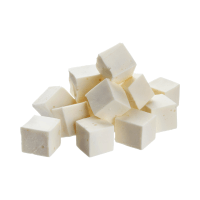
2. Tofu

Tofu is an incredibly versatile protein source, especially in plant-based diets. It’s packed with protein, according to USDA, it is about  8 grams per 100 grams of tofu and is a great replacement for eggs in many recipes

In an article by Healthline,  it is mentioned that tofu is packed with nutrients and contains all the essential amino acids your body needs,

How to Use It:  

– Scramble it with spices and veggies as a substitute for scrambled eggs.  

– Add it to stir-fries, salads, or soups.  

– Blend it into smoothies for a creamy texture without the eggs.

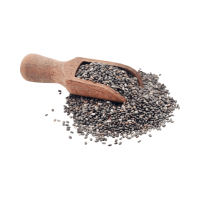
3. Chia Seeds

Just two tablespoons of chia seeds provide about 4 grams of protein and are also rich in omega-3 fatty acids and fiber. Chia seeds are loaded with antioxidants and fiber, helping support heart health and digestive function.

How to Use It:  

– Use chia seeds in puddings by mixing them with your favorite plant-based milk and letting them soak overnight.  

– Add them to smoothies or sprinkle them on top of salads and yogurt.  

4. Lentils

Lentils are my favorite things to eat because they are very versatile. A cup of cooked lentils provides about 18 grams of protein and is also high in fiber, making it a filling and nutritious substitute. Lentils are rich in iron and are an excellent choice for vegetarians and vegans looking to boost their protein intake.

How to Use It:  

– Add lentils to soups and stews.  

-Use them as muffins, akara and moi moi

– Use them in wraps, salads, or as a filling for veggie burgers.  

– Combine them with rice for a complete protein source.

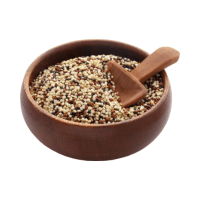
5. Quinoa

Unlike most plant-based proteins, quinoa is a complete protein, meaning it contains all nine essential amino acids. One cup of cooked quinoa offers about 8 grams of protein, making it an excellent choice for vegetarians.

Quinoa is gluten-free, high in fiber, and provides a steady release of energy, making it perfect for people with active lifestyles.

How to Use It:  

– Use quinoa as a base for salads, grain bowls, or in place of rice.  

– Mix quinoa with fruit and nuts for a delicious breakfast porridge.  

– Incorporate quinoa into baking recipes like muffins or cookies.

6. Nut Butters

Nut butters, such as almond, peanut, or cashew butter, are packed with protein and healthy fats. Just two tablespoons of peanut butter can provide around 8 grams of protein.

Nut butters support heart health, improve satiety, and provide a quick energy boost, making them a great snack option.

How to Use It:  

– Spread nut butter on toast or crackers.  

– Add it to smoothies or oatmeal for extra protein.  

– Use it in baking or as a dip for fruits like apple slices.

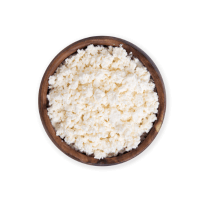
7. Cottage Cheese

Cottage cheese is an underrated protein source, offering about 14 grams of protein per half-cup serving. It’s also packed with calcium, which is essential for bone health.

Cottage cheese is an excellent choice for muscle building and is easy to incorporate into various meals, both sweet and savory.

How to Use It:  

– Enjoy it as a topping for fruits or mix it into salads.  

– Use cottage cheese as a filling for crepes or stuffed vegetables.  

– Blend it into smoothies for added creaminess and protein.

8. Seitan

Seitan, made from gluten, is a protein-packed alternative that provides around 17 grams of protein per 100g  serving. It’s often referred to as “wheat meat” due to its meat-like texture. Seitan is high in iron and can be a great addition to a plant-based or vegetarian diet for muscle-building.

How to Use It:  

– Use seitan in stir-fries, sandwiches, or tacos as a substitute for meat.  

– Grill or bake it with spices for a savory main dish.  

– Add it to soups and stews.

9. Edamame: A Protein-Packed Snack

Edamame, young soybeans, are a great source of protein, with about 12 grams of protein per 100g serving. They’re also packed with fiber, making them a filling snack.

Edamame supports digestive health and is an excellent choice for lowering cholesterol levels.

How to Use It:  

– Snack on edamame by boiling or steaming them.  

– Toss them into salads or grain bowls.  

– Blend them into spreads like hummus.

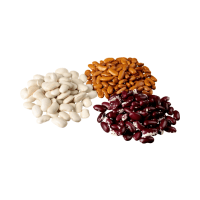
10. Beans

Beans, such as black beans, kidney beans, and chickpeas, are packed with protein and fiber. A cup of cooked beans can provide up to 15 grams of protein, depending on the variety.

Beans help regulate blood sugar levels and are excellent for heart health due to their high fiber content.

How to Use It:  

– Use beans in soups, stews, or chili.  

– Add them to salads or make a delicious bean dip like hummus.  

– Incorporate them into baked goods like brownies for added protein.

Conclusion

There are plenty of high-protein egg alternatives out there, ranging from dairy options like Greek yogurt and cottage cheese to plant-based choices such as tofu, quinoa, and edamame. Whether you’re vegan, lactose intolerant, or simply trying to diversify your diet, these alternatives can provide the protein you need without relying on eggs. Try incorporating them into your meals to enjoy both the health benefits and the delicious flavors they bring to your table.         


10 Proven Nutrition Tips for Reducing Your Type 2 Diabetes Risk

Diabetes

Type 2 diabetes is a growing health concern worldwide, but the good news is that it can often be prevented or delayed through lifestyle changes. Diet plays a critical role in managing blood sugar levels and maintaining overall health. If you’re at risk for type 2 diabetes, adopting healthy eating habits can make a significant difference.

This article provides 10 practical dietary tips to help regulate blood sugar, improve metabolism, and lower the risk of developing diabetes. We’ll also explore healthier alternatives to common foods and habits that could be increasing your risk.

Free Close-up of diabetes management tools and informational documents on a table. Stock Photo
Close-up of diabetes management tools and informational documents on a table.

1. Choose Drinks Without Sugar

One of the easiest ways to cut down on excess sugar is by changing what you drink. Sugary drinks like soda, energy drinks, and sweetened teas can cause rapid blood sugar spikes and increase insulin resistance.

Healthier Alternatives:

  • Water: The best choice for hydration with zero calories or sugar.
  • Herbal teas: Naturally free from sugar and available in a variety of flavors.
  • Sparkling water with a splash of lemon or lime: A great substitute for soda.
  • Infused water: Add slices of cucumber, berries, or mint for a refreshing drink.

2. Drink Tea and Coffee Without Added Sugar

While tea and coffee can have health benefits, adding sugar, syrups, or flavored creamers can turn them into sugar-laden drinks. Instead, try these alternatives:

  • Use cinnamon or vanilla extract for natural sweetness.
  • Try unsweetened almond or coconut milk instead of sugary creamers.
  • Choose black coffee or green tea, which contain antioxidants beneficial for blood sugar control.

3. Skip Fruit Juices and Smoothies

Although fruit is healthy, fruit juices and store-bought smoothies often remove the fiber and concentrate the sugar content. This can cause a rapid rise in blood sugar levels.

According to research, Drinking 100% fruit juice is not linked to a higher risk of diabetes, but it may not be the best option for individuals already managing the condition

Best alternatives:

  • Eat whole fruits instead of drinking juice.
  • Blend homemade smoothies with high-fiber ingredients like spinach, flaxseeds, and unsweetened yogurt.
  • Dilute fruit juices with water to reduce sugar intake.

4. Choose High-Fiber Carbs

Fiber helps slow down digestion, keeping blood sugar levels stable. According to CDC, diabetics should opt for complex carbs that are high in fiber, rather than low-fiber refined carbs.

High-Fiber Carbs (Good Choices):

  • Whole grains: Brown rice, quinoa, whole wheat bread, oats.
  • Legumes: Lentils, chickpeas, black beans.
  • Vegetables: Sweet potatoes, carrots, broccoli.

Low-Fiber Carbs to Avoid (Bad Choices):

  • White bread and white rice.
  • Pastries, cookies, and processed cereals.

Below is an example of how you can add complex carbs to your diet.

Breakfast:

  • Swap white toast for whole grain bread with avocado or peanut butter.
  • Add oats to your morning routine—try oatmeal topped with nuts and berries.
  • Blend a fiber-rich smoothie with spinach, flaxseeds, and unsweetened yogurt.

Lunch & Dinner:

  • Replace white rice with quinoa, brown rice, or bulgur as a side dish.
  • Use lentils, chickpeas, or black beans in soups, stews, or salads.
  • Choose whole wheat pasta instead of regular pasta.

Snacks:

  • Enjoy hummus with whole grain crackers or veggie sticks.
  • Munch on air-popped popcorn, which is a whole grain.
  • Try Greek yogurt with flaxseeds and chia seeds for an added fiber boost.

5. Replace Red Meat with Healthier Proteins

Research shows that consuming too much red and processed meat can increase the risk of diabetes due to its high saturated fat content.

Free A hearty breakfast with fried eggs, baked beans, and toast served with coffee in a cozy setting. Stock Photo
Hearty breakfast with fried eggs, baked beans, and toast served with coffee

Healthier Protein Sources:

  • Poultry: Skinless chicken and turkey.
  • Fish: Salmon, sardines, and mackerel are rich in omega-3 fatty acids.
  • Plant-based proteins: Lentils, beans, tofu, and unsalted nuts.
  • Eggs: A great source of protein with minimal impact on blood sugar.

6. Eat Plenty of Fruits and Vegetables

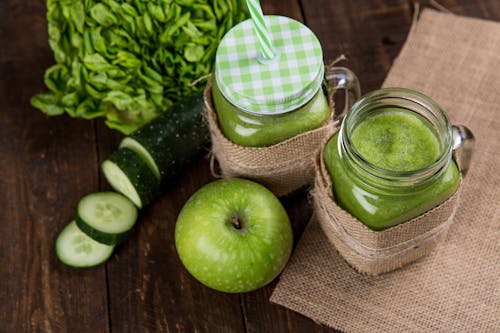
Free Refreshing green smoothie made with apple, cucumber, and lettuce served in mason jars on wooden background. Stock Photo
Refreshing green smoothie made with apple, cucumber, and lettuce

Fruits and vegetables are essential for a balanced diet, but not all fruits are equal when it comes to blood sugar control.

Best Fruits for Diabetes Prevention:

The best fruit according to American Diabetes Association  fruits that are fresh, frozen, or canned without added sugars. When selecting canned fruit, look for labels such as ‘packed in its own juices,’ ‘unsweetened,’ or ‘no added sugar.’ While dried fruit and 100% fruit juice can also be nutritious options, their smaller portion sizes may make them less satisfying compared to whole fruits.

  • Berries: Blueberries, raspberries, strawberries (high in fiber, low glycemic index).
  • Citrus fruits: Oranges, lemons, grapefruits.
  • Apples and pears: High in fiber when eaten with the skin.

Furthermore, avoid juicing fruits, as it removes fiber and spikes blood sugar levels.

7. Choose Unsweetened Yogurt and Cheese

Many yogurts contain hidden sugars, especially flavored varieties. Instead:

  • Choose plain Greek yogurt and add fresh fruit for flavor.
  • Opt for cheese varieties with lower saturated fat, such as cottage cheese or mozzarella.

8. Don’t Drink Too Much Alcohol

Excess alcohol can contribute to weight gain and blood sugar imbalances. Researchers have found an association between moderate alcohol intake with a reduced risk of diabetes. To reduce alcohol intake:

  • Set weekly limits for alcohol consumption.
  • Drink water between alcoholic beverages.
  • Choose lower-alcohol options, like wine spritzers.

9. Choose Healthy Snacks

Snacking is a great way to keep energy levels steady, but unhealthy choices can lead to blood sugar spikes. Instead, opt for healthy snacks, check a full list of healthy snacks by MedicalNewsToday

Healthy Snacks for Blood Sugar Control:

  • Nuts and seeds: Almonds, walnuts, chia seeds.
  • Avocados
  • Turkey slices
  • Hummus with veggie sticks.
  • Hard-boiled eggs.
  • Greek yogurt with berries.

10. Choose Healthier Fats

Did you know fats can be part of a healthy diet, According to the American Heart Association, not all fats are bad. Avoid unhealthy trans fats and opt for healthier options instead.

Bad Fats (Avoid):

  • Margarine, fried foods, processed snacks.

Good Fats (Include More):

  • Olive oil, avocado oil.
  • Nuts and seeds.
  • Fatty fish (salmon, tuna).

Bonus Tip: Get Vitamins from Food, Not Supplements

Whole foods provide a natural balance of nutrients without synthetic additives. Prioritize:

  • Leafy greens: High in vitamin C and magnesium.
  • Nuts: Provide healthy fats and vitamin E.
  • Dairy: A good source of calcium and vitamin D.

Conclusion

Preventing type 2 diabetes starts with small, sustainable dietary changes. By following these 10 tips, you can make healthier food choices that help maintain stable blood sugar levels and promote long-term health.

Did you find this article helpful? Leave a comment below


Health Benefits of Chicken Gizzards: Are Chicken Gizzards Healthy?

gizzard kebabs

Gizzards are a hidden gem in the world of nutrition. Whether you’ve had them in a spicy peppered dish, a Southern fried delicacy, or a slow-cooked stew, gizzards pack a punch in both flavor and health benefits. But is gizzard healthy to eat? Absolutely. This nutrient-dense organ meat is packed with protein, vitamins, and minerals that can benefit your body in numerous ways. Let’s dive into what gizzards are, their nutritional value, and why you should consider adding them to your diet.

What Are Chicken Gizzards?

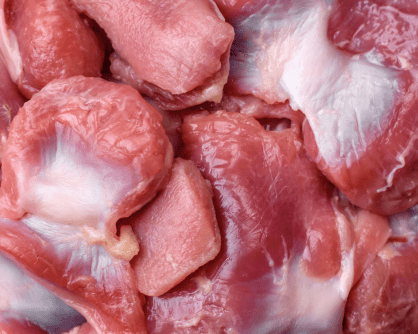
raw gizzard

A gizzard is a small, muscular organ found in the digestive tract of birds. Since birds lack teeth, the gizzard helps them grind food before it moves through the rest of their system. Common sources include chicken, turkey, and duck gizzards, which are widely available and affordable. Despite their chewy texture, they are delicious when cooked properly and can be incorporated into various dishes worldwide.

Chicken Gizzard Nutritional Value

Gizzards are nutrient powerhouses, offering a range of essential vitamins and minerals:

  • High in Protein – Essential for muscle growth and tissue repair.
  • Rich in Iron – Prevents anemia and boosts energy levels.
  • Packed with B Vitamins – Supports metabolism and brain function.
  • Low in Fat – A great lean protein choice when not deep-fried.
  • Contains Zinc and Selenium – Strengthens the immune system and promotes healthy skin.

What Does Chicken Gizzard Do in the Body?

If you’re looking for a food that fuels your body with essential nutrients, gizzards are an excellent choice. Here’s how they benefit your body:

  • Supports Muscle Growth and Recovery – Their high protein content makes them perfect for athletes and fitness enthusiasts.
  • Boosts Energy Levels – Iron and B vitamins help in oxygen transport and energy production.
  • Aids Digestion – The nutrients in gizzards support gut health.
  • Enhances Immunity – Zinc and selenium work together to protect your body from infections.

Get Leaner and Build Mass

Trying to shed fat while building lean muscle? Gizzards should be on your menu. Their high protein and low-fat content make them an excellent food for weight management. Plus, they keep you fuller for longer, reducing unhealthy cravings and unnecessary snacking.

Try This: Simple Boiled Gizzard Recipe

Want a healthy way to enjoy gizzards? Try this easy method:

Ingredients:

  • 1 lb chicken gizzards
  • 1 onion (chopped)
  • 2 cloves garlic (minced)
  • 1 teaspoon salt
  • 1 teaspoon black pepper
  • 1 teaspoon ginger powder
  • 4 cups water

Instructions:

  1. Rinse the gizzards thoroughly and trim off excess fat.
  2. Add them to a pot with water, onions, garlic, salt, black pepper, and ginger powder.
  3. Bring to a boil, then lower the heat and simmer for 45 minutes to 1 hour until tender.
  4. Drain and serve with a side of vegetables or use them in other dishes.

What Are the Side Effects of Chicken Gizzards?

While gizzards are packed with health benefits, moderation is key. Here are a few things to keep in mind:

  • High in Cholesterol – If you have heart issues, consume in moderation.
  • Chewy Texture – Can be tough if not cooked properly, so slow cooking or boiling helps.
  • Fat Content Varies – If deep-fried, gizzards can be high in unhealthy fats. Opt for grilled, boiled, or stir-fried versions.

Which Is Better: Liver or Gizzards?

If you’re torn between liver and gizzards, here’s a quick comparison:

Liver:

  • Higher in vitamin A, which supports vision and immunity.
  • Contains more iron, making it ideal for those with anemia.
  • Higher in cholesterol, so intake should be monitored.

Gizzards:

  • Lower in fat and calories, making them a leaner choice.
  • Richer in protein, supporting muscle growth and metabolism.
  • More versatile in cooking due to their mild flavor.

Which one is better? It depends on your dietary needs. If you need more iron and vitamin A, go for liver. If you want a high-protein, low-fat option, gizzards win.

Try This: Nigerian Peppered Gizzard Recipe

For a spicy twist, try this Nigerian-style gizzard recipe:

Ingredients:

  • 1 lb boiled chicken gizzards
  • 2 tablespoons vegetable oil
  • 1 onion (chopped)
  • 2 scotch bonnet peppers (blended)
  • 1 bell pepper (chopped)
  • 1 teaspoon paprika
  • 1 teaspoon garlic powder
  • 1 teaspoon salt
  • 1 teaspoon black pepper
  • 1 tablespoon soy sauce (optional)

Instructions:

  1. Heat oil in a pan and sauté onions until golden.
  2. Add blended scotch bonnet peppers and bell peppers, then cook for 3-5 minutes.
  3. Stir in boiled gizzards, paprika, garlic powder, salt, and black pepper.
  4. Cook for another 5 minutes, stirring occasionally.
  5. Serve hot as a snack or with rice for a full meal.

Conclusion

Gizzards are a highly nutritious, affordable, and delicious protein source that can be cooked in numerous ways. Whether you prefer them boiled, stir-fried, or in a spicy peppered dish, they offer fantastic health benefits, from boosting muscle growth to aiding digestion. While they have some cholesterol, they can be a great addition to a balanced diet when consumed in moderation.

So, are you ready to try gizzards? Let us know your favorite gizzard recipe in the comments.


15 Delicious Ways To Add Lentils To Your Meals

Lentils

Lentils are packed with fiber and protein, which help keep you full for longer. They also have a low glycemic index (GI). This means they release energy slowly into the bloodstream, aiding in appetite control and blood sugar management.

Top 5 Health Benefits of Lentils

  • Rich in Phenols: May help reduce the risk of chronic diseases.
  • Supports Digestion: High fiber content promotes gut health.
  • Heart-Healthy: Helps manage blood pressure and cholesterol.
  • Low GI Food: Great for blood sugar regulation.
  • Plant-Based Protein: Excellent protein source for vegans.

Are Lentils a Carb or Protein?

Lentils contain both complex carbohydrates and protein, making them a balanced choice for meals. They are also naturally gluten-free, low in fat, and packed with essential nutrients.

Types of Lentils 

Lentils are edible seeds from the legume family, similar to beans and peas, and they grow in pods. There are several varieties, each with its own unique texture and flavor:

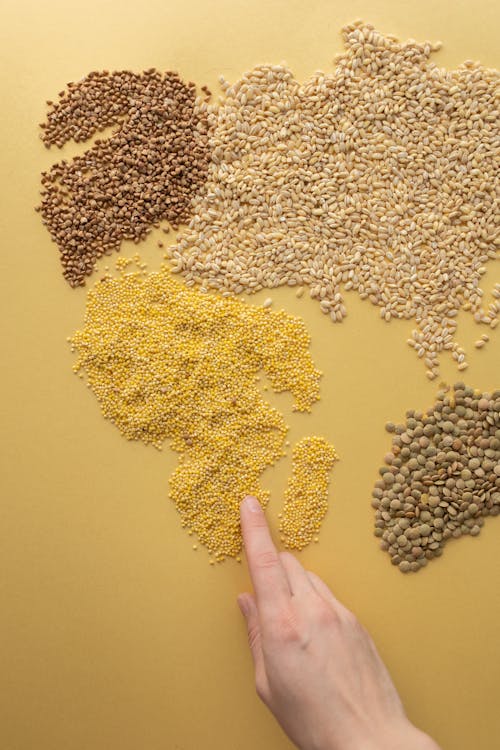
Free Top view of crop unrecognizable person making world continents with heap of assorted grains on yellow background in light studio Stock Photo

  • Brown Lentils (European Lentils): The most affordable type, brown lentils retain their shape when cooked, making them a great substitute for black beans in burgers and soups.
  • Green Lentils (French Lentils): These nutty-flavored lentils stay firm after cooking, making them ideal for salads.
  • Red Lentils: The quickest to cook, these mild and slightly sweet lentils become soft when cooked, perfect for purees and Indian dals. Lentils also come in yellow and orange varieties.
  • Black Lentils (Beluga Lentils): The smallest variety, these lentils resemble caviar, earning them the name Beluga lentils.

How to Boil Lentils

Lentils don’t require soaking and cook in just 15-20 minutes.

  1. Rinse them in a strainer.
  2. Add 1 cup of lentils to 2½ cups of water in a pot.
  3. Bring to a boil, then reduce heat, cover, and simmer for 15-20 minutes until tender.
  4. Drain well and use in recipes.
Free Close-up of dried orange lentils scattered in a blue bowl on a yellow background. Stock Photo
Lentils

15 Ways to Eat Lentils

1. Make Lentil Muffins

I just tried these, and omg, they are filling, easy to make, and store well in the fridge. They’re great for school or work, and they don’t have a strong smell. Plus, they keep you full for longer.

Recipe:

  • 2 cups red lentils
  • 1 onion
  • 1 chili
  • 1 Maggi cube
  • Salt (to taste)
  • 1 tbsp flour
  • 1 egg

Instructions:

  1. Blend all ingredients.
  2. Oil your muffin pan well (they stick easily).
  3. Pour in the mixture. No baking powder needed—they rise on their own.
  4. Bake for 20-30 minutes.

Fun Tip: Add carrots, mushrooms, or shredded chicken for extra nutrients.

2. Make Lentil Soup

Lentil soup has saved me so many times when I come home late and need something quick. I love pairing it with chicken, bread, and yogurt—absolutely delicious.

Recipe:

  • 1 cup lentils
  • 1 onion (chopped)
  • 2 cloves garlic (minced)
  • 1 carrot (chopped)
  • 4 cups broth or water
  • 1 tsp cumin
  • 1 tsp turmeric
  • Salt and pepper to taste

Instructions:

  1. Sauté onion and garlic in a pot.
  2. Add lentils, carrots, broth, and spices.
  3. Simmer for 25-30 minutes until lentils are soft.
  4. Blend for a creamy texture or enjoy as-is.

3. Add Lentils to Your Salad

Toss cooked lentils into salads for extra protein and fiber. They pair well with leafy greens, tomatoes, cucumbers, and a lemon vinaigrette.

4. Blend Lentils into Your Smoothies

Cooked lentils can be blended into smoothies for a protein and fiber boost without altering the taste.

5. Make Lentil Patties

Lentil patties taste just like Nigerian Akara and pair well with bread, custard, or oats.

6. Add Lentils to Your Stew

Stir cooked lentils into tomato-based stews for extra protein and heartiness.

7. Stir Lentils into Pasta and Noodles

Mix cooked lentils into spaghetti sauce or stir-fry noodles for added texture and nutrients.

8. Mix Lentils into Your Rice

Combine lentils with rice to create a nutrient-dense, protein-packed meal.

9. Fold Lentils into Your Eggs and Omelets

Add cooked lentils to scrambled eggs or omelets for a delicious, protein-rich breakfast.

10. Steam Lentils as Nigerian Moi Moi

Lentils make an excellent substitute for beans in Nigerian moi moi. Simply blend with spices, pour into molds, and steam.

11. Make Lentil Hummus

Blend cooked lentils with garlic, lemon juice, tahini, and olive oil for a tasty, protein-packed dip.

12. Use Lentils in Veggie Burgers

Mash cooked lentils with breadcrumbs, spices, and veggies to form patties for homemade veggie burgers.

13. Cook Lentils with Coconut Milk

Simmer lentils in coconut milk, curry, and spices for a creamy, flavorful dish.

14. Make Lentil Wraps

Use lentils as a filling for wraps with fresh veggies and sauce for a nutritious, on-the-go meal.

15. Bake Lentil Crackers

Mix lentil flour with spices and bake into crispy, high-protein crackers.

Nutrition

Lentils are packed with essential nutrients, making them a great addition to any diet. They are rich in minerals, protein, and fiber, supporting overall health and well-being.

A 100-gram (g) serving of cooked lentils contains:

  • 116 calories (kcal)
  • 9.02 g of protein
  • 0.38 g of fat
  • 20.13 g of carbohydrates, including 7.9 g of fiber and 1.8 g of sugar

Lentils are an excellent source of essential nutrients, including:

  • Folate
  • Iron
  • Manganese
  • Phosphorus
  • Thiamin
  • Potassium
  • Vitamin B-6

They also contain beneficial amounts of:

  • Riboflavin
  • Niacin
  • Pantothenic acid
  • Magnesium
  • Zinc
  • Copper
  • Selenium

How to Store Lentils

Store lentils in an airtight container in a cool, dry place. While they can be eaten indefinitely, they are best enjoyed within a year of purchase for optimal flavor and texture.

When Are Lentils in Season?

Lentils are available year-round.

How to Choose the Best Lentils

Lentils are available pre-cooked in cans or pouches, making them convenient for adding to salads and side dishes. However, they are most commonly bought dried. When selecting dried lentils, look for ones that are firm, clean, and unshrivelled.

The type of lentil you choose depends on how you plan to use them:

  • Green and Brown Lentils: Hold their shape well after cooking, making them ideal for warm salads, casseroles, and stuffing.
  • Puy Lentils: These grey-green lentils from the French region of Le Puy are more expensive but prized for their superior texture and taste. They pair well with upscale ingredients like fish, game, and sausages.
  • Red Split Lentils: Cook down into a smooth purée, making them perfect for thickening soups and casseroles. They are also commonly used in Indian dishes like dhal.
  • Yellow Lentils (Yellow Split Peas): Similar to red split lentils, they add a vibrant color to dishes. In northeastern England, they are traditionally stewed in ham stock to make pease pudding.

Conclusion

Lentils are incredibly versatile and can easily be incorporated into your meals. Whether you’re making muffins, soups, or stews, they offer a nutritious and budget-friendly way to stay full and healthy.

Did you find this blog interesting? Leave a comment below.


Why We Love Candy and How to Enjoy It in Moderation

candy

What’s your favorite candy?

I love jelly beans and sour worms and I am a big fan of chocolate.

My favorites are the most popular candy around me like:

Free Vibrant assortment of colorful jelly beans and sugar-coated gumdrops in decorative bowls. Perfect for sweet-themed designs. Stock Photo

  • Snickers
  • M&M’s
  • KitKat
  • Twix
  • Skittles
  • Smarties
  • Licorice
  • Milkyway

Why Is Candy So Popular?

Candy is a favorite for a few key reasons:

  • Candy satisfies our sweet tooth like nothing else.
  • The high sugar content triggers feel-good chemicals in the brain, making it a sweet reward.
  • Let’s be honest, who doesn’t love a little treat now and then?

Forget candy for a second—let’s talk about why natural foods should be our go-to treat. Lately, there’s been a push to ban artificial food dyes, like Red Dye 3, which is found in many candies. Why? Because studies have linked these dyes to health risks, including cancer in animals. So maybe it’s time to swap the artificial stuff for something naturally sweet.

Top Reasons Why Too Much Candy Is Bad for You

There’s no doubt—candy isn’t the healthiest choice. Eating it too often can be harmful since it’s loaded with sugar and unhealthy fats. Plus, if candy becomes a daily habit, it might take the place of more nutritious foods your body actually needs.

The key? Moderation. Enjoy your sweets, but remember—too much of anything is never a good thing. Here are some top reasons why too much candy is bad for you:

  • It can cause weight gain
  • May increase the risk of heart disease
  • Linked to acne
  • Increased risk of type 2 diabetes
  • Increased risk of cancer
  • Increased risk of depression
  • May accelerate the skin aging process
  • Can cause cellular aging
  • May drain your energy
  • May lead to fatty liver
  • Negative impact on dental health

How To Eat Candy Guilt Free

  • Enjoy a small portion occasionally—swap the whole chocolate bar for just a piece.
  • Balance your meals so you can fit in a little treat without guilt.
  • Don’t overdo it the next day—treats are fun, but your body loves balance

Make Your Sweets Healthier at Home

Want to enjoy homemade treats without all the extra fat, sugar, and calories? Try these simple swaps:

  • Use low-fat dairy.
  • Cut down on butter and ghee—opt for healthier oils like corn, sunflower, or canola instead.
  • Reduce sugar by sweetening with dates or raisins for a natural boost.

Did you know that a chocolate bar with wafers has fewer calories than a solid chocolate bar? 

Food To Substitute Candy Cravings

Free A vibrant assortment of fresh fruits beautifully arranged on a platter, perfect for a healthy and delicious snack. Stock Photo

  • Berries
  • Greek yogurt
  • Nuts
  • Avocado
  • Cinnamon
  • Chia seeds
  • Citrus fruits
  • Coconut
  • Dark chocolate
  • Sugar free chewing gum
  • Dates
  • Smoothies
  • Prunes

What to Eat When You Crave Sugar

If you’re craving sugar, try eating something naturally sweet but also high in fiber to keep you satisfied. Some healthy options include sweet potatoes, chia seeds, berries, prunes, dates, and lean proteins. These foods can help curb your cravings without the sugar crash.

Can Nutrient Deficiencies Cause Sugar Cravings?

There’s a common belief that nutrient deficiencies trigger sugar cravings, but research suggests otherwise. A Healthline article found that deficiencies play only a minor role. Instead, cravings are often influenced by external cues—like habits, environment, or even the time of day.

So next time you’re craving sweets, consider what might be triggering it.

Did you find this article helpful? Leave a comment below

Top 10 Food and Nutrition Trend In 2025

The food and nutrition landscape in 2025 is undergoing a dramatic transformation, driven by a growing emphasis on health, sustainability, and convenience. Consumers are increasingly aware of the link between diet and overall well-being, fueling demand for plant-based foods, functional foods enriched with vitamins, minerals, probiotics, and personalized nutrition plans.

Concerns about climate change and environmental impact also drive a shift toward sustainable food practices. Consumers seek products with minimal processing, reduced packaging, and locally sourced ingredients. Regenerative agriculture, which focuses on soil health and biodiversity, is gaining traction.

In our fast-paced world, convenience remains a key factor in food choices. This has fueled the growth of meal kit delivery services, prepared meals, and on-demand food delivery platforms. However, convenience is increasingly intertwined with health and sustainability as consumers look for quick, easy, nutritious, and environmentally friendly options.

These trends are reshaping the food industry and driving innovation in food technology, alternative proteins, and personalized nutrition. As the demand for healthier, more sustainable, and convenient food options grows, we can expect even more exciting developments in the years ahead. Here are the top 10 food and nutrition trends in 2025:

1. Hydration Hype

Hydration has always been important, but in 2025, people are going beyond water. They are choosing teas, infused waters, and natural juices to support their nutrition.

Teas: Beyond traditional black or green tea, there’s a boom in herbal teas, kombucha, and functional teas infused with ingredients like ginger turmeric and adaptogens such as ashwagandha and reishi, which promote stress reduction, immunity support, and focus.

Infused Waters: Plain water can be upgraded with additions like cucumber, mint, berries, or citrus fruits, which add antioxidants, vitamins, and minerals while making hydration more enjoyable.

Natural Juices: While 100% fruit juice remains popular, the focus is shifting toward vegetable juices, cold-pressed options, and nutrient-rich blends.

The Growing Popularity of Juice Cleanses: Juice cleanses involve consuming only fruit and vegetable juices for a short period (usually 3–7 days). Benefits may include weight loss, improved digestion, increased energy, and detoxification. However, it’s crucial to consult a healthcare professional before starting one.

Key Considerations:

  • Many functional beverages contain added sugars, so opt for unsweetened or naturally sweetened options.
  • Choose brands that prioritize sustainable sourcing and packaging.
  • Hydration needs vary based on activity level, climate, and overall health.

2. Global Snacking

Consumers are becoming more adventurous, exploring flavors and textures from different regions.

Regional Snack Trends:

  • Asia: Crispy seaweed snacks, savory rice crackers, spicy Sichuan peppercorn chips, and chewy mochi.
  • Africa: Plantain chips, spicy biltong (South African cured meat), and flavorful samosas.
  • Latin America: Chili-lime snacks, fruit leathers, and crunchy arepas.

Snack Preferences

  • Flavor Exploration: Bold, unexpected combinations like umami, smoky, spicy, and sweet-and-sour.
  • Textural Adventures: Crunchy, chewy, and melt-in-your-mouth textures are all in demand.
  • Nutrient-Dense Choices: Snacks rich in protein, fiber, and healthy fats, such as nuts, seeds, dried fruits, and veggie chips.

3. Shift Towards Plant-Based Protein Sources

More consumers are choosing sustainable, ethical, and health-conscious protein options.

Key Plant-Based Proteins:

  • Legumes: Lentils, chickpeas, and beans are versatile and nutrient-dense.
  • Soy-Based Options: Offering various textures and easy incorporation into meals.
  • Nuts & Seeds: Almonds, walnuts, chia seeds, and flaxseeds provide protein and healthy fats.

The Rise of Hybrid Protein Products: Blending plant-based and animal proteins (e.g., chicken or fish) to create unique flavors and improve sustainability.

4. Cutting Back on Sugar & Salt

Consumers are becoming more aware of the health risks of excessive sugar and sodium intake.

Natural Sweeteners: Alternatives like monk fruit, allulose, and stevia offer sweetness without blood sugar spikes.

Herbal Teas Over Sugary Beverages: People are swapping sodas and artificially sweetened drinks for herbal teas, infused water, and naturally flavored sparkling beverages.

Low-Sodium Cooking: More chefs and home cooks use spices, herbs, and citrus instead of excessive salt.

5. The Weight Loss Revolution: Medications & GLP-1 Alternatives

Weight loss medications like Ozempic®, Wegovy®, and Zepbound® are gaining popularity, especially among celebrities and influencers.

Pharmaceutical Innovations: Originally developed for diabetes, these medications regulate appetite and metabolism to promote significant weight loss.

Natural Alternatives: Berberine, fiber-rich foods, and apple cider vinegar are gaining attention for their GLP-1 mimicking effects.

Sustainable Lifestyle Approaches: While medications help, maintaining a healthy diet and exercise routine is key for long-term success.

6. Nuts & Seeds: Tiny but Mighty Superfoods

Packed with nutrients, nuts and seeds remain a dietary powerhouse in 2025.

Key Benefits:

  • Heart Health: Almonds and walnuts support cardiovascular well-being with healthy fats.
  • Brain Boosting: Walnuts contain DHA, essential for cognitive function.
  • Versatility: Nut butter and seed crackers make adding these superfoods to meals easy.

7. Food for Mental Health: Eating for Mood & Brain Function

Diet plays a crucial role in mental well-being.

Brain-Boosting Nutrients: Omega-3s (fatty fish, flaxseeds), magnesium (dark chocolate, leafy greens), and probiotics (yogurt, kefir) support cognitive function.

Mood-Enhancing Foods: Dark chocolate, berries, turmeric, and nuts help reduce inflammation and improve serotonin production.

The Mind-Gut Connection: A healthy gut microbiome supports mood and mental clarity.

8. The Rise of Fasting: More Than Just a Trend

Fasting is recognized for its metabolic, anti-aging, and longevity benefits.

Popular Methods: Intermittent fasting (16:8, OMAD) continues to grow.

Scientific Backing: Research supports fasting for insulin sensitivity, autophagy (cellular repair), and cognitive health.

9. Gut Health-Focused Eating

Prebiotics and probiotics take center stage in digestive health.

Key Foods: Bananas, onions, and garlic (prebiotics), as well as yogurt, kimchi, and kombucha (probiotics).

The Gut-Brain Connection: A balanced microbiome enhances digestion, mood, and immune function.

10. Canned Food Comeback & the ‘Complexitarian’ Diet

Canned foods are being rebranded as nutritious and convenient.

Nutritional Value: Canned beans, fish, and vegetables retain nutrients while being budget-friendly.

Sustainability: Less food waste and longer shelf life make canned goods an eco-friendly choice.

Complexitarian Diet: Balances plant-based and animal-based foods, emphasizing quality proteins and seasonal produce.

Conclusion

As we move through 2025, food and nutrition trends prioritize health, sustainability, and innovation. Whether embracing fasting, plant-based proteins, or gut-friendly foods, people are making more mindful dietary choices. Staying informed and making conscious decisions will help individuals thrive in this evolving food landscape.

Which food trend are you most excited about in 2025? Let us know in the comments.

Top 20 Probiotic Foods to Add to Your Diet This Year

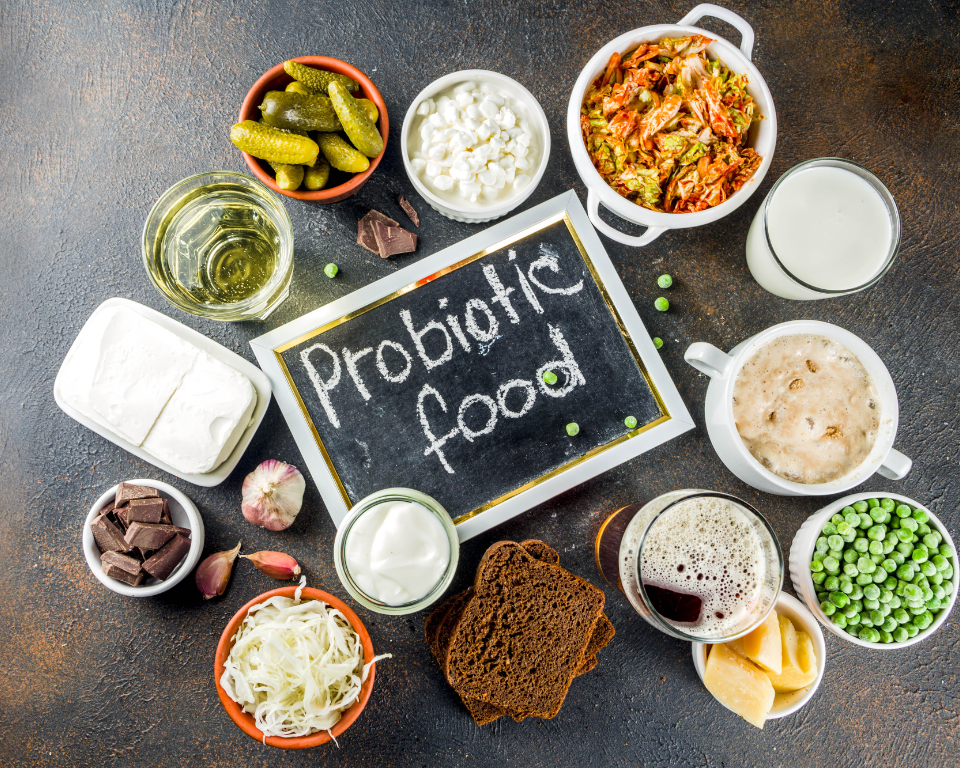
probiotic food

Probiotics are live microorganisms, primarily beneficial bacteria and yeasts, that provide health benefits when consumed in adequate amounts. Often referred to as “good” or “friendly” bacteria, probiotics play a crucial role in maintaining a healthy balance in your gut microbiome, which is the community of microorganisms living in your digestive system. This balance is essential for optimal digestion, nutrient absorption, and overall well-being.

Your gut microbiome contains both beneficial and potentially harmful microorganisms. Factors such as stress, unhealthy eating habits, antibiotics, and illness can disrupt this balance, leading to issues like poor digestion, weakened immunity, and even mood swings. Probiotics help restore harmony by increasing the population of beneficial bacteria and keeping the harmful ones in check.

How Do Probiotics Work?

Probiotics help you replenish good bacteria that help in the efficient digestion of food, thereby reducing bloating and discomfort. Probiotics dont just help your digest they help boost your ability to fight off infections too.

Another thing that probitoics do is helping you produce important vitamins like vit b12 and vitamin K.

And did you know there is a relationship between your gut health and your mental state? New research has found that there is a brain gut axis, where you gut microbiome maybe playing a role in improving your mood and productivity.

Types of Probiotics

Probiotics are naturally present in many fermented and cultured foods, including yogurt, kefir, kimchi, sauerkraut, and kombucha. They are also available as supplements in various forms like capsules, powders, and drinks.

Probiotics are not one-size-fits-all. Different strains offer distinct benefits:

Lactobacillus: Found in fermented foods like yogurt and sauerkraut, this strain helps with lactose digestion and immunity.

Bifidobacterium: Common in dairy products, it supports digestion and fights harmful bacteria in the intestines.

Saccharomyces boulardii: helps combat diarrhea.

Bacillus coagulans: Often added to shelf-stable products, this strain helps with bloating and digestion.

Top 20 Probiotic Foods to Add to Your Diet This Year

  1. Kefir
  2. Yogurt
  3. Miso
  4. Kimchi
  5. Kombucha
  6. Tempeh
  7. Sauerkraut
  8. Pickled cucumber
  9. Buttermilk
  10. Apple cider vinegar
  11. Cheese
  12. Nattō
  13. Sourdough
  14. Cottage cheese
  15. Olive
  16. Kvass
  17. Peas
  18. Acidophilus Milk
  19. Dark chocolate
  20. Fermented vegetables

Kefir

Kefir is a fermented milk drink with a tangy, slightly fizzy flavor. It is high in probiotics, boosts digestion, and is rich in calcium and protein. Use kefir instead of milk for fluffy pancakes, add it to creamy salad dressings, or blend it into a smoothie with berries and cinnamon.

Yogurt

Yogurt contains live bacterial cultures that improve gut health, support bone density, and promote a strong immune system. Create yogurt parfaits with fruits and granola, use it as a base for dips, or add it to baked goods like cakes and muffins.

Buttermilk

Buttermilk is a tangy liquid left over from butter-making, filled with probiotics. It aids digestion and adds creaminess to recipes. Incorporate buttermilk into mashed potatoes, biscuits, or savory waffles.

Cheese

Certain aged cheeses, such as Gouda, cheddar, and Parmesan, are probiotic-rich. They support gut health and are a great source of protein and calcium. Add them to charcuterie boards, sprinkle them over casseroles, or serve baked Brie with cranberry sauce.

Acidophilus Milk

Acidophilus milk, enriched with Lactobacillus acidophilus bacteria, improves digestion and enhances gut flora. It can be used in smoothies, cream-based soups, or beverages like eggnog.

Cottage Cheese

Cottage cheese, a soft cheese made with live cultures, is high in protein and probiotics. It promotes gut and muscle health and can be served as a savory side dish with herbs or mixed with fruit for a sweet treat.

Kimchi

A spicy fermented vegetable dish typically made from cabbage and radishes, kimchi aids digestion, boosts immunity, and is rich in antioxidants. It is perfect for kimchi deviled eggs or as a topping for sliders and tacos.  

Miso

A fermented soybean paste with a savory umami flavor, it supports digestion and adds depth to dishes. It can be whisked into soups, used as a marinade for roasted vegetables, or glazed over salmon.  

Tempeh

A fermented soybean product with a nutty flavor and firm texture, it is high in protein and promotes gut health. This makes it ideal for cubing and sautéing for salads or as a meat substitute in stir-fries.  

Sauerkraut

Fermented cabbage has a tangy, salty flavor. It is rich in probiotics and vitamin C, which support digestion and immunity. It can be used as a side dish, a topping for hot dogs or sliders, or incorporated into cabbage soup.  

Pickled cucumbers

Cucumbers fermented in a brine solution improve digestion and add crunch to dishes, making them great as a snack, cocktail garnish, or chopped into salads.  

Fermented vegetables

These include carrots, beets, and radishes. They are packed with probiotics and antioxidants and can be assembled into a vibrant fermented vegetable platter as an appetizer.  

Nattō

Fermented soybeans, with a strong flavor and sticky texture, support digestion and provide high levels of vitamin K2 for bone health. They are best served with rice or added to stir-fries for an adventurous dish.  

Peas

These naturally probiotic-rich legumes improve gut flora and are high in fiber, making them ideal for creamy pea soup or blended into hummus.  

Kombucha

A fizzy, fermented tea with a tangy flavor aids digestion, detoxifies the body, and provides a refreshing drink option. It is ideal as a non-alcoholic beverage or as a mixer for cocktails.  

Kvass

A traditional fermented drink made from rye bread or beets supports gut health and adds a unique flavor to your menu. It is best served chilled alongside hearty meals.  

Apple cider vinegar

Fermented apple juice is rich in probiotics, supports digestion, and helps regulate blood sugar levels, making it perfect for use in salad dressings or mocktails.  

Sourdough bread

Sourdough bread is made with a fermented dough starter. It is easier to digest and rich in probiotics, and it is perfect for dinner rolls or bruschetta appetizers.  

Dark chocolate

Dark chocolate contains probiotics when made with live cultures. It promotes gut health and satisfies sweet cravings, making it an excellent dessert or gift choice.  

Olives

They support gut health and are rich in heart-healthy fats, making them a great addition to charcuterie boards or salads.  

Tips for Incorporating Probiotic Foods Into Your Diet

Adding probiotics to your menu doesn’t have to be complicated or disruptive to your traditional recipes. You can seamlessly integrate gut-friendly foods into your menu with a few thoughtful adjustments and creative ideas. Here are some tips to make it easy and enjoyable:

  • Incorporate probiotic-rich foods into starters to set the tone for a healthy meal  
  • Add probiotics to classic side dishes for a flavorful twist. 
  • Serve kombucha as a fizzy, non-alcoholic option.
  • Create mocktails using probiotic bases like kefir or kombucha.
  • Use sourdough bread for stuffing or bruschetta.
  • Substitute Greek yogurt or kefir for sour cream in dips and sauces.
  • Blend dark chocolate with probiotic-rich yogurt for a decadent dessert.
  • Top yogurt with spiced fruits and granola for a healthy dessert.
  • Use cottage cheese to make creamy cheesecake bites.
  • Pair kimchi or sauerkraut with sweet and savory elements like honey-glazed meats.  
  • Arrange a colorful tray of fermented vegetables and olives.
  • Use elegant serving bowls for kombucha and kvass.
  • Garnish dishes with fresh herbs or edible flowers for a touch.
  • Share the benefits of probiotic foods with your guests to make the meal more memorable
  • Offer kombucha or acidophilus milk to cleanse the palate between courses.
  • Finish the meal with a refreshing probiotic dessert to aid digestion.

Did you find this article helpful? Leave a comment below

Top 18 Foods to Relieve Your Cough and Cold

top 18 foods that help relieve cough and cold

Its winter and that means many people have coughs and colds. Did you know several foods can help alleviate coughing and promote faster recovery? This article will discuss the top foods that can provide relief from cough and cold. Incorporating these foods into your diet can boost your immune system and also soothe sore throat and coughing.

What is a cough?

A cough is a sudden and forceful expulsion of air from the lungs. It’s a reflex action that helps to clear the airways of irritants, mucus, or foreign particles.

Common Causes of Coughs

  • Viral Infections: Colds, flu, and other respiratory infections are frequent culprits.
  • Allergies: Allergens like pollen, dust mites, and pet dander can trigger coughing.
  • Postnasal Drip: Excess mucus draining from the sinuses can irritate the throat.
  • Gastroesophageal Reflux Disease (GERD): Acid reflux can irritate the throat and cause coughing.
  • Chronic Obstructive Pulmonary Disease (COPD): Conditions like bronchitis and emphysema can cause chronic coughing.
  • Smoking: Smoking irritates the airways and damages lung tissue, leading to coughing.

Types of cough

There are many types of cough, but the most straightforward way to classify them is if there is a dry or wet cough.

Wet cough (productive cough)

This type of cough produces mucus or phlegm, which can be clear, white, yellow, green, or even bloody. It is often associated with respiratory infections such as colds, bronchitis, pneumonia, and sinusitis.

Dry cough (non-productive cough)

This type of cough does not produce any mucus and is often described as being tickly, scratchy, or hoarse. It can be caused by various conditions, including allergies, asthma, acid reflux, and postnasal drip.

Home remedies for cough

1. Honey

Free Delicious honey pouring slowly from a spoon into a white bowl, highlighting its golden hue and viscosity. Stock Photo
honey

Honey has long been used as a natural remedy for coughs. It can help to coat the throat and soothe irritation. A small spoonful of honey can be taken directly or mixed into warm water or tea. However, honey should not be given to children under the age of 1 year due to the risk of botulism

2. Warm liquids

Free Glass cup of herbal tea with yellow flowers on a textured background. Stock Photo
tea

Warm liquids such as tea, broth, or water can help to loosen mucus and soothe a sore throat.  Adding lemon and honey to warm water or tea can provide additional relief.

3. Ginger

Free Close-up of fresh ginger root with sliced pieces and ginger powder spilled from a metal container. Stock Photo
ginger

Ginger is a natural anti-inflammatory that can help to soothe a cough and loosen mucus. It can be consumed in various ways, such as ginger tea, ginger ale, or candied ginger.

4. Turmeric

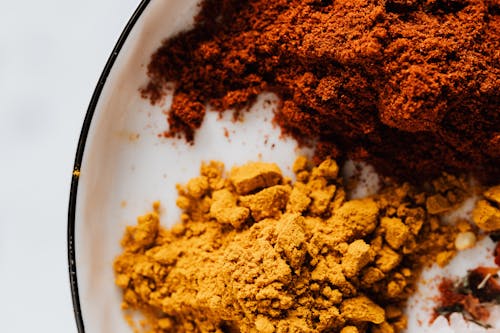
Free Top view of small heaps of ground chili and curcuma powders in metal bowl on white surface Stock Photo
Turmeric powder

Turmeric is another anti-inflammatory spice that can help to soothe a cough. It can be added to warm milk or taken as a supplement

5. Lemon

Free Close-up of fresh, juicy lemon halves on a clean white background. Stock Photo
lemon

Lemons are a good source of vitamin C, which can help to boost the immune system and fight off infection. They can also help to soothe a sore throat and loosen mucus. Lemon juice can be added to warm water or tea, or taken directly.

6. Garlic

Free A close-up photo of peeled garlic cloves arranged on a decorative plate, highlighting their freshness. Stock Photo
Garlic

Garlic is a natural antibiotic that can help to fight off infection. It can be added to soups, stews, or other dishes.

7. Onion

Free Close-up of hands slicing purple onions on a white cutting board with a sharp knife. Stock Photo
onion

Onions are another natural antibiotic that can help to fight off infection. They can be added to soups, stews, or other dishes.

8. Pineapple

Free High-quality image of a fresh pineapple on a blue background, highlighting tropical healthiness. Stock Photo
Pineapple

Pineapple contains bromelain, an enzyme that can help to reduce inflammation and loosen mucus. It can be eaten fresh or juiced.

9. Pomegranate

Free Detailed macro shot of a fresh, vibrant pomegranate exposing its juicy seeds. Stock Photo
Pomegranate

Pomegranates are a good source of antioxidants, which can help to boost the immune system. They can be eaten fresh or juiced.

10. Peppermint

Free Vibrant close-up view of fresh mint leaves, showcasing their vibrant texture and color. Stock Photo
Peppermint

 Peppermint can help to soothe a cough and loosen mucus. It can be consumed in various ways, such as peppermint tea, peppermint candy, or peppermint oil.

11. Licorice root

Licorice Root: Benefits, Uses, Precautions, and Dosage
Phot credit: Healthline

Licorice root is a natural expectorant that can help to loosen mucus. It can be taken as a supplement or made into a tea.

12. Marshmallow root

Marshmallow root: Benefits, risks, and uses
Phot credit: MedicalNewsToday

Marshmallow root is a natural demulcent that can help to soothe a sore throat and cough. It can be taken as a supplement or made into a tea.

13. Slippery elm

Slippery Elm : Indigenous Peoples' Perspective Project : Programs | Events : Adkins Arboretum

Photo credit: Adkins Arboretum

Slippery elm is a natural demulcent that can help to soothe a sore throat and cough. It can be taken as a supplement or made into a tea.

14. Chicken soup

Free Delicious homemade chicken soup garnished with fresh parsley, served on a rustic table setting. Stock Photo
Chicken soup

Chicken soup is a classic home remedy for colds and coughs. It is easy to digest and can help to hydrate and nourish the body.

15. Vegetable soup

Free A steaming ladle of chicken broth with carrots and herbs, perfect for a cozy meal. Stock Photo
Vegetable soup

Vegetable soup is another good option for colds and coughs. It is packed with nutrients and can help to hydrate and nourish the body.

16. Yogurt

Free Top view of a white cup filled with yogurt and assorted berries on a pink background. Stock Photo
Yogurt

Yogurt is a good source of probiotics, which can help to boost the immune system. It can also help to soothe a sore throat.

17. Bone broth

Free Close-up of hands holding a cup of bone broth beside a package on rustic table. Stock Photo
Bone broth

Bone broth is a nutrient-rich soup that can help to boost the immune system and soothe a cough.

18. Water

Free A close-up shot of a hand holding a clear glass of water, symbolizing refreshment. Stock Photo
Glass of water

Drinking plenty of water is important for staying hydrated when you have a cough. Water can also help to thin mucus and make it easier to cough up.

Bonus

Nigerian Pepper Soup 🇳🇬

Nigerian Pepper Soup- Assorted Meat Pepper Soup - Sisi Jemimah
From Sisi Jemima

Nigerian pepper soup is packed with lots of proteins and vitamins( from the pepper). If you can handle spicy food, definitely try it for an instant cough relief.

Disclaimer: It is important to note that these foods do not cure a cough, but they may help to soothe symptoms and shorten the duration of the illness. If your cough is severe, persistent, or accompanied by other symptoms such as fever, shortness of breath, or chest pain, it is important to see a doctor to determine the cause and get appropriate treatment.

Chicken soup recipe

Ingredients

– Chicken: 1 lb (bone-in or boneless chicken thighs or breasts)

– Chicken broth: 8 cups

– Vegetables:

  – 2 carrots, sliced

  – 2 celery stalks, sliced

  – 1 onion, chopped

  – 2 cloves garlic, minced

  – 1 cup potatoes or noodles (optional)

– Seasonings:

  – 1 tsp dried thyme

  – 1 tsp dried parsley (or fresh, chopped)

  – 1 bay leaf

  – Salt and pepper, to taste

– Olive oil or butter: 2 tbsp

– Fresh herbs (optional): Chopped parsley or dill for garnish

Instructions

1. Cook the Chicken

   – In a large pot, heat the olive oil or butter over medium heat.

   – Add the chicken and cook until lightly browned on both sides (about 5–7 minutes). Remove and set aside.

2. Sauté the Vegetables

   – In the same pot, sauté the onion, carrots, and celery for 4–5 minutes until softened.

   – Add the garlic and cook for another minute until fragrant.

3. Simmer the Soup

   – Pour in the chicken broth and add the thyme, parsley, bay leaf, salt, and pepper.

   – Return the chicken to the pot. If you’re using bone-in chicken, it will add extra flavor.

   – Bring the soup to a boil, then reduce the heat and let it simmer for 20–25 minutes until the chicken is cooked through.

4. Add Potatoes or Noodles (Optional)

   – If using potatoes, add them in the last 15 minutes of cooking.

   – For noodles, add them in the last 8–10 minutes, depending on the type.

5. Shred the Chicken

   – Remove the chicken, shred it using two forks, and return it to the pot.

6. Final Touches

   – Taste and adjust the seasoning.

   – Remove the bay leaf before serving.

   – Garnish with fresh parsley or dill, if desired.

Serving Suggestions

Serve hot with crusty bread or crackers on the side for a comforting meal.

Nigerian Pepper Soup

A popular dish known for its aromatic spices and comforting heat. This recipe is great with meat, fish, or chicken.

Ingredients

– Protein:

  – 1.5 lbs of goat meat, chicken, fish, or assorted meats (e.g., tripe, liver, etc.)

– Water: 6 cups (adjust as needed)

Spices and Seasonings

– 2 tbsp Pepper Soup Spice Mix (available in African stores or homemade; see below for mix)

– 1–2 tsp ground crayfish (optional, adds depth)

– 2–3 scotch bonnet peppers (ata rodo), chopped or blended (adjust to heat preference)

– 1 tbsp ground uziza seeds (optional but traditional)

– 2 seasoning cubes (Maggi or Knorr)

– Salt, to taste

Aromatics

– 1 small onion, finely chopped

– 2 cloves garlic, minced

– 1-inch piece of ginger, minced (optional)

– Handful of scent leaves or nchuanwu (substitute with basil if unavailable)

Instructions

1. Prepare the Protein

   – Wash the meat or fish thoroughly.

   – If using meat, cut into bite-sized pieces. For fish, clean and leave in chunks to prevent breaking apart during cooking.

2. Cook the Protein

   – In a pot, add the meat, chopped onions, garlic, ginger (if using), seasoning cubes, and salt.

   – Add enough water to cover the meat and bring to a boil. Simmer on medium heat for 20–30 minutes (or until tender).

3. Add the Spices

   – Add the pepper soup spice mix, crayfish (if using), uziza seeds, and scotch bonnet peppers.

   – Stir well and let it cook for another 10–15 minutes. Adjust the water for your desired consistency.

4. Taste and Adjust

   – Check for salt and seasoning. Add more if needed.

   – If using fish, carefully add it at this stage and cook for an additional 5–7 minutes until done.

5. Add the Scent Leaves

   – Add chopped scent leaves or basil just before taking the pot off the heat. Let it simmer for 1–2 minutes to release the flavor.

6. Serve

   – Serve hot, either on its own or alongside white rice, yam, or plantains.

Homemade Pepper Soup Spice Mix (Optional)

If you can’t find pre-made spice, grind these into a fine powder:

– 1 tbsp uziza seeds

– 1 tbsp ehuru (calabash nutmeg)

– 1 tsp cloves

– 1 tsp alligator pepper

Store in an airtight container for future use.

Conclusion

Coughing is a common reflex that helps clear your airways of irritants. While occasional coughs are normal, persistent or severe coughs can indicate an underlying health condition. Recognizing the type of cough you have, such as a wet or dry cough, can provide clues about the possible cause.

Remember: Home remedies like honey, warm fluids, and certain foods may provide temporary relief, but they are not a substitute for medical advice.

If your cough is severe, persistent, or accompanied by other symptoms like fever, shortness of breath, or chest pain, it’s essential to consult a healthcare professional for proper diagnosis and treatment.

This is for informational purposes only. For medical advice or diagnosis, consult a doctor.

Did you find this article helpful? Leave a comment below.


Protein Breakfast: Egg Muffins

egg muffins

Eggs are an excellent source of high-quality protein, essential vitamins, and minerals. Adding veggies and meats boosts the nutrient profile, making egg muffins a wholesome, balanced option. Egg muffins are easy to make even on the most lazy mornings.

egg muffins
egg muffins

Ingredients

  • 6 large eggs
  • 2 table spoon of milk (optional, for fluffiness)
  • 1/4 cup diced bell peppers (red, green, or yellow)
  • Spinach
  • 1/4 cup diced onion
  • 1/4 cup shredded cheese (cheddar, mozzarella, or your favorite)
  • Salt and pepper to taste
  • Cooking spray or muffin liners
Instructions
  1. Preheat Oven
    Preheat your oven to 375°F (190°C). Lightly grease a 12-cup muffin tin or line it with muffin liners.
  2. Prepare the Filling
    • In a large mixing bowl, whisk together eggs and milk until smooth.
    • Stir in the diced veggies, cooked meat (if using), and cheese. Add salt and pepper to taste.
  3. Pour into Muffin Tin
    Divide the mixture evenly among the muffin cups, filling each about 3/4 full.
  4. Bake
    Bake in the preheated oven for 18-22 minutes, or until the egg muffins are set and slightly golden on top.
  5. Cool & Serve
    Allow the muffins to cool for a few minutes before removing them from the tin. Serve warm or store for later.

Nutrition Facts (per serving)

135 Calories
9g Fat
3g Carbs
10g Protein
  • Prep Time: 15 mins
  • Cook Time: 30 mins
  • Total Time: 45 mins
  • Servings: 6
  • Yield: 6 egg muffins

egg muffins
egg muffins