Surprising Reasons Why You Should Eat Watermelons

Watermelon is not just a summer snack; it’s a powerhouse of nutrients and health benefits that might surprise you. It has to be one of the most loved fruits because it is juicy and hydrating. Today, we will discuss the fantastic benefits of watermelons, how to pick the perfect one, delicious recipes, and how to cut a watermelon like a chef.
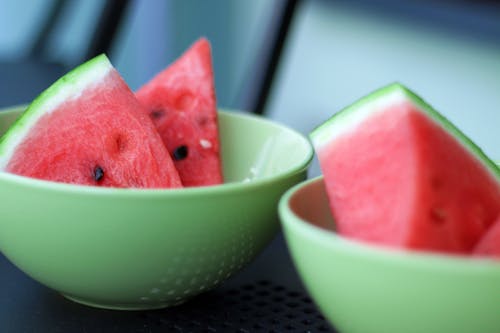
Free Watermelon on Bowl Stock Photo

Watermelon is a superfood because it is packed with antioxidants like lycopene, beta-carotene, beta-cryptoxanthin, lutein, and zeaxanthin. It belongs to the gourd family, so watermelons are related to cucumbers, pumpkins, and squash.

This might shock you, but despite its large size and hard rind, watermelon is botanically classified as a berry, specifically a pepo, which has a thick rind and fleshy center.

Why is it called watermelon? The name  “watermelon” is quite literal. It is derived from its high water content, over 90%. This makes it incredibly hydrating and perfect for hot summer days. But hydration is just the beginning of its benefits.

Watermelon is a natural viagra

Watermelon is often celebrated for its refreshing taste and hydrating properties, but did you know that it might also have benefits for your love life?

Beyonce wasn’t lying when she said ” I have been drinking … watermelons”.

This juicy fruit, commonly associated with summer and picnics, holds some surprising secrets that could enhance your sexual health and overall wellness. Watermelon contributes to improved blood circulation, energy levels, and overall vitality, which are crucial for a healthy sex life.

One key component of watermelon that has garnered attention for its potential benefits in the bedroom is citrulline. Citrulline is an amino acid found in high concentrations in watermelon, particularly in the white rind. Once consumed, citrulline is converted into arginine, another amino acid that helps relax blood vessels and improve blood flow.

Improved blood flow is essential for sexual arousal and performance. For men, this means better and more sustained erections, while for women, increased blood flow can enhance arousal and sensitivity. The effect of citrulline in improving blood flow has led some researchers to refer to watermelon as a natural alternative to certain medications used to treat erectile dysfunction.

Watermelon is a good source of B vitamins, particularly vitamin B6. These vitamins play a role in energy production and can help reduce stress and anxiety. Feeling less stressed and more energetic can naturally enhance your libido and make you more inclined to engage in sexual activity.

Free Hand Holding a Slice of Watermelon With Blue Swimming Pool Water in the Background Stock Photo

Health Benefits of Watermelon

Watermelon is packed with essential vitamins and minerals, making it a nutritious addition to any diet. It’s rich in vitamins A and C, crucial for skin health and immune function.

Vitamin A helps maintain healthy vision and skin, while vitamin C boosts the immune system and promotes collagen production. Additionally, watermelon contains antioxidants like lycopene, which gives the fruit its red color and has been linked to heart health and cancer prevention. Lycopene can help reduce the risk of heart disease and lower cholesterol levels, making watermelon a heart-healthy choice.

For those who enjoy fun facts, here are five interesting facts about watermelon:

1. Watermelon is not just red or pink inside; it can also be yellow or orange.
2. There are over 1,200 varieties of watermelon grown worldwide.
3. The seeds of a watermelon are also edible and contain beneficial nutrients.
4. Watermelon can be traced back to Africa over 5,000 years ago.
5. The most enormous watermelon ever recorded weighed over 350 pounds

Is it okay to eat watermelon at night?

Many people ask if it’s OK to eat watermelons at night. The answer is yes! Eating watermelon at night can be a healthy choice. It’s low in calories and can satisfy sweet cravings without the added sugars in many desserts. Plus, its high water content can help keep you hydrated overnight.

I always crave late-night snacks, and enjoying a slice of watermelon always hits the spot. The big plus is that you don’t even need to feel guilty because watermelon is 90% water.

I know you might be thinking, “But watermelon is sweet.” While it does contain natural sugars, watermelon is relatively low in sugar compared to other fruits, making it a healthy option for those monitoring their sugar intake. Diabetics can enjoy watermelon; however, moderation is key.

If you monitor your sugar, it might be best to have watermelon with other fiber-rich foods to prevent a spike.

Remember that watermelon contains natural sugars, which are different from added sugars found in processed foods. The natural sugars in watermelon are accompanied by fiber, vitamins, and minerals, making it a healthier choice.

Knowing how much watermelon to eat can be tricky. Moderation is essential; a couple of slices a day is sufficient to enjoy the benefits without overdoing it.

Watermelon is low in calories and water, making it an excellent choice for weight management. It provides volume and satisfaction without adding many calories to your diet.

How to pick the perfect watermelon every time

When picking the perfect watermelon, a few tips ensure you get the best one. Look for a watermelon with a uniform shape and a creamy yellow spot on its underside. This spot, known as the field spot, indicates the watermelon ripened on the ground.

A watermelon that feels heavy for its size is also a good sign, as it indicates high water content. Tapping the watermelon should produce a deep, hollow sound, another indicator of ripeness.
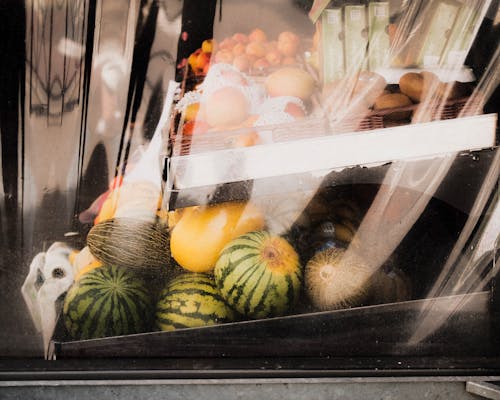
Free Close-up Photo of Displayed Fruits behind a Glass Wall Stock Photo

Watermelon’s role in gut health

Watermelon can also help with gut health. Its high water and fiber content helps promote regular bowel movements and support a healthy digestive system. Eating watermelon can alleviate constipation and improve overall digestive health.

How to cut a watermelon like a chef

Start by slicing off both ends to create a stable base. Stand the watermelon upright and cut it in half. You can slice it into wedges, cubes, or fun shapes using cookie cutters. This method makes it easy to handle and serve.

Watermelon is incredibly versatile and can be used in various recipes. For a refreshing summer treat, try a watermelon slushie.

Watermelon slushie recipe

Blend watermelon chunks with ice and a splash of lime juice. This cool drink is perfect for a hot summer day.

Free Wooden Tray with Watermelon Slices and a Glass of Slushie Stock Photo

Best watermelon weight loss smoothies

Blend watermelon with Greek yogurt, spinach, and a touch of honey for a nutritious and filling smoothie.

Watermelon popsicles recipe

Blend watermelon with lemon juice and pour into popsicle molds. Freeze until solid, and enjoy a refreshing, homemade treat.

Benefits of watermelon on your skin

The high levels of vitamins A and C support skin health, promoting a youthful glow and repairing damaged skin. The antioxidants in watermelon, particularly lycopene, help reduce inflammation and oxidative stress, supporting overall health and aiding in recovery from illness or injury.

Free Photo Of Women Holding Watermelon Stock Photo

The benefit of Watermelon after a workout

Watermelon can help reduce muscle soreness and improve hydration after a workout. The amino acid citrulline, found in watermelon, has been shown to reduce muscle soreness and improve exercise performance. Additionally, the high water content helps replenish fluids lost during exercise and restore the potassium lost through sweat. So, you see, watermelon is an excellent post-workout snack.

Is the watermelon male or female?

One interesting topic is the debate over male and female watermelons. While some people believe that male watermelons are larger and more oblong and female watermelons are rounder and sweeter, this is actually a myth. Watermelons do not have genders. The key to picking a sweet watermelon lies in the tips mentioned earlier: look for a uniform shape, creamy yellow field spot, and heavy feel.

Can you eat watermelon skin?

Watermelon skin is packed with nutrients. You can pickle it, use it in a stir-fry, or even juice it. Eating the rind might take some getting used to, but it’s a way to reduce food waste and gain additional benefits.

Can cats/ dogs eat watermelon?

In moderation, watermelon is safe for dogs as long as the seeds and rind are removed to prevent choking or digestive issues. It can be a hydrating treat for dogs on a hot day. Watermelon is also safe for cats, but it’s best to give it in small amounts as an occasional treat.

When is the perfect time to eat watermelon?

For those wondering what the best time to eat watermelon is, it’s a versatile fruit that can be enjoyed anytime. Whether as a refreshing breakfast, a mid-day snack, or a light dessert after dinner, watermelon fits into any meal plan. It’s also a great addition to smoothies and salads, adding flavor and hydration.

It’s generally safe to pair with most foods when considering what not to eat with watermelon. However, due to the fruit’s high water content, combining it with foods high in fat or protein might slow down digestion. It’s best enjoyed on its own or in light, refreshing dishes.

In conclusion

Eat more watermelons. Watermelon is a superfood that has many benefits. Don’t shy away from it because of its size; we now know how to cut it like a chef and pick the perfect watermelon.

And don’t forget watermelon’s big secret, it’s natural viagra

Did you find this article helpful? Please like us and leave a comment below.

Surprising Ways To Use Breast Milk You Never Knew

White woman carrying her baby, about to breastfeed her child breastmilk
Breastmilk is often called “liquid gold” because it’s so valuable. It’s not just for feeding babies. As a breastfeeding mom, you can use it in many new and exciting ways. This article will show you how to use breastmilk in recipes, skincare, and more.
Breastmilk is not just for babies. It can be used in many tasty recipes for the whole family. Try making breastmilk pancakes or smoothies to see how versatile they are.
Free Mother Breastfeeding her Baby Stock Photo

Nourishing Breastmilk Pancakes

Begin your day with breastmilk pancakes that are both filling and delicious. Breastmilk’s natural sweetness makes pancakes extra tasty. Just swap out regular milk for breastmilk in your recipe for a meal that’s good for you and comforting.

Creamy Breastmilk Smoothies

Make a breastmilk smoothie that’s full of vitamins and minerals. Mix breastmilk with fruits, greens, yogurt, or nut butter for a smooth, creamy drink. These smoothies are perfect for a quick snack or a light meal.
Using breastmilk in baking adds a special touch. Its natural fats and sugars make baked goods rich and indulgent. Everyone will love these homemade goodies.
“Breastmilk is nature’s perfect food, and it’s amazing how versatile it can be in the kitchen. Incorporating it into recipes opens up a whole new world of culinary possibilities.”

Soothing Breastmilk Skincare Solutions

Breastmilk is more than just food for your baby; it’s also great for your skin. It’s a natural way to make your skin soft and healthy. You can use it to make breastmilk lotions or treat skin problems.
Many use breastmilk to help with eczema, diaper rash, and sunburns. Its antibacterial and anti-inflammatory properties soothe and heal the skin. Just put a few drops on the affected area for quick relief.
You can also add breastmilk to homemade skincare products. Mix it with coconut or jojoba oil to make a breastmilk lotion. This lotion hydrates and calms your skin, and breast milk’s proteins, fats, and vitamins nourish and revitalize it.
“Breastmilk has been used for centuries as a natural remedy for various skin ailments. Its unique composition makes it a versatile and effective ingredient in homemade skincare solutions.”
Are you looking to soothe your skin or get a healthy glow? Breastmilk is a powerful option. Use it in your skincare routine for a natural, nourishing effect.

Breastmilk pumping for Mom’s Lactation

As a nursing mom, you know how vital a healthy breast milk supply is. Keeping up a healthy breast milk supply can be challenging. Luckily, there are natural ways to help. Foods and herbs called galactagogues can boost milk production.

Lactation-Friendly Snacks and Meals

Begin your day with a breastmilk-boosting breakfast like oatmeal, flaxseed, and nuts. For snacks, try lactation cookies, granola bars, or smoothies with fenugreek, blessed thistle, and brewer’s yeast. Choose lunch and dinner meals full of milk production-enhancing foods, like leafy greens, salmon, and chickpeas.

Herbal Supplements for Nursing Moms

You can also consider herbal supplements made for nursing moms. Fenugreek, fennel, and moringa are great options for naturally increasing breastmilk supply. But talk to your healthcare provider before starting any new supplements, especially if you have health issues.
“Incorporating galactagogues into your daily routine is a simple and effective way to boost your breastmilk production without resorting to more drastic measures.”
Using galactagogues can help your baby get the nutrients it needs, reduce sugar cravings, and support milk production. Try different lactation-boosting foods, herbs, and supplements to see what’s best for you and your family.

Breastmilk for Infant Massage and Skincare

Breastmilk can also soothe and hydrate your baby’s skin. It’s full of natural antibodies, vitamins, and nutrients, making it a great choice for many infant skincare needs.
Try massaging a few drops of breastmilk on your baby’s skin. It can help with diaper rash, eczema, or dry patches. The breastmilk soothes quickly and helps keep skin healthy and glowing. You can mix it with things like shea butter or coconut oil for extra moisture.
Put a thin layer of breastmilk on your baby’s skin for a calming massage. Then, rub it in with circular motions. This not only feeds the skin but also strengthens your bond. Breastmilk is safe and effective because of its antibacterial and anti-inflammatory properties.
Breastmilk is a natural, cheap, and easy way to soothe or moisturize your baby’s skin. This liquid gold can keep your baby’s skin soft, smooth, and healthy.

Freezing and Storing Breastmilk for Later Use

As a busy mom, pumping and storing extra breastmilk is a big help, especially when you’re heading back to work. It’s essential to know how to freeze and store your breastmilk right. This way, you’ll have it ready when you need it. Let’s look at the best ways to keep your breastmilk fresh and robust.
Free Newborn Baby Breastfeeding Stock Photo

Proper Breastmilk Storage Techniques

Storing breastmilk correctly is crucial for keeping its nutrients and preventing germs. Here are some essential tips:
  • Clean, BPA-free containers for breastmilk storage, such as glass or hard plastic bottles, are good choices.
  • Leave some space in the container for the milk to expand when it freezes.
  • Write the date the milk was pumped and the amount in each container.
  • Freeze the milk flat, then stack or store it upright once it’s frozen solid.
  • Keep freshly pumped milk in the fridge for up to 4 days before freezing it.
  • Frozen breastmilk can last up to 12 months in a deep freezer.

Storage location and duration

  • Room temperature (66-72°F) 4-6 hours
  • Insulated cooler with ice packs 24 hours
  • Refrigerator (39°F or colder) 4 days
  • Freezer (0°F or colder) 6-12 months
Start with small amounts of breastmilk when freezing, especially if you’re new. This will help you thaw and use only what you need without wasting any precious milk.

Dealing with Oversupply and Engorgement

Having a large breastmilk supply can be both good and tough. It’s great to have plenty of milk, but it can also cause problems like engorgement. Luckily, you can try some home remedies to help.

Natural Remedies for Relief

Using cold cabbage leaves on your breasts can help with engorgement. The cold can reduce swelling and ease discomfort. You can also try warm compresses or a warm shower to help with let-down and ease the pressure.
Pumping moms might find relief by hand-expressing a bit of milk before feeding or pumping. This softens the breasts and makes feeding easier for your baby. Wearing a supportive nursing bra can also be comforting and help prevent further engorgement.
If you have too much milk, try block feeding by limiting feeding time on each breast. This can help manage your breastmilk supply and avoid engorgement. Relaxing with deep breathing or meditation can also help reduce stress, which can lead to an oversupply.
It is critical to listen to your body and try different methods to see what works for you and your baby. With patience and the proper remedies, you can ease the discomfort and enjoy your breastmilk supply.

Pumping and Breastfeeding While Working

Returning to work doesn’t mean you must stop breastfeeding and pumping. With the right tools and strategies, you can keep giving your baby the benefits of breastmilk even at work. As a pumping mom, you can make returning to work easy and smooth.
Keeping your breastmilk supply strong is critical. Get a top-quality Medela pump and pump several times a day. Try to pump as often as your baby would nurse, usually every 2-3 hours. This keeps up with your baby’s needs and keeps your supply strong.
Remember to take care of yourself, too. If possible, try breastfeeding your baby at work, drink plenty of water, wear clothes that are easy to nurse in, and find a private spot to express milk.

Conclusion

Breastmilk is genuinely impressive, offering more than just nutrition for your baby. It’s great for recipes, remedies, and even special treats. You can use it to boost your supply, soothe your skin, or enjoy a unique snack.

This article showed how versatile breastmilk is. It’s suitable for making pancakes, smoothies, and even skincare solutions. Breastmilk goes beyond just feeding your baby; it offers many health benefits .As you keep breastfeeding, try new things with your breastmilk.

Did you find this article helpful? Leave a comment below

How To Eat 180g of Proteins In A Day

Free Close-up of Woman Eating a Chicken Salad Stock Photo

Protein is often hailed as the building block of life, playing a crucial role in everything from muscle repair to immune function. Whether you’re a fitness enthusiast looking to build muscle, someone trying to lose weight or simply aiming to maintain overall health, ensuring enough protein in your diet is essential. For many, consuming 180 grams of protein daily can seem daunting, but it’s entirely achievable with the right strategies and meal planning.

In this blog, we will discuss the importance of protein, provide you with a detailed meal plan to reach your protein goals and share practical tips and delicious recipes to make your high-protein diet enjoyable and sustainable. You can also check out this ebook with 200 smoothies recipe. 

Typical Challenges when trying to eat 180g of protein

Protein Fatigue

Eating a lot of protein-rich foods can become monotonous and tiresome. The trick is to mix it up to help with it. Mix up your protein sources to keep meals interesting. Rotate between animal-based proteins like chicken, beef, fish and plant-based options like lentils, tofu, and quinoa. Try new recipes and cooking methods. Grilling, baking, stir-frying, and slow cooking can change the texture and flavor of your meals. You can also use a variety of spices, herbs, and marinades to add flavor without adding extra calories.

Dietary Restrictions

Following a high-protein diet can be difficult if you have dietary restrictions such as vegetarianism, veganism, or allergies. So, if you are vegetarian, focus on plant-based protein sources such as lentils, chickpeas, quinoa, tofu, tempeh, nuts, and seeds. These can provide ample protein without relying on animal products. You can also use vegan protein powders from peas, rice, or hemp to boost your protein intake.

Digestive Issues

Consuming large amounts of protein can sometimes cause digestive discomfort, such as bloating, gas, or constipation. You need to drink a lot of water throughout the day to help your digestive system process the increased protein. Balance your diet with high-fiber foods such as vegetables, fruits, and whole grains to aid digestion. If you’re new to a high-protein diet, increase your protein intake gradually to give your digestive system time to adjust.

Busy Lifestyle

Finding time to prepare and eat multiple high-protein meals throughout the day can be challenging with a busy schedule. The solution to this is meal prepping. Plan and prepare your meals in advance. Cook in bulk on weekends and store portions in the fridge or freezer for easy access during the week.

Another thing that helps is keeping high-protein snacks like Greek yogurt, protein bars, nuts, and hard-boiled eggs on hand for when you’re on the go. Protein shakes are also a convenient way to consume a substantial amount of protein quickly. Blend with fruits, vegetables, and nuts for added nutrients.

Cost of High-Protein Foods

As you know, High-quality protein sources can be expensive. So, go for more affordable protein sources such as eggs, canned tuna, chicken thighs, and beans. You can also buy protein-rich foods in bulk to save money. 

Meeting Protein Goals Without Excess Calories

Increasing protein intake without consuming too many extra calories can be tricky, especially for those aiming for weight loss. To solve this dilemma, choose lean protein sources such as chicken breast, turkey, fish, and low-fat dairy products. Be mindful of portion sizes and balance your meals with vegetables and whole grains to avoid consuming excess calories. You should also distribute your protein intake evenly throughout the day to maintain satiety and support muscle synthesis without overeating.

What does 180 g of protein look like?

Eating 180 grams of protein in a day can seem like a lot, but with a well-planned approach, it’s entirely manageable. Here’s a breakdown of what 180 grams of protein might look like throughout a day, including meals and snacks:

Breakfast

Meal: Scrambled Eggs with Spinach and Feta

3 large eggs: 18 grams of protein

1/2 cup of feta cheese: 10 grams of protein

1 cup of spinach: 1 gram of protein

Total: 29 grams of protein

Morning Snack

Snack: Greek Yogurt with Almonds

1 cup of Greek yogurt: 20 grams of protein

1 ounce of almonds: 6 grams of protein

Total: 26 grams of protein

Lunch

Meal: Grilled Chicken Salad

6 ounces of grilled chicken breast: 42 grams of protein

2 cups of mixed greens: 2 grams of protein

1/2 cup of chickpeas: 7 grams of protein

Total: 51 grams of protein

Afternoon Snack

Snack: Protein Shake

1 scoop of protein powder: 25 grams of protein

1 cup of skim milk: 8 grams of protein

Total: 33 grams of protein

Dinner

Meal: Baked Salmon with Quinoa and Broccoli

6 ounces of baked salmon: 38 grams of protein

1 cup of cooked quinoa: 8 grams of protein

1 cup of broccoli: 3 grams of protein

Total: 49 grams of protein

Evening Snack

Snack: Cottage Cheese with Pineapple

1 cup of cottage cheese: 28 grams of protein

1/2 cup of pineapple: 1 gram of protein

Total: 29 grams of protein

Daily Total

Breakfast: 29 grams

Morning Snack: 26 grams

Lunch: 51 grams

Afternoon Snack: 33 grams

Dinner: 49 grams

Evening Snack: 29 grams

Grand Total: 217 grams of protein

Is 180g of proteins too much? 

Whether 180 grams of protein daily is too much depends on several factors, including your body weight, activity level, health goals, and underlying health conditions. Here are some considerations to help determine if this amount is appropriate for you:

Body Weight

Protein needs are often calculated based on body weight. The average adult’s general recommendation for protein intake is 0.8 grams per kilogram of body weight. However, higher intakes are recommended for those who are physically active or aim for muscle growth. For instance, a person weighing 75 kilograms (165 pounds) might aim for 1.2 to 2.2 grams of protein per kilogram, which equates to 90 to 165 grams daily.

Activity Level

Higher protein intake supports muscle repair and growth. For athletes and bodybuilders, consuming 1.6 to 2.2 grams of protein per kilogram of body weight can be beneficial. People with a sedentary lifestyle may not need as much protein. Sticking closer to the 0.8 grams per kilogram guideline is typically sufficient.

Health Goals

A higher protein intake can support muscle synthesis if you aim to build muscle. Also, High-protein diets can help with weight loss by promoting satiety and preserving lean muscle mass during calorie restriction. If you want to maintain your current physique, a moderate protein intake, consistent with your body weight and activity level, is appropriate.

Underlying Health Conditions

Individuals with certain kidney conditions may need to limit protein intake to prevent additional stress on the kidneys. Always consult with a healthcare provider if you have any chronic health conditions.

Potential Risks of Excessive Protein Intake

While protein is essential, consuming excessively high amounts can have potential drawbacks:

– Kidney Strain

– Nutrient Imbalance

– Digestive Issues

Balancing Protein Intake

To determine if 180 grams of protein is suitable for you, consider the following steps:

1. Use an online calculator or consult a nutritionist to determine your specific protein needs based on your weight, activity level, and goals.

2. Pay attention to how your body responds to higher protein intake. Adjust based on your energy levels, muscle recovery, and overall well-being.

3. Ensure your diet is well-rounded and includes adequate macronutrients and micronutrients.

Did you find this post helpful? Please leave a comment and remember to subscribe.

Flexitarian Diet: Food List, Tips and Recipes

There are no restrictions, just enjoyment and portion control. The flexitarian diet comes from the word flexible and vegetarian. Imagine being free to enjoy animal products while increasing the amount of plant-based food you eat. 

The flexitarian diet has been around for quite a while; however, only a few people know about it. You do not have to give up meat entirely in this diet, but you can limit the amount of animal products and processed food eaten. In this blog, we will explain the flexitarian diet, its benefits, and how you can start following it.

The flexitarian diet is primarily plant-based, meaning you eat a lot of fruits, vegetables, grains, and legumes. However, you can still have meat and other animal products sometimes. The main idea is to eat less meat and more plants, but you don’t have to give up meat entirely.

Free Pastry and Boiled Egg on Plate Stock Photo

Flexitarian diet benefit

The flexitarian diet has many benefits for your health and the environment.

It improves heart health by lowering cholesterol and blood pressure. It is also suitable for weight control and reduces the risk of chronic diseases like diabetes and cancer.

A flexitarian diet is good for the environment because it lowers the carbon footprint, reduces the production of meat products, leads to less pollution, and limits the use of resources like land and water required for animal farming.

Why do people go flexitarian?

There are many reasons why people can choose to go flexitarian. One of the most important features of this diet is its flexibility. It is also easier to follow compared to strict vegetarian and vegan diets. 

Many people confuse a flexitarian diet with a pescatarian diet. A pescatarian is a vegetarian who consumes only fish products; however, a flexitarian is a vegetarian who consumes all animal products in a limited quantity.

Another reason why people follow the flexitarian diet is because it is easy to merge it into a lifestyle. You can adjust it based on your preferences and cultural demands.

How to be a flexitarian

It is straightforward to follow the flexitarian diet. Follow these steps for an easy transition:

  • Choose one or two days each week to go meatless. You can slowly reduce the number of days to go meatless.
  • Introduce new plant-based recipes into your meal plan. You can start by adding salads, beans, and smoothies to your diet. 
  • Stock your kitchen with nuts, beans, fruits and veggies.

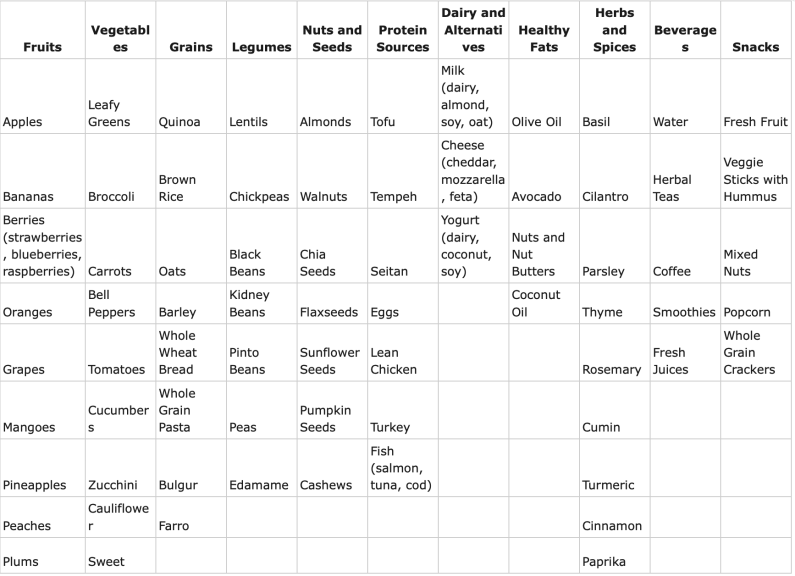
Flexitarian food list

FOOD IN FLEXITARIAN DIET

Frequently asked questions:

If you are interested in following the flexitarian diet, here are some answers to questions you might have.

What does a flexitarian eat?

Flexitarians can eat whatever they want; however, they limit the number of times they eat meat in a week and focus on eating more veggies and beans.

How many times a week does a vegetarian eat meat?

Most flexitarians eat meat twice a week, but no strict restrictions exist.

Can flexitarians eat pasta?

Yes, they usually opt for whole-grain foods.

The best Moi-moi recipe

I love the flexitarian diet. One of my favorite things to eat is beans. I love beans in every form and there are so many ways to cook it. You can fry, make pudding with it, make soup, and cook it.

One of my favorite ways to prepare beans is moimoi. It is a delicious and fluffy bean pudding. I am grateful you read this blog so I want to share my recipe for making moimoi. My grandma taught me this recipe; I remember our conversations in the kitchen while we were making moimoi back in the day. I didn’t change anything in the recipe because it is so perfect.

So here we go:

Ingredient: 

  • 2 cups Black-eyed Beans 
  • Blender
  • 3 Red peppers
  • Two onions
  • Spices for taste
  • Fish
  • Eggs
  • Prawns
  • Plastic bags, cups, or ramekins

Directions: 

  1. Remove the back from the beans
  2. Blend the beans with onions, red pepper, and prawns
  3. Boil the fish  and eggs with salt and some spices
  4. Debone the fish and remove the shell from the eggs
  5. Cut the eggs into quarters and shed the fish
  6. Add the blended beans into a bowl, add the shredded fish and some spices, add a little oil, and stir
  7. Boil some water in a big pot
  8. Add blended beans in ramekin or small plastic bags and then put them in the hot water
  9. Leave it to steam for about 40 minutes
  10. Keep checking to see if there is enough water in the pot

Summary

The flexitarian diet offers a flexible and balanced approach to healthier eating. By focusing on plant-based foods while still allowing for occasional meat and animal products, you can enjoy various delicious meals that benefit your health and the environment. Starting with minor changes, like incorporating meatless days and trying new recipes, can make the transition more accessible and enjoyable. Embrace the flexitarian diet and discover how small changes in your eating habits can improve your overall well-being. 

Thank you for reading this blog. Would you be trying my moimoi recipe to boost your progress toward following the flexitarian diet?

Best Library Snack To Enjoy Guilt-Free

You are in the library, enjoying your pack of popcorn. Everyone is looking at you with raised eyebrows, and the librarian comes to you, asking you to stop chewing so loudly. It’s embarrassing, right? Don’t worry—it will not happen to you again. In this blog, we will discuss the best snacks to enjoy in the library and the foods to avoid. We also have a simple iced coffee recipe that will save you lots of money.

In middle school, I remember bringing a bag of chips to the library to enjoy while studying. The moment I opened the bag, the loud crunching noises seemed to echo everywhere, and I quickly noticed the annoyed glances from people around me. That’s when I realized that not all snacks are good for quiet places like libraries.

So, whether you’re settling in for a long study session or just popping in to enjoy a good book, it’s essential to pick snacks that are not only healthy but also quiet and not smelly.

Maintaining a quiet environment in a library is critical. It’s about respecting others’ space and concentration and creating a peaceful atmosphere where everyone can focus. That’s why choosing snacks that don’t make noise is so important. 

Free A Woman in White Polo Writing on Notebook Stock Photo

Criteria for the Perfect Library Snack

When picking out your library snacks, consider these four crucial factors: Nutritional value, low noise, convenience

Nutritional value

Choose snacks that provide good nutrients and keep your energy levels steady. This means snacks rich in proteins, healthy fats, and fibers without too much sugar.

Low noise

Avoid snacks that might disturb others. This means no crunchy chips or wrappers that make a lot of noise when opened.

Minimal mess

Stick to snacks that won’t leave crumbs on your books or the table. Messy snacks can not only distract you but also make extra work for library staff.

Convenience

Opt for snacks that are easy to pack and eat so you can pull them out and enjoy them without a fuss.

Top Library snacks

Here are the top library snacks you should try. They are healthy, quiet and not smelly.

Soft fruits 

Bananas and berries are soft and completely quiet, making them perfect for a quick, fuss-free snack. They also do not have strong scents, so no one will know when you eat them. Avoid apples, celery, and carrots. These are pretty loud and take a long time to chew, too.

Soft Baked Cookies or Mini Muffins

Choose varieties that aren’t too crumbly. Soft textures ensure that they won’t make a sound, and sticking to simple flavors like vanilla or chocolate can help avoid strong smells.

Dried Fruits

Snacks like raisins, dried cranberries, or apricots are silent to eat and can be easily contained in a small bag or container.

Dark chocolate

A small piece of dark chocolate can satisfy your sweet tooth without noise. Plus, it’s loaded with antioxidants. If you are not a fan of dark chocolate, you can choose any chocolate or go for gummy bears.

Overnight oats

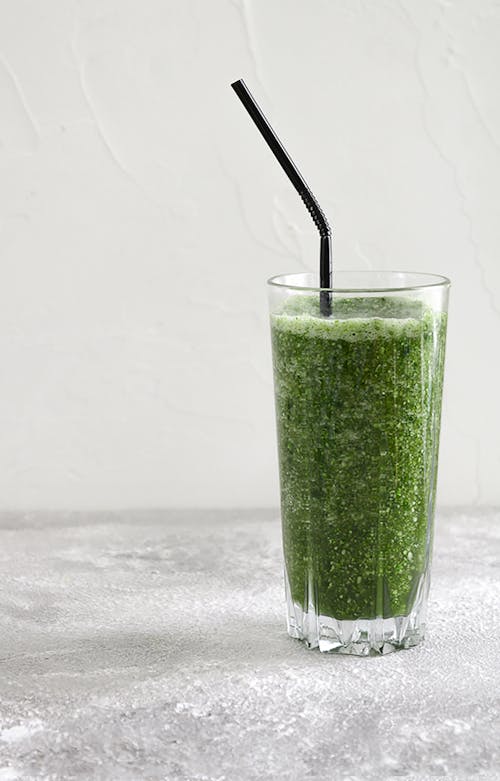
You can have overnight oats in the library or have some smoothies. Here are some example smoothies you can try to boost your concentration in the library.

  • Blueberry and spinach smoothies
  • green tea and avocado smoothie
  • banana nut smoothie
  • beetroot and berry smoothie

Free Close-Up Shot of a Glass of Smoothie Stock Photo

For any smoothie, blend all ingredients until smooth. Add more liquid (water, milk, or juice) to achieve consistency. Add ice to any of these recipes if you prefer a colder drink, or use frozen fruits to make the smoothie refreshing and thick.

Don’t eat this food in the libraryFree A Charcuterie Board with Assorted Foods Stock Photo

Regarding library-friendly snacking, avoiding noisy foods or strong odors is crucial to maintaining a quiet and respectful environment. Here’s a list of items you shouldn’t eat in the library.

1. Fish: Any fish, especially canned varieties like tuna or sardines, can be intense and will likely disturb those around you.

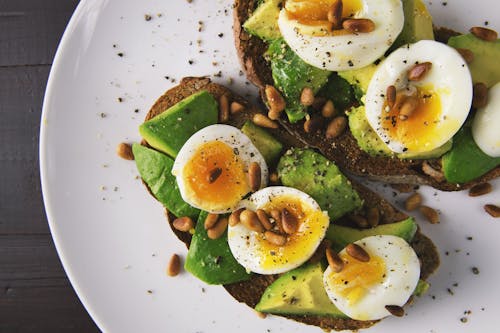
2. Hard-boiled eggs: While they are a great protein source and don’t make noise when eaten, they have a distinctive smell that can be off-putting in closed spaces.

3. Strong cheeses: Some cheeses, particularly the aged or fermented types like blue cheese, Camembert, or Gorgonzola, have strong smells that can quickly fill a quiet room.

4. Garlic and onion-heavy dishes: Foods that contain a lot of garlic or onions—like garlic bread, some sandwiches, or seasoned snacks—can have a lingering odor.

5. Broccoli, cauliflower, and cabbage: These vegetables are healthy but tend to have a noticeable smell when raw or cooked, which might not be appreciated in a library setting.

6. Spicy foods: Foods with strong spices, such as curries or foods seasoned with cumin, can carry a potent aroma that spreads.

7. Pickled foods: Kimchi, pickles, and other pickled vegetables, though quiet, are often too aromatic for quiet public spaces.

8. Popcorn: Although popcorn might seem like a good snack option since it’s relatively soft, the smell, especially if it’s buttered or flavored, is potent and can easily distract others.

 My go-to library snacks are iced coffee and mini muffins. I love iced coffee with no sugar or dairy milk. I prefer soya milk or almond milk.

Making your iced coffee with soy milk at home is a delightful and refreshing choice, especially if you want a dairy-free alternative. It also saves you a lot of money. Here’s a simple DIY recipe to whip up a delicious iced coffee:

Ingredients:

– 1 cup of brewed coffee (preferably strong and cooled)

– 1/2 cup of soy milk

– Ice cubes

– Optional sweeteners (sugar, honey, maple syrup, or a sugar substitute)

– Optional flavorings (vanilla extract, cinnamon, cocoa powder)

Equipment:

– Glass

– Spoon

– Measuring cup

Instructions:

1. Brew the Coffee:

– Start by brewing your coffee. It’s best to make it stronger than usual since the ice and soy milk dilute it. Allow the coffee to cool to room temperature. You can speed up this process by placing it in the refrigerator.

2. Prepare the Glass:

– Fill a glass with ice cubes to about three-quarters complete.

3. Add Sweeteners and Flavorings (Optional):

– If you like sweet coffee, add your sweetener to the cooled coffee and stir well. If you add flavorings like vanilla or cinnamon, now is the time. A small teaspoon of vanilla extract or a sprinkle of cinnamon can enhance the flavor significantly.

4. Combine Coffee and Soy Milk:

– Pour the cooled coffee over the ice. Next, add the soy milk. The amount of soy milk can be adjusted based on your preference for creaminess.

5. Stir and Serve:

– Stir the mixture well to ensure everything is thoroughly combined. Taste and adjust the sweetness or flavorings if necessary.

6. Enjoy:

– Enjoy your homemade iced coffee immediately while it’s nice and chilled!

Free Woman Holding a Glass of Iced Coffee Stock Photo

Tips for the Best Iced Coffee:

Coffee Ice Cubes: To prevent your iced coffee from becoming too watered down, try making coffee ice cubes. Pour some brewed coffee into an ice cube tray and freeze.

– Cold Brew Coffee: For a smoother taste, use cold brew coffee instead of brewed coffee. Cold brew is less acidic and tastes great in iced coffee preparations.

– Chill Your Glass: For an extra refreshing experience, chill your glass in the freezer for 15 to 20 minutes before preparing your iced coffee.

Did you find this article helpful? Leave a comment below. Don’t forget to like and follow us on our instagram page ( mabs_blog).

Savvy Meal Plans: Eating Healthy on a Budget

In a world that often equates wellness with hefty price tags, knowledge is your passport to discovering the art of nourishing your body without emptying your wallet. This article will discuss the essential keys to a healthy budget.

Free Optimistic female hiding face from camera Stock Photo

Picture this: vibrant, delicious meals that not only tantalize your taste buds but also fortify your health, all within budget constraints. It’s not just a possibility but a practical and exciting adventure awaiting you.

So, why should you prioritize healthy eating? Beyond the obvious physical benefits, we’ll explore the profound impact of nutrition on your overall well-being.

The notion of eating healthy on a budget can seem like a daunting task. So, in this article, share insider tips, and guide you through crafting a pocket-friendly yet nutritious meal plan.

The Impact of Nutrition on Overall Well-being

Consider your body as a high-performance engine. What you fuel it with directly influences its output. A diet rich in essential nutrients, vitamins, and minerals is the foundation for optimal physical and mental functioning. 

From improved energy levels to better concentration and mood regulation, the benefits of prioritizing nutrition extend far beyond the confines of your plate.

But it’s not only your physical health that reaps the rewards. Mental well-being is intricately connected to your diet. Studies have shown that a nutritious diet can positively impact cognitive function and mood stability and even reduce the risk of mental health disorders.

So, by prioritizing healthy eating, you’re not just nourishing your body – you’re nurturing your mind.

Amid busy schedules and tight budgets, it’s easy to overlook the profound connection between what you eat and how you feel. 

Getting Started with Budget-Friendly Meal Planning

Navigating the path to healthy eating on a budget begins with a thoughtful and strategic approach to meal planning. It’s not just about saving dollars; it’s about investing in your health wisely.

So now, let’s break down the essential steps to kickstart your journey into the world of budget-friendly, nutritious meals.

Assessing Personal Dietary Goals

Before embarking on your meal-planning adventure, take a moment to define your dietary goals. Are you looking to lose weight, gain muscle, or maintain a balanced lifestyle? 

Understanding your nutritional needs will guide your choices and help you tailor a meal plan that aligns with your objectives.

Consider factors like dietary restrictions, allergies, and personal preferences. Whether you’re a vegetarian, vegan, or an avid meat-eater, there are budget-friendly options for everyone. 

This personalized approach ensures that your meal plan is economical but also enjoyable and sustainable.

Creating a Realistic Budget for Healthy Eating

Budget-friendly meal planning means maintaining quality and taste. It’s about finding the sweet spot where nutrition meets affordability. 

Start by setting a realistic budget for your weekly or monthly groceries. This prevents overspending and encourages mindful choices during your shopping excursions.

Break your budget into categories like fresh produce, protein sources, grains, and pantry staples. Allocating funds strategically ensures a well-rounded and diverse diet without straining your finances.

As we explore the art of savvy meal planning, you’ll uncover clever hacks to maximize your budget and make the most of every dollar spent on wholesome ingredients.

Smart Grocery Shopping Tips

Embarking on a budget-friendly and nutritious meal plan requires mastering the art of savvy grocery shopping. Making a meal plan saves money.

It’s not just about going through the aisles; it’s about making strategic choices that align with your health goals and financial plan. 

Building a Strategic Shopping List

The backbone of any successful grocery shopping expedition is a well-thought-out shopping list. Before hitting the store, take a moment to plan your meals for the upcoming week. 

Jot down the necessary ingredients to cover essential food groups like fruits, vegetables, protein sources, grains, and dairy.

Having a list streamlines your shopping experience and minimizes impulse purchases. 

Please stick to your planned items and watch how they contribute to a healthier diet and a happier wallet.

Maximizing Savings with Seasonal and Local Produce

Align your choices with the seasons. Seasonal fruits and vegetables are often more abundant, meaning lower prices and higher nutritional value. 

Embrace each season’s variety and tailor your meal plan to include these cost-effective gems.

Additionally, explore local farmers’ markets or community-supported agriculture (CSA) programs. Not only does this support local businesses, but it also often provides a more economical alternative to supermarket prices. 

Connecting with local farmers adds a personal touch to your meals and fosters a sense of community.

Free Grapes on Vineyard during Daytime Stock Photo

What to splurge on and What to save on

As you navigate the supermarket aisles, you must make informed decisions about where to allocate your budget. While some items may be worth the splurge for quality, others can be sourced economically without compromising nutrition.

Invest in high-quality proteins and fresh produce, as they form the foundation of a nutritious meal. Alternatively, explore budget-friendly alternatives for pantry staples like grains, legumes, and canned goods. 

Smart choices in each aisle contribute to a well-balanced, cost-effective shopping cart.

DIY Nutrition Hacks

These creative and budget-friendly strategies will elevate your culinary game, making healthy eating not just a choice but a delightful experience.

Your pantry is a treasure trove of potential, filled with versatile staples that can transform any dish. These pantry essentials form the backbone of countless budget-friendly and nutritious recipes, from rice and pasta to canned beans and spices.

Discover how to combine these staples to create hearty, flavorful meals that won’t break the bank. 

1. Homemade Spice Blends

Create your spice blends using basic spices from your pantry. Mixtures like taco seasoning, curry powder, or Italian seasoning can add flavor without the cost of pre-packaged blends.

2. DIY Salad Dressings

 Make your salad dressings using olive oil, vinegar, herbs, and spices. It’s a cost-effective way to avoid the added sugars and preservatives often found in store-bought dressings.

3. Batch Cooking and Freezing

Cook in large batches and freeze individual portions. This saves time and ensures you have homemade, healthy meals readily available, preventing the temptation of ordering takeout.

4. Clever Protein Substitutes

Replace expensive meat cuts with budget-friendly protein sources like beans, lentils, or eggs. These alternatives are not only cost-effective but also rich in nutrients.

5. Seasonal and Local Produce

 Embrace seasonal and local produce, which tends to be more affordable and fresher. Visit farmers’ markets or join a community-supported agriculture (CSA) program to access cost-effective, locally sourced fruits and vegetables.

6. DIY Energy Bars and Snacks

 Make your energy bars and snacks using oats, nuts, seeds, and dried fruits. It’s a budget-friendly way to enjoy convenient and nutritious on-the-go options.

7. Budget-Friendly Grains

 Opt for budget-friendly grains like rice, quinoa, or oats, which can serve as the base for various meals. Buy in bulk to save even more.

8. Frozen Fruits and Vegetables

Frozen fruits and vegetables are often more affordable than fresh produce and have a longer shelf life. They retain nutritional value and can be added to smoothies, stir-fries, or casseroles.

9. DIY Nut Milk

 Make your nut milk at home using almonds, cashews, or oats. It’s a cost-effective alternative to store-bought plant-based milk; you can control the ingredients.

10. Creative Leftovers

Repurpose leftovers into new meals to minimize food waste. For example, use roasted vegetables from dinner in a frittata or add cooked grains to a salad for lunch the next day.

In conclusion

Meal planning is about intentionality, creativity, and a commitment to a healthier, happier lifestyle. The intelligent grocery shopping strategies, budget-friendly superfoods, and DIY nutrition hacks we’ve explored aren’t just culinary tricks – they’re powerful tools in your hands, empowering you to take charge of your health without compromising on taste or financial well-being.

Did you find this blog helpful? Please leave a comment below.