Oh noooo, Jessica no 😩

Create an emergency preparedness plan.

I am a medical student and have seen things go wrong within seconds before everything was okay.

This reminds me of the importance of living in the moment. You never know what might happen in the next second.

  • Always have active insurance
  • Passports and ID
  • Emergency savings
  • Extra pads and tampons in travel bags
  • Makeup kit, wipes and an nice perfume
  • Emergency contact lists
  • Medications, contact lenses and contact lens containers, and solution

The list is endless, but this is what comes to mind now.

Take the time to enjoy life 💕

How are you? I am fine

What is a word you feel that too many people use?

People say ‘how are you?’ these days just to remain polite. Some don’t mean it. Some are not really interested in your reply. They just want the expected answer, ‘I am fine’.

But are you really fine though? And do they wanna know the real reply to ‘how are you’ or are they just being polite 😂

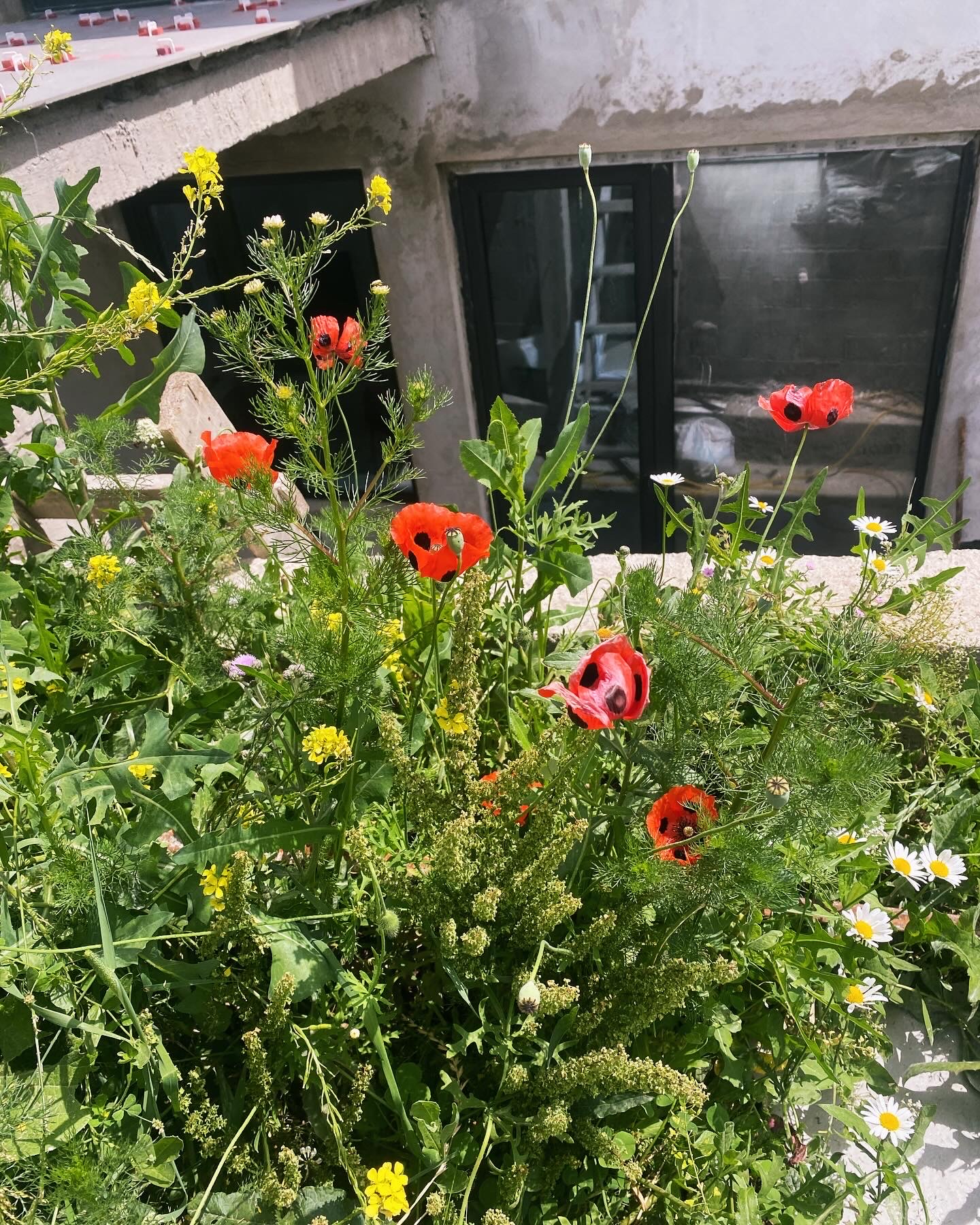
Here is a pic of a real flower, I took the pic when I went hiking. Would never pluck a flower blooming, it deserves to be beautiful and unbothered 😍☺️

Do you agree that ‘how are you’ and ‘I am fine’ are words too many people use?

30 Things that make me happy 😃

List 30 things that make you happy.

  • Slow mornings
  • Ice cream
  • Reading daily prompts
  • Shopping with my bestie
  • My portable fan
  • Dancing hard in church
  • Clean room
  • Getting my nails done
  • Getting my lashes done
  • Baking cakes
  • Cooking jollof rice
  • When I am doing my makeup
  • Pressing publish on WordPress
  • Making graphics for social media
  • Cup of coffee
  • Money
  • Getting a new client
  • Thinking about my first car
  • My teddy bear
  • Going to church
  • Slaying and looking good
  • When my posts get liked
  • When I get new subscribers
  • Rain
  • Rainbows
  • Playing with AI tools
  • Going to concerts
  • Getting kissed by 🙈
  • Getting my hair done
  • Funny phone calls that last for hours
  • Helping someone
  • Completing my set at the gym
A cute pic of me 😍
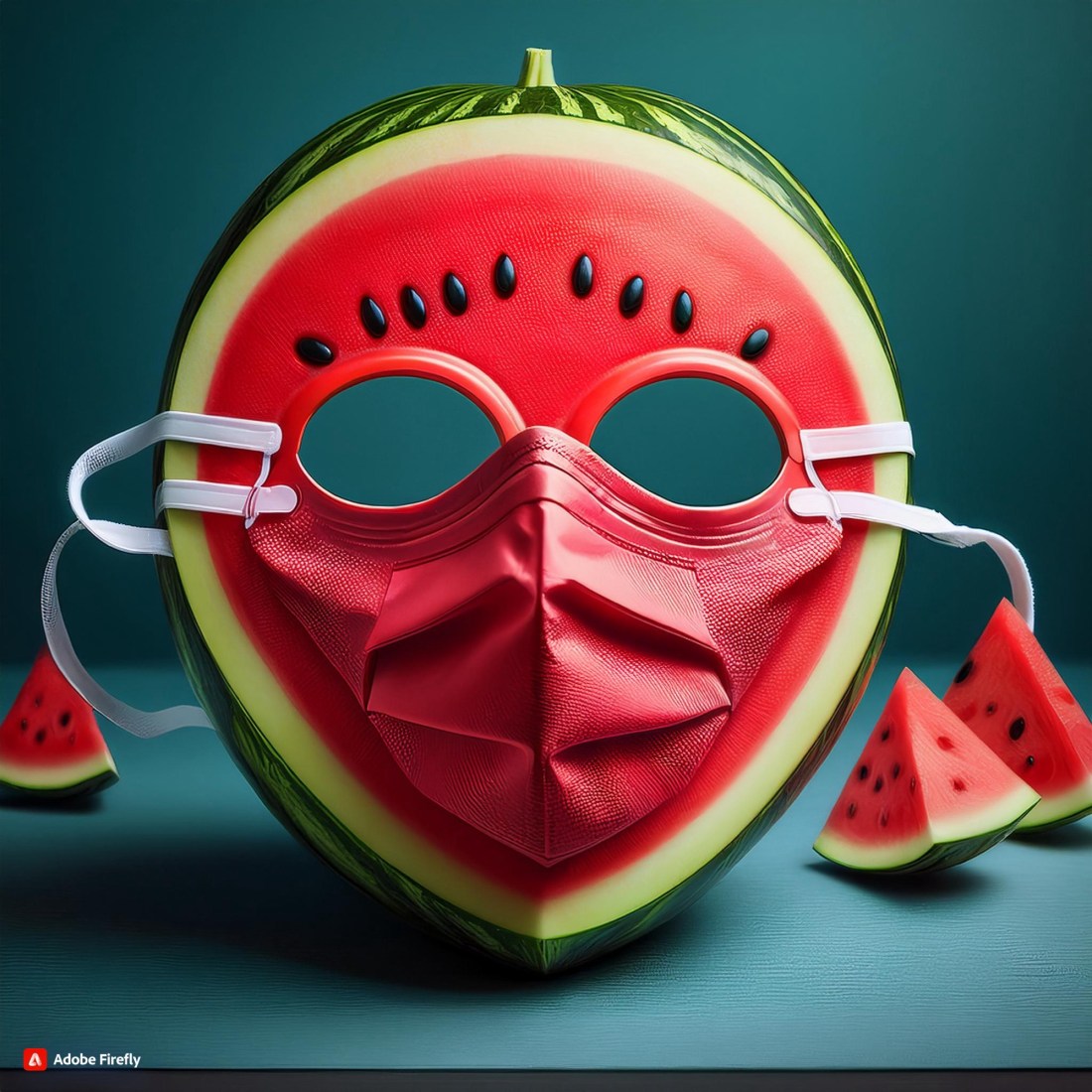
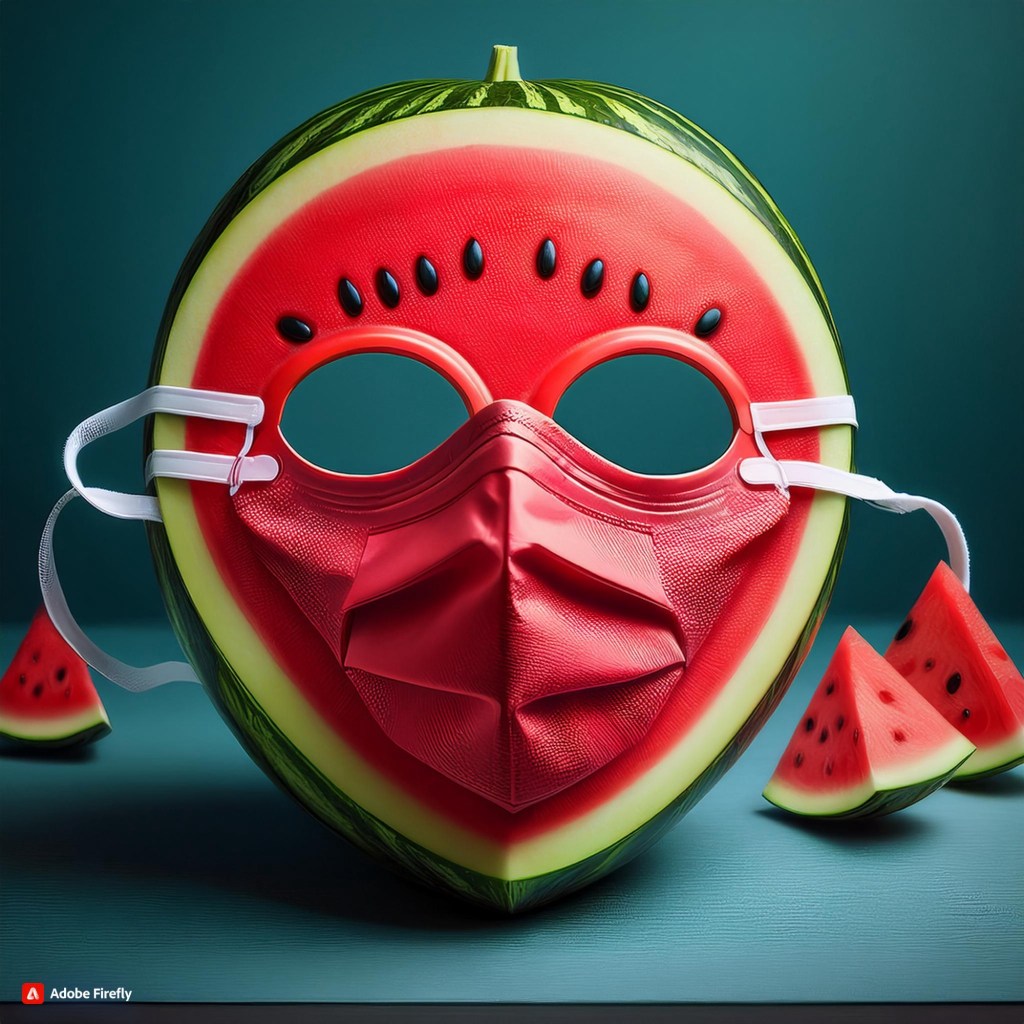
😂I asked Firefly to make me watermelon face mask, this wasn’t what I was expecting but I love it and think it’s funny 😂


Did you like this article, give me a like 😋⭐️

Doing The Right Things

What brings you peace?

I found that doing the right things always brings me peace.

I sleep better at night knowing I tried my best to be the kindest way possible.

So I played with Adobe firefly today and told it to make me a mermaid who come to save the world by spreading love and it gave me ⬇️

What do you think about this images? 😋

Best Library Snack To Enjoy Guilt-Free

You are in the library, enjoying your pack of popcorn. Everyone is looking at you with raised eyebrows, and the librarian comes to you, asking you to stop chewing so loudly. It’s embarrassing, right? Don’t worry—it will not happen to you again. In this blog, we will discuss the best snacks to enjoy in the library and the foods to avoid. We also have a simple iced coffee recipe that will save you lots of money.

In middle school, I remember bringing a bag of chips to the library to enjoy while studying. The moment I opened the bag, the loud crunching noises seemed to echo everywhere, and I quickly noticed the annoyed glances from people around me. That’s when I realized that not all snacks are good for quiet places like libraries.

So, whether you’re settling in for a long study session or just popping in to enjoy a good book, it’s essential to pick snacks that are not only healthy but also quiet and not smelly.

Maintaining a quiet environment in a library is critical. It’s about respecting others’ space and concentration and creating a peaceful atmosphere where everyone can focus. That’s why choosing snacks that don’t make noise is so important. 

Free A Woman in White Polo Writing on Notebook Stock Photo

Criteria for the Perfect Library Snack

When picking out your library snacks, consider these four crucial factors: Nutritional value, low noise, convenience

Nutritional value

Choose snacks that provide good nutrients and keep your energy levels steady. This means snacks rich in proteins, healthy fats, and fibers without too much sugar.

Low noise

Avoid snacks that might disturb others. This means no crunchy chips or wrappers that make a lot of noise when opened.

Minimal mess

Stick to snacks that won’t leave crumbs on your books or the table. Messy snacks can not only distract you but also make extra work for library staff.

Convenience

Opt for snacks that are easy to pack and eat so you can pull them out and enjoy them without a fuss.

Top Library snacks

Here are the top library snacks you should try. They are healthy, quiet and not smelly.

Soft fruits 

Bananas and berries are soft and completely quiet, making them perfect for a quick, fuss-free snack. They also do not have strong scents, so no one will know when you eat them. Avoid apples, celery, and carrots. These are pretty loud and take a long time to chew, too.

Soft Baked Cookies or Mini Muffins

Choose varieties that aren’t too crumbly. Soft textures ensure that they won’t make a sound, and sticking to simple flavors like vanilla or chocolate can help avoid strong smells.

Dried Fruits

Snacks like raisins, dried cranberries, or apricots are silent to eat and can be easily contained in a small bag or container.

Dark chocolate

A small piece of dark chocolate can satisfy your sweet tooth without noise. Plus, it’s loaded with antioxidants. If you are not a fan of dark chocolate, you can choose any chocolate or go for gummy bears.

Overnight oats

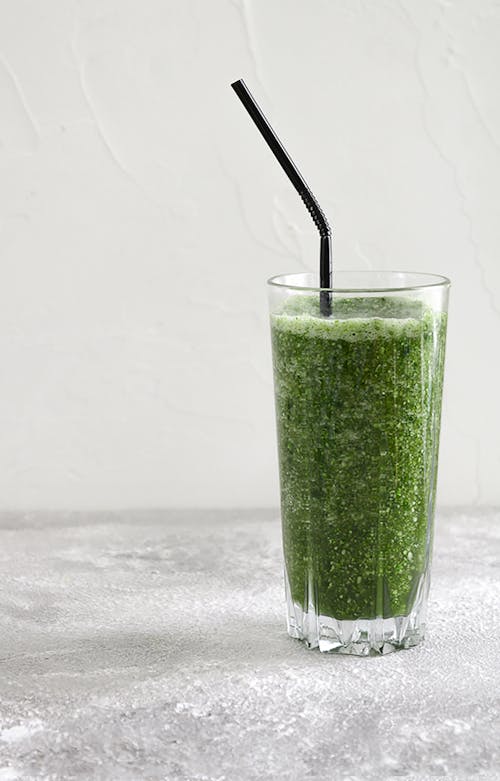
You can have overnight oats in the library or have some smoothies. Here are some example smoothies you can try to boost your concentration in the library.

  • Blueberry and spinach smoothies
  • green tea and avocado smoothie
  • banana nut smoothie
  • beetroot and berry smoothie

Free Close-Up Shot of a Glass of Smoothie Stock Photo

For any smoothie, blend all ingredients until smooth. Add more liquid (water, milk, or juice) to achieve consistency. Add ice to any of these recipes if you prefer a colder drink, or use frozen fruits to make the smoothie refreshing and thick.

Don’t eat this food in the libraryFree A Charcuterie Board with Assorted Foods Stock Photo
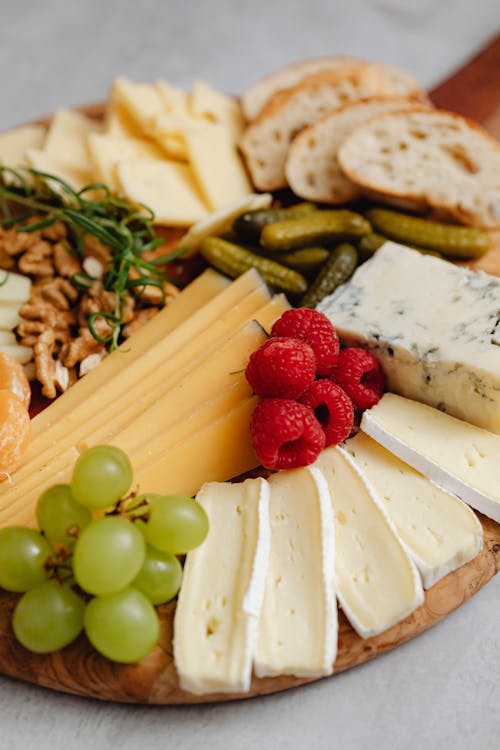
Regarding library-friendly snacking, avoiding noisy foods or strong odors is crucial to maintaining a quiet and respectful environment. Here’s a list of items you shouldn’t eat in the library.

1. Fish: Any fish, especially canned varieties like tuna or sardines, can be intense and will likely disturb those around you.

2. Hard-boiled eggs: While they are a great protein source and don’t make noise when eaten, they have a distinctive smell that can be off-putting in closed spaces.

3. Strong cheeses: Some cheeses, particularly the aged or fermented types like blue cheese, Camembert, or Gorgonzola, have strong smells that can quickly fill a quiet room.

4. Garlic and onion-heavy dishes: Foods that contain a lot of garlic or onions—like garlic bread, some sandwiches, or seasoned snacks—can have a lingering odor.

5. Broccoli, cauliflower, and cabbage: These vegetables are healthy but tend to have a noticeable smell when raw or cooked, which might not be appreciated in a library setting.

6. Spicy foods: Foods with strong spices, such as curries or foods seasoned with cumin, can carry a potent aroma that spreads.

7. Pickled foods: Kimchi, pickles, and other pickled vegetables, though quiet, are often too aromatic for quiet public spaces.

8. Popcorn: Although popcorn might seem like a good snack option since it’s relatively soft, the smell, especially if it’s buttered or flavored, is potent and can easily distract others.

 My go-to library snacks are iced coffee and mini muffins. I love iced coffee with no sugar or dairy milk. I prefer soya milk or almond milk.

Making your iced coffee with soy milk at home is a delightful and refreshing choice, especially if you want a dairy-free alternative. It also saves you a lot of money. Here’s a simple DIY recipe to whip up a delicious iced coffee:

Ingredients:

– 1 cup of brewed coffee (preferably strong and cooled)

– 1/2 cup of soy milk

– Ice cubes

– Optional sweeteners (sugar, honey, maple syrup, or a sugar substitute)

– Optional flavorings (vanilla extract, cinnamon, cocoa powder)

Equipment:

– Glass

– Spoon

– Measuring cup

Instructions:

1. Brew the Coffee:

– Start by brewing your coffee. It’s best to make it stronger than usual since the ice and soy milk dilute it. Allow the coffee to cool to room temperature. You can speed up this process by placing it in the refrigerator.

2. Prepare the Glass:

– Fill a glass with ice cubes to about three-quarters complete.

3. Add Sweeteners and Flavorings (Optional):

– If you like sweet coffee, add your sweetener to the cooled coffee and stir well. If you add flavorings like vanilla or cinnamon, now is the time. A small teaspoon of vanilla extract or a sprinkle of cinnamon can enhance the flavor significantly.

4. Combine Coffee and Soy Milk:

– Pour the cooled coffee over the ice. Next, add the soy milk. The amount of soy milk can be adjusted based on your preference for creaminess.

5. Stir and Serve:

– Stir the mixture well to ensure everything is thoroughly combined. Taste and adjust the sweetness or flavorings if necessary.

6. Enjoy:

– Enjoy your homemade iced coffee immediately while it’s nice and chilled!

Free Woman Holding a Glass of Iced Coffee Stock Photo

Tips for the Best Iced Coffee:

Coffee Ice Cubes: To prevent your iced coffee from becoming too watered down, try making coffee ice cubes. Pour some brewed coffee into an ice cube tray and freeze.

– Cold Brew Coffee: For a smoother taste, use cold brew coffee instead of brewed coffee. Cold brew is less acidic and tastes great in iced coffee preparations.

– Chill Your Glass: For an extra refreshing experience, chill your glass in the freezer for 15 to 20 minutes before preparing your iced coffee.

Did you find this article helpful? Leave a comment below. Don’t forget to like and follow us on our instagram page ( mabs_blog).


What You Need To Know About Endometriosis

Woman smiling

Endometriosis is a disease in which tissue called endometrium starts to grow outside the uterus. The endometrium is usually supposed to grow inside the uterus (womb). Today, we will cover everything you need to know about Endometriosis. 

Endometriosis affects about 1 in 10 women of childbearing age. The disease is not biased; it affects people of all races and economic backgrounds around the world. 

Symptoms of Endometriosis?

  • Extreme period pain
  • Fertility problems
  • Gastro-intestinal problems
  • Some people have no symptoms at all

Emma’s Story

Free Woman Sitting And Smiling Stock Photo

Emma’s battle with Endometriosis began when she was in her late teens, but she couldn’t get a proper diagnosis for almost ten years. As a lively high school student, Emma dreamed of becoming a professional dancer. Her goals were often dashed, though, by unbearable monthly cramps that didn’t seem normal. “I just thought I had a bad lot when it came to periods,” Emma says. My friends would be uncomfortable during theirs, but I would be incapacitated, missing school, rehearsals, and life.”

Emma had to deal with a lot of misunderstandings and rejections for years. Doctors said her symptoms could be caused by anything from worry to irritable bowel syndrome and gave her different treatments that never got to the root of her pain. “It felt like I was screaming into a void,” she says, remembering how angry she was during those years.

We will continue the story later in the article.

Endometriosis can look like other health problems

Endometriosis can look like other diseases. It can be hard to figure out what’s wrong because the symptoms can be similar to those of ovarian cysts, pelvic inflammatory disease, and even irritable bowel syndrome. Not only does this chameleon-like behavior make diagnosis more complicated, but it also makes a lot of people’s pain last longer as they go through wrong diagnoses and treatments that don’t get to the root cause.

Physicians need a medical history before making the diagnosis. It’s important to know that your pain and symptoms are not typical. If your menstrual pain keeps you from doing everyday things, if you have pain during sexual activity that isn’t normal, or if you have ongoing pelvic pain that you can’t explain, you should see a doctor. 

How to diagnose Endometriosis

Ultrasound: This is often one of the first tests used to diagnose something. It can show pictures of the reproductive system and find cysts linked to the disease.

MRI (Magnetic Resonance Imaging): An MRI gives a more detailed picture and can help plan surgery by showing the size and location of endometrial tissue.

Laparoscopy: This is the best way to diagnose Endometriosis. It is a minimally invasive surgery that lets the doctor see your pelvic cavity. Not only does this procedure prove the diagnosis, but it also tells us how big the tissue is and where it is outside the uterus.

Medical history: Doctors want to hear about your pain, periods, and other symptoms.

Types of Endometriosis

Endometriosis can be divided into different types based on where and what kind of endometrial-like tissue growths are present. Classifying conditions into these groups allows us to better understand how they might affect the body and make treatments more effective.

  • Superficial Peritoneal Lesions 
  • Deeply Infiltrating Endometriosis (DIE)
  • Extrapelvic Endometriosis

Stages of Endometriosis

A staging system is often used to describe the severity of Endometriosis. This system looks at endometrial implants’ location, size, depth, and spread, as well as the presence and severity of adhesions and scar tissue. The American Society for Reproductive Medicine (ASRM) classification is the most common way to split Endometriosis into stages. It has four stages:

  1. Stage I (Minimal): Implants that are separate from each other and have no significant adhesions. Most of the time, these devices are near the surface and lie on the peritoneum.
  2. Stage II (Mild): The ovary and peritoneum have light sores with shallow implants and maybe some adhesions.
  3. Stage III (Moderate): Deeper Implants, endometriomas on the ovaries, and more widespread adhesions are present. There may be damage to other parts of the pelvis.
  4. Stage IV (Severe): there are big endometriomas on one or both ovaries, as well as many deep implants and thick adhesions.

It’s important to remember that a woman’s symptoms may not always be related to her stage of Endometriosis. Someone with Stage I Endometriosis might be in a lot of pain, while someone with Stage IV endometriosis might only have mild signs or none at all.

How to treat Endometriosis 

Endometriosis must be treated based on the person’s symptoms, level of intensity, and life goals. Unfortunately, treatments only alleviate the symptoms. 

  • Pain Relief: Over-the-counter painkillers, like NSAIDs (Nonsteroidal Anti-Inflammatory Drugs), help with menstrual cramps and pelvic pain.
  • Hormonal treatments: Because estrogen affects endometriosis lesions, hormonal treatments aim to lower or stop periods, which makes symptoms less severe. Birth control pills, gonadotropin-releasing hormone (GnRH) agonists and antagonists, and progestin therapy are some of these methods. 
  • Surgery: Laparoscopy may be suggested for people who are in a lot of pain or who are having trouble getting pregnant. 
  • Surgery: Hysterectomy ( removal of the uterus). In extreme cases, other treatments have not worked, and they don’t want to have children.

Innovation and research 

  • New Hormonal Therapies: Researchers are working hard to develop new hormonal treatments to help people with Endometriosis with fewer adverse effects.
  • Stem Cell Therapy: Early studies into stem cell therapy show promise for the future in terms of healing endometriosis-affected areas and growing new healthy tissue.

Tips for people who have Endometriosis

Taking care of Endometriosis also means making changes to your lifestyle and taking care of yourself. Changing your diet, working out regularly, and learning how to deal with stress can help you control your symptoms, in addition to medical treatments. 

Additionally, you should have a support group. Talking to people who understand your problem can help you feel better and give you helpful information. Healthcare workers can often suggest local or online groups that can help.

Emma’s story continued

Emma’s life changed when she met a healthcare provider who finally heard. She is now a college graduate working as a graphic designer. Emma was told she had Endometriosis after a thorough review of her symptoms and a subsequent laparoscopy. 

“Hearing the word ‘endometriosis’ was a relief and a floodgate of fear. I was relieved to have a name for my pain but terrified of what it meant for my future,” Emma says.

With new information, Emma immediately began figuring out what was wrong. She changed her diet to include foods that reduce inflammation and found comfort in yoga, which helped her deal with her pain. 

Emma may have found the most important thing: a lively group of people who live with Endometriosis. “Finding a community was transformative. I wasn’t alone, and my feelings were valid. We shared stories, advice, and, most importantly, understanding,” she points out.

Emma’s journey with Endometriosis has shown how strong she is despite the problems she has faced. To raise awareness, she uses her graphic design skills to make educational tools and posts her story on social media. “If I can help one person feel less alone, then it’s worth it,” Emma says.

These days, Emma’s connection with her body and condition is based on care and understanding. She is sure, “Endometriosis is a part of me, but it doesn’t define me.” She wants to help make sure that Endometriosis is known, recognized, and treated as soon as possible in the future through her work as an advocate.

Conclusion

Endometriosis has many different symptoms, making it hard to diagnose. There are also many other ways to treat it. Everyone must work together to understand, deal with, and find better answers for those with it.

Did you find this article interesting? Please leave a comment below.

Child

Psychology says our thoughts and actions are controlled by an inner parent or child, id vs. superego.

I agree to an extent… There is an inner voice discerning between right or wrong and another voice that seeks instant gratification of pleasures.

The inner child might want to sleep all week eating junk food, but the inner parent would usually kick in to remind you of the workload or your promise not to be lazy and unhealthy.

There should be a balance between these inner voices because an imbalance can cause clinical problems, e.g., depression.

Who is your competition? The game is finding and restoring the balance between your inner parent and child. You are your competition.

What will it cost you to achieve your dreams? What do you need to sacrifice to achieve your dreams? You can sleep late to wake up at 10 am or wake up early to meditate and start studying, reading, and working towards your goals.

Stop looking at others as your competition, you are your competition, and the game is finding a balance between the inner child and parent.

There is no one responsible for you but God. You are in charge of your zeal to fight for your success; you have free will to choose to fight for it, pray for it, and manifest it.

Do not let anyone talk down on your success after you have worked hard for the results you have now,

I got a high mark on an exam; I was so happy until I heard someone saying the exam was not that difficult; I felt bad initially, but then I realized it was her id voice dominating the moment, so I rewarded myself for beating my high score.

People can say whatever they like, but my success remains my success and brings all glory to God.

Control yourself, aim to beat your high score, remain humble and let God lift you up.

I will be made rich in every way so that I can be generous on every occasion, and through them, my generosity will result in thanksgiving to God. This service that I perform is not only supplying the needs of God’s people but is also overflowing in many expressions to God, 2 Corinthians 9:11.

Water Therapy

Many holistic practitioners swear by water therapy as an option to treat chronic conditions that often have an autoimmune cause.

Water therapy is a method used to prevent and cure many diseases.

The method includes drinking 1.5L of water early in the morning.

For best results, it is advised that you use water therapy an hour before breakfast. Additionally, it is best not to drink alcohol the night before the treatment.

Which illnesses can water therapy treat?

You can use water therapy to treat or relieve the discomfort of many diseases. Here is a list of some of these diseases:

  • Migraine
  • TB
  • Kidney disease
  • Asthma
  • Obesity
  • Epilepsy
  • Tachycardia
  • Body ache
  • Meningitis
  • Gastritis
  • Diarrhea
  • Piles
  • Throat disease
  • Menstrual disorder
  • Constipation
  • Diabetes
  • Bronchitis

How does water therapy work?

Water therapy works by creating balance in your endocrine and lymphatic systems. This balance allows your body to fight off infection and slow down autoimmune attacks.

Water therapy also boosts the body’s metabolism; this will help with weight loss and alleviate constipation. In addition, it cleanses the intestines and colon, allowing for better absorption of nutrients.

Additionally, water therapy promotes the formation of new blood cells (Hematopoiesis). This increases blood volume and will speed the rate of recovery from ailments.

Infused water therapy

Some people find drinking water hard, so they prefer infused water. Infused water is an exciting way to encourage water therapy. Infused water also provides additional health benefits like antioxidants that can eliminate free radicals.

Free radicals are molecules that cause intracellular injury to organs in the body.

Make your own infused water

You need:

  1. Half cucumber
  2. A medium size lemon ( you can do orange too)
  3. Mint leaves
  4. A finger of ginger

Method:

Wash your fruits and herb well under running water, then slice them thinly. Finally, put them into your bottle of water.

Water therapy is good, do it. If water is consumed regularly, it will make you feel happier and healthier. In fact, many illnesses can be cured with this simple technique.

Did you enjoy this article? Let us know in the comment section.

SALT

Salt is a familiar compound used in cooking, engineering, and cosmetic formulations. In addition, it is used broadly in science.

Salt can solve many skin problems like acne, oily skin, dry skin, etc.

Interestingly, its benefits are not limited to the skin since salt benefits the hair, nails, and teeth.

Reasons salt is used in skincare.

Salt can absorb dirt and toxins from the skin. It cleans inside skin pores thoroughly.

Dirt and grime come from the environment, makeup, and dead skin cells. Dirt causes acne and other blemishes. Salt can deeply cleanse the skin pores, effectively removing dirt, grime, and bacteria.

The human body contains similar concentrations of minerals as seawater; that is why salty water is a natural balance to restore and protect the skin.

The sodium, potassium, and magnesium in sea salt always benefit the skin’s health.

How to use salt in skincare

  • You can use salt in your bath. Soaking in a salt bath for about half an hour will benefit your skin. Then, pour 1/3 cup salt into a tub or warm water to make a salt bath.
  • You can use salt as a balancing mask. Mix 1 part salt to 2 parts honey. The anti-inflammatory and antibacterial properties of the mask will soothe skin and calm breakouts or irritation. Leave the mask on the face for about 10-15 minutes.
  • You can use salt as a face mist. Mix a teaspoon of salt in 3 ounces of rose water and mist on clean, dry skin. Using this facial mist daily will reveal healthy skin.
  • You can use salt as a body scrub. Mix salt with your favorite oil, and apply in a circular motion on the skin for soft skin.

Other uses of salt

  • Anti-dandruff
  • Teeth whitening
  • Nail brightening

A lot of skin products have salt in them because salt is effective.

Let us know in the comment section if you will try incorporating salt into your skin care regimen.

Body scrubs

Have you ever read an article about exfoliation? This article will give you all the information you seek about exfoliation.

Exfoliation is mechanically removing dead skin cells from the skin’s surface to reveal softer, healthier skin.

A body scrub is a product that helps with exfoliation. Today’s post will discuss the benefits of body scrubs and how to use or make one.

Brown sugar scrub

Brown sugar scrubs are simple and organic. It provides an excellent result and is gentle on the skin. All you need is brown sugar.

Another benefit of brown sugar scrubs is that it is water-soluble. So it will not be difficult to clean your bathroom after using it; it is not a health hazard- no slippery floors.

Benefits of body scrubs

  1. Reveals softer, healthier skin
  2. Prevents skin blemishes
  3. Prevent dry skin
  4. Clears dark spots
  5. Allows body moisturizer to work effectively
  6. Helps treat acne, bumps, and stretch marks
  7. Allows your skin to glow
  8. Contains dark patches and dark knuckles
  9. Keeps skin moisturized for longer
  10. Fragrances last longer on skin
  11. Relieves stress
  12. Reveals a glowing happy skin

How to use a body scrub

  1. Get warm water
  2. Wash your body with a good soap; you can try shower gels.
  3. Apply your body scrub in circular motions.
  4. You can use it on your face and body.
  5. Use body scrubs 2-3 times a week for quick results.

Caution

  1. Do not use hot water; use warm water only to prevent your skin from drying out.
  2. Do not apply too much pressure to prevent skin tear and pain
  3. Do not allow the scrub to enter your eyes or nose or vagina
  4. Do not scrub more than 4 times a week.
  5. Moisturise immediately after scrubbing.

Did you find this information helpful? Please like and comment in the section below.