The Parkinson’s Pandemic: What You Need to Know and How You Can Help

Featured

Living with Parkinson’s can feel like navigating a labyrinth, with twists and turns at every corner. But fear not – we’re here to illuminate some lesser-known paths that might lead to brighter days ahead. So, settle in, take a deep breath, and let’s embark on this exploration together, with hope as our compass and resilience as our guide. Let’s journey hand in hand, knowing that we’re in this together.

It’s crucial to grasp the intricacies of Parkinson’s symptoms – those daily companions that can often feel like unwelcome guests. From the frustrating tremors to the stiffness that seems to have taken up residence in your limbs, each symptom carries its weight, impacting your life in ways only you truly understand. But know this: you’re not alone in this struggle. By delving into the nuances of these symptoms, we’re not just facing them head-on but also arming ourselves with the knowledge needed to navigate this journey with greater resilience and understanding. So, let’s take a closer look at these symptoms, unraveling their complexities together and forging a path forward anchored in empathy, expertise, and unwavering support.

Click here to learn how to slow the progression of Parkinson and live a happier life despite the diagnosis

The power of lifestyle changes

Picture this: amidst the chaos of managing your condition, there lies a realm of possibility – minor shifts in your daily habits that could yield remarkable results in easing your symptoms. From the gentle sway of tai chi to the nourishing embrace of a well-balanced diet, these lifestyle changes 

In our journey toward understanding and embracing lifestyle changes for Parkinson’s management, stories have immense power – tales of resilience, triumph, and the human spirit’s unyielding resolve. These narratives paint a vivid picture of possibility, showing us that beyond the pages of medical journals and clinical studies, a tapestry of lived experiences exists, each thread weaving a story of hope and healing.

Imagine sitting down with individuals who have walked the path you now tread – individuals whose journeys have been marked by moments of doubt, fear, and uncertainty yet who have emerged stronger, wiser, and more resilient than ever. These voices guide us, illuminating the way forward with their wisdom, courage, and unwavering determination.

So, let’s lean in and listen closely to these stories – stories of ordinary people facing extraordinary challenges, setbacks transformed into stepping stones, and dreams realized against all odds. Through their experiences, we gain insight and inspiration – a beacon of light illuminating our path and reminding us that, in the face of adversity, hope springs eternal. 

Click here to learn how to avoid the vicious cycle of health threats in Parkinson’s and brain degeneration.

Sarah

Sarah was diagnosed with Parkinson’s disease at the age of 52. At first, she felt overwhelmed and uncertain about her future. However, instead of resigning herself to the limitations of her diagnosis, Sarah decided to take proactive steps to improve her quality of life. She began incorporating regular exercise into her routine, starting with gentle yoga and walking. Over time, she noticed a significant improvement in her mobility and flexibility, as well as a reduction in her tremors. Inspired by her progress, Sarah also changed her diet, focusing on whole, nutrient-rich foods and cutting back on processed snacks and sugary treats. Today, Sarah feels more robust, energetic, and empowered than ever. She credits her commitment to lifestyle changes for helping her manage her Parkinson’s symptoms with grace and resilience.

John

John was diagnosed with Parkinson’s disease at the age of 60. As an avid golfer, he was devastated by the thought of losing his ability to enjoy his favorite pastime. Determined to stay active and maintain his independence, John decided to explore alternative therapies to complement his medication regimen. He discovered the benefits of tai chi, a gentle form of martial arts that emphasizes slow, flowing movements and mindfulness. After incorporating tai chi into his daily routine, John noticed a remarkable improvement in his balance, coordination, and overall well-being. He also found solace in the supportive community of fellow tai chi practitioners, who provided encouragement and camaraderie along his journey. Today, John continues to enjoy playing golf and living life to the fullest, thanks to the positive impact of lifestyle changes on his Parkinson’s symptoms.

Emily

Emily was diagnosed with Parkinson’s disease at the age of 48. As a busy mother of three young children, she struggled to balance the demands of her family life with the challenges of her diagnosis. Determined to prioritize her health and well-being, Emily made self-care a non-negotiable part of her daily routine. She started practicing mindfulness meditation to reduce stress and anxiety, carving out a few minutes each day to quiet her mind and focus on the present moment. Emily also made time for regular social activities, such as book club meetings and coffee dates with friends, to combat feelings of isolation and loneliness. Through these lifestyle changes, Emily discovered a newfound sense of peace, resilience, and joy, even in adversity. Today, she inspires others living with Parkinson’s, proving that with determination and self-care, it’s possible to thrive despite the challenges life throws our way.

Practical Tips for Implementing Lifestyle Changes

As we embark on the journey of incorporating lifestyle changes into our Parkinson’s management plan, it’s essential to equip ourselves with practical strategies and actionable steps. Think of it as charting a course on a voyage – with each step carefully planned and executed, we inch closer to our destination of improved well-being and symptom relief.

First and foremost, let’s set the stage for success by establishing realistic goals and expectations. It’s essential to recognize that change takes time and patience, and embracing a compassionate approach toward yourself is critical to long-term success. Start small, celebrate each milestone along the way, and remember that every step forward, no matter how small, is a victory worth honoring.

Next, craft a personalized plan tailored to your unique needs, preferences, and circumstances. What works for one person may not necessarily work for another, so it’s crucial to listen to your body, trust your instincts, and adjust as needed. Whether incorporating daily exercise routines, revamping your diet, or prioritizing stress-reduction techniques, your plan should reflect your journey toward more excellent health and vitality.

Lastly, let’s lean on the support of your healthcare team, caregivers, and loved ones as you navigate this terrain. They are your allies, advocates, and partners in this journey, offering guidance, encouragement, and unwavering support at every step. Feel free to reach out for help when needed, and remember that you’re always with others on this path.

Nutrition

When it comes to managing Parkinson’s disease through nutrition, understanding the impact of different foods on symptoms is essential. While there isn’t a one-size-fits-all approach, confident dietary choices may exacerbate symptoms, while others have been shown to alleviate them.

Working with a healthcare provider or registered dietitian is essential to develop a personalized nutrition plan that meets your unique needs and preferences. Individuals can optimize their nutrition to manage their symptoms and improve their overall quality of life by focusing on nutrient-dense, whole foods and minimizing processed and sugary items.

Foods that may worsen symptoms

High-sugar foods and beverages: Excessive sugar intake can lead to fluctuations in blood sugar levels, potentially exacerbating symptoms such as fatigue and tremors.

Processed foods: Foods high in processed ingredients, additives, and preservatives may contribute to inflammation in the body, worsening symptoms of Parkinson’s.

High-fat foods: Consuming a diet high in saturated and trans fats has been linked to an increased risk of cardiovascular disease, which can indirectly impact Parkinson’s symptoms by affecting blood flow to the brain.

Foods that may alleviate symptoms

Antioxidant-rich foods: Fruits and vegetables such as berries, spinach, kale, and bell peppers are packed with antioxidants that help combat oxidative stress and inflammation in the body, potentially reducing symptoms of Parkinson’s.

Omega-3 fatty acids: Foods rich in omega-3 fatty acids, such as fatty fish (salmon, mackerel, sardines), flaxseeds, and walnuts, have anti-inflammatory properties that may help alleviate symptoms and support brain health.

Whole grains: Choosing whole grains such as brown rice, quinoa, oats, and whole wheat bread over refined grains can provide steady energy levels and support overall health, which may positively impact Parkinson’s symptoms.

Navigating Challenges and Celebrating Progress

As we journey through the realm of lifestyle changes for Parkinson’s management, it’s essential to acknowledge that challenges may arise along the way. But here’s the thing: setbacks are not roadblocks; they’re detours that offer valuable lessons and opportunities for growth.

When faced with obstacles, it’s essential to approach them with patience, resilience, and a healthy dose of self-compassion. Remember, your struggles do not define you – you’re limited by how you rise above them. So, take a deep breath, gather your strength, and press on, knowing that each challenge conquered brings you one step closer to your goals.

And let’s remember to celebrate the wins, no matter how small. Whether mastering a new yoga pose, preparing a nutritious meal from scratch, or getting a good night’s sleep, every achievement is cause for celebration. So, take a moment to bask in the glow of your successes, acknowledging the hard work and dedication that brought you to this point.

Sleep

Ensuring restful sleep is vital for individuals managing Parkinson’s disease, yet sleep disturbances are common and can significantly impact overall well-being. Employing strategies to improve sleep hygiene and address these disturbances is critical to promoting better sleep quality and quality of life.

Establish a consistent sleep schedule

Aiming to go to bed and wake up simultaneously every day, even on weekends. This consistency helps regulate the body’s internal clock, promoting better sleep quality and a more stable sleep-wake cycle.

Create a relaxing bedtime

Creating a relaxing bedtime routine can signal the body that it’s time to wind down and prepare for sleep. Activities such as reading, taking a warm bath, or practicing relaxation techniques like deep breathing or meditation can promote relaxation and ease the transition to sleep.

Limiting stimulants and screen time before bed

Avoiding stimulants such as caffeine and nicotine in the hours leading up to bedtime can prevent interference with sleep quality. Additionally, reducing exposure to blue light from electronic devices like smartphones and computers can help regulate the body’s natural sleep-wake cycle.

Manage stress and anxiety

Stress and anxiety can significantly impact sleep quality, so relaxation techniques like mindfulness meditation, progressive muscle relaxation, or journaling can help reduce stress levels and promote a more peaceful state of mind before bedtime.

Finally, seeking medical evaluation and treatment is essential if sleep disturbances persist despite implementing these strategies. Medical professionals can assess for underlying issues contributing to poor sleep quality and recommend appropriate interventions, such as medication adjustments or treatments targeting specific sleep disorders.

You can click here to learn how to slow the progression of Parkinson disease.

By implementing these strategies and prioritizing sleep hygiene, individuals with Parkinson’s disease can take proactive steps to improve sleep quality and enhance their overall quality of life.

In conclusion

Navigating life with Parkinson’s disease presents its unique set of challenges, yet it also offers opportunities for growth, resilience, and newfound vitality. By embracing lifestyle changes tailored to individual needs and preferences, individuals with Parkinson’s can take proactive steps to manage symptoms, improve overall well-being, and enhance quality of life.

From prioritizing regular exercise and nourishing the body with nutrient-rich foods to cultivating relaxation techniques and seeking support from healthcare professionals and loved ones, the journey toward optimal health is multifaceted and deeply personal. By honoring the body’s innate wisdom and resilience, individuals can harness the power of lifestyle changes to navigate the complexities of Parkinson’s disease with grace and determination.

Our diagnosis does not define us, but rather by the courage, resilience, and unwavering spirit with which we face each day. By supporting one another, sharing our stories, and embracing the journey with open hearts and minds, we can find strength, inspiration, and hope in the face of adversity.

Ready to take the next step towards optimizing your health and well-being on your Parkinson’s journey? Explore the resources and products recommended in this article to support your lifestyle changes and enhance your quality of life. Click here to discover solutions tailored to your needs, and start your journey towards a brighter, healthier tomorrow today.

Did you find this article helpful? Please subscribe to my blog and leave a comment below. You can also find us on Instagram (mabs_blog) and on the X app (MadameAnn4).

Featured

Are you sleeping through you alarm?

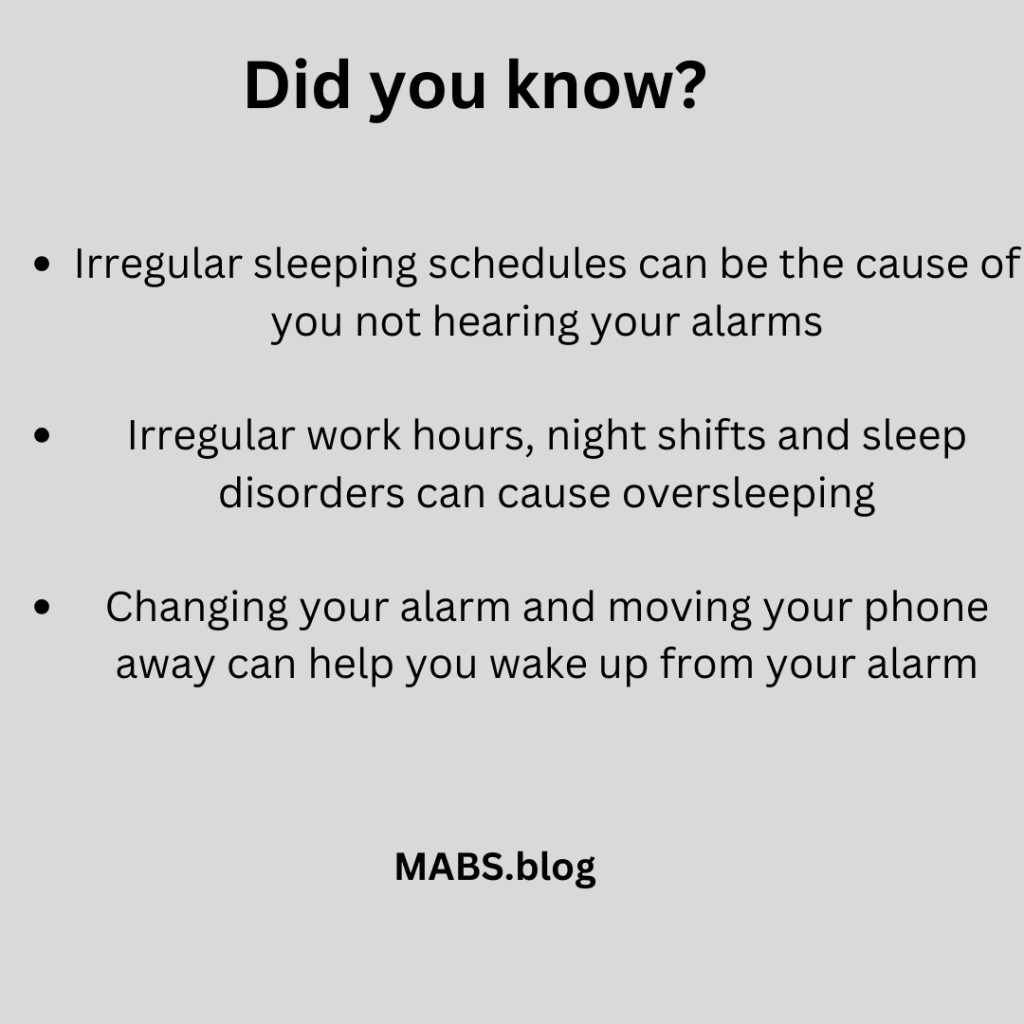
Have you ever felt irresponsible because you overslept? You couldn’t hear your alarms, even when you set them about 30 minutes apart. I promise I have been there too.

Have you figured out a way to subconsciously switch off your alarm when you are asleep, and now you feel at war with your alarm clocks? This is me on most days until I find a solution. Keep reading; I will share the secret of winning the war against the alarm clock.

The first thing is to discover why you are oversleeping and not hearing your alarms. Here are some common reasons

A lady oversleeping

1. You are not getting enough sleep

We each have our own biological sleep needs. It is the amount of sleep you need to wake up feeling refreshed and able to go about your day. It can be 7-9 hours, but if you are in medical school or on a tight schedule at work, you are lucky to get 5.

When you don’t get the sleep your body needs each night, you start to rack up sleep debt. If you are in a chronic state of sleep deprivation, then you might have sleep deprivation and a higher sleep drive, and you are probably not going to hear your alarms when they ring. 

2. You go to bed at the wrong time

Are you a morning person or a night owl? You need to figure that out so you schedule your sleep well. I am an early waker, so I must sleep early to wake up early. If you are a night owl, you need to find a way to adjust your sleep schedule to fit your activity time. 

3. You are spending too much time on social media

After a long day, you might want to reward yourself a little by scrolling through a few posts on social media, but unfortunately, you get trapped and find yourself mindlessly scrolling. Before you know it, it’s 1 am, but you must be up by 5 am. So you set up multiple alarms to wake you at 5 am or at least 5:30. But sadly, you couldn’t hear the alarm, and now it’s 8 am. Sounds familiar? Hehehe 

Now let’s discuss how to avoid sleeping through your alarms

1. Have a routine

Having a routine means going to bed at the same time and waking up at the same time every day. If having a routine is something plausible for you, try to work out a routine that benefits you.

For many who cannot work a routine out, the next best thing is sleeping the same hours daily. 

2. Dont press the snooze button

I have the magical power of switching off my alarm while asleep. For some people, they are in an infinite cycle of snoozing. Just keep your phone far from you before sleep, and let your alarm ring enough to annoy you out of bed. Then, grudgingly, make yourself a coffee or switch on the lights. 

3. Have good sleep hygiene

Sleep hygiene is a habit you develop to ensure you have quality sleep. Try reading a book before bed, eating a balanced meal, and exercising regularly. 

I remember how much my sleep improved once I started going to my gym. I could initiate sleep quickly and had a better motivation for waking up in the morning.

Speaking of motivation, you need to be motivated to wake up in the morning. Are you trying to wake up to study for a test or want more functional hours in your day? Find a way to be motivated to wake up. A cup of coffee, yummy leftovers, or a sweet conversation with your partner

4. Change your alarm tone

Having the same alarm for years can desensitize you from hearing it ring. So, changing the tone helps a lot. Furthermore, don’t set your alarm as your favorite song. Trust me, you will sleep through it or even dance to it in your dreams, haha.

Keep your alarm or phone a little distance from you; that way, you need to physically get up to stop it from ringing. 

5. Light 

Do not underestimate the power of light in waking you up; it works. Light from your phone or the lights in the bathroom work well, but you could also invest in light therapy alarm clocks  

In conclusion

Don’t beat yourself up for sleeping through your alarm. There are many solutions:

  • Have a sleep routine and good sleep hygiene.
  • Change your alarm clock.
  • Be motivated to wake up and use light to your advantage.

I hope you found this article helpful. Leave a comment below; I would like your feedback after trying these methods to ensure you wake up on time.

Betadine

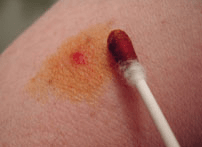
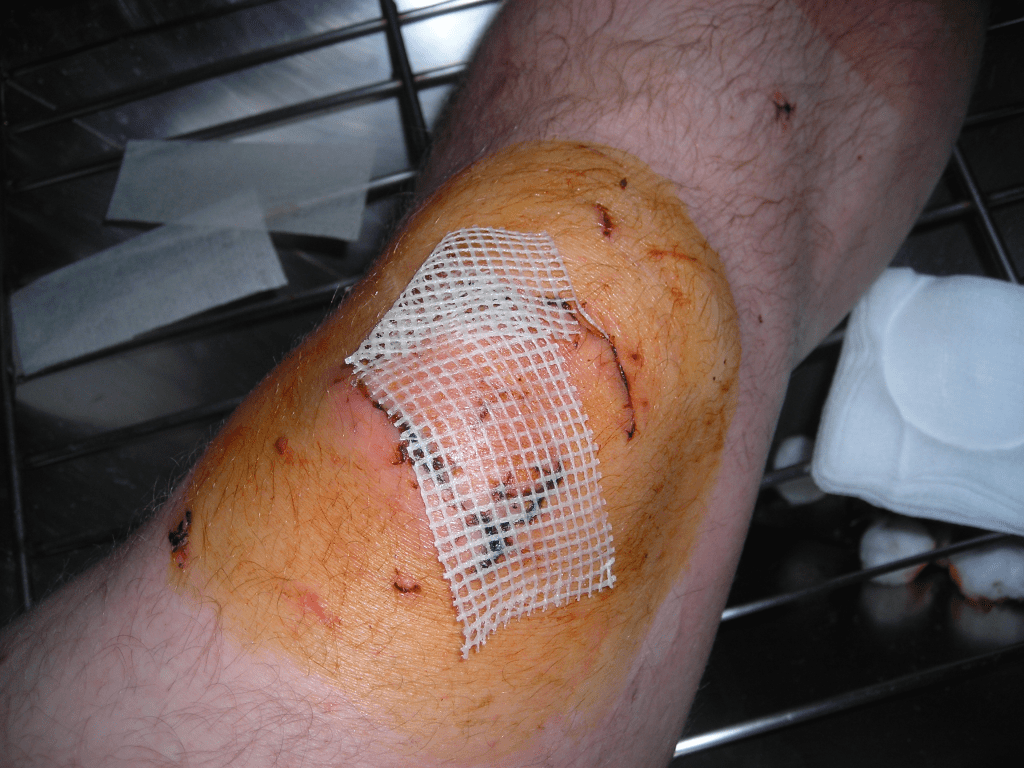
Today was the first of my many future night shifts. I am excited, of course, and proud to be here. I have been in many surgical rooms, just watching how the surgeon starts every surgery by meticulously cleaning their patients’ skin with betadine. Betadine is a brown solution that aims to kill most microorganisms on the skin. 

This article will discuss the indications and mechanisms of action of betadine.

Surgeons have been using betadine for many years to treat and prevent infections. It is iodine. I remember my grandmother (she is a retired nurse) cleaning my minor childhood wounds with iodine. It stings so bad, but of course, it does the job by cleaning the damage, preventing infection, and preventing multiple trips to the hospital.

Iodine is a natural substance that contains antibacterial properties. It is frequently used to disinfect surfaces and surgical incisions.

Why do surgeons prefer to use betadine?

Betadine is still in use because it has good efficacy and is generally well tolerated. It is easy to use and cheap. Betadine has a wide range of activity and can penetrate biofilms (thick clusters or plaques of bacteria). Additionally, betadine has little resistance; it has anti-inflammatory qualities and low cytotoxicity.

Today I watched my teacher use betadine to wash a fistula; it was so cool to watch; she said betadine could even activate cell regeneration because it causes minor stress to cells, which triggers the cell to increase.

What is the mechanism of action of betadine?

As stated earlier, iodine is the main active component of betadine. Our bodies require iodine as a vital mineral to operate properly; it is essential for thyroid function. We will discuss thyroid functions in another article. Betadine is a potent antiseptic that works well on many bacteria, viruses, and fungi. Betadine destroys germs and other microbes when applied to the skin by releasing free iodine. 

Iodine is a small molecule that readily penetrates microorganisms and oxidizes essential proteins, nucleotides, and fatty acids, leading to death. This means that betadine is bacteriocidal.

Betadine comes in different forms, including liquid, gel, and spray. The most prevalent version is a liquid rubbed onto the skin or wound with a cotton swab or gauze pad. Applying the gel and spray forms to vast regions or hard-to-reach locations is simpler.

If used as instructed, betadine is often safe and well tolerated. But in certain people, it might lead to allergic reactions and skin irritability. Furthermore, people with thyroid problems and those allergic to iodine should not use betadine.

What are the indications for betadine?

Betadine is applied directly to the skin to treat or prevent skin infection in minor burns, scrapes, and wounds. In a medical setting, betadine is also used to help heal skin wounds, pressure sores, and surgical incisions, as well as to prevent infection.

Several infections, such as those at surgical sites, those on the skin, and those in open wounds, can be prevented and treated using betadine. It is frequently used to avoid infection before and after surgery and to treat infections of the mouth, throat, and genitalia.

Why are wounds treated with betadine?

Iodine, which is released by betadine, kills a variety of germs. Since betadine may be purchased over the counter, many individuals utilize it as a natural cure to stop wound infections.

Is betadine an antibiotic?

You can call it an antibiotic because it halts or delays bacterial development.

Can I apply betadine if I have an open wound?

I recommend you visit a clinic if you have cuts. Betadine can be used to treat acute and chronic wounds and has a broad spectrum of antimicrobial action with effectiveness against bacteria, mycobacteria, fungi, protozoa, and viruses.

In conclusion

Betadine is a potent antiseptic frequently used to prevent and treat infections. It comes in a variety of forms and is effective against a large variety of bacteria, viruses, and fungi. 

Consult your doctor or other healthcare practitioner to see whether betadine is appropriate for you if you have an infection or are considering surgery.

Next week, we will discuss wound management. Keep an eye out.

Did you find this article interesting? Leave a comment and tell me if you have used betadine before.

HIV& Aids- Part 2

This part of the article is a continuation of our discussion last week. So let’s get right into it.

What are some HIV medication options?

Regardless of viral load, treatment must start immediately after an HIV diagnosis.

Antiretroviral therapy (ARV)  is a daily drug regimen that prevents HIV from proliferating. ARV is the primary method of HIV treatment. By helping to safeguard CD4 cells, this maintains the immune system’s capacity to combat disease.

Antiretroviral medication prevents HIV from developing into AIDS. Additionally, it helps lower the chance of HIV transmission to others.

When therapy is working, the viral load will be “undetectable.” So although the virus cannot be seen in the test results, the person still has HIV.

But the virus is still present in the body. Moreover, the viral load will rise once more if that person stops receiving antiretroviral therapy, and HIV will once again be able to attack CD4 cells.

Many antiretroviral drugs have received approval for the management of HIV. They strive to stop HIV from replicating and wiping off CD4 cells, which support the immune system’s ability to respond to infection.

This lessens the possibility of contracting HIV-related problems and spreading the disease to others.

There are seven classes into which these antiretroviral drugs are divided:

  • NRTIs are nucleoside reverse transcriptase inhibitors.
  • Protease inhibitors
  • CCR5 antagonists
  • Non-nucleoside reverse transcriptase inhibitors (NNRTIs)
  • Entrance inhibitors
  • Attachment inhibitors 
  • Integrase strand transfer inhibitors

Treatment plans

A starting regimen of three HIV drugs from at least two of these drug classes is typically recommended. This mixture helps stop HIV from developing drug resistance. 

A multidrug approach is essential because the medication no longer effectively treats the infection if drug resistance occurs.

A person with HIV typically takes one or two pills daily because many antiretroviral drugs are mixed with others.

Based on their general health and unique circumstances, a healthcare expert will assist an HIV patient in selecting a regimen.

Every day, precisely as directed, these drugs must be taken. Viral resistance may develop if not taken as prescribed, necessitating a new regimen.

The regimen’s effectiveness in maintaining a low viral load and a high CD4 count will be evaluated through blood tests. The patient’s doctor will move them to a more effective antiretroviral therapy regimen if it isn’t functioning.

Side effects of HIV medications

Side effects of antiretroviral medication include:

  • Nausea
  • Headaches
  • Vertigo

Fortunately, these symptoms frequently subside with time and are transient.

Mouth and tongue swelling and liver or renal damage are severe adverse effects. The dosage of the drugs can be changed if adverse effects are severe.

Antiretroviral therapy costs differ depending on a patient’s region and the sort of insurance they have. Some pharmaceutical companies offer assistance programs to help reduce costs.

Stages of HIV

HIV cases advance through three stages:

Stage 1 is the initial weeks following transmission, or the acute stage.

Clinical delay stage 2 is also known as the chronic stage.

Stage three: AIDS

It greatly varies from person to person how rapidly an HIV case moves through the chronic stage. It can persist for up to ten years before becoming AIDS without therapy. But, on the other hand, it can last forever with treatment.

HIV can be controlled, but there is no cure. However, when antiretroviral therapy is started as soon as possible, people with HIV frequently live close to everyday life.

In the same vein, AIDS is now without a known cure. Treatment, however, can raise a patient’s CD4 count to the point at which they are no longer diagnosed with AIDS. A count of 200 or more is required for this point.

Additionally, treatment usually aids in the control of opportunistic infections.

How is HIV diagnosed?

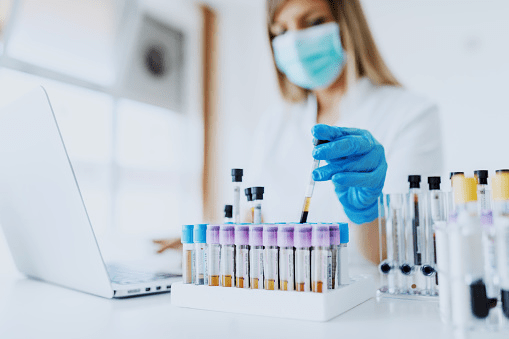
HIV can be detected using a variety of assays. Healthcare professionals choose the optimal test for each patient.

Antibody and antigen testing

The most frequently utilized assays are antibody and antigen testing. Usually, within 18 to 45 days, they can have positive results after someone catches HIV for the first time.

Antigen testing

Only antibodies are examined during these tests on the blood. Most patients develop detectable HIV antibodies, which can be identified in the blood or saliva, between 23 and 90 days after transmission.

There is no need to prepare for these procedures using mouth swabs or blood testing. Instead, a healthcare provider’s office or clinic can run some tests, with findings available in 30 minutes or less.

Testing for HIV is now simpler than ever; there are now home test kits you can enter if you think you have been exposed to the virus. However, you still need to visit the physician to confirm the diagnosis.

What to do if you have been exposed to HIV

Post-exposure prophylaxis (PEP) may be helpful for someone who tests negative during the window. This medicine is used to avoid contracting HIV following exposure.

PEP must be administered as soon as feasible after exposure; preferably, it should be administered earlier than 72 hours following exposure.

Pre-exposure prophylaxis (PrEP) is another method of preventing HIV infection. When consistently taken, the HIV medication combination known as PrEP can reduce the risk of developing or transferring the virus.

When testing for HIV, timing is crucial.

How can we prevent HIV?

Vaccine

There is currently no vaccine available to stop the spread of HIV. However, some actions can be taken to lessen the spread of HIV.

Safe sex

Anal or vaginal sex without a condom or other barrier is the most typical form of HIV transmission. Even though avoiding sex entirely is the only way to eliminate this risk, a few precautions can be taken to reduce it significantly.

When worried about their risk of contracting HIV, a person should:

Take an HIV test. They must understand their standing and that of their spouse.

Then, get tested for additional STIs (sexually transmitted infections). If they test positive, they should get treated for one because having an STI increases the chance of getting HIV.

Utilize condoms. Regardless of whether they engage in vaginal or anal intercourse, they should learn how to properly use condoms and use them every time they have sex. Pre-seminal secretions, which are released before male ejaculation, can contain HIV. Therefore, this should be kept in mind.

If you have HIV, take your medications exactly as prescribed. This reduces their chance of passing the infection to a sexual partner.

Purchase condoms online.

Other preventative measures

Other measures to stop HIV from spreading include:

Don’t pass along needles or other items. HIV can be acquired by utilizing objects that have come into touch with the blood of an HIV-positive person. HIV is transmitted through blood.

Remember PEP. To receive post-exposure prophylaxis (PEP), a person exposed to HIV should speak with their healthcare physician. HIV infection risk can be decreased using PEP. It comprises three antiretroviral drugs that are administered daily for 28 days. Before 36 to 72 hours have passed following exposure, PEP should be initiated.

Examine PrEP. Pre-exposure prophylaxis (PrEP), which reduces the risk of HIV infection, should be discussed with a healthcare physician. If taken regularly, it helps reduce the chance of contracting HIV. The pill form of PrEP contains a mixture of two medications.

More details on these and other HIV prevention measures are available from healthcare professionals.

Coping strategies for those living with HIV

There are more than 1.2 million HIV-positive individuals living in the US. Everybody’sOf course, everybody’s situation is unique, but many people can anticipate long, active lives with the right therapy.

The most critical step is to begin antiretroviral therapy as soon as feasible. People with HIV can maintain their viral loads low and immune systems robust by taking their meds precisely as directed.

Finally, Routine follow-up with a medical professional is essential.

Did you find this article helpful? Let me know in the comment section below.

HIV/Aids- Part 1

HIV-positive individuals have the potential to develop the condition known as AIDS. However, in most cases, using antiretroviral therapy can stop the onset of AIDS in HIV-positive individuals. This article will give you a comprehensive understanding of HIV, its symptoms, and its transmission mode. Because HIV is such a big topic, there will be part 2, where we will discuss the treatment and prevention of HIV.

What is HIV?

HIV weakens the immune system. CD4 cells are a type of immune cell known as a T helper cell and are impacted by untreated HIV and eventually die. As a result, the body is more susceptible to developing numerous diseases and malignancies over time as HIV destroys more CD4 cells.

How does HIV spread?

HIV is spread through body secretions, such as:

Breast milk, vaginal/rectal secretions, and blood. The virus cannot be spread via casual touch, water, kissing, or the air.

HIV can spread from one person to another in several ways, including:

  • Sharing tattoo equipment without sterilizing it
  • During pregnancy, labor, or delivery
  • During breastfeeding or premastication
  • Vaginal or anal sex is the most common method of transmission
  • Through organ and tissue transplants as well as blood transfusions

Although it is exceedingly unlikely, HIV can be spread through:

  • Oral sex (only if the person has open sores in their mouth or bleeding gums)
  • Being bitten by an HIV-positive person (only if the person has open sores in their mouth or has bloody saliva)
  • Damaged skin, wounds, or mucous membranes in contact with the blood of an HIV-positive person

HIV cannot spread through:

  • Hugging, shaking hands, or kissing air or water with another person’s skin on it
  • Consuming or drinking from drinking fountains while also exchanging saliva, tears, or sweat (unless mixed with the blood of a person with HIV)
  • Sharing a bathroom, towels, or mattress with insects like mosquitoes

It is crucial to remember that it is practically impossible to spread HIV to someone else if an HIV-positive person receives treatment and maintains a persistently undetectable viral load.

HIV can be integrated into the host cell’s DNA, which makes it a lifelong problem. Although many scientists are striving to develop a medicine to eradicate HIV from the body, none has yet been discovered. But, with proper medical care, such as antiretroviral therapy, you can control HIV and live with the infection for a very long time.

A person with HIV is more likely to acquire the deadly illness Acquired Immunodeficiency Syndrome, also known as AIDS if they don’t receive therapy.

At that moment, the immune system is insufficiently strong to combat more illnesses, infections, and disorders.

Life expectancy with end-stage AIDS is around three years if untreated. HIV can be effectively managed with antiretroviral medication, and a person with HIV can expect to live almost as long as someone who does not have HIV.

What is AIDS?

HIV-positive individuals have the potential to acquire AIDS. That is HIV’s most advanced stage. Yet, merely having HIV does not guarantee that a person will get AIDS.

CD4 cells die due to HIV infection. A healthy adult’s CD4 count typically ranges from 500 to 1,600 cells per cubic millimeter. AIDS will be declared in an HIV patient whose CD4 level are less than 200 cells per cubic millimeter.

A person with HIV may potentially be identified as having AIDS if they experience an opportunistic infection or malignancy that is uncommon in persons without HIV.

Pneumocystis jiroveci pneumonia is an example of an opportunistic illness that only affects highly immunocompromised people, such as those with advanced HIV infection (AIDS).

Fortunately, antiretroviral medication therapy can stop the onset of AIDS.

If AIDS does arise, it indicates that the immune system is seriously damaged or weak, so it can no longer effectively fight off most infections and diseases.

As a result, they are more susceptible to a variety of diseases, such as:

  • Pneumonia, tuberculosis
  • Oral thrush
  • Invasive candidiasis
  • Cryptococcal meningitis
  • Toxoplasmosis
  • Cryptosporidiosis
  • Cancers like Kaposi sarcoma (KS) and lymphoma.

Symptoms of early HIV

The acute infection stage is the first several weeks after HIV infection.

This is the phase when the virus reproduces quickly. HIV antibodies, which are proteins that take action to respond against infection, are produced as a result of the immune system’s reaction.

Some people initially don’t have any symptoms during this time. But in the first month or two after catching the virus, a lot of people have symptoms, though frequently, without realizing that HIV is the cause of those symptoms.

This is because acute-stage symptoms might resemble flu-like symptoms or those of other seasonal viruses. For example:

  • Fever\ chills
  • Lymphadenopathy
  • Body aches and pains
  • Skin rash
  • Headache
  • Sore throat
  • Upset stomach
  • Nausea

The individual experiencing these symptoms might not think they need to consult a healthcare professional because they are comparable to common illnesses like the flu.

And even if they do, their doctor might assume they have the flu or mononucleosis and not even think to test for HIV.

During this time, a person’s viral load is relatively high whether they are experiencing symptoms or not. The amount of HIV in the bloodstream is known as the viral load.

When there is a high viral load, HIV can be spread quickly to new individuals.

As a person reaches the chronic, or clinical latency, stage of HIV, the initial HIV symptoms typically go away within a few months. However, this stage may persist with treatment for many years or even decades. There may be symptoms like:

  • Morning sweats
  • Fatigue
  • Nausea
  • Vomiting
  • Weight loss
  • Body rashes
  • Persistent vaginal or oral yeast infections
  • Pneumonia
  • Shingles

HIV can continue to spread throughout this time, even with no symptoms, just like it did in the early stages.

Yet unless they get tested, a person won’t know they have HIV. So you must get tested if you believe you may have been exposed to HIV and exhibit these symptoms.

HIV symptoms at this stage might fluctuate or develop quickly. With treatment, its advancement can be significantly delayed.

If antiretroviral therapy is started early enough, persistent HIV can persist for decades with regular use and is unlikely to progress to AIDS.

Signs and symptoms of AIDS?

AIDS is Acquired immunodeficiency syndrome. This syndrome is brought on by HIV, which has often gone untreated for many years and has weakened the immune system.

Among the signs of AIDS are:

  • Persistent fever
  • Chronically enlarged lymph nodes, particularly in the groin, neck, and armpits
  • Morning sweats
  • Black spots inside the mouth, nose, or eyelids or under the skin.
  • Recurrent or persistent diarrhea
  • Rapid weight loss
  • Sores, spots, or lesions of the mouth and tongue, genitals, or anus bumps, lesions, or rashes of the skin
  • Neurological issues include memory loss, confusion, and difficulty focusing
  • Anxiety
  • Depression

In conclusion

HIV can cause AIDS if left untreated. It is important to test for HIV if you have engaged in risky behavior because HIV infection can go unnoticed for many years. Symptoms of early HIV infection are usually mistaken for flu or a slight fever.

If you think you are at risk of getting HIV, we advise you to visit the physician and do a simple HIV test. The sooner you start taking your medication, the less you risk getting HIV and the fewer chances of infecting your loved ones with HIV.

We will discuss more facts about HIV/Aids in our next post. Stay connected.

Did you like this post? Please like and share.

Antibiotics

antibiotics

Antibiotics are medications that treat infections caused by bacteria. They are also referred to as antibacterial drugs. Antibiotics work by eradicating or reducing the growth of bacteria that cause illnesses. This article will discuss all you need about antibiotics and why you should not abuse them.

Antibiotics have been around for a long time. In 1936, the first antibiotic of the contemporary era was applied. Before antibiotics, about 30% of deaths were caused by bacterial illnesses.

Antibiotics are life-saving drugs. Furthermore, they can help stop less severe illnesses from developing into more severe ones.

There are many antibacterial drug classes; the type of antibiotic your doctor will prescribe will depend on the nature of the bacteria and illness.

Antibiotics come in different forms::

  • Tablets
  • Capsules
  • Liquids/ Syrups
  • Creams/ Ointments

The majority of antibiotics may only be obtained with a doctor’s prescription. However, certain lotions and ointments containing antibiotics are sold without a prescription. Therefore, it is essential not to abuse antibiotics to prevent bacterial resistance.

Mechanism of action of antibiotics?

Antibiotics cure bacterial illnesses by eradicating the organism or reducing or stopping its growth. They achieve this by:

  • Destroying the surrounding bacteria’s wall or coating
  • Stopping the life cycle and reproduction of bacteria
  • Preventing bacteria from producing proteins

How long do antibiotics need to take effect?

Antibiotics start working as soon as you take them. However, you might not feel better until after a few days. The recovery period varies depending on the type of antibiotic and the kind of infection.

Most antibiotics need to be administered for seven to fourteen days. Sometimes, shorter therapies are just as effective. Your doctor will determine the ideal dose and the best antibiotic for you.

You must complete the entire antibiotic course to resolve your illness, even if you feel better after a few days of therapy. This will help reduce antibiotic resistance. If your doctor has not authorized an early termination of your antibiotic treatment, do not do so.

Penicillin

Penicillin, the first beta-lactam antibiotic. It was discovered accidentally. It was developing on a petri dish from a blob of mold (fungus). Scientists found the fungus to make penicillin naturally. In the end, the fungus was used in a laboratory to ferment massive amounts of penicillin.

Where are antibiotics made?

All antibacterial drugs are created in laboratories. Some are created by a succession of chemical processes that result in the medication’s active ingredient.

Some antibiotics are produced, at least in part, using a regulated natural process. This procedure is frequently accelerated by specific chemical reactions that might change the starting molecule to make a new drug.

What is antibiotic resistance?

Antibiotics are strong drugs that treat many infections effectively. Unfortunately, some antibiotics are no longer as effective as they used to be due to antibiotic resistance.

When these antibiotics can no longer control or eradicate bacteria, it becomes difficult to treat people.

More than 2.8 million cases of antibiotic-resistant bacterial infections are reported annually, with at least 35,000 fatalities.

Examples of antibiotic-resistant bacteria include:

  • Clostridium difficle clostridium (C. diff)
  • Enterococcus resistant to vancomycin (VRE)
  • Staphylococcus aureus methicillin-resistant (MRSA)
  • Enterobacteriaceae that are Carbapenem-resistant (CRE)

Antibiotic abuse

The misuse or overuse of antibiotics is the main factor contributing to antibiotic resistance. One estimate puts the needless usage of antibiotics at up to 28%. This is because doctors frequently prescribe antibiotics even when they are not necessary.

How to reduce antibiotic abuse

  • Antibiotics should only be used for bacterial infections
  • Antibiotics should not be used to treat viral illnesses, including the common cold, flu, cough, or sore throat.
  • Take antibiotics as your doctor has prescribed, and do not skip doses
  • Use the appropriate antibiotic. Resistance may develop if the incorrect antibiotic is used to treat an infection.
  • Do not take someone else’s antibiotics.
  • Do not use antibiotics that were used in a previous therapy
  • Let your doctor prescribe the best antibiotics for you

What diseases do antibiotics treat?

Antibiotics treat bacterial infections. Unfortunately, the symptoms of a virus and bacterial infection are frequently similar; distinguishing between the two can sometimes be challenging.

To identify the source of your infection, your healthcare provider will examine you physically and assess your symptoms. To determine the source of the infection, they could occasionally ask for a blood or urine test.

Common bacterial illnesses include the following:

  • Urinary Tract infections (UTIs)
  • ear and sinus infections
  • throat infection

Antibiotics do not work against viruses, including influenza and the common cold. Additionally, they are ineffective against fungal infections like:

  • Candida infections
  • Athlete’s foot
  • Ringworm

Antifungals, a distinct class of drugs, treat fungal infections.

Side effects of antibiotics?

Antibiotics have similar side effects, most commonly gastrointestinal distress. These include:

  • Diarrhea
  • Nausea
  • Vomiting
  • Cramps

Taking the antibiotic with food can sometimes lessen these side effects. Certain antibiotics, however, need to be taken on an empty stomach. The ideal way to take your antibiotic should be discussed with your doctor or pharmacist.

Gastrointestinal discomfort usually disappears once treatment is discontinued. However, you should call your doctor if it does not.

You should also call your doctor if you experience the following:

  • Severe diarrhea
  • Severe stomach pain and cramps
  • Bloody stools
  • Fever

In conclusion

Using antibiotics properly maximizes their effectiveness. The first step is to be sure you have a bacterial infection. Then, only use antibiotics for bacterial infections as directed by your doctor or pharmacist. For example, some antibiotics must be taken with meals, while others must be taken on an empty stomach.

Moreover, antibiotics should be taken at the recommended dosage and for the specified time. After taking the antibiotic for a few days, you might feel better, but you shouldn’t stop your therapy before consulting a doctor.

Did you find this article helpful? Leave a comment in the section below.

Modern problems in healthcare

Modern problems require modern solutions. Today we will discuss some of the problems modern healthcare faces and innovative ideas to solve them.

Staffing issues and burnout

Health systems continue to have a staffing deficit. Staff shortages are the second most common problem in healthcare after finances. Many people place a high priority on finding and keeping staff, especially certified nurses. 

Another reason there is a shortage of health workers is the aging workforce and burnout.

Being current with new developments in medical sciences

Gene therapy, nanomedicine, mRNA research, digital medicine, and other fields that are growing quickly are all seeing a lot of new ideas. Doctors also require clarity on the most recent scientific data. The difficulty facing health system officials is that hospitals are unable to keep up with these developments.

Healthcare administrators and physicians must change their methods to keep pace with the breakthroughs as the available treatment always changes.

The leadership of the hospital must stay up to date on the most recent research and information and eventually do cost-benefit evaluations of new choices to evaluate how these innovations can best support the delivery of care by their physicians.

Promoting equity in health

Hospital executives are focusing entirely on the treatment discrepancies encountered by underserved patient populations, such as socioeconomic, ethnic, and gender-based disparities, and they are discovering that these issues are challenging to unravel.

The language of therapeutic information, such as patient education handouts, can contain subtle biases. They may also spread among the caregivers on a team. For instance, compared to white patients, black patients are 2.5 times more likely to have poor patient behavior and history descriptions in their electronic health record (EHR) notes.

Patient protection

Patient safety has long been a tough problem for health systems and their leaders, from drug and diagnostic errors to surgical mishaps. For example, hospital-acquired infections (HAIs) continue to place a heavy strain on healthcare systems. 

To provide the finest patient care possible, hospital executives and leaders must overcome a number of obstacles. For example, having access to reliable clinical technologies and evidence-based treatments can improve decision-making, quality, and patient and financial outcomes throughout the whole care continuum.

The high cost of medical care

The high expense of healthcare may be the most important problem currently. Due to the high cost of healthcare, many people choose not to seek medical attention when they are ill or completely avoid coming to the doctor for routine preventative care.

Many people struggle to pay for their prescriptions, causing them to miss doses or otherwise not take their medication as directed. Each of these actions has the potential to cause major health problems and hence raise future medical expenses.

The healthcare sector, insurers, and state and federal government agencies all have a role to play in reducing the cost of healthcare. The focus of current measures is on a dedication to lowering insurance prices and enacting thorough pricing caps for services.

Nonetheless, there are actions that health care administrators can do at the administrative level. Administrative expenses like invoicing, scheduling, and insurance filing account for 25% of health care spending. Automating repetitive tasks, establishing payer-provider communication platforms, and enacting industry-wide changes can reduce the cost of medical care.

Health Equity 

The healthcare sector has long been aware of the enormous variations in patient outcomes among various groups. These differences are not just related to finances and medical expenses. Instead, environmental factors also have a significant influence on one’s health and well-being.

These elements—collectively referred to as social determinants of health—include a person’s ZIP code, color, and ethnicity; the quality of the air and water; and their access to good-quality employment, housing, education, transportation, and food.

In other places, enduring racial and socioeconomic injustices have also contributed to generations of ill health. All of these factors have an impact on a person’s general health and capacity to seek medical care.

It costs more money to handle health crises in marginalized populations, which frequently necessitate hospitalization or ER visits.

Just like the high cost of healthcare, addressing health equity requires collaboration between regional, state, and federal organizations and healthcare providers.

To address environmental concerns and increase access to healthcare for marginalized areas, it is possible to use housing, transportation, and partnerships with healthcare NGOs and churches.

To address the needs of patients, healthcare executives might set up a variety of various programs. Telehealth, for instance, can assist patients who lack access to transportation, as is common in many rural locations, yet internet infrastructure is still an issue.

Additional initiatives include community partnerships, care teams that expedite patient care, and in-home senior care.

The benefits and drawbacks of technology

Although the current healthcare situation offers numerous opportunities, if handled improperly, it could result in a host of issues. Data are now used more and more in healthcare.

The difficulty comes from handling this enormous data sea. In addition to information stored in electronic health records (EHRs), this data also consists of administrative information such as addresses, demographics, information about insurance policies and claims, payment history, and appointment scheduling.

Artificial intelligence has a higher impact on healthcare. The administration and delivery of healthcare are being increasingly impacted by the use of artificial intelligence (AI). Simple, repetitive operations like patient intake and scheduling can be improved with AI and machine learning.

Staff may now focus on more difficult problems, which will save time and money. AI can also assist in forecasting staffing requirements, making it simpler for managers to staff effectively. In addition, AI can help doctors with administrative work, freeing them up to concentrate on patient care.

Last but not least, some managers and health insurers have started utilizing big data analytics and AI to forecast health risks as well as track and evaluate illness outbreaks.

The increasing lack of providers

Several issues are contributing to this shortage: an aging population, which requires more medical care; localized healthcare provider shortages, where a region lacks sufficient numbers of doctors and nurses to serve the community; and burnout, which occurs when medical staff is overwhelmed and overstressed or work too many shifts, leading some to leave the profession.

To combat the shortfall, providers are coming up with innovative solutions. This can require revising recruitment strategies and placing more emphasis on long-term workforce planning. In order to put together a competitive compensation plan, health administrators may need to look at salary, paid time off, and benefits.

In addition, making sure departments have enough employees on hand can help avoid overwork, medical mistakes, and fatigue. In order to boost employee satisfaction, additional changes might concentrate on providing opportunities for training and advancement.

In conclusion

This is a hard and exciting time to work in the healthcare profession since administrators’ time is being consumed by all the current healthcare challenges. Despite the complexity of these problems, officials in the health administration are coming up with creative solutions that will improve the health and well-being of millions of people.

The MABS blog aims to educate people about medicine and issues in medicine. Keep reading my blog and leave comments.

Fibriods and fertility

Miscarriage

Growing up in an African community, I always heard stories of women struggling with infertility because they had fibroids. These women complained of painful periods, heavy periods, bloating, and miscarriages. This article aims to shed light on fibroids and how these benign uterine tumors affect fertility.

What are fibroids?

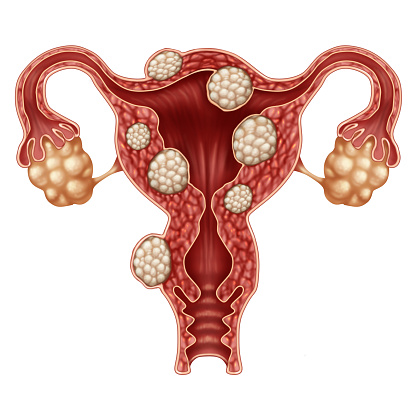
Fibroids occur when the uterus’s muscular tissue develops a benign (noncancerous) tumor. These benign uterine tumors are also known as myomas and leiomyomas.

Fibroids may be problematic because they alter the size and shape of the uterus and, occasionally, the cervix. Most women have multiple fibroids, but some can have just one. The position, size, and number of fibroids determine whether they are symptomatic or need to be treated.

Although they occasionally occur in the cervix, fibroids are typically located in or near the uterus’s body.

Uterine fibroid is a medical concept as a human female reproduction uterus disease symbol for fertility problems and reproductive system health.

Types of fibroids

Subserosal: These fibroids are on the uterus’s exterior wall (55%)
Intramural: These fibroids are in the muscular layers of the uterine wall( 40%)
Submucosal: These fibroids protrude into the uterine cavity (5%)

Fibroids can also be attached to neighboring ligaments or organs, such as the bladder and colon, or connected to the uterus via a stalk (pedunculated). Seldom are fibroids discovered outside of the pelvic cavity.

What is the prevalence of fibroids?

20% of women of reproductive age have fibroids, but black women (between 50% and 80%) have more. Uterine fibroids may have a variety of genetic, hormonal, and environmental causes. However, the exact causes are unknown.

Does having fibroids affect fertility?

Fibroids are present in 5% to 10% of infertile women. Whether fibroids have an impact on fertility depends on their size and location. Examples include massive (>6 cm in diameter) uterine wall fibroids or submucosal fibroids inside the uterine cavity.

Most women with fibroids won’t have trouble getting pregnant. However, women with fibroids should be evaluated for other fertility issues before commencing fibroid treatment. A fertility expert will help determine the fibroids are the cause of infertility.

How do fibroids result in infertility?

Uterine fibroids can decrease fertility in several ways, including:

  • Changes in the shape of the cervix might reduce the amount of sperm that can enter
  • The migration of the sperm or embryo can be hampered by changes in the uterus’s shape.
  • Fibroids may obstruct fallopian tubes
  • Fibroid may affect how thick the uterine cavity lining is
  • Fibroids might alter the uterine cavity’s blood flow hindering the embryo’s ability to attach to the uterine wall

Can getting rid of fibroids make you more fertile?

Some patients may experience improved fertility after eliminating fibroids with uterus-preserving procedures. However, the primary goal of fibroid removal is to relieve symptoms like excessive bleeding and bloating.

Can someone with fibroids still become pregnant?

A lot of people who have fibroids can become pregnant. However, discussing your objectives and top priorities with your doctor is advisable to increase your chances of having a safe pregnancy. In addition, a gynecologic surgeon can talk to you about treatment choices to help maintain your fertility if fibroids negatively affect your quality of life.

What happens to fibroids once a woman is pregnant?

About 2% to 12% of pregnant women have fibroids. However, not all fibroids enlarge or create issues. Most fibroids grow during the first trimester of pregnancy.

What risks do pregnant women with fibroids have?

  • Fibroids may raise the risk of preterm birth or miscarriage
  • Fibroids may get bigger than their blood supply, resulting in severe pain.
  • Fibroids can also alter the location of the fetus within the uterus.

Your physician will help determine how the fibroids are managed depending on your situation. Pregnancy rarely necessitates or requires surgery.

After removing a fibroid, a woman should talk to the obstetrician who will deliver the baby if she becomes pregnant. It could be advised to have a cesarean section.

Which fibroid therapies improve fertility?

Myomectomy is the gold standard treatment for younger patients with fibroids who want to keep their fertility. Unlike a hysterectomy, a myomectomy spares your uterus, so you can still get pregnant following the treatment. A single, big incision can perform a myomectomy, but physicians prefer minimally invasive methods like robotic surgery and laparoscopic surgery.

You may be a candidate for a myomectomy, depending on several criteria. These criteria are:

  • The location of your uterine fibroid(s)
  • How big your fibroid is (s)
  • how many fibroids you have
  • Your general well-being

How are fibroids managed or removed while pregnant?

Doctors cannot remove fibroids during pregnancy, but they can help you manage your symptoms.

Is it possible to have a “normal” or “natural” delivery if you have fibroids?

Most people with fibroids can give birth naturally (delivery through the vagina). Fibroids do, however, raise the possibility of a C-section. Contrary to pregnant women without fibroids, individuals with fibroids are six times more likely to require a C-section.

Do fibroids naturally disappear after giving birth?

Fibroids frequently increase during pregnancy and frequently shrink after birth. Nonetheless, some people might still have fibroids symptoms like heavy periods and bloating. Some treatments may help you if you continue to have these symptoms.

In conclusion

Fibroids can have a negative impact on your fertility in different ways. They can influence conception, the ability of an embryo to implant, the continuation of a pregnancy, and the development and position of the fetus.

Each patient’s course of treatment is chosen individually. It is based on fibroids’ symptoms, and these treatments could increase fertility. Your physician’s suggestions and the severity of your symptoms will determine how and whether you should treat your fibroids.

Did you find this article helpful? Leave a comment in the section below.

Lights on or off?

Sleep is an essential component of our lives. It is crucial for maintaining our bodily and mental health and general well-being. Yet, several factors, such as stress, anxiety, lifestyle, and environmental factors, frequently affect the quality of our sleep. The presence or absence of light is one of the most critical environmental elements that affect how well we sleep. This article will discuss the benefits of sleeping in the dark. We will also discuss the dangers of sleeping with the lights on.

You need a dark room to have a restful night’s sleep. Now let us discuss some advantages of sleeping in a dark room.

Improved Sleep

Melatonin is a hormone that controls our sleep-wake cycle. Our body produces it while we sleep in the dark. Melatonin is also called the sleep hormone because it makes us sleep more quickly and longer. Melatonin production is suppressed when we are exposed to light, mainly blue light, from electronic gadgets, making it challenging to get to sleep and stay asleep. Thus, sleeping in a dark room can aid in promoting higher-quality rest.

Decreased Risk of Obesity

Several studies have found that nighttime light exposure can reduce our circadian cycle, resulting in weight gain and obesity. In addition, melatonin regulates our metabolism, whose production can be interrupted to cause weight gain and a slowed metabolism. As a result, sleeping in the dark can aid in promoting a healthy weight and lowering the risk of obesity.

Better Mood

Sleeping in the dark can also make us feel better. Our circadian cycle can be thrown off if we are exposed to light at night, leading to mood problems, including anxiety and despair. However, we can control our circadian rhythm by sleeping in the dark, elevating our mood, and lowering the risk of mood disorders.

Better Cognitive Function

 Sleeping in the dark can also help us think more clearly. Research has shown that nighttime light exposure might affect memory and learning abilities. Melatonin is produced more frequently when we sleep in the dark, and this hormone can help with memory and cognitive function.

Sleeping in the dark can also help lower your risk of developing chronic illnesses like diabetes, heart disease, and cancer. This is because our circadian cycle can be thrown off if we are exposed to light at night, which increases our chance of developing certain disorders. Hence, sleeping in the dark can control our circadian rhythm and lower our chance of developing chronic illnesses.

Now let us discuss why we should not turn the light on while sleeping.

Circadian rhythm disruption

As we already discussed, melatonin regulates the circadian rhythm. Melatonin production, which aids in sleep onset and maintenance, is suppressed by light exposure. Therefore, by inhibiting melatonin production sleeping with the lights on can mess with our circadian cycle and make it more challenging to sleep and remain asleep.

Reduces Deep Sleep

Our bodies replenish and repair themselves during the deep rest period. However, research has shown that even low light exposure can affect how much deep sleep we obtain. This is because our brains are still processing visual information when we sleep with the lights on, which can obstruct the course of our sleep cycles, including the period of deep sleep.

Exposure to light at night has been associated with an increased chance of developing depression. According to a National Institutes of Health study, women who watched television in bed or slept with the lights on experienced higher rates of depression than those who slept in complete darkness. According to the study, exposure to light at night can raise the risk of depression by interfering with the circadian rhythm and hormones that control mood.

Increased obesity risk

Sleeping with the lights on can also increase your chance of becoming obese. The hormone that controls our sleep-wake cycle, melatonin, also aids in regulating our metabolism. Melatonin production is decreased while we sleep with the lights on, which might result in a slower metabolism and weight gain. The timing of our hunger hormones can also be thrown off by exposure to light at night, which can increase appetite and overeating.

Studies have shown that exposure to light at night is associated with an increased risk of breast cancer. According to this notion, exposure to light at night reduces melatonin production, which might interfere with the body’s average production of progesterone and estrogen and raise the risk of breast cancer. In addition, breast cancer rates have been observed in women who habitually sleep with the lights on or work night shifts.

Effects of Melatonin Production

As noted, the pineal gland releases the hormone melatonin in reaction to darkness. Melatonin plays a role in regulating our sleep-wake cycle. Still, it also plays other crucial roles in the body, such as controlling the immune system and serving as an antioxidant. Melatonin production can be suppressed by light exposure at night, which may affect our general health and well-being.

May Lead to Insomnia

Insomnia is a sleep condition that is frequently present and is defined by difficulties falling or staying asleep. Exposure to light at night may disrupt the body’s sleep-wake cycle, making it more challenging to sleep and stay asleep. In addition, a condition known as “delayed sleep phase syndrome,” characterized by a delayed initiation of sleep and a later wake-up time in the morning, can also be brought on by exposure to light at night.

In conclusion, sleeping with the lights on can harm our health and well-being in several ways. For example, it may interfere with our circadian rhythm, diminish the quantity of deep sleep, raise our risk for depression and obesity, and increase our risk for breast cancer and melatonin production. Try to sleep with the lights off or reduce the brightness in the room if you are uncomfortable sleeping in the .dark

Thank you for reading this blog. Please comment, like, and share. See you next week.

NSAIDs and ulcers

NSAIDs are non-steroidal anti-inflammatory drugs. These drugs help reduce pain and inflammation. NSAIDs include medications like Aspirin, Ibuprofen, Diclofenac, and Naproxen. You can often get them in the pharmacy without a doctor’s prescription.

Ulcers are painful sores caused by damage or constant irritation by stomach acid. They can happen in the stomach or the intestines. 

This article will describe the relationship between NSAIDs and ulcers. We will also discuss ways to prevent NSAIDs -induced stomach ulcers.

 If you have chronic pain, taking NSAIDs like ibuprofen and aspirin without protecting your stomach is bad. NSAIDs can cause stomach ulcers because they alter the protective mucus barrier in the stomach. If left untreated, ulcers can predispose you to gastrointestinal bleeding and anemia. 

The risk of developing an ulcer depends on the type of NSAIDs, dosage, and duration of use.

How do NSAIDs cause ulcers?

NSAIDs interfere with the stomach’s capacity to defend itself against gastric acids, which can result in ulcers. Although these acids are essential to digestion, if the stomach’s protective barriers are breached, they can cause harm.

Chronic use of NSAIDs causes stomach and duodenal ulcers because these drugs inhibit the enzyme cyclooxygenase-1, COX-1. COX-1 facilitates the production of prostaglandins which protect the GI mucosa. Therefore, mucosa damage occurs because of COX-1 inhibition by NSAIDs.

Furthermore, the use of NSAIDs results in gastric hypermotility, microvascular problems, and neutrophil activation, all of which cause damage to the stomach. The prostaglandin (PG) shortage brought on by COX-1 inhibition is linked to gastric hypermotility and subsequent vascular abnormalities.

Can people who have stomach ulcers use NSAIDs?

In general, acetaminophen (Tylenol or paracetamol) should be the over-the-counter pain medication for people with ulcers. You should only use aspirin, ibuprofen, ketoprofen, or naproxen sodium if your doctor has given you the go-ahead. See a doctor if acetaminophen (Tylenol or paracetamol ) cannot relieve the discomfort.

Taking NSAIDs can worsen your stomach ulcers, so it is better to use acetaminophen.

How much NSAIDs can cause ulcers?

Ulcers can develop as soon as seven days after beginning an NSAID, but they often require a few weeks. Another crucial factor is the NSAID dosage. The chance of getting an ulcer often increases with NSAID doses. However, some people can develop an ulcer after taking merely one baby aspirin daily.

Which NSAID has the highest and lowest risk for ulcers?

Ibuprofen, diclofenac, and etodolac are the NSAIDs with the lowest risk, whereas the greatest risk NSAIDs include azapropazone, ketoprofen, indomethacin, and piroxicam. You have an increased risk for stomach ulcers if you use larger doses and multiple NSAIDs. 

How do you treat NSAID-induced ulcers?

The only medication with FDA-approved labeling for NSAID-induced ulcers is misoprostol. You can also use H2-receptor antagonists, with or without antacid, omeprazole, or misoprostol. The majority of patients recover within two to three months.

Can NSAID ulcers heal on their own?

Ulcers brought on by NSAIDs typically disappear once you stop using them. However, the doctor may advise taking antacids to neutralize the acid and prescribe medications like H2-blockers or proton-pump inhibitors (omeprazole) to lessen the amount of acid the stomach generates to aid the healing process and relieve symptoms in the interim.

Additionally, you can eat a healthy diet to facilitate rapid healing. For example, you can incorporate more cabbage and cranberry into your diet, reduce alcohol and caffeine intake and stop smoking.

What are the warning signs of an ulcer?

  • The symptoms of an ulcer include:
  • Gnawing stomach pain.
  • Bloating.
  • Intolerance to fatty foods.
  • Heartburn.
  • Nausea
  • Vomiting
  • Loss of appetite
  • Weight loss
  • Early satiety
  • Blood in stool
  • Dark stools

What happens if an ulcer goes untreated?

Untreated ulcers can result in major problems like internal bleeding. While bleeding is the most frequent problem that can happen, most people with ulcers won’t experience it. Anemia or even severe blood loss can result from a slow-bleeding ulcer.

Diagnosis

A healthcare professional may request several tests when ulcer symptoms are present to ascertain the reason and confirm the diagnosis. The doctor may already have a strong hunch if you tell them you take NSAIDs for chronic pain.

They might order a breath, blood, or stool test to rule out infection. They will also do imaging tests like upper GI series and upper endoscopy.

Upper GI series: They give you barium to drink. Once you consume it, the doctor takes X-ray pictures. On imaging, the barium makes the interior organs more visible.

Upper endoscopy: The esophagus, stomach, and duodenum are examined using a flexible tube with a camera. Doctors can remove tiny bits of tissue (a biopsy) from the lining of the digestive tract during this treatment. 

Risk factors that predispose to NSAIDs-induced ulcers

  • Old age
  • Taking corticosteroids
  • Past medical history of ulcers
  • Taking high-dose NSAIDs
  • Chronic use of NSAIDs
  • Have an infection with H. pylori
  • On blood thinners
  • Smoking
  • Alcohol
  • Caffeine

In conclusion

The majority of people who use NSAIDs won’t get ulcers. However,  those taking high doses of these drugs should know the danger.

In some circumstances, it may be appropriate to inquire with a physician about ulcer prevention strategies and whether they should be implemented while taking large doses of NSAIDs. Getting a diagnosis and starting treatment is crucial if an ulcer is suspected because untreated ulcers can create complications.

Thank you for reading this article. Like and share to create awareness about the dangers of the chronic use of NSAIDs. See you next week.