It’s normal to feel sad sometimes. But if your sadness lasts two weeks or longer and affects your ability to handle daily life, it could be depression.
According to the National Institute on Aging (NIA), depression is not a normal part of getting older—and the good news is, it’s treatable at any age.
Erik Erikson’s Integrity vs. Despair
Psychologist Erik Erikson described eight stages of life. The final stage, Integrity vs. Despair, occurs from around age 65 until death. During this stage, older adults look back on their lives and reflect on what they’ve done, who they’ve loved, and what they’ve achieved.
Integrity
Integrity is a sense of peace and satisfaction with one’s life journey.
Characteristics:Gratitude, acceptance of mistakes, and appreciation for meaningful accomplishments.
Outcome: A sense of wholeness and the ability to face death calmly, with wisdom.
Despair
Feelings of bitterness and regret over missed opportunities.
Characteristics: Fear of death, hopelessness, and dissatisfaction with how life turned out.
Outcome: Emotional distress, which can deepen into depression if not addressed.
Reaching integrity can bring wisdom and peace, while despair can lead to sadness, regret, and isolation, making older adults more vulnerable to mental health challenges like depression.
Depression in Old Age
More than 1 in 10 older adults experience depression. Among those in residential care homes, the rate rises to over 3 in 10.
Yet, many cases go unnoticed because symptoms are often mistaken for “just getting old.”
Common Risk Factors
Chronic medical conditions (like heart disease or arthritis)
Family or personal history of depression
Stressful life events
Poor sleep or sleep disorders
Lack of exercise or physical activity
Social isolation or loneliness
Loss of a loved one
Warning Signs of Depression in Seniors
Depression may not always appear as sadness. Look out for:
Difficulty sleeping or sleeping too much
Fatigue or loss of energy
Weight loss or changes in appetite
Withdrawal from friends or activities
Neglecting personal care
Increased alcohol use
Talking about death or giving away possessions
If an older person is talking about death, changing their will, or isolating themselves, take it seriously. These may be signs of suicidal thoughts.
Need immediate help? Call the 988 Suicide & Crisis Lifeline at 988 (available 24/7) or visit 988lifeline.org. For TTY users, dial 711 then 988 or 800-799-4889.
How to Support an Older Adult Living with Depression
Depression can make people withdraw, but connection helps healing. Here’s how you can support an older friend, neighbor, or family member:
Invite them for a walk, coffee, or shared activity
Encourage them to talk to their doctor, depression can be treated at any age
Listen without judgment
Help them stay connected through visits, calls, or social events
Loneliness is one of the biggest causes of depression in older adults. A simple chat or visit can make a world of difference.
Treatment Options for Depression in Older Adults
Treatments work, but patience is key. Antidepressants may take longer to show results in older adults, and therapy needs to be tailored for their unique needs.
Common Treatments
Antidepressant medications (6–8 weeks for full effect)
Cognitive Behavioral Therapy (CBT) to reframe negative thoughts
Exercise and social engagement to boost mood
Electroconvulsive Therapy (ECT) for severe or treatment-resistant cases
Music or art therapy to promote emotional release and joy
A combination of medical, social, and psychological support often provides the best outcome.
Protecting Mental and Emotional Health as You Age
It’s never too late to build habits that support emotional well-being.
Simple Ways to Prevent Depression
Stay physically active (even short walks help)
Get 7–9 hours of sleep per night
Keep in touch with family and friends
Eat nutritious meals
Engage in hobbies and community activities
Seek medical advice for any persistent low mood or sleep issues
Sleep and Mental Health in Older Adults
Sleep changes with age. Many older adults experience:
Lighter sleep and more awakenings
Earlier bedtimes and wake times
Difficulty falling or staying asleep
Why It Happens
A weakened circadian rhythm and reduced melatonin production
Chronic health issues like pain or breathing problems
Medications that disrupt sleep
Reduced activity and sunlight exposure
Depression and anxiety
How to Sleep Better
Go to bed and wake up at the same time daily
Keep your bedroom quiet, dark, and cool
Limit caffeine, alcohol, and nicotine
Exercise during the day, but not before bed
Avoid heavy meals and reduce liquids at night
If you can’t sleep after 30 minutes, get up and do something relaxing
Talk to your doctor about insomnia or medication side effects
Good sleep not only boosts mood but also helps memory, focus, and overall quality of life.
Conclusion
Aging comes with wisdom and experience, but also change and reflection.
When older adults struggle to find peace with their past or lose a sense of purpose, depression can quietly creep in.
By staying connected, seeking help early, and understanding the emotional journey of later life, older adults can rediscover hope, peace, and integrity and continue to live meaningfully.
If you found this helpful, share it to raise awareness about mental health in older adults.
Caring for a loved one with Parkinson’s disease (PD) can be a deeply rewarding experience, but it also comes with challenges that test patience, resilience, and adaptability. Parkinson’s affects movement, mood, and cognition, and its symptoms can vary daily. For caregivers, understanding the disease and implementing practical strategies can make a huge difference for both the patient and themselves.
This guide covers everything you need to know to provide compassionate, safe, and effective care. But First lets take a look at Maria’s Journey
What Maria Taught us about Caregiving
Maria was 32 when her father, Samuel, was diagnosed with Parkinson’s disease. At first, the tremors in his hands seemed minor—sometimes spilling a cup of coffee or dropping his keys. But over time, the stiffness in his legs and slowness in movement became more noticeable.
Maria worked full-time but decided to become her father’s primary caregiver. The first few months were overwhelming. She struggled to keep track of his medication schedule, worried constantly about him falling, and felt guilty when she needed a break. Samuel, proud and independent, sometimes resisted her help, which made communication tense.
Determined to make it work, Maria started educating herself about Parkinson’s. She learned about exercises that improved balance, adaptive tools to help her father dress and groom himself, and ways to manage constipation with a fiber-rich diet. She set up pill organizers and alarms to make sure medications were taken on time, and she rearranged the house to reduce tripping hazards.
Even with all her planning, the emotional toll was heavy. Maria realized she was experiencing caregiver stress—she felt exhausted and anxious. She turned to a local Parkinson’s support group and learned about respite care, giving herself a few hours each week to rest while a trained caregiver helped her father. She also built a “backup team” of cousins and neighbors who could step in when needed.
Months later, Maria noticed a change—not just in her father, who seemed more confident walking with his cane and less frustrated during meals, but in herself. She felt more prepared, less stressed, and more capable of providing compassionate care. She learned that caregiving isn’t just about doing tasks; it’s about patience, communication, and building a support system that works for both the caregiver and the loved one.
1. Be Honest with Each Other
Open communication is the foundation of caregiving. Discuss symptoms, daily struggles, and emotional experiences with your loved one. Parkinson’s can affect mood and cognition, which may lead to frustration or anxiety. Honest conversations help you understand their priorities, fears, and limitations, and allow them to participate in decisions about their care.
Tip: Schedule a weekly check-in to discuss how they’re feeling and what adjustments might be needed.
2. Educate Yourself
The more you know about Parkinson’s, the better you can anticipate challenges. Learn about:
Motor symptoms: tremors, rigidity, slow movements, and balance issues.
Non-motor symptoms: depression, anxiety, sleep disturbances, and cognitive changes.
Treatment options: medications, therapies, and lifestyle adjustments.
Tip: Join support groups or follow Parkinson’s organizations online for up-to-date resources and practical advice.
3. Attend Doctor’s Appointments
Accompany your loved one to appointments whenever possible. This ensures:
You fully understand the treatment plan.
You can monitor medication effectiveness and side effects.
You can report new symptoms your loved one may not notice.
Tip: Take notes during appointments or record questions in advance to make sure nothing is missed.
4. Stay on Top of Insurance
Parkinson’s care can involve medications, physical therapy, and specialized equipment. Keep track of:
Health insurance coverage
Prescription plans
Medical bills and reimbursements
Being proactive prevents last-minute stress and ensures uninterrupted care.
5. Be Flexible
Parkinson’s symptoms can fluctuate from day to day, or even hour to hour. Some days, tasks like walking or eating may be harder. Be ready to adjust routines, schedules, or expectations based on how your loved one feels.
Tip: Focus on what can be done rather than what can’t, celebrating small victories maintains morale.
6. Make Sure Medications Are Taken on Time
Medication timing is critical for managing Parkinson’s symptoms. Missed or delayed doses can lead to:
Increased tremors
Stiffness
Slowness in movement
Tip: Use pill organizers, alarms, or smartphone reminders. Keep a medication log to track doses and any side effects.
7. Use Tools to Make Grooming Easy
Parkinson’s can make fine motor tasks challenging. Adaptive tools can maintain independence and reduce frustration:
Tip: Always keep walking paths clear and well-lit.
Provide Fiber-Rich Foods to Prevent Constipation
Constipation is a common non-motor symptom of Parkinson’s. Include:
Fresh fruits and vegetables
Whole grains and legumes
Adequate water intake
Tip: Regular meals, hydration, and gentle exercise like walking or stretching can help digestive health.
10. Recognize Caregiver Stress, Strain, and Burnout
Caring for someone with Parkinson’s can be physically, emotionally, and mentally taxing. Common issues include:
Stress: Worry about your loved one’s health or daily tasks
Strain: Physical exhaustion from lifting, assisting, or household duties
Burnout: Feeling overwhelmed, irritable, or disconnected
Use tools like the Caregiver Stress Inventoryto evaluate your wellbeing. Being proactive about your mental and physical health is just as important as caring for your loved one.
11. Build a Backup Team
You don’t have to manage everything alone. Build a network of:
Family members or friends
Professional caregivers or home aides
Community support groups
A reliable support system ensures consistent care, especially during emergencies or when you need a break.
Consider Respite Care
Respite care provides temporary relief for caregivers. Options include:
In-home professional care for a few hours or days
Short-term stays in a care facility
Community programs or adult day care
Taking time for yourself helps prevent burnout, reduces stress, and allows you to recharge while ensuring your loved one is safe and cared for.
In conclusion
Caring for someone with Parkinson’s requires patience, flexibility, and preparation. By educating yourself, supporting medication adherence, ensuring safety, and taking care of your own wellbeing, you can provide compassionate, high-quality care.
Remember, you’re not alone. Building a support system, using adaptive tools, and seeking help when needed ensures both you and your loved one thrive despite the challenges of Parkinson’s disease.
In today’s 24/7 world, millions of people work nights, rotating shifts, or irregular schedules to keep essential services running. From nurses and factory workers to security officers and hospitality staff, shift work is a necessity for modern life. But while this lifestyle supports the economy, it can take a serious toll on your health, particularly your weight.
Research shows that shift workers are significantly more likely to gain weight and develop obesity than those who work traditional daytime hours. Even more concerning, shift work increases the risk of type 2 diabetes and other chronic diseases. But why does this happen, and what can you do to protect yourself? Let’s explore the science and practical solutions.
My Experience as a Shift Worker
I’ve worked different shifts, and honestly, morning shifts are my favorite. But there are times when we don’t have a choice and must take on the night shift, too.
During my night shifts, I’ve noticed a pattern:
During the day, I’m too tired to go out and too sleepy to even think about going to the gym.
I have a gym membership — but I haven’t gone in weeks.
I find myself craving sugary snacks and high-fat foods like fried chicken and pizza.
It’s not that I don’t want to make better choices — it’s just harder when you’re exhausted. That’s exactly why I decided to write this blog. I’ve learned that if we replace high-fat snacks and sugary drinks with water, tea, and healthy foods, and find moments to move our bodies when we can, it makes a big difference.
I also believe in prioritizing breaks for mental health-boosting activities or even a short walk. Personally, during my breaks, I like to pray and ask God to help me be a good representative of Him.
Why Shift Work Can Lead to Weight Gain
The main culprit is circadian rhythm disruption, your body’s natural 24-hour clock that regulates hormones, digestion, and metabolism. When you work at night or rotate between day and night shifts, your body gets mixed signals about when to eat, sleep, and burn energy.
This disruption can cause hormonal changes that increase ghrelin (the hunger hormone) and decrease leptin (the satiety hormone), making you feel hungrier and less satisfied after eating. Over time, these changes promote overeating, fat storage, and weight gain.
Shift work can also elevate cortisol, the stress hormone, which encourages fat accumulation, especially around your abdomen.
Lifestyle Patterns That Worsen the Risk
In addition to circadian disruption, shift workers often develop habits that make weight management harder:
Lower Physical Activity Working at odd hours often leaves you feeling too tired to exercise. Gyms may be closed when you’re free, and you may lack the energy for structured workouts.
Poor Diet Quality Studies show shift workers tend to eat fewer fruits and vegetables and rely more on processed snacks, sugary drinks, and fast food — especially during night shifts when healthy options are limited.
Poor Sleep Quality Perhaps the biggest factor linking shift work and weight gain is poor sleep. Sleeping during the day is harder, and even when you do sleep, it’s often shorter and less restorative. Sleep deprivation disrupts hunger-regulating hormones and slows metabolism.
Higher Smoking Rates Some shift workers turn to smoking to stay alert. While nicotine can suppress appetite, smoking damages your health in countless ways and is not a safe or sustainable solution.
How Poor Sleep Drives Weight Gain and Diabetes
Among all the lifestyle factors, poor sleep stands out as the strongest link between shift work, obesity, and type 2 diabetes. Inadequate sleep:
Increases cravings for high-calorie, sugary foods.
Reduces your ability to control portion sizes.
Slows your metabolism, making it easier to gain weight.
Impairs insulin sensitivity, increasing the risk of type 2 diabetes.
One large study found that shift workers with poor sleep quality had a significantly higher risk of obesity and diabetes even after accounting for diet and exercise. That means improving sleep quality is one of the most important ways to prevent weight gain.
How to Prevent Weight Gain When You Work Shifts
If you are intentional, you can protect your health with targeted strategies. Here’s how:
1. Prioritize High-Quality Sleep
Keep a consistent sleep schedule — even on your days off.
Create a dark, quiet sleep environment with blackout curtains, an eye mask, and white noise.
Avoid caffeine and heavy meals within six hours of bedtime.
Consider short naps before night shifts to reduce fatigue.
2. Stay Active — Even in Short Bursts
Aim for at least 150 minutes of moderate activity per week.
Break it into 10–20 minute sessions if your schedule is unpredictable.
Take brisk walks during breaks or stretch between tasks.
Try bodyweight exercises at home when you can’t get to the gym.
3. Eat Smart and Plan Ahead
Pack healthy meals and snacks before your shift so you’re not relying on vending machines or takeout. You can pack snacks like cucumber slices, berries and orange slices.
Include lean proteins, whole grains, fruits, vegetables, and healthy fats in your diet.
Eat at regular times whenever possible to keep your metabolism steady.
Limit high-sugar and high-fat snacks, especially late at night.
4. Reduce Smoking and Alcohol
Smoking may seem like a way to curb appetite or stay awake, but it increases your risk for heart disease, cancer, and poor sleep.
Alcohol can make you drowsy initially but disrupts deep sleep, leaving you more fatigued.
Seek healthier stress relief options like meditation, praying, reading, or light exercise.
5. Manage Stress Proactively
Practice mindfulness or deep breathing during breaks.
Connect with supportive coworkers or friends who understand your schedule.
Use relaxation techniques before bed to help your body unwind.
Conclusion
Working shifts doesn’t have to mean sacrificing your health. By prioritizing sleep, eating balanced meals, staying active, and managing stress, you can significantly lower your risk of weight gain and long-term health problems.
Small, consistent changes add up. Even if you can’t control your work schedule, you can control how you care for your body. Protecting your health today means you’ll have more energy, better mood, and a lower risk of chronic illness in the years to come.
Did you find this blog post helpful? Leave a comment below.
If you’ve ever struggled to stay awake during a night shift or felt exhausted during your days off, you’re not alone. Shift work fatigue is a common challenge faced by millions of workers across various industries from healthcare and security to customer service and manufacturing. The irregular hours and disrupted sleep patterns can take a toll on your body and mind. But the good news is, there are natural ways to fight back.
Here are seven proven tips to help you beat shift work fatigue naturally, so you can stay alert, energized, and healthy.
1. Sleep Smart
When it comes to reducing shift work fatigue, improving your sleep quality is just as important as the amount of sleep you get. Because shift workers often sleep during the day, their rest is lighter and more prone to interruptions. To improve sleep naturally, start by going to bed and waking up at the same time every day—even on your days off. A consistent sleep schedule helps your body regulate its internal clock. Using blackout curtains or sleep masks can help block daylight, and white noise machines can drown out external sounds that might otherwise disturb your rest. You should also avoid alcohol before bed.
While it may make you feel drowsy, alcohol interferes with REM sleep—the deep, restorative stage you need to wake up refreshed. If you’re struggling to unwind before bedtime, take 30 minutes to relax away from screens and stressful activities.
2. Power Nap When You Can
If you’re exhausted during your shift and don’t feel up to exercising during your break, a short nap can do wonders. A nap of 10 to 20 minutes is considered ideal. It’s short enough to help you recharge without entering deep sleep, which can leave you feeling groggy when it’s time to get back to work.
For some shift workers, a technique known as the “coffee nap” is especially effective. This involves drinking a cup of coffee just before lying down for a 15–20 minute nap. Since caffeine takes about 20 minutes to kick in, you’ll wake up right as the coffee begins to work its magic, feeling doubly refreshed and alert. This simple hack combines the benefits of both rest and a mild stimulant, making it a smart strategy for tired shift workers.
3. Use Caffeine Carefully and Strategically
Caffeine can be a helpful tool, but only when used in moderation and at the right times. A cup of coffee or caffeinated soda at the beginning of your shift can provide a much-needed energy boost. Since caffeine typically takes 15 to 20 minutes to take effect, it’s wise to consume it early on rather than waiting until you’re already feeling drowsy.
Instead of relying on one big dose, moderate amounts of caffeine every one to two hours tend to work better for sustained energy. That said, it’s crucial to avoid caffeine in the three to four hours before you plan to sleep. Drinking coffee or energy drinks too late can interfere with your ability to fall asleep and reduce the quality of your rest. Managing caffeine wisely helps ensure you stay alert when needed without sabotaging your sleep.
4. Eat Often to Maintain Energy
Food is fuel, and the way you eat during your shift can directly impact how tired or energized you feel. Eating large meals can weigh you down, making you feel sluggish, especially if you’re sitting for most of your shift. A better approach is to eat regular meals and healthy snacks every three to four hours. This keeps your blood sugar stable and gives your body a consistent supply of energy.
Focus on whole, balanced meals that include lean proteins, healthy fats, complex carbohydrates, and fiber. Try to avoid sugary snacks and greasy foods, as they tend to cause energy crashes later.
5. Exercise
Exercise may be the last thing on your mind when you’re tired, but it’s one of the best ways to fight fatigue in the long run. Even a short 15-minute walk can increase circulation, elevate your mood, and give you a quick energy boost. If you’re just starting out, don’t pressure yourself into doing intense workouts.
Begin with small amounts of movement and gradually build up your activity level. Over time, aim for at least two and a half hours of moderate-intensity aerobic exercise per week, such as brisk walking or cycling. Regular exercise helps your body adapt to unusual sleep schedules and improves the quality of your rest. In the long run, moving more will actually help you feel less tired.
6. Stick to a Set Shift Pattern When Possible
Rotating shifts are one of the most challenging aspects of shift work. Constantly changing your schedule confuses your body’s internal clock, making it harder to fall asleep and wake up refreshed. If your job allows, try to stick to a consistent shift pattern. Working the same number of hours at the same time every day allows your body to adjust more effectively. Where possible, it’s also helpful to cluster similar shifts together—for example, doing several night shifts in a row.
If you’re about to return to night work after some time off, try staying up as late as possible the night before to ease the transition. While not all workers can choose their shift schedule, keeping it as consistent as possible can significantly reduce fatigue and improve your overall health.
7. Hydrate Often and Avoid Alcohol
Hydration plays a major role in energy levels and mental clarity. When you’re dehydrated, you may experience headaches, fatigue, dizziness, and trouble concentrating. That’s why it’s important to drink water regularly throughout your shift.
Aim for 12 to 16 cups of water a day, depending on your activity level and environment. Water helps transport nutrients, regulate body temperature, and keep your organs functioning properly. At the same time, try to limit sugary sodas and high-caffeine energy drinks, which can lead to dehydration and blood sugar crashes.
Having a durable, insulated water bottle by your side can make it easier to sip consistently throughout your shift and avoid energy dips caused by dehydration.
Conclusion
Shift work fatigue is a real challenge, but it doesn’t have to control your life. With the right strategies—like improving your sleep, eating smart, staying hydrated, managing caffeine, and moving regularly—you can fight fatigue naturally and feel more like yourself again. Start by applying just one or two of these tips, and build up over time. The more consistent your healthy habits become, the better equipped your body will be to handle the demands of shift work.
If you’re a shift worker struggling with constant tiredness, know that small changes add up. You deserve to feel well regardless of your schedule.
Shift work is essential in many industries e.g healthcare, transportation and security but it comes with a major health cost: chronic sleep deprivation.
Whether you work nights, rotating shifts, or early mornings, your sleep is often out of sync with your body’s natural circadian rhythm. Over time, this can lead to poor concentration, memory lapses, mood disturbances, and even serious health conditions.
In this post, we’ll dive into the best sleep schedule strategies for shift workers, based on research from UCLA Health, the Sleep Foundation, and other expert sources. We’ll cover how to create a sleep routine that supports both your body and your work schedule and how to make sleep a priority, even in a noisy, unpredictable world.
Why Sleep Is Non-Negotiable for Shift Workers
According to UCLA Health, sleepiness can have a negative impact on nearly every part of your functioning, including:
Attention
Concentration
Reaction time
Memory
Mood
Shift workers are especially at risk because most struggle to get enough quality rest. Working at night and sleeping during the day disrupts your internal clock, making it harder to fall and stay asleep. Over time, this can impair job performance and raise your risk for chronic issues such as obesity, diabetes, cardiovascular disease, and mental health disorders.
Start With Your Personal Sleep Profile
Before designing a sleep schedule, it’s important to evaluate:
Your individual needs – Some people need 7 hours of sleep, others function best with 9.
The demands of your job – Are your shifts rotating or consistent? Do you work early mornings or overnights?
Your home environment – Do you live with others? Are there children, pets, or noise that might disrupt your sleep?
Understanding these factors will help you develop a plan that’s realistic and effective.
The Ideal Sleep Schedule for Night Shift Workers
One of the best ways to reduce sleep disruption is to stick to the same sleep schedule every day, even on your days off. For example, if you usually sleep from 9 a.m. to 5 p.m. after your shift, continue sleeping during that window on weekends too.
Shifting back to nighttime sleep during your off days can confuse your body clock and make it harder to sleep during the day once your work week resumes.
Aim to get 7–9 hours of sleep within each 24-hour period. If this isn’t possible in one stretch, consider splitting your sleep into two periods (e.g., a 6-hour core sleep and a 90-minute nap later).
Strategic Napping
Well-timed naps can be highly effective for staying alert and avoiding drowsiness-related accidents.
Pre-shift nap: Take a 90-minute nap in the late afternoon or evening before your night shift. This helps reduce sleep pressure and increases alertness during your shift.
Mid-shift nap (if possible): A short 15–30-minute nap during a break can help combat fatigue.
Post-shift nap: If you feel drowsy before driving home, take a 15-minute nap in your car. Studies show that the hours between midnight and 6 a.m. are the most dangerous for drowsy driving.
Managing Light Exposure to Support Sleep
Your body clock is heavily influenced by light. Use this to your advantage:
During your shift: Use bright indoor lighting to help stay alert.
After your shift: Avoid natural sunlight by wearing dark sunglasses on your way home.
Before bed: Keep your bedroom dark by using blackout curtains or a sleep mask.
Noise control: Use a white noise machine, fan, or earplugs to drown out daytime sounds.
Ask family members or housemates to avoid making noise during your sleep hours. Schedule household chores, repairs, and deliveries for times when you’re awake.
Smart Caffeine and Stimulant Use
Caffeine can help improve alertness on the job, but timing is key.
Use caffeine at the beginning of your shift to stay focused.
Avoid caffeine within 4 hours of your intended bedtime, as it can delay sleep and reduce quality.
Be cautious with energy drinks and stimulants; they can lead to crashes and worsen sleep issues over time.
Fuel Your Body with the Right Foods
Shift workers are more likely to experience gastrointestinal issues, in part because of irregular eating patterns.
To improve digestion and support better sleep:
Eat three balanced meals spaced throughout the day (or night).
Avoid heavy, greasy, or spicy meals before bed.
Stay hydrated, but limit fluids 1–2 hours before bedtime to avoid nighttime bathroom trips.
Include fiber-rich foods and lean protein to help you feel full longer.
Rethink Alcohol, Nicotine, and Medication
Alcohol may make you feel sleepy, but it disrupts REM sleep and reduces sleep quality.
Nicotine is a stimulant and can make it harder to fall asleep or stay asleep.
Prescription medications and over-the-counter supplements may affect your sleep. Speak with your doctor if you suspect your medication interferes with rest.
Build a Bedtime Routine that Works for You
Just like infants, adults benefit from bedtime rituals. These can help signal to your brain that it’s time to wind down, even if it’s bright outside.
Take a warm shower, do light stretching, or practice deep breathing.
Avoid screens for 30–60 minutes before bed, as blue light disrupts melatonin production.
Keep your room cool, dark, and quiet.
Use your bed only for sleep and intimacy—don’t scroll, snack, or work in bed.
Transitioning to Days Off Without Losing Sleep
While it’s tempting to “flip” your sleep schedule on days off to enjoy daytime activities, doing so can backfire. Instead:
Keep your sleep and wake times consistent.
Use short naps to help adjust when needed.
If you must shift your schedule, do it gradually—by 1–2 hours at a time over a few days.
Conclusion
Sleep should never be an afterthought, even if your schedule is unpredictable. The health risks of chronic sleep deprivation are real, but with the right habits, shift workers can achieve consistent, restorative sleep.
Remember to prioritize a consistent routine, manage light and noise, and give your body the fuel and rest it needs to stay healthy and alert. Whether you’re starting a new night shift or trying to fix months of poor sleep, making these adjustments can transform how you feel on and off the clock.
“Physician, heal thyself” – but what happens when the healer is drowning in silence?
Sarah sat in the back row of her pharmacology lecture, mechanically taking notes while her mind spiraled into familiar territory. The material felt insurmountable, her latest exam score was disappointing, and she couldn’t shake the feeling that everyone around her was somehow more capable, more deserving of their white coat. What she didn’t realize was that nearly one in three of her classmates was experiencing similar thoughts – trapped in a cycle of perfectionism, comparison, and overwhelming pressure that has created a mental health crisis hiding in plain sight within medical education.
The statistics are both shocking and undeniable. While approximately 8% of the general population experiences depression, studies consistently show that 27% of medical students struggle with depressive symptoms – more than triple the rate of their peers. But the mental health crisis extends far beyond depression alone.
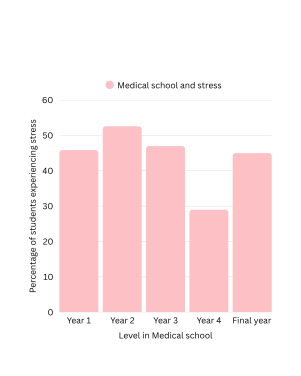
When we examine anxiety disorders, the picture becomes even more alarming. Research reveals that anxiety rates among medical students fluctuate dramatically throughout their education, creating a rollercoaster of psychological distress that tracks with the academic calendar. One comprehensive study found that anxiety affects 45.86% of first-year students, peaks at 52.58% in second year, remains elevated at 47.14% in third year, drops to 28.75% in fourth year, then rises again to 45.10% in the final year.
Bar graph showing the percentage of students experiencing stress in different levels of medical school
These fluctuations tell a story of how different phases of medical education create unique psychological pressures. The initial shock of medical school intensity hits first-years hard, while second-year students face the notorious “pre-clinical to clinical” transition anxiety. Third-year students grapple with their first real patient responsibilities, fourth-years experience some relief as they near graduation, and final-year students face the stress of residency matching and career uncertainty.
The very individuals we’re training to heal others are experiencing mental health challenges at rates that would constitute a public health emergency in any other population.
The International Journal of Medical Education published a comprehensive meta-analysis in 2019 that examined 77 studies across different countries and cultures. The findings were consistent across geographic boundaries: medical students worldwide experience depression at rates 2.5 to 3 times higher than age-matched peers in other fields.
Why are so many medical students depressed?
The answer lies in a convergence of factors that create the perfect storm for mental health struggles. Medical students face a unique combination of extreme academic pressure, high-stakes testing, financial stress from significant debt, social isolation due to demanding schedules, and the psychological burden of preparing to hold lives in their hands.
Why do medical students have anxiety?
The anxiety epidemic stems from the uncertainty inherent in medical training. Students constantly face the unknown – will they pass their next exam? Will they match into their desired residency? Can they handle the responsibility of patient care? This chronic uncertainty, combined with perfectionist tendencies, creates persistent anxiety that can become debilitating.
Why are students more prone to depression?
Medical students are particularly vulnerable because they enter medical school as high achievers who have rarely experienced failure. When they encounter the normal struggles of medical education, they lack coping mechanisms for anything less than perfection. Additionally, the isolation from friends and family, financial pressures, and constant evaluation create a breeding ground for depressive symptoms.
What is the most stressful year of medical school? Based on anxiety data, second year emerges as the most psychologically challenging, with anxiety rates reaching 52.58%. This year combines intense studying for the first major licensing exam (USMLE Step 1) with the pressure of transitioning from basic sciences to clinical application – a combination that overwhelms more than half of all students.
Medical school attracts individuals who have spent their entire academic careers at the top of their class. These are students who have never encountered failure, who have built their identity around being the best, the brightest, the most capable. Then they enter medical school, where suddenly everyone is exceptionally talented.
Dr. Lisa Rotenstein, who has extensively researched medical student mental health, explains that this shift from being a big fish in a small pond to being surrounded by equally accomplished peers creates what psychologists call “the big fish-little pond effect.” For many students, this is their first encounter with academic struggle, and they lack the coping mechanisms to handle anything less than excellence.
The perfectionism that once served as a driving force becomes a destructive inner critic. Students begin to catastrophize normal academic challenges, viewing a single poor grade as evidence of their unworthiness to become a physician. This all-or-nothing thinking pattern, combined with the high stakes of medical education, creates a breeding ground for anxiety and depression.
The Imposter Syndrome Epidemic
“I don’t belong here.” “They made a mistake accepting me.” “Everyone else seems to understand this better than I do.” These thoughts plague medical students at alarming rates, creating what psychologists term “imposter syndrome” – the persistent feeling of being a fraud despite evidence of competence.
Medical education, with its emphasis on extensive knowledge and life-or-death decision-making, naturally amplifies these feelings. Students compare their internal struggles with their peers’ external composure, not realizing that everyone is fighting similar battles. The competitive atmosphere often discourages vulnerability and honest communication about difficulties, perpetuating the illusion that everyone else is managing better.
Maya, a third-year medical student, shared her experience: “I spent my first two years convinced that admissions had made an error. Every time I didn’t know an answer during rounds, I was sure my attending would realize I didn’t deserve to be there. It wasn’t until I started opening up to classmates that I realized we were all feeling the same way.”
Academic Pressure and the Stakes of Failure
Unlike other graduate programs, medical school carries the weight of future patient care. Students aren’t just worried about their GPA – they’re concerned that their academic performance directly correlates with their ability to save lives. This creates a unique psychological pressure that goes beyond normal academic stress.
The USMLE Step exams, residency applications, and clinical rotations all carry high stakes that can determine career trajectories. Students often report feeling that a single poor performance could derail their entire future, leading to chronic stress and anxiety that compounds over time.
Breaking the Stigma
Perhaps the most insidious aspect of this mental health crisis is the culture of silence that surrounds it. Medical students often fear that seeking help will be seen as weakness, that it will be documented in their records, or that it will prevent them from matching into competitive residencies.
This fear isn’t entirely unfounded. While progress has been made, some residency programs still ask about mental health history, and students worry about the implications of being honest about their struggles. The result is a culture where suffering in silence is normalized, where students push through depression and anxiety without seeking the help they desperately need.
Dr. Pamela Wible, a physician advocate for medical professionals’ mental health, describes this as “medical training trauma” – the normalization of abuse, neglect, and suffering as necessary components of becoming a physician. This toxic culture suggests that struggling with mental health indicates weakness or unsuitability for medicine, when in reality, it’s a natural human response to an unnaturally stressful environment.
Recognizing the Warning Signs
The tragedy of medical student mental health crises is that they’re often preventable with early recognition and intervention. Understanding the warning signs – both for oneself and for classmates – can be life-saving.
Physical symptoms often appear first: changes in sleep patterns, appetite fluctuations, frequent headaches, or unexplained fatigue. These may be dismissed as normal stress responses, but they often signal the beginning of more serious mental health challenges.
Cognitive changes include difficulty concentrating, memory problems, indecisiveness, or persistent negative thoughts. Students might notice that material that once came easily now feels impossible to grasp, or that they’re spending significantly more time studying with less retention.
Emotional indicators encompass feelings of hopelessness, excessive guilt, irritability, or emotional numbness. Some students report feeling like they’re “going through the motions” without experiencing genuine emotions.
Behavioral changes might include social withdrawal, neglecting self-care, increased substance use, or avoiding previously enjoyable activities. Students might stop exercising, eating poorly, or isolating themselves from friends and family.
Recognizing Signs in Classmates
Medical students often notice changes in their peers before recognizing them in themselves. Warning signs in classmates include dramatic changes in academic performance, increased absence from class or clinical rotations, social withdrawal, or comments about feeling hopeless or worthless.
The phrase “I’m just tired” becomes a common refrain that often masks deeper struggles. Students might joke about wanting to “disappear” or make offhand comments about not being cut out for medicine. These seemingly casual remarks often reflect genuine distress.
How Mental Health Impacts Medical Education
The consequences of untreated mental health issues extend far beyond individual suffering. Depression and anxiety significantly impact academic performance, with studies showing that medical students with untreated mental health conditions are more likely to struggle academically, drop out, or experience difficulties during clinical rotations.
More concerning is the impact on patient care. Students struggling with mental health issues report feeling less empathetic toward patients, making more medical errors, and experiencing greater difficulty with clinical decision-making. This creates a dangerous cycle where poor mental health leads to compromised patient care, which in turn increases guilt and worsens mental health symptoms.
The financial implications are also substantial. Medical education represents a significant investment, and mental health struggles can lead to academic delays, repeated coursework, or even withdrawal from medical school. The average medical student graduates with debt, making the consequences of mental health-related academic difficulties particularly devastating.
A Call for Change
Addressing the mental health crisis in medical education requires more than individual intervention. Medical schools are beginning to recognize this, implementing wellness curricula, providing mental health resources, and working to reduce stigma.
However, true change requires a fundamental shift in medical education culture. We must move away from the idea that suffering is necessary for becoming a good physician and toward a model that prioritizes well-being as essential for providing excellent patient care.
Students themselves play a crucial role in this cultural shift. By speaking openly about mental health struggles, supporting classmates, and prioritizing self-care, medical students can help create a more supportive environment for everyone.
The key is recognizing that seeking help for mental health struggles isn’t a sign of weakness – it’s a sign of strength and wisdom. Just as we wouldn’t expect someone to perform surgery with a broken hand, we shouldn’t expect students to navigate the challenges of medical education with untreated mental health conditions.
Resources and Next Steps
If you’re a medical student struggling with mental health issues, know that you’re not alone and that help is available. Most medical schools offer confidential counseling services, and many have specific programs designed for medical students.
Remember that seeking help early is always better than waiting until the situation becomes critical. Mental health treatment is not a luxury, it’s an essential component of your medical education and future practice.
Conclusion
The mental health crisis among medical students represents one of the most pressing challenges in medical education today. With depression rates three times higher than the general population, we can no longer afford to ignore this issue or dismiss it as a normal part of medical training.
By understanding the root causes – perfectionism, imposter syndrome, and overwhelming academic pressure – and recognizing the warning signs early, we can begin to address this crisis. More importantly, we can work to create a culture in medical education that values mental health as much as academic achievement.
If you’re struggling with mental health issues, please reach out for help. You deserve support, and seeking help makes you a better future physician, not a weaker one.
Sources:
Rotenstein, L. S., et al. (2016). Prevalence of depression, depressive symptoms, and suicidal ideation among medical students. JAMA, 316(21), 2214-2236.
Pacheco, J. P., et al. (2019). Mental health problems among medical students in Brazil. International Journal of Medical Education, 10, 224-230.
Dyrbye, L. N., et al. (2014). Burnout and suicidal ideation among U.S. medical students. Annals of Internal Medicine, 149(5), 334-341.
Mirza AA, Baig M, Beyari GM, Halawani MA, Mirza AA. Depression and Anxiety Among Medical Students: A Brief Overview. Adv Med Educ Pract. 2021 Apr 21;12:393-398. doi: 10.2147/AMEP.S302897. PMID: 33911913; PMCID: PMC8071692.
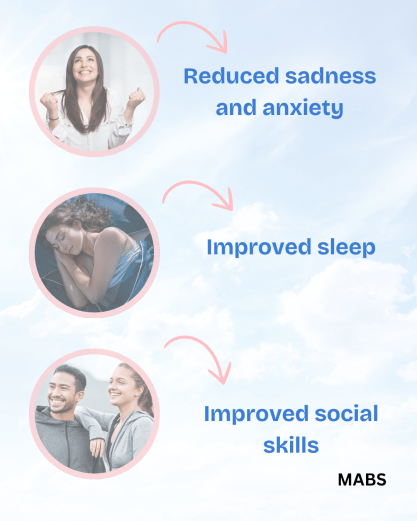
Research suggests regular gyming improves mental health, reducing stress, anxiety, and depression.
It seems likely that gyming enhances cognitive functions like memory and concentration.
The evidence leans toward gyming fostering social connections and boosting emotional well-being, such as self-esteem.
A Personal Journey: How Gyming Became My Therapy
To bring these benefits to life, let me share a personal story. I first stepped into a gym not for physical gains, but because I was drowning in sadness and anxiety. I felt stuck, overwhelmed by emotions I couldn’t shake. That first workout didn’t magically fix everything, but it did something—it made me happy, even if just for a little while. Over time, the gym became my therapy, a place where I could channel my restlessness into something positive. It’s not a cure, though; I’ve noticed that when I skip sessions, that familiar low feeling creeps back in, a reminder of how much I rely on it to keep my mental health steady.
Beyond the obvious physical perks—like stronger muscles or better stamina—I can vouch for the mental health boost. Research backs this up: studies show exercise reduces depression and anxiety symptoms by altering stress responses and boosting mood-enhancing chemicals in the brain (Schuch et al., 2018; Herring et al., 2010). My experience aligns with that—gyming doesn’t erase the struggles, but it gives me a tool to manage them.
There’s another unexpected perk I’ve noticed: gyming sparks my creativity. As a writer, I often hit blocks where ideas just won’t flow. But a few minutes into a workout—whether it’s lifting weights or jogging on the treadmill—new thoughts start bubbling up. Suddenly, I’m piecing together sentences or plotting stories I couldn’t crack before. Science supports this too; exercise increases blood flow to the brain, enhancing cognitive functions like memory and problem-solving (Hillman et al., 2008). For me, it’s like the gym doubles as a brainstorming session.
So, which gym benefits am I most grateful for? It’s a tie between the mental lift that keeps my anxiety at bay and the creative jolt that fuels my writing. What about you—which gym benefits are you most thankful for? Whether it’s a clearer mind, a stronger spirit, or a new friend made during a class, I’d love to hear your story.
Mental Health Benefits
Regular gyming has been extensively studied for its positive effects on mental health, particularly in reducing symptoms of depression, anxiety, and stress. A review by Schuch et al. (2018) found that physical activity is associated with a reduced risk of developing depression, with an odds ratio of 0.83 across 49 studies involving 267,000 individuals. For anxiety, Herring et al. (2010) conducted a systematic review showing that both acute and chronic exercise can decrease anxiety levels, with effect sizes indicating moderate to large improvements. Salmon (2001) further noted that exercise can improve resilience to stress by altering the body’s stress response, which is crucial for managing daily pressures.
Additionally, gyming enhances mood and emotional well-being, with the National Institute on Aging highlighting that exercise can reduce feelings of depression and stress, enhance mood, increase energy levels, and improve sleep (Mental Health Benefits of Exercise). This is supported by a review from PMC, which discusses how regular physical activity improves the functioning of the hypothalamus-pituitary-adrenal axis, influencing depression and anxiety (Role of Physical Activity on Mental Health and Well-Being).
Cognitive Enhancements
The cognitive benefits of regular gyming are equally significant, with research suggesting improvements in memory, concentration, and overall cognitive function. Erickson et al. (2011) found that exercise training increases the size of the hippocampus, improving both short-term and long-term memory, which is crucial for learning and recall (Exercise training increases size of hippocampus and improves memory). Hillman et al. (2008) noted that exercise increases blood flow to the brain, leading to better focus and concentration, which can enhance productivity in daily tasks (Be smart, exercise your heart).
A meta-analysis by Colcombe and Kramer (2003) showed a moderate effect size of 0.48 for training benefits on cognitive processes, particularly executive control processes like working memory and inhibitory processes, in older adults. Harvard Health also emphasizes that engaging in a program of regular exercise over six months or a year is associated with increased volume in brain regions controlling thinking and memory, indirectly improving mood and sleep, which further supports cognitive health (Exercise can boost your memory and thinking skills).
Social and Emotional Gains
Gyming regularly offers substantial social benefits, fostering connections and improving interpersonal skills. Planet Fitness highlights that gyms can help make friends due to the release of endorphins and the social environment, expanding networks and improving mood (5 Social Benefits of Exercise That Might Surprise You). Nivati’s blog lists top social benefits, including increased sociability and openness to new experiences, which can be particularly helpful for those with gym anxiety (The Top 10 Social Benefits of Exercise).
A study on parkrun participants from PMC examined how social reward and support in exercise are associated with positive experiences and performance outputs, reducing social isolation and loneliness through opportunities for social connection (Social reward and support effects on exercise experiences and performance). This aligns with findings that group exercise settings, such as gym classes, can enhance motivation and social bonds, as noted in blogs from Simply Supplements, which suggest trying classes like aerobics or Pilates to meet like-minded people (The Social Benefits of Exercise).
The emotional benefits of regular gyming include increased self-esteem, confidence, and emotional resilience. Sonstroem and Morgan (1989) found that achieving fitness goals can lead to enhanced self-esteem and a positive self-image, which is crucial for emotional well-being. Hausenblas and Fallon (2006) conducted a meta-analysis showing that exercise can improve body image, further boosting confidence.
A study by McGonigal (2020) in her book “The Joy of Movement” argues for looking beyond weight loss to the emotional benefits, such as building resilience to stress, which can help in coping with emotional challenges (Hope, Happiness And Social Connection). Another study from PubMed by Young et al. (2018) suggests that exercise can attenuate the effects of rumination and difficulties with emotion regulation, enhancing emotional recovery after stress (Exercise as a buffer against difficulties with emotion regulation).
Conclusion
Regular gym workouts offer far more than just physical strength—they’re a gateway to a sharper mind, a happier spirit, and a stronger sense of community. From easing anxiety and sparking creativity to building confidence and forging friendships, the evidence is clear: gyming transforms lives in ways that go beyond the mirror. Studies from PubMed and insights from fitness experts alike show that these mental, cognitive, and social benefits are not just perks—they’re powerful reasons to make the gym a regular part of your routine. With mental health and well-being topping personal priorities, there’s never been a better time to lace up your sneakers and discover what gyming can do for you. So, what’s your gym story? Step in, sweat it out, and find out how it can change your life—one workout at a time.
Quiz: Share Your Gym Story, Win a Free EBook!
We want to hear about your gym journey! Take our quick quiz to tell us how the gym has impacted your life—whether it’s a mental boost, a creative spark, or something else entirely. Every story shared enters you for a chance to win a free Ebook. Let’s celebrate the power of gyming together!
The Ultimate Guide to Budget-Friendly Meals for Busy People
References
Colcombe, S., & Kramer, A. F. (2003). Fitness effects on the cognitive function of older adults: A meta-analytic study. Psychological Science, 14(2), 125–130. https://pubmed.ncbi.nlm.nih.gov/12626692/
Erickson, K. I., Voss, M. W., Prakash, R. S., Basak, C., Szabo, A., Chaddock, L., Kim, J. S., Heo, S., Alves, H., White, S. M., Wojcicki, T. R., Mailey, E., Vieira, V. J., Martin, S. A., Pence, B. D., Woods, J. A., McAuley, E., & Kramer, A. F. (2011). Exercise training increases size of hippocampus and improves memory. Proceedings of the National Academy of Sciences, 108(7), 3017–3022. https://www.pnas.org/doi/10.1073/pnas.1015950108
Herring, M. P., O’Connor, P. J., & Dishman, R. K. (2010). The effect of exercise training on anxiety symptoms among patients: A systematic review. Archives of Internal Medicine, 170(4), 321–331. https://pubmed.ncbi.nlm.nih.gov/20142564/
Hillman, C. H., Erickson, K. I., & Kramer, A. F. (2008). Be smart, exercise your heart: Exercise effects on brain and cognition. Nature Reviews Neuroscience, 9(1), 58–65. https://www.nature.com/articles/nrn2298
Salmon, P. (2001). Effects of physical exercise on anxiety, depression, and sensitivity to stress: A unifying theory. Clinical Psychology Review, 21(1), 33–61. https://pubmed.ncbi.nlm.nih.gov/11146376/
Schuch, F. B., Vancampfort, D., Richards, J., Rosenbaum, S., Ward, P. B., & Stubbs, B. (2018). Physical activity and incident depression: A meta-analysis of prospective cohort studies. The American Journal of Psychiatry, 175(7), 631–648. https://pubmed.ncbi.nlm.nih.gov/29731846/
Sonstroem, R. J., & Morgan, W. P. (1989). Exercise and self-esteem: Rationale and model. Medicine & Science in Sports & Exercise, 21(3), 329–337. https://pubmed.ncbi.nlm.nih.gov/2661052/
Stevens, M., Rees, T., & Polman, R. (2021). Social reward and support effects on exercise experiences and performance: Evidence from parkrun. Frontiers in Sports and Active Living, 3, 655883. https://pmc.ncbi.nlm.nih.gov/articles/PMC8443045/
Vina, J., Sanchis-Gomar, F., Martinez-Bello, V., & Gomez-Cabrera, M. C. (2023). Role of physical activity on mental health and well-being: A review. Cureus, 15(1), e33475. https://pmc.ncbi.nlm.nih.gov/articles/PMC9902068/
Young, H. A., Cousins, A., & Benton, D. (2018). Exercise as a buffer against difficulties with emotion regulation: A pathway to emotional wellbeing. Psychology & Health, 33(9), 1131–1148. https://pubmed.ncbi.nlm.nih.gov/30081242/
For years, I’ve been my own worst critic, filling my mind with negativity and doubt. It became second nature to tear myself down, but I’ve realized that the way I speak to myself matters. So, I’ve made a conscious decision to turn that energy around—to replace self-criticism with self-compassion. Instead of dwelling on what I lack, I choose to affirm my worth, celebrate my strengths, and speak kindness into my own life. Here are 100 nice things I’m telling myself—and maybe you should, too.
Here are 100 kind things to say to yourself everyday.
Periods bring a range of challenges, from painful cramps and fatigue to mood swings that can make daily life feel more difficult. During this time, it’s essential to prioritize your self-care to help ease these discomforts and promote overall well-being.
In this article, we’ll explore practical and soothing tips to help you manage your period with more comfort and care, so you can feel your best throughout the month.
Don’t be angry with yourself for staining, get up, clean up and reward yourself with a soothing cup of tea.
1. Prioritize Comfort
Periods can often leave you feeling physically drained, so prioritizing comfort is essential.
Use a Heating Pad
Heating pad for cramps
Applying a heating pad or hot water bottle to your lower abdomen or back can work wonders for relieving cramps. The warmth helps to relax the muscles and improve blood flow, reducing the intensity of pain.
Take Warm Baths
A warm bath can soothe your body and mind. Add Epsom salts or a few drops of calming essential oils like lavender to your bath for added relaxation.
Wear Comfortable Clothing
When you’re on your period, tight or restrictive clothing can add to your discomfort. Opt for loose-fitting, breathable outfits that let you feel cozy and at ease throughout the day. Wear cute socks and clean clothes.
Prioritize Rest
Your body works overtime during your period, so give it the rest it deserves. Take naps, go to bed earlier, or simply allow yourself some downtime to recharge.
2. Nourish Your Body
During your period, your body needs extra care and nourishment to keep energy levels up and support your overall well-being. Eating the right foods can help ease discomfort and even improve your mood.
Eat Iron-Rich Foods
Menstruation can deplete your iron levels, leaving you feeling fatigued. Incorporate foods like spinach, lentils, red meat, tofu, and fortified cereals into your diet to replenish your iron stores.
Opt for Anti-Inflammatory Choices
Certain foods, like fatty fish (salmon, mackerel), nuts, seeds, and leafy greens, are rich in omega-3 fatty acids and other anti-inflammatory compounds that can help reduce cramping and bloating.
Stay Hydrated
Drinking plenty of water is crucial to combat bloating and fatigue. Herbal teas like chamomile or peppermint can also soothe cramps and improve digestion.
Limit Sugar and Caffeine
High sugar and caffeine intake can lead to energy crashes, increased bloating, and heightened mood swings. Opt for natural sweeteners like honey and herbal teas to stay balanced.
Indulge in Dark Chocolate
If you’re craving something sweet, dark chocolate (70% cocoa or higher) is a great choice. It’s rich in magnesium, which can help relax muscles and improve your mood.
3. Prioritize Rest and Sleep
Your body works harder during your period, so giving it the rest it deserves is essential for feeling your best. Prioritizing quality sleep and relaxation can help alleviate period symptoms and boost your energy.
Get Enough Sleep
Aim for 7-9 hours of restful sleep each night. Sleep helps your body recover and reduces stress, which can worsen cramps and mood swings. If you’re struggling to sleep due to discomfort, try using a heating pad or taking a warm bath before bed.
Nap if Needed
If you feel drained during the day, give yourself permission to take short power naps. Even 20–30 minutes of rest can improve your mood and energy.
Practice Relaxation Techniques
Meditation, praying and journaling can calm your mind and relax your body. These practices can help reduce pain and ease tension, especially during particularly challenging days.
Create a Relaxing Sleep Environment
Make your bedroom as comfortable as possible by dimming lights, keeping the room cool, and using soothing scents like lavender to promote relaxation.
Listen to Your Body
If you feel too tired to complete your usual activities, allow yourself to take a break. Resting doesn’t mean being unproductive; it’s a necessary part of self-care.
Conclusion
Remember that your body is going through a natural process. Be patient with yourself and understand that you may not feel your best during this time. Periods can be physically and emotionally challenging. Self-compassion is not indulgence, it’s about honoring your needs and giving yourself the support you deserve.
Even small acts of self-care can make a significant difference in how you feel during your period. A warm bath, a cup of herbal tea, or a few minutes of meditation can all contribute to a more positive experience.
Did you find this article helpful? Leave a comment below
We’ve all been there—those days when things don’t go our way. You got another disappointing email, missed an important deadline, or got into a fight. By the end of the day, you’re left feeling drained, frustrated, and stuck with negative thoughts.
Everyone has a bad day. While you can’t always control what happens, you can control how you respond. With a few simple steps, you can turn things around and give yourself the care and space you need to feel better.
In this blog, we’ll explore practical and easy ways to lift your mood, reset your mindset, and reclaim your peace after a tough day.
1. Acknowledge and Validate Your Feelings
The first step to feeling better after a rough day is recognizing and accepting your feelings. It’s OK to be upset, angry, sad, or frustrated—whatever emotions are bubbling up, they’re valid. Too often, we try to brush off our feelings or push them aside, thinking they’ll disappear. But ignoring your emotions doesn’t make them disappear; it leaves them unresolved.
Take a moment to pause and check in with yourself. Ask, “What am I feeling right now?” and “Why do I feel this way?”
Remember, feeling bad doesn’t make you weak—it makes you human. Emotions are part of life, and allowing yourself to process them is a form of self-respect. So, take a deep breath, let those emotions rise to the surface, and remind yourself that it’s OK not to be OK sometimes.
2. Engage in Something That Brings You Joy
When you’re feeling down, one of the quickest ways to shift your mood is to do something that genuinely brings you joy.
It doesn’t have to be big or elaborate—sometimes, minor things can make the most significant difference. Think about activities that naturally make you feel happier, calmer, or more at peace. Maybe it’s listening to your favorite playlist, dancing around your room, watching a funny TV show, or diving into a good book. If you love being creative, try drawing, writing, or crafting. If food is your comfort, make a warm cup of tea, bake something simple, or indulge in your favorite snack.
The key here is to focus on the present moment and allow yourself to fully enjoy the activity without judgment or guilt.
3. Move Your Body
Physical movement can do wonders for your mental and emotional state. When you’re having a rough day, getting up and moving around might be the last thing you feel like doing—but it’s often one of the most effective ways to feel better. Exercise releases endorphins, natural mood boosters, and helps reduce stress levels.
You don’t have to commit to a complete workout. Start small: walk around the block, stretch out your body with light yoga, or even have a mini dance party in your living room. If you’re up to it, a jog or a quick workout session can help channel your frustration or sadness into something productive. I use this strategy often, I go to the gym to let off steam.
4. Practice Gratitude
When the day feels overwhelmingly bad, shifting your focus to what’s good in your life can provide a much-needed perspective. Gratitude has a way of grounding you and reminding you that not everything is as bleak as it seems.
Take a moment to list three things you’re grateful for, no matter how small they may seem. It could be the warmth of your morning coffee, a kind message from a friend, a new subscriber, or even the fact that you made it through the day and submitted that job application.
Writing them down in a journal or simply saying them out loud can amplify their impact.
5. Journal
Write down your thoughts and feelings. Journaling can be incredibly therapeutic. It allows you to process your emotions without judgment and gain a clearer perspective.
6. Identify One Good Thing
Even on the worst days, there’s usually something positive to be found. Did you have an excellent conversation? Did you accomplish a small task you were proud of? Focusing on that one good thing can help you end the day more positively.
7. Shift Your Focus
Focus on plans, exciting goals, or something you’re looking forward to. This can help you shift your focus away from the negativity and towards a brighter future.
8. Engage in Self-Care
Self-care is crucial during tough times. Take a warm bath, listen to your favorite music, read a good book, or spend time in nature. These activities can help soothe your mind and body.
9. Rest and Recharge
Rest is essential for both physical and mental well-being. After a tough day, make sure to get enough sleep. Aim for 7-9 hours of quality sleep to allow your body and mind to reset.
10. End with Encouragement
Remember, bad days don’t last forever. You have the power to turn things around with small actions. Be patient with yourself, and remember that tomorrow is a fresh start.
Conclusion
Apply for another job, learn a new skill, and remember to smile. You have got this!
What are your favorite ways to cope with a bad day? Share your tips in the comments below.
















 MABS
MABS 