The Incredible Health Benefits of Cabbage: Raw, Cooked, and Juiced

Cabbage might not be the trendiest vegetable, but its impressive health benefits make it a must-have in your diet. Whether raw, cooked, or juiced, cabbage offers numerous advantages for digestion, inflammation, and overall wellness.

This article will discuss why cabbages deserve a spot on your plate and how you can make the most of it.

Health Benefits of Cabbage 

Raw Cabbage

  • It is a nutritional powerhouse packed with vitamin C, fiber, and antioxidants
  • It supports weight management because it is low in calories, making it ideal for salads and slaws
  • Boosts your immunity

Cooked Cabbage

  • Easier on the digestive system
  • Light steaming or stir-frying preserves antioxidants and vitamin K
  • Perfect for soups, stir-fries, and casseroles

Cabbage Juice

  • Juicing cabbage retains most of its vitamins and minerals in a drinkable form
  • It helps flush toxins from the body
  • A traditional remedy for ulcers and acid reflux

1. Cabbage Juice can help with Acid Reflux

Cabbage juice is a natural remedy for acid reflux and ulcers. Its high content of glutamine, an amino acid, helps soothe the stomach lining and promote healing. The juice’s alkalizing properties also balance stomach acid levels, reducing discomfort and preventing flare-ups.

Free Smiling couple shopping for fresh cabbage in a grocery store, emphasizing joy and togetherness. Stock Photo

How to Make Cabbage Juice for Acid Reflux

  1. Chop 2 cups of fresh cabbage

  2. Blend with 1 cup of water until smooth

  3. Strain and drink immediately for maximum benefits

2. Cabbage Helps Keep Inflammation in Check

Cabbage contains compounds like sulforaphane and kaempferol, which have powerful anti-inflammatory properties. Regular consumption can help reduce chronic inflammation associated with arthritis, heart disease, and autoimmune conditions.

Health Benefits of Cabbage Juice

  • Loaded with antioxidants that fight free radicals and delay aging.
  • Assists in flushing out toxins.
  • Potassium in cabbage juice helps balance sodium levels.
  • Cabbage juice is nutrient-dense, hydrating, and a natural energy booster.

3. Improves Digestion

Cabbage is an excellent source of fiber, offering several benefits for digestive health. It helps prevent constipation by promoting regular bowel movements and supports a healthy gut microbiome, essential for overall wellness. Additionally, fermented cabbage products such as sauerkraut and kimchi are rich in probiotics, further enhancing gut health by introducing beneficial bacteria.

Free A close-up view of a hand holding a vibrant sliced purple cabbage against a lilac background. Stock Photo

For optimal digestion:

  • Incorporate raw cabbage in salads.
  • Try steamed or lightly sautéed cabbage to aid nutrient absorption.

Side effects of overeating cabbage

While cabbage is a nutritious vegetable, consuming it in excessive amounts can lead to some side effects

Digestive issues

Cabbage is high in fiber, which, when consumed in excess, may cause bloating, gas, or diarrhea, especially in people with sensitive digestive systems. The sulfur-containing compounds in cabbage can increase gas production, which may be uncomfortable for some individuals. 

People with irritable bowel syndrome (IBS) or similar digestive issues may find that consuming too much cabbage triggers symptoms like abdominal pain or cramps.

Interactions with Blood Thinners

Cabbage is high in vitamin K, which is involved in blood clotting. Overeating cabbage might interfere with anticoagulant medications like warfarin.

Thyroid Function Interference

Raw cabbage contains goitrogens, compounds that can interfere with thyroid hormone production, potentially leading to hypothyroidism if consumed in vast quantities over time.

Blood Sugar Fluctuations

Although cabbage is generally good for managing blood sugar, excessive intake might impact glucose levels in those with diabetes or those taking blood sugar-regulating medications.

To enjoy cabbage’s health benefits without side effects, it’s best to consume it in moderation and incorporate a variety of other vegetables into your diet.

Free Close-up of a halved cabbage on a light blue background, showcasing its fresh and healthy appeal. Stock Photo

How to Incorporate More Cabbage Into Your Diet

  1. Add shredded cabbage to your favorite salad for a crunchy texture
  2. Use cabbage in hearty vegetable soups
  3. Replace tortillas with cabbage leaves for a low-carb wrap
  4. Mix cabbage juice with apple or carrot juice for added sweetness
  5. Include sauerkraut or kimchi as a side dish to meals

 

Free Close-up of a hand holding a fresh slice of red cabbage against a blue background. Stock Photo

Best Cabbage Casserole

Ingredients:

  • 1 medium head of cabbage, chopped
  • 1 lb ground beef or turkey
  • 1 can diced tomatoes
  • 1 cup cooked rice
  • 1 cup shredded cheese
  • Seasonings: garlic powder, onion powder, salt, and pepper

Instructions:

  1. Preheat oven to 375°F (190°C)
  2. Sauté ground meat until thoroughly cooked; set aside
  3. Layer chopped cabbage in a greased baking dish
  4. Mix cooked beef, tomatoes, rice, and seasonings, then pour over cabbage
  5. Top with shredded cheese and bake for 25-30 minutes until bubbly

Cabbage and Rice Recipe

Ingredients:

  • 2 cups chopped cabbage
  • 1 cup cooked rice
  • 1 small onion, diced
  • 1 clove garlic, minced
  • 1 tbsp olive oil
  • Salt, pepper, and paprika to taste

Instructions:

  1. Heat olive oil in a pan and sauté onions and garlic until fragrant.
  2. Add cabbage and cook until slightly tender.
  3. Stir in cooked rice and seasonings; mix well.
  4. Cook for 5 minutes, and serve as a side dish or light meal.

How to store cabbage properly

Properly storing cabbage can help preserve its freshness, flavor, and nutritional value. Following these tips, your cabbage can stay fresh for up to 2 weeks in the fridge or even longer when frozen.

Keep It Whole for Longer Shelf Life

  • Store the cabbage head whole instead of cutting it, as cutting exposes more surface area to air and moisture, causing it to spoil faster.
  • Place the whole cabbage in a perforated plastic bag or wrap it loosely in a breathable material like paper towels.

Fridge

  • Cabbage should be stored in the crisper drawer of your refrigerator to maintain a calm and humid environment.
  • The ideal temperature for storing cabbage is between 32°F and 40°F (0°C and 4°C).

Avoid Washing Before Storage

  • Do not wash cabbage before storing it, as excess moisture can lead to mold growth or rotting. Wash only when you’re ready to use it
  • If you’ve already cut the cabbage, wrap the remaining portion tightly in plastic wrap or store it in an airtight container
  • Use cut cabbage within 2–3 days for the best quality

Consider Freezing for Long-Term Storage

  • Blanch cabbage leaves or wedges in boiling water for 1-2 minutes, then transfer them to an ice bath to stop cooking.
  • Pat them dry, place them in freezer-safe bags or containers, and freeze for up to 12 months.

Note: Frozen cabbage is best used for cooked dishes as it loses its crisp texture after thawing.

Avoid Storing Near Ethylene-Producing Fruits

  • Keep cabbage away from fruits like apples, bananas, or tomatoes. These produce ethylene gas, which can cause the cabbage to spoil faster.  

Conclusion

Cabbage is more than just a humble vegetable; it’s a nutritional powerhouse that can improve digestion, fight inflammation, and boost overall health. Cabbage offers endless possibilities to enhance your diet, whether you eat it raw in salads, cooked in casseroles, or juiced for its concentrated benefits.

Have you tried cabbage juice or cooked up a delicious casserole? Share your favorite cabbage recipes in the comments below!


Financial habits of Successful women

This article will inspire you to take charge of your finances


1. Set Clear Financial Goals

  • Successful women create specific, measurable, achievable, relevant, and time-bound (SMART) goals.
  • Example: Saving for a house, building an emergency fund, or planning retirement.

2. Budget and Stick to It

  • They track their income and expenses using tools, apps, or spreadsheets.
  • A budget helps them know where their money goes and ensures they prioritize savings and investments.

3. Prioritize Saving

  • They consistently save a portion of their income, no matter how small.
  • They often automate savings to ensure consistency.

4. Invest Wisely

  • Successful women understand the power of compound interest and invest in stocks, mutual funds, ETFs, or real estate.
  • They seek to grow their wealth instead of just saving it.

5. Educate Themselves About Money

  • They take time to learn about personal finance, investing, and market trends.
  • They read books, listen to podcasts, or consult financial advisors.

6. Avoid Lifestyle Inflation

  • They live below their means and resist the urge to upgrade their lifestyle as their income increases.
  • They focus on needs over wants and save the extra income.

7. Have an Emergency Fund

  • They maintain a fund covering 3-6 months of expenses to safeguard against unexpected events like job loss or medical emergencies.

8. Pay Off Debt Strategically

  • They tackle high-interest debts first (like credit cards) and avoid accumulating unnecessary debt.
  • They use strategies like the snowball or avalanche method to eliminate debt.

9. Negotiate and Advocate for Themselves

  • Whether it’s a salary raise, a better deal on purchases, or lower interest rates, successful women negotiate to get the best value.

10. Protect Their Assets

  • They ensure they have adequate insurance (health, life, home, auto) to protect themselves financially.
  • They also have a will or estate plan to safeguard their wealth for the future.

Would you like tips on implementing these habits?


11 Ways You’re Sabotaging Your Own Productivity

Productivity is crucial for success in our fast-paced world, but various obstacles often derail our progress. Social media has to be one of the biggest culprits today, but there is also going out too much with friends, oversleeping, and chronic procrastination. In this post, we will discuss 11 things that are harming your productivity.

Productivity measures how efficiently tasks are completed. It’s about maximizing output—whether that’s work done, goals achieved, or problems solved—in the least amount of time with the best use of resources, including effort and energy. 

Why Productivity is Needed

Productivity helps you reach your personal and professional goals faster and more efficiently. When you’re productive, you can accomplish more in less time, moving you closer to success in whatever area you focus on. Productivity isn’t just about speed; it also involves maintaining quality. Efficiently managing time and resources allows you to focus on delivering high-quality work.

High productivity ensures time is used wisely, helping you effectively manage and balance your tasks. When you’re productive, you avoid spending excessive time on low-priority tasks and can free up time for essential activities.

When productivity is low, stress often increases because tasks pile up and goals are out of reach. Being productive can reduce this stress by creating a sense of accomplishment and control over your work and time. Being productive often gives a sense of purpose and fulfillment. It allows individuals to focus on meaningful work and see tangible progress, which can be highly motivating.

When you’re productive, you can easily handle challenges and adapt to changes. But sometimes, we are in our own way. And it causes our productivity levels to drop.

11 Ways You’re Sabotaging Your Own Productivity

1. Multitasking

Multitasking might seem like a productivity booster, but studies reveal it can significantly reduce efficiency. Each time you switch tasks, your brain requires time to refocus, resulting in a productivity loss known as the “switch cost.” Multitasking leads to errors, slower completion times, and increased stress.

Instead of multitasking, practice “single-tasking” by prioritizing one task. To maintain your focus, try techniques like time-blocking or the Pomodoro method.

2. Lack of Clear Goals and Prioritization

Without clear goals, it’s easy to feel overwhelmed or unsure where to start. Unclear priorities can lead to procrastination or focusing on low-value tasks instead of high-impact ones.

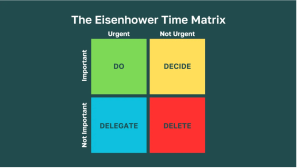
Start each day by listing your top three goals and setting specific, measurable objectives. Tools like the Eisenhower Matrix can help you prioritize tasks based on urgency and importance.

3. Social Media, Phone Notifications, and Interruptions

Distractions are everywhere—social media, notifications, and other interruptions steal valuable time and disrupt focus. A study found that it can take over 20 minutes to refocus after a distraction.

Limit distractions by turning off notifications, setting designated times to check emails and social media, and using productivity apps to block distracting websites. Try working in a quiet space or using noise-canceling headphones to minimize interruptions.

4. Burnout and Lack of Self-Care

Pushing yourself too hard without taking breaks or focusing on self-care can lead to burnout, which can severely impact productivity. Burnout causes mental and physical exhaustion, reduced creativity, and a lack of motivation.

Schedule regular breaks throughout your day and take time for activities you enjoy outside of work. Incorporate physical activity, good nutrition, and quality sleep into your routine for sustained energy and focus.

5. Poor Time Management

With adequate time management, it’s easier to maintain track of priorities, procrastinate, or get bogged down in unimportant details. This results in wasted time and rushed deadlines.

Adopt time management techniques like the Pomodoro Technique, time-blocking, or the “two-minute rule” to manage your time efficiently. Set specific deadlines for tasks, even if they’re self-imposed.

Free Top view of anonymous woman in casual wear sitting on floor with laptop and smartphone and creating plan on notebook while resting during break in modern living room Stock Photo

6. Overcommitting and Inability to Say “No”

Trying to do everything and please everyone leads to an overload that compromises productivity. Taking on too many tasks often results in lower-quality work and stress.

Learn to say “no” when your schedule is complete or a task doesn’t align with your priorities. Use phrases like “I’d love to help, but I don’t have the capacity right now.” Delegating tasks when possible also reduces your workload.

7. Perfectionism

Perfectionism can be paralyzing. It leads to overthinking and spending too much time on small details, which can cause delays, frustration, and reduced output.

Set realistic standards for yourself and recognize that perfection isn’t always necessary. Use the 80/20 rule—focus on the 20% of effort that produces 80% of the results. Set time limits for tasks to avoid dwelling on details.

8. Inadequate Sleep

Sleep is essential for cognitive function, mood, and overall well-being. Lack of sleep leads to reduced focus, slower information processing, and lower productivity.

Aim for 7-9 hours of sleep each night. Create a sleep routine by going to bed and waking up at the same time daily, and avoid caffeine or screen time before bed.

9. Poor Physical Health and Lack of Exercise

Physical health is directly linked to mental clarity and energy levels. A sedentary lifestyle, poor diet, and lack of exercise can contribute to low energy and reduced productivity.

Incorporate physical activity into your day, even just a short walk or stretching break. Eat a balanced diet to fuel your brain, and drink plenty of water to stay hydrated.

10. Cluttered or Unorganized Workspace

A cluttered workspace can lead to an untidy mind. An unorganized environment makes it hard to find what you need and can even contribute to stress and distractions.

Take a few minutes each day to tidy your workspace. Keep essential items within reach and create a filing system for documents. Digital tools like task managers can also help keep your digital workspace organized.

11. Negative Mindset and Lack of Motivation

A negative mindset can lead to self-doubt, procrastination, and resistance to challenging tasks. This mindset makes it hard to stay motivated, focused, and productive.

Practice gratitude, focus on your achievements, and set small, achievable goals to build momentum. Surround yourself with positive influences and take regular breaks to recharge. If unmotivated, try breaking large tasks into smaller, manageable steps.

Conclusion

Productivity isn’t just about working harder—it’s about working smarter. Recognizing and addressing these productivity pitfalls can help you reclaim control of your time, increase efficiency, and ultimately lead to more satisfaction and success in your work and personal life.

Did you find this article interesting? Leave a comment below

Flowers

What’s the coolest thing you’ve ever found (and kept)?

I love taking pictures of flowers. I am not a fan of plucking flowers though.

I share most of the pics here for daily prompts.

Too bad it’s winter now and I have exhausted my supplies but here are some of the coolest pics I have taken this last summer

This was the flowers when they were fading away 😩
My fav flower

Roses make me happy 😆

Where did all the years go?

Do you need time?

I’m turning a year older in just a few days, and honestly, I have no idea where all the time went. When did I get to this point? It’s strange to think about how much I’ve grown—my thoughts are different, my skills have expanded, and I’ve certainly made my share of mistakes.

This past year has taught me to truly appreciate the value of time and relationships. I’m learning to savor everyday moments and realizing what a privilege it is just to be here, alive and growing. One of the biggest lessons I’ve embraced is to seize opportunities when they come. I’m learning to go for it, to trust my instincts, and, perhaps most importantly, to say no when I need to.

Keeping promises to myself has become a priority, building a foundation of trust within. And, at the heart of everything, my community of faith, my relationship with God, and meaningful connections have been my greatest anchors.

I might not know exactly when I started getting “older,” but at least I’m learning something worthwhile along the way.

Living in the Moment

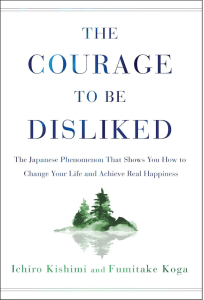
In The Courage to Be Disliked, living in the moment is a central theme that encourages individuals to focus on the present rather than being preoccupied with the past or anxious about the future. The book, drawing on Adlerian psychology, suggests that embracing the present moment leads to a more fulfilling and authentic life. 

This is part 5 on our review on The Courage to be Disliked.

  1. Part 1: Happiness is a choice
  2. Part 2: Separation of task
  3. Part 3: All problems are interpersonal problems
  4. Part 4: Role of trauma

The Illusion of the Past and Future

The past and future are not real, they exist only in the mind. The past is gone, and the future has not yet arrived. Therefore, the only reality is the present moment. By worrying excessively about past experiences or future uncertainties, we are distracted from what we can do here and now. Living in the moment means fully engaging with what is happening right now, as it is the only time in which life unfolds.

Letting Go of the Past

The book challenges the idea that the past dictates one’s present behavior. It suggests that we often hold onto past grievances, failures, or traumas as a way of justifying current behaviors or avoiding changes. For example, someone might say, “I can’t be happy because of what happened to me,” which prevents them from taking action in the present. Instead, living in the moment involves letting go of these narratives and recognizing that what matters is how you choose to act today.

Not Being Driven by Future Goals or Expectations

While setting goals is essential for growth, the book emphasizes that people should not be so fixated on future outcomes that they forget to appreciate the journey. Constantly striving for future success can lead to dissatisfaction if one becomes overly focused on the end result rather than the process. Living in the moment means finding joy and meaning in the present activities, regardless of the anticipated outcome.

The Concept of “Life Tasks” and Engaging Fully

Adlerian psychology, as presented in the book, talks about “life tasks” – things that require your attention and effort. When you are engaged in a task, giving it your full attention without distractions from past regrets or future worries allows you to perform better and feel more satisfied. Being present in the moment fosters a sense of flow, where time seems to disappear because you are fully immersed in the activity.

20 life tasks that require your time and efforts

  1. Building a Career
  2. Maintaining Health and Fitness
  3. Developing Personal Relationships
  4. Managing Finances
  5. Learning New Skills
  6. Caring for Family
  7. Setting and Achieving Goals
  8. Building Self-Discipline
  9. Growing Spiritually
  10. Improving Communication Skills
  11. Nurturing Hobbies and Passions
  12. Household Chores and Maintenance
  13. Volunteering or Giving Back
  14. Planning and Organizing Life Events
  15. Managing Stress and Mental Health
  16. Networking and Socializing
  17. Time Management
  18. Saving and Investing
  19. Traveling and Expanding Horizons
  20. Developing Emotional Intelligence

Reducing Anxiety by Focusing on What Can Be Controlled

Living in the moment also involves focusing on what is within your control. Anxiety often arises from worrying about things that are beyond one’s control, such as others’ opinions or future events. By directing attention to present actions and decisions, individuals can manage their lives more effectively. The book encourages focusing on what you can do right now to improve your situation, which leads to a greater sense of empowerment.

Cultivating Gratitude and Mindfulness

A part of living in the moment is practicing gratitude for the present. By appreciating what you have right now, you shift your focus from what is lacking or what you fear may happen. The book’s approach aligns with mindfulness practices, which involve paying attention to the present moment with a non-judgmental attitude. This mindset helps reduce stress and enhances well-being by allowing individuals to fully experience life as it happens.

Interpersonal Relationships and Being Present

In the context of relationships, living in the moment means genuinely listening to and engaging with others. Often, people are distracted by their own thoughts, past experiences, or future concerns during interactions, which prevents them from truly connecting. The book suggests that by being fully present in conversations and relationships, individuals can foster deeper, more meaningful connections.

Releasing the Need for Approval

Living in the moment also involves letting go of the need for approval or fear of disapproval. When individuals are preoccupied with how others might judge them, they are not fully engaged in the present. The book encourages people to be true to themselves and act according to their values without being overly concerned about external validation, allowing them to live more freely and authentically.

Embracing the “Here and Now” Mindset

The “here and now” mindset involves making decisions based on what is currently happening, rather than what has happened in the past or what might happen in the future. This approach helps individuals adapt to changing circumstances and make the most of their present opportunities. It encourages a proactive attitude where one responds to the immediate environment rather than being stuck in habitual patterns of thinking.

Practical Application

Set aside time each day for mindfulness practices, consciously letting go of thoughts about the past or future, and focusing on the current task at hand.

It’s about training the mind to stay grounded in the present and finding contentment in everyday activities.

Life is a Series of “Dances”

The authors use the metaphor of life as a dance, where the joy comes not from reaching a destination but from the dance itself. This means embracing every moment as an opportunity to live fully, rather than always looking ahead or looking back. By seeing life as an ongoing, ever-unfolding process, one can find happiness in the here and now, no matter the circumstances.

So you see, living in the moment as described in The Courage to Be Disliked involves fully engaging with the present, letting go of past narratives and future anxieties, and finding meaning in everyday experiences. This approach fosters a sense of freedom, reduces stress, and allows for a more authentic and fulfilling life.

Did you find this article interesting? Leave a comment below.

Role of Trauma

In The Courage to Be Disliked, the role of trauma is addressed in a way that challenges traditional views on its impact. The book, grounded in Adlerian psychology, argues that trauma does not dictate one’s present or future actions. Instead, it suggests that individuals often use past experiences as an excuse for their current behavior, which means that their actions are shaped by the goals they set rather than the traumas they have faced. 

This post is part 4 of our review of the book the Courage to be disliked

  1. Part 1: Happiness is a choice
  2. Part2: Separation of task
  3. Part 3: All problems are interpersonal problems

One of the best books I have read

Trauma as a Choice of Interpretation

The book challenges the widely accepted notion that traumatic experiences inevitably determine one’s present feelings, behaviors, or life trajectory.

Instead of viewing trauma as something that unavoidably shapes one’s destiny, it argues that people interpret and respond to their past experiences based on the goals they have set for themselves. For example, someone who feels unworthy due to past rejection may actually be choosing to interpret the event in a way that justifies avoiding future relationships.

How to Interpret Trauma

Interpreting trauma involves understanding the emotional, physical, and psychological impact of a traumatic event on an individual. Key steps include recognizing trauma responses (such as hypervigilance, flashbacks, or avoidance), identifying any changes in behavior or emotional regulation, and being aware of the influence trauma can have on relationships and personal beliefs.

Trauma interpretation often involves a therapeutic approach, where professionals guide individuals to explore their trauma, validate their experiences, and develop coping strategies to process and integrate their experiences in a healthier way.

Teleology vs. Causality

Adlerian psychology emphasizes “teleology” (goal-oriented behavior) over “causality” (being driven by past events). According to this view, people act in accordance with the outcomes they seek rather than being pushed by past traumas.

The book uses this concept to explain that individuals often adopt certain behaviors to achieve specific results, like gaining attention, avoiding responsibility, or eliciting sympathy. Therefore, trauma is not seen as the root cause but as a chosen narrative used to achieve a certain purpose.

Using Trauma as an Excuse

The book suggests that people often use their traumatic experiences as excuses to avoid making changes or facing fears. By attributing current problems to past trauma, they can rationalize behaviors that may be unproductive or self-defeating. For instance, someone may avoid forming close relationships because they were hurt in the past, but the choice to remain distant is based on the goal of protecting themselves from future pain, rather than being a direct result of the past hurt itself.

Overcoming the “Trauma” Mindset

The authors argue that the “trauma mindset” can trap people in a cycle of victimhood, where they feel powerless to change their circumstances. By reframing the past and focusing on the present goals, individuals can break free from the constraints of their trauma narratives. This approach emphasizes that while you cannot change the past, you can control how you choose to perceive and respond to it in the present.

Instead of dwelling on past traumas, the book encourages individuals to focus on what they can do now to live the life they want. It suggests that people have the power to change their behavior and attitudes by setting new goals, regardless of what happened in the past.

This mindset shift empowers individuals to take control of their lives by recognizing that their current behavior is not a direct result of past trauma, but a choice influenced by present goals.

How to Overcome the Trauma Mindset

  • Acknowledge the Experience
  • Practice Resilience
  • Develop Self-Discipline
  • Find Purpose in Pain
  • Set Personal Goals

Acknowledging the Reality of Pain Without Letting It Define You

While the book does not dismiss the reality of pain or traumatic experiences, it argues against letting them define one’s identity or dictate future actions. It acknowledges that trauma can have a significant impact, but it also maintains that people are not bound by it. The choice to continue suffering or to move forward is up to the individual, who can decide to use the experience for growth rather than as an obstacle.

The Role of Courage in Moving Beyond Trauma

The book emphasizes the need for courage to move beyond the trauma narrative. It suggests that confronting the fear associated with letting go of past experiences and embracing the unknown future is a necessary step. This courage to be happy requires rejecting the comfort of familiar patterns (even if they are painful) and taking responsibility for one’s life in the present.

Practical Application

In practical terms, the approach encourages setting small, achievable goals that help individuals gradually overcome the limitations imposed by their past. For example, if someone experienced failure in the past and now avoids challenges, they could start by taking on manageable tasks that build confidence and gradually increase their sense of accomplishment.

Critics

While The Courage to Be Disliked presents a provocative stance on trauma, it is important to consider its limitations. Some critics argue that the book may oversimplify the complexities of trauma, especially in cases of severe psychological harm. While it aims to empower people to take charge of their lives, some individuals may benefit from therapeutic interventions that acknowledge the deep impact of trauma while still encouraging goal-oriented behavior.

Did you find this post interesting? Leave a comment below


All Problems Are Interpersonal Problems

In The Courage to Be Disliked, interpersonal relationships are considered the root of most life problems, and the book offers insights from Adlerian psychology on how to navigate these relationships in a healthy way. The book challenges us to think outside the norm and emphasizes that how we interact with others significantly impacts our sense of well-being. 

This post is part 3 of our review on Courage to Be Disliked

  1. Part 1: happiness is a choice
  2. Part 2: separation of task

All Problems Are Interpersonal Problems

The book posits that at the core of most issues in life are interpersonal relationships. Whether it’s feelings of inferiority, anxiety, or even the pursuit of success, these often arise from comparing ourselves to others or being overly concerned about how others perceive us. Thus, understanding and improving the dynamics of our relationships can help resolve many personal struggles.

Free 
Women Looking at Each Other Stock Photo

How to not compare yourself to others

  1. Practice gratitude
  2. Limit social media use
  3. Recognize your unique strengths
  4. Set personal goals
  5. Celebrate small wins
  6. Remember that everyone’s journey is different
  7. Surround yourself with positive influences
  8. Practice self-compassion

Shifting from Competition to Cooperation

A key idea in Adlerian psychology is moving away from competitive relationships, where individuals measure their worth against others, to cooperative relationships, where the focus is on mutual growth and support. When people view relationships as a competition for status, validation, or success, they experience feelings of inferiority or superiority.

Instead, fostering a sense of community and working towards shared goals can create more fulfilling interactions.

How to foster cooperative relationships

  1. Foster open communication
  2. Establish mutual goals
  3. Encourage active listening
  4. Recognize and value each other’s strengths
  5. Practice empathy and understanding
  6. Share resources and information freely
  7. Provide constructive feedback
  8. Celebrate joint successes
  9. Promote trust and reliability
  10. Avoid comparisons and competition

The Pursuit of Acceptance vs. Approval

The book differentiates between seeking acceptance and seeking approval. Acceptance is about recognizing your inherent worth as a person, regardless of achievements or others’ opinions. Approval, on the other hand, involves constantly seeking validation from others, which can lead to anxiety and dependence. 

In relationships, aiming for acceptance allows individuals to be authentic and connect on a deeper level, without the pressure to conform or please.

The need for recognition from others is seen as a hindrance to forming authentic connections. The book argues that when people constantly seek approval or try to impress others, they lose sight of their own values and true desires. Genuine relationships are built when individuals are true to themselves, without the fear of being disliked or misunderstood.

How to stop seeking approval 

  1. Build self-awareness
  2. Set personal boundaries
  3. Practice self-validation
  4. Focus on your values and goals
  5. Limit comparison to others
  6. Develop self-confidence
  7. Embrace imperfections
  8. Surround yourself with supportive people
  9. Reflect on your accomplishments
  10. Accept that not everyone will approve of you

The Role of Tasks in Relationships

Interpersonal issues often arise when people try to control or interfere in tasks that belong to others (as discussed in the separation of tasks). In relationships, this could mean trying to change someone else’s behavior, emotions, or decisions. The book suggests that understanding where your influence ends and another person’s begins is crucial. Respecting others’ autonomy and focusing on your own actions instead helps reduce unnecessary conflicts and fosters healthier boundaries.

How to mind your business

  1. Focus on your own goals and tasks.
  2. Avoid unnecessary gossip or speculation.
  3. Respect others’ privacy and boundaries.
  4. Practice active listening without offering unsolicited advice.
  5. Stay out of situations that don’t directly involve you.
  6. Cultivate self-awareness.
  7. Don’t compare your life to others’.
  8. Take responsibility for your own actions.
  9. Limit distractions from others’ problems.
  10. Build emotional independence.

 “Horizontal” Relationships vs. “Vertical” Relationships

The book introduces the idea of “horizontal” relationships, where people see each other as equals, as opposed to “vertical” relationships, where one person is seen as superior or inferior. In a horizontal relationship, there is mutual respect and understanding, which leads to more genuine and harmonious interactions. 

Vertical relationships, in contrast, often result in power struggles, feelings of inferiority, or attempts to dominate, which can undermine trust and connection.

Free Woman in White Tank Top Beside Woman in Pink and White Stripe Shirt Stock Photo

Examples of horizontal relationships

  1. Friendships: Two people who share mutual respect and support without one having authority over the other.
  2. Colleagues/Peers: Co-workers at the same level in an organization who collaborate and work together.
  3. Business Partners: Co-owners of a business who share responsibilities and decision-making equally.
  4. Marriage or Romantic Partnerships: A couple who treats each other as equals, with shared responsibilities in the relationship.
  5. Team Members: Members of a sports or work team collaborating to achieve a common goal.
  6. Community Members: Individuals participating equally in community or social groups without leadership roles.

Encouragement Over Praise or Rebuke

In terms of nurturing positive relationships, the book advocates for encouragement rather than praise or criticism. Praise can create dependency on external validation, while rebuke may damage self-esteem. 

Encouragement focuses on acknowledging effort and potential, which empowers people to take responsibility for their actions and develop self-confidence. This approach fosters growth and strengthens relationships by promoting a supportive atmosphere.

Free Furious Man Talking with Unhappy Woman in Hijab Stock Photo

Overcoming Fear of Rejection

Adlerian psychology encourages people to confront the fear of rejection by understanding that not everyone will like or approve of them—and that’s okay. This acceptance reduces the anxiety tied to interpersonal relationships. It’s about having the courage to be disliked if it means staying true to oneself, rather than compromising one’s values for the sake of fitting in.

How to overcome rejection

  1. Focus on your strengths
  2. Practice self-compassion
  3. Detach from external validation
  4. Set personal boundaries
  5. Surround yourself with positive influences
  6. Practice mindfulness
  7. Reflect on your values
  8. Celebrate small wins
  9. Accept that not everyone will like you
  10. Develop emotional independence

Community Feeling and Contribution  

The concept of “community feeling” or “social interest” is central to Adler’s ideas on relationships. It involves cultivating a sense of belonging and contributing to the well-being of others. The book suggests that focusing on how you can be of service or add value to the lives of those around you strengthens relationships and brings a deeper sense of fulfillment.

How to contribute to the community

  1. Volunteer your time
  2. Support local businesses
  3. Organize community events
  4. Share your skills and knowledge
  5. Participate in community clean-ups
  6. Mentor or tutor others
  7. Advocate for local causes
  8. Promote sustainability
  9. Offer donations to local charities
  10. Engage in community discussions and forums

The Courage to Be Disliked emphasizes the importance of navigating interpersonal relationships with self-awareness, authenticity, and respect for boundaries. By shifting from competition to cooperation, seeking acceptance instead of approval, and letting go of the need for constant validation, individuals can cultivate healthier and more meaningful connections.

Did you learn something new? Leave a comment below