Social media addiction

What details of your life could you pay more attention to?

Scrolled mindlessly for an hour today.

1 hour wasted on silly things😩. I couldn’t stop scrolling 😤

So this is a self-help post explaining how to stop the mindless scroll🫠

How to Stop 🛑 Scrolling 😩

  1. Set specific times for social media and use a app like Freedom to limit your time on social media
  2. Turn off notifications and unfollow accounts that don’t bring value to your day
  3. Find alternatives activities. Like cooking, playing an instrument or coming to reader to pick the mind of some great writers
  4. Put a post-it note on your laptop or near you that reminds you of other productive things you could be doing with your time
  5. Practice self awareness
  6. This should be number 1: Pray about it 🥹
Post-it note 🤭

Fall and Forgiveness (Part 2)

Continuing from our previous post, fall and forgiveness part 1

How to Forgive Someone (Even When They’re Not Sorry)

Forgiving someone who hasn’t apologized or shown remorse can be particularly challenging, but it’s also a profound act of self-care that can lead to significant personal growth and peace. 

1. Acknowledge your feelings

Recognize and accept your emotions about the situation. It’s essential to understand how deeply you’ve been hurt and allow yourself to feel those emotions without judgment—anger, sadness, or disappointment.

2. Understand Forgiveness

Clarify what Forgiveness means and does not mean. Forgiving someone does not imply condoning their actions or forgetting what happened. It means letting go of the hold that resentment has on you.

3. Reflect on the context

Consider the circumstances that might have led the other person to act as they did. This is not about excusing their behavior but understanding it. Seeing the situation from the other person’s perspective can lessen the personal sting and help foster forgiveness.

4. Decide to forgive

Forgiveness is a choice, often made for one’s well-being rather than as a favor to the other person. Decide that you are ready to release the pain for your own sake, to heal and move forward.

5. Work through the pain

Process the pain through writing, therapy, or conversations with trusted friends. Sometimes, articulating your feelings helps to diminish their power.

6. Seek support

Talk to people who understand and support your feelings. Support groups, counselors, or spiritual leaders can provide guidance and validate your emotions throughout the forgiveness process.

7. Practice empathy

Cultivate empathy for the person who wronged you. Everyone makes mistakes, and while their actions might have been hurtful, understanding their humanity can facilitate forgiveness.

8. Consider the benefits of forgiveness

Reflect on how holding onto anger and resentment affects you. Often, not forgiving can be more harmful to you than to the person who wronged you.

9. Let go of expectations

Do not expect a change in the other person’s behavior or an apology. Forgiveness is a personal act you do for yourself; it should not be contingent on the actions of others.

10. Embrace personal growth

Use this experience as a growth opportunity. What can you learn about yourself, your boundaries, and how you handle conflict? How can this make you a stronger, more compassionate person?

11. Move forward

Create a positive path forward. Engage in activities that bring you joy and fulfillment. Sometimes, the best way to forgive is to build a happy, enriched life consciously.

Forgiving someone who isn’t sorry is ultimately about not allowing another person’s actions to control your emotional well-being. 

How to Forgive Yourself: Letting Go of Shame and Guilt

Forgiving yourself is a crucial step toward personal growth and emotional well-being. 

1. Acknowledge your mistakes

Recognize and accept your errors without harsh self-judgment. Understanding what went wrong and why it happened is the first step toward making peace with yourself.

2. Understand the context

Decisions that seem regrettable in hindsight were often made under complex circumstances. Give yourself the grace to consider the context in which you made those choices, acknowledging that you did the best you could at the time with the information and emotional tools you had.

3. Learn from the experience

Use your past mistakes as learning opportunities. Identify what you can learn from the situation and how you can apply this knowledge in the future to avoid similar mistakes.

4. Apologize and make amends

If your actions hurt others, offer a sincere apology and try to make amends. This can be a significant step in healing your relationship with the other person and your feelings toward yourself.

5. Practice self-compassion

Treat yourself with the kindness and compassion you would offer a good friend in a similar situation. Self-compassion involves recognizing that everyone is imperfect and making mistakes is part of being human.

6. Seek professional help

If self-forgiveness feels overwhelming, consider seeking support from a counselor or therapist. A professional can guide you through the process and offer strategies tailored to your situation.

7. Meditate on Forgiveness

Meditation can help soothe guilt and promote emotional healing. Try guided meditations focused on forgiveness or loving-kindness to reconnect with your inner peace.

8. Set new goals

Focus on the future by setting new, positive goals. Taking active steps toward these objectives can help you move past your previous mistakes and rebuild your self-esteem.

9. Celebrate progress

Recognize and celebrate your progress toward self-forgiveness. Acknowledge the effort it takes to overcome feelings of guilt and self-reproach.

10. Repeat affirmations

Positive affirmations can reinforce your journey to self-forgiveness. Regularly reminding yourself of your worth and humanity can help change negative thought patterns.

By integrating these practices into your life, you can develop a healthier relationship with yourself characterized by kindness and understanding. This will allow you to move forward with greater confidence and self-acceptance.

How to prepare for autumn – Forgiveness

Preparing for fall and incorporating the theme of forgiveness can create a refreshing and meaningful seasonal transition. 

1. Embrace change like nature

Fall is characterized by change—leaves turning colors, temperatures cooling, and days shortening. It’s a natural time to reflect on personal changes, too.

2. Clean and declutter

In preparation for fall, consider cleaning and decluttering your physical and emotional spaces. As you clean your home, consider each item you discard as letting go of a grievance or resentment. This physical act can symbolize and facilitate an emotional release, making room for positive energy and new experiences.

3. Nurture yourself and relationships

Forgiving others and asking for Forgiveness can renew and deepen connections. Organize small gatherings, perhaps around a fire pit or during a meal, where open conversations can flourish.

4. Reflect and keep a journal

Spend some time writing about the past year, focusing on moments where forgiveness (either given or received) played a role. What lessons did you learn? How have these experiences changed you? Writing can help solidify your thoughts and feelings about Forgiveness and personal growth.

5. Set goals for the season

As you prepare for fall, set intentions focusing on Forgiveness. This could be as simple as forgiving one person who has wronged you or forgiving yourself for past mistakes. Think of this as setting the tone for a peaceful and reflective season.

6. Connect with nature

Fall’s beauty is breathtaking. Spend time in nature to reflect on the beauty of letting go, which trees perfectly exemplify as they drop their leaves. This connection can offer new insights into the nature of Forgiveness—how it can feel both like a loss and a relief simultaneously.

Focusing on these areas can help you prepare for fall in a way that refreshes your environment and spirit and aligns with deeper themes of renewal and Forgiveness.

8 Bible Verses about Forgiveness

Forgiveness is a central theme in the Bible, emphasized across both the Old and New Testaments.

“For if you forgive others when they sin against you, your heavenly Father will also forgive you. But your Father will not forgive your sins if you do not forgive others.” Matthew 6:14-15

“Get rid of all bitterness, rage and anger, brawling and slander, and malice. Be kind and compassionate to one another, forgiving each other, just as in Christ God forgave you.” Ephesians 4:31-32

“Bear with each other and forgive one another if any of you has a grievance against someone. Forgive as the Lordforgave you.” Colossians 3:13

“So watch yourselves. If your brother or sister sins against you, rebuke them; if they repent, forgive them. Even if they sin against you seven times in a day and seven times come back to you saying ‘I repent,’ you must forgive them.” Luke 17:3-4

“And when you stand praying, if you hold anything against anyone, forgive them, so that your Father in heaven may forgive you your sins.” Mark 11:25

“Then Peter came to Jesus and asked, ‘Lord, how many times shall I forgive my brother or sister who sins against me? Up to seven times?’ Jesus answered, ‘I tell you, not seven times, but seventy-seven times.'” Matthew 18:21-22

“If we confess our sins, He is faithful and just and will forgive and purify us from all unrighteousness.”1 John 1:9

“He does not treat us as our sins deserve or repay us according to our iniquities. As high as the heavens are above the earth, so great is His love for those who fear Him; as far as the east is from the west, so far has He removed our transgressions from us.” Psalm 103:10-12

These verses encapsulate the biblical perspective that Forgiveness is not just a one-time act but a continuous process that reflects God’s infinite mercy towards humanity. 

Did you find this post helpful? Leave a comment below.

Living In The Moment

What’s the trait you value most about yourself?

The ability to slow down and absorb my surroundings.

We live in a fast paced world, where it’s about minding your business. People are always on the move. Going somewhere, coming back home, we are always up to something.

But I make sure to slow down, take a look at what’s happening around me. I appreciate the time, plants, people, animals and season. I live in the moment.

Living in the moment has helped me understand so much things. Life is beautiful, temporary and worth living

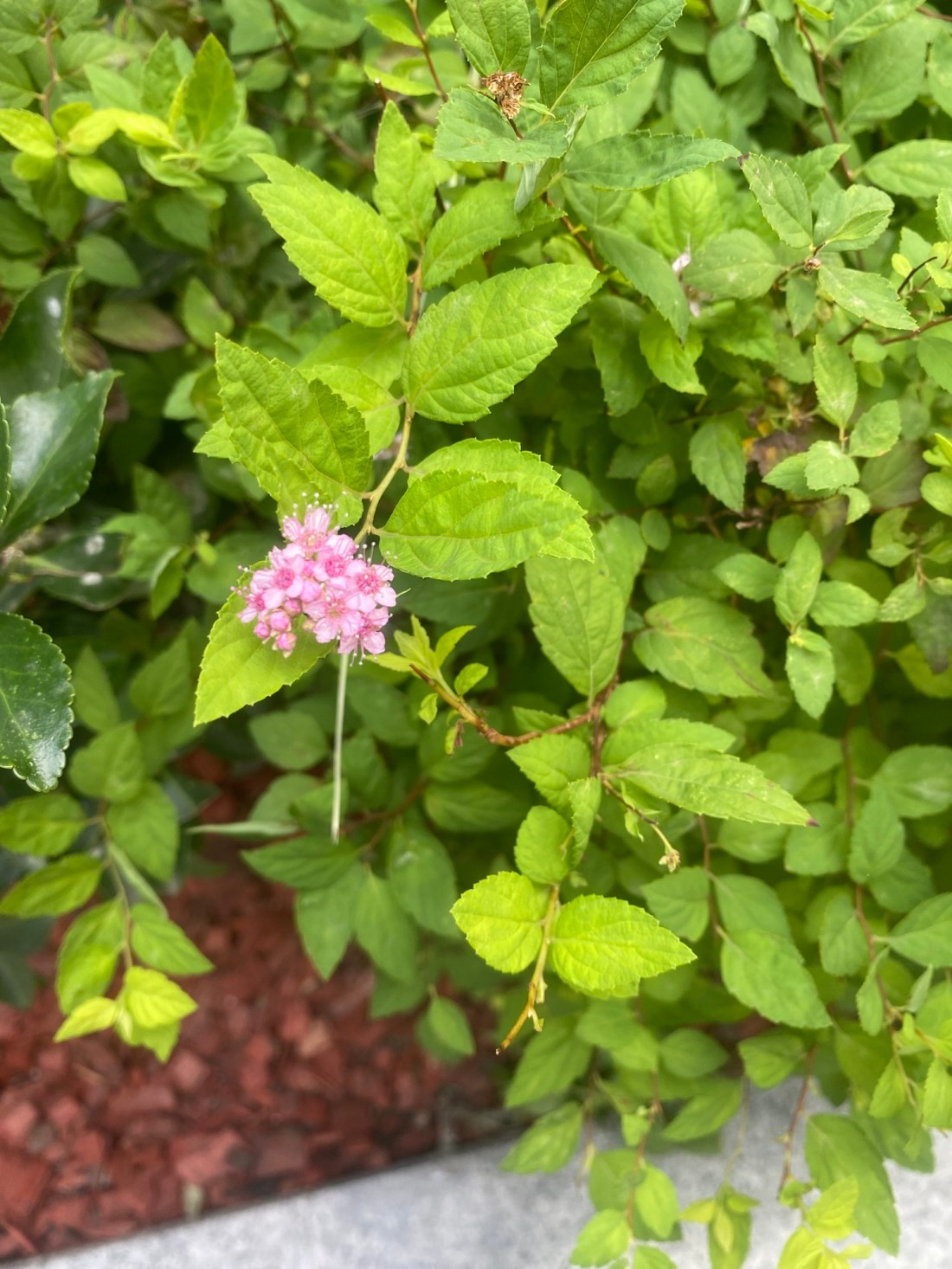
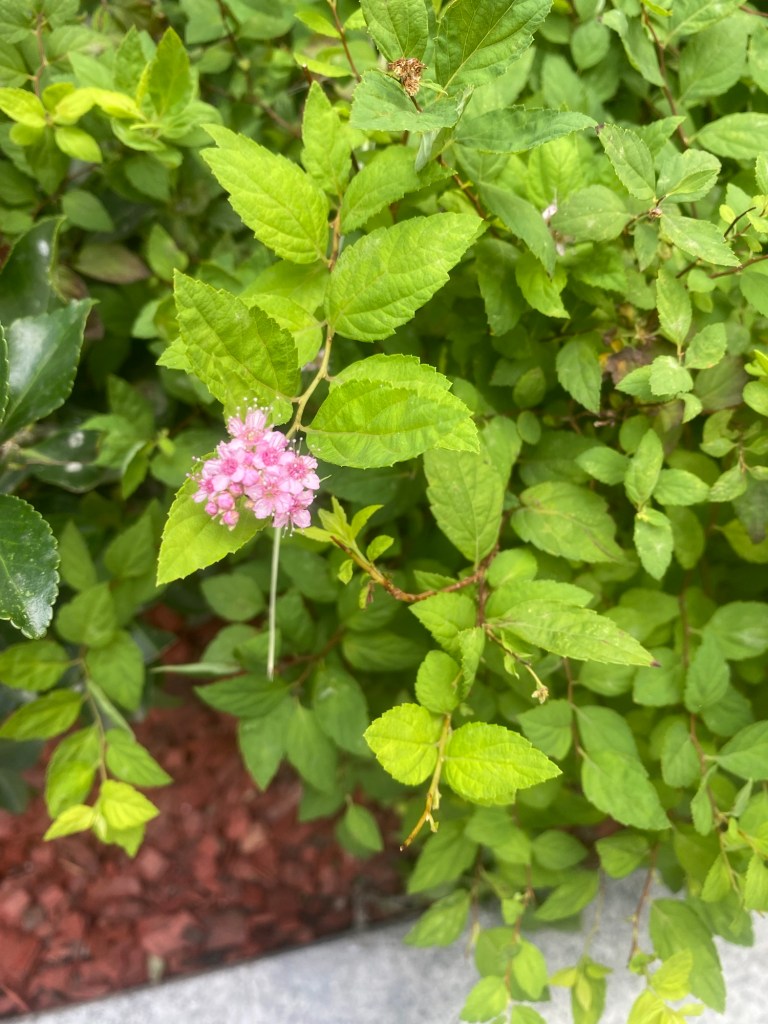
Check out this cute flower that drew my attention yesterday 💕

Fall and Forgiveness (Part 1)

Fall or autumn is the season between summer and winter.

Forgiveness is a powerful act of letting go and moving forward. With its yellow leaves and cooler temperatures, the fall season serves as an impactful metaphor for Forgiveness.

As nature transforms, plants shed their old leaves to prepare for the winter. This natural transition beautifully illustrates the idea of ‘letting go,’ making it an ideal time to explore and embrace forgiveness.

In this blog post, we shall see how Fall and Forgiveness are related.

Embracing the Essence of Fall

Fall (autumn) is about letting go. It is often seen as the season of transformation when nature sheds the old to make way for the new. As the leaves turn from vibrant greens to rich shades of orange, yellow, and red, they remind us of the beauty and necessity of letting go.

This natural cycle provides a clear similitude to our lives, highlighting the importance of releasing things that no longer serve us to cultivate growth and renewal.

In many cultures, fall is a season of harvest—a time to reap what has been sown throughout the year. But it’s also a preparation period for the winter months when old and unnecessary parts of the environment are naturally cleared away. Understanding the innate need to conserve energy for the colder months, trees let go of their leaves in a spectacular display of acceptance and surrender.

The process of release provides a powerful lesson. Just as trees let go of their leaves to preserve their strength, so must we let go of past grievances, outdated commitments, and unhelpful beliefs to maintain our energy and protect our well-being.

Letting go is not just an act of removal; it’s choosing where to direct our energies more fruitfully.

The Symbolism of Shedding Leaves

Trees let go of their leaves in the fall. This natural shedding process is not only necessary for the health of the trees but is also crucial for their rejuvenation and growth in the coming seasons.

Similarly, letting go and forgiving those who have wronged us, or even forgiving ourselves, can free us from the unnecessary weight of past pains, allowing emotional growth and renewal.

We can use this season as a reminder to release our burdens of grudges and resentment. The following five points provide further insight into the relationship between fall and Forgiveness.

1. Preparing for Renewal

Fall marks a time of preparation for the new and preservation for the harsher winter months ahead. In the human experience, forgiveness can be a preparation for a more peaceful state of mind, safeguarding our emotional well-being against the bitterness that can harden us during more challenging times.

By forgiving, we open ourselves to new relationships and opportunities as the soil readies itself for new seeds in the spring.

2. The Beauty in Change

There is undeniable beauty in the fall colors, a vibrant finale before the quiet of winter. Forgiveness, too, can bring beauty to our lives by transforming relationships and enhancing our understanding of human frailty, including our own.

It adds depth and color to our character, teaching us about compassion and the strength of the human spirit.

3. A Time for Reflection

The longer nights and cooler days of autumn offer a perfect opportunity for reflection—a chance to sit back and contemplate the events and interactions of the past year.

This introspection can lead to a deeper understanding of the situations where forgiveness might be needed. It’s a time to think about whom we must forgive and why and perhaps seek reconciliation.

4. Harvesting Peace

As farmers harvest their crops in the fall, we too can harvest the personal peace from forgiving. There’s a profound peace and satisfaction in resolving old conflicts and healing old wounds, which can improve our mental health and overall happiness.

5. Embracing the Cycle of Life

Fall and Forgiveness remind us of life’s cycles—of endings and beginnings. Forgiveness marks the end of conflict and the beginning of something brighter. It helps us close chapters that need closing and renew our spirit for the upcoming chapters.

The Art of Letting Go

Letting go can be challenging because it often involves stepping out of our comfort zones and confronting uncomfortable truths about our lives and relationships. It requires recognizing that some relationships, habits, and old ways of thinking may no longer contribute positively to our lives.

The process is not about loss but about making room for new experiences and opportunities.

Here’s how we can embrace this season to help us let go:

Reflect on the past year

Just as trees shed their leaves, take stock of what you might need to shed. What burdens are you carrying that you can let go of? This could be anything from resentments and fears to physical clutter in your home.

Practice forgiveness

Just as autumn clears the old and makes way for the new, Forgiveness allows us to clear old grudges. Forgiving yourself and others can free up tremendous energy and lead to a healthier emotional state.

Set goals for the coming months

As the landscape changes, consider the changes you wish to see. What new qualities do you want to cultivate? Setting intentions can help you focus on what truly matters.

Cultivate gratitude

Take time to appreciate the beauty of the changing seasons and the lessons they bring. Gratitude shifts your focus from what you need to let go and enhances your overall well-being.

Connect with nature

Spend time outdoors. The crisp autumn air and the crunch of leaves underfoot can be incredibly grounding and rejuvenating, reminding us of the cycle of life and renewal.

Autumn teaches us that letting go is a natural and necessary process for growth. It’s a beautiful reminder that there is also a beginning in every end, and in the act of release, there is renewal.

As you watch the leaves fall this season, remember that it’s an invitation to drop the weights you’ve carried, perhaps longer than necessary, and to walk lighter into the days ahead.

Best Ways to Let Go of the Past

Letting go of the past can be a liberating yet challenging process, but it’s crucial for moving forward and living a fulfilling life.

1. Acknowledge and express your feelings

Recognize the emotions tied to your past experiences. Allow yourself to feel them fully, whether it’s through talking with someone, journaling, or creative expression. Suppressing these feelings can delay the healing process.

2. Seek closure

Speaking to the people involved or writing a letter you never send can provide a form of closure. It’s a way to articulate your feelings and say everything you need to say, even if the other person isn’t part of the conversation.

3. Forgive

Forgiving yourself or others is a powerful tool for letting go. It doesn’t mean excusing the behavior or forgetting what happened, but freeing yourself from bitterness and resentment.

4. Change your narrative

Shift how you talk about your past. Instead of seeing it as a series of misfortunes, try to find lessons or strengths you gained from those experiences. This can transform how you view your past and its impact on your life.

5. Practice mindfulness and meditation

Engage in mindfulness exercises and meditation to help anchor you in the present moment. These practices can help you gradually detach from the cycles of regret or nostalgia that tie you to the past.

6. Create new memories

Actively seek out new experiences to create positive memories. This can shift your focus from the past to the present and future, helping you move on.

7. Set goals for the future

Having clear goals provides direction and motivation to help shift your focus away from the past. Plan steps to achieve these goals and start working on them.

8. Talk to a therapist

Sometimes, letting go of deep-seated or traumatic past events requires professional help. A therapist can provide strategies tailored specifically to you and support you.

9. Limit reminders

If certain places, people, or things trigger painful memories, limit your exposure to them as you work through your feelings.

10. Embrace change

Recognize that change is an inevitable part of life. Embracing it can reduce the fear and pain of leaving the past behind.

Letting go is not about erasing the past but lightening its impact on your present and future. It’s a journey that requires patience and self-compassion, but each step forward makes it easier to enjoy the present and look forward to what’s coming next.

Importance of Forgiveness

Forgiveness is a powerful and transformative process that benefits both the forgiver and the forgiven, and it plays a vital role in fostering healthy relationships and promoting personal and emotional well-being. 

Emotional healing

Holding onto anger, resentment, or grudges can be emotionally draining and detrimental to one’s mental health. Forgiveness allows individuals to release these negative emotions, leading to more excellent emotional stability and peace.

It helps heal the wounds of the past, allowing people to move forward without the burden of unresolved emotions.

Physical health benefits

Research has shown that Forgiveness improves physical health outcomes. Those who forgive tend to experience lower levels of stress, anxiety, and depression, which are all associated with a myriad of health problems, including heart disease and weakened immune systems. Forgiving can lead to lower blood pressure, improved heart health, and longevity.

Improved relationships

Forgiveness is essential for the longevity and health of relationships. It fosters a positive and supportive environment, enabling relationships to thrive even in the face of conflicts.

Individuals can prevent bitterness from poisoning their relationships by choosing to forgive and build stronger, more resilient bonds.

Psychological resilience

Forgiving others and oneself can build psychological resilience. It helps individuals develop a more adaptive approach to dealing with setbacks and conflicts. People who practice Forgiveness are better equipped to handle future challenges without being overwhelmed by negative emotions.

Spiritual growth

Many religious and spiritual traditions emphasize the importance of forgiveness as a pathway to enlightenment and inner peace. Forgiving is often seen as a divine attribute, and practicing forgiveness can deepen one’s spiritual life and connection to others.

Fosters empathy and compassion

Forgiveness encourages empathy and compassion. Understanding the reasons behind others’ actions and recognizing our vulnerabilities helps nurture compassion, which is crucial for forgiveness.

This makes interpersonal relationships more fulfilling and promotes a more compassionate society.

Freedom from the past

Forgiveness is a way of freeing oneself from the past. It allows individuals to let go of the parts of their history that bind them in negative cycles, opening up new possibilities for personal growth and happiness. It is a crucial step in reclaiming power over one’s own life.

Reduces the cycle of retaliation

On a broader scale, forgiveness can help reduce the cycle of retaliation and violence within communities and societies. Forgiveness can be a powerful tool for conflict resolution and peace-building.

However, forgiveness is not always easy and often requires a conscious, deliberate decision to let go of perceived wrongs. It might require time and can be a gradual process. However, the benefits of forgiving far outweigh the initial emotional cost, making it a crucial element for a fulfilled and healthy life.

10 Inspirational Quotes to Encourage Forgiveness

These forgiveness quotes will inspire you or help you to inspire others to forgive someone.

“The weak can never forgive. Forgiveness is the attribute of the strong.” – Mahatma Gandhi

 “To forgive is to set a prisoner free and discover that the prisoner was you.” – Lewis B. Smedes

“Forgiveness does not change the past, but it does enlarge the future.” – Paul Boese

“Forgiving isn’t something you do for someone else. It’s something you do for yourself. It’s saying, ‘You’re not important enough to have a stranglehold on me.'” – Kathleen Norris

“Forgiveness is not an occasional act; it is a constant attitude.” – Martin Luther King Jr.

“Forgiveness says you are given another chance to make a new beginning.” – Desmond Tutu

“The act of Forgiveness takes place in our mind. It has nothing to do with the other person.” – Louise Hay

“When you forgive, you in no way change the past – but you sure do change the future.” – Bernard Meltzer

“Resentment is like drinking poison and then hoping it will kill your enemies.” – Nelson Mandela

“Forgiveness is the fragrance that the violet sheds on the heel that has crushed it.” – Mark Twain


 

Apple

What brands do you associate with?

Before I got my laptop, I was using a chrome book. Didn’t even notice it was slow until I upgraded to a Mac Book 😂

My first apple product was my iPad. I wrote (50+) blogs for a client before I could afford it. I saved up for it, was really proud of myself when I got it.

My second Apple product was my Mac book 😅, although I hated working 8hours. I needed to pay for my MacBook. I actually quit the job immediately after I got the MacBook 😂. I preferred writing blogs and working short hours

My third apple product was my iPhone. It was a gift from a friend.

The reason I love apple products is the fact that I can copy something on my MacBook and paste it on my phone 😅. This is so good, especially since I also assist people with their social media accounts 😚

And then the airdrop 😍. I know it’s like Bluetooth but better

What do you like the most about apple products?

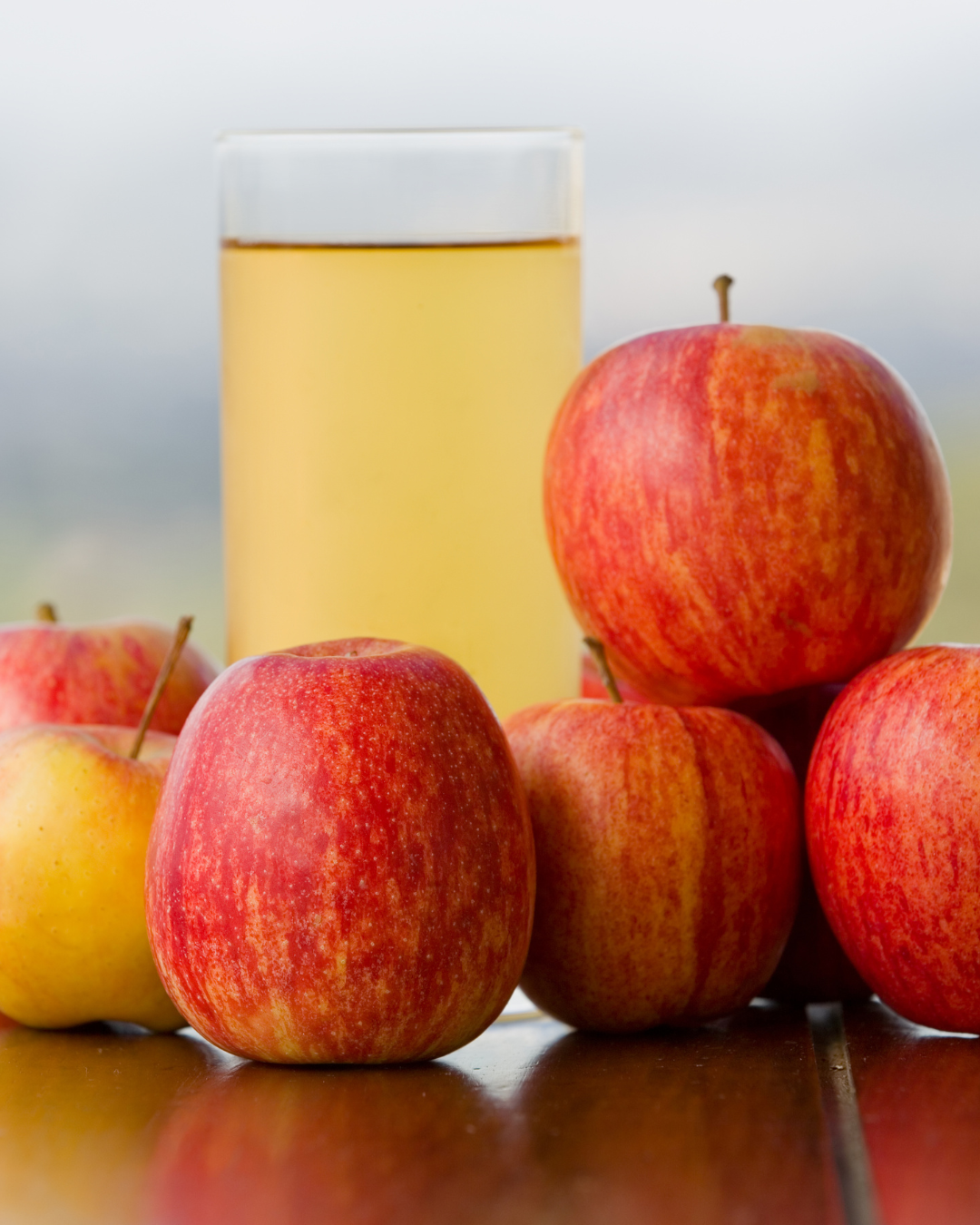
Apples: Delicious Recipes, Browning Prevention Tips & Preservation Techniques

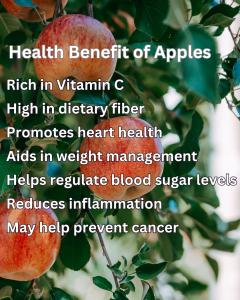
An apple a day keeps the doctor away. I am not sure where I first heard that, but it means it’s essential to eat apples because they have many health benefits. Are apples healthy? Yes, They are low in calories yet high in fiber and vitamin C. They also contain various antioxidants and dietary fiber, which are beneficial for heart health, weight management, and reducing the risk of several chronic diseases.

But what makes apples unique? Apples are versatile. You can eat them fresh, bake with them, or make smoothies, juices, and sauces with them. They are also special because they have many health benefits. They are rich in fiber, vitamins, and antioxidants, making them an excellent choice for a healthy diet. Apples also come in various flavors, textures, and colors, with over 7,500 varieties grown worldwide.

Almost everyone loves apples, but once sliced, they quickly turn brown, diminishing their visual appeal and texture. This blog post will show you the best ways to prevent apples from browning, delicious apple recipes, and the best ways to preserve your apples.

Why Are Apples Famous?

Apples are also among the most famous fruits. They became so famous due to their adaptability to various climates and soils, allowing them to be cultivated worldwide. Their role in historical and cultural contexts, such as the biblical story of Adam and Eve and the folklore of Johnny Appleseed, also contributed to their fame.

Apples are one of the most loved fruits. We love apples because they are delicious and have nutritional benefits. We also love apples for their convenience as a portable, easy-to-eat snack.

Why Do Apples Go Brown?

When apple flesh is exposed to oxygen, it undergoes enzymatic browning. This is caused by the enzyme polyphenol oxidase (PPO), which reacts with oxygen. Stopping this reaction is key to keeping apples fresh.

Best Methods to Prevent Apple Browning

There are different ways to keep an apple from browning and these are some of the most common methods.

Salt Water Soak

Dissolve a teaspoon of salt in a water bowl and soak the apple slices for a few minutes. Rinse before serving or using in recipes to remove any salty taste. 

Lemon Juice Method

Sprinkle or soak apple slices in lemon juice. The citric acid in lemon juice significantly slows down the oxidation process.

Water Soak

Immerse the apple slices in a bowl of cold water. This reduces their exposure to air, slowing down the browning.

Honey Solution

Mix a tablespoon of honey with one cup of water. Soak the apple slices for 30 seconds. Honey slows down oxidation due to a compound that acts as an antioxidant.

Rubber Band Trick

If you’ve sliced an apple and need to prevent browning temporarily, reassemble the apple and secure it with a rubber band.

Top 5 apples

Apples are delicious, and everyone love the different apples for different reasons. But here are some of the most loved apples:

Red Delicious 

Known for its deep red color and sweet flavor. Known for their bright red color and thick skin, these apples are good for eating fresh and in salads. They are best from late September through early October.

Granny Smith

Famous for its bright green color and tart taste, Granny Smith apples are perfect for baking. Known for their bright green color and tart flavor, Granny Smith apples are ideal for recipes where a strong apple flavor is desired. They are available from late April through early May.

Gala

Sweet and aromatic, ideal for eating fresh. With a crisp texture and sweet flavor, Gala apples are famous for both raw and cooked dishes. They are in season from mid-July through September.

Fuji

Incredibly sweet and crunchy, it is often used in salads and snacks. Fuji is versatile and can be eaten fresh, cooked, baked, or used in salads. It is in season from late September to late October.

Honey Crisp

Popular for its crisp texture and balanced sweet-tart flavor, Honeycrisps are large, juicy apples with a sweet taste. They are great for a variety of uses, including eating fresh and in desserts. Their season is from September through November.

Best Apples for Various Uses

Do you love to eat your apples fresh? Then go for Honeycrisp and Fuji apples. They are crisp and juicy perfect for an healthy snack.

If you want to make apple sauces, then go for McIntosh apples. McIntosh apples cook down smoothly and fast.

For baking, go for Granny Smith and Braeburn. These apples maintain their texture and tartness, complementing sweetness.

For salads, I would recommend Gala apples. Gala apples add a sweet, mild flavor and crisp texture.

Benefits of Apples

Apples are highly nutritious and offer several health benefits.

 They contain essential vitamins and minerals, particularly vitamin C and potassium. Apples have antioxidant and anti-inflammatory effects that can improve overall health.

Another  good thing about apples is their fiber, which aids in digestion and can help manage weight. If you eat apples regularly, you have a lower risk of heart disease, partly due to the soluble fiber that helps lower cholesterol.

The fiber in apples can also help stabilize blood sugar levels.

Apples are versatile and beneficial, making them a great addition to a balanced diet.

Now, let’s discuss delicious apple recipes.

Oatmeal apple pancakes

Oatmeal apple pancakes are a delightful twist on a classic breakfast dish. 

Ingredients

– 1 cup rolled oats

– 1 cup all-purpose flour

– 2 teaspoons baking powder

– 1/2 teaspoon cinnamon

– 1/4 teaspoon salt

– 1 apple, peeled and grated

– 2 tablespoons sugar

– 1 egg

– 1 cup milk

– 2 tablespoons melted butter

What to do

  • Mix the oats, flour, baking powder, cinnamon, and salt in a large bowl.
  • In another bowl, combine the grated apple with sugar, egg, milk, and melted butter.
  • Stir the wet ingredients into the dry ingredients until they are combined.

Cooking

  • Heat a non-stick skillet over medium heat and lightly grease it.
  • Pour about 1/4 cup of batter for each pancake onto the skillet.
  • Cook until bubbles form on the surface, then flip and cook until golden brown on the other side.

Serve these oatmeal apple pancakes warm with your choice of toppings, like maple syrup or yogurt.

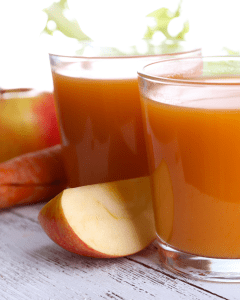
Apple Carrot Smoothie

This is an excellent pre-workout smoothie or a pre-lecture smoothie

Ingredients:

– 1 large apple, cored and chopped

– 2 medium carrots, peeled and chopped

– 1/2 inch piece of ginger, peeled

– 1/2 cup water

– Ice cubes (optional for a colder smoothie)

– 1 tablespoon honey 

– A pinch of ground cinnamon (optional for extra flavor)

What to do

  • Start by preparing your fruits and vegetables. Wash, core, and chop the apple. Peel and chop the carrots. Peel the ginger.
  • Place the chopped apple, carrots, and ginger in a blender. Add water. If using, add ice, honey, and cinnamon.
  • Blend on high until everything is smooth. If the smoothie is too thick, add more liquid to reach your desired consistency.
  • Taste your smoothie and adjust the sweetness with more honey if needed.
  • Pour into a glass and enjoy immediately for the best flavor and nutrient retention.

Apple Juice to Tea

Adding juice to tea is a widespread practice that enhances the beverage’s flavor profile and can add nutritional benefits. The natural sweetness and tartness of juice, such as apple, complement tea flavors, reducing the need for added sugars.

This combination also provides a more complex taste experience and can make the drink more refreshing and enjoyable. Additionally, incorporating juice, which contains vitamins and antioxidants, can boost the health properties of the tea, making it a healthier choice.

  • Steep your favorite tea (black, green, or herbal) as you usually would.
  • Mix the tea with an equal part of homemade or store-bought apple juice once the tea is brewed.
  • Serve hot or chilled, depending on your preference. For extra flavor, add a slice of lemon or a cinnamon stick.

How to Make Homemade Apple Juice

  • Wash, core, and cut apples into quarters.
  • Use a juicer to extract the juice from the apples. If you don’t have a juicer, blend the apples with water, then strain the mixture through a cheesecloth or fine mesh strainer.
  • Enjoy the juice fresh, or store it in the refrigerator in an airtight container for up to a week.

Is it OK to eat an apple daily?

Eating an apple daily is beneficial as it contributes to the dietary fiber and vitamin intake necessary for a healthy diet. The adage “an apple a day keeps the doctor away” reflects the longstanding belief in apples’ health benefits. Eating two apples daily is generally not too much for most healthy individuals. However, since apples contain sugar and calories, one must consider one’s overall diet and calorie needs.

Apples are not known to disrupt sleep patterns and can be a healthy, low-calorie night snack option. However, due to their fiber and sugar content, some might prefer to eat them earlier if they experience digestive sensitivities.

How To Preserve Apples

Preserving apples can extend their shelf life and enhance their versatility in the kitchen. 

Drying

Dehydrate apple slices using a dehydrator or an oven set to a low temperature. This method concentrates the apple’s natural sugars, making them a sweet, chewy snack.

Freezing

Slice apples and coat them with some lemon juice to prevent browning before freezing. This is great for later use in cooking or baking.

Canning

Prepare apples as apple sauce or apple pie filling and can them using a water bath canning process to seal in freshness and flavor.

Cold Storage

Store whole apples in a cool, humid, dark place like a cellar or a fridge. Some apple varieties can last several months if properly stored.

Conclusion

Apples are a fundamental part of diets worldwide, from their rich history to their diverse culinary uses. Whether baking a pie, whipping up a salad, or snacking straight from the fruit bowl, apples offer flavor, nutrition, and versatility unmatched by other fruits.

Did you find this post helpful? Leave a comment below.

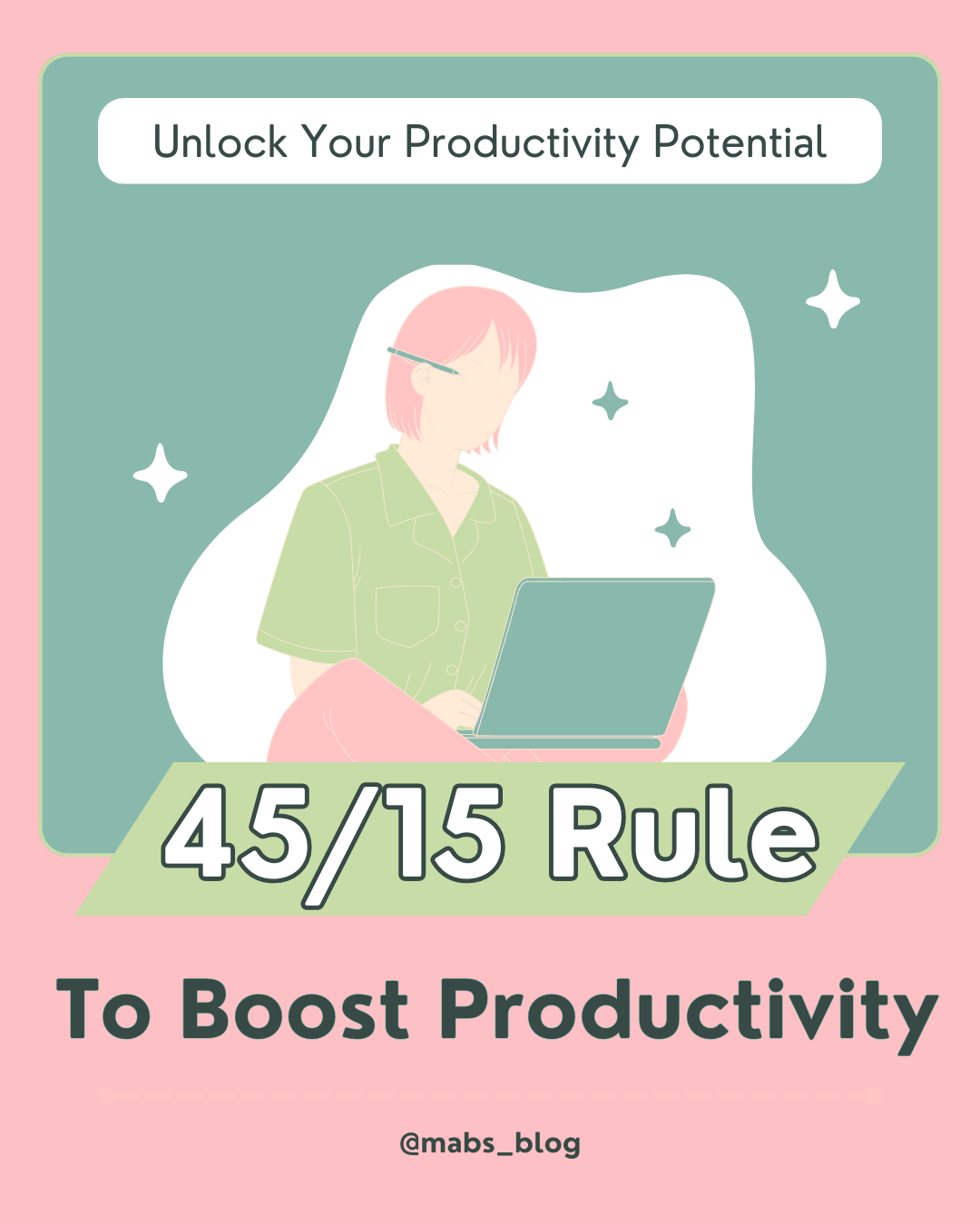
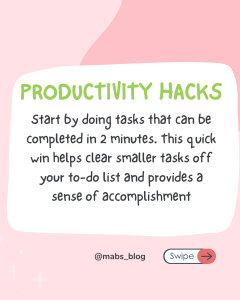
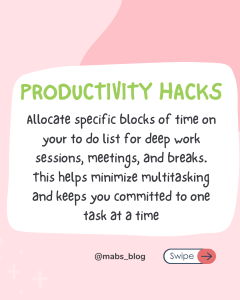
Increase Your Productivity With The 45/15 Rule

Do you wish you had more time in your day to finish the amount of work you have on your to do list. I am on the same page. I  used to feel like 24 hours wasn’t enough for me to finish my tasks.

Free Person Holding Iphone Showing Social Networks Folder Stock Photo

One of the biggest time thief is social media. I used to spend hours scrolling mindlessly, laughing my time a way. Have you also ever lost track of how long you have been scrolling on social media?

What sucks is after spending hours on social media, we are already tired and aren’t able to complete our task successfully. Or worse, we need to rush to submit our work and doing this repeatedly can lead to burnout.

In today’s fast-paced world, maximizing productivity without burning out is necessary. There are a lot of time management strategies, but my favourite strategy is the 45/15 rule.

The 45/15 rule balances intense focus with essential breaks. Rooted in cognitive science, this technique enhances focus, reduces procrastination, and optimizes work-life balance.

The Science Behind the 45/15 Rule

The 45/15 rule is not a random number game; it’s a carefully curated strategy based on cognitive research. Cognitive science tells us that the human brain works best with intermittent breaks. Focused work sessions longer than 45 minutes often lead to decreased concentration and increased chances of burnout. The 45/15 rule, therefore, aligns work habits with natural attention spans and cognitive rhythms, ensuring sustained focus and productivity.

During the 45-minute work period, you dive deep into your tasks, reaching a heightened concentration that fosters creativity and efficiency. This uninterrupted focus allows for deeper engagement with the task.

The Psychological Edge

Besides cognitive benefits, the 45/15 rule offers significant psychological advantages. Breaking down work into manageable intervals makes daunting tasks more achievable and reduces the anxiety associated with large projects. This segmentation boosts motivation and satisfaction, enhancing overall work morale.

One of the 45/15 rule’s greatest strengths is its flexibility. It can be adapted to suit different personal preferences and professional demands. For example, virtual assistants can use this techniques for work and students can also use this as a study strategy.

Free Photo of a Woman Thinking Stock Photo


How To Use The 45/15 Rule

Step 1: Choose a distraction-free workspace

This could be a quiet room or a designated desk. Equip it with all necessary tools — WiFi, stationery, etc.

Plan what each 45-minute segment will entail. Use a notebook or apps like notion to keep track.

I use a notebook and pencil to plan my day but if you are more tech savvy, you can try this apps

Apps that can help with Time Management:

  • Trello
  • Asana
  • Todoist
  • Evernote
  • Microsoft To Do
  • Focus@Will
  • RescueTime
  • Forest
  • Google Calendar
  • Clockify

Step 2: Be disciplined

Do your work for 45 mins and take 15 mins break

Benefits of the 45/15 Rule

1. Maintains High Productivity

The 45/15 rule helps maintain a high productivity level throughout the day by aligning with our natural cognitive capacities. This method prevents the typical mid-afternoon slump and keeps energy levels steady.

2. Prevents Burnout

Regular breaks are essential in managing stress and preventing burnout. The 15-minute interval allows the mind to reset and rejuvenate, ready to tackle the next challenge.

3. Work-Life Integration

These breaks also provide an opportunity to attend to personal needs — a quick walk, a snack, or a moment of meditation. Integrating personal time within the workday enhances overall life satisfaction and reduces work-related stress.

Daily Habits That Improve Your Productivity

Respond emails, engage with your audience,

Write a blog, study or work on your presentation

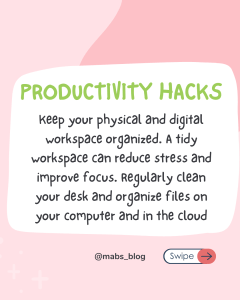
Clean your work space

Excuse yourself from meetings that take too much of your time. For example, you can let your friends know you can only commit 15-30 min to the meeting then you will have to excuse yourself

Go to the gym, take a walk or dance

How I Use The 45/15 Rule

I work on a computer screen a lot. During my 45 minutes of deep work, I mostly just try to do something on my to-do list. I write a blog, post on my social media platforms, or work on my clients’ blogs and social media.

Then, I take a 15-minute break. During my breaks, I prefer not to be on a screen. Instead, I enjoy a cup of coffee, do a chore, have a snack, or take a nap.

Your 15 min break is also the best time to take a shower, meditate or write on your journal.

I prefer the 45/15 rule to the 25 min of work and 5 min break  (Pomodoro technique) because I can get more work done in 45 mins and enjoy longer breaks.

Conclusion

The 45/15 rule presents a practical, adaptable framework for managing time that suits modern work demands. Its simplicity and effectiveness make it invaluable for anyone looking to boost productivity and maintain a healthy balance between work and life.

Will you be trying the 45/15 rule? Leave a comment below.

Kaestrings

What’s your all-time favorite album?

Guys listen to Kaestrings, even if you don’t understand the lyrics. His songs hits 🥹

My fav song is Rahama 🌸

He actually sings his song live for you on IG if you ask him nicely 😌🥰

I love taking pics of flowers and then I saw this fairy 😅and I could help it 🫠

Marriage

Which topics would you like to be more informed about?

I want to know more about marriage, what to do and what not to do.

I would also like to learn how to stay married forever and stay in love forever.

Sometimes you don’t need to do too much. Check out this cute flower