
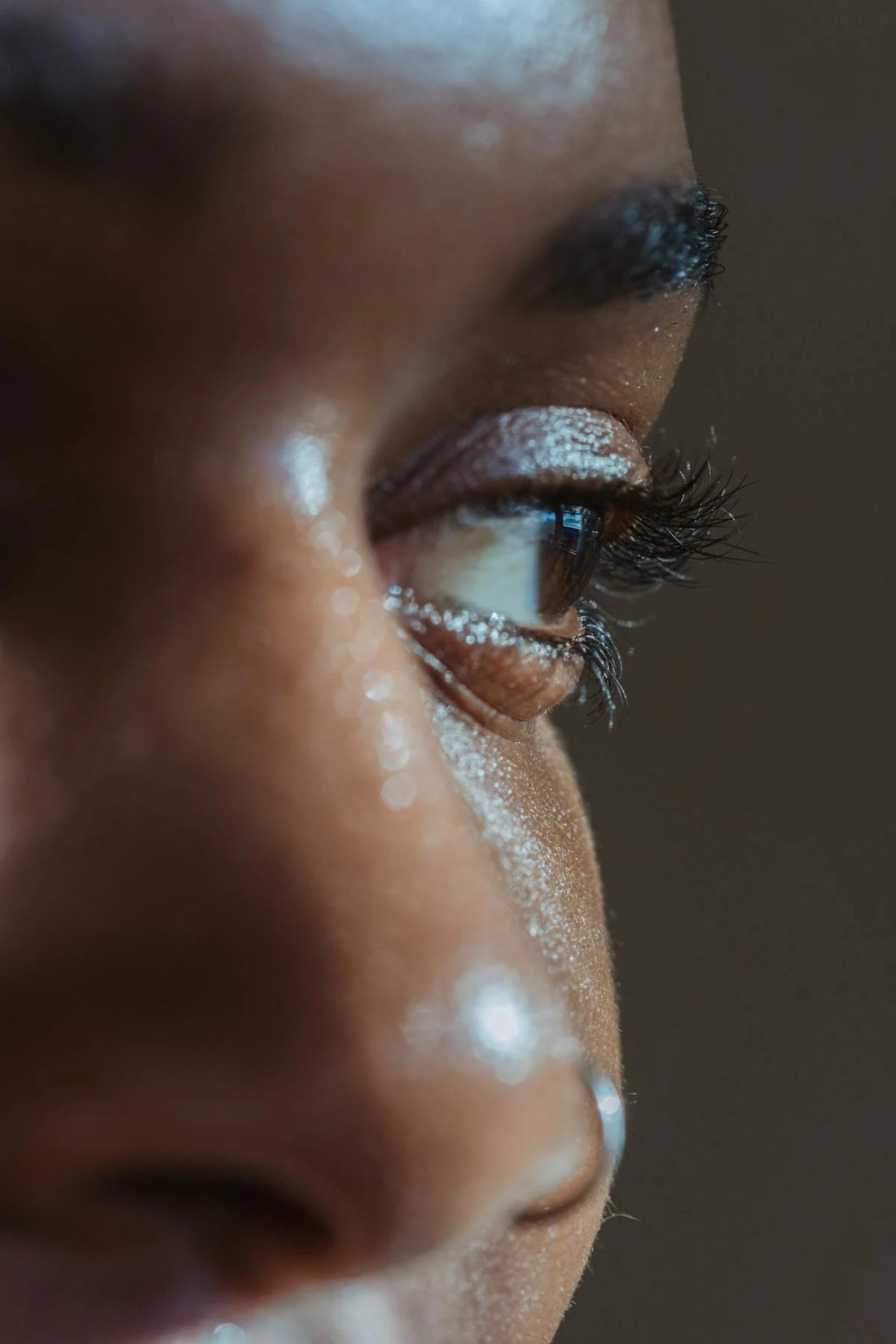
We’ve all been there: you leave the lash salon with a fresh set of extensions, feeling like you can conquer the world with just a flutter of your eyes. But then, days later, you start noticing those beautiful lashes shedding faster than expected. It’s frustrating, not to mention a hit to your wallet, as you’re now considering booking a fill sooner than planned. So, what gives? Why aren’t your lash extensions lasting as long as they should?

You might be surprised to learn that there are several strange and unexpected reasons why your lash extensions could be saying goodbye before their time. In this blog, we’re diving deep into the weird and wonderful world of lash retention, uncovering the secrets that might help you keep those lashes looking fabulous for longer.
Why are lashes important? Studies suggest that larger, wider eyes are often considered more attractive. Long lashes create the illusion of bigger eyes, drawing attention and enhancing their perceived beauty. This effect also contributes to facial symmetry, commonly linked to overall attractiveness.
Understanding Lash Retention
Before we get into the nitty-gritty of what could be going wrong, let’s talk about lash retention. Lash retention refers to how long your eyelash extensions stay in place, keeping you looking glamorous day after day. On average, a good set of lash extensions should last 2 to 4 weeks before you need a fill. However, retention can vary based on several factors, and understanding these can help you get the most out of your lash investment.
Poor retention isn’t just about losing your look sooner than you’d like; it also means more frequent visits to your lash technician, which can add time and money. Plus, constantly losing lashes can be frustrating, leading you to question what you might be doing wrong.
Strange Reasons Your Lash Extensions Aren’t Lasting
1. Natural Lash Growth Cycle
Let’s start with the basics. Each natural lash has a unique growth cycle, affecting how long your extensions last. Lashes go through three main stages: the anagen (growth) phase, the catagen (transition) phase, and the telogen (resting) phase. When a lash is in the telogen phase, it’s just waiting to fall out naturally, taking your extension with it.
You might notice that sometimes, after a fresh set of lashes, you start losing them quickly. This could simply be because many of your natural lashes were nearing the end of their cycle when you got your extensions. It’s an entirely normal process, but it can be disheartening if you’re unaware. To maximize retention, scheduling your lash appointments based on your lash cycle is helpful, which your lash tech can help you understand.
You can also try an eyelash serum, trusted to help your natural eyelashes grow longer.
2. Sleeping Habits
Believe it or not, the way you sleep can have a significant impact on your lash extensions. If you’re a side-sleeper or a stomach-sleeper, you could unknowingly press your face—and therefore your lashes—into your pillow throughout the night. This constant pressure can cause your extensions to twist, bend, or even fall out prematurely. I know I am on this table.
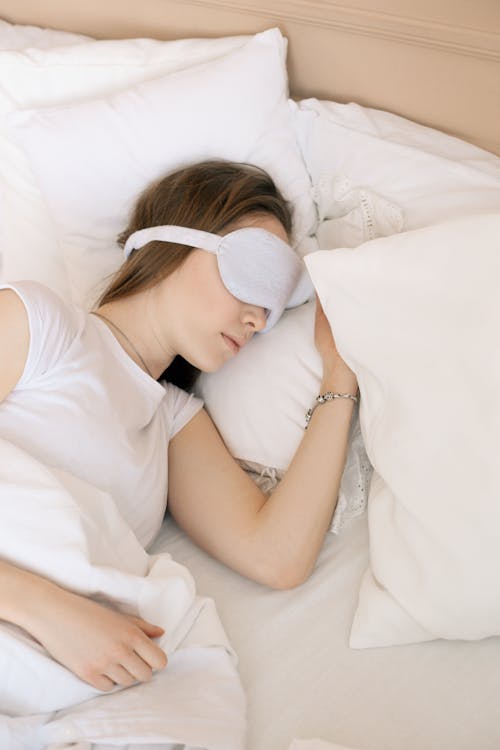
To help combat this, consider switching to a silk pillowcase, which is gentler on your lashes (and skin!). You might also want to train yourself to sleep on your back, although we know that’s easier said than done. If you can’t change your sleeping position, a contoured sleep mask that doesn’t press on your lashes can be a good alternative.
3. Skincare Products
Your skincare routine could be another sneaky culprit behind poor lash retention. Many skincare products, especially oil-based ones, can break down the adhesive to attach your extensions. Even harmless products, like certain moisturizers or eye creams, can cause the glue to weaken, leading to premature lash loss.
Take a close look at the ingredients in your skincare products. If you spot anything oil-based, keep it away from your lashes. Instead, opt for water-based or lash-safe products and apply them carefully to avoid your lash line. Also, be mindful when washing your face—avoid splashing water directly onto your lashes and gently clean around them.
4. Hormonal Changes
Hormones are potent chemicals that can significantly impact your body, including your lashes. Changes in your hormone levels—whether due to your menstrual cycle, pregnancy, menopause, or even starting or stopping birth control—can affect your hair growth cycle, including your lashes.
During certain phases of your cycle, your body might produce more oil, which can break down lash adhesive or cause your lashes to shed faster than usual. Unfortunately, this is one of those factors that’s mainly out of your control, but knowing it can help you understand why your lash retention might vary monthly.
5. Environmental Factors
Your environment can play a surprisingly significant role in how long your lash extensions last. For example, if you live in a hot, humid climate, the extra moisture in the air can weaken the bond of the lash glue. On the other hand, if you’re in a very dry or cold environment, your lashes might become brittle, leading to increased shedding.
Pollution can also affect your lashes. If you’re regularly exposed to high pollution levels, particles in the air can settle on your lashes, breaking down the adhesive or weighing down the extensions. To protect your lashes, try wearing sunglasses outside to shield them from the elements, and consider using a lash sealant to create a barrier against environmental damage.
6. Dietary Choices
You might be surprised to learn that your diet influences lash retention. Like the rest of your body, your lashes need the proper nutrients to stay strong and healthy. A diet lacking in vitamins and minerals—particularly biotin, zinc, and vitamins A, C, and E—can lead to weaker, more brittle lashes that are more likely to shed prematurely.
Incorporating more nutrient-rich foods into your diet can help improve the health of your natural lashes, leading to better retention of your extensions. Foods like eggs, nuts, seeds, leafy greens, and fatty fish are all excellent choices for promoting healthy hair growth, including your lashes. Staying hydrated is vital, as dehydration can lead to dry, brittle lashes.
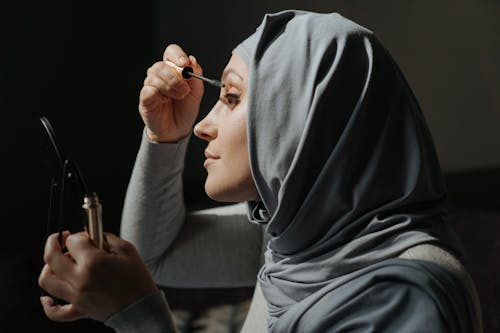
Tips to Improve Lash Retention
Now that we’ve uncovered some of the strange reasons your lashes might not last as long as you’d like, let’s discuss how to improve your retention and keep those lashes looking fabulous for weeks.
1. Establish a Lash Care Routine
Taking care of your lash extensions is crucial for maximizing retention. Here’s a simple routine to follow:
Cleanse
Use a lash-safe cleanser daily to remove any dirt, oil, and makeup that could weaken the adhesive. Be gentle when washing around your eyes, and avoid rubbing your lashes.
Brush
Gently brush your lashes with a clean spoolie brush each morning to keep them looking neat and prevent tangling.
Avoid Oil
Keep oil-based products away from your lash line, and opt for water-based or lash-safe alternatives.
Seal
Consider using a lash sealant to protect your extensions from environmental factors and extend their lifespan.
2. Schedule Regular Fills
Even with the best care, your lash extensions will eventually need a fill. Most lash technicians recommend scheduling fills every 2-4 weeks, depending on how fast your natural lashes grow and shed. Regular fills keep your lashes looking full and help maintain the integrity of your extensions, reducing the risk of damage to your natural lashes.
Consider learning how to do your own lashes. To save some extra money.
3. Consult with Your Lash Tech
If you’re experiencing poor retention despite following all the tips, consulting with your lash technician is a good idea.They can assess your lashes and offer personalized advice based on your needs. They might recommend adjusting the type of adhesive used, switching to a different style of lash extensions, or even tweaking your aftercare routine.
Your lash tech is your best resource for understanding what’s happening with your lashes, so don’t be afraid to ask questions and share any concerns you have.
Conclusion
Lash extensions are a fantastic way to enhance natural beauty, but poor retention can quickly turn them into frustration. By understanding the strange and unexpected factors that can affect your lash extensions, you can take steps to protect your investment and enjoy longer-lasting results.
Remember, everyone’s lashes are different, and what works for one person might not work for another. The key is to find a routine that works for you and to stay consistent with your lash care. You can keep your lash extensions looking fabulous for weeks with extra attention and care.
Frequently Asked Questions (FAQ)
1. How often should I clean my lash extensions?
You should clean your lash extensions daily using a lash-safe cleanser. This helps remove dirt, oil, and makeup that can weaken the adhesive and cause premature lash loss.
2. Can I wear mascara with lash extensions?
Wearing mascara with lash extensions is generally not recommended, especially volume lashes. If you do use mascara, choose a water-based, extension-safe formula and apply it sparingly to the tips of your lashes only.
3. What should I do if I notice my lashes falling out prematurely?
If you notice excessive lash shedding, it’s best to consult with your lash technician. They can help identify the cause and recommend adjustments to your lash care routine or the products you’re using.
By following these tips and understanding the factors that can affect your lash retention, you’ll be well on your way to enjoying beautiful, long-lasting lash extensions.
Did you find this post interesting, leave a comment below



 MABS
MABS 