10 Proven Nutrition Tips for Reducing Your Type 2 Diabetes Risk

Diabetes

Type 2 diabetes is a growing health concern worldwide, but the good news is that it can often be prevented or delayed through lifestyle changes. Diet plays a critical role in managing blood sugar levels and maintaining overall health. If you’re at risk for type 2 diabetes, adopting healthy eating habits can make a significant difference.

This article provides 10 practical dietary tips to help regulate blood sugar, improve metabolism, and lower the risk of developing diabetes. We’ll also explore healthier alternatives to common foods and habits that could be increasing your risk.

Free Close-up of diabetes management tools and informational documents on a table. Stock Photo
Close-up of diabetes management tools and informational documents on a table.

1. Choose Drinks Without Sugar

One of the easiest ways to cut down on excess sugar is by changing what you drink. Sugary drinks like soda, energy drinks, and sweetened teas can cause rapid blood sugar spikes and increase insulin resistance.

Healthier Alternatives:

  • Water: The best choice for hydration with zero calories or sugar.
  • Herbal teas: Naturally free from sugar and available in a variety of flavors.
  • Sparkling water with a splash of lemon or lime: A great substitute for soda.
  • Infused water: Add slices of cucumber, berries, or mint for a refreshing drink.

2. Drink Tea and Coffee Without Added Sugar

While tea and coffee can have health benefits, adding sugar, syrups, or flavored creamers can turn them into sugar-laden drinks. Instead, try these alternatives:

  • Use cinnamon or vanilla extract for natural sweetness.
  • Try unsweetened almond or coconut milk instead of sugary creamers.
  • Choose black coffee or green tea, which contain antioxidants beneficial for blood sugar control.

3. Skip Fruit Juices and Smoothies

Although fruit is healthy, fruit juices and store-bought smoothies often remove the fiber and concentrate the sugar content. This can cause a rapid rise in blood sugar levels.

According to research, Drinking 100% fruit juice is not linked to a higher risk of diabetes, but it may not be the best option for individuals already managing the condition

Best alternatives:

  • Eat whole fruits instead of drinking juice.
  • Blend homemade smoothies with high-fiber ingredients like spinach, flaxseeds, and unsweetened yogurt.
  • Dilute fruit juices with water to reduce sugar intake.

4. Choose High-Fiber Carbs

Fiber helps slow down digestion, keeping blood sugar levels stable. According to CDC, diabetics should opt for complex carbs that are high in fiber, rather than low-fiber refined carbs.

High-Fiber Carbs (Good Choices):

  • Whole grains: Brown rice, quinoa, whole wheat bread, oats.
  • Legumes: Lentils, chickpeas, black beans.
  • Vegetables: Sweet potatoes, carrots, broccoli.

Low-Fiber Carbs to Avoid (Bad Choices):

  • White bread and white rice.
  • Pastries, cookies, and processed cereals.

Below is an example of how you can add complex carbs to your diet.

Breakfast:

  • Swap white toast for whole grain bread with avocado or peanut butter.
  • Add oats to your morning routine—try oatmeal topped with nuts and berries.
  • Blend a fiber-rich smoothie with spinach, flaxseeds, and unsweetened yogurt.

Lunch & Dinner:

  • Replace white rice with quinoa, brown rice, or bulgur as a side dish.
  • Use lentils, chickpeas, or black beans in soups, stews, or salads.
  • Choose whole wheat pasta instead of regular pasta.

Snacks:

  • Enjoy hummus with whole grain crackers or veggie sticks.
  • Munch on air-popped popcorn, which is a whole grain.
  • Try Greek yogurt with flaxseeds and chia seeds for an added fiber boost.

5. Replace Red Meat with Healthier Proteins

Research shows that consuming too much red and processed meat can increase the risk of diabetes due to its high saturated fat content.

Free A hearty breakfast with fried eggs, baked beans, and toast served with coffee in a cozy setting. Stock Photo
Hearty breakfast with fried eggs, baked beans, and toast served with coffee

Healthier Protein Sources:

  • Poultry: Skinless chicken and turkey.
  • Fish: Salmon, sardines, and mackerel are rich in omega-3 fatty acids.
  • Plant-based proteins: Lentils, beans, tofu, and unsalted nuts.
  • Eggs: A great source of protein with minimal impact on blood sugar.

6. Eat Plenty of Fruits and Vegetables
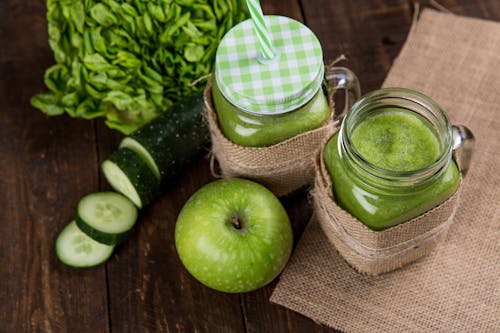
Free Refreshing green smoothie made with apple, cucumber, and lettuce served in mason jars on wooden background. Stock Photo
Refreshing green smoothie made with apple, cucumber, and lettuce

Fruits and vegetables are essential for a balanced diet, but not all fruits are equal when it comes to blood sugar control.

Best Fruits for Diabetes Prevention:

The best fruit according to American Diabetes Association  fruits that are fresh, frozen, or canned without added sugars. When selecting canned fruit, look for labels such as ‘packed in its own juices,’ ‘unsweetened,’ or ‘no added sugar.’ While dried fruit and 100% fruit juice can also be nutritious options, their smaller portion sizes may make them less satisfying compared to whole fruits.

  • Berries: Blueberries, raspberries, strawberries (high in fiber, low glycemic index).
  • Citrus fruits: Oranges, lemons, grapefruits.
  • Apples and pears: High in fiber when eaten with the skin.

Furthermore, avoid juicing fruits, as it removes fiber and spikes blood sugar levels.

7. Choose Unsweetened Yogurt and Cheese

Many yogurts contain hidden sugars, especially flavored varieties. Instead:

  • Choose plain Greek yogurt and add fresh fruit for flavor.
  • Opt for cheese varieties with lower saturated fat, such as cottage cheese or mozzarella.

8. Don’t Drink Too Much Alcohol

Excess alcohol can contribute to weight gain and blood sugar imbalances. Researchers have found an association between moderate alcohol intake with a reduced risk of diabetes. To reduce alcohol intake:

  • Set weekly limits for alcohol consumption.
  • Drink water between alcoholic beverages.
  • Choose lower-alcohol options, like wine spritzers.

9. Choose Healthy Snacks

Snacking is a great way to keep energy levels steady, but unhealthy choices can lead to blood sugar spikes. Instead, opt for healthy snacks, check a full list of healthy snacks by MedicalNewsToday

Healthy Snacks for Blood Sugar Control:

  • Nuts and seeds: Almonds, walnuts, chia seeds.
  • Avocados
  • Turkey slices
  • Hummus with veggie sticks.
  • Hard-boiled eggs.
  • Greek yogurt with berries.

10. Choose Healthier Fats

Did you know fats can be part of a healthy diet, According to the American Heart Association, not all fats are bad. Avoid unhealthy trans fats and opt for healthier options instead.

Bad Fats (Avoid):

  • Margarine, fried foods, processed snacks.

Good Fats (Include More):

  • Olive oil, avocado oil.
  • Nuts and seeds.
  • Fatty fish (salmon, tuna).

Bonus Tip: Get Vitamins from Food, Not Supplements

Whole foods provide a natural balance of nutrients without synthetic additives. Prioritize:

  • Leafy greens: High in vitamin C and magnesium.
  • Nuts: Provide healthy fats and vitamin E.
  • Dairy: A good source of calcium and vitamin D.

Conclusion

Preventing type 2 diabetes starts with small, sustainable dietary changes. By following these 10 tips, you can make healthier food choices that help maintain stable blood sugar levels and promote long-term health.

Did you find this article helpful? Leave a comment below
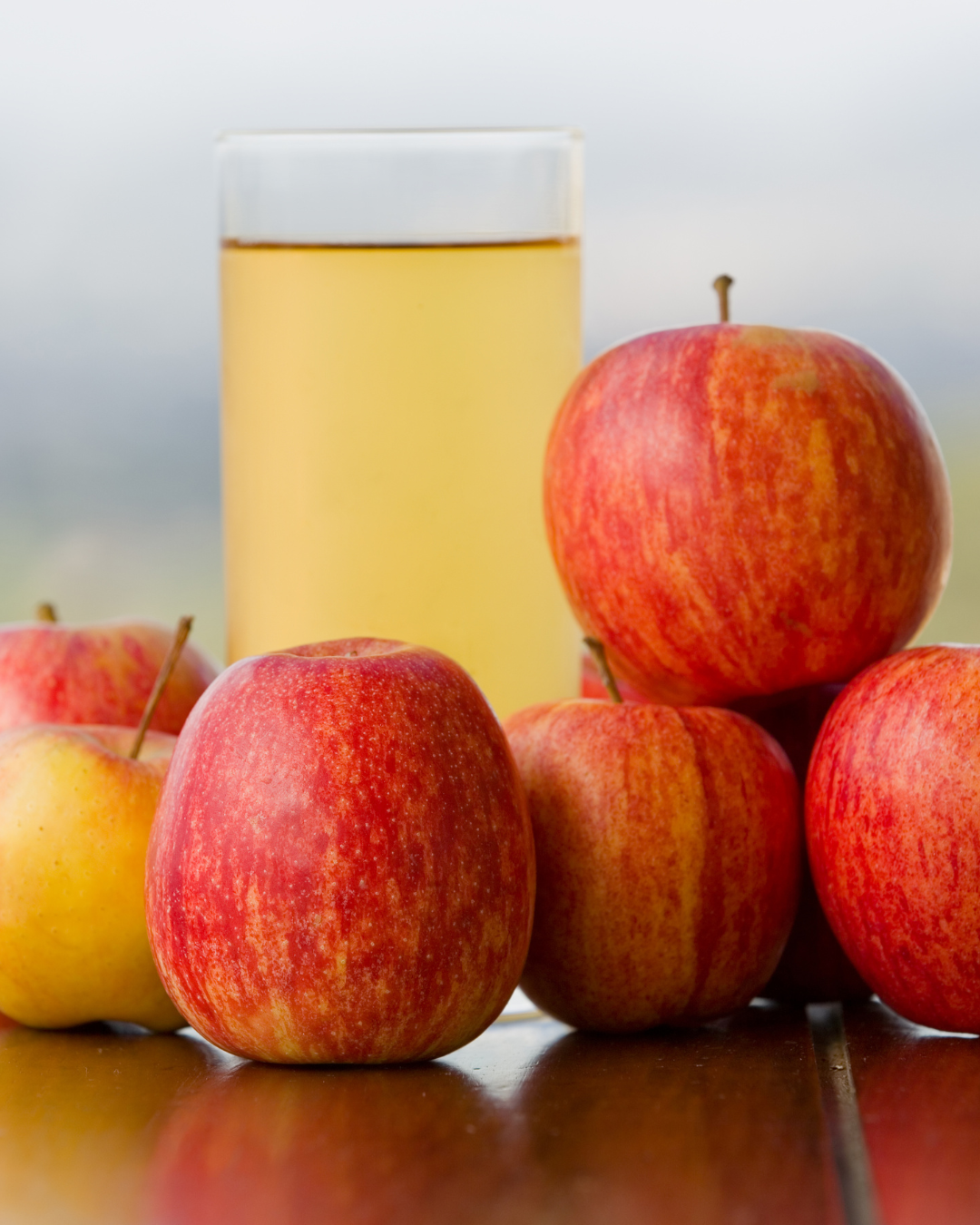
 

Apples: Delicious Recipes, Browning Prevention Tips & Preservation Techniques

An apple a day keeps the doctor away. I am not sure where I first heard that, but it means it’s essential to eat apples because they have many health benefits. Are apples healthy? Yes, They are low in calories yet high in fiber and vitamin C. They also contain various antioxidants and dietary fiber, which are beneficial for heart health, weight management, and reducing the risk of several chronic diseases.

But what makes apples unique? Apples are versatile. You can eat them fresh, bake with them, or make smoothies, juices, and sauces with them. They are also special because they have many health benefits. They are rich in fiber, vitamins, and antioxidants, making them an excellent choice for a healthy diet. Apples also come in various flavors, textures, and colors, with over 7,500 varieties grown worldwide.

Almost everyone loves apples, but once sliced, they quickly turn brown, diminishing their visual appeal and texture. This blog post will show you the best ways to prevent apples from browning, delicious apple recipes, and the best ways to preserve your apples.

Why Are Apples Famous?

Apples are also among the most famous fruits. They became so famous due to their adaptability to various climates and soils, allowing them to be cultivated worldwide. Their role in historical and cultural contexts, such as the biblical story of Adam and Eve and the folklore of Johnny Appleseed, also contributed to their fame.

Apples are one of the most loved fruits. We love apples because they are delicious and have nutritional benefits. We also love apples for their convenience as a portable, easy-to-eat snack.

Why Do Apples Go Brown?

When apple flesh is exposed to oxygen, it undergoes enzymatic browning. This is caused by the enzyme polyphenol oxidase (PPO), which reacts with oxygen. Stopping this reaction is key to keeping apples fresh.

Best Methods to Prevent Apple Browning

There are different ways to keep an apple from browning and these are some of the most common methods.

Salt Water Soak

Dissolve a teaspoon of salt in a water bowl and soak the apple slices for a few minutes. Rinse before serving or using in recipes to remove any salty taste. 

Lemon Juice Method

Sprinkle or soak apple slices in lemon juice. The citric acid in lemon juice significantly slows down the oxidation process.

Water Soak

Immerse the apple slices in a bowl of cold water. This reduces their exposure to air, slowing down the browning.

Honey Solution

Mix a tablespoon of honey with one cup of water. Soak the apple slices for 30 seconds. Honey slows down oxidation due to a compound that acts as an antioxidant.

Rubber Band Trick

If you’ve sliced an apple and need to prevent browning temporarily, reassemble the apple and secure it with a rubber band.

Top 5 apples

Apples are delicious, and everyone love the different apples for different reasons. But here are some of the most loved apples:

Red Delicious 

Known for its deep red color and sweet flavor. Known for their bright red color and thick skin, these apples are good for eating fresh and in salads. They are best from late September through early October.

Granny Smith

Famous for its bright green color and tart taste, Granny Smith apples are perfect for baking. Known for their bright green color and tart flavor, Granny Smith apples are ideal for recipes where a strong apple flavor is desired. They are available from late April through early May.

Gala

Sweet and aromatic, ideal for eating fresh. With a crisp texture and sweet flavor, Gala apples are famous for both raw and cooked dishes. They are in season from mid-July through September.

Fuji

Incredibly sweet and crunchy, it is often used in salads and snacks. Fuji is versatile and can be eaten fresh, cooked, baked, or used in salads. It is in season from late September to late October.

Honey Crisp

Popular for its crisp texture and balanced sweet-tart flavor, Honeycrisps are large, juicy apples with a sweet taste. They are great for a variety of uses, including eating fresh and in desserts. Their season is from September through November.

Best Apples for Various Uses

Do you love to eat your apples fresh? Then go for Honeycrisp and Fuji apples. They are crisp and juicy perfect for an healthy snack.

If you want to make apple sauces, then go for McIntosh apples. McIntosh apples cook down smoothly and fast.

For baking, go for Granny Smith and Braeburn. These apples maintain their texture and tartness, complementing sweetness.

For salads, I would recommend Gala apples. Gala apples add a sweet, mild flavor and crisp texture.

Benefits of Apples

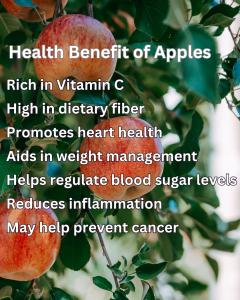
Apples are highly nutritious and offer several health benefits.

 They contain essential vitamins and minerals, particularly vitamin C and potassium. Apples have antioxidant and anti-inflammatory effects that can improve overall health.

Another  good thing about apples is their fiber, which aids in digestion and can help manage weight. If you eat apples regularly, you have a lower risk of heart disease, partly due to the soluble fiber that helps lower cholesterol.

The fiber in apples can also help stabilize blood sugar levels.

Apples are versatile and beneficial, making them a great addition to a balanced diet.

Now, let’s discuss delicious apple recipes.

Oatmeal apple pancakes

Oatmeal apple pancakes are a delightful twist on a classic breakfast dish. 

Ingredients

– 1 cup rolled oats

– 1 cup all-purpose flour

– 2 teaspoons baking powder

– 1/2 teaspoon cinnamon

– 1/4 teaspoon salt

– 1 apple, peeled and grated

– 2 tablespoons sugar

– 1 egg

– 1 cup milk

– 2 tablespoons melted butter

What to do

  • Mix the oats, flour, baking powder, cinnamon, and salt in a large bowl.
  • In another bowl, combine the grated apple with sugar, egg, milk, and melted butter.
  • Stir the wet ingredients into the dry ingredients until they are combined.

Cooking

  • Heat a non-stick skillet over medium heat and lightly grease it.
  • Pour about 1/4 cup of batter for each pancake onto the skillet.
  • Cook until bubbles form on the surface, then flip and cook until golden brown on the other side.

Serve these oatmeal apple pancakes warm with your choice of toppings, like maple syrup or yogurt.

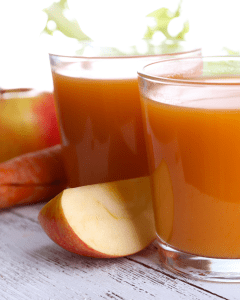
Apple Carrot Smoothie

This is an excellent pre-workout smoothie or a pre-lecture smoothie

Ingredients:

– 1 large apple, cored and chopped

– 2 medium carrots, peeled and chopped

– 1/2 inch piece of ginger, peeled

– 1/2 cup water

– Ice cubes (optional for a colder smoothie)

– 1 tablespoon honey 

– A pinch of ground cinnamon (optional for extra flavor)

What to do

  • Start by preparing your fruits and vegetables. Wash, core, and chop the apple. Peel and chop the carrots. Peel the ginger.
  • Place the chopped apple, carrots, and ginger in a blender. Add water. If using, add ice, honey, and cinnamon.
  • Blend on high until everything is smooth. If the smoothie is too thick, add more liquid to reach your desired consistency.
  • Taste your smoothie and adjust the sweetness with more honey if needed.
  • Pour into a glass and enjoy immediately for the best flavor and nutrient retention.

Apple Juice to Tea

Adding juice to tea is a widespread practice that enhances the beverage’s flavor profile and can add nutritional benefits. The natural sweetness and tartness of juice, such as apple, complement tea flavors, reducing the need for added sugars.

This combination also provides a more complex taste experience and can make the drink more refreshing and enjoyable. Additionally, incorporating juice, which contains vitamins and antioxidants, can boost the health properties of the tea, making it a healthier choice.

  • Steep your favorite tea (black, green, or herbal) as you usually would.
  • Mix the tea with an equal part of homemade or store-bought apple juice once the tea is brewed.
  • Serve hot or chilled, depending on your preference. For extra flavor, add a slice of lemon or a cinnamon stick.

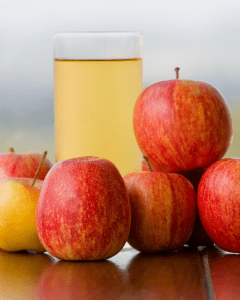
How to Make Homemade Apple Juice

  • Wash, core, and cut apples into quarters.
  • Use a juicer to extract the juice from the apples. If you don’t have a juicer, blend the apples with water, then strain the mixture through a cheesecloth or fine mesh strainer.
  • Enjoy the juice fresh, or store it in the refrigerator in an airtight container for up to a week.

Is it OK to eat an apple daily?

Eating an apple daily is beneficial as it contributes to the dietary fiber and vitamin intake necessary for a healthy diet. The adage “an apple a day keeps the doctor away” reflects the longstanding belief in apples’ health benefits. Eating two apples daily is generally not too much for most healthy individuals. However, since apples contain sugar and calories, one must consider one’s overall diet and calorie needs.

Apples are not known to disrupt sleep patterns and can be a healthy, low-calorie night snack option. However, due to their fiber and sugar content, some might prefer to eat them earlier if they experience digestive sensitivities.

How To Preserve Apples

Preserving apples can extend their shelf life and enhance their versatility in the kitchen. 

Drying

Dehydrate apple slices using a dehydrator or an oven set to a low temperature. This method concentrates the apple’s natural sugars, making them a sweet, chewy snack.

Freezing

Slice apples and coat them with some lemon juice to prevent browning before freezing. This is great for later use in cooking or baking.

Canning

Prepare apples as apple sauce or apple pie filling and can them using a water bath canning process to seal in freshness and flavor.

Cold Storage

Store whole apples in a cool, humid, dark place like a cellar or a fridge. Some apple varieties can last several months if properly stored.

Conclusion

Apples are a fundamental part of diets worldwide, from their rich history to their diverse culinary uses. Whether baking a pie, whipping up a salad, or snacking straight from the fruit bowl, apples offer flavor, nutrition, and versatility unmatched by other fruits.

Did you find this post helpful? Leave a comment below.