
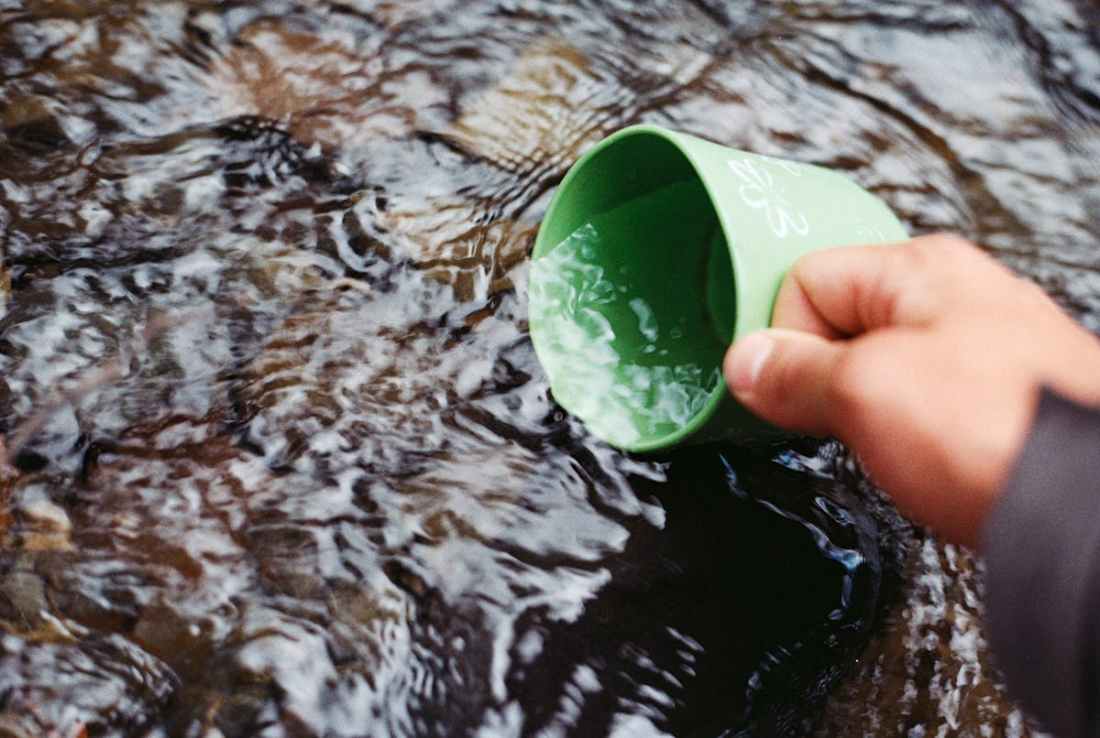
Clean water is safe for drinking, cooking, bathing, and other everyday uses. Access to clean water is essential for life. Without it, we cannot survive, stay healthy, or maintain basic hygiene.
I am fortunate enough to live in a building with clean water, but sadly, this is not a reality for some Africans. Many people buy water from dirty sources, which leads to infections like typhoid and cholera.
Water is essential for human health, sanitation, and economic development. It is at the core of sustainable development and plays a key role in reducing poverty, promoting health, and ensuring environmental sustainability.
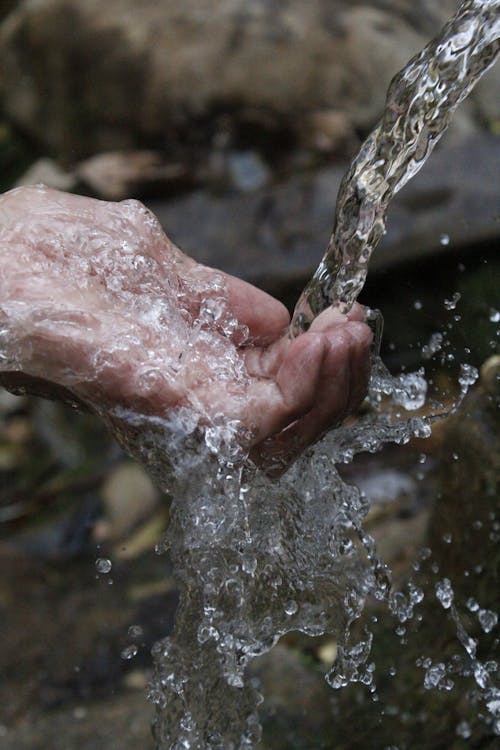
Access to clean water remains a significant global challenge. About 2.2 billion people globally lack access to safely managed drinking water services. 4.2 billion people lack safely managed sanitation services, directly impacting water quality and putting people at risk of severe health issues.
Waterborne diseases, predominantly affecting children, are reported to result in over 1.5 million deaths each year. This blog post outlines the significance of clean water while offering insights into the challenges and actionable solutions.
How to identify clean water
Clean water should be clear, odorless, and free from particles. However, some harmful substances are invisible, so testing water with a certified kit or relying on treated sources is crucial. Even if water looks clean, it might still contain harmful bacteria or chemicals that can cause health problems. Clean water is not just about having enough water; it is about ensuring it is safe and accessible everywhere.
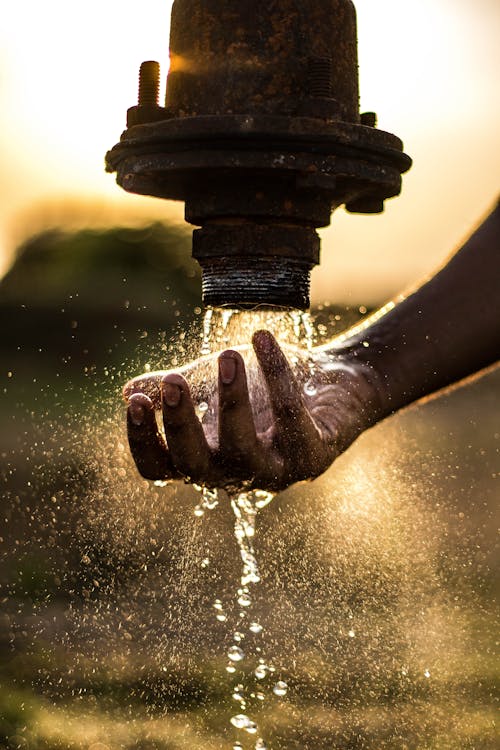
Importance of Clean Water
Clean water is free from harmful contaminants such as pathogens, chemicals, heavy metals, and waste products. Access to clean water reduces the incidence of waterborne diseases like cholera, dysentery, and typhoid.
Sanitation and Hygiene
Clean water is vital for maintaining hygiene. It allows people to wash hands, clean food, and maintain sanitary conditions, which is crucial in preventing infections.
Economic Impact
Clean water supports agriculture, industry, and energy production. Water scarcity or pollution can lead to economic downturns in affected regions.
Ecosystems
Healthy aquatic ecosystems rely on clean water. Pollution and contamination can disrupt ecosystems, harm wildlife, and reduce biodiversity.

Waterborne Diseases
Waterborne diseases are illnesses caused by microorganisms transmitted through contaminated water. Drinking or coming into contact with water polluted with harmful pathogens like bacteria, viruses, and parasites can cause diseases. These diseases are a significant public health issue, particularly in regions with limited clean water, proper sanitation, and hygiene practices. They can affect anyone but are especially dangerous for children, the elderly, and people with weakened immune systems.
Some common waterborne diseases include:
- Cholera
- Typhoid Fever
- Dysentery
- Hepatitis A
- Hepatitis E
- Giardiasis
How Do Waterborne Diseases Spread?
Waterborne diseases spread when people consume or come into contact with water contaminated by human or animal feces. This contamination can occur in various ways:
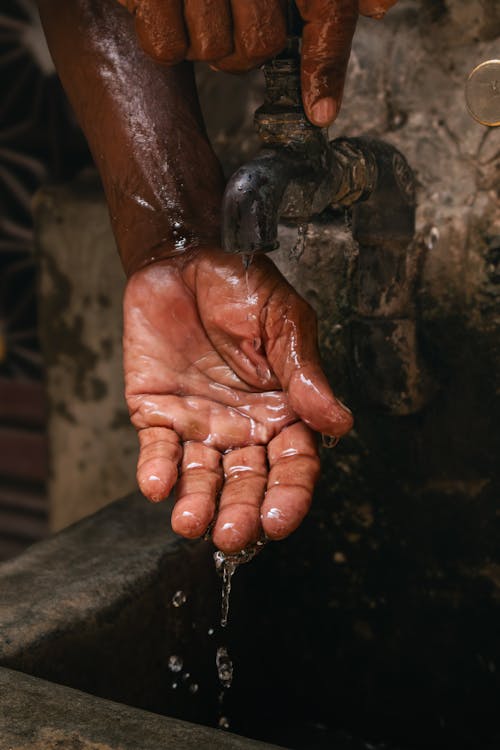
Poor sanitation
Waste can mix with drinking water sources in areas where sewage systems are lacking or inadequate.
In many developing countries, people are forced to defecate in the open due to the lack of toilets, leading to the contamination of nearby water bodies.
Polluted water sources
Rivers, lakes, and wells can become polluted by agricultural runoff, industrial waste, or untreated sewage.
In places without proper water treatment facilities, people rely on untreated water from wells, streams, or rivers, which can harbor dangerous pathogens.
How To Prevent Waterborne Diseases
Preventing waterborne diseases requires clean water, proper sanitation, and good hygiene practices.
- Access to clean water
- Improved sanitation
- Hygiene education
- Household water treatment.
- Vaccination
How To Purify Water?
Getting clean water involves removing contaminants and making it safe to drink. Different methods are used to clean water depending on the location and resources available. Here are five common ways to clean water and ensure it is safe:
Boiling
Boiling water is one of the simplest and most effective ways to make it safe. Harmful bacteria, viruses, and parasites are killed by heating water to a rolling boil for at least one minute. This method is often used in emergencies or where other treatments are not available.
Filtration
Water filters commonly remove impurities like dirt, sand, and harmful organisms. Filters can range from simple household devices to complex systems purifying large water volumes. Some advanced filters even remove heavy metals and chemicals.
Chlorination
Chlorine is added to water to kill bacteria and viruses. It’s a standard method used in municipal water treatment plants. Chlorination is also used in many developing countries because it’s affordable and effective. However, it must be carefully managed to avoid adding too much chlorine, which can be harmful.
UV light treatment
Ultraviolet (UV) light disinfects water by inactivating harmful microorganisms. This method is becoming popular in both developed and developing regions because it’s effective and doesn’t add chemicals to the water. Portable UV devices are also available for individual use during travel or camping.
Reverse osmosis
This method pushes water through a special membrane that blocks contaminants, including salt, bacteria, and heavy metals. Reverse osmosis is commonly used in desalination plants to turn seawater into drinkable water. It’s also used in homes for extra purification, especially in areas with poor water quality.

Benefits of Drinking Clean Water
Drinking clean water is essential for overall health and well-being. Ensuring consistent intake of clean water is one of the simplest yet most effective ways to enhance health and prevent disease.
Boosts Physical Performance and brain function
Proper hydration contributes to optimal physical performance. Insufficient hydration can impact concentration, alertness, and short-term memory, and it may also increase the frequency of headaches.
Helps in Digestion and Detoxification
Water aids digestion by dissolving fats and soluble fiber, allowing these substances to pass through more easily. Additionally, water helps flush out waste products from the body, aiding in liver and kidney function and preventing constipation.
Improves Skin Health
Proper hydration can help keep your skin hydrated and may contribute to a healthy glow and elasticity. It can also help reduce the signs of aging.
Facilitates Nutrient Absorption
Water is essential for dissolving nutrients and minerals and making them accessible to the body. It also helps transport these nutrients to different organs.
Prevents Overall Dehydration
Chronic dehydration can lead to more severe health issues such as kidney stones, hypertension, and impaired cognitive function.
Conclusion
Clean water is a basic human right and crucial for life, health, and the environment. Although there are many challenges, from pollution to climate change, we can make a difference by being mindful of our water usage and supporting efforts to provide clean water and sanitation to everyone.
Ensuring that everyone has access to clean, safe, and affordable water is not only a matter of health but also of fairness, dignity, and justice. Together, we can help create a world where everyone can access safe and clean water.
Did you find this article interesting? Give us a like and share with your friends.
 MABS
MABS 