
A 22-year-old man walked into the store last Friday, hoping to get two packs of cigarettes and some beers for the weekend. Little did he know 10 minutes after he walked into the store, he would be drowning in his blood. And there was Sharaya, a 43-year-old human rights activist who got shot in the stomach during the last protest.
We hear stories of different traumas happening far and near. Just recently, a devastating Earthquake in Turkey and Syria killed thousands. Trauma is inevitable. Unfortunately, we will keep losing if we do not learn to manage traumas. Today’s article is about trauma, how to handle traumas and principles of damage control resuscitation.
What is trauma?
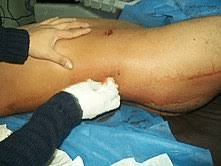
Trauma is mechanical injury or emotional damage to one’s wellness. Mechanical trauma can be blunt or sharp. Blunt traumas are events like car accidents, while sharp traumas can be injuries caused by knives or gunshots.
Most traumas are emergencies because they can cause massive bleeding and injuries.
The first 10 minutes after trauma are critical in saving the victim’s life. During this time, the body tries to hold up by changing from aerobic to anaerobic respiration. Although anaerobic respiration requires no oxygen, it produces little energy. As a result, the body tries to shunt blood to main organs like the brain, heart, and lungs.
The victim will die if we do not offer knowledgeable assistance within 10 minutes.
If you find yourself in a situation where you are required to assist a trauma victim, you must know what to do. Therefore, please keep reading this blog.
The first step is to assess the safety of the environment. You will not be able to help the victim if you become a victim too. Check that the environment is safe for you and the victim.
Next, you can check if the victim is responsive or conscious. Next, call the emergency line 112, remain calm, and listen to the dispatcher.
Many of the dispatchers and first-line responders are trained in the act of Damage control resuscitation. So although you do not have to know or offer Damage control resuscitation on site, the healthcare workers have to.
What is Damage Control Resuscitation (DCR)?
DCR aims to restore normal physiological balance in the trauma victim. It entails decreasing bleeding and preventing coagulopathy, sepsis, and shock.
The goal is to optimize the patient and ensure that the patient can survive the surgery.
Some techniques involved in DCR are hypotensive resuscitation, fluid restriction, early airway management, and early use of blood products or components.
How can you care for a gunshot wound?
Gunshot wounds are an emergency because they create false cavities as they pass through the body, leading to bleeding and tissue damage.
As I said earlier, the first thing is to find a safety ad and then try to call the emergency services.
First aid for gunshot wounds involves stopping hemorrhage and avoiding infections by keeping the wound clean and dry.
To stop the bleeding, you can apply direct pressure.
There are three types of bleeding: arterial, venous, and capillary. Arterial bleeding is the worst type, and it is difficult to stop. You can suspect arterial bleeding when you see the blood squirting out in pulses. Arterial bleeding is also bright red because it is oxygenated blood. You should use more pressure or apply a tourniquet (for arms and legs).
The 22-year-old man survived, and the responders could control the bleeding and took him to the trauma center. Sadly, Sharaya passed on; she lost too much blood.
In conclusion, trauma is inevitable, but we can manage it using skills from both advanced life support and Basic life support.
Thank you, guys, for your constant support. Please like and share, and leave your comments. See you guys next week.
Rest well, AKA, South African rapper
Rest well, Syria/Turkey earthquake victims
 MABS
MABS 