
Antibiotics are medications that treat infections caused by bacteria. They are also referred to as antibacterial drugs. Antibiotics work by eradicating or reducing the growth of bacteria that cause illnesses. This article will discuss all you need about antibiotics and why you should not abuse them.
Antibiotics have been around for a long time. In 1936, the first antibiotic of the contemporary era was applied. Before antibiotics, about 30% of deaths were caused by bacterial illnesses.
Antibiotics are life-saving drugs. Furthermore, they can help stop less severe illnesses from developing into more severe ones.
There are many antibacterial drug classes; the type of antibiotic your doctor will prescribe will depend on the nature of the bacteria and illness.
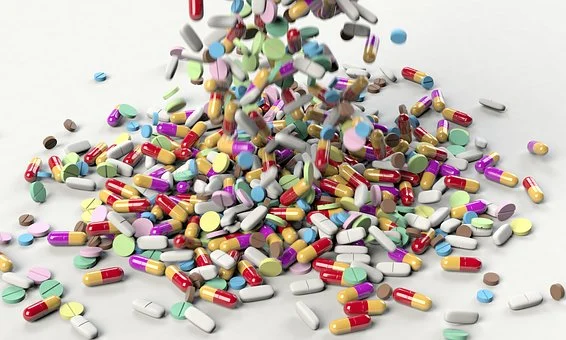
Antibiotics come in different forms::
- Tablets
- Capsules
- Liquids/ Syrups
- Creams/ Ointments
The majority of antibiotics may only be obtained with a doctor’s prescription. However, certain lotions and ointments containing antibiotics are sold without a prescription. Therefore, it is essential not to abuse antibiotics to prevent bacterial resistance.
Mechanism of action of antibiotics?
Antibiotics cure bacterial illnesses by eradicating the organism or reducing or stopping its growth. They achieve this by:
- Destroying the surrounding bacteria’s wall or coating
- Stopping the life cycle and reproduction of bacteria
- Preventing bacteria from producing proteins
How long do antibiotics need to take effect?
Antibiotics start working as soon as you take them. However, you might not feel better until after a few days. The recovery period varies depending on the type of antibiotic and the kind of infection.
Most antibiotics need to be administered for seven to fourteen days. Sometimes, shorter therapies are just as effective. Your doctor will determine the ideal dose and the best antibiotic for you.
You must complete the entire antibiotic course to resolve your illness, even if you feel better after a few days of therapy. This will help reduce antibiotic resistance. If your doctor has not authorized an early termination of your antibiotic treatment, do not do so.
Penicillin
Penicillin, the first beta-lactam antibiotic. It was discovered accidentally. It was developing on a petri dish from a blob of mold (fungus). Scientists found the fungus to make penicillin naturally. In the end, the fungus was used in a laboratory to ferment massive amounts of penicillin.
Where are antibiotics made?
All antibacterial drugs are created in laboratories. Some are created by a succession of chemical processes that result in the medication’s active ingredient.
Some antibiotics are produced, at least in part, using a regulated natural process. This procedure is frequently accelerated by specific chemical reactions that might change the starting molecule to make a new drug.
What is antibiotic resistance?
Antibiotics are strong drugs that treat many infections effectively. Unfortunately, some antibiotics are no longer as effective as they used to be due to antibiotic resistance.
When these antibiotics can no longer control or eradicate bacteria, it becomes difficult to treat people.
More than 2.8 million cases of antibiotic-resistant bacterial infections are reported annually, with at least 35,000 fatalities.
Examples of antibiotic-resistant bacteria include:
- Clostridium difficle clostridium (C. diff)
- Enterococcus resistant to vancomycin (VRE)
- Staphylococcus aureus methicillin-resistant (MRSA)
- Enterobacteriaceae that are Carbapenem-resistant (CRE)
Antibiotic abuse
The misuse or overuse of antibiotics is the main factor contributing to antibiotic resistance. One estimate puts the needless usage of antibiotics at up to 28%. This is because doctors frequently prescribe antibiotics even when they are not necessary.
How to reduce antibiotic abuse
- Antibiotics should only be used for bacterial infections
- Antibiotics should not be used to treat viral illnesses, including the common cold, flu, cough, or sore throat.
- Take antibiotics as your doctor has prescribed, and do not skip doses
- Use the appropriate antibiotic. Resistance may develop if the incorrect antibiotic is used to treat an infection.
- Do not take someone else’s antibiotics.
- Do not use antibiotics that were used in a previous therapy
- Let your doctor prescribe the best antibiotics for you
What diseases do antibiotics treat?
Antibiotics treat bacterial infections. Unfortunately, the symptoms of a virus and bacterial infection are frequently similar; distinguishing between the two can sometimes be challenging.
To identify the source of your infection, your healthcare provider will examine you physically and assess your symptoms. To determine the source of the infection, they could occasionally ask for a blood or urine test.
Common bacterial illnesses include the following:
- Urinary Tract infections (UTIs)
- ear and sinus infections
- throat infection
Antibiotics do not work against viruses, including influenza and the common cold. Additionally, they are ineffective against fungal infections like:
- Candida infections
- Athlete’s foot
- Ringworm
Antifungals, a distinct class of drugs, treat fungal infections.
Side effects of antibiotics?
Antibiotics have similar side effects, most commonly gastrointestinal distress. These include:
- Diarrhea
- Nausea
- Vomiting
- Cramps
Taking the antibiotic with food can sometimes lessen these side effects. Certain antibiotics, however, need to be taken on an empty stomach. The ideal way to take your antibiotic should be discussed with your doctor or pharmacist.
Gastrointestinal discomfort usually disappears once treatment is discontinued. However, you should call your doctor if it does not.
You should also call your doctor if you experience the following:
- Severe diarrhea
- Severe stomach pain and cramps
- Bloody stools
- Fever
In conclusion
Using antibiotics properly maximizes their effectiveness. The first step is to be sure you have a bacterial infection. Then, only use antibiotics for bacterial infections as directed by your doctor or pharmacist. For example, some antibiotics must be taken with meals, while others must be taken on an empty stomach.
Moreover, antibiotics should be taken at the recommended dosage and for the specified time. After taking the antibiotic for a few days, you might feel better, but you shouldn’t stop your therapy before consulting a doctor.
Did you find this article helpful? Leave a comment in the section below.
 MABS
MABS 