
HIV-positive individuals have the potential to develop the condition known as AIDS. However, in most cases, using antiretroviral therapy can stop the onset of AIDS in HIV-positive individuals. This article will give you a comprehensive understanding of HIV, its symptoms, and its transmission mode. Because HIV is such a big topic, there will be part 2, where we will discuss the treatment and prevention of HIV.
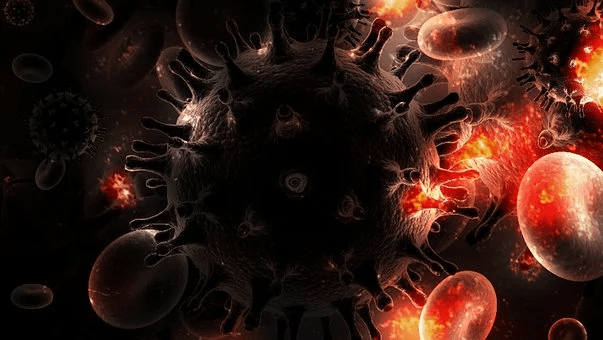
What is HIV?
HIV weakens the immune system. CD4 cells are a type of immune cell known as a T helper cell and are impacted by untreated HIV and eventually die. As a result, the body is more susceptible to developing numerous diseases and malignancies over time as HIV destroys more CD4 cells.
How does HIV spread?
HIV is spread through body secretions, such as:
Breast milk, vaginal/rectal secretions, and blood. The virus cannot be spread via casual touch, water, kissing, or the air.
HIV can spread from one person to another in several ways, including:
- Sharing tattoo equipment without sterilizing it
- During pregnancy, labor, or delivery
- During breastfeeding or premastication
- Vaginal or anal sex is the most common method of transmission
- Through organ and tissue transplants as well as blood transfusions
Although it is exceedingly unlikely, HIV can be spread through:
- Oral sex (only if the person has open sores in their mouth or bleeding gums)
- Being bitten by an HIV-positive person (only if the person has open sores in their mouth or has bloody saliva)
- Damaged skin, wounds, or mucous membranes in contact with the blood of an HIV-positive person
HIV cannot spread through:
- Hugging, shaking hands, or kissing air or water with another person’s skin on it
- Consuming or drinking from drinking fountains while also exchanging saliva, tears, or sweat (unless mixed with the blood of a person with HIV)
- Sharing a bathroom, towels, or mattress with insects like mosquitoes
It is crucial to remember that it is practically impossible to spread HIV to someone else if an HIV-positive person receives treatment and maintains a persistently undetectable viral load.
HIV can be integrated into the host cell’s DNA, which makes it a lifelong problem. Although many scientists are striving to develop a medicine to eradicate HIV from the body, none has yet been discovered. But, with proper medical care, such as antiretroviral therapy, you can control HIV and live with the infection for a very long time.
A person with HIV is more likely to acquire the deadly illness Acquired Immunodeficiency Syndrome, also known as AIDS if they don’t receive therapy.
At that moment, the immune system is insufficiently strong to combat more illnesses, infections, and disorders.
Life expectancy with end-stage AIDS is around three years if untreated. HIV can be effectively managed with antiretroviral medication, and a person with HIV can expect to live almost as long as someone who does not have HIV.

What is AIDS?
HIV-positive individuals have the potential to acquire AIDS. That is HIV’s most advanced stage. Yet, merely having HIV does not guarantee that a person will get AIDS.
CD4 cells die due to HIV infection. A healthy adult’s CD4 count typically ranges from 500 to 1,600 cells per cubic millimeter. AIDS will be declared in an HIV patient whose CD4 level are less than 200 cells per cubic millimeter.
A person with HIV may potentially be identified as having AIDS if they experience an opportunistic infection or malignancy that is uncommon in persons without HIV.
Pneumocystis jiroveci pneumonia is an example of an opportunistic illness that only affects highly immunocompromised people, such as those with advanced HIV infection (AIDS).
Fortunately, antiretroviral medication therapy can stop the onset of AIDS.
If AIDS does arise, it indicates that the immune system is seriously damaged or weak, so it can no longer effectively fight off most infections and diseases.
As a result, they are more susceptible to a variety of diseases, such as:
- Pneumonia, tuberculosis
- Oral thrush
- Invasive candidiasis
- Cryptococcal meningitis
- Toxoplasmosis
- Cryptosporidiosis
- Cancers like Kaposi sarcoma (KS) and lymphoma.
Symptoms of early HIV
The acute infection stage is the first several weeks after HIV infection.
This is the phase when the virus reproduces quickly. HIV antibodies, which are proteins that take action to respond against infection, are produced as a result of the immune system’s reaction.
Some people initially don’t have any symptoms during this time. But in the first month or two after catching the virus, a lot of people have symptoms, though frequently, without realizing that HIV is the cause of those symptoms.
This is because acute-stage symptoms might resemble flu-like symptoms or those of other seasonal viruses. For example:
- Fever\ chills
- Lymphadenopathy
- Body aches and pains
- Skin rash
- Headache
- Sore throat
- Upset stomach
- Nausea
The individual experiencing these symptoms might not think they need to consult a healthcare professional because they are comparable to common illnesses like the flu.
And even if they do, their doctor might assume they have the flu or mononucleosis and not even think to test for HIV.
During this time, a person’s viral load is relatively high whether they are experiencing symptoms or not. The amount of HIV in the bloodstream is known as the viral load.
When there is a high viral load, HIV can be spread quickly to new individuals.
As a person reaches the chronic, or clinical latency, stage of HIV, the initial HIV symptoms typically go away within a few months. However, this stage may persist with treatment for many years or even decades. There may be symptoms like:
- Morning sweats
- Fatigue
- Nausea
- Vomiting
- Weight loss
- Body rashes
- Persistent vaginal or oral yeast infections
- Pneumonia
- Shingles
HIV can continue to spread throughout this time, even with no symptoms, just like it did in the early stages.
Yet unless they get tested, a person won’t know they have HIV. So you must get tested if you believe you may have been exposed to HIV and exhibit these symptoms.
HIV symptoms at this stage might fluctuate or develop quickly. With treatment, its advancement can be significantly delayed.
If antiretroviral therapy is started early enough, persistent HIV can persist for decades with regular use and is unlikely to progress to AIDS.
Signs and symptoms of AIDS?
AIDS is Acquired immunodeficiency syndrome. This syndrome is brought on by HIV, which has often gone untreated for many years and has weakened the immune system.
Among the signs of AIDS are:
- Persistent fever
- Chronically enlarged lymph nodes, particularly in the groin, neck, and armpits
- Morning sweats
- Black spots inside the mouth, nose, or eyelids or under the skin.
- Recurrent or persistent diarrhea
- Rapid weight loss
- Sores, spots, or lesions of the mouth and tongue, genitals, or anus bumps, lesions, or rashes of the skin
- Neurological issues include memory loss, confusion, and difficulty focusing
- Anxiety
- Depression
In conclusion
HIV can cause AIDS if left untreated. It is important to test for HIV if you have engaged in risky behavior because HIV infection can go unnoticed for many years. Symptoms of early HIV infection are usually mistaken for flu or a slight fever.
If you think you are at risk of getting HIV, we advise you to visit the physician and do a simple HIV test. The sooner you start taking your medication, the less you risk getting HIV and the fewer chances of infecting your loved ones with HIV.
We will discuss more facts about HIV/Aids in our next post. Stay connected.
Did you like this post? Please like and share.
 MABS
MABS 