
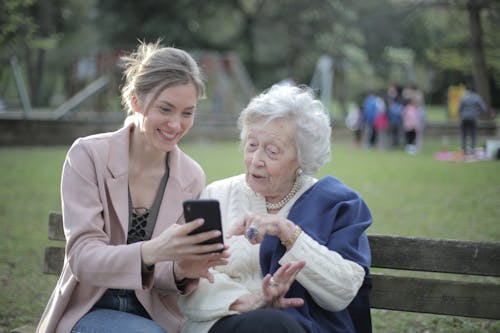
Abuse comes in different shapes and forms.
Elder abuse is a serious issue that is affecting millions of seniors worldwide, yet it often goes unnoticed and unreported. According to the World Health Organization, about 1 in 6 people aged 60 years and older experienced some form of abuse in community settings during the past year.
These staggering statistics highlight the urgent need for greater awareness and proactive measures to protect our elderly population.
This blog will talk about the different forms of elder abuse, help you recognize the warning signs, and provide practical steps for prevention and intervention.
What is Elder Abuse?
Elder abuse encompasses a range of harmful behaviors directed at seniors, typically by someone in a position of trust or authority. Understanding the various forms of elder abuse is crucial in identifying and preventing it. Here are the primary types of elder abuse:
Physical Abuse
Physical abuse involves using force that may result in bodily injury or pain. This includes hitting, slapping, pushing, or misusing restraints. Signs of physical abuse can include bruises, broken bones, and other unexplained injuries.
Emotional Abuse
Emotional or psychological abuse means causing emotional pain or distress. This can include verbal assaults, threats, harassment, or isolation from friends and family. Victims may exhibit signs such as withdrawal, anxiety, or depression.
Financial Abuse
Financial abuse is the illegal or improper use of an elder’s funds, property, or assets. This can involve forging signatures, stealing money or possessions, or coercing the elder into signing financial documents. Indicators include sudden changes in financial situations, unpaid bills, or missing belongings.
Sexual Abuse
Sexual abuse involves non-consensual sexual contact of any kind with an elder. This can include unwanted touching, sexual assault, or coerced nudity. Signs of sexual abuse may be bruising around the genitals, unexplained infections, or torn clothing.
Neglect
Neglect is failing to fulfill a caregiver’s duty to provide necessary care, resulting in harm or distress to the elder. This includes withholding food, medication, or personal care. Indicators of neglect include malnutrition, untreated medical conditions, and poor hygiene.
Abandonment
Abandonment occurs when a caregiver deserts an elder, leaving them without necessary care or supervision. This is especially dangerous for elders who cannot care for themselves and may result in severe physical and emotional consequences.
How to recognize signs of elder abuse
It can be challenging to identify elder abuse, as the signs may be subtle and easily overlooked. However, being vigilant and aware of the potential indicators can make a significant difference in recognizing and addressing abuse early.
Here are some key signs to look out for:
Physical Signs
- Unexplained Injuries
- Fractures or Sprains
- Burns or Abrasions
- Weight Loss
Emotional and Behavioral Signs
- Withdrawal
- Depression or Anxiety
- Fearfulness
- Changes in Sleeping Patterns
Financial Signs
- Unusual Transactions
- Missing Belongings
- Unauthorized Changes
- Unpaid Bills
Signs of Neglect
- Poor Hygiene
- Unsafe Living Conditions
- Untreated Medical Issues
Psychological Signs
- Confusion or Disorientation
- Stress Responses
Stories about elder abuse
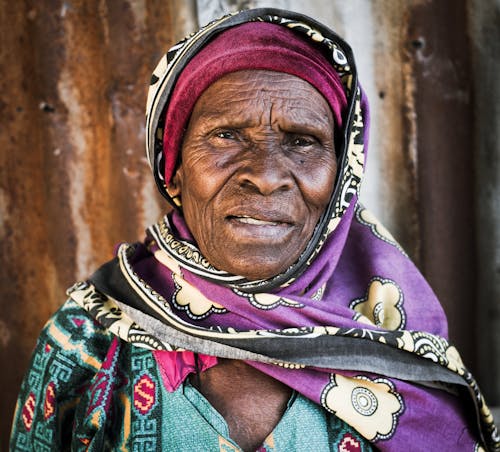
Susan has dementia, and she began to show signs of anxiety and fear whenever her new caregiver was around. Family members notice unexplained bruises on her arms and legs.
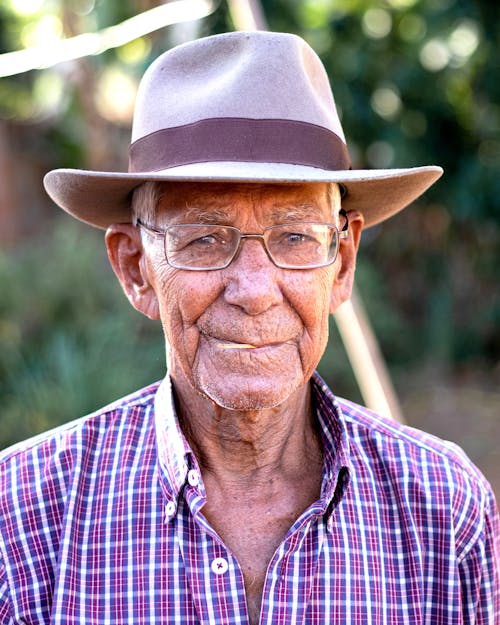
Richard lives alone and receives frequent visits from a new “friend,” who subsequently gains control over his finances. Family members notice large, unexplained withdrawals from his bank account.
Causes and Risk Factors of Elder Abuse
Elder abuse can stem from a variety of causes and risk factors, making seniors more vulnerable to mistreatment. Understanding these underlying causes and recognizing the risk factors can help in preventing abuse and ensuring the safety of older adults.
Common Causes of Elder Abuse
Caregiving can be demanding and stressful, particularly for individuals not adequately trained or supported. The stress and frustration of caregiving can sometimes lead to abusive behaviors, either intentional or unintentional. Caregivers who lack adequate social support or respite care may become overwhelmed, leading to neglect or abuse.
Another reason is the financial difficulties faced by caregivers or family members. These difficulties can drive them to exploit an elder’s financial resources, including stealing money, manipulating wills, or coercing elders into financial transactions.
Furthermore, caregivers or family members who abuse drugs or alcohol are more likely to exhibit abusive behaviors. Substance abuse can impair judgment, increase aggression, and decrease the ability to provide proper care. Some caregivers or family members with untreated mental health issues may struggle to manage caregiving responsibilities, potentially leading to abusive actions or neglect.
Risk Factors for Elder Abuse
- Cognitive Impairment
- Social Isolation
- Physical Disabilities
- Living with Abusers
- Dependency
- Previous History of Domestic Violence
How to Prevent Elder Abuse
Preventing elder abuse requires a multifaceted approach involving family members, caregivers, community organizations, and legal measures. Here are practical steps and strategies to help prevent elder abuse:
Tips for Family Members and Caregivers
- Regular check-ins
- Encourage elders to stay connected with friends, neighbors, and community groups to reduce social isolation
- Utilize respite care services to give primary caregivers regular breaks
- Educate yourself and other family members about the signs of elder abuse and the appropriate ways to respond.
- Training caregivers on proper caregiving techniques and stress management can also be beneficial
- Encourage open communication
What to Do If You Suspect Elder Abuse
If you suspect that an elder is being abused, it is crucial to take immediate and appropriate action. Here are the steps to follow:
- Document the evidence by keeping detailed records
- Communicate your concerns by reaching out to the caregiver and the elder
- Contact the authorities
How to support victims of elder abuse
Supporting victims of elder abuse involves addressing their immediate needs, ensuring their safety, and providing ongoing emotional, legal, and financial support. Here are essential steps to effectively support elder abuse victims:
- If the elder is in immediate danger, call 911 or local emergency services.
- Ensure that they are removed from the abusive situation and placed in a safe environment
- Arrange for a thorough medical examination to treat any physical injuries and document evidence of abuse
- If the elder needs a safe place to stay, contact local shelters or emergency housing services or arrange temporary accommodations with trusted family or friends
Conclusion
Elder abuse is a pervasive issue that affects millions of older adults worldwide, often going unnoticed and unreported. By raising awareness, educating ourselves and others, and taking proactive measures, we can play a crucial role in combating this serious problem. Understanding the different forms of elder abuse, recognizing the warning signs, and knowing the causes and risk factors are essential steps in preventing and addressing abuse.
Taking action when elder abuse is suspected, supporting victims through their recovery, and advocating for more robust protections are vital components of our collective responsibility. Ensuring the safety, dignity, and well-being of our elders is not only a moral imperative but also a reflection of our commitment to a compassionate and just society.
Together, we can make a difference. By staying informed, vigilant, and engaged, we can help protect our aging population from abuse and ensure they receive the care and respect they deserve. Let us all commit to creating a safer, more supportive environment for our elders, now and in the future.
🌸Share this blog to spread awareness about elder abuse.
🌸Volunteer with or donate to organizations working to prevent elder abuse.
🌸Stay informed and educate others about the signs and prevention of elder abuse.
Did you find this article interesting? Leave a comment below.

 MABS
MABS 
let’s make cool money from google, Lady
LikeLike