
Fall or autumn is the season between summer and winter.
Forgiveness is a powerful act of letting go and moving forward. With its yellow leaves and cooler temperatures, the fall season serves as an impactful metaphor for Forgiveness.
As nature transforms, plants shed their old leaves to prepare for the winter. This natural transition beautifully illustrates the idea of ‘letting go,’ making it an ideal time to explore and embrace forgiveness.
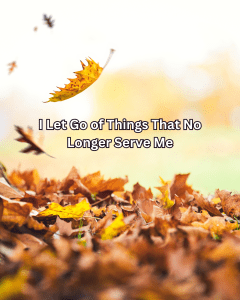
In this blog post, we shall see how Fall and Forgiveness are related.
Embracing the Essence of Fall
Fall (autumn) is about letting go. It is often seen as the season of transformation when nature sheds the old to make way for the new. As the leaves turn from vibrant greens to rich shades of orange, yellow, and red, they remind us of the beauty and necessity of letting go.
This natural cycle provides a clear similitude to our lives, highlighting the importance of releasing things that no longer serve us to cultivate growth and renewal.
In many cultures, fall is a season of harvest—a time to reap what has been sown throughout the year. But it’s also a preparation period for the winter months when old and unnecessary parts of the environment are naturally cleared away. Understanding the innate need to conserve energy for the colder months, trees let go of their leaves in a spectacular display of acceptance and surrender.
The process of release provides a powerful lesson. Just as trees let go of their leaves to preserve their strength, so must we let go of past grievances, outdated commitments, and unhelpful beliefs to maintain our energy and protect our well-being.
Letting go is not just an act of removal; it’s choosing where to direct our energies more fruitfully.
The Symbolism of Shedding Leaves
Trees let go of their leaves in the fall. This natural shedding process is not only necessary for the health of the trees but is also crucial for their rejuvenation and growth in the coming seasons.
Similarly, letting go and forgiving those who have wronged us, or even forgiving ourselves, can free us from the unnecessary weight of past pains, allowing emotional growth and renewal.
We can use this season as a reminder to release our burdens of grudges and resentment. The following five points provide further insight into the relationship between fall and Forgiveness.
1. Preparing for Renewal
Fall marks a time of preparation for the new and preservation for the harsher winter months ahead. In the human experience, forgiveness can be a preparation for a more peaceful state of mind, safeguarding our emotional well-being against the bitterness that can harden us during more challenging times.
By forgiving, we open ourselves to new relationships and opportunities as the soil readies itself for new seeds in the spring.
2. The Beauty in Change
There is undeniable beauty in the fall colors, a vibrant finale before the quiet of winter. Forgiveness, too, can bring beauty to our lives by transforming relationships and enhancing our understanding of human frailty, including our own.
It adds depth and color to our character, teaching us about compassion and the strength of the human spirit.
3. A Time for Reflection
The longer nights and cooler days of autumn offer a perfect opportunity for reflection—a chance to sit back and contemplate the events and interactions of the past year.
This introspection can lead to a deeper understanding of the situations where forgiveness might be needed. It’s a time to think about whom we must forgive and why and perhaps seek reconciliation.
4. Harvesting Peace
As farmers harvest their crops in the fall, we too can harvest the personal peace from forgiving. There’s a profound peace and satisfaction in resolving old conflicts and healing old wounds, which can improve our mental health and overall happiness.
5. Embracing the Cycle of Life
Fall and Forgiveness remind us of life’s cycles—of endings and beginnings. Forgiveness marks the end of conflict and the beginning of something brighter. It helps us close chapters that need closing and renew our spirit for the upcoming chapters.

The Art of Letting Go
Letting go can be challenging because it often involves stepping out of our comfort zones and confronting uncomfortable truths about our lives and relationships. It requires recognizing that some relationships, habits, and old ways of thinking may no longer contribute positively to our lives.
The process is not about loss but about making room for new experiences and opportunities.
Here’s how we can embrace this season to help us let go:
Reflect on the past year
Just as trees shed their leaves, take stock of what you might need to shed. What burdens are you carrying that you can let go of? This could be anything from resentments and fears to physical clutter in your home.
Practice forgiveness
Just as autumn clears the old and makes way for the new, Forgiveness allows us to clear old grudges. Forgiving yourself and others can free up tremendous energy and lead to a healthier emotional state.
Set goals for the coming months
As the landscape changes, consider the changes you wish to see. What new qualities do you want to cultivate? Setting intentions can help you focus on what truly matters.
Cultivate gratitude
Take time to appreciate the beauty of the changing seasons and the lessons they bring. Gratitude shifts your focus from what you need to let go and enhances your overall well-being.
Connect with nature
Spend time outdoors. The crisp autumn air and the crunch of leaves underfoot can be incredibly grounding and rejuvenating, reminding us of the cycle of life and renewal.
Autumn teaches us that letting go is a natural and necessary process for growth. It’s a beautiful reminder that there is also a beginning in every end, and in the act of release, there is renewal.
As you watch the leaves fall this season, remember that it’s an invitation to drop the weights you’ve carried, perhaps longer than necessary, and to walk lighter into the days ahead.
Best Ways to Let Go of the Past
Letting go of the past can be a liberating yet challenging process, but it’s crucial for moving forward and living a fulfilling life.
1. Acknowledge and express your feelings
Recognize the emotions tied to your past experiences. Allow yourself to feel them fully, whether it’s through talking with someone, journaling, or creative expression. Suppressing these feelings can delay the healing process.
2. Seek closure
Speaking to the people involved or writing a letter you never send can provide a form of closure. It’s a way to articulate your feelings and say everything you need to say, even if the other person isn’t part of the conversation.
3. Forgive
Forgiving yourself or others is a powerful tool for letting go. It doesn’t mean excusing the behavior or forgetting what happened, but freeing yourself from bitterness and resentment.
4. Change your narrative
Shift how you talk about your past. Instead of seeing it as a series of misfortunes, try to find lessons or strengths you gained from those experiences. This can transform how you view your past and its impact on your life.
5. Practice mindfulness and meditation
Engage in mindfulness exercises and meditation to help anchor you in the present moment. These practices can help you gradually detach from the cycles of regret or nostalgia that tie you to the past.
6. Create new memories
Actively seek out new experiences to create positive memories. This can shift your focus from the past to the present and future, helping you move on.
7. Set goals for the future
Having clear goals provides direction and motivation to help shift your focus away from the past. Plan steps to achieve these goals and start working on them.
8. Talk to a therapist
Sometimes, letting go of deep-seated or traumatic past events requires professional help. A therapist can provide strategies tailored specifically to you and support you.
9. Limit reminders
If certain places, people, or things trigger painful memories, limit your exposure to them as you work through your feelings.
10. Embrace change
Recognize that change is an inevitable part of life. Embracing it can reduce the fear and pain of leaving the past behind.
Letting go is not about erasing the past but lightening its impact on your present and future. It’s a journey that requires patience and self-compassion, but each step forward makes it easier to enjoy the present and look forward to what’s coming next.
Importance of Forgiveness
Forgiveness is a powerful and transformative process that benefits both the forgiver and the forgiven, and it plays a vital role in fostering healthy relationships and promoting personal and emotional well-being.
Emotional healing
Holding onto anger, resentment, or grudges can be emotionally draining and detrimental to one’s mental health. Forgiveness allows individuals to release these negative emotions, leading to more excellent emotional stability and peace.
It helps heal the wounds of the past, allowing people to move forward without the burden of unresolved emotions.
Physical health benefits
Research has shown that Forgiveness improves physical health outcomes. Those who forgive tend to experience lower levels of stress, anxiety, and depression, which are all associated with a myriad of health problems, including heart disease and weakened immune systems. Forgiving can lead to lower blood pressure, improved heart health, and longevity.
Improved relationships
Forgiveness is essential for the longevity and health of relationships. It fosters a positive and supportive environment, enabling relationships to thrive even in the face of conflicts.
Individuals can prevent bitterness from poisoning their relationships by choosing to forgive and build stronger, more resilient bonds.
Psychological resilience
Forgiving others and oneself can build psychological resilience. It helps individuals develop a more adaptive approach to dealing with setbacks and conflicts. People who practice Forgiveness are better equipped to handle future challenges without being overwhelmed by negative emotions.
Spiritual growth
Many religious and spiritual traditions emphasize the importance of forgiveness as a pathway to enlightenment and inner peace. Forgiving is often seen as a divine attribute, and practicing forgiveness can deepen one’s spiritual life and connection to others.
Fosters empathy and compassion
Forgiveness encourages empathy and compassion. Understanding the reasons behind others’ actions and recognizing our vulnerabilities helps nurture compassion, which is crucial for forgiveness.
This makes interpersonal relationships more fulfilling and promotes a more compassionate society.
Freedom from the past
Forgiveness is a way of freeing oneself from the past. It allows individuals to let go of the parts of their history that bind them in negative cycles, opening up new possibilities for personal growth and happiness. It is a crucial step in reclaiming power over one’s own life.
Reduces the cycle of retaliation
On a broader scale, forgiveness can help reduce the cycle of retaliation and violence within communities and societies. Forgiveness can be a powerful tool for conflict resolution and peace-building.
However, forgiveness is not always easy and often requires a conscious, deliberate decision to let go of perceived wrongs. It might require time and can be a gradual process. However, the benefits of forgiving far outweigh the initial emotional cost, making it a crucial element for a fulfilled and healthy life.
10 Inspirational Quotes to Encourage Forgiveness
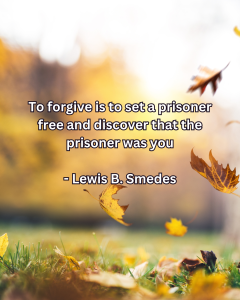
These forgiveness quotes will inspire you or help you to inspire others to forgive someone.
“The weak can never forgive. Forgiveness is the attribute of the strong.” – Mahatma Gandhi
“To forgive is to set a prisoner free and discover that the prisoner was you.” – Lewis B. Smedes
“Forgiveness does not change the past, but it does enlarge the future.” – Paul Boese
“Forgiving isn’t something you do for someone else. It’s something you do for yourself. It’s saying, ‘You’re not important enough to have a stranglehold on me.'” – Kathleen Norris
“Forgiveness is not an occasional act; it is a constant attitude.” – Martin Luther King Jr.
“Forgiveness says you are given another chance to make a new beginning.” – Desmond Tutu
“The act of Forgiveness takes place in our mind. It has nothing to do with the other person.” – Louise Hay
“When you forgive, you in no way change the past – but you sure do change the future.” – Bernard Meltzer
“Resentment is like drinking poison and then hoping it will kill your enemies.” – Nelson Mandela
“Forgiveness is the fragrance that the violet sheds on the heel that has crushed it.” – Mark Twain

 MABS
MABS 
Great share. Fall 🍁
LikeLike
Thank you
LikeLike
My pleasure.
LikeLike
Beautiful post
LikeLike