
Cabbage might not be the trendiest vegetable, but its impressive health benefits make it a must-have in your diet. Whether raw, cooked, or juiced, cabbage offers numerous advantages for digestion, inflammation, and overall wellness.
This article will discuss why cabbages deserve a spot on your plate and how you can make the most of it.
Health Benefits of Cabbage
Raw Cabbage
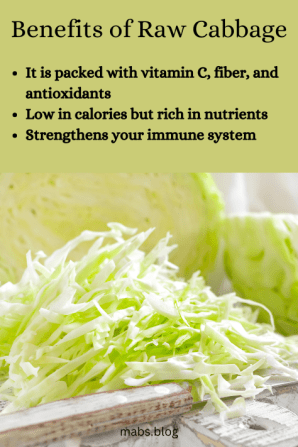
- It is a nutritional powerhouse packed with vitamin C, fiber, and antioxidants
- It supports weight management because it is low in calories, making it ideal for salads and slaws
- Boosts your immunity
Cooked Cabbage

- Easier on the digestive system
- Light steaming or stir-frying preserves antioxidants and vitamin K
- Perfect for soups, stir-fries, and casseroles

Cabbage Juice
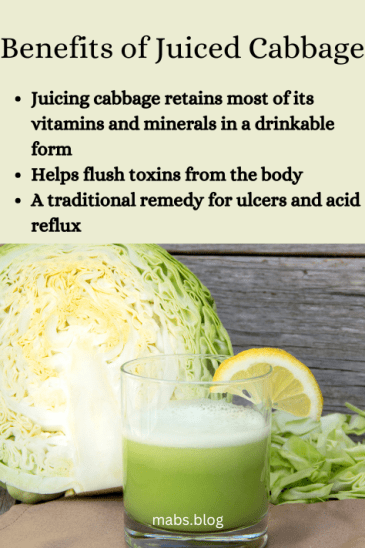
- Juicing cabbage retains most of its vitamins and minerals in a drinkable form
- It helps flush toxins from the body
- A traditional remedy for ulcers and acid reflux
1. Cabbage Juice can help with Acid Reflux
Cabbage juice is a natural remedy for acid reflux and ulcers. Its high content of glutamine, an amino acid, helps soothe the stomach lining and promote healing. The juice’s alkalizing properties also balance stomach acid levels, reducing discomfort and preventing flare-ups.

How to Make Cabbage Juice for Acid Reflux
-
Chop 2 cups of fresh cabbage
-
Blend with 1 cup of water until smooth
-
Strain and drink immediately for maximum benefits
2. Cabbage Helps Keep Inflammation in Check
Cabbage contains compounds like sulforaphane and kaempferol, which have powerful anti-inflammatory properties. Regular consumption can help reduce chronic inflammation associated with arthritis, heart disease, and autoimmune conditions.
Health Benefits of Cabbage Juice
- Loaded with antioxidants that fight free radicals and delay aging.
- Assists in flushing out toxins.
- Potassium in cabbage juice helps balance sodium levels.
- Cabbage juice is nutrient-dense, hydrating, and a natural energy booster.
3. Improves Digestion
Cabbage is an excellent source of fiber, offering several benefits for digestive health. It helps prevent constipation by promoting regular bowel movements and supports a healthy gut microbiome, essential for overall wellness. Additionally, fermented cabbage products such as sauerkraut and kimchi are rich in probiotics, further enhancing gut health by introducing beneficial bacteria.
For optimal digestion:
- Incorporate raw cabbage in salads.
- Try steamed or lightly sautéed cabbage to aid nutrient absorption.
Side effects of overeating cabbage
While cabbage is a nutritious vegetable, consuming it in excessive amounts can lead to some side effects
Digestive issues
Cabbage is high in fiber, which, when consumed in excess, may cause bloating, gas, or diarrhea, especially in people with sensitive digestive systems. The sulfur-containing compounds in cabbage can increase gas production, which may be uncomfortable for some individuals.
People with irritable bowel syndrome (IBS) or similar digestive issues may find that consuming too much cabbage triggers symptoms like abdominal pain or cramps.
Interactions with Blood Thinners
Cabbage is high in vitamin K, which is involved in blood clotting. Overeating cabbage might interfere with anticoagulant medications like warfarin.
Thyroid Function Interference
Raw cabbage contains goitrogens, compounds that can interfere with thyroid hormone production, potentially leading to hypothyroidism if consumed in vast quantities over time.
Blood Sugar Fluctuations
Although cabbage is generally good for managing blood sugar, excessive intake might impact glucose levels in those with diabetes or those taking blood sugar-regulating medications.
To enjoy cabbage’s health benefits without side effects, it’s best to consume it in moderation and incorporate a variety of other vegetables into your diet.
How to Incorporate More Cabbage Into Your Diet
- Add shredded cabbage to your favorite salad for a crunchy texture
- Use cabbage in hearty vegetable soups
- Replace tortillas with cabbage leaves for a low-carb wrap
- Mix cabbage juice with apple or carrot juice for added sweetness
- Include sauerkraut or kimchi as a side dish to meals
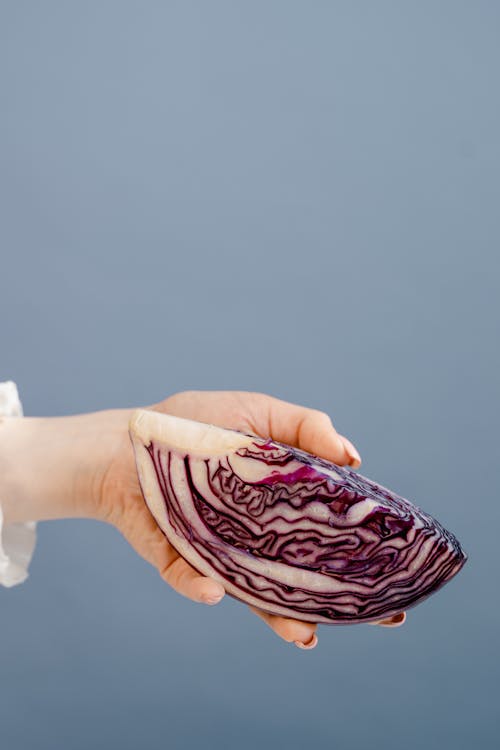
Best Cabbage Casserole
Ingredients:
- 1 medium head of cabbage, chopped
- 1 lb ground beef or turkey
- 1 can diced tomatoes
- 1 cup cooked rice
- 1 cup shredded cheese
- Seasonings: garlic powder, onion powder, salt, and pepper

Instructions:
- Preheat oven to 375°F (190°C)
- Sauté ground meat until thoroughly cooked; set aside
- Layer chopped cabbage in a greased baking dish
- Mix cooked beef, tomatoes, rice, and seasonings, then pour over cabbage
- Top with shredded cheese and bake for 25-30 minutes until bubbly
Cabbage and Rice Recipe
Ingredients:
- 2 cups chopped cabbage
- 1 cup cooked rice
- 1 small onion, diced
- 1 clove garlic, minced
- 1 tbsp olive oil
- Salt, pepper, and paprika to taste

Instructions:
- Heat olive oil in a pan and sauté onions and garlic until fragrant.
- Add cabbage and cook until slightly tender.
- Stir in cooked rice and seasonings; mix well.
- Cook for 5 minutes, and serve as a side dish or light meal.
How to store cabbage properly
Properly storing cabbage can help preserve its freshness, flavor, and nutritional value. Following these tips, your cabbage can stay fresh for up to 2 weeks in the fridge or even longer when frozen.
Keep It Whole for Longer Shelf Life
- Store the cabbage head whole instead of cutting it, as cutting exposes more surface area to air and moisture, causing it to spoil faster.
- Place the whole cabbage in a perforated plastic bag or wrap it loosely in a breathable material like paper towels.
Fridge
- Cabbage should be stored in the crisper drawer of your refrigerator to maintain a calm and humid environment.
- The ideal temperature for storing cabbage is between 32°F and 40°F (0°C and 4°C).
Avoid Washing Before Storage
- Do not wash cabbage before storing it, as excess moisture can lead to mold growth or rotting. Wash only when you’re ready to use it
- If you’ve already cut the cabbage, wrap the remaining portion tightly in plastic wrap or store it in an airtight container
- Use cut cabbage within 2–3 days for the best quality
Consider Freezing for Long-Term Storage
- Blanch cabbage leaves or wedges in boiling water for 1-2 minutes, then transfer them to an ice bath to stop cooking.
- Pat them dry, place them in freezer-safe bags or containers, and freeze for up to 12 months.
Note: Frozen cabbage is best used for cooked dishes as it loses its crisp texture after thawing.
Avoid Storing Near Ethylene-Producing Fruits
- Keep cabbage away from fruits like apples, bananas, or tomatoes. These produce ethylene gas, which can cause the cabbage to spoil faster.
Conclusion
Cabbage is more than just a humble vegetable; it’s a nutritional powerhouse that can improve digestion, fight inflammation, and boost overall health. Cabbage offers endless possibilities to enhance your diet, whether you eat it raw in salads, cooked in casseroles, or juiced for its concentrated benefits.
Have you tried cabbage juice or cooked up a delicious casserole? Share your favorite cabbage recipes in the comments below!

 MABS
MABS 
Quite informative! The cabbage casserole looks delicious!
LikeLike
Thank you 🙏🥰
LikeLike
Yes, cabbage has many health benefits. I mostly use Korean cabbage for juice. I may try to make this casserole. Thank you for sharing.
LikeLike
Thank you so much 💕, and merry Christmas 🎄🎁
LikeLike