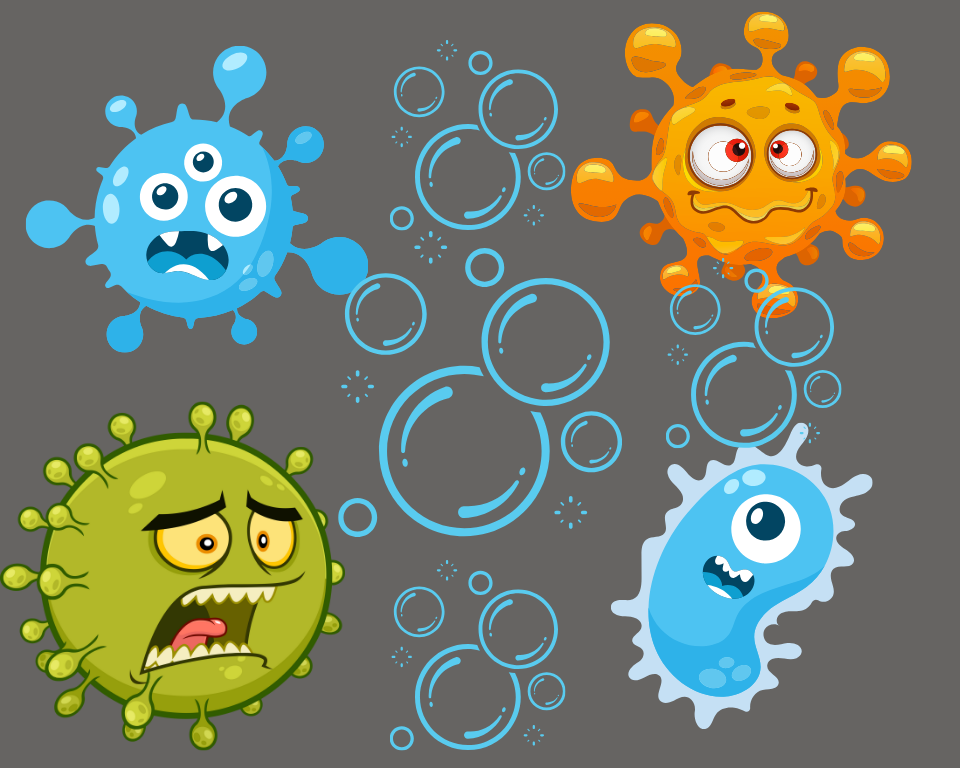

We all know about washing our hands regularly, but how often do we think about what we touch? Many everyday items harbor germs and bacteria that could make us sick.
1. Cellphone

Your trusty smartphone is a bacteria magnet. Between frequent use, being carried everywhere, and rarely being cleaned, studies show that phones are often dirtier than toilet seats. Wash your hands after using the toilet, and wipe your phone frequently with electronics wipes.
2. Remote Control

Everyone touches the remote. From greasy popcorn fingers during movie nights to dust buildup, remote controls are touched by many hands and rarely sanitized. Germs love this hotspot.
How to clean your remote control
Use a dry cotton swab to remove visible dust and debris inside the remote. Next, dampen another cotton swab with isopropyl alcohol and gently clean the circuit board and other internal components. Be cautious not to use too much moisture, as it could damage the electrical parts. If the remote has rubber buttons, clean them thoroughly as well.
3. Laptop Keyboards

Eating lunch while working? Your keyboard collects crumbs, oils, and bacteria. It’s a breeding ground for germs, especially if multiple users share it.
How to clean your Laptop Keyboard
- Turn off and unplug the laptop.
- Use a soft brush or cloth to remove loose debris gently.
- Wipe the keys with a cloth lightly dampened with water or a mild cleaning solution.
- Allow the keyboard to air dry completely before reconnecting.
- Avoid harsh chemicals and excessive liquid to prevent damage.
4. Dish Sponge
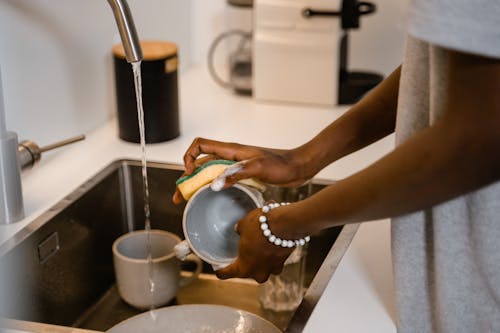
While it’s designed for cleaning, the dish sponge is one of the dirtiest items in your kitchen. Warm, moist environments help bacteria thrive, making regular replacement crucial.
Many people use microwaves to clean their sponges; however, you can also clean your dish sponge by soaking it in hot water.
Fill a small bowl with hot water or white vinegar and soak the sponge. Let it sit for five minutes, and then rinse it out and let it air dry.
5. Toothbrush
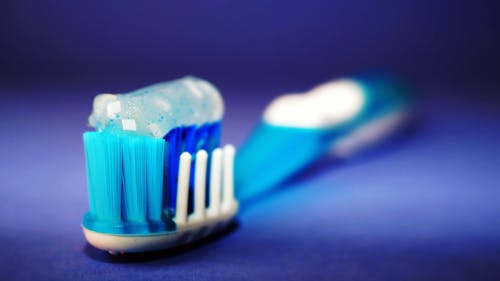
Your toothbrush spends time in a humid bathroom where airborne particles from flushing toilets can settle on it. Store it upright and away from the bathroom to minimize exposure.
6. Pet Toys

Your furry friend’s favorite toy collects drool, dirt, and bacteria. Regular washing with pet-safe cleaners can keep your pets—and you—safe.
7. Money

Cash constantly changes hands, picking up bacteria, dirt, and even viruses. It’s wise to wash your hands after handling it.
8. Laundry
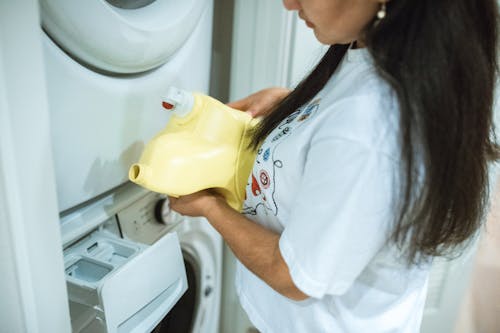
Dirty laundry, especially gym clothes or towels, can carry germs, mold, and odors. Wash them promptly to avoid bacteria buildup.
9. Your Purse
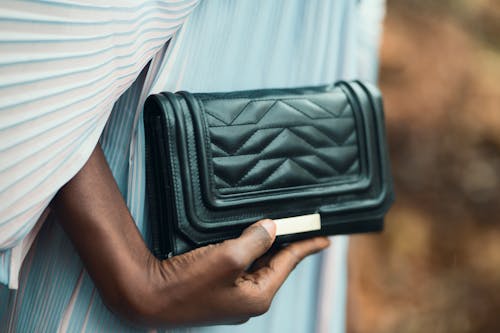
Purses go everywhere, from the floor of public restrooms to counters and car seats. The bottom of your bag is a hotspot for bacteria and dirt.
10. ATM Keypads

Used by hundreds daily, ATM keypads are rarely cleaned and frequently touched by unwashed hands. A quick hand sanitizer rub afterward can help.
11. Shopping Cart Handles

Countless people, including children, touch shopping cart handles. These handles often carry germs from raw food items and dirty hands.
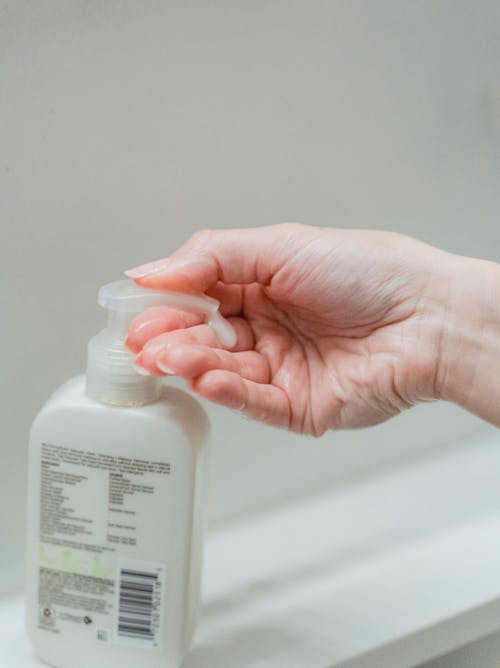
12. Soap Dispensers
Ironically, the soap dispenser pump is full of germs because people touch it with dirty hands before washing it. Automatic dispensers reduce this risk.
13. Kitchen Towels
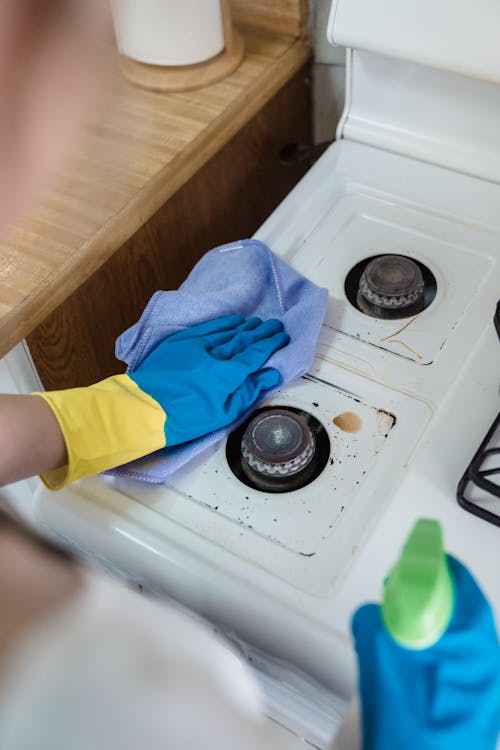
Kitchen towels are used for everything, from drying hands to wiping spills. When damp, they become a breeding ground for bacteria, so they should be washed frequently.
14. Light Switches
Light switches are touched multiple times a day but rarely cleaned. Regular disinfecting can keep germs at bay.
15. Steering Wheels
We eat, drink, and touch various things before grabbing the wheel, so it’s no surprise that car steering wheels often harbor bacteria and dirt.
Bonus
16. Makeup Brushes

Makeup brushes collect oils, dead skin cells, and product buildup with every use. If not cleaned regularly, they become a breeding ground for bacteria, leading to skin issues like acne and irritation.
How to clean your makeup brush
Fill a bowl with lukewarm water and add a tablespoon of gentle or clarifying shampoo. Avoid using plain soap and water, as it can dry out the bristles. Swirl the tip of each brush in the bowl to loosen dirt and makeup residue. For a deeper clean, gently massage the brush tips in the palm of your hand to create a rich lather.
Tips to Keep Germs Away
- Clean high-touch surfaces regularly with disinfectant wipes or sprays.
- Wash hands thoroughly and frequently.
- Avoid touching your face, especially after handling any of these items.
- Be mindful of shared items and sanitize them often.
By being aware of these germy culprits, you can protect yourself and your loved ones from unnecessary exposure to harmful bacteria.
Did you find this article helpful? Leave a comment below.


Thank you for this valuable info.❤️
LikeLike