Everything you need to know about Emergency Contraceptives

We are adults now, and being adults comes with the freedom to do whatever we want and, most importantly, being responsible for our actions. Today we will discuss emergency contraceptives. I firmly believe in abstinence from sex, but life is always ready to hit us with surprises, which is why women and their partners should know about emergency contraception.

Emergency contraception is the type of birth control you take after having unprotected sex. You can use it even after 72 hours of unprotected sex. However, the earlier you use the medication, the better. 

Emergency contraception is also called the morning-after pill. Although these pills are called morning-after pills, you do not have to wait till morning before you use them.

Emergency contraception is easily accessible to women of all ages. You can get this pill at your local pharmacy without a prescription. 

Emergency contraception is good because it has reduced the number of unplanned pregnancies and abortions. However, if you take the pill within 72 hours after having unprotected sex, you have only a 2% chance of getting pregnant, that is if you have not yet ovulated.

Emergency contraception is not abortion pills. Instead, emergency contraception is a quick attempt to prevent pregnancy after risky behavior.
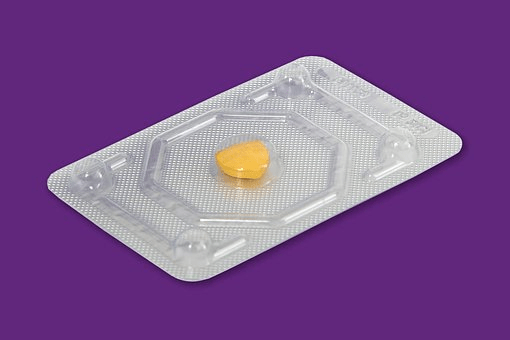
How does the emergency contraception pill work?

The morning-after pill works by delaying ovulation. Ovulation is the release of the egg from the ovary. Once the egg is released, it can be fertilized if sperm is available. Fertilization of the egg by the sperm is pregnancy. So based on this principle, you can not get pregnant if you do not ovulate. 

Another way emergency contraception works is by preventing egg fertilization if ovulation has already occurred. Remember that sperm can remain in the woman’s body for up to five days. 

The ability to delay ovulation and prevent egg fertilization makes emergency contraception pills effective.

Common names for emergency contraception pills are Postinor 2, Plan B, Take action, My way, Afterpill, etc.

Morning-after pills usually contain levonorgestrel or ulipristal acetate. Levonorgestrel binds to progesterone receptors and decreases the secretion of gonadotropin-releasing hormone (GnRH) from the brain. The result is a decrease in Luteinizing hormone leading to delayed ovulation. On the other hand, ulipristal acetate works by binding progesterone receptors to progesterone. Ulipristal acetate antagonizes these receptors and leads to delayed ovulation and decreased endometrial thickness.

What are the side effects of emergency contraception pills (Morning-after pills)?

The side effects of the morning-after pills are not severe, and every woman experiences different side effects. These symptoms include:

  • Migraines
  • Abdominal discomfort
  • Tiredness
  • Dizziness
  • Nausea/ Vomiting
  • Breast tenderness
  • Early/Late period
  • Spotting

Usually, these side effects are short-term. However, if you experience severe forms of any of these side effects after using the medication, please consult the doctor. 

What should you not do after taking emergency contraceptives?

After taking emergency contraceptives, do not have unprotected sex until you are confident that the medication has worked. Instead, abstain or go on or continue birth control.

By no means should you substitute birth control pills for emergency contraceptives. Emergency contraceptives are only for emergencies and are not to be used regularly because the FDA has not approved them for use as regular birth control. In addition, regular birth control pills are cheaper and more effective at preventing pregnancy.

The best birth control is abstinence. Other effective birth control method includes natural planning, cervical caps, condoms, hormonal birth control pills, and IUDs.

Emergency contraceptives do not protect you from sexually transmitted diseases, so it is best not to engage in risky behavior.

Will emergency contraceptives work if you are already pregnant?

No, emergency contraceptives are not effective if you are already pregnant. The pills prevent ovulation, but pregnant women do not ovulate. Emergency contraceptives will not harm the baby. Please do not use emergency contraceptives if you are already pregnant.

Additionally, the emergency contraceptive will not work if you have already ovulated. However, it might reduce the chances of the egg being fertilized or implanted. 

How can you tell if the emergency contraception has worked?

You can only know if the emergency contraceptive worked when you get your period. 

What if emergency contraception fails?

Although emergency contraceptives have a high success rate, they can fail. Take a pregnancy test if you do not see your period; if it returns positive, you should consult your doctor to discuss your options.

Can emergency pills cause infertility?

No. Emergency contraception does not cause infertility. Women can feel free when using contraceptives.

In conclusion

Emergency contraceptives are safe ways to prevent pregnancy after risky behavior. They are also called morning-after pills but can be used any time, 72 hours after unprotected sex. These pills work by delaying ovulation and preventing fertilization of the egg. 

Finally, emergency contraceptives are not abortion pills. These pills only prevent pregnancy.

I hope I have answered all the questions you might have about emergency contraceptives. If you have any more questions, please leave them in the comment section. 

See you guys next week. 
Trauma Management and Damage Control Resuscitation

A 22-year-old man walked into the store last Friday, hoping to get two packs of cigarettes and some beers for the weekend. Little did he know 10 minutes after he walked into the store, he would be drowning in his blood. And there was Sharaya, a 43-year-old human rights activist who got shot in the stomach during the last protest.

We hear stories of different traumas happening far and near. Just recently, a devastating Earthquake in Turkey and Syria killed thousands. Trauma is inevitable. Unfortunately, we will keep losing if we do not learn to manage traumas. Today’s article is about trauma, how to handle traumas and principles of damage control resuscitation.

What is trauma?

Trauma is mechanical injury or emotional damage to one’s wellness. Mechanical trauma can be blunt or sharp. Blunt traumas are events like car accidents, while sharp traumas can be injuries caused by knives or gunshots. 

Most traumas are emergencies because they can cause massive bleeding and injuries.

The first 10 minutes after trauma are critical in saving the victim’s life. During this time, the body tries to hold up by changing from aerobic to anaerobic respiration. Although anaerobic respiration requires no oxygen, it produces little energy. As a result, the body tries to shunt blood to main organs like the brain, heart, and lungs. 

The victim will die if we do not offer knowledgeable assistance within 10 minutes.

If you find yourself in a situation where you are required to assist a trauma victim, you must know what to do. Therefore, please keep reading this blog.

The first step is to assess the safety of the environment. You will not be able to help the victim if you become a victim too. Check that the environment is safe for you and the victim.

Next, you can check if the victim is responsive or conscious. Next, call the emergency line 112, remain calm, and listen to the dispatcher.

Many of the dispatchers and first-line responders are trained in the act of Damage control resuscitation. So although you do not have to know or offer Damage control resuscitation on site, the healthcare workers have to.

What is Damage Control Resuscitation (DCR)?

DCR aims to restore normal physiological balance in the trauma victim. It entails decreasing bleeding and preventing coagulopathy, sepsis, and shock. 

The goal is to optimize the patient and ensure that the patient can survive the surgery.

Some techniques involved in DCR are hypotensive resuscitation, fluid restriction, early airway management, and early use of blood products or components.

How can you care for a gunshot wound?

Gunshot wounds are an emergency because they create false cavities as they pass through the body, leading to bleeding and tissue damage.

As I said earlier, the first thing is to find a safety ad and then try to call the emergency services.

First aid for gunshot wounds involves stopping hemorrhage and avoiding infections by keeping the wound clean and dry.

To stop the bleeding, you can apply direct pressure. 

There are three types of bleeding: arterial, venous, and capillary. Arterial bleeding is the worst type, and it is difficult to stop. You can suspect arterial bleeding when you see the blood squirting out in pulses. Arterial bleeding is also bright red because it is oxygenated blood. You should use more pressure or apply a tourniquet (for arms and legs).

The 22-year-old man survived, and the responders could control the bleeding and took him to the trauma center. Sadly, Sharaya passed on; she lost too much blood.

In conclusion, trauma is inevitable, but we can manage it using skills from both advanced life support and Basic life support.

Thank you, guys, for your constant support. Please like and share, and leave your comments. See you guys next week.

Rest well, AKA, South African rapper

Rest well, Syria/Turkey earthquake victims

How to Manage Stress in Medical School

Let us face it; medical school is stressful. Medical school is a rollercoaster, and we have good days and bad.  So far, the best days I have had in medical school are my visits to surgery rooms, and my worst will have to be reading about possible complications of each surgery.

Identify the cause of your stress

The first step in managing stress is identifying the causes of the stress. The next step is to prioritize the stress and determine if the cause of the stress is something you can fix or something out of your control. 

Academic marks, absent social life, finances, and personal ambitions cause most medical student stress. It is essential to deal with this stress because excessive stress can lead to poor academic performance and interpersonal/ intrapersonal conflicts.

Everyday tips for managing stress and why they help

Many students vouch for exercising, eating healthy, and sleeping as their ways of managing stress. But do they work? Let’s investigate!

Exercising

Exercising is good. It keeps the mind distracted from the stress. I will agree that exercise improves one overall health and fitness, but it goes a step further. Exercise directly increases the levels of endorphins in your body. Endorphins are the body’s natural painkillers. These endorphins are feel-good hormones, including dopamine, serotonin, and oxytocin.

Exercise helps you forget your stress. Of course, there is nothing wrong with forgetting your worries for a few hours. Additionally, exercise does help to channel these emotions into something efficient. 

Eating healthy

Another common way people try to alleviate their anxieties is by eating healthily.  The idea behind eating healthy is that it provides the body with the extra energy needed to maintain the stressed body.

An article I read said, ‘eating healthy is important so that we have one less thing to worry about,’ and that clicked. But, again, eating healthy doesn’t solve the problem; it is just damage control. You could be stressed, but at least you are not hungry.

Fortunately, certain foods have been scientifically proven to reduce stress. Foods like dark chocolate, chamomile tea, oysters, and oatmeal can reduce stress, so it will be a brilliant idea to add them to your diet. I will have to add a bowl of ice cream to the list; although it is not remotely healthy, it makes a long week less hectic. 

Generally, it is better to eat healthily than to eat unhealthily.

 An unhealthy diet will put your body deficient in some vital nutrients, which might lead to decreased endorphins. Additionally, preparing a healthy meal is therapeutic; you will give yourself all the nutrients your body needs.

Sleep

The best among the three earlier proposed ways to reduce stress is sleep. Sleep is the best because it decreases the stress hormone (cortisol) level. If too much cortisol is in the body, one can gain weight and acquire cardiovascular problems. 

Adults need about seven to nine hours of sleep, but the most important thing is maintaining a sleep routine. So if I were to give my younger self some advice, it would be to get more sleep. 

Sleep and stress go hand in hand; if you sleep too little, you will get more stressed. 

Now let’s discuss some of the less common ways to manage stress.

Your friends 

Your friends help you more than you think. I listened to a podcast where they interviewed young doctors, and one of their biggest regrets was that they did not socialize enough in medical school. Your peer network will get you through the stress of medical school. You just need to know which type of friends to hang around.

When it comes to friendship, quality counts more than quality. You need to be around friends who are where you want to be or friends who are aspiring to be where you want to be.

Go out, have fun, socialize, volunteer, take a walk, and converse with an old friend. You can also join support groups and clubs in school.

Meditation and prayer

Meditation has helped sort out a lot of my emotions. Meditation is a good way of relieving stress because it helps you identify the cause of stress and help you classify it into something you can control and something you cannot control. In addition, meditation helps you introspect and bring out your prayer points. 

Keep a journal

Journals help you keep track of your emotions. Journalling helps you prioritize your fears and concerns. It is one of the best ways of managing your symptoms. Journaling will expose even the emotions you did not know you had. You will be able to identify your triggers, and then you will be able to control those triggers. You will also be able to handle your problems as they come.

In conclusion

Medical school is stressful by nature, but you must not let yourself become consumed by the stress. Instead, identify your triggers, and sort out your emotions. Some ways to reduce stress include investing your emotions into physical activity, eating healthy, sleeping seven to nine hours, socializing, meditating, and keeping a journal.

The adverse effects of stress in medical school are too costly to ignore. So put yourself together; you got this. Prioritize your stress. Is it something you can control? Is it your fault?

Please like and share this post. Tell me what you do to manage your stress in the comment session. See you guys next week.

Is it okay to cry?

The past week gave me a new appreciation for an excellent loud crying session. Permit me to gist you about the events that lead to my pitiful show of pathological self-awareness. I had been weak all week because school resumed with as much force as the one I used to party with during the holidays. I felt overwhelmed. The consequences of my laziness came back like a boomerang; it hit me hard, ouch. I had intentionally got no work done in the holidays, and it came back to bite me. I was struggling to hold things up financially, academically, and spiritually. I needed a good cry to help reset my attitude for the upcoming exam week.

Types of tears

There are three different types of tears; reflex, continuous and emotional. 

Reflex tears are the body’s natural defense of trying to wash out foreign substances and gases. An example of a reflex tear is the tears that come out when you cut an onion or when dust gets into your eye. 

Continuous tears are the constant amount of fluid in your eye that helps to keep it moist and painless. However, the tears this article is referring to are emotional. 

Emotional tears are conscious. It is the tear you cry when you are hurt, stressed, or moved emotionally.

Benefits of crying

Have you ever stopped to ask why you fall asleep or feel better after a good cry session? Crying is one of the best ways to self-soothe. It is a critical tool in the art of self-love. 

Crying activates the reset button in our bodies, the parasympathetic nervous system. 

You may have noticed I am pro-tears. This article will answer the simple question: Is it okay to cry? Yes. It is okay to cry.

How does crying soothe?

The parasympathetic nervous system is a collection of nerves that calm the body after periods of danger or stress. It is the rest and digest system. Although the benefits of crying are not always immediate, the parasympathetic system helps to decrease anxiety and panic. In addition, it helps maintain the body’s natural functions, which are to stay alive and be happy.

Another way crying make you feel better is by dulling pain. This is because we have natural painkillers in our bodies called endorphins. Endorphins are essentially endogenous opioids. Other examples of activities that can cause the release of feel-good hormones are exercise, massage, and sex. 

Crying is simply a way to get your feel-good hormones cheaply and without getting much work done. The release of these hormones soothes both physical and emotional pain. One feel-good hormone that is worth mentioning is oxytocin, the love hormone. What better way to show yourself some love if not by giving yourself a therapeutic dose of oxytocin?  

What happens when you choose to ‘suck it up’?

This part of the article will highlight some dangers of not owning up to the fragility of the circumstance that could bring about the need to cry. It is so much better to let the tears out than to keep them in. 

Sometimes life demands us to ‘suck it up’ and fight the tears back. It can be awkward to start crying in the office or on a date. Indeed, the sob-fest can wait for the right time and place. 

Health risk of bottling up emotions

You are countering the parasympathetic nervous system when you try not to cry. The natural counter of the parasympathetic nervous system is the sympathetic nervous system. When you try not to cry, you are activating the sympathetic system. Activating the sympathetic system leads to increased anxiety, stress, and feeling more pressure. It can manifest as headaches and bursts of anger. If left unmanaged, chronic ‘sucking up’ can lead to hypertension and depression.

‘Sucking it up’ leaves a mark on the body. It leads to an increased release of stress hormones like adrenaline and cortisol. These hormones lead to an increase in blood pressure, heart rate, and chest tightness. Therefore bottling up the emotions leads to an exponential growth of these negative emotions. For example, most people feel better when they cry, but suppressing your tears makes you feel worse. 

It is in our best interest to make time for ourselves to evaluate our feeling. For example, giving yourself a minute to release anger, pain, and sadness through crying is an indispensable tool in self-care and personal development.

Tips that will help you have a good sob-fest

The strongest are those who know when to retreat within themselves and let the tears flow. I have compiled a list of tips for you to have a good sob-fest.

  1. Find a safe space where you can let your guard down; I recommend doing this in the shower or on your bed.
  2. Identify, respect, understand and accept your emotions
  3. Play a sad song; I suggest I be your clown by Emeli Sande
  4. Watch a sad movie; I recommend the faults in our stars
  5. Cry out loud
  6. Cry as much as it comes out, don’t rush it, and don’t force it
  7. Breathe and take deep breaths 
  8. Pray
  9. Sleep and trust God

Moments after crying that night, I gave myself a pat on the back, handed myself a handkerchief, cleaned up, and returned to work stronger and more focused than the past few days. 

Conclusion

I would conclude this article with what the word says in Revelations 21:4. And God shall wipe away all tears from our eyes; and there shall be no more death, neither sorrow, nor crying, neither shall there be any more pain: for the old things are passed away.

Crying is good. It helps us void all the piled-up anger and sadness. It is the body’s natural way of detoxifying emotionally. Crying achieves its result through two main pathways. First is activating the parasympathetic nervous system, and the other is the release of feel-good hormones.

Thank you for taking the time to read this blog; leave a comment, like, and please share. I do not say this enough, I love you and want you to show yourself more love, see you next week.

How to treat a meniscus tear

The menisci are the shock absorbers of the knee. They are crescent-shaped rubber-like cartilages that lie between the femur and the tibia. There is a meniscus on both sides of the leg, the medial and the lateral meniscus. The medial meniscus is on the inside side of the knee, while the lateral meniscus is in the outer part.

The menisci help improve the knee joint’s stability and distribute shock and axial load. Furthermore, menisci provide lubrication and nutrients to the joint. Simply put, the menisci assist in the smooth movements of the knee.

Meniscus tear is a common sports injury, but it can happen due to wear and tear as we grow older. Meniscus tears are classified into three grades. Grade 1 and 2 are not as severe as grade 3 tears. Meniscus tears are visualized using an arthroscope. For example, in a grade 3 tear, the doctor can see the tear with an arthroscope.

What can cause meniscus tears?

In younger people, meniscus tears are caused by a sudden twisting of the knee joint while the foot is still on the ground. However, as I said earlier, it can also be caused by continuous wear and tear due to age; these are called degenerative tears.

What are the symptoms of meniscus tears?

If you feel a ‘pop,’ you likely have a meniscus tear. You might still be able to walk with the injured knee, but it might get stiffer in the next couple of days. You might also get the feeling of your knees locking or feeling unstable.

Swollen knees are also a common sign. Swelling occurs hours after the injury; the swelling is also accompanied by pain. Meniscus tears occur suddenly, but it might take up to 24 hours before symptoms begin.

You may also be unable to extend your leg or feel pain when you try to flex the knee.

Diagnosis of meniscus tears

The doctor will often want a picture of events that lead to the injury and questions about the general conditions of the knee before the injury. Your medical history is always essential; doctors want to know if you have knee injuries or bone conditions.

The doctor will perform some physical examinations to identify which meniscus is the problem or if there is more than one type of injury, like sprains or strains. The amount of pain you feel during these maneuvers will give the doctor an idea about the severity of the injury.

The best diagnostic test is magnetic resonance imaging (MRI). The meniscus is black in the image, but if there are any tears, it will appear white. The doctor can also do an X-ray. However, one cannot see the menisci on x-ray scans, but an x-ray helps the doctor cancel out the fracture as the cause of the pain.

What is the treatment for meniscus tears?

If the doctor diagnoses you with Grade 3 meniscus tears, it will require surgery. The surgeries include arthroscopic repair and arthroscopic partial and total meniscectomy. Arthroscopic repairs take about 40 minutes, and if everything goes smoothly, you should be able to go home the same day after the surgery. However, Menisectomy involves removing some part of the injured meniscus to prevent knee locking. Meniscectomy is a bigger surgery than arthroscopic repairs.

Meniscus tears usually don’t heal independently, so you must get the proper medical treatment. The treatment you get will depend on the severity of the injury. However, the first line of treatment is usually for pain and swelling control. Further treatments involve you visiting a physiotherapist or having to do surgery.

What are some of the medicines you can use for meniscus tears?

Over-the-counter painkillers like paracetamol or ibuprofen can help with the pain. However, the doctor may prescribe stronger painkillers if the pain is severe. Apart from helping with the pain, non-steroidal anti-inflammatory drugs (NSAIDs) like ibuprofen often help to reduce inflammation. However, please note that analgesics should only be used briefly because they may cause side effects like stomach ulcers. If you have any questions about the medications or any history of allergy to NSAIDs, please inform the doctor.

Physiotherapy for meniscus tears

The physiotherapist will evaluate your knee and develop a personal exercise program. For example, I had a friend who had a medial meniscus tear, the physiotherapist gave him some exercises to do for 15 minutes every morning, and he was doing better in a few weeks. The activities will strengthen the knee joints and improve the range of motion.

Conclusion

Meniscus tears are common sports injuries. They might also occur as one of the degenerative injuries of old age. Meniscus tears are diagnosed using MRI, history taking, and physical examinations. You must tell your doctor your expectations so the doctor can provide the proper treatment. Treatments for meniscal tears include painkillers, physiotherapy, and surgery. Thanks for reading this blog; please comment, like, and share.

Is it a sprain or a strain?

Sprains and strains are common. It can happen to anyone, an active football player or a couch potato. Unfortunately, most people make mistakes when self-diagnosing the conditions of sprain or strain. After reading this post, you can differentiate between a sprain and a strain. Identifying whether a person has a sprain or a strain is important so that the caregiver can provide the best management or treatment. Although the treatments are similar, knowing the cause of the pain is often soothing.

A sprain is a pain caused by a tear in the ligament of a joint. Ligaments are the anatomical structures that connect bones at a joint. In a sprain, these ligament is either partially injured or completely torn. The most common sprains occur in the ankles, wrist, knee, and thumb. Ankle sprains are common; I bet you have seen at least one person with an ankle sprain. The typical presentation of a sprain is the rapid swelling of the affected area and intense pain. Let me give a few examples of events that can result in sprains. Ankle sprains can happen when the feet turn inward when running or landing after a jump. Knee sprains occur when there is a sudden twisting in the knee. 

On the other hand, strains are pain caused by an overstretch or a tear to a muscle or a tendon attached to a bone. Tendon is the anatomical structure that connects muscle to bone. The most common strain occurs at the ankles, wrist, and elbow. However, back muscles and hamstrings can also be strained, especially when lifting heavy objects in poor posture. In addition, strains can be acute or chronic. Acute strains occur due to poor body mechanics when lifting heavy objects. Chronic strains occur when there is repetitive abuse of the muscles, for example, when doing the same repetitive movements. Often, factory workers are at risk of chronic strains, while acute strains occur in the settings of rigorous physical activity.

You can treat mild sprain or strain at home, but if conditions are not improving, they may need surgery. The severity of the symptoms may help you identify if you have a mild or severe sprain/ strain. Additionally, if multiple ligaments or tendons are completely torn, this indicates surgical repair.

Symptoms of a sprain include:

-Tenderness

-redness

-Swelling due to inflammation

-Decreased range of motion

-Inability to put weight on the affected part

Symptoms of strains include:

-Pain

-redness

-decreased range of motion

-muscle spasms and weakness

Diagnosis

There are many ways to diagnose sprains and strains. The best way to know if you have a strain or a sprain is to visit a doctor. A doctor will use physical exams and history to come up with a diagnosis. The doctor will assess the severity of the symptoms and perform imaging tests like an MRI or CT scan. The doctor often orders an X-ray too. Although you will not see muscles, ligaments, and tendons in an X-ray scan,  an X-ray is helpful so that the doctor can rule out fractures and dislocated bones. 

Treatment

Although you can manage mild sprains/strains at home, I recommend you see a doctor if the pain worsens or you experience numbness or tingling in the affected area. 

The first 48 hours after the injury is crucial in the treatment process. After that, most doctors will advise you to follow the PRICE method. PRICE stands for protection, rest, ice, compression, and elevation. You can apply the PRICE method for both sprains and strains. It is a set of simple procedures focusing on reducing inflammation, pain, and swelling.

Protection: This means you have to stay off the injured area. You might need crutches or splints to help you immobilize the joint. Protection is important because it helps restore realignment to the joint. In addition, it gives the ligament and tendons time to heal.

Rest: You will need to decrease your level of exercise for a few weeks; this will allow time for the ligaments or tendons to heal.

Ice: The role of ice is to decrease inflammation. Apply ice on the injured area for 5-10 minutes. You should do this at least four times a day. Please note that you must not apply ice on the wounded area for more than 20 minutes to prevent frostbites. Alternatively, you can do an ice massage. To do an ice massage, put the ice in a cloth and use it to apply circular pressure on the affected area for only 5 minutes.

Compression: Compression provides continous pressure to the site of injury. Compression aims to reduce swelling. You can use compression socks or use a bandage. Please make sure that the dressing is not too tight or too loose.

Elevation: Elevation aims to decrease swelling. You can achieve this by keeping the injured area on a pillow, such that it is above the level of the heart.

I have used the PRICE method to help soccer players in my camp and university, so the technique works.

Sprains and strains take a long time to heal and often change the joint’s dynamics. Therefore, you should visit a physical therapist to help restore the natural dynamic of the joint. Physical therapy will also reduce the chances of the sprain or strain recurring.

Management

Strains and sprains can happen to anyone, but here are some tips to reduce your chances of getting sprains/ strains.

Only push yourself as much as your body can handle. This means you should be able to identify when you are tired or when your body or joints feel sore. This will enable you to avoid intense physical activity when tired or in pain.

Another way to reduce the risk of sprains and strains is by maintaining a healthy weight and a balanced diet. As we grow orders and our nutritional needs change, you should visit a registered dietitian so they can prepare a meal plan for your needs.

One of the most effective tips to reduce the risk of sprains and strains is warmups. Warmups help prepare the muscles for physical activity. Additionally, you can do stretching exercises daily to strengthen the muscles.

Finally, I recommend you invest in sport’s shoes and equipment.

Sprains and strains are prevalent and can happen to anybody. Even the most active players get sprains or strains. The good news is that if it is mild, they can be treated at home using the PRICE method. A doctor can diagnose the condition based on physical examinations, history taking, and also with the help of imaging tests. 

In the next post, we will discuss the diagnosis and treatment for meniscus tears. So keep reading, like this post, and comment.

Role of harm reduction in the modern world

People who use drugs (PWUD) like heroin and morphine need safer ways to inject their drugs. Unfortunately, they will share or overdose if they cannot afford or find safer ways.

Sharing unsterilized needles increases these people’s risk of diseases and infections like hepatitis B, C, and HIV. In addition, when these people are infected, they can spread infections to the general population.

Therefore, harm reduction is a means of directly providing for the needs of the PWUD group to protect the larger population from diseases and drug-related harm.

Harm reduction is the policies and practices that minimize adverse health and social impacts of drug use. Its principles are grounded in justice and human rights. It answers one of the fundamental questions; how can we create a positive change with drug users without judgment and discrimination? 

Harm reduction does not force people to stop using drugs before providing them with the support they need. Instead, it meets them at the point of their need. Some of the supports harm reduction strategies provide are education, safety, providing needles, providing a consumption house, providing alternative drugs that do not require the use of injections, and also providing legal/paralegal services.

The first time I heard about harm reduction was in my epidemiology class. It was interesting to find out that providing drug users with low-dead space needles can help prevent the spread of blood-borne diseases. There is decreased space between the needle and the plunger when fully pushed, making it safer for PWUD than traditional injections. Low-dead space needles are a good application of harm reduction.

 In the same class, I learned we could provide IV drug users with oral alternatives that provide them the same agonist effect they seek. But, I had so many questions after the course, does harm reduction truly work? Doesn’t harm reduction encourage PWUD to use more drugs? This article aims at answering some of these questions.

Harm reduction works. It keeps drug users alive and reduces the spread of HIV and viral hepatitis within the population. It also plays a significant role in connecting drug users and integrating them into the general health system.

Over 100 countries already have harm reduction policies in place to help their citizens who are drug users. However, another question arises: Are harm reduction policies only targeted at drug users? 

Health officials initially developed harm reduction to assist drug users who could not abstain.  Today, it has extended to preventing teenage pregnancy, depression, alcohol use, etc.

Harm reduction is a public health strategy which means that the result is a benefit that can be extrapolated to the entire population and even globally. It entails educating drug users about safer ways to use the drugs, providing alternatives to intravenous (IV) drugs, and providing a safe location for supervised consumption sites that can help reduce overdose and needle-sharing cases.

Now let’s discuss the principles of harm reduction.

Harm reduction does not encourage people to use drugs. Instead, it meets these users at the point of their needs and addresses the conditions related to the use of illicit drugs. Harm reduction is not a universal formula. Instead, it is an individual or community-focused approach.

Harm reduction accepts that whether we like it or not, people will use IV drugs. It works on the notion that instead of covering the problem with a thick blanket, we should help these people. It reminds me of what our body does to tuberculosis in creating caseating granulomas. So it turns out that tuberculosis is a severe infection, so the body tries to cover it with a thick blanket that forms granulomas ( a collection of macrophages).

Harm reduction provides a way to solve the situation—giving the body six months of antituberculosis treatment to cure the disease.

Drug use is a continuum, from severe use to complete abstinence. Harm reduction understands the continuum and acknowledges that providing alternatives to IV drugs is safer. For example, giving drug users buprenorphine which can be taken as a patch or orally, is safer than using heroin intravenously. In addition, oral drug use has less incidence of viral hepatitis and HIV infections.

Harm reduction is also a powerful way of letting people who are drug users or ex-drug users routinely have a voice and help them in designing programs that will be helpful to their societies. Harm reduction educates people who use drugs (PWUD) that they are in charge of reducing the dangerous effects of drugs. It empowers them with health information and support.

Harm reduction affirms people who use drugs (PWUD) as the primary agents of reducing the harms of their drug use and seeks to empower PWUD to share information and support each other in strategies that meet their actual conditions of use.

Harm reduction is not blind to the fact that social inequalities like poverty, racism, discrimination and sexual trauma affect people’s capacity to handle drug-related harm effectively. Instead, it provides a hand to help these people too. But, most importantly, harm reduction does not deny the real danger related to illicit drugs.

In conclusion, harm reduction works; its main aim is to reduce the dangerous effects related to the use of illicit drugs. It does not promote the use of drugs but instead enables PWUD to be involved in health awareness. Therefore, we should apply harm reduction policies in every country. The only problem I can highlight is that harm reduction does not solve the root cause of drug abuse in society. But then, that’s a story for another day. 

So then, let us not be like others, who are asleep, but let us be awake and sober. For those who sleep, sleep at night, and those who get drunk, get drunk at night. But since we belong to the day, let us be sober, putting on faith and love as a breastplate and the hope of salvation as a helmet. Thessalonians5:6-8.

Reference

How can you defend yourself?

Let me state the obvious; the world is not safe. Each year people are caring less and getting more hostile. For this reason, we have to learn how to defend ourselves. Often we hear news of violence and attacks on women, children, and men. Sometimes oppressors can hide this violence in verbal and sexual harassment are classified as a joke.

Yesterday, a fully conscious man flashed his genitals at me, shaking them in my presence like a cheap fruit. I was disgusted and angry. Unfortunately, the only thing I could do was run.

Many people have faced worse situations, some of which can lead to rape or murder. I was a victim.

These prompted the need to write this article. How can we defend ourselves? How can we defend our sisters and children from such a cold world? What is our first line of defense? What can we do when an attacker is armed, there are multiple attackers, or there is no safe place to run?

In my part of the world, if I am to report such a case to the police, it will be dismissed by the same people who swore to protect us.

A few years ago, I worked as a massage therapist. Part of the job required self-defense training, and I have read books about self-defense. Let me share some of the things I learned about self-defense with you. You never know when the day of the adversary will come.

Run if you can

One of the first things you will learn in any self-defense class is that evading an attack is better than blocking an attack.

After reflecting on the incident of that night, I realized that one of the reasons the man was able to take advantage was because he saw I was alone that night. He identified me as vulnerable. So, try going around with people. There is strength in numbers.

We will not live a life of fear, but we must be aware of how wicked humans are. So if you are in a place alone, don’t be afraid. Instead, let someone know where you are or let them know about where you are going or let someone know your itinerary for the day. And If you are not able to inform people, at least stand in a well-lit area or somewhere with cameras.

Something goes wrong

Many things can go wrong, so it is important to defuse them immediately. The abuser may decide to follow you or become aggressive. Run and scream!

We have strong instincts, and we must trust them. Trusting our instincts is one of the most powerful things we can do now.

So what do you do if the abuser catches up or you do not get a chance to run? My next instinct would be to disgust the abuser. I would urinate, defecate or say I was on my period, all while screaming and shouting. Again some people should be in a psychiatric hospital but are roaming the streets out there; those who fantasize about their victims screaming and fighting, wet and bleeding.

After the night’s incident, I went home calling as many people as I thought cared. People gave me different advice. One of the concerning pieces of advice I got was about taking a picture of the man and showing it to the police. Unfortunately, I didn’t have the time to take photos or bring my phone out. I was more focused on getting out of the situation as soon as possible. Which I think was the best thing I did. Taking a picture of the abuser might infuriate him, and he might strike or become aggressive.

Many victims blame themselves for the event of the attack. I did too. I was angry with myself for not being able to defend myself or for being in the situation in the first place. I had to take a few days off to reset. I watched reels and TikTok mindlessly to help me forget about what I went through. I couldn’t sleep because I kept on getting flashbacks about the event. The sight of anyone who looked like him infuriated me. I just needed time to get rid of the anger.

Victims should be courageous enough to talk about the events and the flashbacks. Although the world is wicked, some kind-hearted people are willing to listen and give a hand when you need help. Of course, finding a friend to talk to about the events also helps, but if you feel like you are not coping, you can book a session with a psychologist.

You should also sign up for a self-defense class. One of the first things you will learn in any self-defense class is that evading an attack is better than blocking an attack. If you can run, run.

But for him who is joined to all the living, there is hope, for a living dog is better than a dead lion. For the living know that they will die, But the dead know nothing, And they have no more reward, For the memory of them is forgotten- Ecclesiastes 9:4-12

Under-five death in Sub-Saharan Africa

More children die before their 5th birthday in Sub-Saharan Africa than anywhere else. Children die from infections, neonatal disorders, malnutrition, and many avoidable causes.

This article will discuss why African children die before they reach the age of five. Additionally, we will discuss what mothers, health workers, and government can do to improve the situation. Throughout this article, you will see terms like child or under-five mortality. Under-five mortality rate means a child’s chance of dying before age five expressed per a thousand live births. In 2020, the under-five mortality was 74 per 1000 births in Sub-Saharan Africa.

Under-five mortality is a global problem. However, Sub-Saharan Africa has the highest rate of deaths. There is high under-five mortality in this region because there is poor sanitation, mothers are uneducated, families live below the poverty line, and no access to proper health care. 

Developed countries have reduced their under-five mortality to 5 deaths per 1000 live births because they have advanced healthcare, the majority have a high income, mothers are educated, and clean water and sanitation are available. If Sub-Saharan Africa can invest in health systems, education, and sanitation, fewer under-five deaths will occur.

What is the cause of the children’s deaths?

The children are dying from neonatal disorders, neonatal tetanus, pneumonia, diarrhea,  malaria, kwashiorkor, measles, HIV/AIDS, TB, and Meningitis.

What policies have been put in place to decrease under-five mortality? Is it working?

There is the child survival strategy. The child survival strategy aims at reducing the impact of the disease. However, it does not tackle the root cause of the problem. Of course, the Child survival strategy has helped countries affected most to reduce the numbers of under-five deaths, but our society can do more. 

If we look at countries like Sweden and Finland, it is not about Child survival strategy but tackling the root cause of deaths in these children; poor sanitation, extreme poverty, uneducated mothers, and rudimentary healthcare systems.

What are the steps in the child survival strategy (CSS)?

The steps in the CSS include growth monitoring, oral rehydration, exclusive breastfeeding, immunization, female education, food fortification, and family planning. These steps have been helpful so far in reducing the deaths of children worldwide. Now let us look at each of these steps and what they try to solve.

Growth monitoring

If we monitor the children’s growth, we can identify abnormal development. Growth monitoring also helps us identify malnutrition, endocrine problems, or any other chronic disease. 

To take things a step further, we should educate mothers about the importance of a balanced diet and adequate food portions for children under five. However, many mothers cannot afford food for their children and talkless of a balanced meal. What can the government do? Provide solutions in the comment section. For example, the government can create jobs, provide meals and fruits in primary schools, etc.

Oral rehydration

Oral rehydration helps to tackle diarrhea disease. Oral rehydration is giving children suffering from diarrhea oral rehydration solution ( 6 teaspoons of sugar + ½ teaspoon of salt +1 liter clean water= ORS). The ORS will prevent dehydration and replace lost electrolytes.

This strategy is needed since diarrhea is a major cause of children’s death. However, more focus should be on providing clean sanitation and water and educating mothers about hygiene.

Breastfeeding

Giving children only breast milk is essential until they are six months old. Breast milk provides children with antibodies to fight infection better; it also provides good bacteria to the gut. These bacteria will later protect the children from other deadly infections. We will discuss the benefits of breastfeeding in other articles.

When the child is six months old, you can introduce new food to supplement breast milk.

Immunization

Immunization is another helpful step of CSS. Immunization protects the child and the population from infections. Unfortunately, not everybody has access to vaccines. The government provides free vaccinations in public hospitals, but not everyone is aware, and many people still do not want to get vaccinated.

Immunization coverage is still low for many childhood diseases like measles, mumps, rubella, and varicella. As a result, African children are still dying from these avoidable diseases. Therefore, steps should be put in place to make people understand the values of vaccination, and unvaccinated children should not be allowed in creches and primary schools. This will ensure more people vaccinate their children.

Female education

If women are educated, they will know where to get health information. Furthermore, they will understand the values of hygiene and have more job opportunities. Ultimately, their children will live longer.

Family planning

There should be at least three years gap between each child so that you will give enough attention to each child. 

Food fortification

Food fortification aims at reducing death by malnutrition. Food fortification means adding nutrients to food to restore nutrients lost in processed foods. 

Another thing that will help is providing child grants to underprivileged mothers so they can provide food for their children.

What are the top 10 countries with the highest Under-five mortality rates?

  • Sierra Leone
  • The Central African Republic
  • Somalia
  • Nigeria
  • Lesotho
  • Chad
  • DR Congo
  • South Sudan
  • Guinea
  • Mali

What can mothers do to prevent their children from dying?

Mothers should visit public health facilities regularly because these facilities hold seminars and talks to educate in simple language and local dialects. Additionally, mothers should try to breast milk exclusively for six months, space out births, and upgrade their educational levels.

What can Health workers do?

Health workers should educate mothers, be ready for emergencies, dispense supplements, monitor children’s growth, recognize child abuse, and ensure health facilities are clean and safe for mothers and children.

What can the government do to reduce the under-five mortality rate?

Provide clean water and sanitation, free education for females, improved health standards, child grants to unemployed mothers, food in public schools, and free vaccinations and medications for children under five.

Even though under-five mortality is a global problem, African countries have the highest rate of deaths. This is because these countries are low-income countries with poor sanitation and health care. As a result, many children die due to malnutrition, diarrhea, malaria, and avoidable infections.  

Fortunately, Child survival Strategies have reduced the number of deaths significantly. These strategies include female education, family planning, food fortification, growth monitoring, immunization, food fortification, and exclusive breastfeeding. 

Although these strategies are helpful, they do not tackle the root cause of children’s death; poverty, poor sanitation, and unsophisticated healthcare systems. 

What can be done to reduce the under-five mortality rate in Sub-Saharan Africa? Let us know in the comment section below.

References

CBD is more than just Marijuana

The medical usage of CBD has been a hot debate for decades. Recently, countries have legalized its use for medical and recreational purposes. As a result, clinics and companies involved in alternative therapy keep popping up, implying the massive demand for CBD products. But does CBD work? And if so, what are the benefits of using CBD in healthcare?

This article will discuss the pros and cons of CBD. In addition, we will be highlighting its benefits, history, and spiritual aspects. 

Cannabidiol is relatively new terminology, but it has been around for ages. Ancient kings and queens used it as a cure for many ailments. Cannabidiol (CBD) is a potent chemical found in hemp and marijuana. The science term, Cannabis sativa

There are two potent chemicals in the plant tetrahydrocannabinol, THC and CBD. THC is responsible for most of the psychological side effects of marijuana. Scientists prefer to extract CBD from hemp to achieve lesser concentrations of THC. Both chemicals are potent and are used in healthcare. We use CBD for local or physical pains and THC for metaphysical and psychological distress. Some people see CBD as the cure and THC as a side effect, but that isn’t true.

In a spiritual context, Cannabis is a popular entheogen. It induces changes in the user’s perception, behavior, mood, and consciousness. People consider the plant a promoter of spiritual development (all temperance involved). Although Cannabis has a long spiritual history, today, it has gained a bad reputation cause of abuse.

Due to the tendency of people to abuse Cannabis, there is not much information about its benefits. Some countries require scientists to have special licenses before conducting their experiments. Hopefully, in the nearest future, we will discover all the benefits of this ancient drug.

Benefits of CBD

Doctors and Alternative Medical practitioners prescribe CBD for:

  • Severe epilepsy
  • Excessive vomiting and food aversion due to chemotherapy
  • Pain management for arthritis, chronic migraine, fibromyalgia, and endometriosis
  • Chron’s disease and Rheumatoid arthritis; some replace long-term use of NSAIDS for CBD
  • Acne and aging skin
  • Anxiety and Sleep management
  • Alcohol and Opioid addiction

The risk associated with CBD use

Since Cannabis contains both CBD and THC, doctors are concerned about side effects from THC like depression, red eyes, memory loss, etc. Therefore, doctors often weigh the benefits against the risks. Fortunately, scientists can avoid THC in CBD solutions with newly developed extraction processes.

Additionally, marijuana may promote hallucinations in patients, and this might cause them to fall or engage in strange behaviors.

CBD opens doors for further investigation into the use of traditional plants. The benefits outweigh the risk, and we are excited to learn about new developments in the world of complementary medicine. Let’s shy away from NSAIDs.

Did you find this article helpful? Comment below

References

Healthline https://www.healthline.com/health/medical-marijuana/benefits-of-marijuana#risks

Health Europa https://www.healtheuropa.com/health-benefits-of-cannabis/92499/

Web MD https://www.webmd.com/a-to-z-guides/medical-marijuana-faq