7 Must-Read Christmas Romance Books to Warm Your Heart This Holiday

Do you find yourself enchanted by Hallmark Christmas movies? You’re not alone—I’m right there with you. Embracing the essence of warmth, joy, and love, I’ve curated a list of heartwarming Christmas romance books just for you.

Whether you’re snuggling by the fire or seeking a respite from the holiday rush, these novels will immerse you in the festive spirit, filling your season with love and cheer.

1. “In a Holidaze” by Christina Lauren

Dive into the festive season with Christina Lauren’s “In a Holidaze, a delightful Christmas romance that captures holiday magic and misadventures. This New York Times bestseller follows Maelyn Jones, who, amidst a personal crisis, gets caught in a time loop, repeatedly reliving her Christmas holiday. Each reset brings hilarious disasters and a step closer to discovering true happiness.

Set against the snowy backdrop of a Utah cabin, Christina Lauren weaves a tale filled with laughter, love, and heartfelt revelations. 

Known for their witty and engaging storytelling, as seen in “The Unhoneymooners, the authors ensure “In a Holidaze is brimming with holiday cheer and the transformative power of wishes. This charming read is perfect for those seeking laughter and a warm holiday glow.

2. “One Day in December by Josie Silver

Dive into the enchanting world of “One Day in December, a New York Times number-one bestseller and a Reese Witherspoon x Hello Sunshine Book Club favorite. Reese Witherspoon herself praises this captivating novel as a whirlwind romance that will charm its way into your heart.

Josie Silver’s narrative brims with warmth, crafting characters that resonate deeply and linger long after the last page. Laurie’s belief in the impracticality of love, at first sight, is challenged one snowy December day when she locks eyes with a man through a misted-up bus window. In that fleeting moment of connection, she feels an undeniable magic before the bus pulls away, leaving her with a lingering sense of what could be.

Driven by the notion of destiny, Laurie spends the next year searching every bus stop and cafe in London, hoping to find the man from the bus. Fate, however, has a different plan. Laurie finally “reunites with him at a Christmas party, where her best friend Sarah excitedly introduces her new boyfriend, Jack—the man Laurie has been searching for.

Spanning a decade, “One Day in December navigates through the lives of Laurie, Sarah, and Jack, exploring themes of friendship, heartbreak, and missed connections. This novel offers a poignant look at the complex paths love can take and the serendipitous nature of life. It’s a touching and heartwarming love story, perfect for those who believe in the power of fate and the magic of the holiday season.

3. “The Holiday Swap by Maggie Knox

Get swept up in the festive cheer with “The Holiday Swap, an international bestseller that delivers all the warmth and humor of a holiday romantic comedy. This charming novel is a hit for fans of Christina Lauren’s “In a Holidaze and Josie Silver’s “One Day in December, perfect for those who love a feel-good Christmas story with a twist.

Twelve days before Christmas, chef Charlie Goodwin suffers a bizarre accident on her L.A. reality baking show set, losing her sense of taste and smell—an unfortunate setback for a show judge. Meanwhile, her identical twin, Cass, juggles chaos in their picturesque mountain hometown, managing the family bakery and dodging an ex who refuses to accept their breakup.

In a moment of desperation, Charlie concocts a plan to ask Cass to revisit their childhood antics: a twin swap. Cass, needing a break from her own troubles, agrees to the switch. As the twins navigate their new realities, they encounter unexpected romances—Charlie with rugged firefighter Jake Greenman and Cass with charming physician assistant Miguel Rodriguez.

As the swap unfolds, the sisters are embroiled in mishaps and miscommunications, testing their plan’s limits. “The Holiday Swap is a delightful romp through festive challenges and romantic entanglements. It explores whether this high-stakes switch will lead to disaster or give the twins the fresh start they desperately need. This novel promises to be a delicious blend of love, laughter, and holiday spirit.

4. “How My Neighbor Stole Christmas”

Dive into the festive frolic and fiery romance of How My Neighbor Stole Christmas, a delightful enemies-to-lovers holiday tale by USA Today bestselling author Meghan Quinn. Known for her wit and spicy storytelling, Quinn delivers yet another captivating read set in a town where Christmas never ends.

The story introduces us to a self-proclaimed Christmas curmudgeon who prefers the solitude of his home over the relentless cheer of his year-round Christmas town. His peaceful hibernation is disrupted when Storee Taylor, his old nemesis, moves in next door. Storee’s arrival throws his world into chaos, particularly when she joins the fiercely competitive town Christmas Kringle contest—a contest he swears she won’t win, especially not on his watch.

Driven by their shared history and his determination not to be outdone, he reluctantly dives into the holiday festivities, vowing to beat Storee at her own game. As they engage in spirited competition, their antics lead to a fake dating scenario, where staged kisses ignite real sparks and unexpected feelings bloom.

The story heats up with comedic yet romantic mishaps involving Christmas lights and a ladder, transforming their rivalry into a passionate connection. Quinn masterfully blends humor with romance, crafting a story that’s as heartwarming as it is hilarious.

How My Neighbor Stole Christmas is a must-read for those who enjoy a good rom-com with a healthy dose of holiday spirit, humorous banter, and a love story that proves even the coldest hearts can thaw in the magic of Christmas. Discover for yourself who truly stole Christmas in this enchanting holiday romance.

5. “The Christmas Bookshop by Jenny Colgan

Unwrap the magic of the holidays with Jenny Colgan’s enchanting tale, “The Christmas Bookshop. This instant New York Times bestseller is a festive treat, combining the warmth of a heartwarming Christmas story with the charm of a quaint bookshop narrative. Hailed by USA Today as a blend of humor, wit, suspense, and a captivating love triangle and described by The Times (UK) as “literary hot chocolate with a bourbon shot, this novel is set to be the perfect companion for your holiday season.

Carmen finds herself jobless just as the holidays approach, with dwindling finances and limited options. The last thing she wants is to spend Christmas in the seemingly perfect world of her sister Sofia—complete with a flawless house, delightful children, and another baby on the way. Despite their differences, Sofia needs Carmen. Their mother wants peace between her daughters, and Sofia’s client, Mr. McCredie, desperately needs someone to rejuvenate his charming yet disheveled bookshop in historic Edinburgh.

Reluctantly, Carmen steps into the world of Mr. McCredie’s bookshop. Despite its initial neglect, the shop’s dusty shelves and disarray hide an undeniable allure. As Carmen delves into the task of revitalizing the shop for the Christmas rush, she finds herself enchanted not only by the books but also by the community—and notably, a captivating and famous author who shows an unexpected interest in both the bookshop and Carmen herself.

The Christmas Bookshop is more than just a festive read; it’s a journey of self-discovery, family reconciliation, and life’s unexpected twists. Jenny Colgan beautifully captures the essence of the Christmas spirit, making this novel a heartfelt reminder of the season’s joys and the potential for new beginnings. Whether you’re a lover of holiday stories, romantic comedies, or tales of personal transformation, this book promises to deliver joy and a few surprises along the way.

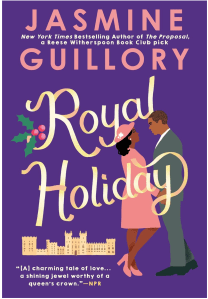
6.”Royal Holiday by Jasmine Guillory

Delight in the regal romance of “Royal Holiday, a sparkling novel from Jasmine Guillory, celebrated as a rising star in the romance genre by Entertainment Weekly. Known for her bestseller “The Proposal, Guillory now invites readers to a festive escapade across the pond that blossoms into an unforgettable love story.

Vivian Forest, who has rarely traveled abroad, seizes the opportunity to join her daughter Maddie on a work trip to style a member of the British royal family. Anticipating a holiday filled with sightseeing and British culture, Vivian must prepare for the instant attraction she feels towards Malcolm Hudson, the private secretary to the Queen. Malcolm, known for his charming accent and impeccable professionalism, is equally taken with Vivian from their first meeting.

Breaking away from his usual reserved nature, Malcolm offers Vivian a private tour of the royal residences. Their flirtation quickly ignites under the mistletoe, leading to a passionate fling that neither expected. As their time together ticks down to New Year’s Day, what was meant to be a brief holiday romance begins to feel like something more substantial.

Royal Holiday is a beautifully crafted tale that captures the essence of a whirlwind romance amid the festive backdrop of England’s stately charm. Guillory’s signature blend of humor and warmth makes this novel perfect for those who love romance novels with a touch of class and a dash of holiday spirit. Whether or not Vivian and Malcolm’s holiday romance can withstand the realities of their regular lives might be the best gift.

7. “The Santa Suit by Mary Kay Andrews

Dive into the heartwarming charm of “The Santa Suit, a novella from Mary Kay Andrews, the New York Times bestselling author known for “Hello, Summer. This enchanting tale captures the essence of Christmas magic and the hope of new beginnings, making it a delightful read for the holiday season.

Newly divorced and seeking a fresh start, Ivy Perkins buys an old farmhouse called the Four Roses sight unseen. Eager for a change but unprepared for the extensive renovations needed, Ivy finds herself sifting through decades of left-behind belongings—a daunting task that turns intriguing when she discovers a beautifully crafted, vintage Santa suit hidden in a closet. The magic begins when Ivy finds a poignant note in the suit’s pocket: a heartfelt Christmas wish from a little girl longing for her father’s safe return from war.

Driven by the mystery of the note and the story behind the Santa suit, Ivy embarks on a journey that draws her into the heart of her new community. Far from the solitude she initially craved, she is surrounded by people who share her curiosity and desire to reconnect with the past. As she delves deeper, Ivy’s quest aims to reunite a family and offers her a chance at healing her wounds.

The Santa Suit weaves together the themes of community, family reconciliation, and unexpected romantic sparks. With its blend of mystery and romance, this novella showcases the transformative power of the Christmas spirit, offering readers a story of rediscovery and the possibility of second chances in love and life. Ivy’s adventure promises to warm hearts and remind us of the miracles that can occur when we open ourselves up to new experiences and the season’s magic.

Bonus

“The Christmas Fix by Lucy Score

Experience the spirited clash and festive charm in “The Christmas Fix, a lively Christmas romance that proves miracles come in unexpected packages. When a hurricane devastates the quaint town of Merry, Connecticut, the last thing city manager and single dad Noah Yates wants is to cancel the annual Christmas Festival. But with no festival, there are no tourism dollars, and the town faces a catastrophic holiday season.

Enter Catalina King, a charismatic home renovation expert and reality TV star, determined to save Christmas with her crew, a substantial budget, and a holiday special to revive Merry. Noah is skeptical, remembering the chaos Cat caused during her last visit, which even sparked the town’s first bar fight. He’s reluctant to let her near his village—or his daughter, fearing she’ll bring more glitz than goodwill.

But Cat is ready to prove Noah wrong, believing she can transform their tragedy into a season of hope and celebration. Packed with festive flare and a dash of conflict, “The Christmas Fix is a tale of overcoming differences and rediscovering holiday joy. It’s a battle of wills with Christmas cheer at stake, ringing in a season where every challenge is met with a miracle.

“The True Christmas Coloring book” by MABS

These Christmas books are perfect for family reading and make wonderful gifts for friends. Additionally, I’ve created a Christmas-themed coloring book that’s ideal for gifting to both family and friends this holiday season.


Did you find this article interesting? Leave a comment below

Living in the Moment

In The Courage to Be Disliked, living in the moment is a central theme that encourages individuals to focus on the present rather than being preoccupied with the past or anxious about the future. The book, drawing on Adlerian psychology, suggests that embracing the present moment leads to a more fulfilling and authentic life. 

This is part 5 on our review on The Courage to be Disliked.

  1. Part 1: Happiness is a choice
  2. Part 2: Separation of task
  3. Part 3: All problems are interpersonal problems
  4. Part 4: Role of trauma

The Illusion of the Past and Future

The past and future are not real, they exist only in the mind. The past is gone, and the future has not yet arrived. Therefore, the only reality is the present moment. By worrying excessively about past experiences or future uncertainties, we are distracted from what we can do here and now. Living in the moment means fully engaging with what is happening right now, as it is the only time in which life unfolds.

Letting Go of the Past

The book challenges the idea that the past dictates one’s present behavior. It suggests that we often hold onto past grievances, failures, or traumas as a way of justifying current behaviors or avoiding changes. For example, someone might say, “I can’t be happy because of what happened to me,” which prevents them from taking action in the present. Instead, living in the moment involves letting go of these narratives and recognizing that what matters is how you choose to act today.

Not Being Driven by Future Goals or Expectations

While setting goals is essential for growth, the book emphasizes that people should not be so fixated on future outcomes that they forget to appreciate the journey. Constantly striving for future success can lead to dissatisfaction if one becomes overly focused on the end result rather than the process. Living in the moment means finding joy and meaning in the present activities, regardless of the anticipated outcome.

The Concept of “Life Tasks” and Engaging Fully

Adlerian psychology, as presented in the book, talks about “life tasks” – things that require your attention and effort. When you are engaged in a task, giving it your full attention without distractions from past regrets or future worries allows you to perform better and feel more satisfied. Being present in the moment fosters a sense of flow, where time seems to disappear because you are fully immersed in the activity.

20 life tasks that require your time and efforts

  1. Building a Career
  2. Maintaining Health and Fitness
  3. Developing Personal Relationships
  4. Managing Finances
  5. Learning New Skills
  6. Caring for Family
  7. Setting and Achieving Goals
  8. Building Self-Discipline
  9. Growing Spiritually
  10. Improving Communication Skills
  11. Nurturing Hobbies and Passions
  12. Household Chores and Maintenance
  13. Volunteering or Giving Back
  14. Planning and Organizing Life Events
  15. Managing Stress and Mental Health
  16. Networking and Socializing
  17. Time Management
  18. Saving and Investing
  19. Traveling and Expanding Horizons
  20. Developing Emotional Intelligence

Reducing Anxiety by Focusing on What Can Be Controlled

Living in the moment also involves focusing on what is within your control. Anxiety often arises from worrying about things that are beyond one’s control, such as others’ opinions or future events. By directing attention to present actions and decisions, individuals can manage their lives more effectively. The book encourages focusing on what you can do right now to improve your situation, which leads to a greater sense of empowerment.

Cultivating Gratitude and Mindfulness

A part of living in the moment is practicing gratitude for the present. By appreciating what you have right now, you shift your focus from what is lacking or what you fear may happen. The book’s approach aligns with mindfulness practices, which involve paying attention to the present moment with a non-judgmental attitude. This mindset helps reduce stress and enhances well-being by allowing individuals to fully experience life as it happens.

Interpersonal Relationships and Being Present

In the context of relationships, living in the moment means genuinely listening to and engaging with others. Often, people are distracted by their own thoughts, past experiences, or future concerns during interactions, which prevents them from truly connecting. The book suggests that by being fully present in conversations and relationships, individuals can foster deeper, more meaningful connections.

Releasing the Need for Approval

Living in the moment also involves letting go of the need for approval or fear of disapproval. When individuals are preoccupied with how others might judge them, they are not fully engaged in the present. The book encourages people to be true to themselves and act according to their values without being overly concerned about external validation, allowing them to live more freely and authentically.

Embracing the “Here and Now” Mindset

The “here and now” mindset involves making decisions based on what is currently happening, rather than what has happened in the past or what might happen in the future. This approach helps individuals adapt to changing circumstances and make the most of their present opportunities. It encourages a proactive attitude where one responds to the immediate environment rather than being stuck in habitual patterns of thinking.

Practical Application

Set aside time each day for mindfulness practices, consciously letting go of thoughts about the past or future, and focusing on the current task at hand.

It’s about training the mind to stay grounded in the present and finding contentment in everyday activities.

Life is a Series of “Dances”

The authors use the metaphor of life as a dance, where the joy comes not from reaching a destination but from the dance itself. This means embracing every moment as an opportunity to live fully, rather than always looking ahead or looking back. By seeing life as an ongoing, ever-unfolding process, one can find happiness in the here and now, no matter the circumstances.

So you see, living in the moment as described in The Courage to Be Disliked involves fully engaging with the present, letting go of past narratives and future anxieties, and finding meaning in everyday experiences. This approach fosters a sense of freedom, reduces stress, and allows for a more authentic and fulfilling life.

Did you find this article interesting? Leave a comment below.

Role of Trauma

In The Courage to Be Disliked, the role of trauma is addressed in a way that challenges traditional views on its impact. The book, grounded in Adlerian psychology, argues that trauma does not dictate one’s present or future actions. Instead, it suggests that individuals often use past experiences as an excuse for their current behavior, which means that their actions are shaped by the goals they set rather than the traumas they have faced. 

This post is part 4 of our review of the book the Courage to be disliked

  1. Part 1: Happiness is a choice
  2. Part2: Separation of task
  3. Part 3: All problems are interpersonal problems
One of the best books I have read

Trauma as a Choice of Interpretation

The book challenges the widely accepted notion that traumatic experiences inevitably determine one’s present feelings, behaviors, or life trajectory.

Instead of viewing trauma as something that unavoidably shapes one’s destiny, it argues that people interpret and respond to their past experiences based on the goals they have set for themselves. For example, someone who feels unworthy due to past rejection may actually be choosing to interpret the event in a way that justifies avoiding future relationships.

How to Interpret Trauma

Interpreting trauma involves understanding the emotional, physical, and psychological impact of a traumatic event on an individual. Key steps include recognizing trauma responses (such as hypervigilance, flashbacks, or avoidance), identifying any changes in behavior or emotional regulation, and being aware of the influence trauma can have on relationships and personal beliefs.

Trauma interpretation often involves a therapeutic approach, where professionals guide individuals to explore their trauma, validate their experiences, and develop coping strategies to process and integrate their experiences in a healthier way.

Teleology vs. Causality

Adlerian psychology emphasizes “teleology” (goal-oriented behavior) over “causality” (being driven by past events). According to this view, people act in accordance with the outcomes they seek rather than being pushed by past traumas.

The book uses this concept to explain that individuals often adopt certain behaviors to achieve specific results, like gaining attention, avoiding responsibility, or eliciting sympathy. Therefore, trauma is not seen as the root cause but as a chosen narrative used to achieve a certain purpose.

Using Trauma as an Excuse

The book suggests that people often use their traumatic experiences as excuses to avoid making changes or facing fears. By attributing current problems to past trauma, they can rationalize behaviors that may be unproductive or self-defeating. For instance, someone may avoid forming close relationships because they were hurt in the past, but the choice to remain distant is based on the goal of protecting themselves from future pain, rather than being a direct result of the past hurt itself.

Overcoming the “Trauma” Mindset

The authors argue that the “trauma mindset” can trap people in a cycle of victimhood, where they feel powerless to change their circumstances. By reframing the past and focusing on the present goals, individuals can break free from the constraints of their trauma narratives. This approach emphasizes that while you cannot change the past, you can control how you choose to perceive and respond to it in the present.

Instead of dwelling on past traumas, the book encourages individuals to focus on what they can do now to live the life they want. It suggests that people have the power to change their behavior and attitudes by setting new goals, regardless of what happened in the past.

This mindset shift empowers individuals to take control of their lives by recognizing that their current behavior is not a direct result of past trauma, but a choice influenced by present goals.

How to Overcome the Trauma Mindset

  • Acknowledge the Experience
  • Practice Resilience
  • Develop Self-Discipline
  • Find Purpose in Pain
  • Set Personal Goals

Acknowledging the Reality of Pain Without Letting It Define You

While the book does not dismiss the reality of pain or traumatic experiences, it argues against letting them define one’s identity or dictate future actions. It acknowledges that trauma can have a significant impact, but it also maintains that people are not bound by it. The choice to continue suffering or to move forward is up to the individual, who can decide to use the experience for growth rather than as an obstacle.

The Role of Courage in Moving Beyond Trauma

The book emphasizes the need for courage to move beyond the trauma narrative. It suggests that confronting the fear associated with letting go of past experiences and embracing the unknown future is a necessary step. This courage to be happy requires rejecting the comfort of familiar patterns (even if they are painful) and taking responsibility for one’s life in the present.

Practical Application

In practical terms, the approach encourages setting small, achievable goals that help individuals gradually overcome the limitations imposed by their past. For example, if someone experienced failure in the past and now avoids challenges, they could start by taking on manageable tasks that build confidence and gradually increase their sense of accomplishment.

Critics

While The Courage to Be Disliked presents a provocative stance on trauma, it is important to consider its limitations. Some critics argue that the book may oversimplify the complexities of trauma, especially in cases of severe psychological harm. While it aims to empower people to take charge of their lives, some individuals may benefit from therapeutic interventions that acknowledge the deep impact of trauma while still encouraging goal-oriented behavior.

Did you find this post interesting? Leave a comment below

 

All Problems Are Interpersonal Problems

In The Courage to Be Disliked, interpersonal relationships are considered the root of most life problems, and the book offers insights from Adlerian psychology on how to navigate these relationships in a healthy way. The book challenges us to think outside the norm and emphasizes that how we interact with others significantly impacts our sense of well-being. 

This post is part 3 of our review on Courage to Be Disliked

  1. Part 1: happiness is a choice
  2. Part 2: separation of task

All Problems Are Interpersonal Problems

The book posits that at the core of most issues in life are interpersonal relationships. Whether it’s feelings of inferiority, anxiety, or even the pursuit of success, these often arise from comparing ourselves to others or being overly concerned about how others perceive us. Thus, understanding and improving the dynamics of our relationships can help resolve many personal struggles.

Free 
Women Looking at Each Other Stock Photo

How to not compare yourself to others

  1. Practice gratitude
  2. Limit social media use
  3. Recognize your unique strengths
  4. Set personal goals
  5. Celebrate small wins
  6. Remember that everyone’s journey is different
  7. Surround yourself with positive influences
  8. Practice self-compassion

Shifting from Competition to Cooperation

A key idea in Adlerian psychology is moving away from competitive relationships, where individuals measure their worth against others, to cooperative relationships, where the focus is on mutual growth and support. When people view relationships as a competition for status, validation, or success, they experience feelings of inferiority or superiority.

Instead, fostering a sense of community and working towards shared goals can create more fulfilling interactions.

How to foster cooperative relationships

  1. Foster open communication
  2. Establish mutual goals
  3. Encourage active listening
  4. Recognize and value each other’s strengths
  5. Practice empathy and understanding
  6. Share resources and information freely
  7. Provide constructive feedback
  8. Celebrate joint successes
  9. Promote trust and reliability
  10. Avoid comparisons and competition

The Pursuit of Acceptance vs. Approval

The book differentiates between seeking acceptance and seeking approval. Acceptance is about recognizing your inherent worth as a person, regardless of achievements or others’ opinions. Approval, on the other hand, involves constantly seeking validation from others, which can lead to anxiety and dependence. 

In relationships, aiming for acceptance allows individuals to be authentic and connect on a deeper level, without the pressure to conform or please.

The need for recognition from others is seen as a hindrance to forming authentic connections. The book argues that when people constantly seek approval or try to impress others, they lose sight of their own values and true desires. Genuine relationships are built when individuals are true to themselves, without the fear of being disliked or misunderstood.

How to stop seeking approval 

  1. Build self-awareness
  2. Set personal boundaries
  3. Practice self-validation
  4. Focus on your values and goals
  5. Limit comparison to others
  6. Develop self-confidence
  7. Embrace imperfections
  8. Surround yourself with supportive people
  9. Reflect on your accomplishments
  10. Accept that not everyone will approve of you

The Role of Tasks in Relationships

Interpersonal issues often arise when people try to control or interfere in tasks that belong to others (as discussed in the separation of tasks). In relationships, this could mean trying to change someone else’s behavior, emotions, or decisions. The book suggests that understanding where your influence ends and another person’s begins is crucial. Respecting others’ autonomy and focusing on your own actions instead helps reduce unnecessary conflicts and fosters healthier boundaries.

How to mind your business

  1. Focus on your own goals and tasks.
  2. Avoid unnecessary gossip or speculation.
  3. Respect others’ privacy and boundaries.
  4. Practice active listening without offering unsolicited advice.
  5. Stay out of situations that don’t directly involve you.
  6. Cultivate self-awareness.
  7. Don’t compare your life to others’.
  8. Take responsibility for your own actions.
  9. Limit distractions from others’ problems.
  10. Build emotional independence.

 “Horizontal” Relationships vs. “Vertical” Relationships

The book introduces the idea of “horizontal” relationships, where people see each other as equals, as opposed to “vertical” relationships, where one person is seen as superior or inferior. In a horizontal relationship, there is mutual respect and understanding, which leads to more genuine and harmonious interactions. 

Vertical relationships, in contrast, often result in power struggles, feelings of inferiority, or attempts to dominate, which can undermine trust and connection.

Free Woman in White Tank Top Beside Woman in Pink and White Stripe Shirt Stock Photo

Examples of horizontal relationships

  1. Friendships: Two people who share mutual respect and support without one having authority over the other.
  2. Colleagues/Peers: Co-workers at the same level in an organization who collaborate and work together.
  3. Business Partners: Co-owners of a business who share responsibilities and decision-making equally.
  4. Marriage or Romantic Partnerships: A couple who treats each other as equals, with shared responsibilities in the relationship.
  5. Team Members: Members of a sports or work team collaborating to achieve a common goal.
  6. Community Members: Individuals participating equally in community or social groups without leadership roles.

Encouragement Over Praise or Rebuke

In terms of nurturing positive relationships, the book advocates for encouragement rather than praise or criticism. Praise can create dependency on external validation, while rebuke may damage self-esteem. 

Encouragement focuses on acknowledging effort and potential, which empowers people to take responsibility for their actions and develop self-confidence. This approach fosters growth and strengthens relationships by promoting a supportive atmosphere.

Free Furious Man Talking with Unhappy Woman in Hijab Stock Photo

Overcoming Fear of Rejection

Adlerian psychology encourages people to confront the fear of rejection by understanding that not everyone will like or approve of them—and that’s okay. This acceptance reduces the anxiety tied to interpersonal relationships. It’s about having the courage to be disliked if it means staying true to oneself, rather than compromising one’s values for the sake of fitting in.

How to overcome rejection

  1. Focus on your strengths
  2. Practice self-compassion
  3. Detach from external validation
  4. Set personal boundaries
  5. Surround yourself with positive influences
  6. Practice mindfulness
  7. Reflect on your values
  8. Celebrate small wins
  9. Accept that not everyone will like you
  10. Develop emotional independence

Community Feeling and Contribution  

The concept of “community feeling” or “social interest” is central to Adler’s ideas on relationships. It involves cultivating a sense of belonging and contributing to the well-being of others. The book suggests that focusing on how you can be of service or add value to the lives of those around you strengthens relationships and brings a deeper sense of fulfillment.

How to contribute to the community

  1. Volunteer your time
  2. Support local businesses
  3. Organize community events
  4. Share your skills and knowledge
  5. Participate in community clean-ups
  6. Mentor or tutor others
  7. Advocate for local causes
  8. Promote sustainability
  9. Offer donations to local charities
  10. Engage in community discussions and forums

The Courage to Be Disliked emphasizes the importance of navigating interpersonal relationships with self-awareness, authenticity, and respect for boundaries. By shifting from competition to cooperation, seeking acceptance instead of approval, and letting go of the need for constant validation, individuals can cultivate healthier and more meaningful connections.

Did you learn something new? Leave a comment below

Separation of Task

This post will discuss the second key concept in the book The Courage to Be Disliked. Remember, we discussed the issue of happiness being a choice in the previous post.

The concept of “separation of tasks” in The Courage to Be Disliked is a central idea derived from Alfred Adler’s psychology.

It revolves around the idea that many of life’s struggles arise from not understanding which tasks belong to us and which belong to others.

By clearly identifying and separating these tasks, we can reduce unnecessary stress, conflicts, and anxiety.

What is a Task?

A “task” refers to any responsibility or problem that arises in daily life. It could be anything from your own decisions, actions, and feelings, to the opinions, reactions, or judgments of others.

The idea is to discern whether a given task is within your control or not.

Your Task

  • Explore yourself and your autonomy
  • Find out what your strengths and weaknesses are
  • Understand yourself and aim for growth
  • Improve your decision making skills
  • Have a open and flexible mind
  • Contribute positively to the society

Determining Whose Task it Is

To separate tasks effectively, the book suggests asking: “Who will ultimately face the consequences of this decision or action?” If you will bear the outcome, then it’s your task.

If someone else will, then it’s their task.

For example, deciding what career to pursue is your task, as you will live with the consequences. However, how others perceive your career choice is their task, not yours.

Avoiding the Interference in Others’ Tasks

The book stresses the importance of not intervening in tasks that belong to others. For instance, parents may want to control their child’s choices to ensure they succeed, but if the child ultimately faces the consequences, then it’s the child’s task. When people interfere in others’ tasks, they create tension and conflict, often leading to resentment or dependency.

Liberating Yourself from Others’ Judgments

A key application of the separation of tasks is freeing yourself from the need for approval or validation from others.

The book argues that how others feel about you is their task, not yours. Your task is to live authentically according to your values.

This separation allows you to focus on what you can control—your own actions, decisions, and attitudes—rather than being preoccupied with others’ opinions or reactions.

Improving Interpersonal Relationships

Understanding the separation of tasks can also help improve relationships by reducing conflict.

When you focus on your own tasks and respect others’ autonomy to handle theirs, you avoid the stress and frustration that come from trying to control situations outside your realm of influence. It promotes a healthier dynamic where each person takes responsibility for their own life.

How To Improve interpersonal Relationships

  • Listen, understand their message, acknowledge what they’re saying, and respond thoughtfully

  • Share your thoughts and feelings clearly and respectfully. 

  • Show empathy 

  • Set your boundaries and respect other people’s boundaries

  • Be open to receiving feedback without taking it personally, and offer feedback kindly and constructively.

  • Be supportive of others’ goals and challenges. 

  • When disagreements occur, address them directly but respectfully. Avoiding passive-aggressive behavior, blame, and defensiveness. 

  • Make a concerted effort to be present and engaged during these times.

  • Trust is essential for strong, enduring relationships.

  • Regularly express gratitude for the other person’s presence and contributions to your life. 

  • When you are healthy and fulfilled on your own, you are more likely to bring positivity and balance to your relationships.

  • Try to fully understand the other person’s point of view before explaining your own. 

Taking Ownership of Your Life

Separation of task encourages people to take ownership of their happiness and well-being, rather than blaming others or external circumstances. By recognizing which tasks are truly yours, you can make conscious decisions to shape your lives in a positive direction, rather than being dragged down by factors beyond your control.

Happiness is a Choice- Summary of “The Courage to Be Disliked”

The “Courage to Be Disliked by Ichiro Kishimi and Fumitake Koga is a dialogue between a philosopher and a young man. They discuss the principles of Alfred Adler’s psychology.

One of the things I love about the book is its views on happiness, interpersonal relationships, and the pursuit of meaning.

This blog post will be the first part of 6 key concepts in the  book. Happiness is a choice.

Key concepts

  • Happiness is a choice
  • Identifying your task and what is not your task
  • All problems are interpersonal relationships
  • People’s behaviour and mindsets are based on their goals
  • Living in the moment
  • Courage to prioritise your values over being liked

We will discuss these basic concepts in upcoming blog posts, so stay tuned and keep your eyes out for new updates.

Happiness is a Choice

The idea that “happiness is a choice” is rooted in the belief that individuals have control over how they perceive and respond to their circumstances.

The book argues that happiness isn’t something that happens to you based on external events, but rather, it’s a decision you actively make. You choose to be a happy.

You have power over your thoughts, emotions and reactions. Your thoughts, emotions and reactions are not determined by external forces like friends, colleagues, family or negative situations.

By choosing how you interpret situations, you can influence your own happiness.

For example, getting a B in a test shouldn’t make you too much upset to the extent that it influences your emotions or reactions. Rather, see the B as a motivation to work harder for a better grade.

Choosing happiness means living in alignment with your own values and goals, rather than constantly seeking approval or trying to meet others’ expectations. When you prioritize what genuinely matters to you, it becomes easier to find contentment, as your sense of worth and joy is based on your own choices, not others’ judgments.

According to Adlerian psychology, many people struggle with feelings of inferiority because they compare themselves to others.

Happiness can be achieved by choosing to accept yourself as you are, focusing on your strengths, and setting your own benchmarks for success rather than relying on comparisons.

The authors argue that people often use their circumstances or emotions as excuses to avoid making changes or facing fears. For example, someone might say,

“I can’t be happy because of my past experiences.”

However, Adler’s perspective is that this person has chosen to let the past determine their present.

Instead, by setting positive, meaningful goals and pursuing them, one can decide to prioritize happiness over dwelling on past grievances or perceived limitations.

Choosing happiness also involves embracing imperfection—in oneself, in others, and in life. The book encourages acknowledging that it’s okay not to have everything figured out and that life is inherently filled with ups and downs. By accepting these imperfections, you reduce the stress associated with striving for unrealistic standards and open up more room for genuine happiness.

Happiness isn’t about eliminating problems or achieving certain milestones, but about how you approach life’s challenges.

By choosing to see difficulties as opportunities for growth or opting to focus on the present rather than dwelling on the past, you take an active role in shaping your happiness.

How to Focus on your Strength

  • Reflect on past successes
  • Use your strengths to achieve your goals
  • Apply your strengths in different ways
  • Practise and improve your strongest skill
  • Outsource tasks that don’t align with your strengths

What are some Benchmarks for Success

  • Mastering a skill
  • Forming a good habits
  • Promotion or salary increase
  • Networking growth
  • Recognition and awards
  • Investment goals
  • Fitness goals
  • Consistency
  • Quality time with family
  • Emotional stability
  • Community involvement

Things to do to Prioritize Your Happiness

  • Set boundaries
  • Practise self-care (exercise, journaling, prayer)
  • Connect with people that uplift your spirit
  • Disconnect from toxic relationships
  • Try out new hobbies
  • Spend time in nature
  • Declutter
  • Practise gratitude
  • Unplug from social media
  • Volunteer
  • Practise random acts of kindness
  • Stay open to new experiences

If you would like to read the book, click here

Did you learn something new from this post? If yes, please share it in the comment section.

Meet Ekpo Okon

Madame Ann: Welcome to MABS Book Reviews. I’m Jametta, AKA Madame Ann. Please introduce yourself.

Ekpo: Hello. I am Ekpo Okon Jr., a final-year physical medicine student and author of To Me 10 Years in the Past.

Madame Ann: Interesting, guys. Ekpo has the brains and looks, too. I think he is kind of like the lady’s man. The first time I met you, I noticed you were very confident. Where do you get your confidence from?

Ekpo Okon

Ekpo: I’ll be honest. I cannot be totally sure where I get it from. I think it’s a combination of different factors. My family, knowing they have my back, gives me confidence. Whenever I do something that scares me and comes out on top, that gives me confidence as well.

Madame Ann: Hahaha. Fascinating. So, what do you enjoy doing in your free time?

Ekpo: Depending on my mood, I sometimes like to read, and documentaries take up much of my free time, too. I also want to take walks and am very sporty, so I enjoy playing football or basketball.

Madame Ann:  Lol, I am more of an indoor person. I read your book, and it has lots of advice. The one that stood out to me was the part about not listening to the crowd. Deep stuff. What’s the most unexpected piece of advice you’ve received?

Ekpo: It’s hard to pin down one. Being Nigerian, you never know which older person will give you advice, but my mother gave me the best advice I ever got. She said, “Listen more than you speak; you would learn more that way “

“Listen more than you speak; you would learn more that way “

Madame Ann: Bro, I think God knows when to send us the advice we need at the right time. Looking back, would you change anything about your approach to life ten years ago?

Ekpo: I am sure there are things I could have done better, but I always remember that regrets are unnecessary. Experience is usually the best teacher.

Madame Ann: True, experience is indeed the best teacher. These are challenging times, especially with inflation, Nigeria’s problems, and the need to stay up to date with tasks and social media. How do you stay motivated and positive during these times?

Ekpo: I’m not gonna lie. Staying motivated and positive on a good day can be difficult for anyone, without the added pressure of the current economic situation of our country and the world in general. I practice stoicism,” get what I can, and accept what I can’t.” That way, I always look for what is within my ability to do to make things better for me and the people I care about while minimizing my worry about stuff I can’t control

Madame Ann: Mmm, that’s interesting. I never heard about  stoicism. Would definitely read more about it. What advice would you give to someone who feels overwhelmed by the pressures of modern life?

Ekpo: Practice stoicism; it helps. I believe it’s the most objective way to look at life. It was even practiced by a Roman emperor back in the day.

Madame Ann: What inspired you to write To Me 10 Years in the Past?

Ekpo: When I got the idea to write the book, it was during the lockdown in 2020. I am not sure how long we had been locked down, but I was looking for a way to be productive. I did not know how; if I’m honest, I was instead making long-term plans for myself cause I did not see how I could be productive then. I had a friend of mine die around the same time; it occurred to me then that life is relatively short and unpredictable; we aren’t promised to live a long life, so we must try to make our mark with the time we have. So, I decided to start with the book.

Madame Ann: Awww, sad you had to go through that. Many great books were written from a place of grief. Moment of silence for your friend… Was there a specific moment or experience that made you realize the importance of the lessons you share in the book?

Ekpo: I don’t think there was a specific moment when all the lessons I shared in the book came to me. Why I called it To Me 10 Years In The Past. It was the accumulation of some key lessons over the 10 years since I was 16. I thought I would have loved to have this knowledge back then, but since I can’t go back in time, maybe teenagers around the same age could benefit from my experiences.

Madame Ann: I love that, So tell us how did your journey and experiences shape the advice you give in the book?

Ekpo: Well, I know I still have a long road ahead of me, but so far, life has been dynamic. I’ve had incredible highs and unfortunate lows as well. There have been times I have been supremely indifferent to everything around me, but in everything, I believe that makes life interesting. We all go through so many different phases, and with every new phase, you discover a new part of yourself that you might not even have known existed. I believe my experiences have shaped me to understand that life is about adapting to the various changes that come with it, facing as many challenges as possible, and having fun along the way.

Madame Ann: What was the most challenging part of writing this book?

Ekpo: Oh, that. I need to edit it again and write a part of the book to improve it. So, I need it to be as perfect as possible while fighting imposter syndrome.

Madame Ann: Haha, I feel you. You are not an imposter. Let’s talk more about other aspects of your life. You are studying physical medicine and rehab, right?

Ekpo: Yes, I am.

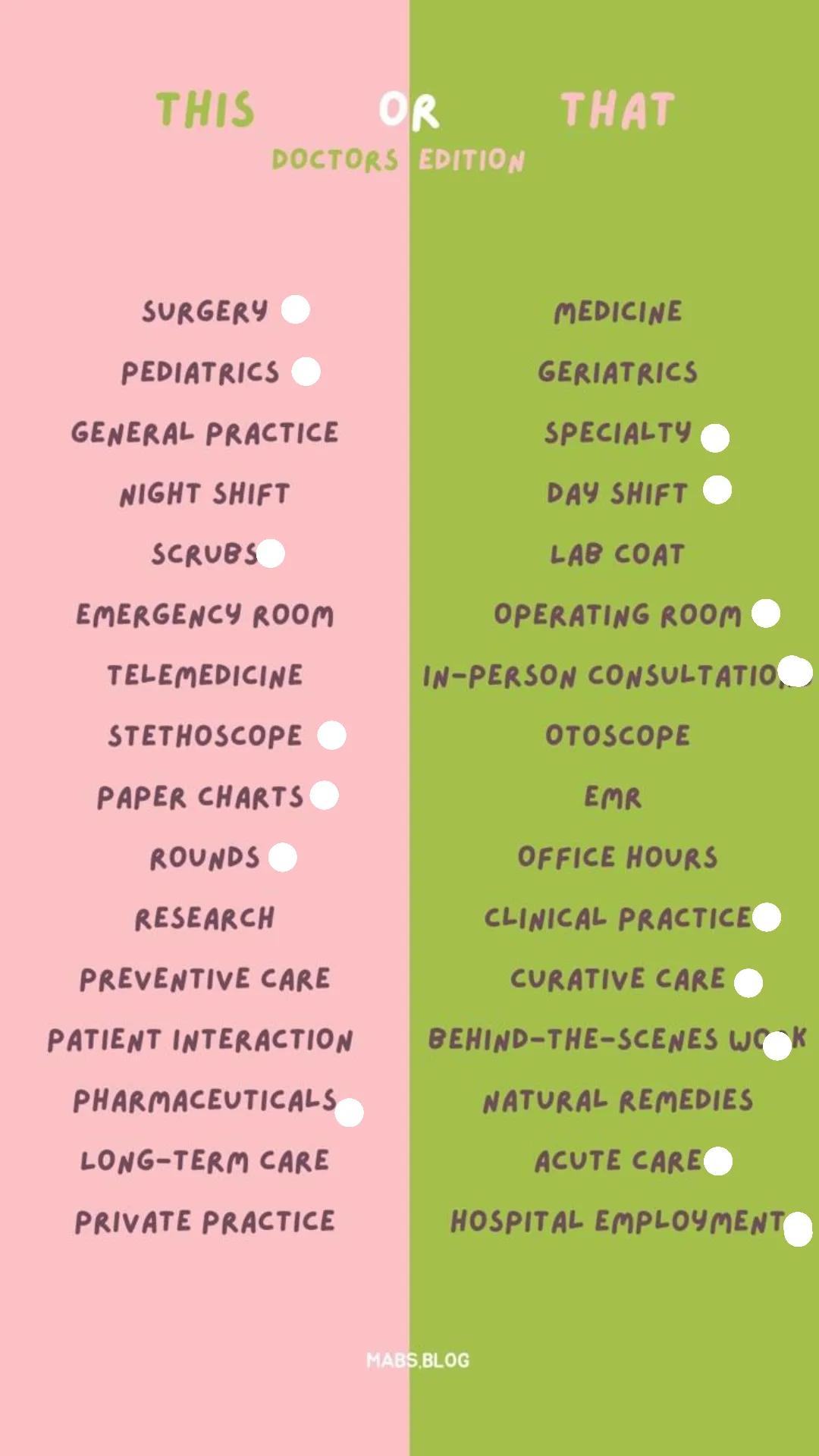
Ekpo’s choice in our this or that template

Madame Ann: Sweet, how do you plan to merge your writing career with physical medicine and rehab?

Ekpo: I don’t think I can rightfully call writing a career path for me; it started as a hobby. I’ve always enjoyed good books, as long as they are not academic books. So, for me, publishing a book is less about having a career or making so much money from it and more about getting my thoughts out in a subtle form.

Madame Ann: Your book is big on the topic of discipline. Did you have any routines or habits that helped you stay disciplined during the writing process?

Ekpo: Yes, I tried my best to reduce the distractions around me, including reducing the amount of time I spent on my phone and watching TV. I started reading a lot of other books and watching more documentaries to get as much inspiration as I could. I also made sure I wrote something down within the first hour of my time awake in the morning, even if it was just a sentence.

Madame Ann: Impresssssive. Your book contains a lot of advice about networking, flexibility, and learning. Which lesson in the book do you consider the most important for young adults today?

Ekpo: I cannot pick one piece of advice in particular to say it’s encompassing. The thing about life is that even good advice can be wasted if you do not have the wisdom to apply it when you should. Every topic or point I made in the book is equally important as the next, but knowing where and when to use whatever advice you get is even more critical.

Madame Ann: Have you received any feedback from readers who found your book particularly impactful?

Ekpo: I have. It felt good reading them, too, knowing that even if it’s minor, I have made a little impact in the world.

Madame Ann: I would like to know if you could add another chapter to the book. What additional lesson or advice would you include?

Ekpo: I haven’t thought about it much, you know, but if I were to pick, I’d write a chapter about self-control

Madame Ann:  I will let the readers absorb that for a minute _self control. Do you plan to write another book? If so, what would it be about?

Ekpo: I do. I enjoy having short-read books out there. Lately, I have been thinking about writing a book focusing more on Nigeria.

Madame Ann: How will your career and personal journey evolve in the next ten years?

Ekpo: I can only hope for the best, but I am excited to see what the future holds. 10 years ago, I never thought I’d write a book, but here we are now. So, that’s still a mystery to me.

Madame Ann: Are you working on any other projects or initiatives?

Ekpo: I can only speak to putting ideas on paper right now. At the moment, the most important thing for me is graduating.

Madame Ann: I wish you all the best, and I’m always rooting for you. Where can our readers find you?

Ekpo Okon: I am @ekpo_eo on instagram.  Click here to access my book

Did you find this article interesting? Please give us a like and definitely share this blog with your friends.

Here is a free This or That game template for you to try. Thanks for reading 🥰

Meet Amarachi Ike

Picture of Amarachi Ike

Madame Ann: Welcome to MABS Book Reviews. I’m Jametta, AKA Madame Ann. Please introduce yourself.

Amarachi: Hello! Thank you for having me here. My name is Amarachi Ike, but you can call me Amara or Amie, whichever is your preference. I’m a Nigerian writer, reader, final-year medical student, and digital content creator living in Enugu, Nigeria.

Madame Ann: Wow, that’s amazing. So please tell me what type of books you like reading and what inspired you to start reading and writing.

Amarachi: Thank you for the questions. I enjoy reading dystopian books. That’s at the top of my list in terms of genres. Sign me up for anything end-of-the-world: war, destruction, famine, and hunger! (laughs) I adore the works of Bradbury, Atwood, Ishiguro, and Lovecraft. They are all white and either old or dead, but their fiction speaks to me. I also love good old literary fiction, especially the variety written by the continent’s writers. I’m not trying to brag or anything, but at the moment, we have the best storytellers worldwide.

Madame Ann: I agree with you

Amarachi: To the question of inspiration, I was inspired to start reading from a very young age. Way before I had an idea about it, my father invested in books and built a library for my siblings and me to read. We had encyclopedias, picture books, story books, and lots of Enid Blyton and Lady Bug tales, too–those were recommended reading from school. My father did this to ensure that we were reading at every stage in life. He loved reading, and he loved learning as well. He was always reading his medical textbooks and papers for hours on end. That’s the one thing he did the most in life. So, I guess I was inspired to read because of him. The inspiration to write came years later when I found myself craving a means of self-expression. But it didn’t mainly start that way.

Madame Ann: How do you mean?

Amarachi: Well, it was my first year in junior secondary school, and a friend had bought a forty-leaf notebook and filled it up with a story. I can’t remember the story, but I remember the seniors going wild for it. That particular friend gained a lot of “reps” for writing the book (reps meaning good reputation). Seniors fought tooth and nail to get a turn at reading my friend’s book. So, I thought… this seems like an exciting way to gain the friendship of seniors. And that meant A LOT back then. It offered a junior some level of immunity from bullying, which was a severe problem at that school. I did just that. I was eventually pulled out of the school because of bullying. No shocker there. (laughs). Perhaps my storytelling skills then weren’t as good as they are now. But the fire to write would ignite once again—this time from a genuine interest in wanting to tell our stories.

Madame Ann: Haha, that a funny story. Would love to hear more of it. How do you balance being a writer with medical school?

Amarachi: Well, being a writer and a medical student is difficult. If I could go back in time and do it all over again… I probably wouldn’t do it. It’s like being at the center of a tug of war, being pulled by both your creative side and the side that’s super serious. On some days, the writer in me is sitting at the clinic. On other days, the clinician in me sits in front of the page. I only balance it out by loving and feeding into both halves of myself. Often, the measure is unequal, and more times than not, the clinician wins. I try as much as possible now to not forsake that side of myself.

Madame Ann: Mmmm, that’s deep. Tell us more about your writing style and what you’ve been working on lately.

Amarachi: My writing style… I’m not sure if I’ve figured out my writing style yet. I think my writing is still very much evolving. But if I were to sell you my writing, I’d say it’s usually a slow burn. My narratives are never rushed. My characters are genuine. And I always intend for my reader to leave a story of mine, thinking or considering something about their life and maybe even the world at large, differently.

Lately, I’ve been working on a book—my very first one at that! It’s a collection of short stories that I hope to be done with before the end of the year or early 2025. I’m also doing small things here and there that, God willing, will find homes in certain magazines of my choosing.

Madame Ann: I love that you said God willing. At the end of the day all we can do is rely on God’s will and grace. Please tell us, what inspired you to write your book? What was your inspiration?

Amarachi: I’ve wanted to write a book… probably since I saw what writing a book did for my friend’s reps in junior secondary (😂). But seriously, I started writing the book in January of this year, just as an idea I was leaning into. But with my father’s passing this June, I felt more and more of a need to write this book and share it with the world. Initially, I believed I had to earn the right to write a book. Have some literary credibility or the validation of certain circles. But then you realize that nothing is promised in this life, not even the life itself, the very thing that allows you to pursue all these ambitions. All of it can be taken away. As I march forward in my career, it’s clear that this window between finishing medical school and residency is probably the best time to throw myself back into writing. So, I’m writing a book. Little by little, I’m writing a book.

Madame Ann: So sorry to hear about your Dad. may God rest his soul. Tell me more. Give us more detail about your book.

Amarachi: Well, like I said, the book is still a work in progress. There are a lot of moving parts at the moment. But it’s an interesting collection of my stories. The stories bleed into each other. They have similarities and differences. They are longer than what I’m used to, so I’m really pushing myself with this one for my readers. A common theme in the stories is family. I explore family throughout this collection—all kinds of family within the African context—so I’m sure it’s something everyone will enjoy and relate to.

Madame Ann: Super excited to see the finish product, I will definitely love to read your book. Ah just remembered I shared one of our templates with you the other day, I was trying to determine what type of doctor you aspire to be. I was so shocked to see we chose different things, haha. So apart from writing, what is your dream specialty, and why? 

Amarachi: I don’t have a dream specialty, but I always say you won’t find me dead in Internal Medicine. I’m more open-minded about internal medicine because I factor in the work-life balance I desire. Surgery is where the fun is, and that’s really where I want to be. But I’d have to give up everything to become a surgeon. I’m waiting for the intern year (housemanship) to decide on what specialty I’ll settle with. Observing the lives of the residents and consultants in and out of the hospital will significantly influence that final decision. For now, I am keeping an open mind.

Madame Ann: Hahaha, that is so interesting. How do you plan to merge your writing skills with your profession as a doctor?

Amarachi: I have no intention of giving up on either ambition. I will keep walking into my future, holding on to both. Let life drag one out of me.

Madame Ann: Okayyyy girl. What is your secret strategy for writing? Tell us what makes you a better writer and what sets you apart from others.

Amarachi: There is no secret strategy to writing. If I had a good one, I would’ve won the Caine Prize or Commonwealth by now (laughs). My only wisdom for any writer is to write what is true. Honest writing resonates with people. It touches people. And it’s the writing that changes lives. The kind that inspires. I would charge my fellow writers to write honestly, just as I am doing. Even for something as seemingly silly as fiction (which some argue is the antithesis of truth). Be true to your characters and their motivations. Be true to your story. Tell the truth through your story. There is a world waiting to welcome it.

Madame Ann: Mmm, do you think this writing business is profitable for you?

Amarachi:  I think it is. This has never been business for me. This truly is a whole part of my life.

Madame Ann: Wow, honestly it was great having you here and I learnt so much from you in this quick session. I can’t wait to read your book. You guys can find Amarachi on all major social media platforms at @amaranextdoor

Did you like this post? Give us a like. And send me a message if you would like me to interview you too. We all have a lot to learn from each other.

Thank you for reading, here is a free game for you to try with your friends.

The courage to be disliked

Life is simple when we naturally live our lives.

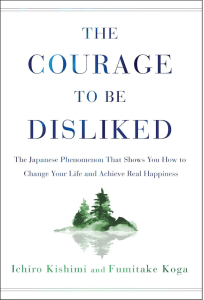
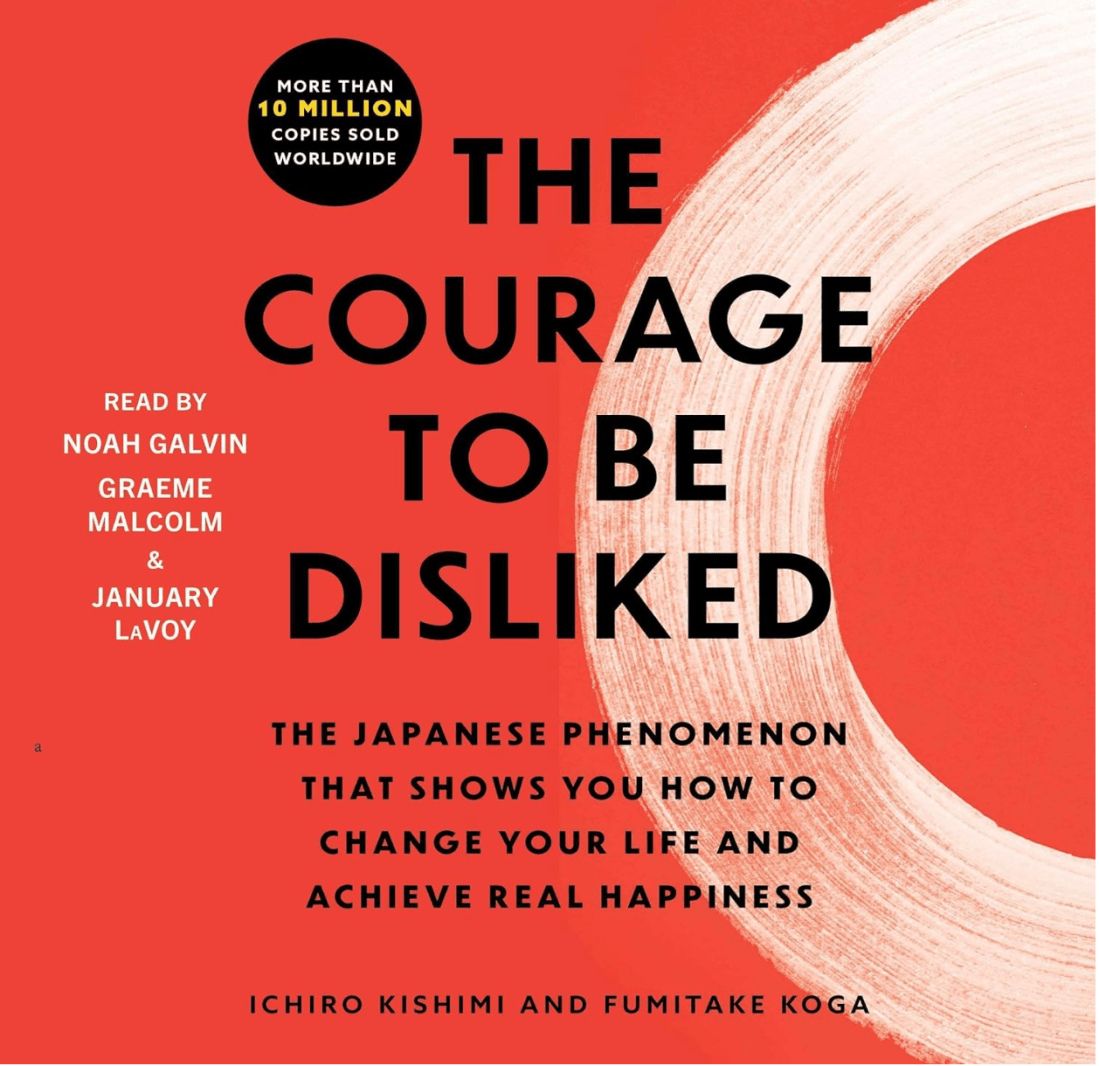
This article is about the book by Fumitake Koga and Ichiro Kishimi, the courage to be disliked. The book is a conversation between a young man and a philosopher. The philosopher uses knowledge from Adlerian Psychology to educate the youth,

If you are a fan of psychology, you will love this book.

Humans have a universal desire to pursue superiority; in order words, we always want to be better versions of ourselves.

To achieve our desire to be the best, there are two routes. The first is an easy route, stepping on people to get what you want. The second route requires working towards achieving the success that we wish to and still remaining kind and gentle to people.

The philosopher educates the youth about individual tasks that must be completed before we can be truly free and happy to attain the superiority we desire.

Our individual task is having a genuine concern for others, building horizontal relationships, and taking the approach of confidence, encouragement, and commitment to the community.

The philosopher defined commitment to the community as thinking about what we can give to the community and not what the community can give us.

Many of us view the world as cruel and unkind because there are too many incidents of murder, rape, war, criminals, and liars. It is more comfortable for us to stop believing in the world and live by minding our business. We choose to stay on our lanes, ensuring not to interfere or get to know people on a deeper level.

It is easier to live in fear and doubt. We claim a feeling of false superiority.

False superiority means that we feel we are better than others, that people are not worth our time, and that we think it is okay to judge people.

False superiority is what the philosopher calls life-lie, lying to yourself.

Our task to love others and have confidence in people is challenging. It is difficult because not everyone feels obligated to the task; many are angry at life and community members, e.g., family, colleagues, and even the church.

We cannot change people; all we can do is be kind and pray. Through our kindness to them, they may decide to change by their own will.

Anger is another reason we make life unnecessarily difficult.

The philosopher defines anger as a tool and a form of communication used to achieve a purpose of false superiority.

One might be angry and raise her voice to assert: ‘my idea is better,’ ‘I am older,’ ‘the world revolves around me.’

Anger is merely a tool that may be changed for a better one. Instead of anger, use respect and humility. The world does not revolve around anyone. We live in the community as individuals; we are the smallest unit of the community. Yet, we also belong to a larger community beyond what we can see.

We are all equal but not the same. There is freedom in accepting oneself and not needing to be extra or seeking recognition from others. Be you and strive to be better; there is no need for competition. Have the awareness that we are comrades and equal in consciousness. We should live in the moment, do what we can, and do it honestly.

Life is simple when we see people as our comrades and realize that our individual task is to love one another and give our talents to the community.

God is in charge of planning; you are in charge of living your life as best as you can that would not hurt another being. Live life in the moment, not in what was or fear of what might be. We do not need to be afraid to be who we are or fear our true selves will be disliked.