Embracing the Spirit of Christmas

Embracing the true spirit of Christmas involves more than just the external festivities—it’s also a time for nurturing joy, health, and personal well-being. 

Before you go on to read, if you haven’t gotten your loved one a gift, we recommend our coloring book.

Best Things to Do on Christmas Day        

1. Volunteering

One of the most fulfilling ways to capture the essence of Christmas is through giving back. Volunteer at a local shelter or organize a gift drive. The joy of helping others brings the true spirit of the season to life.

Utilize your professional skills to support non-profits without leaving your home. Whether graphic design, web development, or digital marketing, platforms like Catchafire allow you to connect with non-profits needing specific skills.

2. Home Decoration

Transform your home into a festive haven. Engage the whole family in decorating the tree, setting up lights, and crafting homemade decorations. This not only beautifies your home but also creates cherished memories.

3. Attend Local Events

Check out local Christmas markets, concerts, or plays. Such events often provide a taste of local traditions and crafts, perfect for embracing the community spirit of Christmas.

4. Virtual Gatherings

For those far from loved ones, virtual gatherings can bridge the gap. To feel connected despite the distance, organize a virtual Christmas dinner or a gift-opening session.

Things you can do with your family if they are far away

When family members are spread across different locations, maintaining strong bonds can be challenging but rewarding with a bit of creativity. Here are several activities you can enjoy together, even when you’re far apart:

  • Virtual Family Dinners or Coffee Dates
  • Online Game Nights
  • Movie Nights with Watch Parties
  • Virtual Book Club
  • Shared Photo Albums
  • Storytelling Sessions
  • Art and Craft Projects
  • Fitness Challenges
  • Learn Something New Together
  • Virtual Tours

These activities help keep the family connected despite the distance and enrich your relationships through shared experiences and new memories.

Healthy Food Ideas for Christmas

1. Roasted Turkey with Herbs

Opt for a roasted turkey seasoned with rosemary and thyme. These herbs are not only flavorful but also healthier alternatives to heavy sauces.

2. Veggie Platters

Brighten your Christmas table with vibrant veggie platters and healthy dips like hummus or yogurt-based sauces.

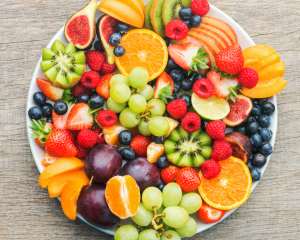
3. Fresh Fruit Desserts

Instead of traditional heavy desserts, try serving fresh fruit salads or baked apples with cinnamon. These alternatives satisfy the sweet tooth without the extra calories.
4. Seafood Delights

Incorporate seafood dishes like grilled salmon or shrimp cocktails, which are lighter and packed with healthy fats.

Self-Growth Tips for Christmas

Christmas can be an ideal time for self-growth, as it provides a break from the usual routines, a chance to reflect on the year’s progress, and a chance to set goals for the new year.

1. Reflect on the Past Year

Take the time to reflect on what the past year has brought you, including the challenges you’ve overcome and the successes you’ve achieved. This can help you appreciate your growth and set a more informed direction for the coming year.

2. Set New Goals

Use the downtime during the holidays to set personal and professional goals for the new year. These could be related to career advancement, individual skills, health, or relationships.

3. Read and Learn

Christmas break provides an excellent opportunity to catch up on reading, whether it’s books, articles, or educational material that can inspire and motivate you. Consider choosing reads that align with your goals for self-improvement.

4. Start a New Hobby

Picking up a new hobby can be a fulfilling way to expand your skills and interests. Whether learning a musical instrument, painting, or coding, engaging in a new activity can stimulate your creativity and enhance your life.

5. Practice Mindfulness and Meditation

The end of the year is a perfect time to start or deepen a mindfulness practice. Meditation, journaling, or yoga can improve your mental well-being and help you enter the new year with a calm, clear mind.

6. Connect with Loved Ones

Use this time to strengthen bonds with family and friends. Deep, meaningful conversations can offer new perspectives and insights, aiding personal growth and understanding.

7. Digital Detox

Consider taking a break from digital devices to reconnect with yourself and your surroundings. A digital detox can help reduce stress and increase your presence in the moment, allowing for deeper personal reflection and connection.

8. Attend Workshops or Seminars

Look for any workshops or seminars that might be happening during the holiday season, which could provide new knowledge and skills that aid in your personal development.

9. Plan Your Year

Create a vision board or a detailed plan that outlines what you want to achieve in the next year, breaking down larger goals into manageable steps. This can help keep you motivated and on track.

Christmas Beauty Tips

Christmas is also an excellent time to focus on beauty maintenance and self-care, ensuring you look and feel your best for all the festivities.

1. Hydration

With the busy pace of the holidays and colder weather, staying hydrated is crucial. Drink plenty of water to keep your skin hydrated from the inside out. This can help maintain its elasticity and radiance.

2. Moisturizing

Invest in a good quality moisturizer suited to your skin type. Winter air can be dry and harsh, so a heavier, nourishing moisturizer might be needed to protect and hydrate your skin effectively.

3. Sun Protection

UV rays can be harmful even in winter. Apply broad-spectrum sunscreen every morning, especially if you’ll be spending time outdoors or near reflective surfaces like snow.

4. Gentle Skin Care

The festive season often brings late nights and more makeup use. Opt for gentle skincare products that cleanse without stripping moisture. Make sure to remove makeup before bed to prevent breakouts and skin irritation.

5. Exfoliation

Regular exfoliation can help revitalize your skin by removing dead skin cells and promoting cell turnover. Choose a gentle product on your skin to avoid irritation during the colder months.

6. Healthy Diet

Your skin reflects what you eat, so maintain a diet rich in fruits, vegetables, lean proteins, and healthy fats. Foods high in antioxidants can help combat skin damage and give you a healthy glow.

7. Hair Care

Winter can be tough on hair, leading to dryness and breakage. Use a hydrating conditioner and consider applying a weekly hair mask to keep hair shiny and healthy.

8. Sleep

Ensure you get plenty of rest. Sleep is a critical component of health and beauty, helping to repair your skin, refresh your eyes, and improve your overall energy levels.

9. Lip Care

Chapped lips are typical in winter. To keep them smooth and soft, use a hydrating lip balm with ingredients like shea butter or vitamin E, and exfoliate your lips gently with a sugar scrub.

10. Festive Touches

Incorporate some festive colors into your beauty routine. A touch of shimmer on your eyelids, red lipstick, or glittery nail polish can add holiday cheer to your appearance.

Conclusion

Christmas is not just a time for traditional celebrations; it’s also an opportunity for personal growth, maintaining health through nutritious eating, and keeping beauty routines amidst the winter challenges. You can make the most out of the holiday by engaging in virtual activities with loved ones, focusing on self-improvement, opting for healthy festive meals, and taking care of your physical appearance.

Did you find this article valuable?
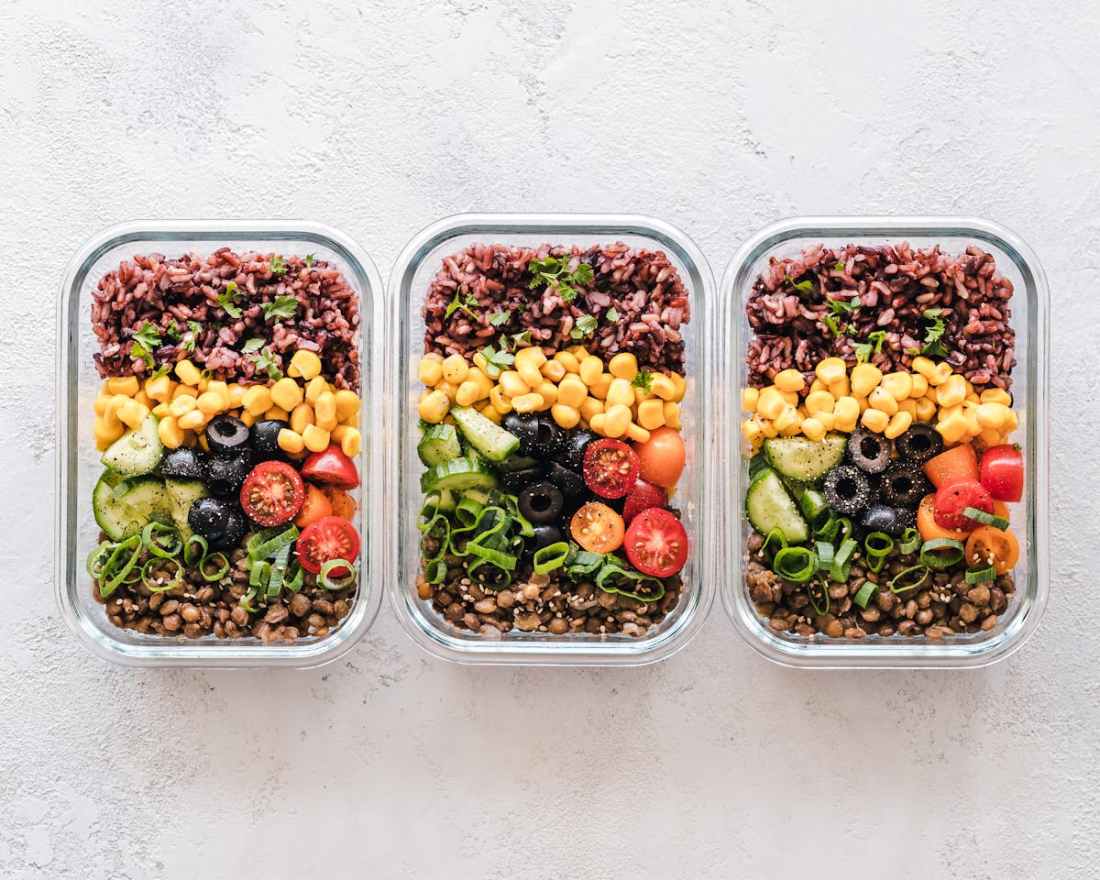
10 Common Meal Prepping Challenges and Easy Ways to Solve Them

meal prep for 3 days

They say meal prepping is  the ultimate solution for eating healthier, saving money, and reducing stress. However, meal prep comes with its own set of challenges. Many people need help to turn their meal prep goals into a sustainable routine.

In this blog, we will discuss how to make meal prepping easier for you.

1. Lack of Time

Our busy schedules make it hard to dedicate time for planning, shopping, and cooking, making many think meal prepping must be within reach. You end up having to buy unhealthy and expensive takeouts.

Many people say that meal prepping takes too much time. The reason is that you overestimate how much time meal prep requires and try to prep everything in one go. You will also spend too much time in meal prep if you do not have a clear goal before you start.

  • Prepping 1–2 meals or snacks for the week instead of every meal.
  • Group similar tasks together, like chopping all veggies or cooking multiple proteins.
  • Leverage time-saving appliances like slow cookers, instant Pots, or air fryers.
  • Dedicate just 1–2 hours for meal prep during the weekend or evenings.

2. Limited Creativity

Eating the same bland meals week after week is boring, and it makes meal prep feel like a chore. This is due to a lack of inspiration or knowledge about recipes and the fear of experimenting with new ingredients or flavors.

  • Try recipes from different cultures to expand your palate (e.g., Mediterranean, Thai, or Indian-inspired meals).
  • Use fun themes like Taco Tuesday, Salad Wednesday, or Stir-Fry Friday to guide your meal choices.
  • Use social media platforms like Instagram or YouTube to discover fresh ideas.
  • Save recipes you’ve tried and liked to build a go-to library for quick inspiration.

3. Balancing Dietary Needs

Managing multiple dietary preferences, allergies, or restrictions in one household can complicate meal prep. This could be due to miscommunication about preferences or restrictions or you trying to create one meal that suits everyone. Which is why you need some family-friendly meal planing.

Prep components that can be assembled differently for each person (e.g., grain bowls with mix-and-match toppings). You can also get creative with substitutes for common allergens (e.g., pistachio milk instead of dairy or chickpea pasta for gluten-free meals).

Another tip that always works is to involve everyone in choosing meals so preferences are clear upfront.

4. Budget Constraints

Meal prepping can seem expensive, especially when aiming for healthy, fresh, and organic ingredients. This happens because you buy ingredients without a plan and focus on specialty or out-of-season items.

To meal prep on a budget, plan meals around what’s on sale or in season. You can also buy staple items like grains, beans, and proteins in bulk to save money.

Another tip is to make simple food that Uses affordable ingredients like eggs, beans, rice, and seasonal produce.

My mom gave me this tip:

Cook in large portions. Cook large portions and freeze half for future meals to stretch your dollar further.

5. Food Waste

Buying too much food or not using leftovers leads to food (and money) going into the trash.

This happens because of poor planning, overestimating how much you’ll eat, and forgetting about leftovers or fresh produce.

  • Only prep for the days you know you’ll eat at home.
  • Turn last night’s roasted chicken into a salad or wrap it the next day.
  • Label containers with dates and organize your fridge so older items are at the front.
  • Choose recipes with shared ingredients (e.g., a soup and a salad using spinach).

6. Inconsistent Availability of Ingredients

Recipes that rely on specialty or seasonal items can be frustrating if those ingredients aren’t available.

This happens because of seasonal changes, supply chain issues, or reliance on specific recipes instead of flexible ones.

Choose recipes that allow substitutions. For example, swap zucchini for eggplant or chicken for turkey. Also, keep canned beans, frozen vegetables, and dried grains on hand as backups.

7. Decision Fatigue

After a long day, the last thing you want to consider is what to cook for dinner.

This is because there is a lack of a clear plan for the week. Also, if you have too many meal options, it can feel overwhelming.

Use a weekly meal planner to map out dinners in advance. Limit yourself to 2–3 meal options for the week. Rotate meals you know are easy and well-loved.

8. Unrealistic Expectations

Feeling like every meal needs to be gourmet can lead to burnout.

This is because of Social media pressure to make picture-perfect meals and try out overcomplicating recipes.

Keep it simple. Focus on meals that are easy, quick, and nutritious. You can Follow the 80/20 Rule: Aim for 80% of meals to be healthy and allow for 20% indulgence.

Another really cool tip is to batch-cook staples. These include grains, proteins, and veggies that can be transformed into multiple meals.

9. Health Goals vs. Convenience

Fast food is tempting when you’re tired or short on time. Fat food becomes even more alluring when you don’t have quick, prepped options at home and forgetting to pack meals for busy days.

Reduce your takeout habits by pre-cutting veggies, hard-boiled eggs, and fruit cups are ready for grab-and-go snacking. For emergencies, make freezer-safe casseroles, soups, or stir-fries.

Another cool trick is to have portable, reusable containers. They make it easy to have meals on the go.

10. Meal Prep Fatigue

Spending hours in the kitchen every week can make meal prep feel exhausting. Fatigue can result from taking on too much at once and not varying the routine enough.

To avoid burnout, prep some meals on the weekend and finish others midweek. Another trick is to turn on music or podcasts to make the process enjoyable. Opt for no-cook recipes like salads or sandwiches to lighten the load.

Conclusion

Meal prep doesn’t have to be challenging. By addressing these challenges with practical strategies, you can build a routine that saves time, money, and effort—while keeping your meals healthy and delicious. Remember, consistency beats perfection. Start small, adapt as needed, and find joy in the process!

Do you have meal prep tips or challenges? Share them in the comments below.

Top Foods to Curb Your Hunger

Have you ever wondered why certain foods leave you feeling full for hours while others leave you scavenging for snacks shortly after a meal?

Understanding how to stay satisfied with your meals can be a game changer, especially if you’re managing your weight or simply trying to avoid hunger during the afternoon. 

This blog post explores a variety of foods that are not only nutritious but also top performers on the Satiety Index. Whether planning a meal or looking for the right snacks, choosing foods with high satiety values can help you curb hunger and maintain your energy levels throughout the day. 

Satiety Foods to Include in Your Diet

Choosing foods that keep you satisfied longer can significantly impact your overall health, energy levels, and weight management efforts. Based on the Satiety Index, which measures the extent to which foods keep you full after eating them, here are some highly satiating food groups to incorporate into your diet. 

Including these foods in your diet can help manage hunger and boost nutrition. They are satiating and contribute to a balanced and healthy dietary pattern. 

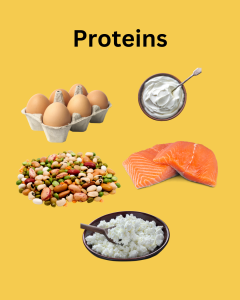
1. Proteins

  • Eggs
  • Greek yogurt
  • Fish
  • Cottage cheese
  • Beans, lentils, chickpeas

 Eggs

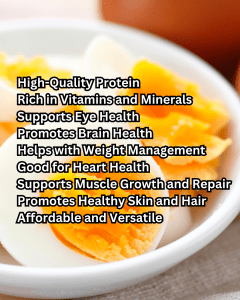
Often considered a staple in a satiating diet, eggs are high in protein and provide essential vitamins and minerals. They contribute to a feeling of fullness and help stabilize blood sugar levels.

Greek Yogurt

This thick, creamy yogurt is much higher in protein than traditional yogurts. Its high protein content effectively reduces feelings of hunger and delays the need for a next meal. 

Fish

Particularly fatty types like salmon and mackerel, fish is a good source of protein and omega-3 fatty acids, contributing to fullness and overall heart health.

Cottage Cheese

Cottage cheese is low in calories but high in protein. It is a filling option that can be eaten as a snack or used as a versatile ingredient in recipes.  

Legumes

Beans, lentils, and chickpeas are rich in protein and have high fiber content, making them incredibly filling. They’re also versatile in cooking, making excellent additions to salads, soups, and stews.

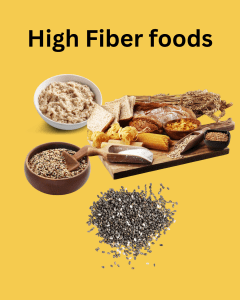
2. Whole Grains and High Fiber Foods

  • Oatmeal
  • Whole grain
  • Quinoa
  • Chia seeds

 Oatmeal

Oatmeal is a popular breakfast choice. It is rich in a type of fiber called beta-glucan, which absorbs water and expands in the stomach, helping to keep you full longer.

Whole Grain

Products like whole-grain bread, pasta, and brown rice contain all the parts of the grain, including the fiber-rich outer layer, which helps increase satiety and prevent overeating.

 Quinoa

Known as a “superfood,” quinoa is a seed with all nine essential amino acids, fiber, and protein, making it highly satisfying.

Chia Seeds

These tiny seeds are a powerhouse of fiber. They absorb several times their weight in water to form a gel-like consistency in the stomach, significantly extending fullness.

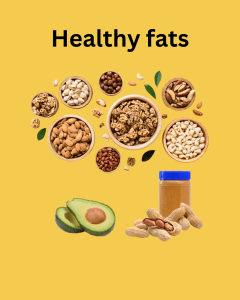
3. Healthy Fats

  • Avocado
  • Nuts and almonds
  • Peanut butter

 Avocado

Besides being a tasty addition to almost any meal, avocados are high in monounsaturated fats and fiber, which help keep you full.

Nuts and Almonds

Nuts and almonds are great sources of healthy fats, protein, and fiber. When eaten in moderation, they can effectively curb appetite.

Peanut Butter

Despite its caloric density, peanut butter can be part of a satiating snack. Its protein, fat, and fiber content balance its energy density.

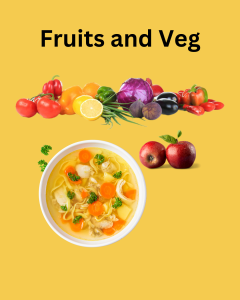
4. Vegetables and Fruit

  • Vegetable
  • Vegetable soup
  • Apples
  • Fruits

   Vegetables

Loaded with fiber and water, they fill up your stomach without adding extra calories. Spinach, broccoli, and carrots are exceptionally high in fiber and nutrients.

Vegetable Soup

The high water content of soup can lead to a feeling of fullness with fewer calories consumed.

Apples

Rich in soluble fiber and pectin, apples help regulate digestion and extend feelings of fullness.

Fruits

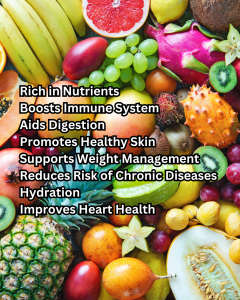
Other fruits like oranges, berries, and pears also contain a lot of fiber and water, helping to control hunger.

5. Snacks

  • Popcorn
  • Dark chocolate

Popcorn

If air-popped and eaten without unhealthy toppings, popcorn can be a voluminous, low-calorie snack and a good fiber source.

Dark Chocolate

When consumed in moderation, dark chocolate can satisfy cravings for sweets while also providing fiber, healthy fats, and antioxidants.

Tips for Incorporating These Foods into Your Diet

Integrating high-satiety foods into your daily meals and snacks can make a significant difference in managing your hunger and maintaining a healthy lifestyle. Here are some practical tips and meal ideas to help you effectively incorporate these foods into your diet:

1. Start Your Day Right

Begin with a protein-rich breakfast like scrambled eggs with spinach and avocado or Greek yogurt topped with chia seeds and berries.

For a heartier meal, try oatmeal with a scoop of peanut butter and sliced apples or almonds.

Consistently including protein and fiber in your breakfast can help stabilize your blood sugar levels and set a satiety standard for the rest of the day.

2. Smart Snacking

Keep snacks that combine protein, healthy fats, and fiber handy. Examples include hummus with vegetable sticks, an apple with almond butter, or a small portion of nuts with dark chocolate. Be mindful of portions, especially with high-calorie foods like nuts and cheese. Small, frequent meals can help prevent overeating at meal times.

3. Lunch and Dinner

For lunch and dinner, fill half your plate with vegetables, a quarter with lean protein such as fish, cottage cheese, or legumes, and the remainder with a whole grain like quinoa or whole grain pasta.

You can also try some vegetable soup before dinner. Beginning with a vegetable soup will help you consume fewer calories before moving on to more calorie-dense parts of your meal.

4. Master Meal Prepping

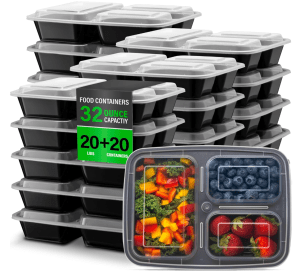
Prepare meals and snacks in advance to avoid the temptation of less healthy options. Investing in meal prep containers can help you portion and store your meals efficiently, making it easier to grab a balanced option on busy days. Batch cooking legumes, grains, and proteins can save time during the week and ensure you always have healthy meals ready to go.

This containers are great and do not take too much space in your fridge

Mix several high-satiety foods in your meals to keep things interesting and flavorful. Experiment with spices and herbs to enhance the taste without adding extra calories.

Try out these spices for delicious meals every time

5. Hydration Helps

Often, feelings of hunger are signs of dehydration. Drinking daily water can help you stay hydrated and reduce unnecessary snacking.

You can also include fruits and vegetables with high water content in your meals to aid satiation and hydration.

6. Mindful Eating

Take time to chew your food thoroughly and enjoy each bite. Eating slowly can help you more effectively recognize your body’s satiety signals.

Try to eat without distractions like TV or smartphones. Being mindful while you eat enhances your ability to feel satisfied with less food.

Conclusion

Choosing foods that rank high on the Satiety Index can transform how you manage your hunger and overall eating habits. Incorporating a variety of protein-rich, fiber-dense, and healthy fat foods into your meals can enhance satiety and reduce the urge to snack unnecessarily. These foods keep you feeling full longer and provide essential nutrients that support a healthy lifestyle.

Remember, the key to a satisfying diet is balance and variety, ensuring that every meal contributes to your feelings of fullness and your nutritional needs.     

We hope this guide inspires you to experiment with these satiating foods in your daily diet. Which foods do you find most effective at keeping hunger at bay? Do you have any favorite recipes that combine these ingredients? Share your experiences and tips in the comments below. 

The Incredible Health Benefits of Cabbage: Raw, Cooked, and Juiced

Cabbage might not be the trendiest vegetable, but its impressive health benefits make it a must-have in your diet. Whether raw, cooked, or juiced, cabbage offers numerous advantages for digestion, inflammation, and overall wellness.

This article will discuss why cabbages deserve a spot on your plate and how you can make the most of it.

Health Benefits of Cabbage 

Raw Cabbage

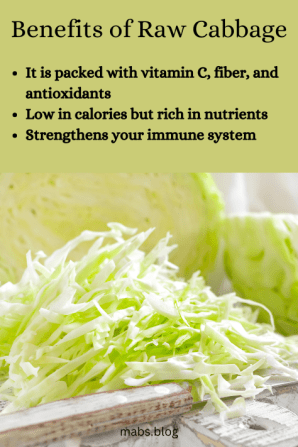
  • It is a nutritional powerhouse packed with vitamin C, fiber, and antioxidants
  • It supports weight management because it is low in calories, making it ideal for salads and slaws
  • Boosts your immunity

Cooked Cabbage

  • Easier on the digestive system
  • Light steaming or stir-frying preserves antioxidants and vitamin K
  • Perfect for soups, stir-fries, and casseroles

Cabbage Juice

  • Juicing cabbage retains most of its vitamins and minerals in a drinkable form
  • It helps flush toxins from the body
  • A traditional remedy for ulcers and acid reflux

1. Cabbage Juice can help with Acid Reflux

Cabbage juice is a natural remedy for acid reflux and ulcers. Its high content of glutamine, an amino acid, helps soothe the stomach lining and promote healing. The juice’s alkalizing properties also balance stomach acid levels, reducing discomfort and preventing flare-ups.

Free Smiling couple shopping for fresh cabbage in a grocery store, emphasizing joy and togetherness. Stock Photo

How to Make Cabbage Juice for Acid Reflux

  1. Chop 2 cups of fresh cabbage

  2. Blend with 1 cup of water until smooth

  3. Strain and drink immediately for maximum benefits

2. Cabbage Helps Keep Inflammation in Check

Cabbage contains compounds like sulforaphane and kaempferol, which have powerful anti-inflammatory properties. Regular consumption can help reduce chronic inflammation associated with arthritis, heart disease, and autoimmune conditions.

Health Benefits of Cabbage Juice

  • Loaded with antioxidants that fight free radicals and delay aging.
  • Assists in flushing out toxins.
  • Potassium in cabbage juice helps balance sodium levels.
  • Cabbage juice is nutrient-dense, hydrating, and a natural energy booster.

3. Improves Digestion

Cabbage is an excellent source of fiber, offering several benefits for digestive health. It helps prevent constipation by promoting regular bowel movements and supports a healthy gut microbiome, essential for overall wellness. Additionally, fermented cabbage products such as sauerkraut and kimchi are rich in probiotics, further enhancing gut health by introducing beneficial bacteria.

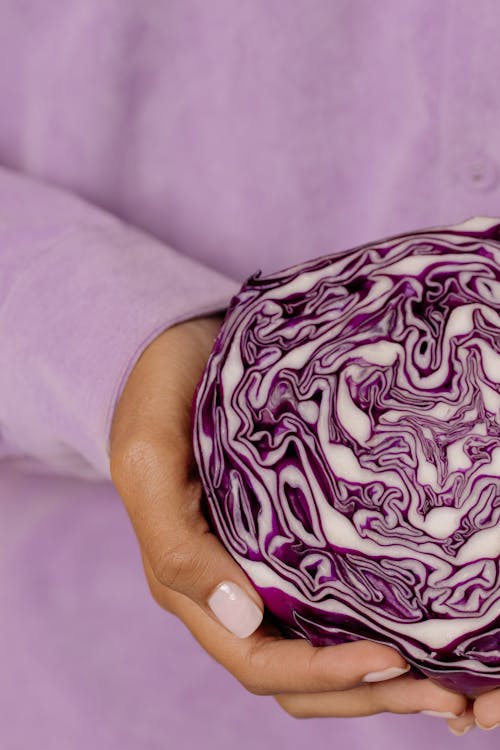
Free A close-up view of a hand holding a vibrant sliced purple cabbage against a lilac background. Stock Photo

For optimal digestion:

  • Incorporate raw cabbage in salads.
  • Try steamed or lightly sautéed cabbage to aid nutrient absorption.

Side effects of overeating cabbage

While cabbage is a nutritious vegetable, consuming it in excessive amounts can lead to some side effects

Digestive issues

Cabbage is high in fiber, which, when consumed in excess, may cause bloating, gas, or diarrhea, especially in people with sensitive digestive systems. The sulfur-containing compounds in cabbage can increase gas production, which may be uncomfortable for some individuals. 

People with irritable bowel syndrome (IBS) or similar digestive issues may find that consuming too much cabbage triggers symptoms like abdominal pain or cramps.

Interactions with Blood Thinners

Cabbage is high in vitamin K, which is involved in blood clotting. Overeating cabbage might interfere with anticoagulant medications like warfarin.

Thyroid Function Interference

Raw cabbage contains goitrogens, compounds that can interfere with thyroid hormone production, potentially leading to hypothyroidism if consumed in vast quantities over time.

Blood Sugar Fluctuations

Although cabbage is generally good for managing blood sugar, excessive intake might impact glucose levels in those with diabetes or those taking blood sugar-regulating medications.

To enjoy cabbage’s health benefits without side effects, it’s best to consume it in moderation and incorporate a variety of other vegetables into your diet.

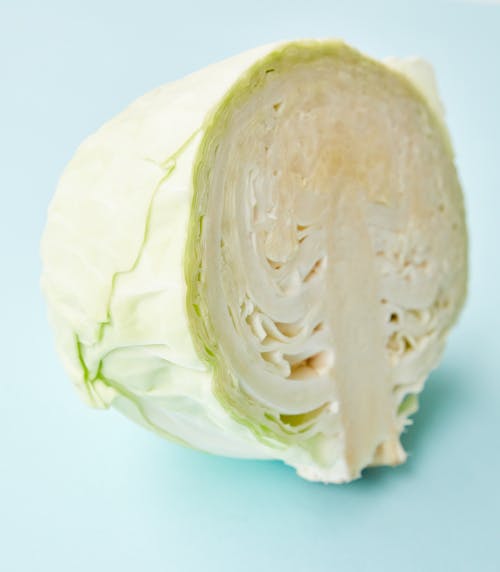
Free Close-up of a halved cabbage on a light blue background, showcasing its fresh and healthy appeal. Stock Photo

How to Incorporate More Cabbage Into Your Diet

  1. Add shredded cabbage to your favorite salad for a crunchy texture
  2. Use cabbage in hearty vegetable soups
  3. Replace tortillas with cabbage leaves for a low-carb wrap
  4. Mix cabbage juice with apple or carrot juice for added sweetness
  5. Include sauerkraut or kimchi as a side dish to meals


Free Close-up of a hand holding a fresh slice of red cabbage against a blue background. Stock Photo

Best Cabbage Casserole

Ingredients:

  • 1 medium head of cabbage, chopped
  • 1 lb ground beef or turkey
  • 1 can diced tomatoes
  • 1 cup cooked rice
  • 1 cup shredded cheese
  • Seasonings: garlic powder, onion powder, salt, and pepper

Instructions:

  1. Preheat oven to 375°F (190°C)
  2. Sauté ground meat until thoroughly cooked; set aside
  3. Layer chopped cabbage in a greased baking dish
  4. Mix cooked beef, tomatoes, rice, and seasonings, then pour over cabbage
  5. Top with shredded cheese and bake for 25-30 minutes until bubbly

Cabbage and Rice Recipe

Ingredients:

  • 2 cups chopped cabbage
  • 1 cup cooked rice
  • 1 small onion, diced
  • 1 clove garlic, minced
  • 1 tbsp olive oil
  • Salt, pepper, and paprika to taste

Instructions:

  1. Heat olive oil in a pan and sauté onions and garlic until fragrant.
  2. Add cabbage and cook until slightly tender.
  3. Stir in cooked rice and seasonings; mix well.
  4. Cook for 5 minutes, and serve as a side dish or light meal.

How to store cabbage properly

Properly storing cabbage can help preserve its freshness, flavor, and nutritional value. Following these tips, your cabbage can stay fresh for up to 2 weeks in the fridge or even longer when frozen.

Keep It Whole for Longer Shelf Life

  • Store the cabbage head whole instead of cutting it, as cutting exposes more surface area to air and moisture, causing it to spoil faster.
  • Place the whole cabbage in a perforated plastic bag or wrap it loosely in a breathable material like paper towels.

Fridge

  • Cabbage should be stored in the crisper drawer of your refrigerator to maintain a calm and humid environment.
  • The ideal temperature for storing cabbage is between 32°F and 40°F (0°C and 4°C).

Avoid Washing Before Storage

  • Do not wash cabbage before storing it, as excess moisture can lead to mold growth or rotting. Wash only when you’re ready to use it
  • If you’ve already cut the cabbage, wrap the remaining portion tightly in plastic wrap or store it in an airtight container
  • Use cut cabbage within 2–3 days for the best quality

Consider Freezing for Long-Term Storage

  • Blanch cabbage leaves or wedges in boiling water for 1-2 minutes, then transfer them to an ice bath to stop cooking.
  • Pat them dry, place them in freezer-safe bags or containers, and freeze for up to 12 months.

Note: Frozen cabbage is best used for cooked dishes as it loses its crisp texture after thawing.

Avoid Storing Near Ethylene-Producing Fruits

  • Keep cabbage away from fruits like apples, bananas, or tomatoes. These produce ethylene gas, which can cause the cabbage to spoil faster.  

Conclusion

Cabbage is more than just a humble vegetable; it’s a nutritional powerhouse that can improve digestion, fight inflammation, and boost overall health. Cabbage offers endless possibilities to enhance your diet, whether you eat it raw in salads, cooked in casseroles, or juiced for its concentrated benefits.

Have you tried cabbage juice or cooked up a delicious casserole? Share your favorite cabbage recipes in the comments below!

Slow Mornings With Herbal Tea

When you feel sad, or upset, make tea. You will feel way better.

A good cup of tea will calm you down on even the worst days. Listen to yourself and process your emotions and validations as you sip your tea.

What you need:

One glass of drinking water

One flower or three florets of your favorite edible flower

Method:

Wash the flower and drop it in a glass of water. Watch it float for about 1-3 minutes. Then sip the water until you have drunk all the water.

Take out the flower from the glass and tell the flower how you feel.

10 common edible flowers

1. Lavender

2. Pansy

3. Hibiscus

4. Violets

5. Chamomile

6. Rose 

7. Cilantro Flowers 

8. Nasturtium

9. Jasmine 

10. Mint Flowers 

Note: Not all flowers are edible. When using edible flowers, it is essential to ensure they are free from pesticides and safe for consumption.

1. Lavender

Lavender is most famous for its soothing, sweet fragrance. The scent is popular in aromatherapy to help reduce stress and anxiety.

Lavender has a long history of medicinal use, particularly for helping to calm anxiety, relieve pain, and as a sleep aid. 

Lavender tea, brewed from the buds of the lavender plant, offers several benefits that make it a popular herbal drink.

Due to its relaxing effects, lavender tea is often recommended before bedtime to improve sleep quality. It may help those suffering from insomnia or sleep disturbances.

Lavender tea can soothe stomach discomfort, relieve bloating, and promote overall digestive health. It may also help alleviate nausea symptoms.

Lavender’s anti-inflammatory properties can help reduce inflammation and may provide relief from pain, making it beneficial for those with conditions like arthritis.

Lavender contains antioxidants that help protect the body from oxidative stress and may reduce the risk of chronic diseases.

Some people find that drinking lavender tea helps relieve headaches, including those caused by stress or tension.

Overall, lavender tea is a gentle, soothing beverage that can offer physical and mental health benefits, making it a great addition to a relaxing routine.

2. Pansy

Pansies contain antioxidants that can help improve skin conditions and soothe irritation. They are known for their anti-inflammatory effects, which are useful in treating conditions like arthritis.

3. Hibiscus

Hibiscus tea is commonly consumed to help lower high blood pressure. There is a common drink in Nigeria called zobo.It was one of my fav drinks growing up. 

Hibiscus is high in antioxidants, which help combat free radicals and can reduce the risk of chronic diseases.

My Zobo recipe

Zobo drink, also known as Hibiscus tea, is a popular beverage in West Africa, particularly in Nigeria. It’s made from dried hibiscus flowers and is known for its deep red color, tart flavor, and health benefits. 

Ingredients

– 2 cups dried hibiscus flowers (Zobo leaves)

– 8 cups water

– 1-2 cups sugar (adjust to taste)

– 1-2 tablespoons grated ginger

– 1-2 cloves garlic (optional, for a spicy kick)

– A few pineapple slices (for sweetness and flavor)

– Juice of one lime or lemon

– Optional flavorings: cinnamon sticks, cloves, nutmeg, orange peels, or mint leaves

Instructions

1. Start by rinsing the dried hibiscus flowers under cold running water to remove any dirt and impurities.

2. In a large pot, bring the 8 cups of water to a boil. Add the rinsed hibiscus flowers, grated ginger, and any other spices like cinnamon, cloves, or nutmeg that you’re using. If you’re adding garlic, include it here too.

3. Reduce the heat and let the mixture simmer for 20-30 minutes. This will allow all the flavors to infuse nicely.

4. After about 15 minutes of simmering, add the pineapple slices to the pot. This adds a natural sweetness and enhances the flavor.

5. Turn off the heat and allow the mixture to cool to room temperature. Once cooled, strain the liquid through a fine sieve or cheesecloth into a large pitcher or bowl, pressing on the solids to extract as much liquid as possible.

6. Stir in the sugar and lime or lemon juice. Adjust the sweetness and tartness according to your taste. If the drink is too concentrated, you can add some water to dilute it.

7. Refrigerate the Zobo drink until it’s thoroughly chilled. This beverage is best served cold.

8. Serve the Zobo drink over ice cubes. Garnish with mint leaves or slices of citrus fruits if desired.

Tips

Instead of sugar, you can try honey and fruit juices. For a twist, mix in some orange juice, pineapple juice, or apple juice to play with different flavors.

Storage

Zobo drinks can be stored in the refrigerator for up to a week. Make sure it’s in a sealed container to maintain freshness.

My first experience with herbal tea was when I was working at a spa. We often served guests calming tea before their massage. 

Drinking Tea on Slow Mornings

Drinking tea during a slow morning can be a wonderfully healthful ritual that offers both mental and physical benefits. 

A slow morning naturally allows for moments of reflection and calm, and tea complements this perfectly. The act of brewing tea can be meditative, and sipping it slowly helps to ease the mind into the day. 

While tea contains less caffeine than coffee, it provides enough to help awaken your senses gently. This can improve focus and alertness without the spike and crash often associated with stronger caffeinated drinks. The combination of caffeine and L-theanine in tea enhances brain function, improving mood and cognitive abilities, making it a perfect beverage for a slow start where you ease into your daily tasks.

A slow morning that includes tea drinking can encourage other healthful habits. With more time, you might choose to pair your cup of tea with a nutritious breakfast, perhaps engage in some light exercise like stretching or yoga, or even spend a few moments in meditation or reading, all of which contribute to a healthy lifestyle.

Drinking Tea Promotes Hydration and Reduces Inflammation

Starting your day with tea is a great way to hydrate your body after the overnight fast. Hydration is crucial for maintaining the function of every system in your body, including your heart, brain, and muscles. Drinking tea contributes to your daily fluid intake and can help maintain optimal bodily function.

Many teas, such as green tea or herbal options like turmeric tea, possess anti-inflammatory properties. Regular consumption can help reduce chronic inflammation, which is linked to many health issues, including arthritis, heart disease, and certain cancers.

What is your favorite tea? 

Apples: Delicious Recipes, Browning Prevention Tips & Preservation Techniques

An apple a day keeps the doctor away. I am not sure where I first heard that, but it means it’s essential to eat apples because they have many health benefits. Are apples healthy? Yes, They are low in calories yet high in fiber and vitamin C. They also contain various antioxidants and dietary fiber, which are beneficial for heart health, weight management, and reducing the risk of several chronic diseases.

But what makes apples unique? Apples are versatile. You can eat them fresh, bake with them, or make smoothies, juices, and sauces with them. They are also special because they have many health benefits. They are rich in fiber, vitamins, and antioxidants, making them an excellent choice for a healthy diet. Apples also come in various flavors, textures, and colors, with over 7,500 varieties grown worldwide.
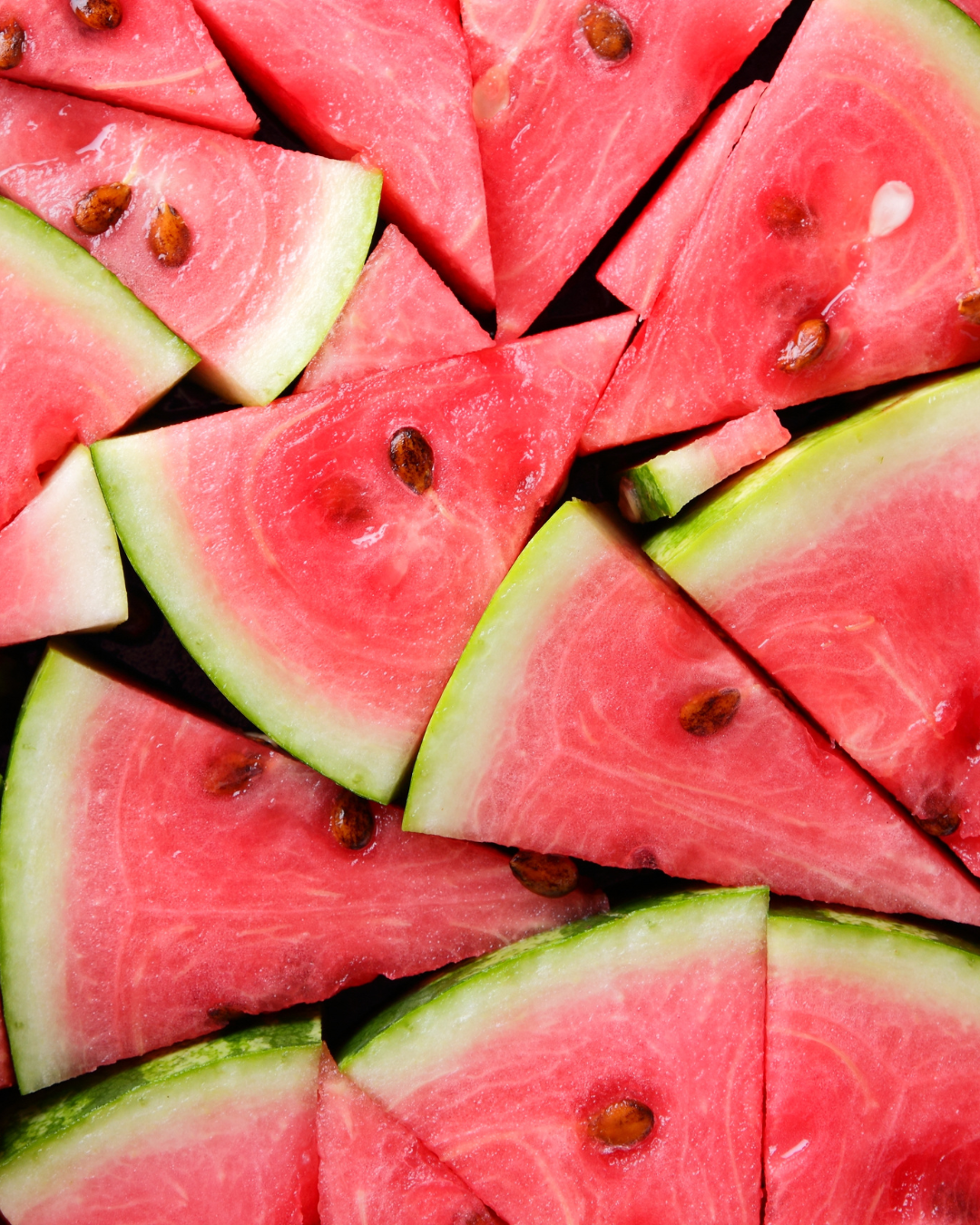
Almost everyone loves apples, but once sliced, they quickly turn brown, diminishing their visual appeal and texture. This blog post will show you the best ways to prevent apples from browning, delicious apple recipes, and the best ways to preserve your apples.

Why Are Apples Famous?

Apples are also among the most famous fruits. They became so famous due to their adaptability to various climates and soils, allowing them to be cultivated worldwide. Their role in historical and cultural contexts, such as the biblical story of Adam and Eve and the folklore of Johnny Appleseed, also contributed to their fame.

Apples are one of the most loved fruits. We love apples because they are delicious and have nutritional benefits. We also love apples for their convenience as a portable, easy-to-eat snack.

Why Do Apples Go Brown?

When apple flesh is exposed to oxygen, it undergoes enzymatic browning. This is caused by the enzyme polyphenol oxidase (PPO), which reacts with oxygen. Stopping this reaction is key to keeping apples fresh.

Best Methods to Prevent Apple Browning

There are different ways to keep an apple from browning and these are some of the most common methods.

Salt Water Soak

Dissolve a teaspoon of salt in a water bowl and soak the apple slices for a few minutes. Rinse before serving or using in recipes to remove any salty taste. 

Lemon Juice Method

Sprinkle or soak apple slices in lemon juice. The citric acid in lemon juice significantly slows down the oxidation process.

Water Soak

Immerse the apple slices in a bowl of cold water. This reduces their exposure to air, slowing down the browning.

Honey Solution

Mix a tablespoon of honey with one cup of water. Soak the apple slices for 30 seconds. Honey slows down oxidation due to a compound that acts as an antioxidant.

Rubber Band Trick

If you’ve sliced an apple and need to prevent browning temporarily, reassemble the apple and secure it with a rubber band.

Top 5 apples

Apples are delicious, and everyone love the different apples for different reasons. But here are some of the most loved apples:

Red Delicious 

Known for its deep red color and sweet flavor. Known for their bright red color and thick skin, these apples are good for eating fresh and in salads. They are best from late September through early October.

Granny Smith

Famous for its bright green color and tart taste, Granny Smith apples are perfect for baking. Known for their bright green color and tart flavor, Granny Smith apples are ideal for recipes where a strong apple flavor is desired. They are available from late April through early May.

Gala

Sweet and aromatic, ideal for eating fresh. With a crisp texture and sweet flavor, Gala apples are famous for both raw and cooked dishes. They are in season from mid-July through September.

Fuji

Incredibly sweet and crunchy, it is often used in salads and snacks. Fuji is versatile and can be eaten fresh, cooked, baked, or used in salads. It is in season from late September to late October.

Honey Crisp

Popular for its crisp texture and balanced sweet-tart flavor, Honeycrisps are large, juicy apples with a sweet taste. They are great for a variety of uses, including eating fresh and in desserts. Their season is from September through November.

Best Apples for Various Uses

Do you love to eat your apples fresh? Then go for Honeycrisp and Fuji apples. They are crisp and juicy perfect for an healthy snack.

If you want to make apple sauces, then go for McIntosh apples. McIntosh apples cook down smoothly and fast.

For baking, go for Granny Smith and Braeburn. These apples maintain their texture and tartness, complementing sweetness.

For salads, I would recommend Gala apples. Gala apples add a sweet, mild flavor and crisp texture.

Benefits of Apples

Apples are highly nutritious and offer several health benefits.

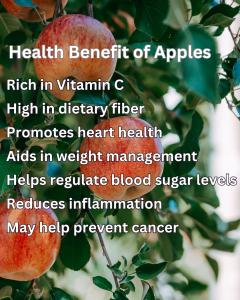
 They contain essential vitamins and minerals, particularly vitamin C and potassium. Apples have antioxidant and anti-inflammatory effects that can improve overall health.

Another  good thing about apples is their fiber, which aids in digestion and can help manage weight. If you eat apples regularly, you have a lower risk of heart disease, partly due to the soluble fiber that helps lower cholesterol.

The fiber in apples can also help stabilize blood sugar levels.

Apples are versatile and beneficial, making them a great addition to a balanced diet.

Now, let’s discuss delicious apple recipes.

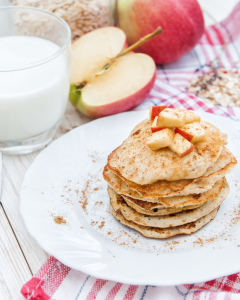
Oatmeal apple pancakes

Oatmeal apple pancakes are a delightful twist on a classic breakfast dish. 

Ingredients

– 1 cup rolled oats

– 1 cup all-purpose flour

– 2 teaspoons baking powder

– 1/2 teaspoon cinnamon

– 1/4 teaspoon salt

– 1 apple, peeled and grated

– 2 tablespoons sugar

– 1 egg

– 1 cup milk

– 2 tablespoons melted butter

What to do

  • Mix the oats, flour, baking powder, cinnamon, and salt in a large bowl.
  • In another bowl, combine the grated apple with sugar, egg, milk, and melted butter.
  • Stir the wet ingredients into the dry ingredients until they are combined.

Cooking

  • Heat a non-stick skillet over medium heat and lightly grease it.
  • Pour about 1/4 cup of batter for each pancake onto the skillet.
  • Cook until bubbles form on the surface, then flip and cook until golden brown on the other side.

Serve these oatmeal apple pancakes warm with your choice of toppings, like maple syrup or yogurt.

Apple Carrot Smoothie

This is an excellent pre-workout smoothie or a pre-lecture smoothie

Ingredients:

– 1 large apple, cored and chopped

– 2 medium carrots, peeled and chopped

– 1/2 inch piece of ginger, peeled

– 1/2 cup water

– Ice cubes (optional for a colder smoothie)

– 1 tablespoon honey 

– A pinch of ground cinnamon (optional for extra flavor)

What to do

  • Start by preparing your fruits and vegetables. Wash, core, and chop the apple. Peel and chop the carrots. Peel the ginger.
  • Place the chopped apple, carrots, and ginger in a blender. Add water. If using, add ice, honey, and cinnamon.
  • Blend on high until everything is smooth. If the smoothie is too thick, add more liquid to reach your desired consistency.
  • Taste your smoothie and adjust the sweetness with more honey if needed.
  • Pour into a glass and enjoy immediately for the best flavor and nutrient retention.

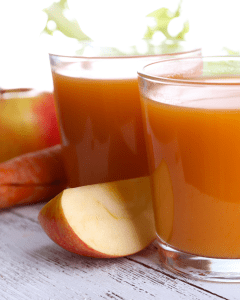
Apple Juice to Tea

Adding juice to tea is a widespread practice that enhances the beverage’s flavor profile and can add nutritional benefits. The natural sweetness and tartness of juice, such as apple, complement tea flavors, reducing the need for added sugars.

This combination also provides a more complex taste experience and can make the drink more refreshing and enjoyable. Additionally, incorporating juice, which contains vitamins and antioxidants, can boost the health properties of the tea, making it a healthier choice.

  • Steep your favorite tea (black, green, or herbal) as you usually would.
  • Mix the tea with an equal part of homemade or store-bought apple juice once the tea is brewed.
  • Serve hot or chilled, depending on your preference. For extra flavor, add a slice of lemon or a cinnamon stick.

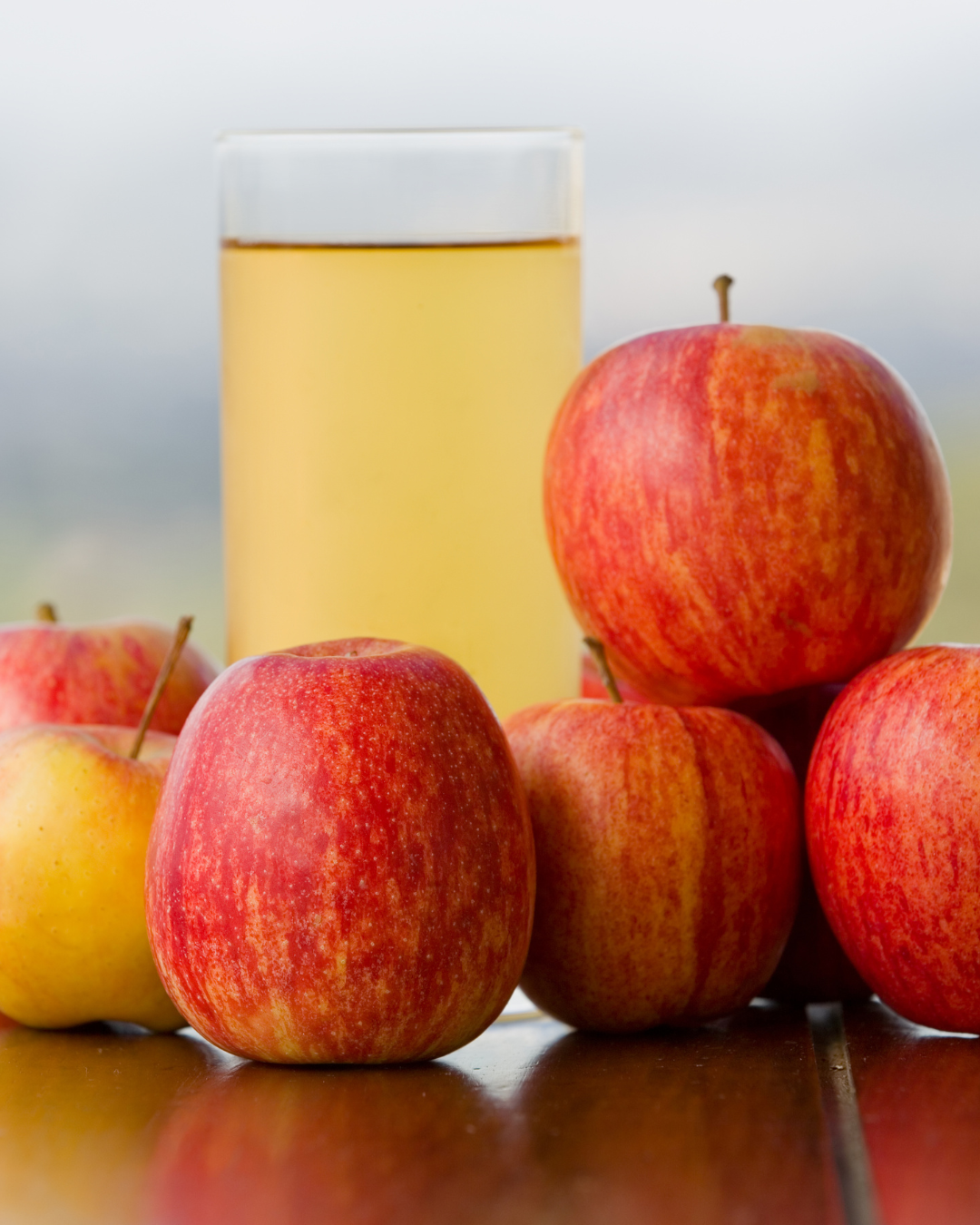
How to Make Homemade Apple Juice

  • Wash, core, and cut apples into quarters.
  • Use a juicer to extract the juice from the apples. If you don’t have a juicer, blend the apples with water, then strain the mixture through a cheesecloth or fine mesh strainer.
  • Enjoy the juice fresh, or store it in the refrigerator in an airtight container for up to a week.

Is it OK to eat an apple daily?

Eating an apple daily is beneficial as it contributes to the dietary fiber and vitamin intake necessary for a healthy diet. The adage “an apple a day keeps the doctor away” reflects the longstanding belief in apples’ health benefits. Eating two apples daily is generally not too much for most healthy individuals. However, since apples contain sugar and calories, one must consider one’s overall diet and calorie needs.

Apples are not known to disrupt sleep patterns and can be a healthy, low-calorie night snack option. However, due to their fiber and sugar content, some might prefer to eat them earlier if they experience digestive sensitivities.

How To Preserve Apples

Preserving apples can extend their shelf life and enhance their versatility in the kitchen. 

Drying

Dehydrate apple slices using a dehydrator or an oven set to a low temperature. This method concentrates the apple’s natural sugars, making them a sweet, chewy snack.

Freezing

Slice apples and coat them with some lemon juice to prevent browning before freezing. This is great for later use in cooking or baking.

Canning

Prepare apples as apple sauce or apple pie filling and can them using a water bath canning process to seal in freshness and flavor.

Cold Storage

Store whole apples in a cool, humid, dark place like a cellar or a fridge. Some apple varieties can last several months if properly stored.

Conclusion

Apples are a fundamental part of diets worldwide, from their rich history to their diverse culinary uses. Whether baking a pie, whipping up a salad, or snacking straight from the fruit bowl, apples offer flavor, nutrition, and versatility unmatched by other fruits.

Did you find this post helpful? Leave a comment below.

The Glow Up You Didn’t Know You Needed: Fruits and Eggs

What are your favorite types of foods?

I am all about glowing up these days, mainly because the new school year is about to start. I have been eating more seasonal fruits and eggs.
Guys, eat more eggs. I noticed that my acne and acne scars reduced when I started eating more eggs, and my nails are stronger

Eating fruits is good. It has a way of uplifting your spirit. I had less panic attacks when I started eating more fruits and veggies. 

I am into eating watermelons, cantaloupes and eggs right now 😄


Pistachio Milk

I have acne triggered by dairy, so plant milk has always been my go-to. I recently heard about pistachio milk.

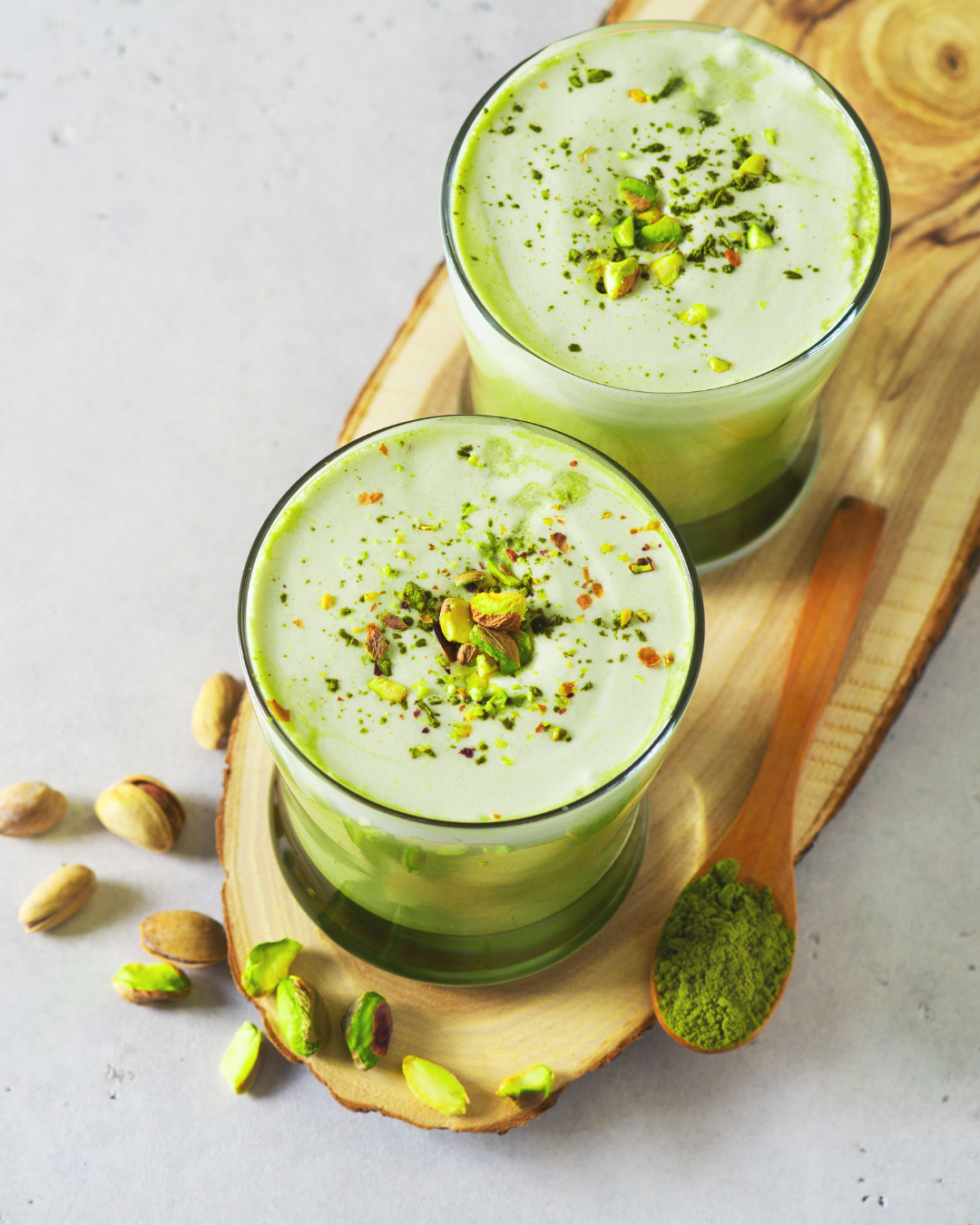
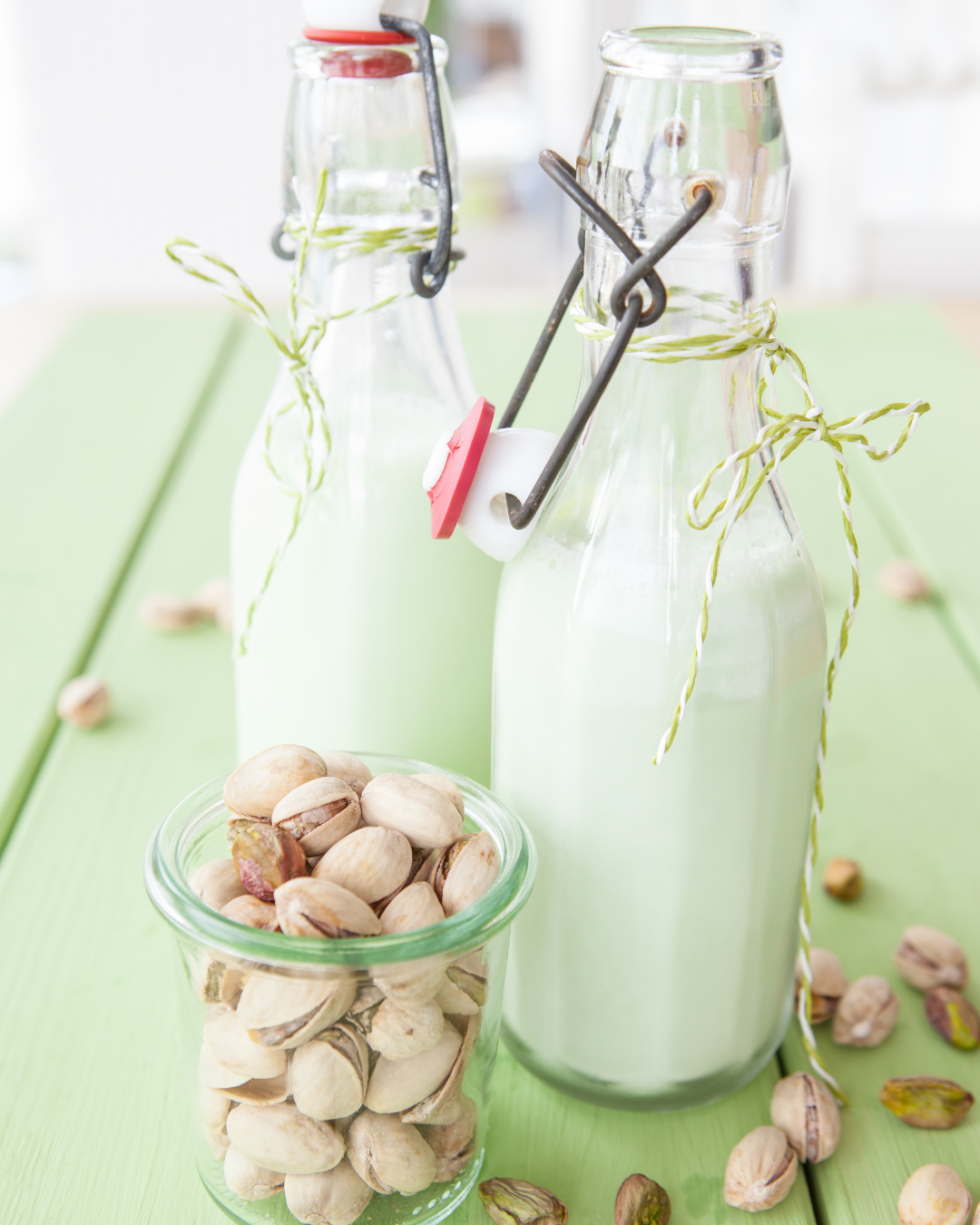
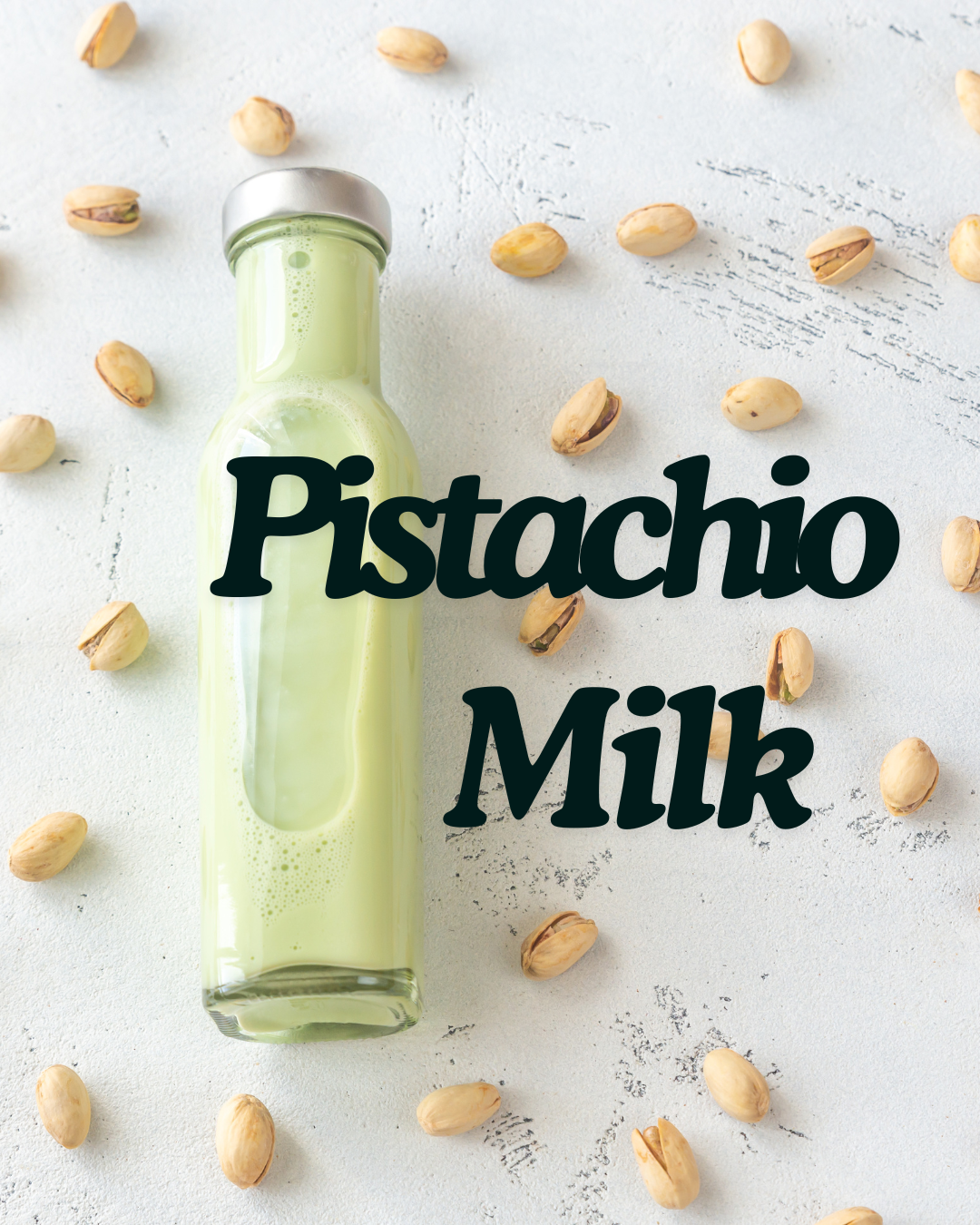
Pistachio milk is a plant-based, dairy-free, nutritious alternative made from pistachio nuts. Pistachio milk is becoming popular for people looking for a tasty and healthy alternative to dairy milk. As more and more people explore plant-based diets, different types of nut milks like almonds, soy, and oats have gained popularity. But now, pistachio milk is stepping into the spotlight, offering a unique flavor and plenty of benefits. 

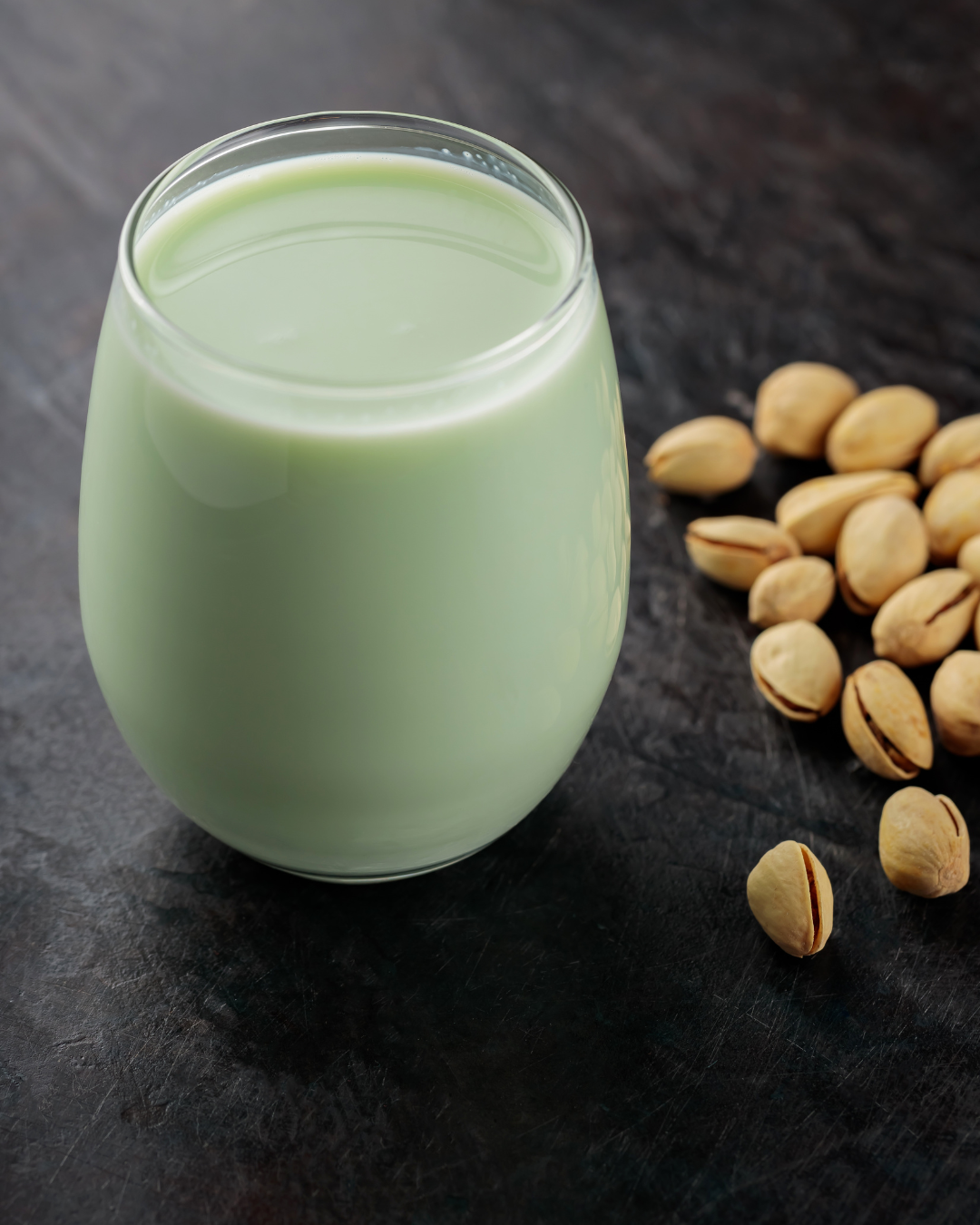
It is made by blending pistachios with water and then straining the mixture to remove any solid bits, leaving a smooth and creamy liquid. This milk has a light green color and a slightly sweet, nutty taste that sets it apart from other nut milk like almond or cashew milk.

Unlike some nut milk, which can be bland or watery, pistachio milk offers a unique, slightly buttery taste that’s delicious on its own or in your favorite recipes.

The texture of pistachio milk is creamy but not overly thick. It’s thicker than other plant-based milks like rice milk but less dense than full-fat cow’s milk or cream. This makes it versatile for various uses, whether pouring it over cereal or adding it to coffee.

Pistachio milk

Pistachio milk isn’t naturally salty. However, some store-bought versions may add a pinch of salt to enhance the flavor, so checking the label is always good. If you’re making it at home, you can control the salt content to suit your taste.

Some brands may add sweeteners, salt, or other flavorings. To enhance its nutritional profile, commercial pistachio milk might include added vitamins and minerals, such as calcium, vitamin D, and vitamin B12.

This milk offers several health benefits, making it a top choice among plant-based alternatives.

In this blog post, we’ll explore what makes pistachio milk unique, how it compares to other nut milks, and why it’s gaining attention. You’ll also learn how to make your pistachio milk at home and discover some delicious recipes. 

Nutritional Profile of Pistachio Milk

Pistachio milk is generally low in calories and contains healthy fats, much like nuts. It’s a good source of monounsaturated fats that benefit heart health. Pistachio milk has a low protein content similar to other nut-based milk, unlike cow or soy milk.

Naturally, it contains a high content of vitamins B6 and E and minerals like potassium and magnesium. However, the nutritional composition varies depending on how the milk is processed and whether any fortifications are added.

Flavor and Texture

Pistachio milk has a distinct, slightly sweet, and nutty flavor, similar to the taste of raw pistachios. This makes it a good choice for those who enjoy the flavor of pistachios. It tends to be creamy, making it a good coffee, smoothie, and baking option. However, depending on the brand and preparation method, it might be less creamy than dairy milk.

Usage

Pistachio milk is very versatile. It can be used in various ways—poured over cereal, added to coffee, used in smoothies, or incorporated into baking recipes.

Availability and Brands

Pistachio milk is less widely available than almond or oat milk, but it is becoming more common in health food stores and some supermarkets. Brands like Tache and Elmhurst are known for offering pistachio milk.

Pistachio milk

Benefits of Pistachio milk

Heart Health

A standout feature of pistachio milk is the healthy fat content. The healthy fats in pistachios, mainly monounsaturated fats, help to lower bad cholesterol (LDL) levels and reduce the risk of heart disease. It has a low saturated fat level, which is beneficial for maintaining healthy cholesterol levels and overall cardiovascular health.

Antioxidants

Pistachios are high in antioxidants like lutein, zeaxanthin, and polyphenols. These compounds help protect the body against oxidative stress and inflammation, which can damage cells and contribute to chronic diseases like cancer and heart disease.

Supports Eye Health

Lutein and zeaxanthin are antioxidants found in pistachios that are particularly beneficial for eye health. They help protect against age-related macular degeneration and cataracts.

Bone Health

Pistachio milk is often fortified with calcium and vitamin D, crucial for maintaining strong bones. Calcium helps build and maintain bone structure, while vitamin D improves calcium absorption. This makes pistachio milk a beneficial option for supporting bone health, especially if you’re avoiding dairy.

Digestive Health

Pistachios are a source of dietary fiber, which can aid in digestion and help keep your digestive system running smoothly. Some of this fiber carries over into pistachio milk, contributing to a healthy gut.

Nutrient-Rich

The essential vitamins and minerals in pistachio milk, such as vitamin B6, potassium, magnesium, and vitamin E, help support various bodily functions, such as immune health, nerve function, and muscle contraction.

Many commercial pistachio milks are fortified with additional vitamins and minerals, such as calcium and vitamin D, making them an excellent alternative to dairy milk for those seeking to meet their daily nutritional needs.

Supports Weight Management

Pistachio milk is relatively low in calories compared to other nut-based and dairy milk, making it a suitable choice for those looking to manage their calorie intake.

Satiety is achieved with healthy fats and fiber content (depending on the preparation), which gives the feeling of fullness and satisfaction, thereby aiding weight management.

Low Glycemic Index

Pistachios have a low glycemic index, meaning they cause a slower and more gradual rise in blood sugar levels. This blood sugar control makes pistachio milk a good option for those managing blood sugar levels, such as individuals with diabetes.

Dairy-Free and Lactose-Free

Pistachio milk is naturally lactose-free, making it a suitable option for those who are lactose intolerant or have a dairy allergy.

Vegan-Friendly

Pistachio milk is an excellent choice for those following a vegan or plant-based diet.

Skin Health

Pistachios are a good source of vitamin E, an antioxidant that helps protect skin cells from damage and supports overall skin health. Regular consumption of pistachio milk contributes to healthier and more radiant skin.

Pistachio Milk Flavor Profile

Beyond the health benefits, pistachio milk has a unique and pleasant nutty flavor, making it a tasty addition to smoothies, coffee, cereal, and recipes. Its creamy texture also enhances the overall eating experience.

These benefits make pistachio milk a nutritious and versatile option for those looking to incorporate more plant-based foods into their diet while enjoying pistachio’s distinctive flavor and health benefits.

How to Make Pistachio Milk at Home

Making pistachio milk at home is simple and rewarding. Here’s a step-by-step guide to help you create your pistachio milk:

Ingredients:

– 1 cup raw pistachios

– 4 cups water (plus extra for soaking)

– Sweetener of choice (optional, e.g., honey, maple syrup, or a few dates) – Vanilla extract (optional, for added flavor)

Instructions

1. Soak the Pistachios

Place the raw pistachios in a bowl and cover them with water. Allow them to soak for at least 4 hours or overnight.

Soaking helps to soften the nuts, making them easier to blend and giving the milk a smoother texture.

2. Drain and Rinse

After soaking, drain the pistachios and rinse them under cool running water. This step removes any residual soaking water and prepares the nuts for blending.

3. Blend the Pistachios

Add the soaked pistachios to a high-speed blender. Pour in 4 cups of fresh water. Blend on high until the mixture is smooth and creamy, typically around 1-2 minutes. You can add a sweetener or a splash of vanilla extract at this stage for extra flavor.

4. Strain the Milk

You’ll need a nut milk bag, cheesecloth, or a fine-mesh strainer to separate the milk from the nut pulp. Place the strainer over a large bowl or jug. Pour the blended pistachio mixture into the strainer or nut milk bag. If using a nut milk bag, gently squeeze the bag to extract as much milk as possible. Using cheesecloth or a filter, use a spoon to press the mixture and extract the liquid.

5. Store the Pistachio Milk

Transfer the strained pistachio milk into a clean bottle or jar with a lid. Store it in the refrigerator for up to 4-5 days. Shake well before each use, as separation can occur.

6. Use the Pistachio Pulp

Don’t throw away the leftover pistachio pulp! You can use it in smoothies, baking, or even pistachio butter. Spread the pulp on a baking sheet, let it dry out, and then blend it into creamy butter.

Tips for the perfect pistachio milk

  • Use less water if you prefer thicker or creamier milk. 
  • Add a sweetener if you like your milk sweetened.
  • Try blending in a pinch of cinnamon or a drop of vanilla extract for added flavor.

Is Pistachio Milk Good with Coffee?

Yes, pistachio milk can be a great addition to coffee. Its creamy texture and nutty flavor complement coffee well and can add a unique twist to your regular latte or cappuccino.

Pistachio Milk Latte:Ingredients:

– 1 cup pistachio milk

– 1 shot of espresso or 1 cup of brewed coffee

– 1 tablespoon honey or a sweetener of your choice (optional) – A dash of cinnamon or vanilla extract (optional)

Instructions:

– Heat the pistachio milk in a saucepan or microwave until hot. Froth the milk using a frother or whisk. Pour the hot

espresso or coffee into a cup, add the sweetener if desired, and top with the frothed pistachio milk. Sprinkle with cinnamon or vanilla extract for extra flavor.

How Long Does Pistachio Milk Last?

Homemade pistachio milk typically lasts about 4-5 days in the refrigerator. Store it in an airtight container and shake it well before each use, as it may separate over time. Store-bought pistachio milk usually has a longer shelf life and should be checked for expiration dates on the packaging.

Does Pistachio Milk Help You Sleep?

There’s no specific evidence that pistachio milk helps with sleep, but it does contain magnesium, which is known to promote relaxation and improve sleep quality. Drinking it as part of a balanced diet may contribute to overall well-being.

Conclusion

Pistachio milk is a delightful and nutritious alternative to traditional dairy and plant-based milk. Its creamy texture, unique nutty flavor, and impressive nutritional benefits make it an excellent choice for those looking to explore new flavors and add variety to their diet. 

Knowing how to make pistachio milk yourself can ensure it’s fresh and free from unwanted additives.

Comparing it to other nut milks helps you choose the best option based on your taste preferences and dietary needs. Additionally, being mindful of waste and knowing how to repurpose or recycle leftover pulp makes your use of pistachio milk more sustainable.

Pistachio milk provides a tasty and healthy alternative and aligns with diverse dietary choices, whether vegan, dairy-free.

Try making pistachio milk at home and share your experiences with pistachio milk in the comments.

Did you find this article interesting? Leave a comment below.

Why You Should Drink Protein Coffees

Protein coffees combine the power of protein with the energy boost of caffeine. 

In this blog post, we’ll explore what caffeinated proteins are, how they work, and why they’re becoming so popular. We’ll also dive into some cool facts about how caffeine and protein interact in your body and share some tasty recipes you can try at home.

Why coffee and protein are a powerful combo

Protein is one of the essential building blocks of life. Our bodies need nutrients to build and repair tissues, including muscles. When you exercise, your muscles experience small tears that need repair, and protein helps. This is why athletes and people who work out often focus on getting enough protein in their diets.

Is Caffeine a Type of Protein?

Nope, caffeine is not a type of protein. Caffeine is a stimulant that helps you feel more awake and alert. It’s found in coffee, tea, and some energy drinks. While protein helps build and repair muscles, caffeine gives you the energy boost that can help you power through a workout or stay focused during the day.

Even though caffeine isn’t a protein, combining it with protein can benefit greatly. When you mix caffeine with protein, you get the muscle-building power of protein and the energy boost of caffeine, making it an excellent combination for people who need both.

a pile of dirt sitting on top of a white table

Does Coffee Affect Protein?

Coffee, which contains caffeine, doesn’t directly affect the protein but can impact how your body uses it. Drinking coffee before or after a workout can help improve your performance and energize you. This means you might be able to work out harder or longer, which in turn helps your muscles grow and recover better when you get enough protein.

However, it’s important to remember that coffee is a diuretic, meaning it can make you urinate more and possibly lead to dehydration if you’re not drinking enough water. Staying hydrated is essential for both protein synthesis and overall health.

Why Drink Protein Coffees?

Protein coffees, often called “proffee,” are becoming more popular for a good reason. They offer a simple and delicious way to combine the muscle-building benefits of protein with the energizing effects of caffeine. 

Not only do protein coffees give you the energy to get through your day or workout, but they also help ensure you get the protein your muscles need to recover and grow. They’re easy to make and can be customized to fit your taste and nutritional needs.

If you’re interested in trying out caffeinated proteins, you might want to start with some of the many caffeinated protein shakes available on the market. These shakes combine high-quality protein with enough caffeine to help you stay energized and support your muscle goals.

Caffeinated protein shakes are convenient, portable, and come in various flavors. They’re perfect for busy mornings, pre-workout fuel, or even an afternoon pick-me-up. Check out this caffeinated shake I love so much.

Popular Caffeinated Protein Products

Caffeinated Root Beer Proteins

Caffeinated root beer proteins are a fun and unique way to get your daily dose of protein and caffeine. This product combines the nostalgic taste of root beer with the benefits of protein powder and a caffeine kick. It’s an excellent option for those who want to mix things up from the usual protein shakes or coffees.

These caffeinated root beer proteins typically come in powder form, which you can mix with water or milk for a refreshing, fizzy drink. This drink is perfect for anyone who loves the taste of root beer but also wants the muscle-building benefits of protein and the energy boost from caffeine. Whether sipping it before a workout or enjoying it as an afternoon treat, this drink offers a tasty way to fuel your day.

Protein Iced Tea Recipe

If you’re looking for a refreshing and energizing drink, a protein iced tea might be just what you need. This simple recipe combines the hydrating benefits of iced tea with the muscle-supporting power of protein powder and a gentle caffeine boost.

Here’s a quick and easy recipe to try:

Ingredients:

– 1 cup of brewed iced tea (black, green, or herbal)

– 1 scoop of unflavored or flavored protein powder (vanilla or lemon works well)

– Ice cubes

– Optional: A splash of lemon juice or honey for extra flavor

Instructions:

1. Brew your favorite tea and let it cool.

2. mix the cooled tea with the protein powder until smooth in a shaker or blender.

3. Pour the mixture over ice cubes in a glass.

4. Add a splash of lemon juice or honey if desired.

5. Stir well and enjoy your protein-packed iced tea!

This drink is perfect for hot days, post-workout refreshments, or whenever you need a light, healthy boost.

Free A person pouring a drink into a glass Stock Photo

Protein Coffee

Protein coffee, often called “proffee,” is an excellent way to start your day or refuel after a workout. Here’s how you can make your protein coffee:

Ingredients:

– 1 cup of brewed coffee (hot or iced)

– 1 scoop of your favorite protein powder (chocolate, vanilla, or even unflavored)

– Optional: A splash of milk or a sweetener of your choice

Instructions:

1. Brew your coffee as you usually would.

2. mix the hot or iced coffee with the protein powder until well combined in a shaker or blender.

3. Pour the mixture into a cup and add a splash of milk or sweetener if desired.

4. Stir well and enjoy your nutrient-packed caffeine boost!

This protein coffee gives you the energy to tackle your day and ensures you’re getting the protein your body needs. It’s a simple, tasty way to incorporate both into your routine.

Benefits of profee

Protein coffees are more than just a trendy drink—they’re a smart choice for anyone looking to combine the benefits of protein and caffeine in one convenient package. Here are some reasons why you might want to make protein coffee a regular part of your day:

1. Energy and Focus: Coffee’s caffeine helps you stay alert and focused, making it a great way to start your day or power through a workout.

2. Muscle Support: Adding protein to your coffee helps your muscles recover and grow, especially after exercise.

3. Convenience: Protein coffees are easy to make and can be customized to your taste. Whether you like your coffee hot or iced, sweet or firm, you can easily adjust the recipe to suit your preferences.

4. Versatility: Protein coffee can be enjoyed anytime—whether for breakfast, a mid-morning snack, or a post-workout recovery drink.

Free Man in Black Crew Neck Shirt Holding White Plastic Tumbler Stock Photo

Protein Coffee, Proffee

Here’s a quick breakdown of how different protein powders can affect the macros of your proffee.

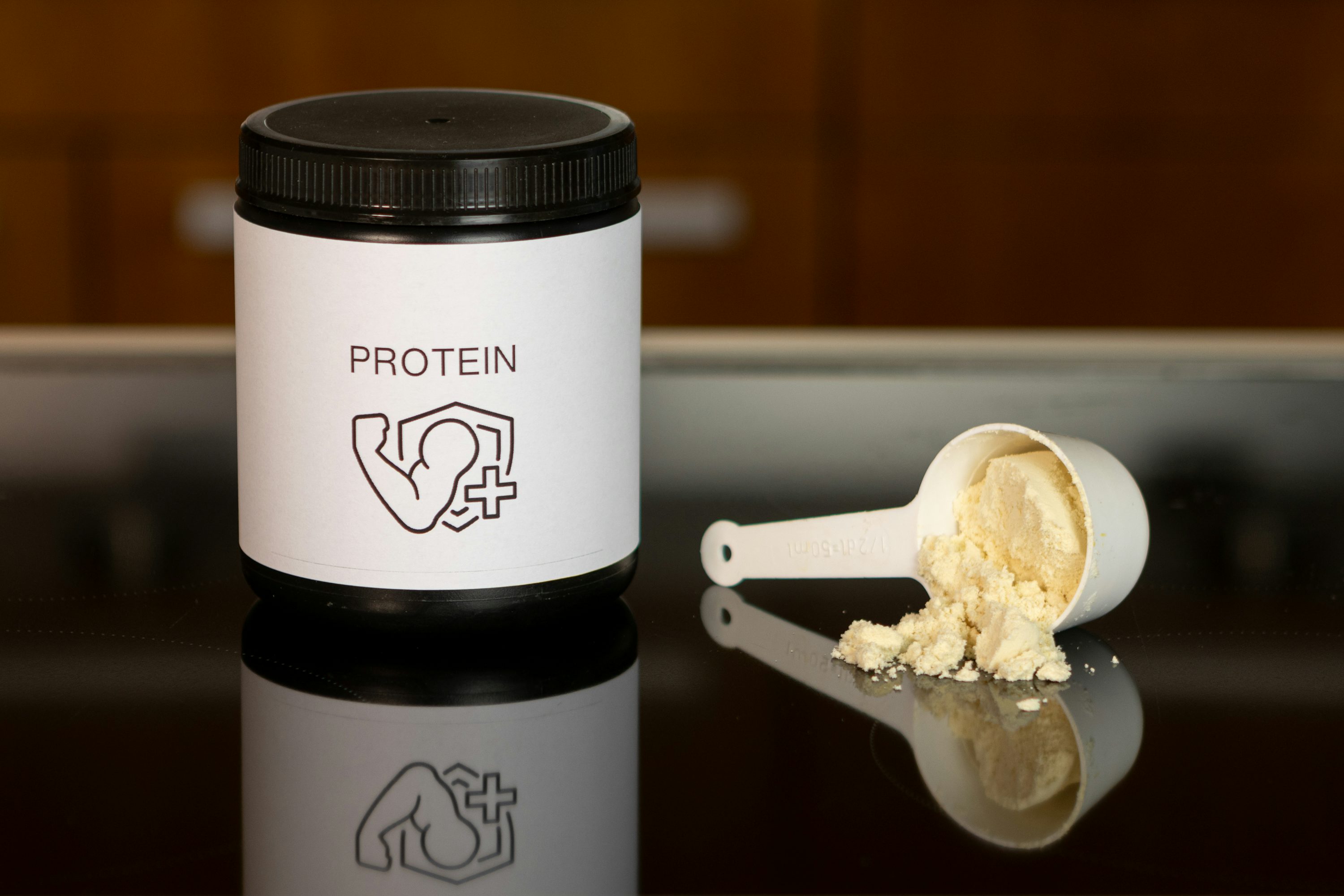
a container of protein powder next to a spoon

Whey Protein

Whey protein is one of the most popular choices for making protein coffee. It typically provides around 20-30 grams of protein per serving, with varying amounts of carbs and fats. Whey is quickly absorbed, making it ideal for post-workout recovery.

Casein Protein

Casein is a slower-digesting protein, providing a steady release of amino acids. It’s great for those who want a more sustained protein source. Casein can make your proffee creamier but might have a slightly thicker texture.

Plant-Based Protein

Plant-based proteins like pea or soy protein are excellent choices for those who prefer a dairy-free option. They often have lower protein content per serving (around 15-20 grams) but are packed with nutrients and fiber.

Collagen Protein

Collagen is another option known for supporting joint health and skin. It typically has a lower protein content and fewer carbs and fats. Collagen blends well without altering the taste or texture of your coffee too much.

Protein Content

The amount of protein per scoop can vary from 15 grams to 30 grams, depending on the brand and type of protein. This will affect how much protein you get from your protein.

Caffeine Content

While the caffeine mostly comes from coffee, some protein powders have added caffeine. This can increase the total caffeine content of your proffee, so be mindful of how much you’re consuming.

Sugar Content

Some protein powders are flavored with added sugars or artificial sweeteners. If you’re watching your sugar intake, choose a low or no-added sugars protein powder.

To ensure your proffee fits your dietary needs, check the label of your protein powder for the exact nutritional content. This way, you can enjoy a delicious and balanced drink that aligns with your fitness goals.

Free work coffee Stock Photo

The Best Protein Shake Recipes with Coffee You Need to Try

Combining coffee and protein in a shake is a delicious and efficient way to start your morning or refuel after a workout. These protein shake recipes are tasty and packed with the nutrients you need to power through your day. Here are some of the best protein shake recipes with coffee that you need to try:

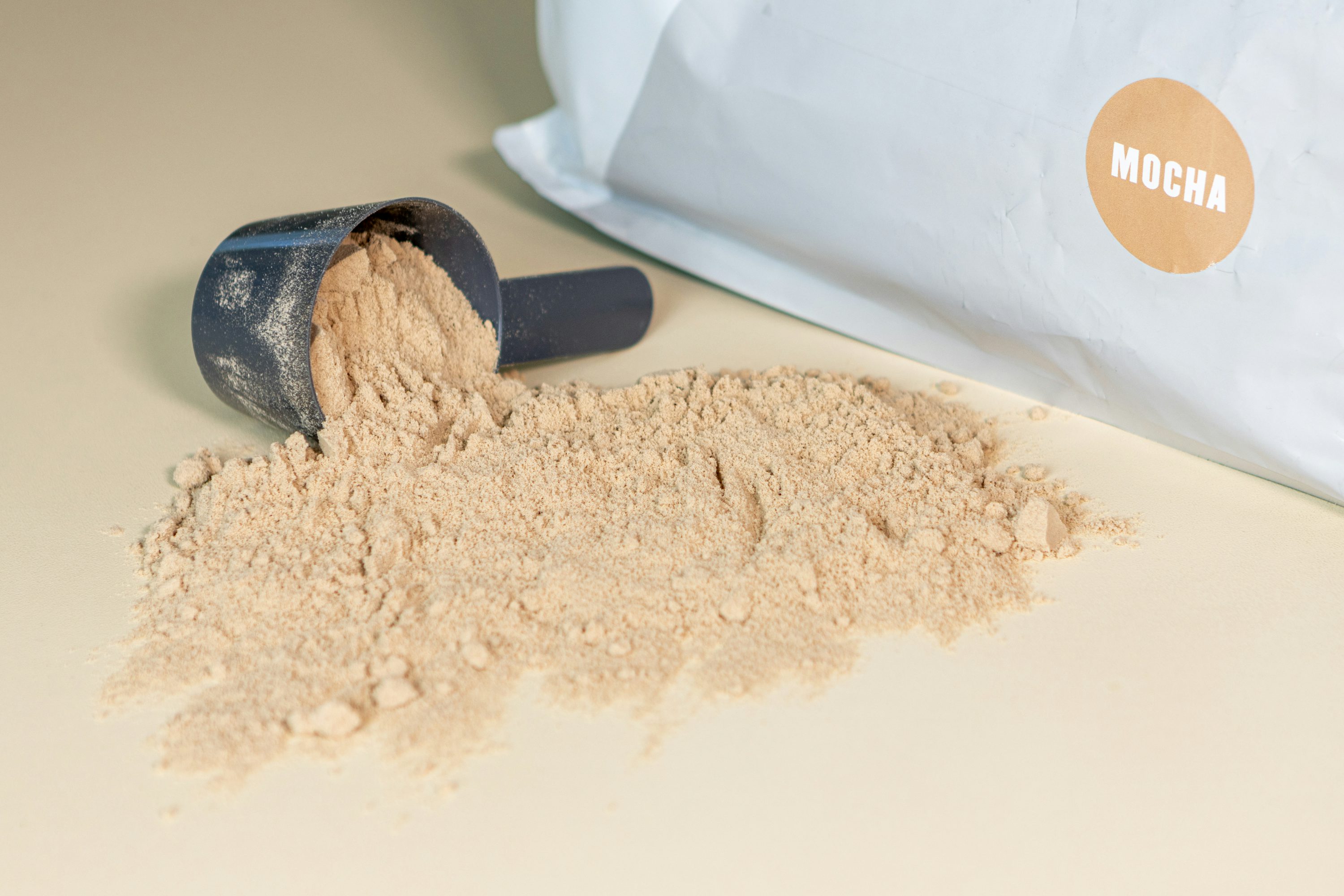
a scoop of powder next to a bag of powder

1. Mocha Protein Shake

Ingredients: 1 cup of brewed coffee (cooled), one scoop of chocolate protein powder, ½ banana, 1 tablespoon of almond butter, ice cubes.

Instructions: Blend all ingredients until smooth. This shake offers a rich, chocolatey flavor with the added benefits of protein and caffeine.

2. Vanilla Coffee Smoothie

Ingredients: 1 cup of iced coffee, 1 scoop of vanilla protein powder, ½ cup of almond milk, 1 teaspoon of vanilla extract, ice cubes.

Instructions: Blend for a creamy, smooth drink that combines the classic vanilla flavor with the energizing kick of coffee.

3. Cinnamon Roll Coffee Shake

Ingredients: 1 cup of brewed coffee (cooled), 1 scoop of vanilla protein powder, 1 teaspoon of cinnamon, 1 tablespoon of honey, ½ cup of oat milk, ice cubes.

Instructions: Blend all ingredients for a shake that tastes like a cinnamon roll, perfect for breakfast or a mid-morning snack.

4. Peanut Butter Espresso Shake

Ingredients: 1 cup of brewed espresso, 1 scoop of chocolate or vanilla protein powder, 1 tablespoon of peanut butter, ½ banana, ice cubes.

Instructions: Blend until smooth and enjoy a rich, nutty shake with the strong flavor of espresso.

5. Caramel Macchiato Protein Shake

Ingredients: 1 cup of iced coffee, 1 scoop of caramel-flavored protein powder, 1 tablespoon of caramel syrup, ½ cup of milk, ice cubes.

Instructions: Blend everything for a sweet, indulgent shake that tastes like your favorite coffee shop treat.

6. Hazelnut Coffee Protein Shake

Ingredients: 1 cup of brewed coffee (cooled), 1 scoop of chocolate or vanilla protein powder, 1 tablespoon of hazelnut butter, 1 teaspoon of cocoa powder, ice cubes.

Instructions: Blend all ingredients for a nutty, chocolatey shake rich in flavor and nutrients.

7. Coconut Mocha Protein Shake

Ingredients: 1 cup of brewed coffee (cooled), 1 scoop of chocolate protein powder, 1 tablespoon of coconut cream, ½ teaspoon of cocoa powder, ice cubes.

Instructions: Blend to create a creamy, tropical shake that pairs the flavors of coconut and chocolate with the bold taste of coffee.

8. Pumpkin Spice Protein Coffee Shake

Ingredients: 1 cup of iced coffee, 1 scoop of vanilla protein powder, 1 tablespoon of pumpkin puree, ½ teaspoon of pumpkin spice, ice cubes.

Instructions: Blend everything for a seasonal favorite with protein and a caffeine boost.

9. Berry Coffee Protein Shake

Ingredients: 1 cup of cold brew coffee, 1 scoop of vanilla protein powder, ½ cup of mixed berries, 1 tablespoon of Greek yogurt, ice cubes.

Instructions: Blend all ingredients for a fruity shake with a coffee twist, perfect for a refreshing and nutritious start to your day.

10. Mint Chocolate Chip Coffee Shake

Ingredients: 1 cup of iced coffee, 1 scoop of chocolate protein powder, 1 teaspoon of peppermint extract, 1 tablespoon of dark chocolate chips, ice cubes.

Instructions: Blend to create a minty, chocolatey shake that’s cool, refreshing, and packed with protein.

Conclusion

Caffeinated proteins offer a unique and powerful combination of energy and muscle-building benefits that can enhance your daily routine. There are endless ways to enjoy the best of both worlds, from caffeinated root beer proteins to protein iced teas and the ever-popular protein coffee (or “proffee”).

Remember to experiment with different protein powders and recipes to find what works best for you. Whether you’re making protein coffee at home or grabbing a ready-to-drink caffeinated protein shake, the options are endless. 

So, why not try caffeinated proteins? They might become your new favorite way to start the day, fuel your workouts, or satisfy your cravings while keeping you energized and strong. 

Did you find this article helpful? Give us a like, and please share this with your friends.

Watermelon Beauty Tips For Glowing Skin

Watermelon is more than just a tasty summer snack; it’s a skincare gem. It’s full of nutrients that can make your skin glow. With its hydrating and antioxidant-rich qualities, watermelon is a natural way to get healthy, glowing skin.

Free Hand Holding a Slice of Watermelon With Blue Swimming Pool Water in the Background Stock Photo

Watermelon is nature’s juicy skin revitalizer

Watermelon is the perfect summer fruit for skin health and rejuvenation. It’s full of nutrients and properties that help revitalize the skin. This makes it look healthy and glowing.

Packed with Nutrients for Radiant Skin

Watermelon is a powerhouse of vitamins and minerals essential for skin health. It’s loaded with vitamin C, which boosts collagen production, keeping the skin firm and young. It also has vitamin A, an antioxidant that fights fine lines and wrinkles. Plus, it’s a great source of vitamin B6, crucial for cell regeneration and repair. 

A Refreshing Treat for Sun-Kissed Skin

In summer, our skin faces the sun’s harsh rays. Watermelon is a refreshing, hydrating treat. Its high water content soothes and hydrates sun-exposed skin, preventing dryness and irritation.

Enjoying watermelon on a hot day nourishes your skin from the inside out.

Nutrient Benefit for Skin
Vit C Boosts collagen production for firmer, more youthful skin
Vit A Reduces the appearance of fine lines and wrinkles
Vit B6 Promotes cell regeneration and skin repair

Hydrating Properties of Watermelon For Glowing Skin

Hydration is key for a radiant, glowing complexion. Watermelon is a true skin-quenching superstar. It has a high water content that deeply hydrates and nourishes the skin. This makes it plump, supple, and glowing.

Adding watermelon to your summer skincare routine can give you a dewy, luminous complexion that shines with natural beauty.

Watermelon Skin Benefits How it Helps
Hydrates The high water content in watermelon deeply nourishes and replenishes the skin, keeping it plump, supple, and glowing.
Boosts Skin Barrier Watermelon is rich in vitamins and minerals that strengthen the skin’s natural protective barrier.
Improves Skin Tone The antioxidants and nutrients in watermelon work to even out skin tone and texture for a more radiant complexion.

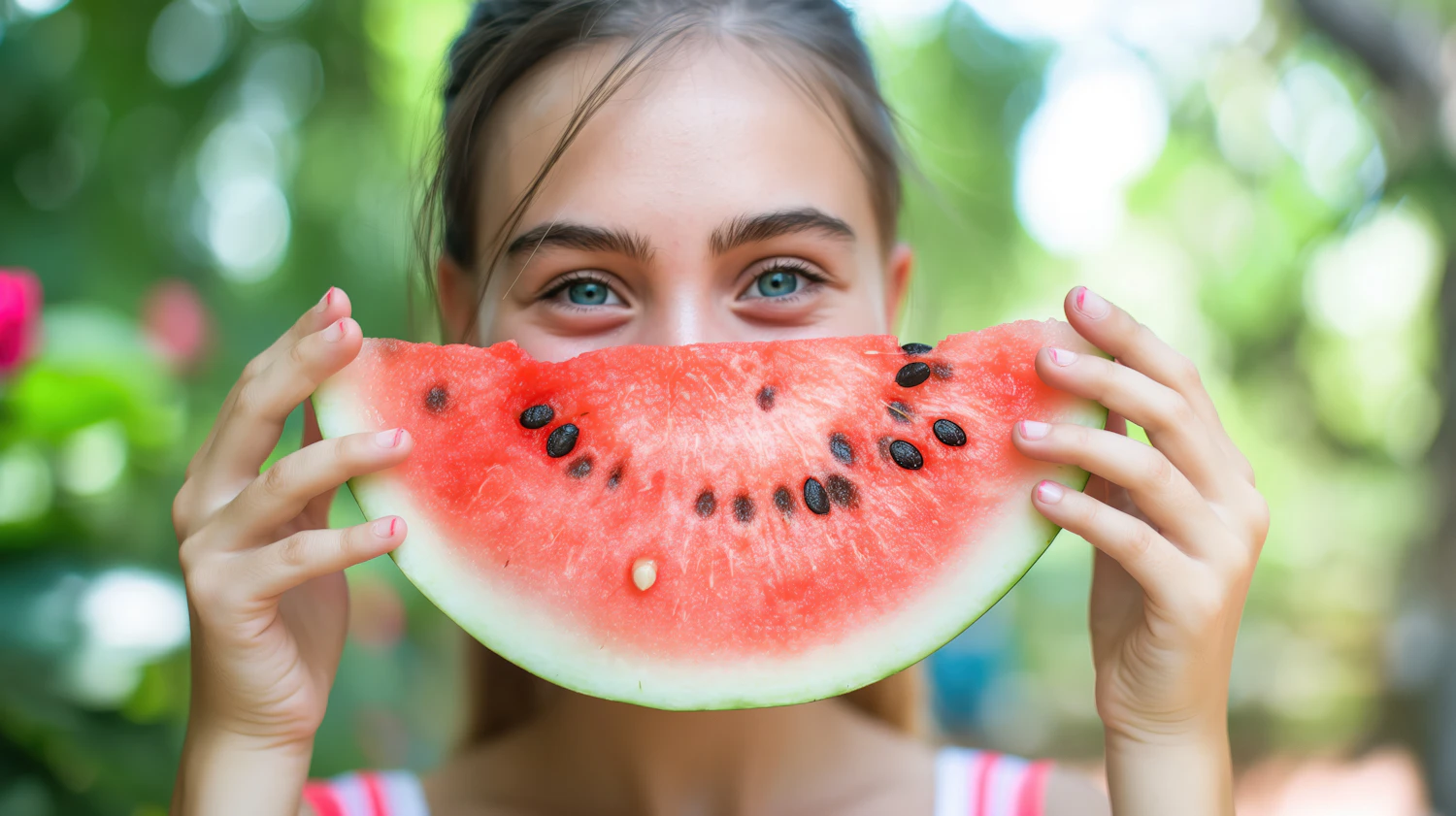
Girl Hiding Behind Watermelon Slice
Anannceemedia (Lummi)

Watermelon’s Rich Antioxidant Profile

Antioxidant Function
Vit A Promotes cell turnover and collagen production, improving skin elasticity and reducing the signs of aging.
Vit B6 Supports the skin’s natural defense system, protecting against environmental damage and free radical-induced aging.

Watermelon’s high water content makes it a great natural moisturizer. It keeps your skin hydrated and plump.

Watermelon is full of amino acids, which are key for skin health and making collagen. This boosts skin elasticity, reducing fine lines and wrinkles.

  • Hydrates and plumps the skin
  • Provides antioxidant protection against free radicals
  • Promotes collagen production for improved skin elasticity
  • Brightens and evens out skin tone
  • Soothes and calms irritated skin

DIY Watermelon Face Masks for Rejuvenation

Revitalize your skin with homemade watermelon face masks. Making your watermelon face mask is easy and fun. It’s like having a spa at home. Here are some simple recipes for different skin issues:

  • For a deep cleanse, blend watermelon, honey, and kaolin clay. Watermelon’s antioxidants and clay’s purifying properties refresh and purify your skin.
  • Mix watermelon, yogurt, and a few drops of vitamin E oil to combat dryness. The hydrating powers of watermelon and yogurt and vitamin E’s nourishing fats quench dry skin.
  • Create a mask with watermelon, lemon juice, and a touch of honey for a brightening boost. Lemon’s natural acids and watermelon’s antioxidants reveal a radiant, even-toned complexion.

Watermelon Juice Is A Refreshing Skin Toner

The water in watermelon cleanses and tones your skin. The antioxidants in it help shrink pores and balance your skin’s pH.

Using watermelon juice as a toner makes your skin feel clean, moist, and glowing.

  • Watermelon juice is gentle and safe for all skin types, even sensitive skin.
  • The natural acids in watermelon smooth out the skin, making it look even.
  • With vitamins A, C, and B6, watermelon juice feeds and brightens your skin, giving it a healthy glow.

Watermelon seeds are also provides great value for skin health.

Watermelon Seed Oil For Soft Skin

Watermelon seed oil is a hidden gem in skincare. It offers many benefits for soft, supple skin. This oil comes from the seeds of watermelon and is full of fatty acids, vitamins, and antioxidants.

Adding watermelon seed oil to your skincare cis easy. You can use it directly on your skin or mix it into serums, moisturizers, or face masks. It’s a versatile oil that can do wonders for your skin.

Watermelon for Acne-Prone Skin

If you’re fighting acne, think about adding watermelon to your skincare plan. This fruit is full of natural astringents that can help acne-prone skin. Its high water content and acidic nature tighten pores, control oil, and gently clean the skin. This reduces blemishes and breakouts.

Here are some easy ways to use watermelon for acne-prone skin:

  • Blend watermelon into a DIY face mask and apply it to clean skin, letting it sit for 10-15 minutes before rinsing off.
  • Use a few drops of watermelon seed oil as a natural astringent, gently wiping it across your face with a cotton pad.
  • Add watermelon juice to your skincare routine as a refreshing toner. It balances your skin’s pH and minimizes pores.

Remember, everyone’s skin is different. It’s important to pay attention to your skin and adjust as needed. With some trial and error, you can use watermelon to fight acne and get the glowing, healthy skin you want.

Not only is it a perfect refreshment on a hot day, but it’s also packed with beauty and health benefits that might just surprise you.

Fresh Watermelon Slices Close-Up
Anannceemedia (Lummi)

Absolutely! Watermelon is full of antioxidants that help fight off free radicals, making it a wonderful natural enhancer for healthy, glowing skin. These antioxidants reduce the signs of aging and can help keep your skin supple and radiant.

Is Watermelon Good for Acne?

Yes, it is! The natural acids found in watermelon serve as mild astringents that can help reduce oiliness and clear up acne. Its anti-inflammatory properties also soothe irritation and redness associated with breakouts.

Is Watermelon Good for Anti-Aging?

Thanks to its high antioxidant content, watermelon is a beneficial fruit for combating the signs of aging. Antioxidants like lycopene in watermelon can help reduce damage from UV light and environmental pollutants, aiding in smoother, younger-looking skin.

Can Watermelon Make Your Skin Glow?

Definitely! Watermelon hydrates and moisturizes the skin due to its high water content, which is essential for maintaining a natural, healthy glow.

Is Watermelon Rich in Collagen?

While watermelon itself isn’t a direct source of collagen, its high vitamin C content does play a crucial role in the body’s ability to synthesize collagen, which is vital for skin elasticity and strength.

Can I Eat Watermelon Every Day?

Eating watermelon every day is generally safe for most people, and its high water content can keep you hydrated and full of vitality. However, moderation is vital, as it is high in natural sugars.

Which Fruit is Best for Anti-Aging?

While watermelon is excellent, berries, pomegranates, and avocados are fantastic choices for their potent antioxidant properties and essential fatty acids that help fight the signs of aging.

Does Watermelon Have Melanin?

No, watermelon does not contain melanin but is rich in lycopene, a pigment that may help protect the skin against sun damage.

Conclusion

Watermelon contains essential vitamins, minerals, and antioxidants that nourish and revitalize the skin. Its high water content helps to deeply hydrate and plump the skin, reducing the appearance of fine lines and wrinkles.

Watermelon’s robust antioxidant profile, featuring vitamins A, C, and lycopene, acts as a shield, protecting the skin from free radical damage and premature aging. By adding watermelon to your skincare routine, you can experience its soothing, calming, and skin-improving benefits.

Watermelon-infused face masks and toners provide a refreshing and rejuvenating boost to your complexion.

Did you find this article interesting? If yes, leave a comment below.