Best Budget-Friendly Dandruff Remedies

Dealing with dandruff can be frustrating and often embarrassing, but don’t sweat it—just shampoo it! Well, sometimes. Dandruff comes in different forms, each with its causes and treatments. Whether you’re struggling with dry flakes, an oily scalp, or even scalp fungus, understanding the various types of dandruff and how to treat them is critical to finding relief. 

This post will explore the causes of dandruff and home remedies that save you a quick buck and offer practical, natural solutions to revitalize your hair and scalp. 

But before you dive into treatments, you might wonder, “Do I actually have dandruff, or is my scalp just dry?” We’ll help you differentiate between the two and guide you through what causes dandruff and how to treat it effectively. 

What is dandruff

Dandruff is a condition where the skin on your scalp sheds more than usual, leading to visible flakes of dead skin in your hair, scalp, and shoulders. The white or yellow flakes on the scalp can make your head feel itchy and uncomfortable. Many people experience this at some point in their lives. While it is not a severe health problem, dandruff can be embarrassing and annoying. It can be mild or severe, but it is usually chronic. Dandruff can often be managed effectively with proper care and treatment.

Understanding what causes dandruff and its symptoms can help you find the best ways to treat and prevent it.

Different Types of Dandruff and How to Treat Them

Dandruff is a common scalp condition that can be frustrating to manage. Did you know there are different types of dandruff, each requiring a unique approach to treatment? Understanding your dandruff type is crucial to effectively addressing the problem and achieving a healthier, flake-free scalp.

Dry Skin-Related Dandruff

Characteristics:

  • Small, white, and dry flakes
  • Often accompanied by an itchy scalp
  • Flakes are more noticeable during colder months or in dry climates

Causes:

  • Lack of moisture in the scalp
  • Cold weather
  • Over-washing the hair, stripping it of natural oils

Treatment:

  • Use shampoos designed to hydrate the scalp. Look for ingredients like aloe vera, shea butter, and glycerin.
  • Apply natural oils like coconut or olive oil to your scalp weekly. Massage the oil into your scalp and leave it on for at least 30 minutes before washing it.
  • Reduce the frequency of hair washing to avoid stripping the scalp of its natural oils.
  1. Oily Scalp-Related Dandruff (Seborrheic Dermatitis)

Characteristics:

  • Larger, yellowish, and greasy flakes
  • Red, inflamed, and oily scalp
  • It may extend to other oily areas like eyebrows, sides of the nose, and behind the ears

Causes:

  • Excessive oil production by the sebaceous glands
  • Sensitivity to a yeast called Malassezia, which feeds on scalp oils
  • Stress, hormonal changes, or certain illnesses

Treatment:

  • To control yeast and reduce inflammation, use shampoos containing ingredients like ketoconazole, selenium sulfide, or zinc pyrithione.
  • Incorporate tea tree oil into your routine by adding a few drops to your shampoo or using products containing it. Tea tree oil has antifungal properties that can help control seborrheic dermatitis.
  • Since stress can exacerbate this condition, incorporating stress-reduction techniques like meditation or yoga may help.

Fungal-Related Dandruff

Characteristics:

  • White or yellowish flakes
  • Persistent itching and irritation
  • Often accompanies an oily scalp

Causes:

  • Overgrowth of the yeast Malassezia
  • Warm and humid environments that encourage fungal growth
  • Poor hygiene or infrequent washing

Treatment:

  • Use shampoos with active ingredients like ketoconazole or selenium sulfide that target fungal growth.
  • Dilute apple cider vinegar with water and use it as a final rinse after shampooing. Its acidity helps restore the scalp’s pH balance and inhibits fungal growth.
  • Wash your hair regularly with a mild, antifungal shampoo to keep the scalp clean and reduce fungal buildup.
  1. Product Buildup Dandruff

Characteristics:

  • White or off-white flakes
  • Greasy scalp
  • Heavy, weighed-down hair

Causes:

  • Excessive use of hair styling products like gels, sprays, and mousses
  • Infrequent washing, leading to product residue buildup

Treatment:

  • Use a clarifying shampoo weekly to remove product buildup from your scalp. Avoid overuse, as it can be drying.
  • Like fungal dandruff, an apple cider vinegar rinse can help remove residue and restore the scalp’s natural balance.
  • Limit the use of heavy styling products, and choose lighter, water-based formulas when possible.

Psoriasis-Related Dandruff

Characteristics:

  • Thick, silvery-white scales that often cover the entire scalp
  • Raised, red patches of skin
  • It can extend beyond the scalp to the neck, forehead, or behind the ears

Causes:

  • An autoimmune disorder where skin cells grow too quickly, leading to a buildup of dead skin cells
  • Genetic predisposition

Treatment:

  • Use coal tar or salicylic acid shampoos to slow down skin cell production and reduce scaling.
  • For more severe cases, prescription-strength topical corticosteroids may be necessary to control inflammation.
  • Psoriasis is a chronic condition that may require a specialized treatment plan, including light therapy or systemic medication.

Identifying your dandruff type is the first step to effective treatment. By tailoring your approach to the specific cause, you can manage and even eliminate dandruff, leading to a healthier scalp and more confident you. If over-the-counter treatments don’t work or your dandruff is severe, consider consulting a dermatologist for further guidance.

Symptoms of Dandruff

Dandruff is easy to spot because of its noticeable symptoms. Recognizing these symptoms early can help you take steps to manage dandruff before it becomes more severe. Treating the condition as soon as you notice the signs can reduce discomfort and keep your scalp healthy.

  • Flaky scalp
  • Itchy scalp
  • Oily patches on the scalp
  • Redness and irritation

Difference between Dandruff and Dry Scalp

It is essential to know the difference between dandruff and dry scalp. Dandruff is often mistaken for a dry scalp, but the two differ. While a dry scalp happens because of a lack of moisture, dandruff is usually caused by an overgrowth of a yeast-like fungus called Malassezia or by having an oily scalp. The critical difference is that dandruff flakes tend to be larger and are usually accompanied by an itchy, sometimes oily scalp. 

Is Dandruff Infectious?

Dandruff is not spreadable and cannot be transmitted from person to person through direct contact or shared personal items like combs or hats. However, the condition can be uncomfortable and bothersome. If you have dandruff, managing it through proper scalp care and treatment is essential, but you do not need to worry about spreading it to others.

Can I Inherit Dandruff?

Dandruff itself is not directly inherited, but a predisposition to conditions that can lead to dandruff might be influenced by genetics. If your family members are prone to scalp issues like dandruff or seborrheic dermatitis, you may be more likely to experience similar problems due to inherited traits.

Factors such as skin type, scalp sensitivity, and susceptibility to fungal infections can have a genetic component. For example, if your family has a history of oily skin or conditions that affect the scalp, you might be more prone to developing dandruff.

While you can’t inherit dandruff directly, understanding your family’s history can help you take preventive measures and manage the condition more effectively if it does arise.

How to Get Rid of Dandruff

Getting rid of dandruff might seem challenging, but you can effectively manage and reduce it with the right approach. Here are some of the best ways to treat dandruff

Anti-Dandruff Shampoos

One of the most effective ways to combat dandruff is to use a specially formulated anti-dandruff shampoo. Look for shampoos that contain active ingredients like zinc pyrithione, selenium sulfide, ketoconazole, or coal tar. These ingredients work by reducing the fungus on your scalp, slowing down the production of skin cells, and soothing irritation. Use these shampoos regularly for the best results.

Natural Remedies for Dandruff

If you prefer natural solutions, there are several remedies you can try at home. Tea tree oil is known for its antifungal properties and can be added to your regular shampoo. Apple cider vinegar can also help by balancing the pH level of your scalp, making it harder for yeast to grow. Aloe vera, with its soothing properties, can reduce itchiness and irritation.

Home Remedies for Dandruff

In addition to natural oils and treatments, you can use everyday household items to treat dandruff. Baking soda, for example, can act as a gentle exfoliant, helping to remove dead skin cells and reduce flakes. You can also try a coconut oil massage to moisturize your scalp and relieve dryness.

Best Dandruff Shampoos

Finding the best dandruff shampoo can make a big difference. Choose a shampoo based on your specific needs—whether you have an oily or dry scalp or mild or severe dandruff. For instance, shampoos with ketoconazole are highly effective for severe dandruff, while those with salicylic acid can help with flake removal.

Key ingredients to look for in shampoo:

  • Zinc pyrithione
  • Selenium sulfide
  • Ketoconazole
  • Coal tar
  • Tea tree oil
  • Sulfur
  • Salicylic acid

Regular Hair Care Routine

Consistency is vital in managing dandruff. Wash your hair regularly with an anti-dandruff shampoo, and avoid using harsh hair products that can irritate your scalp. Ensure that you rinse thoroughly to remove any product buildup contributing to dandruff.

Following these tips and treatments can significantly reduce dandruff and enjoy a healthier scalp. Finding the best solution for you might take some time, but with persistence, you’ll see improvements.

Conclusion

Dandruff may be a common issue, but it doesn’t have to be permanent. By understanding dandruff, identifying its causes and symptoms, and using the right treatments, you can effectively manage and reduce this condition.

Did you find this article helpful? Leave a comment below.

 

Importance of Clean water

Clean water is safe for drinking, cooking, bathing, and other everyday uses. Access to clean water is essential for life. Without it, we cannot survive, stay healthy, or maintain basic hygiene.

I am fortunate enough to live in a building with clean water, but sadly, this is not a reality for some Africans. Many people buy water from dirty sources, which leads to infections like typhoid and cholera.

Water is essential for human health, sanitation, and economic development. It is at the core of sustainable development and plays a key role in reducing poverty, promoting health, and ensuring environmental sustainability.

Free Person Cleaning Hands under Water Stock Photo

Access to clean water remains a significant global challenge. About 2.2 billion people globally lack access to safely managed drinking water services. 4.2 billion people lack safely managed sanitation services, directly impacting water quality and putting people at risk of severe health issues.

Waterborne diseases, predominantly affecting children, are reported to result in over 1.5 million deaths each year. This blog post outlines the significance of clean water while offering insights into the challenges and actionable solutions.

How to identify clean water

Clean water should be clear, odorless, and free from particles. However, some harmful substances are invisible, so testing water with a certified kit or relying on treated sources is crucial. Even if water looks clean, it might still contain harmful bacteria or chemicals that can cause health problems. Clean water is not just about having enough water; it is about ensuring it is safe and accessible everywhere.

Free Water Pouring on Pipe Stock Photo

Importance of Clean Water

Clean water is free from harmful contaminants such as pathogens, chemicals, heavy metals, and waste products. Access to clean water reduces the incidence of waterborne diseases like cholera, dysentery, and typhoid.

Sanitation and Hygiene

Clean water is vital for maintaining hygiene. It allows people to wash hands, clean food, and maintain sanitary conditions, which is crucial in preventing infections.

Economic Impact

Clean water supports agriculture, industry, and energy production. Water scarcity or pollution can lead to economic downturns in affected regions.

Ecosystems

Healthy aquatic ecosystems rely on clean water. Pollution and contamination can disrupt ecosystems, harm wildlife, and reduce biodiversity.

Free People on a Lakeshore Rowboat Stock Photo

Waterborne Diseases

Waterborne diseases are illnesses caused by microorganisms transmitted through contaminated water. Drinking or coming into contact with water polluted with harmful pathogens like bacteria, viruses, and parasites can cause diseases. These diseases are a significant public health issue, particularly in regions with limited clean water, proper sanitation, and hygiene practices. They can affect anyone but are especially dangerous for children, the elderly, and people with weakened immune systems.

Some common waterborne diseases include:

  • Cholera
  • Typhoid Fever
  • Dysentery
  • Hepatitis A
  • Hepatitis E
  • Giardiasis

How Do Waterborne Diseases Spread?

Waterborne diseases spread when people consume or come into contact with water contaminated by human or animal feces. This contamination can occur in various ways:

Free The Hands Stock Photo

Poor sanitation

Waste can mix with drinking water sources in areas where sewage systems are lacking or inadequate.

In many developing countries, people are forced to defecate in the open due to the lack of toilets, leading to the contamination of nearby water bodies.

Polluted water sources

Rivers, lakes, and wells can become polluted by agricultural runoff, industrial waste, or untreated sewage.

In places without proper water treatment facilities, people rely on untreated water from wells, streams, or rivers, which can harbor dangerous pathogens.

How To Prevent Waterborne Diseases

Preventing waterborne diseases requires clean water, proper sanitation, and good hygiene practices.

  • Access to clean water
  • Improved sanitation
  • Hygiene education
  • Household water treatment.
  • Vaccination

How To Purify Water?

Getting clean water involves removing contaminants and making it safe to drink. Different methods are used to clean water depending on the location and resources available. Here are five common ways to clean water and ensure it is safe:

Boiling

Boiling water is one of the simplest and most effective ways to make it safe. Harmful bacteria, viruses, and parasites are killed by heating water to a rolling boil for at least one minute. This method is often used in emergencies or where other treatments are not available.

Filtration

Water filters commonly remove impurities like dirt, sand, and harmful organisms. Filters can range from simple household devices to complex systems purifying large water volumes. Some advanced filters even remove heavy metals and chemicals.

Chlorination

Chlorine is added to water to kill bacteria and viruses. It’s a standard method used in municipal water treatment plants. Chlorination is also used in many developing countries because it’s affordable and effective. However, it must be carefully managed to avoid adding too much chlorine, which can be harmful.

UV light treatment

Ultraviolet (UV) light disinfects water by inactivating harmful microorganisms. This method is becoming popular in both developed and developing regions because it’s effective and doesn’t add chemicals to the water. Portable UV devices are also available for individual use during travel or camping.

Reverse osmosis

This method pushes water through a special membrane that blocks contaminants, including salt, bacteria, and heavy metals. Reverse osmosis is commonly used in desalination plants to turn seawater into drinkable water. It’s also used in homes for extra purification, especially in areas with poor water quality.

Free Young woman with hair wrapped with towel and bared shoulders drinking water and looking at camera Stock Photo

Benefits of Drinking Clean Water

Drinking clean water is essential for overall health and well-being. Ensuring consistent intake of clean water is one of the simplest yet most effective ways to enhance health and prevent disease.

Boosts Physical Performance and brain function

Proper hydration contributes to optimal physical performance. Insufficient hydration can impact concentration, alertness, and short-term memory, and it may also increase the frequency of headaches.

Helps in Digestion and Detoxification

Water aids digestion by dissolving fats and soluble fiber, allowing these substances to pass through more easily. Additionally, water helps flush out waste products from the body, aiding in liver and kidney function and preventing constipation.

Improves Skin Health

Proper hydration can help keep your skin hydrated and may contribute to a healthy glow and elasticity. It can also help reduce the signs of aging.

Facilitates Nutrient Absorption

Water is essential for dissolving nutrients and minerals and making them accessible to the body. It also helps transport these nutrients to different organs.

Prevents Overall Dehydration

Chronic dehydration can lead to more severe health issues such as kidney stones, hypertension, and impaired cognitive function.

Conclusion

Clean water is a basic human right and crucial for life, health, and the environment. Although there are many challenges, from pollution to climate change, we can make a difference by being mindful of our water usage and supporting efforts to provide clean water and sanitation to everyone.

Ensuring that everyone has access to clean, safe, and affordable water is not only a matter of health but also of fairness, dignity, and justice. Together, we can help create a world where everyone can access safe and clean water.

Did you find this article interesting? Give us a like and share with your friends.

Celebrating Seniors

Senior citizens are those aged 65 years and above. They are also regarded as older persons or the elderly. It is projected that by 2050, older people will constitute about 17% of the world population (1.6 billion).

Free Smiling Man and Woman Wearing Jackets Stock Photo

Women tend to live longer than men and thus comprise the majority of older persons. Since people born after 2021 are expected to live 25 years longer than those born in the 1950s, there will be a significant number of elderly in our societies by 2100.

Senior citizens have lived through various eras, adapting to changes and witnessing history unfold. They are our grandparents, parents, neighbors, and mentors.

Senior citizens play vital roles in society, sharing wisdom, guiding younger generations, and contributing meaningfully to communities. They often preserve traditions, family stories, and cultural knowledge that connect us to our past.

Purpose and Significance of Senior Citizens Day

Older People’s Day is a day to honor elderly citizens and express gratitude for their contributions to society. We appreciate and respect older people’s lifetime contributions to families, communities, workplaces, and culture.

Free Close-Up Photo of an Old Woman Wearing Red Knit Cap Stock Photo

The day focuses on raising awareness of issues affecting older people and addressing their challenges, needs, and rights. It encourages initiatives to support the well-being of the elderly, provide better care, and promote healthy aging. It calls for community involvement and better policies that ensure seniors live with dignity.

The day reminds us of senior citizens’ wisdom, experience, achievements, and contributions. Various events and activities are organized worldwide to recognize the importance of older people.

Free Photo Of Old Man Wearing Sun Hat Stock Photo

1. Listen and Engage

Take the time to listen to their experiences and stories. Engaging in conversation shows that you value their life experiences and wisdom. When they speak, listen without interrupting. Being present in the conversation shows that you value their thoughts and feelings.

2. Provide Support and Assistance

Assist with tasks that may be challenging for them, such as grocery shopping, cooking, household chores, or transportation to appointments.

When offering help, ask if they would like assistance first. Please don’t make assumptions about their needs or desires. Instead, ask open-ended questions and let them guide the conversation.

3. Promote Their Well-being

Facilitate opportunities for them to stay connected with friends and family, which helps combat loneliness and maintains their social engagement.

4. Validate Their Experiences

Acknowledge and celebrate their past achievements and experiences. This shows that you appreciate their life journey and contributions to society.

5. Be Mindful of Their Physical and Emotional State

Adapt your communication and interaction style to their physical needs, such as speaking clearly if they have hearing loss or offering a comfortable seat. Be sensitive to their feelings of loneliness, loss, or frustration. Provide emotional support and companionship.

6. Show Empathy and Compassion

Understand and empathize with the physical, emotional, and social changes they may face. Be a source of comfort and emotional support, constantly reassuring and understanding.

Ideas for Celebrating Senior Citizens Day

Senior Citizens Day is a beautiful opportunity to show appreciation and respect for the older adults in our lives. Here are some meaningful ways to celebrate and make a difference:

  • Spend quality time together
  • Volunteer and Support Local Organizations
  • Make them happy
  • Advocate for Senior Issues
  • Simple Acts of Kindness
  • Advocate for rights
  • Learn

Inspirational Quotes

Let’s use this opportunity to honor them with words that recognize their importance and express our gratitude for their enduring presence.

You can use these quotes creatively on social media as captions for pictures with your grandparents or older relatives, visually appealing graphics, or even short video clips featuring senior citizens sharing life advice.

Sharing quotes and messages on Senior Citizens Day is a simple yet powerful way to celebrate the older adults who have shaped our world.

  • “The beauty of life lies not in how young you are, but in how much wisdom you’ve gained along the way.”
  • “Growing old is a privilege that not everyone gets to experience. Celebrate each year with grace.”
  • “The wisdom of the elderly is like a lighthouse guiding us through life’s roughest storms.”
  • “The greatest gift we can give our elders is our time, love, and respect.”
  • “Happy Senior Citizens Day! Thank you to all the seniors who continue to inspire us with their wisdom and love.”
  • “Here’s to the people who have lived through so much and still smile warmly. Your experience and knowledge are treasures to us all. Happy Senior Citizens Day!”

Do you love working with seniors? Here are some fun reasons why working the senior citizens can be a good idea.

  • You can form meaningful relationships
  • You get to work with people with wisdom and experience
  • You will have a positive impact
  • Working with senior citizens can help you through your journey of self development
  • There are diverse careers in working with senior citizens
  • You are part of a loving community
  • Jobs in this field are secure and provide stable income
  • You can use your creativity to enhance the quality of life of seniors
  • The work schedules are often flexible
  • You make life long memories with the seniors

Conclusion

World Senior Citizens Day is a valuable occasion to recognize and honor the older adults who have shaped our lives and communities with their wisdom, experiences, and contributions. This day invites us to reflect on the importance of treating seniors with dignity and respect, celebrating their achievements, and supporting their well-being.

We can make a meaningful impact by spending quality time with seniors, volunteering, advocating for their needs, and sharing uplifting messages. Let’s use this day to acknowledge seniors’ invaluable role in our lives and commit to ongoing respect and appreciation for our senior citizens.

Did you find this article interesting? If so, please send it to someone you think would find value in this blog, and remember to show old people love every day.

Surprising Ways To Use Breast Milk You Never Knew

White woman carrying her baby, about to breastfeed her child breastmilk
Breastmilk is often called “liquid gold” because it’s so valuable. It’s not just for feeding babies. As a breastfeeding mom, you can use it in many new and exciting ways. This article will show you how to use breastmilk in recipes, skincare, and more.
Breastmilk is not just for babies. It can be used in many tasty recipes for the whole family. Try making breastmilk pancakes or smoothies to see how versatile they are.
Free Mother Breastfeeding her Baby Stock Photo

Nourishing Breastmilk Pancakes

Begin your day with breastmilk pancakes that are both filling and delicious. Breastmilk’s natural sweetness makes pancakes extra tasty. Just swap out regular milk for breastmilk in your recipe for a meal that’s good for you and comforting.

Creamy Breastmilk Smoothies

Make a breastmilk smoothie that’s full of vitamins and minerals. Mix breastmilk with fruits, greens, yogurt, or nut butter for a smooth, creamy drink. These smoothies are perfect for a quick snack or a light meal.
Using breastmilk in baking adds a special touch. Its natural fats and sugars make baked goods rich and indulgent. Everyone will love these homemade goodies.
“Breastmilk is nature’s perfect food, and it’s amazing how versatile it can be in the kitchen. Incorporating it into recipes opens up a whole new world of culinary possibilities.”

Soothing Breastmilk Skincare Solutions

Breastmilk is more than just food for your baby; it’s also great for your skin. It’s a natural way to make your skin soft and healthy. You can use it to make breastmilk lotions or treat skin problems.
Many use breastmilk to help with eczema, diaper rash, and sunburns. Its antibacterial and anti-inflammatory properties soothe and heal the skin. Just put a few drops on the affected area for quick relief.
You can also add breastmilk to homemade skincare products. Mix it with coconut or jojoba oil to make a breastmilk lotion. This lotion hydrates and calms your skin, and breast milk’s proteins, fats, and vitamins nourish and revitalize it.
“Breastmilk has been used for centuries as a natural remedy for various skin ailments. Its unique composition makes it a versatile and effective ingredient in homemade skincare solutions.”
Are you looking to soothe your skin or get a healthy glow? Breastmilk is a powerful option. Use it in your skincare routine for a natural, nourishing effect.

Breastmilk pumping for Mom’s Lactation

As a nursing mom, you know how vital a healthy breast milk supply is. Keeping up a healthy breast milk supply can be challenging. Luckily, there are natural ways to help. Foods and herbs called galactagogues can boost milk production.

Lactation-Friendly Snacks and Meals

Begin your day with a breastmilk-boosting breakfast like oatmeal, flaxseed, and nuts. For snacks, try lactation cookies, granola bars, or smoothies with fenugreek, blessed thistle, and brewer’s yeast. Choose lunch and dinner meals full of milk production-enhancing foods, like leafy greens, salmon, and chickpeas.

Herbal Supplements for Nursing Moms

You can also consider herbal supplements made for nursing moms. Fenugreek, fennel, and moringa are great options for naturally increasing breastmilk supply. But talk to your healthcare provider before starting any new supplements, especially if you have health issues.
“Incorporating galactagogues into your daily routine is a simple and effective way to boost your breastmilk production without resorting to more drastic measures.”
Using galactagogues can help your baby get the nutrients it needs, reduce sugar cravings, and support milk production. Try different lactation-boosting foods, herbs, and supplements to see what’s best for you and your family.

Breastmilk for Infant Massage and Skincare

Breastmilk can also soothe and hydrate your baby’s skin. It’s full of natural antibodies, vitamins, and nutrients, making it a great choice for many infant skincare needs.
Try massaging a few drops of breastmilk on your baby’s skin. It can help with diaper rash, eczema, or dry patches. The breastmilk soothes quickly and helps keep skin healthy and glowing. You can mix it with things like shea butter or coconut oil for extra moisture.
Put a thin layer of breastmilk on your baby’s skin for a calming massage. Then, rub it in with circular motions. This not only feeds the skin but also strengthens your bond. Breastmilk is safe and effective because of its antibacterial and anti-inflammatory properties.
Breastmilk is a natural, cheap, and easy way to soothe or moisturize your baby’s skin. This liquid gold can keep your baby’s skin soft, smooth, and healthy.

Freezing and Storing Breastmilk for Later Use

As a busy mom, pumping and storing extra breastmilk is a big help, especially when you’re heading back to work. It’s essential to know how to freeze and store your breastmilk right. This way, you’ll have it ready when you need it. Let’s look at the best ways to keep your breastmilk fresh and robust.
Free Newborn Baby Breastfeeding Stock Photo

Proper Breastmilk Storage Techniques

Storing breastmilk correctly is crucial for keeping its nutrients and preventing germs. Here are some essential tips:
  • Clean, BPA-free containers for breastmilk storage, such as glass or hard plastic bottles, are good choices.
  • Leave some space in the container for the milk to expand when it freezes.
  • Write the date the milk was pumped and the amount in each container.
  • Freeze the milk flat, then stack or store it upright once it’s frozen solid.
  • Keep freshly pumped milk in the fridge for up to 4 days before freezing it.
  • Frozen breastmilk can last up to 12 months in a deep freezer.

Storage location and duration

  • Room temperature (66-72°F) 4-6 hours
  • Insulated cooler with ice packs 24 hours
  • Refrigerator (39°F or colder) 4 days
  • Freezer (0°F or colder) 6-12 months
Start with small amounts of breastmilk when freezing, especially if you’re new. This will help you thaw and use only what you need without wasting any precious milk.

Dealing with Oversupply and Engorgement

Having a large breastmilk supply can be both good and tough. It’s great to have plenty of milk, but it can also cause problems like engorgement. Luckily, you can try some home remedies to help.

Natural Remedies for Relief

Using cold cabbage leaves on your breasts can help with engorgement. The cold can reduce swelling and ease discomfort. You can also try warm compresses or a warm shower to help with let-down and ease the pressure.
Pumping moms might find relief by hand-expressing a bit of milk before feeding or pumping. This softens the breasts and makes feeding easier for your baby. Wearing a supportive nursing bra can also be comforting and help prevent further engorgement.
If you have too much milk, try block feeding by limiting feeding time on each breast. This can help manage your breastmilk supply and avoid engorgement. Relaxing with deep breathing or meditation can also help reduce stress, which can lead to an oversupply.
It is critical to listen to your body and try different methods to see what works for you and your baby. With patience and the proper remedies, you can ease the discomfort and enjoy your breastmilk supply.

Pumping and Breastfeeding While Working

Returning to work doesn’t mean you must stop breastfeeding and pumping. With the right tools and strategies, you can keep giving your baby the benefits of breastmilk even at work. As a pumping mom, you can make returning to work easy and smooth.
Keeping your breastmilk supply strong is critical. Get a top-quality Medela pump and pump several times a day. Try to pump as often as your baby would nurse, usually every 2-3 hours. This keeps up with your baby’s needs and keeps your supply strong.
Remember to take care of yourself, too. If possible, try breastfeeding your baby at work, drink plenty of water, wear clothes that are easy to nurse in, and find a private spot to express milk.

Conclusion

Breastmilk is genuinely impressive, offering more than just nutrition for your baby. It’s great for recipes, remedies, and even special treats. You can use it to boost your supply, soothe your skin, or enjoy a unique snack.

This article showed how versatile breastmilk is. It’s suitable for making pancakes, smoothies, and even skincare solutions. Breastmilk goes beyond just feeding your baby; it offers many health benefits .As you keep breastfeeding, try new things with your breastmilk.

Did you find this article helpful? Leave a comment below

Cervical Cancer Screening

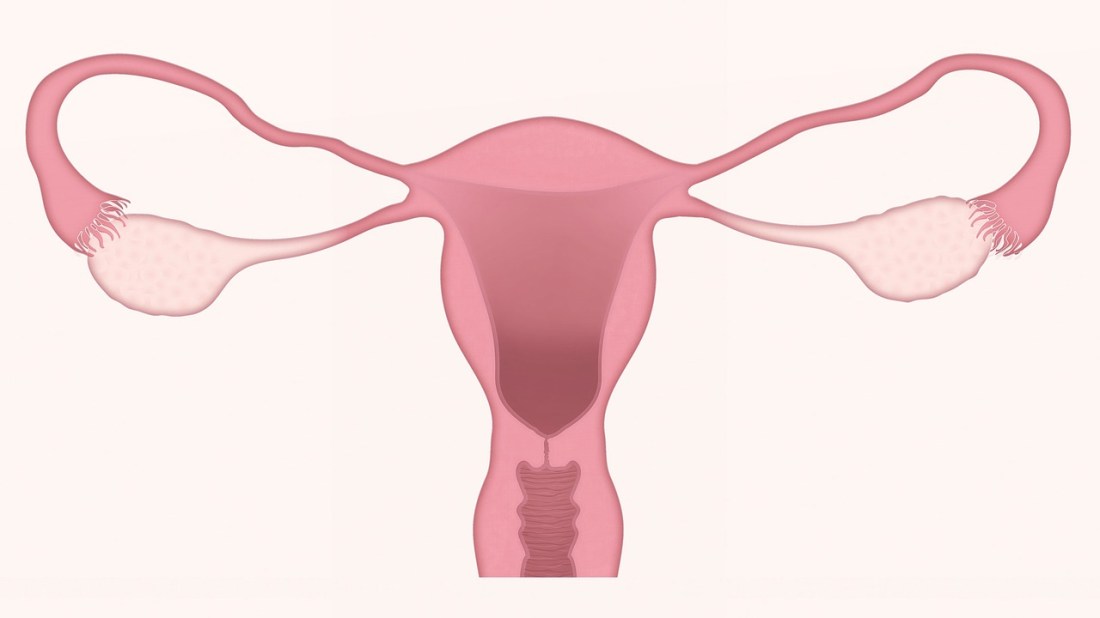
Picture of the female reproductive system

One of my role models, Doctor Egemba Chinonso Fidelis (Aproko Doctor), recently held a cervical cancer screening event. He screened thousands of women for free and was able to identify some women who had precancerous lesions.  If these women had not done the screening, there is a big chance that they would have developed cervical cancer.

To mark the Cervical Cancer Month, Giving.ng Partners with The 100k Club to Offer Free Screening to Over 400 Women in Lagos | BellaNaija
Photo credit: BellaNaija

I was inspired by the outreach and decided to write about cervical cancer screening. This article will discuss cervical cancer and the importance of screening.

Cervical cancer is a significant health concern for women worldwide. It develops silently and only shows symptoms in the later stages. By the time the cancer gets to the later stages, it becomes difficult to treat and can lead to death. Fortunately, with advancements in medical technology and widespread awareness, cervical cancer is largely preventable and treatable if detected early.

If we can identify abnormal changes in cervical cells before they turn cancerous, we can save lives. Screening tests like the Pap smear and HPV testing have helped so many women.

What is Cervical Cancer

Every woman has a cervix. It is like the door to the uterus. It is the lower part of the uterus that connects to the vagina. In cervical cancer, there are abnormal cells in the cervix growing uncontrollably. Cervical cancer is the fourth most common cancer in women worldwide.

Many cervical cancer cases are linked to persistent infection with high-risk types of human papillomavirus (HPV). HPV is a common sexually transmitted infection. However, not all HPV infections lead to cervical cancer; the body’s immune system often clears the virus on its own. This means that if you are sexually active, you might be at risk.

Risk Factors for Developing Cervical Cancer

Several factors can increase a woman’s risk of developing cervical cancer, including:

  • HPV types 16 and 18 infection
  • Smoking
  • Weakened Immune System
  • Long-term Use of Oral Contraceptives
  • Multiple Full-term Pregnancies
  • Early Sexual Activity and Multiple Sexual Partners

How Serious is Cervical Cancer?

Cervical cancer is classified into stages based on how far the cancer has spread. These stages help determine the treatment plan and determine the seriousness of the disease

Stages of Cervical Cancer

Stage I: Cancer is confined to the cervix. It is often highly treatable and has a good prognosis.

Stage II: Cancer has spread beyond the cervix to nearby tissues, such as the upper part of the vagina or the pelvic wall. Treatment may involve surgery, radiation, or chemotherapy.

Stage III: Cancer has spread to the lower part of the vagina, pelvic wall, or lymph nodes. It is more challenging to treat and may require a combination of treatments.

Stage IV: Cancer has spread to distant organs, such as the bladder, rectum, or other parts of the body. This stage is considered advanced and requires comprehensive treatment strategies.

Survival rates for cervical cancer depend on several factors, including the stage at diagnosis, the patient’s overall health, and the effectiveness of treatment. Early-stage cervical cancer has a higher survival rate compared to advanced stages.

Can You Live 10 Years After Cervical Cancer?

Yes, many women live long and healthy lives after a cervical cancer diagnosis, especially if the cancer is detected and treated early. Advances in treatment and early detection have improved long-term survival rates. Regular follow-up care and monitoring are essential for managing health and detecting potential recurrence.

What Are the Five Warning Signs of Cervical Cancer?

As the cervical cancer progresses, several warning signs may indicate the presence of the disease. Here are five key symptoms to watch for:

One of the most common signs of cervical cancer is abnormal bleeding. This can include:

  • Bleeding between periods
  • Spotting or bleeding after sexual intercourse
  • Bleeding after menopause
  • Heavier or more extended menstrual periods than usual

If you experience any of these types of bleeding, it is crucial to consult a healthcare provider to determine the cause.

Other warning signs to look out for include:

  • Pelvic pain
  • Pain during intercourse
  • Abnormal vaginal discharge
  • Pain during urination

While these symptoms can be caused by conditions other than cervical cancer, it’s essential to take them seriously and consult a healthcare provider for further evaluation.

Cervical Cancer Screening

Cervical cancer screening is critical in detecting abnormalities early before they develop into cancer. There are different methods used to check for cervical cancer.

Pap Smear (Papanicolaou Test)

The Pap smear is the most commonly known and widely used screening test for cervical cancer. A healthcare provider collects cells from the cervix during this procedure using a small brush or spatula. These cells are then examined under a microscope for abnormal changes.

HPV Testing

HPV testing involves checking for the presence of high-risk HPV types that are most likely to cause cervical cancer. This test can be done alone or in combination with a Pap smear.

For women aged 30-65, HPV testing is usually done every five years if the results are negative.

Visual Inspection with Acetic Acid (VIA)

VIA is a screening method used in some low-resource settings due to its simplicity and cost-effectiveness. It involves applying acetic acid (vinegar) to the cervix to identify abnormal areas that turn white.

VIA can be used as an alternative screening method in areas where other tests are unavailable.

Colposcopy

Colposcopy is a follow-up procedure used when a Pap smear or HPV test shows abnormal results. It involves a detailed examination of the cervix using a colposcope, a unique instrument with a magnifying lens and light.

Cervical Biopsy

A cervical biopsy involves removing a small sample of tissue from the cervix to be examined for cancerous or precancerous cells. This procedure is usually done after an abnormal Pap smear or HPV test.

Goal of  Cervical Cancer Screening

The primary goal of cervical cancer screening is to identify abnormal cells or infections early. This allows doctors to find precancerous changes or early-stage cancer before symptoms develop. It is possible to treat or reverse some precancerous lesions and the development of invasive cervical cancer.

Screening Guidelines

Screening guidelines vary based on age, health history, and other factors. Generally recommended guidelines include:

  • Women Aged 21-29: Pap smear every three years.
  • Women Aged 30-65: Pap smear combined with HPV testing (co-testing) every five years or Pap smear alone every three years.
  • Women Over 65: Screening may be discontinued if they have had consistent negative results in the past and are not at high risk.

The frequency of screening depends on the method used and age group:

  • Pap Smear Alone: Typically every three years.
  • HPV Testing Alone or with Pap Smear (Co-Testing): Every five years for women aged 30-65.
  • VIA: Frequency depends on the program and availability but is often used in areas with limited access to other methods.

Tips to know before you go for your screening

It is essential to avoid these things because they can affect the accuracy of the test results.

  • Avoid Intercourse 24-48 hours before the test.
  • Do not use vaginal douches, tampons, or spermicides before the screening.
  • Try to schedule the test when you are not menstruating.

What to Do Before Cervical Screening?

Proper preparation for cervical screening can help ensure accurate results and make the procedure as comfortable as possible. Here are some critical steps to take before your cervical screening appointment

Understand the Procedure

Familiarize yourself with the cervical screening procedure. Understanding the steps involved and what to expect can help alleviate anxiety and prepare you mentally.

If you have any concerns or questions about the procedure, don’t hesitate to ask your healthcare provider before the screening. They can provide information and address any worries you might have.

Be comfortable

Wear loose, comfortable clothing to your appointment. During the procedure, you may need to remove clothing from the waist down so that easy-to-remove clothing can make the process smoother.

Try to relax before and during the screening. Stress and tension can make the procedure feel more uncomfortable. Deep breathing exercises or visualization techniques can help ease anxiety.

Is Cervical Screening Painful?

You can feel slight discomfort during the  Pap smear or Pap test, but it shouldn’t be painful.

Most women experience mild discomfort during the procedure. This discomfort is often described as a brief, pressure-like sensation as the healthcare provider inserts a speculum to access the cervix and collects cells for examination. This feeling is usually short-lived.

However, actual pain is uncommon. Some women might experience slight cramping or soreness similar to menstrual cramps, but this is typically temporary and resolves quickly after the test.

Some women might experience mild cramping or spotting after the test. These symptoms are usually brief and resolve within a day or two.

Conclusion

Cervical cancer screening is a vital tool in the fight against cervical cancer, offering early detection and prevention opportunities that can significantly impact outcomes and survival rates. By understanding the screening methods, potential risks, and the importance of regular check-ups, women can take proactive steps to protect their health.

Regular cervical screening, including Pap smears and HPV testing, plays a crucial role in identifying abnormal cells or infections before they develop into more serious conditions. While the procedure may involve some mild discomfort, the benefits of early detection far outweigh the temporary unease.

If you have any questions or concerns about cervical screening, don’t hesitate to consult your healthcare provider.

Did you find this article helpful? Please give us a like and leave a comment.

Elder Abuse Awareness

old couple, man is holding flowers and the woman is smiling

Free Delighted female relatives sitting together on wooden bench in park and browsing mobile phone while learning using Stock Photo

Abuse comes in different shapes and forms.

Elder abuse is a serious issue that is affecting millions of seniors worldwide, yet it often goes unnoticed and unreported. According to the World Health Organization, about 1 in 6 people aged 60 years and older experienced some form of abuse in community settings during the past year.

These staggering statistics highlight the urgent need for greater awareness and proactive measures to protect our elderly population.

This blog will talk about the different forms of elder abuse, help you recognize the warning signs, and provide practical steps for prevention and intervention. 

What is Elder Abuse?

Elder abuse encompasses a range of harmful behaviors directed at seniors, typically by someone in a position of trust or authority. Understanding the various forms of elder abuse is crucial in identifying and preventing it. Here are the primary types of elder abuse:

Physical Abuse

Physical abuse involves using force that may result in bodily injury or pain. This includes hitting, slapping, pushing, or misusing restraints. Signs of physical abuse can include bruises, broken bones, and other unexplained injuries.

Emotional Abuse

Emotional or psychological abuse means causing emotional pain or distress. This can include verbal assaults, threats, harassment, or isolation from friends and family. Victims may exhibit signs such as withdrawal, anxiety, or depression.

Financial Abuse

Financial abuse is the illegal or improper use of an elder’s funds, property, or assets. This can involve forging signatures, stealing money or possessions, or coercing the elder into signing financial documents. Indicators include sudden changes in financial situations, unpaid bills, or missing belongings.

Sexual Abuse

Sexual abuse involves non-consensual sexual contact of any kind with an elder. This can include unwanted touching, sexual assault, or coerced nudity. Signs of sexual abuse may be bruising around the genitals, unexplained infections, or torn clothing.

Neglect

Neglect is failing to fulfill a caregiver’s duty to provide necessary care, resulting in harm or distress to the elder. This includes withholding food, medication, or personal care. Indicators of neglect include malnutrition, untreated medical conditions, and poor hygiene.

Abandonment

Abandonment occurs when a caregiver deserts an elder, leaving them without necessary care or supervision. This is especially dangerous for elders who cannot care for themselves and may result in severe physical and emotional consequences.

How to recognize signs of elder abuse

It can be challenging to identify elder abuse, as the signs may be subtle and easily overlooked. However, being vigilant and aware of the potential indicators can make a significant difference in recognizing and addressing abuse early.

Here are some key signs to look out for:

Physical Signs

  • Unexplained Injuries
  • Fractures or Sprains
  • Burns or Abrasions
  • Weight Loss

Emotional and Behavioral Signs

  • Withdrawal
  • Depression or Anxiety
  • Fearfulness
  • Changes in Sleeping Patterns

Financial Signs

  • Unusual Transactions
  • Missing Belongings
  • Unauthorized Changes
  • Unpaid Bills

Signs of Neglect

  • Poor Hygiene
  • Unsafe Living Conditions
  • Untreated Medical Issues

Psychological Signs

  • Confusion or Disorientation
  • Stress Responses

Stories about elder abuse

Free Woman Standing Near Galvanized Steel Stock Photo

Susan has dementia, and she began to show signs of anxiety and fear whenever her new caregiver was around. Family members notice unexplained bruises on her arms and legs.

Free Man Wearing Gray and Brown Hat With Eyeglasses Stock Photo

 Richard lives alone and receives frequent visits from a new “friend,” who subsequently gains control over his finances. Family members notice large, unexplained withdrawals from his bank account.

Causes and Risk Factors of Elder Abuse

Elder abuse can stem from a variety of causes and risk factors, making seniors more vulnerable to mistreatment. Understanding these underlying causes and recognizing the risk factors can help in preventing abuse and ensuring the safety of older adults.

Common Causes of Elder Abuse

Caregiving can be demanding and stressful, particularly for individuals not adequately trained or supported. The stress and frustration of caregiving can sometimes lead to abusive behaviors, either intentional or unintentional. Caregivers who lack adequate social support or respite care may become overwhelmed, leading to neglect or abuse.

Another reason is the financial difficulties faced by caregivers or family members. These difficulties can drive them to exploit an elder’s financial resources, including stealing money, manipulating wills, or coercing elders into financial transactions.

Furthermore, caregivers or family members who abuse drugs or alcohol are more likely to exhibit abusive behaviors. Substance abuse can impair judgment, increase aggression, and decrease the ability to provide proper care. Some caregivers or family members with untreated mental health issues may struggle to manage caregiving responsibilities, potentially leading to abusive actions or neglect.

Risk Factors for Elder Abuse

  • Cognitive Impairment
  • Social Isolation
  • Physical Disabilities
  • Living with Abusers
  • Dependency
  • Previous History of Domestic Violence

How to Prevent Elder Abuse

Preventing elder abuse requires a multifaceted approach involving family members, caregivers, community organizations, and legal measures. Here are practical steps and strategies to help prevent elder abuse:

 Tips for Family Members and Caregivers

  • Regular check-ins
  • Encourage elders to stay connected with friends, neighbors, and community groups to reduce social isolation
  • Utilize respite care services to give primary caregivers regular breaks
  • Educate yourself and other family members about the signs of elder abuse and the appropriate ways to respond.
  • Training caregivers on proper caregiving techniques and stress management can also be beneficial
  • Encourage open communication

What to Do If You Suspect Elder Abuse

If you suspect that an elder is being abused, it is crucial to take immediate and appropriate action. Here are the steps to follow:

  • Document the evidence by keeping detailed records
  • Communicate your concerns by reaching out to the caregiver and the elder
  • Contact the authorities

How to support victims of elder abuse

 Supporting victims of elder abuse involves addressing their immediate needs, ensuring their safety, and providing ongoing emotional, legal, and financial support. Here are essential steps to effectively support elder abuse victims:

  • If the elder is in immediate danger, call 911 or local emergency services.
  • Ensure that they are removed from the abusive situation and placed in a safe environment
  • Arrange for a thorough medical examination to treat any physical injuries and document evidence of abuse
  • If the elder needs a safe place to stay, contact local shelters or emergency housing services or arrange temporary accommodations with trusted family or friends

Conclusion

Elder abuse is a pervasive issue that affects millions of older adults worldwide, often going unnoticed and unreported. By raising awareness, educating ourselves and others, and taking proactive measures, we can play a crucial role in combating this serious problem. Understanding the different forms of elder abuse, recognizing the warning signs, and knowing the causes and risk factors are essential steps in preventing and addressing abuse.

Taking action when elder abuse is suspected, supporting victims through their recovery, and advocating for more robust protections are vital components of our collective responsibility. Ensuring the safety, dignity, and well-being of our elders is not only a moral imperative but also a reflection of our commitment to a compassionate and just society. 

Together, we can make a difference. By staying informed, vigilant, and engaged, we can help protect our aging population from abuse and ensure they receive the care and respect they deserve. Let us all commit to creating a safer, more supportive environment for our elders, now and in the future.

🌸Share this blog to spread awareness about elder abuse.

🌸Volunteer with or donate to organizations working to prevent elder abuse.

🌸Stay informed and educate others about the signs and prevention of elder abuse.

Did you find this article interesting? Leave a comment below.

How To Eat 180g of Proteins In A Day

Free Close-up of Woman Eating a Chicken Salad Stock Photo

Protein is often hailed as the building block of life, playing a crucial role in everything from muscle repair to immune function. Whether you’re a fitness enthusiast looking to build muscle, someone trying to lose weight or simply aiming to maintain overall health, ensuring enough protein in your diet is essential. For many, consuming 180 grams of protein daily can seem daunting, but it’s entirely achievable with the right strategies and meal planning.

In this blog, we will discuss the importance of protein, provide you with a detailed meal plan to reach your protein goals and share practical tips and delicious recipes to make your high-protein diet enjoyable and sustainable. You can also check out this ebook with 200 smoothies recipe. 

Typical Challenges when trying to eat 180g of protein

Protein Fatigue

Eating a lot of protein-rich foods can become monotonous and tiresome. The trick is to mix it up to help with it. Mix up your protein sources to keep meals interesting. Rotate between animal-based proteins like chicken, beef, fish and plant-based options like lentils, tofu, and quinoa. Try new recipes and cooking methods. Grilling, baking, stir-frying, and slow cooking can change the texture and flavor of your meals. You can also use a variety of spices, herbs, and marinades to add flavor without adding extra calories.

Dietary Restrictions

Following a high-protein diet can be difficult if you have dietary restrictions such as vegetarianism, veganism, or allergies. So, if you are vegetarian, focus on plant-based protein sources such as lentils, chickpeas, quinoa, tofu, tempeh, nuts, and seeds. These can provide ample protein without relying on animal products. You can also use vegan protein powders from peas, rice, or hemp to boost your protein intake.

Digestive Issues

Consuming large amounts of protein can sometimes cause digestive discomfort, such as bloating, gas, or constipation. You need to drink a lot of water throughout the day to help your digestive system process the increased protein. Balance your diet with high-fiber foods such as vegetables, fruits, and whole grains to aid digestion. If you’re new to a high-protein diet, increase your protein intake gradually to give your digestive system time to adjust.

Busy Lifestyle

Finding time to prepare and eat multiple high-protein meals throughout the day can be challenging with a busy schedule. The solution to this is meal prepping. Plan and prepare your meals in advance. Cook in bulk on weekends and store portions in the fridge or freezer for easy access during the week.

Another thing that helps is keeping high-protein snacks like Greek yogurt, protein bars, nuts, and hard-boiled eggs on hand for when you’re on the go. Protein shakes are also a convenient way to consume a substantial amount of protein quickly. Blend with fruits, vegetables, and nuts for added nutrients.

Cost of High-Protein Foods

As you know, High-quality protein sources can be expensive. So, go for more affordable protein sources such as eggs, canned tuna, chicken thighs, and beans. You can also buy protein-rich foods in bulk to save money. 

Meeting Protein Goals Without Excess Calories

Increasing protein intake without consuming too many extra calories can be tricky, especially for those aiming for weight loss. To solve this dilemma, choose lean protein sources such as chicken breast, turkey, fish, and low-fat dairy products. Be mindful of portion sizes and balance your meals with vegetables and whole grains to avoid consuming excess calories. You should also distribute your protein intake evenly throughout the day to maintain satiety and support muscle synthesis without overeating.

What does 180 g of protein look like?

Eating 180 grams of protein in a day can seem like a lot, but with a well-planned approach, it’s entirely manageable. Here’s a breakdown of what 180 grams of protein might look like throughout a day, including meals and snacks:

Breakfast

Meal: Scrambled Eggs with Spinach and Feta

3 large eggs: 18 grams of protein

1/2 cup of feta cheese: 10 grams of protein

1 cup of spinach: 1 gram of protein

Total: 29 grams of protein

Morning Snack

Snack: Greek Yogurt with Almonds

1 cup of Greek yogurt: 20 grams of protein

1 ounce of almonds: 6 grams of protein

Total: 26 grams of protein

Lunch

Meal: Grilled Chicken Salad

6 ounces of grilled chicken breast: 42 grams of protein

2 cups of mixed greens: 2 grams of protein

1/2 cup of chickpeas: 7 grams of protein

Total: 51 grams of protein

Afternoon Snack

Snack: Protein Shake

1 scoop of protein powder: 25 grams of protein

1 cup of skim milk: 8 grams of protein

Total: 33 grams of protein

Dinner

Meal: Baked Salmon with Quinoa and Broccoli

6 ounces of baked salmon: 38 grams of protein

1 cup of cooked quinoa: 8 grams of protein

1 cup of broccoli: 3 grams of protein

Total: 49 grams of protein

Evening Snack

Snack: Cottage Cheese with Pineapple

1 cup of cottage cheese: 28 grams of protein

1/2 cup of pineapple: 1 gram of protein

Total: 29 grams of protein

Daily Total

Breakfast: 29 grams

Morning Snack: 26 grams

Lunch: 51 grams

Afternoon Snack: 33 grams

Dinner: 49 grams

Evening Snack: 29 grams

Grand Total: 217 grams of protein

Is 180g of proteins too much? 

Whether 180 grams of protein daily is too much depends on several factors, including your body weight, activity level, health goals, and underlying health conditions. Here are some considerations to help determine if this amount is appropriate for you:

Body Weight

Protein needs are often calculated based on body weight. The average adult’s general recommendation for protein intake is 0.8 grams per kilogram of body weight. However, higher intakes are recommended for those who are physically active or aim for muscle growth. For instance, a person weighing 75 kilograms (165 pounds) might aim for 1.2 to 2.2 grams of protein per kilogram, which equates to 90 to 165 grams daily.

Activity Level

Higher protein intake supports muscle repair and growth. For athletes and bodybuilders, consuming 1.6 to 2.2 grams of protein per kilogram of body weight can be beneficial. People with a sedentary lifestyle may not need as much protein. Sticking closer to the 0.8 grams per kilogram guideline is typically sufficient.

Health Goals

A higher protein intake can support muscle synthesis if you aim to build muscle. Also, High-protein diets can help with weight loss by promoting satiety and preserving lean muscle mass during calorie restriction. If you want to maintain your current physique, a moderate protein intake, consistent with your body weight and activity level, is appropriate.

Underlying Health Conditions

Individuals with certain kidney conditions may need to limit protein intake to prevent additional stress on the kidneys. Always consult with a healthcare provider if you have any chronic health conditions.

Potential Risks of Excessive Protein Intake

While protein is essential, consuming excessively high amounts can have potential drawbacks:

– Kidney Strain

– Nutrient Imbalance

– Digestive Issues

Balancing Protein Intake

To determine if 180 grams of protein is suitable for you, consider the following steps:

1. Use an online calculator or consult a nutritionist to determine your specific protein needs based on your weight, activity level, and goals.

2. Pay attention to how your body responds to higher protein intake. Adjust based on your energy levels, muscle recovery, and overall well-being.

3. Ensure your diet is well-rounded and includes adequate macronutrients and micronutrients.

Did you find this post helpful? Please leave a comment and remember to subscribe.

Flexitarian Diet: Food List, Tips and Recipes

There are no restrictions, just enjoyment and portion control. The flexitarian diet comes from the word flexible and vegetarian. Imagine being free to enjoy animal products while increasing the amount of plant-based food you eat. 

The flexitarian diet has been around for quite a while; however, only a few people know about it. You do not have to give up meat entirely in this diet, but you can limit the amount of animal products and processed food eaten. In this blog, we will explain the flexitarian diet, its benefits, and how you can start following it.

The flexitarian diet is primarily plant-based, meaning you eat a lot of fruits, vegetables, grains, and legumes. However, you can still have meat and other animal products sometimes. The main idea is to eat less meat and more plants, but you don’t have to give up meat entirely.

Free Pastry and Boiled Egg on Plate Stock Photo

Flexitarian diet benefit

The flexitarian diet has many benefits for your health and the environment.

It improves heart health by lowering cholesterol and blood pressure. It is also suitable for weight control and reduces the risk of chronic diseases like diabetes and cancer.

A flexitarian diet is good for the environment because it lowers the carbon footprint, reduces the production of meat products, leads to less pollution, and limits the use of resources like land and water required for animal farming.

Why do people go flexitarian?

There are many reasons why people can choose to go flexitarian. One of the most important features of this diet is its flexibility. It is also easier to follow compared to strict vegetarian and vegan diets. 

Many people confuse a flexitarian diet with a pescatarian diet. A pescatarian is a vegetarian who consumes only fish products; however, a flexitarian is a vegetarian who consumes all animal products in a limited quantity.

Another reason why people follow the flexitarian diet is because it is easy to merge it into a lifestyle. You can adjust it based on your preferences and cultural demands.

How to be a flexitarian

It is straightforward to follow the flexitarian diet. Follow these steps for an easy transition:

  • Choose one or two days each week to go meatless. You can slowly reduce the number of days to go meatless.
  • Introduce new plant-based recipes into your meal plan. You can start by adding salads, beans, and smoothies to your diet. 
  • Stock your kitchen with nuts, beans, fruits and veggies.

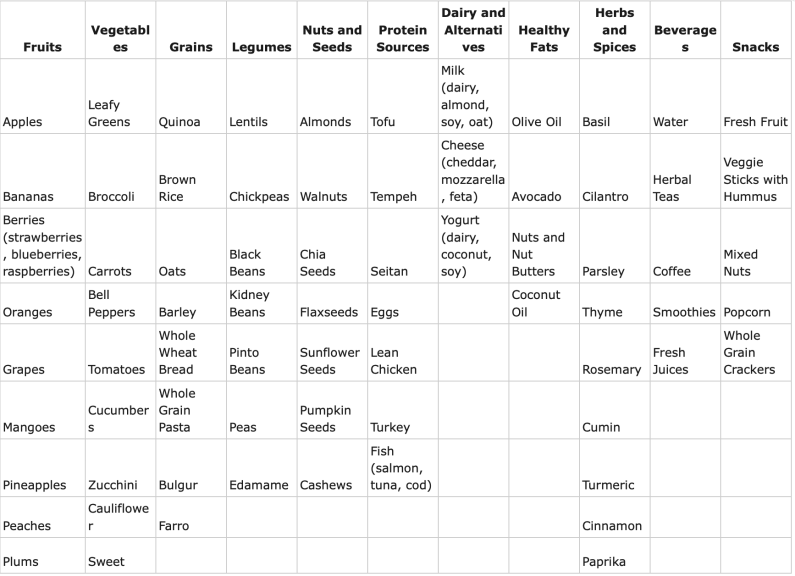
Flexitarian food list

FOOD IN FLEXITARIAN DIET

Frequently asked questions:

If you are interested in following the flexitarian diet, here are some answers to questions you might have.

What does a flexitarian eat?

Flexitarians can eat whatever they want; however, they limit the number of times they eat meat in a week and focus on eating more veggies and beans.

How many times a week does a vegetarian eat meat?

Most flexitarians eat meat twice a week, but no strict restrictions exist.

Can flexitarians eat pasta?

Yes, they usually opt for whole-grain foods.

The best Moi-moi recipe

I love the flexitarian diet. One of my favorite things to eat is beans. I love beans in every form and there are so many ways to cook it. You can fry, make pudding with it, make soup, and cook it.

One of my favorite ways to prepare beans is moimoi. It is a delicious and fluffy bean pudding. I am grateful you read this blog so I want to share my recipe for making moimoi. My grandma taught me this recipe; I remember our conversations in the kitchen while we were making moimoi back in the day. I didn’t change anything in the recipe because it is so perfect.

So here we go:

Ingredient: 

  • 2 cups Black-eyed Beans 
  • Blender
  • 3 Red peppers
  • Two onions
  • Spices for taste
  • Fish
  • Eggs
  • Prawns
  • Plastic bags, cups, or ramekins

Directions: 

  1. Remove the back from the beans
  2. Blend the beans with onions, red pepper, and prawns
  3. Boil the fish  and eggs with salt and some spices
  4. Debone the fish and remove the shell from the eggs
  5. Cut the eggs into quarters and shed the fish
  6. Add the blended beans into a bowl, add the shredded fish and some spices, add a little oil, and stir
  7. Boil some water in a big pot
  8. Add blended beans in ramekin or small plastic bags and then put them in the hot water
  9. Leave it to steam for about 40 minutes
  10. Keep checking to see if there is enough water in the pot

Summary

The flexitarian diet offers a flexible and balanced approach to healthier eating. By focusing on plant-based foods while still allowing for occasional meat and animal products, you can enjoy various delicious meals that benefit your health and the environment. Starting with minor changes, like incorporating meatless days and trying new recipes, can make the transition more accessible and enjoyable. Embrace the flexitarian diet and discover how small changes in your eating habits can improve your overall well-being. 

Thank you for reading this blog. Would you be trying my moimoi recipe to boost your progress toward following the flexitarian diet?

Best Home Remedies For Constipation

woman wearing blue denim jumpsuit beside white toilet bowl

Continuous straining in the toilet can cause pressure on your abdomen, which isn’t good. It can lead to bleeding or a swollen rectum. Plus, no one enjoys straining in the bathroom for hours. 

Imagine the ease it takes to go to the toilet, do your thing, and come out feeling fresh and not stressed or sweating. 

Constipation is a common problem, and it can be caused by a lack of fiber in your diet, not drinking enough water, or a sedentary lifestyle. 

What is Constipation?

Constipation is when you have infrequent bowel movements or difficulty passing stools. It can mean different things for different people, but typically, it’s defined as having fewer than three bowel movements a week. When you do go, the stools might be hard, dry, or painful to pass.

Symptoms

  • Infrequent bowel movements ( less than three times a week)
  • Hard or lumpy stools
  • Straining during bowel movements
  • A feeling that not all stool has passed
  • Abdominal discomfort or bloating

Causes and Risk Factors

Constipation can be caused by various factors, including:

  • Low fiber intake and not drinking enough water
  • Lack of physical activity
  • Certain medications, such as painkillers and antidepressants, can cause constipation.
  • Conditions like irritable bowel syndrome (IBS), diabetes, and thyroid disorders can contribute to constipation.
  • Ignoring the need to have a bowel movement can make you more constipated over time.

Ignoring constipation can lead to complications such as hemorrhoids, anal fissures, and even fecal impaction, where hard stool gets stuck in the intestines. Addressing constipation early can prevent discomfort and potential health issues, so finding remedies fast is crucial.

Free Toilet Paper Toilet photo and picture

Dietary Remedies

1.Stay Hydrated

When it comes to constipation, water is your best friend. Drinking plenty of water can prevent constipation. Water helps to soften the stool, making it easier to pass. Aim for at least 8 cups of water a day. 

If you do not like drinking a lot of plain water, try drinking herbal teas or flavored water with a splash of lemon or cucumber.

A morning routine of drinking fresh coffee can be an excellent start to get things moving.

2.Increase Fiber Intake

Adding more fiber to your diet is one of the best ways to tackle constipation. Fiber adds bulk to your stool, making it easier to pass. I have tried oranges; they help make bowel movement easier. I am not a fan of oranges, but I was surprised how much an orange can help facilitate a bowel movement. 

Here are some fiber-rich foods to include:

  • Fruits: Oranges, pears and avocados
  • Vegetables: Spinach, Broccoli and carrots
  • Legumes: Beans, lentils, and chickpeas

Aim for various foods throughout the day to keep things moving smoothly.

3.Consume Probiotics

Probiotics are good bacteria that help keep your gut healthy. They can be found in foods like yogurt, kefir, sauerkraut, and other fermented foods. Including probiotics in your diet can improve your digestion and help prevent constipation.

By making these simple dietary changes, you can significantly reduce the chances of constipation and improve your overall digestive health.

You can also try out these supplements that help support gut health, click here

4.Regular Exercise

Exercise is not just good for your overall health; it also helps keep your digestive system moving. Regular physical activity can stimulate intestinal contractions, making it easier to pass stool.

Exercises like skipping and core strengthening can also help improve your bowel movement.

When you move your body, it helps move your intestines. This stimulation can speed up the time it takes for food to move through your digestive system, reducing the likelihood of constipation.

Types of Exercises That Help Fight Constipation

  • Walking
  • Yoga
  • Aerobic Activities

Establish a Routine

Having a routine can play a significant role in preventing constipation. Your body thrives on consistency, which also applies to your digestive system.

Importance of a Routine

Setting a regular meal schedule, taking bathroom breaks, and sleeping can help regulate your bowel movements. 

Tips for Developing a Consistent Routine:

  • Regular meal times
  • Morning bathroom break
  • Don’t rush yourself in the bathroom
  • When you feel the urge to go, don’t ignore it.

Natural Supplements and Remedies

Sometimes, diet and exercise might not be enough to relieve constipation. In such cases, natural supplements and remedies can offer additional help.

Herbal Teas

Herbal teas can be a gentle way to stimulate your digestive system. Some practical options include:

  • Ginger Tea helps stimulate digestion and can reduce bloating.
  • Dandelion Tea is a mild laxative that can promote bowel movements.
  • Peppermint Tea is known for its soothing effects on the digestive tract.

Natural Laxatives

Certain foods have natural laxative properties that can help alleviate constipation. Here is a list of 10 foods that are natural laxatives:

  • Spinach
  • Broccoli
  • Sweet Potatoes
  • Beans
  • Oatmeal
  • Whole Grains
  • Nuts and Seeds
  • Coconut Water
  • Papaya
  • Yogurt

Home Remedies to Try

When constipation strikes, several home remedies can help get things moving again. Here are a few tried-and-true methods you can easily incorporate into your daily routine.

Warm ginger water

Starting your day with warm ginger water can stimulate your digestive system.

  • Recipe: grate a some ginger into a cup of hot water. Leave for 5 minutes. You can add a teaspoon of honey for taste (optional)
  • Benefits: The warmth helps stimulate digestion, and the ginger can help flush out toxins and improve bowel movements.
  • How to Use: Drink it first thing in the morning on an empty stomach.

Olive Oil

Olive oil can act as a natural lubricant for your digestive system.

  • Benefits: Helps soften stool and makes it easier to pass.
  • How to Use: On an empty stomach, take a tablespoon of extra virgin olive oil in the morning. You can also mix it with some lemon juice for added benefit.

What not to do when constipated

When constipated, it’s essential to avoid certain habits or actions that can worsen the condition or make it harder to pass stool. Here’s what not to do when constipated:

  • Avoiding fiber
  • Ignoring the urge to go to the bathroom
  • Lack of physical activity can slow your digestive system.
  • Overuse of Laxatives
  • Not drinking enough water can contribute to constipation.
  • Ignoring underlying conditions
  • If constipation is persistent or severe, it’s essential not to delay seeking medical advice.
  • Some people find that dairy products can contribute to constipation.

Avoiding these habits and being mindful of your diet and lifestyle choices can help prevent and manage constipation more effectively.

When to See a Doctor

While home remedies and lifestyle changes can be effective for relieving occasional constipation, there are times when it’s essential to seek professional medical advice. Here’s when you should consider seeing a doctor:

1. Persistent Symptoms

  • If you’ve been constipated for over three weeks despite trying home remedies and dietary changes.
  • Experiencing severe abdominal pain or discomfort that doesn’t go away.

2. Changes in Bowel Habits

  • If there’s a sudden change in your bowel habits without apparent cause, such as changes in diet or routine.
  • Seeing blood in your stool or toilet paper can indicate a more severe condition.

3. Associated Symptoms

  • Unintended weight loss and constipation could indicate an underlying health issue.
  • Persistent nausea or vomiting can indicate that something is blocking your intestines.
  • A fever and constipation might indicate an infection or other serious condition.

4. Underlying Health Conditions

  • If you have conditions like diabetes, thyroid disorders, or neurological diseases and experience new or worsening constipation.

5. Use of Laxatives

  • If you find yourself relying on laxatives regularly to have a bowel movement, it’s essential to consult a doctor.

Importance of Medical Advice

Seeing a doctor can help determine if there’s an underlying issue causing your constipation. They can provide a proper diagnosis and recommend appropriate treatments or medications.

Paying attention to these warning signs and seeking medical advice when necessary can address potential health issues early and maintain better overall digestive health.

Did you find this article interesting? Leave a comment in the section below, and remember to like and subscribe.

Esophageal Cancer

Today, we will discuss Esophageal cancer. Your esophagus is the tube that carries food from your mouth down to your stomach. When something goes wrong in the cells of this tube, it can lead to esophageal cancer.

We must discuss esophageal cancer because it helps us understand how to stay healthy and how to support someone struggling with the disease.

Free Women Hugging Each Other Stock Photo

Imagine your esophagus as a slide in a playground, where the food slides into the stomach. Now, think of esophageal cancer as something that shouldn’t be on the slide, like a big rock blocking the way. This “rock” comprises cells that have grown the wrong way. Cells are supposed to grow, divide, and then stop when they’re supposed to, but sometimes they get a bit wild and don’t stop when they should. That’s when they can form a tumor, or a lump, in the esophagus.

There are mainly two types of esophageal cancer. One type happens in the top part of the esophagus and is called squamous cell carcinoma. The other type is called adenocarcinoma, which occurs in the bottom part of the stomach. The type of esophageal cancer someone might get can depend on different things like their habits or even the health of their esophagus to start with.

Squamous Cell Carcinoma

Picture the inside of your esophagus like the inside of a tunnel. The walls of this tunnel are lined with flat cells called squamous cells. Squamous cell carcinoma happens when these flat cells grow out of control. This type usually appears in the esophagus’s top or middle part.

This type of cancer is more common in some parts of the world than others, and it’s often linked to smoking and drinking a lot of alcohol. 

Adenocarcinoma

Adenocarcinoma forms in the epithelial cells at the bottom of the esophagus, near the stomach. These cells usually make mucus and other fluids to help slide food down like a water slide. But sometimes, they can grow too much and form a tumor. 

One of the leading causes of adenocarcinoma is a condition called Barrett’s esophagus. This happens when acid from the stomach keeps washing up into the esophagus, causing damage over time. People with Barrett’s esophagus have a higher risk of getting adenocarcinoma because their esophagus lining changes in a way that can lead to cancer.

Both types of esophageal cancer are serious, but knowing about them helps us understand why it’s so important to take care of our esophagus by eating right, not smoking, and limiting alcohol. 

What are the first signs of esophageal cancer?

  • Difficulty swallowing (dysphagia), which might feel like food is stuck in your throat or chest
  • Unintended weight loss without trying
  • Chest pain, pressure, or burning
  • Worsening indigestion or heartburn
  • Coughing or hoarseness

It’s important to remember that having one or more of these symptoms doesn’t necessarily mean someone has esophageal cancer. They can be caused by many other conditions, too. 

However, suppose you or someone you know is experiencing these symptoms. In that case, especially if they persist or worsen, it’s a good idea to consult a healthcare professional for an accurate diagnosis and appropriate care.

How curable is esophageal cancer?

The curability of esophageal cancer depends on several factors, including the stage of the cancer at diagnosis, the cancer’s type (such as squamous cell carcinoma or adenocarcinoma), the overall health of the patient, and how the cancer responds to treatment. 

Early Detection

Esophageal cancer is more treatable and potentially curable when it’s found early before it has spread beyond the esophagus. However, early-stage esophageal cancer often doesn’t cause symptoms, which makes it challenging to catch early. When the cancer is localized within the esophagus or has only spread to nearby structures, surgical removal of the tumor or the affected part of the esophagus may offer a chance for cure.

Advanced Stages

For more advanced stages, where the cancer has spread to distant parts of the body, cure becomes much more difficult. In these cases, treatment focuses on prolonging life and relieving symptoms rather than curing the disease. However, chemotherapy, radiation therapy, targeted therapy, and immunotherapy can help manage the disease and improve quality of life.

Survival Rates

Survival rates can give a general idea about the outlook for people with esophageal cancer, though they cannot predict any individual’s prognosis. According to data, the overall 5-year survival rate for esophageal cancer patients can be pretty low, mainly because many cases are diagnosed at an advanced stage. However, survival rates are significantly higher for those diagnosed early.

How is esophageal cancer diagnosed?

The diagnosis journey starts when someone visits their doctor because they’re having trouble swallowing, feeling pain in their chest, or maybe losing weight without trying. The doctor will ask questions, gather medical history, and then check your physical health, focusing on the neck and stomach area to see if there are any unusual signs.

Endoscopy

One of the main tools in diagnosing esophageal cancer is an endoscopy. The doctor uses a thin, flexible tube with a light and camera at the end, called an endoscope, and gently guides it down the throat into the esophagus and stomach. This lets the doctor see the inside on a screen, like watching a live video from inside the body, to look for anything unusual or suspicious.

Biopsy

If the doctor sees something that doesn’t look right during the endoscopy, they’ll perform a biopsy. This means they examine a tiny piece of tissue from the esophagus under a microscope. 

Imaging Tests

Doctors also use special imaging tests, like CT scans or PET scans, to take pictures of the inside of the body. These tests help the doctor see if the cancer has spread to other areas. 

Staging

Once esophageal cancer is confirmed, doctors need to figure out the “stage” of the tumor. Staging tells how extensive the cancer is and how far it has spread. This is super important because it helps the doctor plan the best treatment. 

How is esophageal cancer treated?

When someone is diagnosed with esophageal cancer, doctors come up with a plan to fight it. This can be through surgery, radiation, chemo, or immune therapy.

Surgery

If the cancer hasn’t spread too much, doctors might decide to operate and remove the part of the esophagus that has cancer. Sometimes, they also take out nearby lymph nodes because cancer cells can hide there. 

After surgery, they might need to rebuild that part of the esophagus using tissue from another part of the body so everything can work properly again.

Radiation Therapy

Radiation therapy uses high-energy rays to target and destroy cancer cells. Sometimes, doctors use radiation before surgery to shrink the tumor or after surgery to zap away any remaining cancer cells. It can also help ease symptoms like pain or trouble swallowing.

Chemotherapy

Chemotherapy involves using powerful medicines to kill cancer cells. These medicines travel through the whole body, which makes chemotherapy great for attacking cancer cells that have started to metastasize. 

Often, doctors use chemotherapy together with radiation therapy to make each treatment more effective.

Targeted Therapy

Targeted therapy uses medicines designed to attack specific parts of cancer cells. These treatments can block the growth and spread of cancer cells while limiting damage to normal cells.

Immunotherapy

Immunotherapy helps the body’s immune system fight the cancer. This is a newer type of treatment and can be effective for some people.

Nutrition and Supportive Care

Eating the right foods and staying as healthy as possible are critical parts of treatment, too. Doctors, nurses, and nutritionists work together to help manage side effects and ensure patients are strong enough for treatment.

Often, doctors use a combination of these treatments to fight esophageal cancer. The exact plan depends on the type and stage of cancer and the patient’s overall health.

Treating esophageal cancer is all about using the right combination of treatments to give patients the best chance of beating the disease while also making sure they have the support they need to get through the battle as comfortably as possible. 

Can you talk after esophagus surgery?

Yes, you can still talk after esophageal surgery. The ability to speak is primarily governed by the larynx (voice box), vocal cords, and throat parts that are typically not removed or directly affected by surgery on the esophagus. Esophagectomy, the surgical procedure to remove all or part of the esophagus, mainly involves the digestive tract, not the respiratory tract or the organs used to produce sound.

Temporary Hoarseness

Some patients may experience temporary hoarseness or a sore throat after surgery, especially if the surgery required manipulation or temporary repositioning of structures near the larynx or if a breathing tube was used during general anesthesia. This is usually temporary and improves as the area heals.

Recovery Period

Immediately following surgery, patients might be less inclined to talk due to general discomfort, fatigue, or if they are temporarily on a ventilator to assist with breathing in the intensive care unit (ICU). As they recover, their ability to speak should return to normal.

Swallowing vs. Speaking

While esophagectomy can significantly impact swallowing, requiring diet and eating habits adjustments, it does not affect the fundamental ability to produce speech. During recovery, patients will learn to adjust to new ways of swallowing and managing food intake.

How painful is esophageal cancer?

Esophageal cancer can be associated with pain and discomfort, but the intensity and type of pain can vary significantly from person to person. Pain or discomfort is not only influenced by the cancer itself but also by the stage of the disease and the treatments undertaken. 

Pain from the cancer itself can include difficulty swallowing and pain behind the throat or behind the breastbone. Patients might also experience pain from the treatment, e.g., surgery.

Managing pain and discomfort is a vital part of treatment and care for esophageal cancer. There are various ways to manage and relieve pain. Pain relief can be achieved through over-the-counter pain relievers, prescription medications, and, in some cases, more potent options like opioids.

It’s essential for anyone experiencing pain from esophageal cancer or its treatments to have open communication with their healthcare team. The team can tailor pain management strategies to the individual’s needs, ensuring the best possible quality of life during treatment.

Can you live without an esophagus?

Yes, it is possible to live without an esophagus, though it involves significant adjustments to the digestive system. An esophagectomy is the surgical procedure to remove all or part of the esophagus.

After an esophagectomy, surgeons must create a new way for food to travel from the mouth to the stomach. There are a few methods to achieve this, including:

Using Part of the Stomach: The most common method involves using part of the stomach to either replace the esophagus entirely or connect the remaining part to the stomach. This is known as gastric pull-up or gastric interposition.

Using Part of the Intestine: In some cases, a section of the intestine can connect the throat to the stomach if using the stomach is not feasible. This is more complex and used less frequently.

Life After Esophagectomy

Diet and Nutrition

Eating habits need to be adjusted after surgery. Patients often start with a liquid diet and gradually move to soft foods as they recover. Eventually, many can return to a regular diet, though smaller, more frequent meals are recommended.

Some people may experience difficulty in digesting certain foods or absorbing nutrients, requiring dietary adjustments or supplements.

Digestive Changes

Since the stomach might be repositioned or part of it used to create a new esophagus, there can be changes in how quickly food moves from the esophagus to the stomach. This can lead to symptoms like reflux.

Lifestyle Adjustments

Sleeping positions may need to be adjusted to prevent discomfort or reflux. Elevating the head while sleeping is commonly recommended.

Furthermore, Regular follow-ups with healthcare providers are essential to monitor for complications or nutritional deficiencies.

Quality of Life

Many people can return to their daily activities and have a good quality of life following recovery from surgery. Adaptations and coping strategies for dietary and lifestyle changes are essential.

Support from healthcare professionals, including nutritionists and counselors, can be incredibly beneficial.

How to prevent Esophageal cancer

  • Quit smoking, or even better, never start in the first place
  • Cut down on alcohol, or avoid it altogether
  • Eat plenty of fruits and vegetables 
  • Maintain a healthy weight
  • Talk to your doctor if you have heartburn
  • Regular checkups if you have a family history of esophageal cancer

Esophageal cancer might sound scary, but understanding what it is, how it happens, and what we can do about it gives us the power to fight back. It’s all about making smart choices, like eating healthy foods, staying active, avoiding smoking, and drinking less alcohol. 

And if you or someone you know is facing this challenge, remember you’re not alone. Doctors, nurses, and many others are ready to help. 

Did you find this article helpful? Leave a comment below.