Living with Depression

Depression can be acute or chronic. Whether acute or chronic, if you are feeling depressed please seek medical attention.

Depression is a topic that touches so many hearts. It’s a journey filled with valleys of sadness, mountains of uncertainty, and streams of hope.

Whether you’re walking this path yourself or standing on the sidelines, watching someone you care about struggle, I want you to know that I’m here for you. 

Free Person Raising Her Hands Stock Photo

Causes and Triggers

So, what causes depression? The cause can be a mix of several factors, it can be biological or environmental

Sometimes, our genetics play a role in the hand we’re dealt. There may be a family history of depression, suggesting a genetic predisposition. And then there’s our brain chemistry – those intricate neurotransmitters firing off signals that can be imbalanced, leaving us feeling out of sorts.

Secondly, Life isn’t always sunshine and rainbows, and sometimes, the storms we weather can leave a lasting impact. Traumatic events, like the loss of a loved one or a significant life change, can cast a shadow over our mental well-being.

Chronic stress, too, can chip away at our resilience, wearing us down bit by bit.

Furthermore, Socio-economic factors, like financial struggles or living in an unstable environment, can also take a toll on our mental health. It’s like being caught in a whirlwind of challenges, each one adding another layer to the complexity of our emotional landscape.

So, you see, depression isn’t just a simple equation with one clear-cut answer. It’s a swirling mix of biological predispositions, environmental stressors, and life experiences.

Stick with me as we discuss how to cope with living  with depression. 

Impact of depression on our daily life

Depression isn’t just a fleeting feeling of sadness that comes and goes with the passing breeze. It’s more like a heavy fog that settles in, obscuring our vision and making it difficult to see the path ahead. And as that fog thickens, it seeps into every aspect of our lives, leaving its mark on our relationships, our work, and our ability to simply function day to day.

Strained relationships

The weight of sadness and hopelessness can make it hard to connect with others, leading to strained interactions and feelings of isolation. It’s like trying to shout across a canyon, but your voice gets lost in the echo, leaving you feeling even more alone.

And let’s not forget about the guilt – oh, the guilt. The guilt of not being able to show up for the people we care about in the way they deserve. The guilt of feeling like a burden, like we’re dragging others down with us. It’s a heavy burden to bear, my friend, and it weighs on us like a stone in our chest.

Occupational Challenges

When depression comes knocking, it can feel like pushing a boulder uphill every single day. Concentration becomes a distant memory, replaced by a foggy haze that clouds our thoughts and slows our movements.

Simple tasks that used to be a breeze suddenly feel like climbing a mountain, leaving us exhausted and defeated before the day has even begun. And let’s not even get started on the guilt – oh, the guilt. The guilt of calling in sick again, of letting our colleagues down, of feeling like we’re not pulling our weight. It’s a vicious cycle and breaking free from its grip can feel like an impossible task.

The Importance of Seeking Help

You don’t have to go through depression alone. There are people out there who want to help, who are trained to help, and who have dedicated their lives to helping people with depression.

Therapy

You can consider going for therapy. Therapy is not just for people lying on a couch, recounting their childhood traumas. Therapy is about having a safe space to explore your thoughts and feelings, to untangle the knots that have been tying you up inside, and to learn new ways of coping with life’s challenges.

Meditation

Sometimes, our brains need a little extra help balancing neurotransmitters and getting back on track. And that’s where meditation can come in. It’s like giving your brain a gentle nudge in the right direction, helping you feel more like yourself again. 

You can meditate by focusing on the word of God. Find a verse in the bible that soothes you and repeat it multiple times, just like I do here.

Building a Support System

There is power in connection – reach out to friends, family, and loved ones who care about you and want to see you thrive. It’s like building a safety net beneath you, ready to catch you if you fall.

And let’s not forget about support groups and communities.

There’s something incredibly powerful about sitting in a room with folks who just get it – who understand what you’re going through because they’ve been there themselves. It’s like finding a tribe of kindred spirits, ready to lift you up and walk alongside you on this journey called life.

Seeking help isn’t a sign of weakness – it’s a sign of strength. It takes courage to reach out, to ask for help, and to let others in. But trust me when I say this – you are not alone. There are people out there who care about you, who want to see you shine, and who are ready to lend a helping hand whenever you need it. All you have to do is reach out and take it.

Self-Care Strategies

Now, I know what you might be thinking – self-care? Annie, isn’t that just bubble baths and face masks? Well, my friend, while those things certainly have their place (and believe me, I love a good bubble bath as much as the next person), self-care is about so much more than just pampering yourself. It’s about embracing healthy habits, mindfulness and putting yourself first.

Free Photo Of Woman Wearing Pink Bikini Stock Photo

Embrace Healthy Habits

Taking care of your physical health is the foundation of self-care. Yep, that means getting regular exercise, nourishing your body with nutritious foods, and getting plenty of rest. It’s like filling up your tank with premium fuel – giving your body the energy and vitality it needs to tackle whatever life throws your way.

But self-care isn’t just about what you do – it’s also about how you do it. So, slow down, my friend. Take a moment to savor that first sip of your morning coffee, to feel the sun on your face as you step outside, to breathe in the fresh air and let it fill your lungs with life. It’s these little moments of mindfulness that can make all the difference in the world.

Mindfulness

it can feel a bit intimidating at first, like trying to quiet a room full of chattering thoughts. But trust me when I say this – meditation is like a magic wand for your mind. It’s about learning to quiet those racing thoughts, to tune in to the present moment, and to find peace amidst the chaos.

And here’s the best part – you don’t need to be a zen master to reap the benefits of meditation. Nope, all it takes is a few minutes each day to sit quietly, to focus on your breath, and to let go of whatever’s weighing you down. It’s like giving your mind a little vacation – a chance to reset, recharge, and come back stronger than ever.

So, whether it’s hitting the gym, cooking up a healthy meal, or simply taking a few moments to breathe deeply and center yourself, remember this – self-care isn’t selfish. It’s essential. It’s about honoring yourself, nurturing your soul, and showing yourself the love and compassion you deserve. 

Overcoming Stigma

There is  stigma surrounding mental health. those whispers behind closed doors, those raised eyebrows when someone mentions therapy, those hushed tones when the topic of depression comes up. It is time to banish all stigma surrounding depression

Busting myths about depression

Mental illness is not a character flaw. It’s not a sign of weakness or a lack of willpower. Nope, it’s a medical condition, just like diabetes or high blood pressure. And just like any other illness, it deserves to be treated with compassion, understanding, and respect.

So, the next time you hear someone making a joke about depression or dismissing anxiety as “just being stressed,” speak up. 

Challenge those misconceptions, educate those around you, and be a voice for change. It’s like planting seeds of awareness, nurturing them with kindness and empathy, and watching them bloom into a garden of understanding.

So, check in on your loved ones regularly. Ask them how they’re really doing, and listen with an open heart. Be patient, be kind, and above all, be there for them, no matter what. 

Because when we come together as a community, when we lift each other up and hold each other close, that’s when real change happens. That’s when we can truly banish the stigma surrounding mental health and create a world where everyone feels seen, heard, and valued. 

Living with Depression

While depression may cast a shadow over our lives, it doesn’t have to define us. We are so much more than our struggles, and there are strategies we can employ to navigate the ups and downs of life with grace, resilience, and joy.

Developing Coping Mechanisms

When you’re living with depression, having a toolkit of coping strategies at your disposal is like having a life raft in stormy seas. It’s about finding what works for you – whether it’s journaling your thoughts and feelings, practicing mindfulness and meditation, or simply taking a walk in nature.

But here’s the key – be gentle with yourself. Remember that healing takes time, and it’s okay to take things one step at a time. So, experiment with different coping mechanisms, see what resonates with you, and don’t be afraid to ask for help along the way. You are not alone. There is strength in vulnerability.

Holistic Wellness Plan

It is important to nourish our mind, body, and spirit in equal measure. It’s like tending to a garden – you need to water the roots, give it plenty of sunlight, and prune away the dead branches to make room for new growth.

So, prioritize self-care in all its forms – physical, emotional, and spiritual. Eat nourishing foods that fuel your body and uplift your spirit. Move your body in ways that feel good, whether it’s dancing, yoga, or simply going for a walk in the sunshine. And don’t forget to nourish your soul – spend time with loved ones, engage in activities that bring you joy, and cultivate a sense of gratitude for the beauty that surrounds you.

Set Realistic Goals

When you’re living with depression, it can be easy to feel overwhelmed by the weight of expectations – both from others and from yourself. But here’s the thing – you don’t have to have it all figured out right this second. You don’t have to climb Mount Everest or write the next great American novel to be worthy of love and respect.

Set small, achievable goals for yourself – things that bring you joy, things that light you up from the inside out. Maybe it’s learning a new hobby, reconnecting with an old friend, or simply taking a few moments each day to breathe deeply and center yourself. 

Whatever it is, remember that every step forward, no matter how small, is a victory worth celebrating.

Living with depression is not a life sentence. It’s a journey, a winding road with twists and turns, ups and downs. But with the right support, the right mindset, and a whole lot of love, you can navigate those twists and turns with grace and resilience. You are stronger than you know, my friend, and you are capable of living a life filled with purpose, passion, and joy. Believe in yourself, and the world will open its arms to you.

Conclusion

I want to leave you with one final thought: there is always hope. No matter how dark the night may seem, no matter how heavy the burden may feel, there is always a glimmer of light on the horizon, waiting to guide us home.

So, as you go forth from this space, remember this – you are not alone. You are loved, you are worthy, and you are capable of overcoming any obstacle that comes your way. Reach out for help when you need it, lean on your support system, and never lose sight of the light within you.

Together, we can banish the stigma surrounding mental health, create a world where everyone feels seen and heard, and build a future filled with compassion, understanding, and love. May you find peace, joy, and healing in the days to come. 

Did you find this article helpful? Leave a comment below.

Word from the CEO

I am grateful you made it to the end of the blog. I got a gift for you! Click here to download your April 2024 planner as a gift.


Crafting the Ultimate Wellness Routine to Stick-to

Life is a hustle, and sometimes dedicating time to prioritize your health is often easier said than done. Yet, the rewards are immeasurable. When you prioritize your health, you enjoy increased energy and a positive mindset

In this article, we will discuss the significance of cultivating habits that nurture both your body and mind. We’ll unravel the challenges many face in maintaining consistent routines and, more importantly, discover how to overcome them

Why does a daily wellness routine matter ? Beyond the immediate benefits, we’ll uncover the profound impact it has on your overall health – physically, mentally, and emotionally. Before we discuss why it is important to have a wellness routine, let’s explain what a good routine actually is

Free Teacup With Tea Stock Photo

What is a wellness routine?

A wellness routine is a set of intentional actions and habits designed to enhance your overall well-being, encompassing physical, mental, and emotional health. It involves consistent practices that contribute to a balanced and healthy lifestyle

Starting a wellness routine involves thoughtful planning and a commitment to making positive changes in various aspects of your life

Self assessment

A solid wellness routine starts with reflecting on your current lifestyle and identifying areas where you can improve your well-being. Consider your physical health, mental well-being, sleep patterns, nutrition, and stress levels

Set Clear Goals

Establish specific and realistic goals for your wellness routine. Whether it’s increasing physical activity, improving sleep, or practicing mindfulness, define what success looks like for you

Sticking to a wellness routine can be challenging, but with a strategic approach and a commitment to self-care, it becomes more achievable. I put it upon myself to go to the gym 3-4 times a week and spend at least an hour in the gym. I have managed to stick to my routine for 6 months now, and I am going strong, I am not planning to quit the gym anytime soon

How did I stick to my routine? I set realistic goals

Set Realistic Goals

Define achievable and realistic goals that align with your lifestyle. Setting small, attainable milestones will keep you motivated. It could mean doing arms, quads, and abs on separate days

Create a Schedule

Incorporate your wellness activities into your daily or weekly schedule. Treat them as non-negotiable appointments to prioritize your well-being. I go to the gym on Tuesdays, Thursdays, and Saturdays, and sometimes Sundays if I couldn’t go during the week

Some people find it hard to stick to a routine because they have overly ambitious goals. I definitely wouldn’t go back to the gym the next couple of days if I overworked myself in the gym till I was sore

Remember, you do not have to be perfect. If you failed to keep your schedule improvise. You could do Sunday, Monday, and Wednesday instead

Being flexible helps you to be consistent with your goals. If you are inconsistent, consider reevaluating your goals, seeking support, and focusing on enjoyable tasks

My friend chooses 15-min walk around the park instead of 15-min walk on the treadmill

Free Warm Coffee Drink Stock Photo

Top 5 morning routines

The way you start your Morning determines how your day would look like. I used to wake up at 10am, feeling tired. I was under lots of pressure to attend my morning classes. Imagine how life changed when I woke up 5am instead of 10am

1. Wake up early

Start your morning routine by waking up early, allowing for a calm and unhurried beginning to your day. I love this quote: “Embrace the dawn, for in the early light, you discover the quiet power of a new beginning. Waking up early isn’t just a routine; it’s a promise to yourself – a promise to make each day count from the very first ray of light.”

Try to wake up at 5 am every morning; it helps. You can get more work done and have a positive mindset since you have more time to yourself in the morning

2. Digital Detox

Limit screen time during the early morning hours. Minimise exposure to emails and social media to reduce stress and foster a more mindful start to the day

I try to avoid social media until after 10am

3. Nutrient-Rich Breakfast

Have a proper breakfast. Fuel your body with a nutritious breakfast containing a balance of protein, fiber, and healthy fats. This provides sustained energy throughout the morning

An example of a well-balanced and nutritious breakfast could be a bowl of oatmeal topped with fresh berries, a sprinkle of chia seeds, and a dollop of Greek yogurt. Accompanied by a side of sliced avocado on whole-grain toast and a cup of green tea, this breakfast provides a mix of complex carbohydrates, fiber, healthy fats, and protein to fuel your body and kickstart your day

Drink lots of water. Ideally you should drink water through out your day to maintain hydration

4. Personal Development Time

Dedicate time to personal development activities, such as reading, journaling, or learning. This mental stimulation contributes to continuous growth. Mornings are also a good time to read your bible and pray

5. Goal Setting and Visualization

Take a moment to set intentions for the day and visualize your goals. This helps create a sense of purpose and direction.You could write on your daily planner or on your daily calendar. Click here for a free copy of my monthly planner

Can ADHD people do routines?

I have a friend with ADHD who honestly finds it extremely hard to follow a morning routine. Individuals with Attention Deficit Hyperactivity Disorder (ADHD) may have varying preferences when it comes to routine. It’s not accurate to make broad generalisations, as everyone is unique.

If you have ADHD, think of having a routine as a coping mechanism, and you can go about your morning routine with a personalized approach. You can go for a loose structure that allows for adaptability.

Top 5 Night Routines

Ending your day is equally as important as starting your day. So here are the top 5 ways to end your day well.

1. Mindful Evening Reflection

Spend a few minutes reflecting on your day, expressing gratitude, forgiving your mistakes, and acknowledging your achievements. This sets a positive tone for the evening.

I find that reflecting while sipping a cup of herbal tea is very relaxing

2. Digital Detox-again

Disconnect from electronic devices at least an hour before bedtime to promote relaxation and improve the quality of your sleep.

3. Skincare Routine

Establish a calming skincare routine. Cleansing your face, moisturizing, and any other skincare steps can become a soothing ritual before bedtime.

4. Journaling

Capture your thoughts in a journal. This can include jotting down reflections and goals or simply expressing any lingering thoughts to clear your mind.

5. Preparation for the Next Day

Lay out clothes, pack essentials, and make a to-do list for the next day. This reduces morning stress and helps you start the day with clarity.

In Conclusion

In the tapestry of life, our routines weave the threads of consistency and well-being. As we navigate the nuances of daily existence, the choices we make in our morning and night routines become the brushstrokes that paint the canvas of our days.

Remember, there is no one-size-fits-all approach to crafting the perfect routine. Embrace the fluidity of your journey, allowing room for growth and adaptation. What matters most is the conscious effort to prioritize self-care, mindfulness, and balance in these daily rituals.

Unveiling Common Misbeliefs About Menopause

Today, we’re diving headfirst into the riveting world of Menopause. I know – it’s a topic that’s often shrouded in mystery and, dare I say, a tad misunderstood. 

You might be wondering, “Why should I care about menopause or debunking menopause myths?” Well, it’s because we must move away from misinformation by unpacking the truths behind the myths. 

In this article, we will lift the veil on some of the most notorious myths, from mood swings that rival Shakespearean dramas to the so-called inevitable weight gain. We would discuss what not to say to a menopausal woman and ways to alleviate the symptoms of Menopause.

In this article

  1. Unloved feelings of Menopause
  2. Question not to ask a woman in Menopause
  3. Symptoms of Menopause
  4. Myths about Menopause
  5. How to manage vaginal dryness
  6. Home remedies that help with Menopause

First let’s discuss the unloved feelings of Menopause.

Free People Woman photo and picture

What are the unloved feelings of Menopause?

Menopause can bring about a range of emotions, and while experiences vary, some feelings are commonly described as challenging or “unloved” during this phase. It’s important to note that individual experiences may differ, but some of the feelings that women may find difficult during Menopause are:

  • Loss of youthfulness
  • Weight gain
  • Mood swings
  • Reduced sex drive
  • Sleep disturbances 
  • Anxiety about the future
  • Social and cultural stigma
  • Fear of aging 

Let’s dive in as we discuss more about these points

Loss of Youthfulness

Menopause often marks the end of the reproductive years, and some women may feel a sense of loss or mourn the end of their youthfulness. This feeling can be complex and may involve societal expectations and personal reflections.

Body Image Concerns

Changes in hormones during Menopause can lead to shifts in body composition, including weight gain and changes in fat distribution. These physical changes trigger body image concerns, impacting self-esteem and confidence.

Mood Swings

Hormonal fluctuations during Menopause can contribute to mood swings. Some women may find it challenging to cope with these emotional ups and downs, affecting their overall well-being.

Reduced Libido

Changes in hormonal levels can lead to a decrease in libido for some women. This shift in sexual desire can impact relationships and create feelings of frustration or concern.

Sleep Disturbances

Menopausal symptoms such as hot flashes and night sweats can disrupt sleep patterns. Sleep disturbances may contribute to feelings of fatigue, irritability, and a reduced ability to cope with daily stressors.

Uncertainty and Transition

Menopause is a transitional phase, and the uncertainty that comes with this transition can be challenging. Questions about identity, purpose, and the future may arise, leading to a sense of unease.

Social and Cultural Stigma

Societal attitudes and cultural norms around aging and Menopause can contribute to feelings of invisibility or lack of value. Overcoming these external pressures can be emotionally demanding.

Fear of Aging

Menopause is often associated with the aging process, and some women may experience fear or anxiety about getting older. Facing societal expectations and personal concerns about aging can be emotionally challenging.

It’s crucial to recognize that these feelings are part of a normal and complex emotional landscape during Menopause. Seeking support from healthcare professionals, engaging in open communication with loved ones, and exploring self-care strategies can be valuable in navigating these emotions. Every woman’s journey through Menopause is unique, and acknowledging and addressing these feelings can contribute to a healthier emotional well-being during this life stage.

Free Hands Human photo and picture

What not to ask a Woman in Menopause

Menopause is an emotional time for a woman, so when communicating with a woman going through Menopause, it’s essential to be sensitive and understanding. Many people ask me what not to say to a menopausal woman. Well, I think this is a good question. We need to be sensitive to her feelings and not say things like, “It’s just a phase.” Or “You’re overreacting.” Menopause is a significant life transition, and dismissing it as just a phase can undermine the physical and emotional challenges that women may be facing.

Also, saying things like “You’re too young for menopause.” or “It’s normal; every woman goes through it.” can be offensive since Menopause can occur in a range of ages, and assuming someone is too young for it can be inaccurate and may invalidate their experiences. Menopause can happen in the late 40s or even earlier.

Another thing not to say is, “Have you tried [unverified remedy]?” It can be frustrating trying different remedies. What works for one person may not work for another, and suggesting unproven solutions can dismiss the woman’s individual experience.

The most upsetting thing to ask a woman is, “When will it be over?” Menopause is a natural life stage, and each woman’s transition duration can vary. Asking when it will be over may come off as impatient or minimizing the ongoing experiences.

Now that we know what not to say to menopausal women. You should get an idea of the type of symptoms they face. 

Symptoms of Menopause

Well, Menopause is a natural biological process that marks the end of a woman’s reproductive years. It typically occurs in the late 40s or early 50s. The transition into Menopause, known as perimenopause, can bring about a variety of physical and emotional symptoms. Not every woman will experience the same symptoms, and the intensity can vary. 

 A friend asked me once, “Does Menopause go away?” No, it does not go away.

Once a woman has gone through Menopause, it is a permanent stage in her life. Menopause is officially considered to have occurred when a woman has not had a menstrual period for 12 consecutive months. The average age for Menopause in women is around 51, but it can happen earlier or later. Common symptoms of Menopause include:

  • Hot flashes
  • Night sweats
  • Vaginal dryness
  • Tiredness
  • Memory and concentration issues
  • Headaches
  • Hair thinning

Myths about Menopause

There is a myth that women should only treat severe menopause symptoms. This shouldn’t be the case; women do not need to wait until their symptoms are severe before visiting an OB/GYN. For example, hot flashes can be very comfortable, especially since women can have these hot flashes for many years. It is better to see a physician who can reduce the occurrences of hot flashes and ease the impact of the other symptoms. 

Many people believe that hormone replacement therapy (HRT), a treatment for Menopause, is dangerous. While it is true that HRT is not for everyone, using it can help improve the quality of life. You should talk to your doctor about your concerns and discuss whether using HRT might be a good option for you.

Hormone replacement therapy is not the only treatment for Menopause, contrary to many beliefs. Doctors prescribe antidepressants or selective estrogen receptor modulators (SERMs) as treatment, too, and talk therapy and cognitive behavior therapy are also helpful. It’s essential to recognize that the severity and duration of these symptoms can vary widely among women. If these symptoms significantly impact a woman’s quality of life, consulting with a healthcare professional for guidance and potential management strategies is advisable.

Vagina Dryness

I think it’s time to address the elephant in the room, Vagina dryness.

Vaginal dryness is a common symptom experienced by many women during Menopause. It is primarily attributed to a decline in estrogen levels, a critical hormone that plays a crucial role in maintaining the health of the vaginal tissues. As a woman approaches Menopause and enters the postmenopausal stage, the ovaries produce less estrogen, leading to changes in the reproductive and genital tissues.

Reduced estrogen levels contribute to the thinning of the vaginal walls. This can result in a decrease in the production of natural lubrication, leading to dryness. Vaginal dryness can cause discomfort, itching, or a burning sensation during sexual intercourse, making it less pleasurable.

Furthermore, changes in the vaginal environment may make it more susceptible to infections, such as urinary tract infections or yeast infections.

How to Manage Vaginal Dryness

  • Water-Based Lubricants:
  • Vaginal Moisturizers
  • Estrogen Therapy
  • Regular Sexual Activity
  • Pelvic Floor Exercises

It’s essential for women experiencing vaginal dryness to discuss these symptoms with their healthcare providers and partners openly. A personalized approach to managing symptoms can be developed based on an individual’s health history and preferences. Open communication with a healthcare professional ensures that the chosen interventions are safe and effective for each woman’s specific needs.

Which home remedies help with Menopause

While there is no cure for Menopause, and symptoms can vary widely among individuals, some home remedies may help alleviate certain discomforts associated with this natural life stage. 

Healthy Diet

Have a healthy diet rich in fruits, vegetables, whole grains, and lean proteins. You also need to Include foods high in calcium and vitamin D for bone health.

Hydration

Drink plenty of water to stay hydrated, essential for overall health.

Regular Exercise

 Regular physical activity, such as walking, swimming, or yoga, to help manage weight and improve mood.

Cooling Strategies for Hot Flashes

Wear lightweight clothing in layers to quickly adjust to temperature changes. You can also use a fan or open windows for ventilation. It would help if you stayed in cool environments during hot weather.

Mind-Body Practices

Practice relaxation techniques like deep breathing, meditation, or mindfulness to manage stress and improve sleep.

Soy and Flaxseed

Some women find relief from menopausal symptoms by including soy-based products and flaxseed in their diet due to their potential phytoestrogenic effects.

Herbal Supplements for Menopause 

Black cohosh, red clover, and evening primrose oil are herbs that some women use to help manage symptoms. However, consulting with a healthcare professional before trying herbal supplements is crucial.

Maintain a Regular Sleep Schedule

Create a bedtime routine and aim for a consistent sleep schedule to improve sleep quality.

Limit Coffee and Alcohol

Reduce the intake of coffee and alcohol, as they can contribute to hot flashes and disrupt sleep. Coffee is not suitable for Menopause.

It’s important to note that while these home remedies may offer relief for some women, individual responses can vary. Moreover, you must consult with a healthcare professional before making significant changes to your diet and lifestyle or incorporating herbal supplements to ensure they are safe and appropriate for your specific health conditions.

In conclusion

If menopausal symptoms are significantly impacting your quality of life, seeking guidance from a healthcare professional can help explore additional options, including hormone therapy or other medical interventions tailored to your individual needs.

If you’ve found value in our exploration of Menopause, don’t miss out on future insights and revelations. 

Did you find the article helpful? Leave a comment and give the article a like.


The Parkinson’s Pandemic: What You Need to Know and How You Can Help

Living with Parkinson’s can feel like navigating a labyrinth, with twists and turns at every corner. But fear not – we’re here to illuminate some lesser-known paths that might lead to brighter days ahead. So, settle in, take a deep breath, and let’s embark on this exploration together, with hope as our compass and resilience as our guide. Let’s journey hand in hand, knowing that we’re in this together.

It’s crucial to grasp the intricacies of Parkinson’s symptoms – those daily companions that can often feel like unwelcome guests. From the frustrating tremors to the stiffness that seems to have taken up residence in your limbs, each symptom carries its weight, impacting your life in ways only you truly understand. But know this: you’re not alone in this struggle. By delving into the nuances of these symptoms, we’re not just facing them head-on but also arming ourselves with the knowledge needed to navigate this journey with greater resilience and understanding. So, let’s take a closer look at these symptoms, unraveling their complexities together and forging a path forward anchored in empathy, expertise, and unwavering support.

Click here to learn how to slow the progression of Parkinson and live a happier life despite the diagnosis

The power of lifestyle changes

Picture this: amidst the chaos of managing your condition, there lies a realm of possibility – minor shifts in your daily habits that could yield remarkable results in easing your symptoms. From the gentle sway of tai chi to the nourishing embrace of a well-balanced diet, these lifestyle changes 

In our journey toward understanding and embracing lifestyle changes for Parkinson’s management, stories have immense power – tales of resilience, triumph, and the human spirit’s unyielding resolve. These narratives paint a vivid picture of possibility, showing us that beyond the pages of medical journals and clinical studies, a tapestry of lived experiences exists, each thread weaving a story of hope and healing.

Imagine sitting down with individuals who have walked the path you now tread – individuals whose journeys have been marked by moments of doubt, fear, and uncertainty yet who have emerged stronger, wiser, and more resilient than ever. These voices guide us, illuminating the way forward with their wisdom, courage, and unwavering determination.

So, let’s lean in and listen closely to these stories – stories of ordinary people facing extraordinary challenges, setbacks transformed into stepping stones, and dreams realized against all odds. Through their experiences, we gain insight and inspiration – a beacon of light illuminating our path and reminding us that, in the face of adversity, hope springs eternal. 

Click here to learn how to avoid the vicious cycle of health threats in Parkinson’s and brain degeneration.

Sarah

Sarah was diagnosed with Parkinson’s disease at the age of 52. At first, she felt overwhelmed and uncertain about her future. However, instead of resigning herself to the limitations of her diagnosis, Sarah decided to take proactive steps to improve her quality of life. She began incorporating regular exercise into her routine, starting with gentle yoga and walking. Over time, she noticed a significant improvement in her mobility and flexibility, as well as a reduction in her tremors. Inspired by her progress, Sarah also changed her diet, focusing on whole, nutrient-rich foods and cutting back on processed snacks and sugary treats. Today, Sarah feels more robust, energetic, and empowered than ever. She credits her commitment to lifestyle changes for helping her manage her Parkinson’s symptoms with grace and resilience.

John

John was diagnosed with Parkinson’s disease at the age of 60. As an avid golfer, he was devastated by the thought of losing his ability to enjoy his favorite pastime. Determined to stay active and maintain his independence, John decided to explore alternative therapies to complement his medication regimen. He discovered the benefits of tai chi, a gentle form of martial arts that emphasizes slow, flowing movements and mindfulness. After incorporating tai chi into his daily routine, John noticed a remarkable improvement in his balance, coordination, and overall well-being. He also found solace in the supportive community of fellow tai chi practitioners, who provided encouragement and camaraderie along his journey. Today, John continues to enjoy playing golf and living life to the fullest, thanks to the positive impact of lifestyle changes on his Parkinson’s symptoms.

Emily

Emily was diagnosed with Parkinson’s disease at the age of 48. As a busy mother of three young children, she struggled to balance the demands of her family life with the challenges of her diagnosis. Determined to prioritize her health and well-being, Emily made self-care a non-negotiable part of her daily routine. She started practicing mindfulness meditation to reduce stress and anxiety, carving out a few minutes each day to quiet her mind and focus on the present moment. Emily also made time for regular social activities, such as book club meetings and coffee dates with friends, to combat feelings of isolation and loneliness. Through these lifestyle changes, Emily discovered a newfound sense of peace, resilience, and joy, even in adversity. Today, she inspires others living with Parkinson’s, proving that with determination and self-care, it’s possible to thrive despite the challenges life throws our way.

Practical Tips for Implementing Lifestyle Changes

As we embark on the journey of incorporating lifestyle changes into our Parkinson’s management plan, it’s essential to equip ourselves with practical strategies and actionable steps. Think of it as charting a course on a voyage – with each step carefully planned and executed, we inch closer to our destination of improved well-being and symptom relief.

First and foremost, let’s set the stage for success by establishing realistic goals and expectations. It’s essential to recognize that change takes time and patience, and embracing a compassionate approach toward yourself is critical to long-term success. Start small, celebrate each milestone along the way, and remember that every step forward, no matter how small, is a victory worth honoring.

Next, craft a personalized plan tailored to your unique needs, preferences, and circumstances. What works for one person may not necessarily work for another, so it’s crucial to listen to your body, trust your instincts, and adjust as needed. Whether incorporating daily exercise routines, revamping your diet, or prioritizing stress-reduction techniques, your plan should reflect your journey toward more excellent health and vitality.

Lastly, let’s lean on the support of your healthcare team, caregivers, and loved ones as you navigate this terrain. They are your allies, advocates, and partners in this journey, offering guidance, encouragement, and unwavering support at every step. Feel free to reach out for help when needed, and remember that you’re always with others on this path.

Nutrition

When it comes to managing Parkinson’s disease through nutrition, understanding the impact of different foods on symptoms is essential. While there isn’t a one-size-fits-all approach, confident dietary choices may exacerbate symptoms, while others have been shown to alleviate them.

Working with a healthcare provider or registered dietitian is essential to develop a personalized nutrition plan that meets your unique needs and preferences. Individuals can optimize their nutrition to manage their symptoms and improve their overall quality of life by focusing on nutrient-dense, whole foods and minimizing processed and sugary items.

Foods that may worsen symptoms

High-sugar foods and beverages: Excessive sugar intake can lead to fluctuations in blood sugar levels, potentially exacerbating symptoms such as fatigue and tremors.

Processed foods: Foods high in processed ingredients, additives, and preservatives may contribute to inflammation in the body, worsening symptoms of Parkinson’s.

High-fat foods: Consuming a diet high in saturated and trans fats has been linked to an increased risk of cardiovascular disease, which can indirectly impact Parkinson’s symptoms by affecting blood flow to the brain.

Foods that may alleviate symptoms

Antioxidant-rich foods: Fruits and vegetables such as berries, spinach, kale, and bell peppers are packed with antioxidants that help combat oxidative stress and inflammation in the body, potentially reducing symptoms of Parkinson’s.

Omega-3 fatty acids: Foods rich in omega-3 fatty acids, such as fatty fish (salmon, mackerel, sardines), flaxseeds, and walnuts, have anti-inflammatory properties that may help alleviate symptoms and support brain health.

Whole grains: Choosing whole grains such as brown rice, quinoa, oats, and whole wheat bread over refined grains can provide steady energy levels and support overall health, which may positively impact Parkinson’s symptoms.

Navigating Challenges and Celebrating Progress

As we journey through the realm of lifestyle changes for Parkinson’s management, it’s essential to acknowledge that challenges may arise along the way. But here’s the thing: setbacks are not roadblocks; they’re detours that offer valuable lessons and opportunities for growth.

When faced with obstacles, it’s essential to approach them with patience, resilience, and a healthy dose of self-compassion. Remember, your struggles do not define you – you’re limited by how you rise above them. So, take a deep breath, gather your strength, and press on, knowing that each challenge conquered brings you one step closer to your goals.

And let’s remember to celebrate the wins, no matter how small. Whether mastering a new yoga pose, preparing a nutritious meal from scratch, or getting a good night’s sleep, every achievement is cause for celebration. So, take a moment to bask in the glow of your successes, acknowledging the hard work and dedication that brought you to this point.

Sleep

Ensuring restful sleep is vital for individuals managing Parkinson’s disease, yet sleep disturbances are common and can significantly impact overall well-being. Employing strategies to improve sleep hygiene and address these disturbances is critical to promoting better sleep quality and quality of life.

Establish a consistent sleep schedule

Aiming to go to bed and wake up simultaneously every day, even on weekends. This consistency helps regulate the body’s internal clock, promoting better sleep quality and a more stable sleep-wake cycle.

Create a relaxing bedtime

Creating a relaxing bedtime routine can signal the body that it’s time to wind down and prepare for sleep. Activities such as reading, taking a warm bath, or practicing relaxation techniques like deep breathing or meditation can promote relaxation and ease the transition to sleep.

Limiting stimulants and screen time before bed

Avoiding stimulants such as caffeine and nicotine in the hours leading up to bedtime can prevent interference with sleep quality. Additionally, reducing exposure to blue light from electronic devices like smartphones and computers can help regulate the body’s natural sleep-wake cycle.

Manage stress and anxiety

Stress and anxiety can significantly impact sleep quality, so relaxation techniques like mindfulness meditation, progressive muscle relaxation, or journaling can help reduce stress levels and promote a more peaceful state of mind before bedtime.

Finally, seeking medical evaluation and treatment is essential if sleep disturbances persist despite implementing these strategies. Medical professionals can assess for underlying issues contributing to poor sleep quality and recommend appropriate interventions, such as medication adjustments or treatments targeting specific sleep disorders.

You can click here to learn how to slow the progression of Parkinson disease.

By implementing these strategies and prioritizing sleep hygiene, individuals with Parkinson’s disease can take proactive steps to improve sleep quality and enhance their overall quality of life.

In conclusion

Navigating life with Parkinson’s disease presents its unique set of challenges, yet it also offers opportunities for growth, resilience, and newfound vitality. By embracing lifestyle changes tailored to individual needs and preferences, individuals with Parkinson’s can take proactive steps to manage symptoms, improve overall well-being, and enhance quality of life.

From prioritizing regular exercise and nourishing the body with nutrient-rich foods to cultivating relaxation techniques and seeking support from healthcare professionals and loved ones, the journey toward optimal health is multifaceted and deeply personal. By honoring the body’s innate wisdom and resilience, individuals can harness the power of lifestyle changes to navigate the complexities of Parkinson’s disease with grace and determination.

Our diagnosis does not define us, but rather by the courage, resilience, and unwavering spirit with which we face each day. By supporting one another, sharing our stories, and embracing the journey with open hearts and minds, we can find strength, inspiration, and hope in the face of adversity.

Ready to take the next step towards optimizing your health and well-being on your Parkinson’s journey? Explore the resources and products recommended in this article to support your lifestyle changes and enhance your quality of life. Click here to discover solutions tailored to your needs, and start your journey towards a brighter, healthier tomorrow today.

Did you find this article helpful? Please subscribe to my blog and leave a comment below. You can also find us on Instagram (mabs_blog) and on the X app (MadameAnn4).

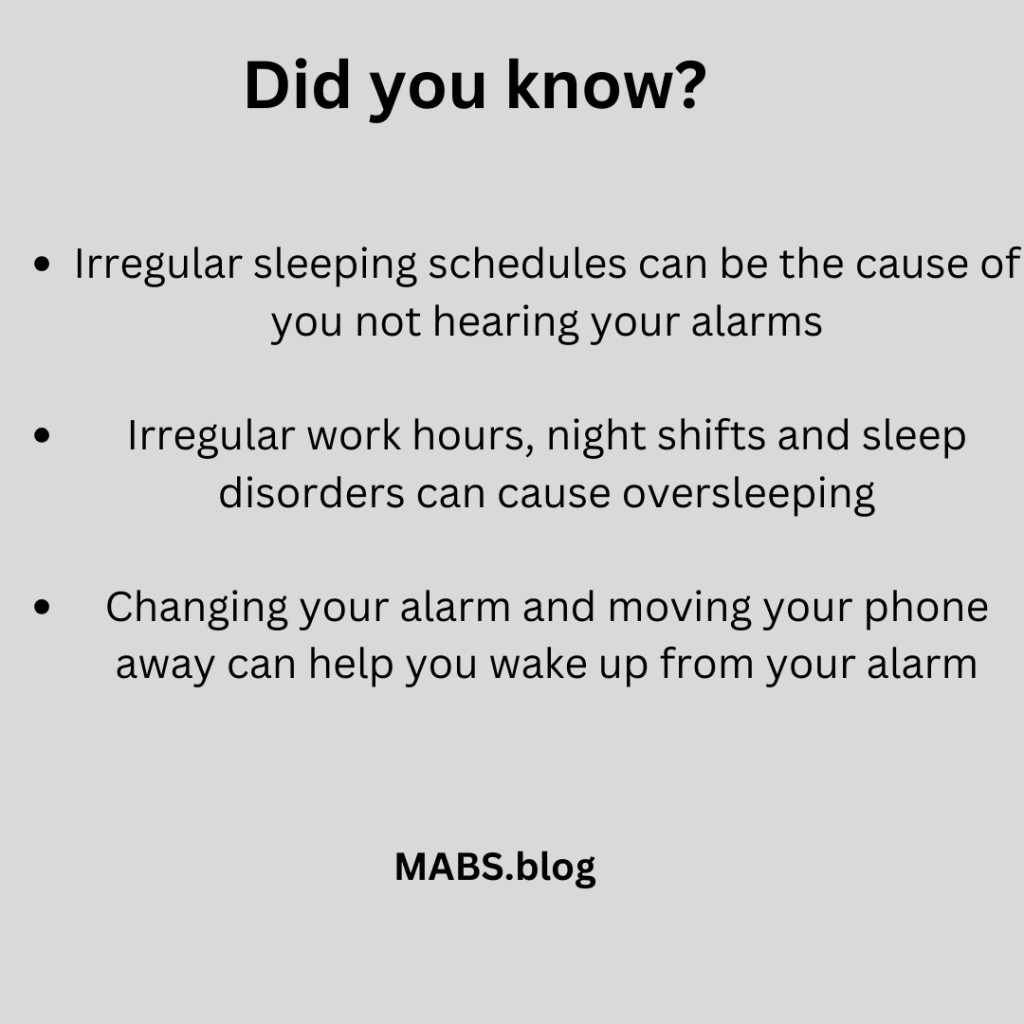
Are you sleeping through you alarm?

Have you ever felt irresponsible because you overslept? You couldn’t hear your alarms, even when you set them about 30 minutes apart. I promise I have been there too.

Have you figured out a way to subconsciously switch off your alarm when you are asleep, and now you feel at war with your alarm clocks? This is me on most days until I find a solution. Keep reading; I will share the secret of winning the war against the alarm clock.

The first thing is to discover why you are oversleeping and not hearing your alarms. Here are some common reasons

A lady oversleeping

1. You are not getting enough sleep

We each have our own biological sleep needs. It is the amount of sleep you need to wake up feeling refreshed and able to go about your day. It can be 7-9 hours, but if you are in medical school or on a tight schedule at work, you are lucky to get 5.

When you don’t get the sleep your body needs each night, you start to rack up sleep debt. If you are in a chronic state of sleep deprivation, then you might have sleep deprivation and a higher sleep drive, and you are probably not going to hear your alarms when they ring. 

2. You go to bed at the wrong time

Are you a morning person or a night owl? You need to figure that out so you schedule your sleep well. I am an early waker, so I must sleep early to wake up early. If you are a night owl, you need to find a way to adjust your sleep schedule to fit your activity time. 

3. You are spending too much time on social media

After a long day, you might want to reward yourself a little by scrolling through a few posts on social media, but unfortunately, you get trapped and find yourself mindlessly scrolling. Before you know it, it’s 1 am, but you must be up by 5 am. So you set up multiple alarms to wake you at 5 am or at least 5:30. But sadly, you couldn’t hear the alarm, and now it’s 8 am. Sounds familiar? Hehehe 

Now let’s discuss how to avoid sleeping through your alarms

1. Have a routine

Having a routine means going to bed at the same time and waking up at the same time every day. If having a routine is something plausible for you, try to work out a routine that benefits you.

For many who cannot work a routine out, the next best thing is sleeping the same hours daily. 

2. Dont press the snooze button

I have the magical power of switching off my alarm while asleep. For some people, they are in an infinite cycle of snoozing. Just keep your phone far from you before sleep, and let your alarm ring enough to annoy you out of bed. Then, grudgingly, make yourself a coffee or switch on the lights. 

3. Have good sleep hygiene

Sleep hygiene is a habit you develop to ensure you have quality sleep. Try reading a book before bed, eating a balanced meal, and exercising regularly. 

I remember how much my sleep improved once I started going to my gym. I could initiate sleep quickly and had a better motivation for waking up in the morning.

Speaking of motivation, you need to be motivated to wake up in the morning. Are you trying to wake up to study for a test or want more functional hours in your day? Find a way to be motivated to wake up. A cup of coffee, yummy leftovers, or a sweet conversation with your partner

4. Change your alarm tone

Having the same alarm for years can desensitize you from hearing it ring. So, changing the tone helps a lot. Furthermore, don’t set your alarm as your favorite song. Trust me, you will sleep through it or even dance to it in your dreams, haha.

Keep your alarm or phone a little distance from you; that way, you need to physically get up to stop it from ringing. 

5. Light 

Do not underestimate the power of light in waking you up; it works. Light from your phone or the lights in the bathroom work well, but you could also invest in light therapy alarm clocks  

In conclusion

Don’t beat yourself up for sleeping through your alarm. There are many solutions:

  • Have a sleep routine and good sleep hygiene.
  • Change your alarm clock.
  • Be motivated to wake up and use light to your advantage.

I hope you found this article helpful. Leave a comment below; I would like your feedback after trying these methods to ensure you wake up on time.

Betadine

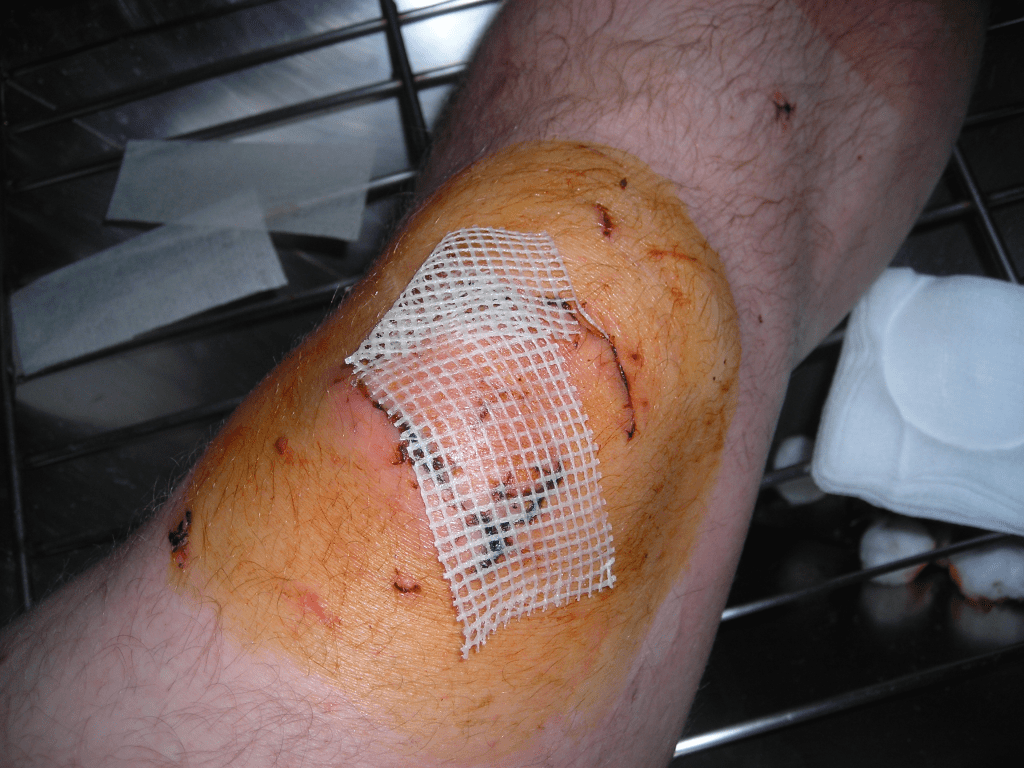
Today was the first of my many future night shifts. I am excited, of course, and proud to be here. I have been in many surgical rooms, just watching how the surgeon starts every surgery by meticulously cleaning their patients’ skin with betadine. Betadine is a brown solution that aims to kill most microorganisms on the skin. 

This article will discuss the indications and mechanisms of action of betadine.

Surgeons have been using betadine for many years to treat and prevent infections. It is iodine. I remember my grandmother (she is a retired nurse) cleaning my minor childhood wounds with iodine. It stings so bad, but of course, it does the job by cleaning the damage, preventing infection, and preventing multiple trips to the hospital.

Iodine is a natural substance that contains antibacterial properties. It is frequently used to disinfect surfaces and surgical incisions.

Why do surgeons prefer to use betadine?

Betadine is still in use because it has good efficacy and is generally well tolerated. It is easy to use and cheap. Betadine has a wide range of activity and can penetrate biofilms (thick clusters or plaques of bacteria). Additionally, betadine has little resistance; it has anti-inflammatory qualities and low cytotoxicity.

Today I watched my teacher use betadine to wash a fistula; it was so cool to watch; she said betadine could even activate cell regeneration because it causes minor stress to cells, which triggers the cell to increase.

What is the mechanism of action of betadine?

As stated earlier, iodine is the main active component of betadine. Our bodies require iodine as a vital mineral to operate properly; it is essential for thyroid function. We will discuss thyroid functions in another article. Betadine is a potent antiseptic that works well on many bacteria, viruses, and fungi. Betadine destroys germs and other microbes when applied to the skin by releasing free iodine. 

Iodine is a small molecule that readily penetrates microorganisms and oxidizes essential proteins, nucleotides, and fatty acids, leading to death. This means that betadine is bacteriocidal.

Betadine comes in different forms, including liquid, gel, and spray. The most prevalent version is a liquid rubbed onto the skin or wound with a cotton swab or gauze pad. Applying the gel and spray forms to vast regions or hard-to-reach locations is simpler.

If used as instructed, betadine is often safe and well tolerated. But in certain people, it might lead to allergic reactions and skin irritability. Furthermore, people with thyroid problems and those allergic to iodine should not use betadine.

What are the indications for betadine?

Betadine is applied directly to the skin to treat or prevent skin infection in minor burns, scrapes, and wounds. In a medical setting, betadine is also used to help heal skin wounds, pressure sores, and surgical incisions, as well as to prevent infection.

Several infections, such as those at surgical sites, those on the skin, and those in open wounds, can be prevented and treated using betadine. It is frequently used to avoid infection before and after surgery and to treat infections of the mouth, throat, and genitalia.

Why are wounds treated with betadine?

Iodine, which is released by betadine, kills a variety of germs. Since betadine may be purchased over the counter, many individuals utilize it as a natural cure to stop wound infections.

Is betadine an antibiotic?

You can call it an antibiotic because it halts or delays bacterial development.

Can I apply betadine if I have an open wound?

I recommend you visit a clinic if you have cuts. Betadine can be used to treat acute and chronic wounds and has a broad spectrum of antimicrobial action with effectiveness against bacteria, mycobacteria, fungi, protozoa, and viruses.

In conclusion

Betadine is a potent antiseptic frequently used to prevent and treat infections. It comes in a variety of forms and is effective against a large variety of bacteria, viruses, and fungi. 

Consult your doctor or other healthcare practitioner to see whether betadine is appropriate for you if you have an infection or are considering surgery.

Next week, we will discuss wound management. Keep an eye out.

Did you find this article interesting? Leave a comment and tell me if you have used betadine before.

HIV& Aids- Part 2

This part of the article is a continuation of our discussion last week. So let’s get right into it.

What are some HIV medication options?

Regardless of viral load, treatment must start immediately after an HIV diagnosis.

Antiretroviral therapy (ARV)  is a daily drug regimen that prevents HIV from proliferating. ARV is the primary method of HIV treatment. By helping to safeguard CD4 cells, this maintains the immune system’s capacity to combat disease.

Antiretroviral medication prevents HIV from developing into AIDS. Additionally, it helps lower the chance of HIV transmission to others.

When therapy is working, the viral load will be “undetectable.” So although the virus cannot be seen in the test results, the person still has HIV.

But the virus is still present in the body. Moreover, the viral load will rise once more if that person stops receiving antiretroviral therapy, and HIV will once again be able to attack CD4 cells.

Many antiretroviral drugs have received approval for the management of HIV. They strive to stop HIV from replicating and wiping off CD4 cells, which support the immune system’s ability to respond to infection.

This lessens the possibility of contracting HIV-related problems and spreading the disease to others.

There are seven classes into which these antiretroviral drugs are divided:

  • NRTIs are nucleoside reverse transcriptase inhibitors.
  • Protease inhibitors
  • CCR5 antagonists
  • Non-nucleoside reverse transcriptase inhibitors (NNRTIs)
  • Entrance inhibitors
  • Attachment inhibitors 
  • Integrase strand transfer inhibitors

Treatment plans

A starting regimen of three HIV drugs from at least two of these drug classes is typically recommended. This mixture helps stop HIV from developing drug resistance. 

A multidrug approach is essential because the medication no longer effectively treats the infection if drug resistance occurs.

A person with HIV typically takes one or two pills daily because many antiretroviral drugs are mixed with others.

Based on their general health and unique circumstances, a healthcare expert will assist an HIV patient in selecting a regimen.

Every day, precisely as directed, these drugs must be taken. Viral resistance may develop if not taken as prescribed, necessitating a new regimen.

The regimen’s effectiveness in maintaining a low viral load and a high CD4 count will be evaluated through blood tests. The patient’s doctor will move them to a more effective antiretroviral therapy regimen if it isn’t functioning.

Side effects of HIV medications

Side effects of antiretroviral medication include:

  • Nausea
  • Headaches
  • Vertigo

Fortunately, these symptoms frequently subside with time and are transient.

Mouth and tongue swelling and liver or renal damage are severe adverse effects. The dosage of the drugs can be changed if adverse effects are severe.

Antiretroviral therapy costs differ depending on a patient’s region and the sort of insurance they have. Some pharmaceutical companies offer assistance programs to help reduce costs.

Stages of HIV

HIV cases advance through three stages:

Stage 1 is the initial weeks following transmission, or the acute stage.

Clinical delay stage 2 is also known as the chronic stage.

Stage three: AIDS

It greatly varies from person to person how rapidly an HIV case moves through the chronic stage. It can persist for up to ten years before becoming AIDS without therapy. But, on the other hand, it can last forever with treatment.

HIV can be controlled, but there is no cure. However, when antiretroviral therapy is started as soon as possible, people with HIV frequently live close to everyday life.

In the same vein, AIDS is now without a known cure. Treatment, however, can raise a patient’s CD4 count to the point at which they are no longer diagnosed with AIDS. A count of 200 or more is required for this point.

Additionally, treatment usually aids in the control of opportunistic infections.

How is HIV diagnosed?

HIV can be detected using a variety of assays. Healthcare professionals choose the optimal test for each patient.

Antibody and antigen testing

The most frequently utilized assays are antibody and antigen testing. Usually, within 18 to 45 days, they can have positive results after someone catches HIV for the first time.

Antigen testing

Only antibodies are examined during these tests on the blood. Most patients develop detectable HIV antibodies, which can be identified in the blood or saliva, between 23 and 90 days after transmission.

There is no need to prepare for these procedures using mouth swabs or blood testing. Instead, a healthcare provider’s office or clinic can run some tests, with findings available in 30 minutes or less.

Testing for HIV is now simpler than ever; there are now home test kits you can enter if you think you have been exposed to the virus. However, you still need to visit the physician to confirm the diagnosis.

What to do if you have been exposed to HIV

Post-exposure prophylaxis (PEP) may be helpful for someone who tests negative during the window. This medicine is used to avoid contracting HIV following exposure.

PEP must be administered as soon as feasible after exposure; preferably, it should be administered earlier than 72 hours following exposure.

Pre-exposure prophylaxis (PrEP) is another method of preventing HIV infection. When consistently taken, the HIV medication combination known as PrEP can reduce the risk of developing or transferring the virus.

When testing for HIV, timing is crucial.

How can we prevent HIV?

Vaccine

There is currently no vaccine available to stop the spread of HIV. However, some actions can be taken to lessen the spread of HIV.

Safe sex

Anal or vaginal sex without a condom or other barrier is the most typical form of HIV transmission. Even though avoiding sex entirely is the only way to eliminate this risk, a few precautions can be taken to reduce it significantly.

When worried about their risk of contracting HIV, a person should:

Take an HIV test. They must understand their standing and that of their spouse.

Then, get tested for additional STIs (sexually transmitted infections). If they test positive, they should get treated for one because having an STI increases the chance of getting HIV.

Utilize condoms. Regardless of whether they engage in vaginal or anal intercourse, they should learn how to properly use condoms and use them every time they have sex. Pre-seminal secretions, which are released before male ejaculation, can contain HIV. Therefore, this should be kept in mind.

If you have HIV, take your medications exactly as prescribed. This reduces their chance of passing the infection to a sexual partner.

Purchase condoms online.

Other preventative measures

Other measures to stop HIV from spreading include:

Don’t pass along needles or other items. HIV can be acquired by utilizing objects that have come into touch with the blood of an HIV-positive person. HIV is transmitted through blood.

Remember PEP. To receive post-exposure prophylaxis (PEP), a person exposed to HIV should speak with their healthcare physician. HIV infection risk can be decreased using PEP. It comprises three antiretroviral drugs that are administered daily for 28 days. Before 36 to 72 hours have passed following exposure, PEP should be initiated.

Examine PrEP. Pre-exposure prophylaxis (PrEP), which reduces the risk of HIV infection, should be discussed with a healthcare physician. If taken regularly, it helps reduce the chance of contracting HIV. The pill form of PrEP contains a mixture of two medications.

More details on these and other HIV prevention measures are available from healthcare professionals.

Coping strategies for those living with HIV

There are more than 1.2 million HIV-positive individuals living in the US. Everybody’sOf course, everybody’s situation is unique, but many people can anticipate long, active lives with the right therapy.

The most critical step is to begin antiretroviral therapy as soon as feasible. People with HIV can maintain their viral loads low and immune systems robust by taking their meds precisely as directed.

Finally, Routine follow-up with a medical professional is essential.

Did you find this article helpful? Let me know in the comment section below.

HIV/Aids- Part 1

HIV-positive individuals have the potential to develop the condition known as AIDS. However, in most cases, using antiretroviral therapy can stop the onset of AIDS in HIV-positive individuals. This article will give you a comprehensive understanding of HIV, its symptoms, and its transmission mode. Because HIV is such a big topic, there will be part 2, where we will discuss the treatment and prevention of HIV.

What is HIV?

HIV weakens the immune system. CD4 cells are a type of immune cell known as a T helper cell and are impacted by untreated HIV and eventually die. As a result, the body is more susceptible to developing numerous diseases and malignancies over time as HIV destroys more CD4 cells.

How does HIV spread?

HIV is spread through body secretions, such as:

Breast milk, vaginal/rectal secretions, and blood. The virus cannot be spread via casual touch, water, kissing, or the air.

HIV can spread from one person to another in several ways, including:

  • Sharing tattoo equipment without sterilizing it
  • During pregnancy, labor, or delivery
  • During breastfeeding or premastication
  • Vaginal or anal sex is the most common method of transmission
  • Through organ and tissue transplants as well as blood transfusions

Although it is exceedingly unlikely, HIV can be spread through:

  • Oral sex (only if the person has open sores in their mouth or bleeding gums)
  • Being bitten by an HIV-positive person (only if the person has open sores in their mouth or has bloody saliva)
  • Damaged skin, wounds, or mucous membranes in contact with the blood of an HIV-positive person

HIV cannot spread through:

  • Hugging, shaking hands, or kissing air or water with another person’s skin on it
  • Consuming or drinking from drinking fountains while also exchanging saliva, tears, or sweat (unless mixed with the blood of a person with HIV)
  • Sharing a bathroom, towels, or mattress with insects like mosquitoes

It is crucial to remember that it is practically impossible to spread HIV to someone else if an HIV-positive person receives treatment and maintains a persistently undetectable viral load.

HIV can be integrated into the host cell’s DNA, which makes it a lifelong problem. Although many scientists are striving to develop a medicine to eradicate HIV from the body, none has yet been discovered. But, with proper medical care, such as antiretroviral therapy, you can control HIV and live with the infection for a very long time.

A person with HIV is more likely to acquire the deadly illness Acquired Immunodeficiency Syndrome, also known as AIDS if they don’t receive therapy.

At that moment, the immune system is insufficiently strong to combat more illnesses, infections, and disorders.

Life expectancy with end-stage AIDS is around three years if untreated. HIV can be effectively managed with antiretroviral medication, and a person with HIV can expect to live almost as long as someone who does not have HIV.

What is AIDS?

HIV-positive individuals have the potential to acquire AIDS. That is HIV’s most advanced stage. Yet, merely having HIV does not guarantee that a person will get AIDS.

CD4 cells die due to HIV infection. A healthy adult’s CD4 count typically ranges from 500 to 1,600 cells per cubic millimeter. AIDS will be declared in an HIV patient whose CD4 level are less than 200 cells per cubic millimeter.

A person with HIV may potentially be identified as having AIDS if they experience an opportunistic infection or malignancy that is uncommon in persons without HIV.

Pneumocystis jiroveci pneumonia is an example of an opportunistic illness that only affects highly immunocompromised people, such as those with advanced HIV infection (AIDS).

Fortunately, antiretroviral medication therapy can stop the onset of AIDS.

If AIDS does arise, it indicates that the immune system is seriously damaged or weak, so it can no longer effectively fight off most infections and diseases.

As a result, they are more susceptible to a variety of diseases, such as:

  • Pneumonia, tuberculosis
  • Oral thrush
  • Invasive candidiasis
  • Cryptococcal meningitis
  • Toxoplasmosis
  • Cryptosporidiosis
  • Cancers like Kaposi sarcoma (KS) and lymphoma.

Symptoms of early HIV

The acute infection stage is the first several weeks after HIV infection.

This is the phase when the virus reproduces quickly. HIV antibodies, which are proteins that take action to respond against infection, are produced as a result of the immune system’s reaction.

Some people initially don’t have any symptoms during this time. But in the first month or two after catching the virus, a lot of people have symptoms, though frequently, without realizing that HIV is the cause of those symptoms.

This is because acute-stage symptoms might resemble flu-like symptoms or those of other seasonal viruses. For example:

  • Fever\ chills
  • Lymphadenopathy
  • Body aches and pains
  • Skin rash
  • Headache
  • Sore throat
  • Upset stomach
  • Nausea

The individual experiencing these symptoms might not think they need to consult a healthcare professional because they are comparable to common illnesses like the flu.

And even if they do, their doctor might assume they have the flu or mononucleosis and not even think to test for HIV.

During this time, a person’s viral load is relatively high whether they are experiencing symptoms or not. The amount of HIV in the bloodstream is known as the viral load.

When there is a high viral load, HIV can be spread quickly to new individuals.

As a person reaches the chronic, or clinical latency, stage of HIV, the initial HIV symptoms typically go away within a few months. However, this stage may persist with treatment for many years or even decades. There may be symptoms like:

  • Morning sweats
  • Fatigue
  • Nausea
  • Vomiting
  • Weight loss
  • Body rashes
  • Persistent vaginal or oral yeast infections
  • Pneumonia
  • Shingles

HIV can continue to spread throughout this time, even with no symptoms, just like it did in the early stages.

Yet unless they get tested, a person won’t know they have HIV. So you must get tested if you believe you may have been exposed to HIV and exhibit these symptoms.

HIV symptoms at this stage might fluctuate or develop quickly. With treatment, its advancement can be significantly delayed.

If antiretroviral therapy is started early enough, persistent HIV can persist for decades with regular use and is unlikely to progress to AIDS.

Signs and symptoms of AIDS?

AIDS is Acquired immunodeficiency syndrome. This syndrome is brought on by HIV, which has often gone untreated for many years and has weakened the immune system.

Among the signs of AIDS are:

  • Persistent fever
  • Chronically enlarged lymph nodes, particularly in the groin, neck, and armpits
  • Morning sweats
  • Black spots inside the mouth, nose, or eyelids or under the skin.
  • Recurrent or persistent diarrhea
  • Rapid weight loss
  • Sores, spots, or lesions of the mouth and tongue, genitals, or anus bumps, lesions, or rashes of the skin
  • Neurological issues include memory loss, confusion, and difficulty focusing
  • Anxiety
  • Depression

In conclusion

HIV can cause AIDS if left untreated. It is important to test for HIV if you have engaged in risky behavior because HIV infection can go unnoticed for many years. Symptoms of early HIV infection are usually mistaken for flu or a slight fever.

If you think you are at risk of getting HIV, we advise you to visit the physician and do a simple HIV test. The sooner you start taking your medication, the less you risk getting HIV and the fewer chances of infecting your loved ones with HIV.

We will discuss more facts about HIV/Aids in our next post. Stay connected.

Did you like this post? Please like and share.

Antibiotics

antibiotics

Antibiotics are medications that treat infections caused by bacteria. They are also referred to as antibacterial drugs. Antibiotics work by eradicating or reducing the growth of bacteria that cause illnesses. This article will discuss all you need about antibiotics and why you should not abuse them.

Antibiotics have been around for a long time. In 1936, the first antibiotic of the contemporary era was applied. Before antibiotics, about 30% of deaths were caused by bacterial illnesses.

Antibiotics are life-saving drugs. Furthermore, they can help stop less severe illnesses from developing into more severe ones.

There are many antibacterial drug classes; the type of antibiotic your doctor will prescribe will depend on the nature of the bacteria and illness.

Antibiotics come in different forms::

  • Tablets
  • Capsules
  • Liquids/ Syrups
  • Creams/ Ointments

The majority of antibiotics may only be obtained with a doctor’s prescription. However, certain lotions and ointments containing antibiotics are sold without a prescription. Therefore, it is essential not to abuse antibiotics to prevent bacterial resistance.

Mechanism of action of antibiotics?

Antibiotics cure bacterial illnesses by eradicating the organism or reducing or stopping its growth. They achieve this by:

  • Destroying the surrounding bacteria’s wall or coating
  • Stopping the life cycle and reproduction of bacteria
  • Preventing bacteria from producing proteins

How long do antibiotics need to take effect?

Antibiotics start working as soon as you take them. However, you might not feel better until after a few days. The recovery period varies depending on the type of antibiotic and the kind of infection.

Most antibiotics need to be administered for seven to fourteen days. Sometimes, shorter therapies are just as effective. Your doctor will determine the ideal dose and the best antibiotic for you.

You must complete the entire antibiotic course to resolve your illness, even if you feel better after a few days of therapy. This will help reduce antibiotic resistance. If your doctor has not authorized an early termination of your antibiotic treatment, do not do so.

Penicillin

Penicillin, the first beta-lactam antibiotic. It was discovered accidentally. It was developing on a petri dish from a blob of mold (fungus). Scientists found the fungus to make penicillin naturally. In the end, the fungus was used in a laboratory to ferment massive amounts of penicillin.

Where are antibiotics made?

All antibacterial drugs are created in laboratories. Some are created by a succession of chemical processes that result in the medication’s active ingredient.

Some antibiotics are produced, at least in part, using a regulated natural process. This procedure is frequently accelerated by specific chemical reactions that might change the starting molecule to make a new drug.

What is antibiotic resistance?

Antibiotics are strong drugs that treat many infections effectively. Unfortunately, some antibiotics are no longer as effective as they used to be due to antibiotic resistance.

When these antibiotics can no longer control or eradicate bacteria, it becomes difficult to treat people.

More than 2.8 million cases of antibiotic-resistant bacterial infections are reported annually, with at least 35,000 fatalities.

Examples of antibiotic-resistant bacteria include:

  • Clostridium difficle clostridium (C. diff)
  • Enterococcus resistant to vancomycin (VRE)
  • Staphylococcus aureus methicillin-resistant (MRSA)
  • Enterobacteriaceae that are Carbapenem-resistant (CRE)

Antibiotic abuse

The misuse or overuse of antibiotics is the main factor contributing to antibiotic resistance. One estimate puts the needless usage of antibiotics at up to 28%. This is because doctors frequently prescribe antibiotics even when they are not necessary.

How to reduce antibiotic abuse

  • Antibiotics should only be used for bacterial infections
  • Antibiotics should not be used to treat viral illnesses, including the common cold, flu, cough, or sore throat.
  • Take antibiotics as your doctor has prescribed, and do not skip doses
  • Use the appropriate antibiotic. Resistance may develop if the incorrect antibiotic is used to treat an infection.
  • Do not take someone else’s antibiotics.
  • Do not use antibiotics that were used in a previous therapy
  • Let your doctor prescribe the best antibiotics for you

What diseases do antibiotics treat?

Antibiotics treat bacterial infections. Unfortunately, the symptoms of a virus and bacterial infection are frequently similar; distinguishing between the two can sometimes be challenging.

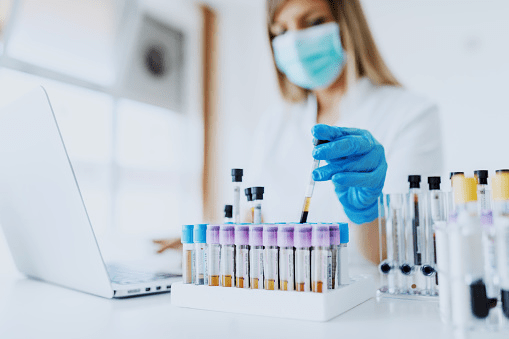
To identify the source of your infection, your healthcare provider will examine you physically and assess your symptoms. To determine the source of the infection, they could occasionally ask for a blood or urine test.

Common bacterial illnesses include the following:

  • Urinary Tract infections (UTIs)
  • ear and sinus infections
  • throat infection

Antibiotics do not work against viruses, including influenza and the common cold. Additionally, they are ineffective against fungal infections like:

  • Candida infections
  • Athlete’s foot
  • Ringworm

Antifungals, a distinct class of drugs, treat fungal infections.

Side effects of antibiotics?

Antibiotics have similar side effects, most commonly gastrointestinal distress. These include:

  • Diarrhea
  • Nausea
  • Vomiting
  • Cramps

Taking the antibiotic with food can sometimes lessen these side effects. Certain antibiotics, however, need to be taken on an empty stomach. The ideal way to take your antibiotic should be discussed with your doctor or pharmacist.

Gastrointestinal discomfort usually disappears once treatment is discontinued. However, you should call your doctor if it does not.

You should also call your doctor if you experience the following:

  • Severe diarrhea
  • Severe stomach pain and cramps
  • Bloody stools
  • Fever

In conclusion

Using antibiotics properly maximizes their effectiveness. The first step is to be sure you have a bacterial infection. Then, only use antibiotics for bacterial infections as directed by your doctor or pharmacist. For example, some antibiotics must be taken with meals, while others must be taken on an empty stomach.

Moreover, antibiotics should be taken at the recommended dosage and for the specified time. After taking the antibiotic for a few days, you might feel better, but you shouldn’t stop your therapy before consulting a doctor.

Did you find this article helpful? Leave a comment in the section below.

Modern problems in healthcare

Modern problems require modern solutions. Today we will discuss some of the problems modern healthcare faces and innovative ideas to solve them.

Staffing issues and burnout

Health systems continue to have a staffing deficit. Staff shortages are the second most common problem in healthcare after finances. Many people place a high priority on finding and keeping staff, especially certified nurses. 

Another reason there is a shortage of health workers is the aging workforce and burnout.

Being current with new developments in medical sciences

Gene therapy, nanomedicine, mRNA research, digital medicine, and other fields that are growing quickly are all seeing a lot of new ideas. Doctors also require clarity on the most recent scientific data. The difficulty facing health system officials is that hospitals are unable to keep up with these developments.

Healthcare administrators and physicians must change their methods to keep pace with the breakthroughs as the available treatment always changes.

The leadership of the hospital must stay up to date on the most recent research and information and eventually do cost-benefit evaluations of new choices to evaluate how these innovations can best support the delivery of care by their physicians.

Promoting equity in health

Hospital executives are focusing entirely on the treatment discrepancies encountered by underserved patient populations, such as socioeconomic, ethnic, and gender-based disparities, and they are discovering that these issues are challenging to unravel.

The language of therapeutic information, such as patient education handouts, can contain subtle biases. They may also spread among the caregivers on a team. For instance, compared to white patients, black patients are 2.5 times more likely to have poor patient behavior and history descriptions in their electronic health record (EHR) notes.

Patient protection

Patient safety has long been a tough problem for health systems and their leaders, from drug and diagnostic errors to surgical mishaps. For example, hospital-acquired infections (HAIs) continue to place a heavy strain on healthcare systems. 

To provide the finest patient care possible, hospital executives and leaders must overcome a number of obstacles. For example, having access to reliable clinical technologies and evidence-based treatments can improve decision-making, quality, and patient and financial outcomes throughout the whole care continuum.

The high cost of medical care

The high expense of healthcare may be the most important problem currently. Due to the high cost of healthcare, many people choose not to seek medical attention when they are ill or completely avoid coming to the doctor for routine preventative care.

Many people struggle to pay for their prescriptions, causing them to miss doses or otherwise not take their medication as directed. Each of these actions has the potential to cause major health problems and hence raise future medical expenses.

The healthcare sector, insurers, and state and federal government agencies all have a role to play in reducing the cost of healthcare. The focus of current measures is on a dedication to lowering insurance prices and enacting thorough pricing caps for services.

Nonetheless, there are actions that health care administrators can do at the administrative level. Administrative expenses like invoicing, scheduling, and insurance filing account for 25% of health care spending. Automating repetitive tasks, establishing payer-provider communication platforms, and enacting industry-wide changes can reduce the cost of medical care.

Health Equity 

The healthcare sector has long been aware of the enormous variations in patient outcomes among various groups. These differences are not just related to finances and medical expenses. Instead, environmental factors also have a significant influence on one’s health and well-being.

These elements—collectively referred to as social determinants of health—include a person’s ZIP code, color, and ethnicity; the quality of the air and water; and their access to good-quality employment, housing, education, transportation, and food.

In other places, enduring racial and socioeconomic injustices have also contributed to generations of ill health. All of these factors have an impact on a person’s general health and capacity to seek medical care.

It costs more money to handle health crises in marginalized populations, which frequently necessitate hospitalization or ER visits.

Just like the high cost of healthcare, addressing health equity requires collaboration between regional, state, and federal organizations and healthcare providers.

To address environmental concerns and increase access to healthcare for marginalized areas, it is possible to use housing, transportation, and partnerships with healthcare NGOs and churches.

To address the needs of patients, healthcare executives might set up a variety of various programs. Telehealth, for instance, can assist patients who lack access to transportation, as is common in many rural locations, yet internet infrastructure is still an issue.

Additional initiatives include community partnerships, care teams that expedite patient care, and in-home senior care.

The benefits and drawbacks of technology

Although the current healthcare situation offers numerous opportunities, if handled improperly, it could result in a host of issues. Data are now used more and more in healthcare.

The difficulty comes from handling this enormous data sea. In addition to information stored in electronic health records (EHRs), this data also consists of administrative information such as addresses, demographics, information about insurance policies and claims, payment history, and appointment scheduling.

Artificial intelligence has a higher impact on healthcare. The administration and delivery of healthcare are being increasingly impacted by the use of artificial intelligence (AI). Simple, repetitive operations like patient intake and scheduling can be improved with AI and machine learning.

Staff may now focus on more difficult problems, which will save time and money. AI can also assist in forecasting staffing requirements, making it simpler for managers to staff effectively. In addition, AI can help doctors with administrative work, freeing them up to concentrate on patient care.

Last but not least, some managers and health insurers have started utilizing big data analytics and AI to forecast health risks as well as track and evaluate illness outbreaks.

The increasing lack of providers

Several issues are contributing to this shortage: an aging population, which requires more medical care; localized healthcare provider shortages, where a region lacks sufficient numbers of doctors and nurses to serve the community; and burnout, which occurs when medical staff is overwhelmed and overstressed or work too many shifts, leading some to leave the profession.

To combat the shortfall, providers are coming up with innovative solutions. This can require revising recruitment strategies and placing more emphasis on long-term workforce planning. In order to put together a competitive compensation plan, health administrators may need to look at salary, paid time off, and benefits.

In addition, making sure departments have enough employees on hand can help avoid overwork, medical mistakes, and fatigue. In order to boost employee satisfaction, additional changes might concentrate on providing opportunities for training and advancement.

In conclusion

This is a hard and exciting time to work in the healthcare profession since administrators’ time is being consumed by all the current healthcare challenges. Despite the complexity of these problems, officials in the health administration are coming up with creative solutions that will improve the health and well-being of millions of people.

The MABS blog aims to educate people about medicine and issues in medicine. Keep reading my blog and leave comments.