Do you ever feel drained entirely by midday? Are you wondering where all your energy went? Or have you experienced days when you feel unstoppable, full of motivation and vitality? The difference often lies in the subtle choices we make every day.
Energy drains are those habits, activities, or even environments that quietly sap your strength, leaving you tired, stressed, or unproductive. On the other hand, energy gains are the nourishing routines and uplifting moments that recharge your mind, body, and spirit.
Common Energy Drains
Energy drains can sneak into your life through habits, environments, and choices that initially seem harmless but add up over time, leaving you exhausted and unmotivated. Identifying these drains is the first step toward regaining control of your energy.
1. Not getting enough sleep
Not getting enough sleep
Sleeping less than 8 hours a night disrupts your body’s natural recovery process, leaving you tired and sluggish.
2. Eating too much sugar
Sugar doughnuts
Sugar causes energy spikes followed by inevitable crashes, making you feel drained.
3. Drinking too much coffee
Too much coffee
More than one cup of coffee daily can lead to jitteriness and disrupt your sleep, creating a fatigue cycle.
4. Skipping meals
Missing meals deprives your body of essential nutrients and energy, leading to sluggishness.
5. Eating junk and processed food
Fast food
Foods made in factories, such as chips and fast food, provide empty calories that don’t effectively fuel the body.
6. Consuming bread and dairy excessively
Milk
These can cause bloating or fatigue in some people, especially if they are sensitive to these foods.
7. Drinking too much alcohol
Alcohol
More than three glasses of wine or other alcoholic drinks per week can negatively affect your sleep and energy levels.
8. Working too much
Working too much
Long hours without proper breaks can lead to burnout and mental fatigue.
9. Spending excessive time on screens
Too much time on the computer or watching TV strains your eyes and diminishes your mental focus.
10. Skipping exercise
Not moving your body at least four times a week reduces your physical stamina and energy levels.
11. Staying indoors all-day
Staying indoors
Lack of fresh air and sunlight can lead to feelings of lethargy and even lower your mood.
12. Neglecting meaningful connections
Not spending time with friends or loved ones can leave you feeling isolated and emotionally drained.
13. Toxic Relationships
toxic relationships
Hostile or manipulative individuals can drain your energy by fostering feelings of stress, self-doubt, or emotional exhaustion. Examples are constant complainers, overly critical people, or those who don’t respect your boundaries.
14. Overcommitting Socially
Saying “yes” to every invitation or favor can drain your time and energy, leaving little room for rest or self-care.
15. Shallow Connections
shallow connections
Engaging in surface-level conversations or spending time with people who don’t align with your values can feel unfulfilling and draining.
16. Excessive Social Media Use
social media
Mindlessly scrolling through social media can lead to comparison, FOMO (fear of missing out), and reduced mental clarity.
17. Neglecting Alone Time
Alone time is important so you can process your feelings and rejuvenate your energy. Use your time alone to work and journal and reflect.
Why Does Addressing Energy Drains Matters
Ignoring these energy drains can lead to long-term consequences, including chronic fatigue, decreased productivity, and emotional burnout. You can begin making small but impactful changes to reclaim your vitality by identifying which drains affect you the most.
Before you can eliminate energy drains, you need to identify what’s depleting your energy in the first place. While some drains are universal—like poor sleep or unhealthy eating—others may be unique to your lifestyle, environment, or habits.
How To Pinpoint Your Biggest Energy Drains
Take a few days to track your activities, emotions, and physical feelings. Write down
What are you doing at various points in the day?
How does each activity make you feel—energized or drained?
Do you notice any patterns, like feeling exhausted after certain meals or sluggish during specific tasks?
Example: Do you feel fatigued after spending hours on your computer? Or does a late-night snack leave you struggling to wake up?
Common Energy Gains
Now that you’ve identified what’s draining your energy, it’s time to focus on the habits, activities, and routines that can recharge you. Energy gains are the practices that nourish your body, uplift your spirit, and sharpen your mind. Integrating these into daily life can boost your vitality and make you feel more balanced.
1. Eat a high-protein breakfast
eggs
Start your day with foods like eggs or a protein shake to sustain energy levels throughout the morning.
2. Focus on fresh, whole foods
fresh produce
Incorporate unprocessed, nutrient-dense options like vegetables, fruits, and lean proteins. Aim for 10 servings of vegetables daily.
3. Snack smart
Add protein-packed snacks mid-morning and afternoon to maintain consistent energy levels.
4. Avoid late-night eating
Refrain from eating three hours before bedtime to ensure quality sleep.
5. Take essential vitamins
Support your energy with multivitamins, fish oil, and vitamin D supplements.
6. Stay hydrated
drink water
Drink 6-8 cups of filtered water daily to keep your body functioning optimally.
7. Engage in outdoor activities
Picnic
Run in the woods, swim in lakes or rivers, or play sports like tennis to combine movement with nature’s rejuvenating power.
8. Move regularly
Run
Incorporate at least four weekly workouts to build stamina and improve physical health.
9. Spend time in nature
Nature
A short walk outside can boost your mood and energy.
10. Hug loved ones
hug
Physical affection, like hugging your kids or spouse, can instantly lift your mood.
11. Connect with friends
Spend quality time talking to friends or hosting dinner parties for meaningful connections.
12. Help others
Volunteering or assisting someone in need fosters a sense of purpose and fulfillment.
13. Cook for family and friends
Cooking with family
Being creative in the kitchen can be relaxing and rewarding.
14. View your day as sacred
Treat each day like a blank canvas, intentionally shaping it to create joyful and meaningful experiences.
15. Learn something new
Explore fascinating aspects of the world and the people around you to stay curious and inspired.
Tips for Integrating Energy Gains
Incorporating these energy gains into your daily routine will significantly improve how you feel, think, and perform. The following section will explore strategies to balance energy drains and gains for a sustainable, energized life.
Start small
Replace one energy-draining habit with an energy-gaining one. For instance, swap a sugary breakfast with a high-protein alternative.
Schedule gains into your day
Set aside time for activities that recharge you, like morning walks or evening socializing.
Celebrate your wins
Acknowledge the positive changes you make, no matter how small—they add up over time.
Strategies to Balance Energy Drains and Gains
Happy
Life is about balance, and while it’s impossible to eliminate all energy drains, you can learn to manage them effectively while maximizing your energy gains. Here are practical strategies to create a sustainable energy flow throughout your day.
Replace Drains with Gains
For every energy-draining habit you identify, aim to replace it with an energy-giving alternative.
Instead of skipping breakfast (an energy drain), start your day with a high-protein breakfast (an energy gain).
Swap excessive screen time with an outdoor walk or a creative activity like cooking.
Set Boundaries Around Drains
Not all energy drains can be eliminated, but you can manage their impact:
Limit work hours by setting specific start and end times.
Use apps or timers to restrict screen time.
Politely decline commitments that overextend your energy, focusing on what truly matters.
Prioritize Energy Gains in Your Routine
Make energy-giving habits a non-negotiable part of your day.
Morning: Start with a nourishing breakfast and light movement like stretching or walking.
Midday: Take a break to enjoy a protein-rich snack, hydrate, and recharge with a short nature walk or a few minutes of mindfulness.
Evening: End your day with a calming activity, like reading, journaling, or spending time with loved ones.
Use an Energy Budget
Treat your energy like money in a bank account—be intentional about how you spend it.
Identify activities that drain your energy and limit how much time you devote to them.
Invest your energy in activities that bring the highest returns, such as meaningful connections, exercise, and creative pursuits.
Pro Tip: Start your day with energy-giving activities to set a positive tone for the rest of the day.
Create a Balance Plan
Develop a strategy for balancing energy gains and drains:
List your top 3 energy drains and a corresponding list of 3 energy gains.
Pair each drain with a gain to neutralize its impact.
Schedule a 10-minute midday walk to recharge if work drains you.
Conclusion
Your energy isn’t just something you use—it’s something you can shape, build, and protect. Imagine waking up daily with the vitality and focus to do what you love and make meaningful progress toward your goals. That vision starts with small, intentional actions today.
Take the first step toward your energy transformation: swap one energy drain for an energy gain and watch the positive ripple effect unfold. *Your best, most energized self is waiting—go claim it!*
Use an energy tracker to help you identify your energy drains and gains and build a routine that works for you!
Sleep is non-negotiable. Treat sleep as an essential part of your health and productivity, not an optional activity. We have compiled the best secrets to have the best sleep.
1. Stick to a Consistent Sleep Schedule
Go to bed and wake up simultaneously every day, even on weekends. Consistency reinforces your body’s natural sleep-wake cycle. You can do this by choosing a bedtime and wake-up time that allows for 7-9 hours of sleep.
2. Create a Relaxing Bedtime Routine
Develop a calming pre-sleep ritual like reading, praying, meditating, or taking a warm bath to signal to your body that it’s time to wind down. During this time, avoid social media.
You can also use the time to reflect on your day by journaling and writing about what you look forward to tomorrow.
3. Limit Blue Light Exposure
Avoid screens (phones, TVs, computers) at least an hour before bed. Blue light can interfere with melatonin production, which is essential for sleep.
Just avoid social media and keep your phone at a distance.
4. Keep Your Room Dark and Cool
A dark, cool bedroom (around 60-67°F or 15-19°C) promotes better sleep by mimicking natural nighttime conditions.
Switch off all the lights, but if you do not like sleeping in total darkness, you can switch on a little night light, not too bright.
5. Invest in Comfortable Bedding
Use a supportive mattress, soft pillows, and breathable sheets to create a cozy sleep environment. You always have your bed made in the morning so you can slip into a clean bed at night.
6. Avoid Caffeine Late in the Day
Caffeine can stay in your system for up to 8 hours. Avoid consuming coffee, tea, or energy drinks after mid-afternoon. Stop your coffee after 1 pm so you can be caffeine-free by bedtime.
7. Limit Alcohol Before Bed
Though alcohol can make you feel drowsy, it disrupts sleep patterns and reduces sleep quality. It is good sleep hygiene to avoid alcohol before bed.
8. Exercise Regularly
Physical activity improves sleep, but avoid vigorous exercise too close to bedtime, as it can keep you awake. This means avoiding going to the gym too close to bedtime. Instead, go to the gym in the morning or around 2 pm—6 pm.
What’s most important is that you work out; don’t do it too close to bedtime.
9. Limit Daytime Naps
If you need to nap, keep it to 20-30 minutes in the early afternoon to avoid disrupting nighttime sleep. You can schedule your nap anytime between 12–3 pm, but only for 30 minutes max.
10. Manage Stress and Anxiety
Practice relaxation techniques such as deep breathing, journaling, or mindfulness to calm your mind before bed. On days when you have been too tested, you can enjoy a good crying session before bed. Studies have found melatonin in tears. Melatonin is the night hormone regulated by the circadian rhythm that helps with sleep.
11. Avoid Heavy Meals Before Bedtime
After a long day, you might be tempted to reward yourself with an extra bowl of pasta or another slice of cake. However, eating large or spicy meals too close to bedtime can cause discomfort and disrupt sleep.
12. Limit Fluid Intake Before Bed
Reduce drinking liquids an hour or two before bed to minimize nighttime trips to the bathroom. If you go to the bathroom multiple times in the night, it might be time to see your caregiver.
13. Use White Noise or Calming Sounds
Soothing sounds, like white noise or soft music, can help drown out distractions and lull you to sleep. You can also consider playing soothing gospel music as you sleep to set an atmosphere of worship as you sleep.
14. Optimize Lighting Throughout the Day
Get plenty of natural light during the day to regulate your circadian rhythm and signal your body to stay awake when it’s light out. You can also reduce using artificial light during the day and night; try following natural light as much as possible.
15. Avoid Sleeping Pills
Unless prescribed by a doctor, avoid over-the-counter sleep aids, which can lead to dependency or interfere with natural sleep cycles.
16. Practice Gratitude
Spend a few minutes reflecting on what you’re thankful for. A positive mindset can help you relax and sleep better.
17. Use Aromatherapy
Scents like lavender, chamomile, or sandalwood can help promote relaxation and improve sleep quality.
18. Reserve Your Bed for Sleep
Avoid working, watching TV, or eating in bed. This helps your brain associate your bed with rest and sleep only.
19. Try Progressive Muscle Relaxation
To release tension, systematically tense and relax each muscle group in your body, starting from your toes and working upward.
20. Seek Professional Help if Needed
If you consistently struggle with sleep, consult a doctor or sleep specialist. Sleep disorders like insomnia or sleep apnea require treatment.
Conclusion
Adopting even a few of these habits can significantly improve the quality of your sleep. Sweet dreams.
Did you find this article helpful? Leave a comment below.
Most societies have various cultural groups. These groups view mental health issues through varying lenses, influencing both how individuals perceive their mental well-being and how they seek care.
This post is part one of a two-part blog where we explore cultural diversity. Part two will focus on how cultural diversity affects mental health outcomes.
What is Cultural Diversity?
At its core, cultural diversity refers to the variety of cultures, traditions, and ways of life within a society or group. It encompasses differences in language, religion, ethnicity, customs, and social practices.
Cultural diversity can be seen in many aspects of life: food, festivals, music, and even communication styles. For example, in cities like London, Los Angeles, New York, Sydney, and Toronto, you can find neighborhoods where people speak dozens of different languages, practice a range of religious beliefs, and celebrate cultural events that are rooted in various parts of the world.
A culturally diverse society is one where no single culture dominates; rather, multiple cultures coexist and influence each other. This diversity contributes to the overall vibrancy of the community, allowing people to share and experience different aspects of humanity.
Cultural diversity is a fact of life and a significant strength in today’s interconnected world.
Importance of Understanding Cultural Diversity
Understanding cultural diversity is essential for fostering harmony and cooperation in today’s interconnected world. As societies become increasingly multicultural, navigating and appreciating different cultural perspectives becomes a critical skill.
A society that understands cultural diversity is better equipped to build social cohesion. When diverse groups feel respected and included, it promotes a sense of belonging and unity.
On the contrary, when cultural differences are ignored or dismissed, it can lead to divisions, isolation, and even conflict. Therefore, cultural diversity is essential not only in celebrating differences but also in recognizing that understanding those differences can create more robust, more unified communities.
1. Promotes Empathy and Tolerance
2. Fosters Global Collaboration
3. Enriches Personal and Social Development
4. Strengthens Social Cohesion
Benefits of Embracing Cultural Diversity
Embracing cultural diversity brings many benefits at an individual and societal level. It strengthens communities, drives innovation, and fosters a more compassionate and equitable world.
By embracing cultural diversity, individuals and societies can enjoy these benefits, creating inclusive spaces open to change, collaboration, and growth.
1. Drives Innovation and Creativity
2. Boosts Economic Growth
3. Enriches Cultural Experiences
4. Promotes Empathy and Social Cohesion
5. Enhances Problem Solving
Challenges of Cultural Diversity
While cultural diversity brings numerous benefits, it has its challenges. In multicultural societies, people must navigate differences in communication, social norms, and even values, which can lead to misunderstandings or tensions. To truly embrace cultural diversity, it is essential to acknowledge and address these challenges effectively.
1. Communication Barriers
To overcome these barriers, it’s essential to promote language education and cross-cultural communication training.
2. Stereotyping and Prejudice
Combating stereotyping and prejudice requires education and open dialogue. Awareness campaigns, diversity training, and opportunities for cultural exchange help break down barriers and challenge preconceived notions.
Individuals who learn more about other cultures are more likely to develop empathy and reject harmful stereotypes.
3. Integration vs. Cultural Preservation
Successful integration involves finding a middle ground where individuals can contribute to and participate in the larger society while preserving their unique cultural identities. This can be supported by inclusive policies recognizing and celebrating cultural diversity, such as multicultural festivals, language classes, and community-building efforts encouraging interaction across cultural lines.
4. Social and Economic Inequality
Addressing this challenge requires policies that promote equal access to resources and opportunities for all, regardless of cultural background. This includes anti-discrimination laws, equal employment initiatives, and community support programs that help marginalized groups overcome these barriers and achieve economic and social equality.
Conclusion
Recognizing and appreciating the richness of different cultures is more important than ever. Cultural diversity brings immense benefits, from driving innovation and economic growth to fostering empathy, understanding, social cohesion, and mutual respect.
Fall or autumn is the season between summer and winter.
Forgiveness is a powerful act of letting go and moving forward. With its yellow leaves and cooler temperatures, the fall season serves as an impactful metaphor for Forgiveness.
As nature transforms, plants shed their old leaves to prepare for the winter. This natural transition beautifully illustrates the idea of ‘letting go,’ making it an ideal time to explore and embrace forgiveness.
In this blog post, we shall see how Fall and Forgiveness are related.
Embracing the Essence of Fall
Fall (autumn) is about letting go. It is often seen as the season of transformation when nature sheds the old to make way for the new. As the leaves turn from vibrant greens to rich shades of orange, yellow, and red, they remind us of the beauty and necessity of letting go.
This natural cycle provides a clear similitude to our lives, highlighting the importance of releasing things that no longer serve us to cultivate growth and renewal.
In many cultures, fall is a season of harvest—a time to reap what has been sown throughout the year. But it’s also a preparation period for the winter months when old and unnecessary parts of the environment are naturally cleared away. Understanding the innate need to conserve energy for the colder months, trees let go of their leaves in a spectacular display of acceptance and surrender.
The process of release provides a powerful lesson. Just as trees let go of their leaves to preserve their strength, so must we let go of past grievances, outdated commitments, and unhelpful beliefs to maintain our energy and protect our well-being.
Letting go is not just an act of removal; it’s choosing where to direct our energies more fruitfully.
The Symbolism of Shedding Leaves
Trees let go of their leaves in the fall. This natural shedding process is not only necessary for the health of the trees but is also crucial for their rejuvenation and growth in the coming seasons.
Similarly, letting go and forgiving those who have wronged us, or even forgiving ourselves, can free us from the unnecessary weight of past pains, allowing emotional growth and renewal.
We can use this season as a reminder to release our burdens of grudges and resentment. The following five points provide further insight into the relationship between fall and Forgiveness.
1. Preparing for Renewal
Fall marks a time of preparation for the new and preservation for the harsher winter months ahead. In the human experience, forgiveness can be a preparation for a more peaceful state of mind, safeguarding our emotional well-being against the bitterness that can harden us during more challenging times.
By forgiving, we open ourselves to new relationships and opportunities as the soil readies itself for new seeds in the spring.
2. The Beauty in Change
There is undeniable beauty in the fall colors, a vibrant finale before the quiet of winter. Forgiveness, too, can bring beauty to our lives by transforming relationships and enhancing our understanding of human frailty, including our own.
It adds depth and color to our character, teaching us about compassion and the strength of the human spirit.
3. A Time for Reflection
The longer nights and cooler days of autumn offer a perfect opportunity for reflection—a chance to sit back and contemplate the events and interactions of the past year.
This introspection can lead to a deeper understanding of the situations where forgiveness might be needed. It’s a time to think about whom we must forgive and why and perhaps seek reconciliation.
4. Harvesting Peace
As farmers harvest their crops in the fall, we too can harvest the personal peace from forgiving. There’s a profound peace and satisfaction in resolving old conflicts and healing old wounds, which can improve our mental health and overall happiness.
5. Embracing the Cycle of Life
Fall and Forgiveness remind us of life’s cycles—of endings and beginnings. Forgiveness marks the end of conflict and the beginning of something brighter. It helps us close chapters that need closing and renew our spirit for the upcoming chapters.
The Art of Letting Go
Letting go can be challenging because it often involves stepping out of our comfort zones and confronting uncomfortable truths about our lives and relationships. It requires recognizing that some relationships, habits, and old ways of thinking may no longer contribute positively to our lives.
The process is not about loss but about making room for new experiences and opportunities.
Here’s how we can embrace this season to help us let go:
Reflect on the past year
Just as trees shed their leaves, take stock of what you might need to shed. What burdens are you carrying that you can let go of? This could be anything from resentments and fears to physical clutter in your home.
Practice forgiveness
Just as autumn clears the old and makes way for the new, Forgiveness allows us to clear old grudges. Forgiving yourself and others can free up tremendous energy and lead to a healthier emotional state.
Set goals for the coming months
As the landscape changes, consider the changes you wish to see. What new qualities do you want to cultivate? Setting intentions can help you focus on what truly matters.
Cultivate gratitude
Take time to appreciate the beauty of the changing seasons and the lessons they bring. Gratitude shifts your focus from what you need to let go and enhances your overall well-being.
Connect with nature
Spend time outdoors. The crisp autumn air and the crunch of leaves underfoot can be incredibly grounding and rejuvenating, reminding us of the cycle of life and renewal.
Autumn teaches us that letting go is a natural and necessary process for growth. It’s a beautiful reminder that there is also a beginning in every end, and in the act of release, there is renewal.
As you watch the leaves fall this season, remember that it’s an invitation to drop the weights you’ve carried, perhaps longer than necessary, and to walk lighter into the days ahead.
Best Ways to Let Go of the Past
Letting go of the past can be a liberating yet challenging process, but it’s crucial for moving forward and living a fulfilling life.
1. Acknowledge and express your feelings
Recognize the emotions tied to your past experiences. Allow yourself to feel them fully, whether it’s through talking with someone, journaling, or creative expression. Suppressing these feelings can delay the healing process.
2. Seek closure
Speaking to the people involved or writing a letter you never send can provide a form of closure. It’s a way to articulate your feelings and say everything you need to say, even if the other person isn’t part of the conversation.
3. Forgive
Forgiving yourself or others is a powerful tool for letting go. It doesn’t mean excusing the behavior or forgetting what happened, but freeing yourself from bitterness and resentment.
4. Change your narrative
Shift how you talk about your past. Instead of seeing it as a series of misfortunes, try to find lessons or strengths you gained from those experiences. This can transform how you view your past and its impact on your life.
5. Practice mindfulness and meditation
Engage in mindfulness exercises and meditation to help anchor you in the present moment. These practices can help you gradually detach from the cycles of regret or nostalgia that tie you to the past.
6. Create new memories
Actively seek out new experiences to create positive memories. This can shift your focus from the past to the present and future, helping you move on.
7. Set goals for the future
Having clear goals provides direction and motivation to help shift your focus away from the past. Plan steps to achieve these goals and start working on them.
8. Talk to a therapist
Sometimes, letting go of deep-seated or traumatic past events requires professional help. A therapist can provide strategies tailored specifically to you and support you.
9. Limit reminders
If certain places, people, or things trigger painful memories, limit your exposure to them as you work through your feelings.
10. Embrace change
Recognize that change is an inevitable part of life. Embracing it can reduce the fear and pain of leaving the past behind.
Letting go is not about erasing the past but lightening its impact on your present and future. It’s a journey that requires patience and self-compassion, but each step forward makes it easier to enjoy the present and look forward to what’s coming next.
Importance of Forgiveness
Forgiveness is a powerful and transformative process that benefits both the forgiver and the forgiven, and it plays a vital role in fostering healthy relationships and promoting personal and emotional well-being.
Emotional healing
Holding onto anger, resentment, or grudges can be emotionally draining and detrimental to one’s mental health. Forgiveness allows individuals to release these negative emotions, leading to more excellent emotional stability and peace.
It helps heal the wounds of the past, allowing people to move forward without the burden of unresolved emotions.
Physical health benefits
Research has shown that Forgiveness improves physical health outcomes. Those who forgive tend to experience lower levels of stress, anxiety, and depression, which are all associated with a myriad of health problems, including heart disease and weakened immune systems. Forgiving can lead to lower blood pressure, improved heart health, and longevity.
Improved relationships
Forgiveness is essential for the longevity and health of relationships. It fosters a positive and supportive environment, enabling relationships to thrive even in the face of conflicts.
Individuals can prevent bitterness from poisoning their relationships by choosing to forgive and build stronger, more resilient bonds.
Psychological resilience
Forgiving others and oneself can build psychological resilience. It helps individuals develop a more adaptive approach to dealing with setbacks and conflicts. People who practice Forgiveness are better equipped to handle future challenges without being overwhelmed by negative emotions.
Spiritual growth
Many religious and spiritual traditions emphasize the importance of forgiveness as a pathway to enlightenment and inner peace. Forgiving is often seen as a divine attribute, and practicing forgiveness can deepen one’s spiritual life and connection to others.
Fosters empathy and compassion
Forgiveness encourages empathy and compassion. Understanding the reasons behind others’ actions and recognizing our vulnerabilities helps nurture compassion, which is crucial for forgiveness.
This makes interpersonal relationships more fulfilling and promotes a more compassionate society.
Freedom from the past
Forgiveness is a way of freeing oneself from the past. It allows individuals to let go of the parts of their history that bind them in negative cycles, opening up new possibilities for personal growth and happiness. It is a crucial step in reclaiming power over one’s own life.
Reduces the cycle of retaliation
On a broader scale, forgiveness can help reduce the cycle of retaliation and violence within communities and societies. Forgiveness can be a powerful tool for conflict resolution and peace-building.
However, forgiveness is not always easy and often requires a conscious, deliberate decision to let go of perceived wrongs. It might require time and can be a gradual process. However, the benefits of forgiving far outweigh the initial emotional cost, making it a crucial element for a fulfilled and healthy life.
10 Inspirational Quotes to Encourage Forgiveness
These forgiveness quotes will inspire you or help you to inspire others to forgive someone.
“The weak can never forgive. Forgiveness is the attribute of the strong.” – Mahatma Gandhi
“To forgive is to set a prisoner free and discover that the prisoner was you.” – Lewis B. Smedes
“Forgiveness does not change the past, but it does enlarge the future.” – Paul Boese
“Forgiving isn’t something you do for someone else. It’s something you do for yourself. It’s saying, ‘You’re not important enough to have a stranglehold on me.'” – Kathleen Norris
“Forgiveness is not an occasional act; it is a constant attitude.” – Martin Luther King Jr.
“Forgiveness says you are given another chance to make a new beginning.” – Desmond Tutu
“The act of Forgiveness takes place in our mind. It has nothing to do with the other person.” – Louise Hay
“When you forgive, you in no way change the past – but you sure do change the future.” – Bernard Meltzer
“Resentment is like drinking poison and then hoping it will kill your enemies.” – Nelson Mandela
“Forgiveness is the fragrance that the violet sheds on the heel that has crushed it.” – Mark Twain
Back hyperextensions are a powerful exercise that target the posterior chain, especially the lower back, glutes, and hamstrings. Do you want to alleviate lower back discomfort? Or would you like to improve your posture? Back hyperextensions offer a myriad of benefits.
This post will discuss the various aspects of back hyperextensions, from proper techniques to equipment options, and how this exercise can contribute to injury prevention, posture improvement, core strength, and much more.
What Are Back Hyperextensions?
Back hyperextensions focus on the posterior chain, a group of muscles including the erector spinae, glutes, hamstrings, and other stabilizing muscles. These exercises work to improve lower back strength, spinal stability, and overall posture.
Contrary to the name, the back isn’t hyperextended in a dangerous way during this movement. Instead, you move into an extended position from neutral, which strengthens the muscles that help maintain proper spinal alignment.
Benefits of Back Hyperextensions
We need a strong core for almost every movement we perform. Back hyperextensions target the erector spinae, which are crucial for maintaining proper spinal posture and preventing injury. Stronger core muscles also contribute to enhanced sports performance and better movement efficiency.
If you are someone who sit a lot, you need this exercise. Sedentary behavior, often associated with sitting for long hours, can lead to poor posture. Back hyperextensions can correct this by strengthening the lower back, helping to realign your spine and improve posture over time.
Strengthening your lower back and posterior chain helps protect the spine and surrounding muscles from injury. Athletes and non-athletes alike benefit from a strong, balanced core and lower back, making hyperextensions an essential exercise for injury prevention.
Hyperextensions also improve muscle endurance in the lower back, hamstrings, and glutes. This is particularly beneficial for athletes and individuals who perform repetitive motions that require strong, resilient muscles.
People who participate in sports that demand lower back strength, like weightlifting, football, or even running, will find that back hyperextensions contribute to improved performance. Enhanced range of motion and better muscle activation directly translate to more power and stability during athletic movements.
Which Muscles Work During Back Hyperextensions
Erector Spinae
The erector spinae, a muscle group that runs along the length of your spine, is the primary muscle engaged during back hyperextensions. By strengthening this muscle, you improve spinal stability and posture, reducing the risk of injury during physical activity.
Hamstrings and Glutes
The hamstrings and glutes are key muscles that get activated as you lift your body back into a neutral position. These muscles are critical for lower back and hip movement, contributing to your overall posterior chain strength.
Hip Extensors
Hip extensors, including the glutes and hamstrings, play a vital role in the lifting phase of a hyperextension. If these muscles are underdeveloped or weak, lower back discomfort is common. Hyperextensions help activate and strengthen these muscles, leading to better core stability.
Different Types of Hyperextension Exercises
90-Degree Hyperextension Bench
The 90-degree hyperextension bench places your body in a fully horizontal position, maximizing resistance as you lift against gravity. This position engages the glutes, hamstrings, and lower back even more intensively than other variations. It’s ideal for individuals with intermediate to advanced core strength, as it demands more control and stability.
45-Degree Hyperextension Bench
A 45-degree bench is more forgiving for beginners. This position reduces the resistance slightly but still provides enough challenge to activate the posterior chain. It’s an excellent introduction to hyperextensions for those new to lower back exercises.
Reverse Hyperextension
In reverse hyperextensions, the movement is inverted, with the upper body staying stable and the legs moving instead. This variation works the glutes and lower back muscles while minimizing strain on the spine. It can be performed on a gym bench or a stability ball, making it accessible even for home workouts.
GHD Machine
The Glute Ham Developer (GHD) machine is another piece of equipment used for hyperextensions. It allows for an extended range of motion and engages the hamstrings and glutes more intensely. GHD hyperextensions are great for building strength in the posterior chain, especially for athletes needing explosive power in their lower body.
Techniques and Form for Hyperextensions
Proper technique is crucial for reaping the full benefits of hyperextensions and avoiding injury.
Squeeze Glutes
As you lift your body back up, focus on squeezing your glutes. This activates the posterior chain muscles and helps alleviate lower back discomfort.
Tense Abs
Engage your core muscles throughout the movement. By tensing your abs, you reduce the strain on your lower back and maintain better form.
Slow and Controlled Movement
Avoid rushing through hyperextensions. A slow and controlled motion ensures proper engagement of the muscles and prevents injury. Focus on keeping your back straight as you move down and lift back up.
Thigh Pad Alignment
On a hyperextension bench, ensure the top of your hips aligns with the top of the thigh pad. Misalignment can cause discomfort and reduce the effectiveness of the exercise.
Avoid Rounding Your Back
It’s crucial to avoid rounding your back during the descent. Keep your back flat and hinge from the hips to protect your spine.
Weights for Resistance
As you progress, you can add resistance by holding a weight plate during the exercise. Start with a 5kg weight and gradually increase to 10kg or more as you become stronger. Adding weights enhances muscle endurance and strength in the posterior chain.
Equipment Options for Hyperextensions
Hyperextension benches are available for home use, allowing you to perform these exercises without needing to visit the gym.
The Roman chair is another common piece of equipment for performing hyperextensions. It provides support for your lower body, making it easier to focus on your back and core muscles.
If you don’t have access to a hyperextension bench, a stability ball can be used as an alternative. This option requires more balance and engages the core muscles to stabilize the body during the movement. It’s a great choice for home workouts.
GHD Machine
For those seeking a more advanced challenge, the GHD machine offers a greater range of motion and resistance. This equipment is more commonly found in gyms but can be purchased for home use as well.
Common Mistakes to Avoid in Hyperextension Exercises
1. Going Too Fast
Speed is not the goal in hyperextensions. Performing the exercise too quickly reduces muscle engagement and increases the risk of injury. Focus on slow, controlled movements for optimal results.
2. Arching Past Straight
When lifting back up, avoid arching your back past a straight line. Going too far can strain your lower back and negate the benefits of the exercise. Aim to keep your torso in line with your thighs as you reach the top of the movement.
3. Rounding Your Back
Rounding your back during hyperextensions puts unnecessary strain on your spine. Always keep your back flat and hinge from the hips to maintain proper form.
Hyperextension Exercise Variations
To keep your workouts interesting and challenging, you can try various hyperextension exercise variations. These include:
Weighted Hyperextensions
Single-Leg Hyperextensions
Isometric Holds
Incorporating Hyperextensions Into Your Routine
Back hyperextensions can be incorporated into your workout routine 2-3 times a week. For beginners, start with bodyweight exercises and gradually add resistance as your strength improves. Advanced athletes can perform weighted hyperextensions to continue challenging their muscles.
Hyperextension Workouts for Different Goals
For Core Strength- Perform 3 sets of 12-15 reps of hyperextensions at the end of your workout to target the core muscles.
For Injury Prevention- Incorporate hyperextensions into your warm-up routine to activate the lower back and glutes, preparing your body for heavier lifts like squats and deadlifts.
For Muscle Endurance- Use higher reps (15-20) with lighter resistance to improve muscle endurance in the lower back and hamstrings.
Conclusion
Back hyperextensions are an effective and versatile exercise that provides numerous benefits, from improving core strength and posture to preventing injury. Whether you’re using a hyperextension bench, stability ball, or GHD machine, mastering this exercise can lead to a stronger, healthier body. Incorporate hyperextensions into your fitness routine and enjoy the lasting benefits for your posterior chain strength and overall physical performance.
Did you find this blog post interesting? Leave us a comment
Addressing suicide is a susceptible topic that requires a compassionate and comprehensive approach. Among the various methods of support, spirituality can be compelling. Faith offers comfort, hope, and a sense of purpose for many, especially during deep despair.
This blog explores how integrating spiritual practices and beliefs can play a crucial role in suicide prevention. You can find solace and strength through faith.
How Faith Can Help Fight Depression
Faith can be a beacon of hope and strength for those facing overwhelming challenges. When struggling with suicidal thoughts, feelings of isolation and lack of purpose can become overwhelming.
Whether through religious beliefs or spiritual practices, faith offers connection and support beyond immediate struggles. It reminds individuals they are part of something greater, that their lives have value and meaning, and that help is available, even if it’s not immediately visible.
For many, faith provides a framework to understand and cope with suffering. It offers comfort through belief in a compassionate and caring higher power, providing solace when hope feels lost. Faith encourages resilience, reminding individuals they are not alone and that their struggles can be overcome with support and divine assistance.
Encouragement Through Scripture
Many religious traditions have sacred texts filled with messages of hope and reassurance. For instance, in Christianity, Bible verses like Philippians 4:13, “I can do all things through Christ who strengthens me,” remind individuals of the strength available through faith. Similarly, Psalm 34:18 offers comfort: “The Lord is close to the brokenhearted and saves those who are crushed in spirit.”
These passages provide divine support, helping individuals feel less isolated. Reflecting on such teachings can offer comfort by reinforcing the belief that there is a more excellent plan and that a higher power sees and understands their pain.
These teachings can foster a more profound sense of peace and hope, even amid significant challenges.
Spiritual Practices for Mental Wellness
1. Prayer and Meditation
Prayer and meditation are accessible spiritual practices that can provide comfort. Through prayer, individuals can express their fears, hopes, and needs directly to their faith, finding peace, understanding, and the strength to navigate difficult times. Many find reassurance in knowing they communicate with a divine presence caring about their well-being.
Meditation on spiritual teachings or sacred texts can offer calm and clarity, reducing stress and anxiety. Focusing on uplifting thoughts or reflecting on spiritual principles can also renew an individual’s sense of purpose and hope. Both practices can be incorporated into daily routines, offering ongoing support during emotional distress.
Scriptures such as Isaiah 41:10 and Matthew 11:28 can be powerful reminders of the divine strength available.
2. Community Support
A vital component of spiritual wellness is the support found within faith communities. Engaging with a faith community offers emotional and practical help. Whether through attending services, participating in group activities, or simply being part of a social network, individuals benefit from understanding others who share their beliefs.
Faith communities reduce feelings of isolation, offering platforms for sharing struggles and receiving support. Leaders and members are crucial in providing spiritual insights, counseling, and a listening ear.
Faith-based support groups offer safe spaces for individuals to discuss challenges, share experiences, and receive encouragement from others with similar spiritual perspectives.
Incorporating prayer, meditation, and community support can significantly enhance mental well-being and provide the strength needed to navigate difficult times.
Encouraging Open Conversations About Mental Health
Openly discussing mental health within spiritual communities is one of the most impactful ways to prevent suicide. Fear of stigma or judgment often makes these conversations difficult. Faith communities can help reduce stigma and offer vital support by creating environments where mental health is openly addressed.
Faith leaders and members can foster open discussions about mental health through workshops, personal stories, and active listening. Doing so creates a culture of acceptance and understanding, encouraging individuals to seek help without fear of judgment.
Faith communities that address mental health compassionately promote a supportive environment where individuals feel valued, understood, and supported on their journey toward healing.
Free Coloring page
I made a coloring book to help you boost your faith while you manage your mental health.
Finding Meaning and Purpose Through Faith
Faith can give individuals a sense of purpose and meaning in life’s challenges. Many spiritual traditions teach that struggles are part of a larger plan, helping individuals find meaning in even the darkest moments. This perspective can turn adversity into an opportunity for growth and deeper understanding.
By viewing challenges through faith, individuals can build resilience, instilling hope and a sense of inner strength. Faith-based teachings often emphasize divine strength, reassuring that there is a greater purpose, even in times of difficulty.
Integrating Faith with Therapy
Spiritual support can provide significant comfort but is often most effective when combined with professional mental health care. Integrating faith with therapy offers a holistic approach to managing mental health challenges. Therapists can address mental health issues using evidence-based methods, while spiritual beliefs provide emotional and spiritual resilience.
It’s essential for individuals seeking help to find therapists who respect and incorporate their spiritual beliefs into treatment, providing a comprehensive approach to healing.
Knowing When to Reach Out
Recognizing the need for professional help is critical. While spiritual support is powerful, it may not fully address all mental health challenges. If someone is experiencing severe distress or suicidal thoughts, professional intervention is necessary.
Combining spiritual support with professional care offers a well-rounded support system. In urgent situations, such as when someone is at immediate risk of self-harm, it’s essential to contact crisis helplines or emergency services.
Conclusion
Addressing suicide and mental health challenges requires a compassionate, multifaceted approach, with spiritual support playing a crucial role. Faith offers profound comfort, hope, and a sense of purpose, helping individuals navigate their darkest times with resilience.
By integrating faith with professional mental health care, individuals receive comprehensive care to ensure their well-being. If you or someone you know is struggling, don’t hesitate to seek support from faith leaders and mental health professionals.
Together, we can create a supportive environment where individuals feel valued and empowered to seek help.
Did you find this article helpful? Leave a comment below. Here is a free coloring page for you to try.
Suicide is a tragic and complex act where an individual intentionally ends their own life, often as a result of overwhelming emotional pain or mental health challenges. This pain might stem from depression, anxiety, trauma, chronic illness, or life circumstances that feel unbearable.
In many cases, those contemplating suicide are experiencing such deep distress that they feel there is no other way to escape it. Preventing suicide involves fostering a supportive environment where individuals feel safe, understood, and valued, coupled with access to mental health care and emotional support.
There are numerous reasons why someone might contemplate suicide, often involving a combination of psychological, emotional, and social factors.
Mental health conditions like depression, anxiety, bipolar disorder, and schizophrenia are significant contributors, as they can lead to feelings of hopelessness and despair.
What Makes a Person Think About Suicide
Emotional pain, such as feeling worthless or lonely, can become overwhelming, while trauma or abuse—whether physical, emotional, or sexual—can also be a powerful trigger if left unresolved. Additionally, chronic physical illnesses or unmanageable pain can cause individuals to seek an escape from their suffering.
Life stressors such as financial problems, relationship breakdowns, or the death of a loved one can push someone to the brink, especially if they feel unable to cope. Substance abuse can further complicate matters, often impairing judgment and amplifying mental health issues.
Feelings of isolation, combined with a lack of coping skills, can also heighten the risk of suicide, as can existential crises where individuals grapple with a sense of meaning or purpose in life.
Warning Signs of Someone Considering Suicide
Recognizing the warning signs of someone who may be considering suicide is critical for timely intervention. Emotionally, this may present as persistent sadness, withdrawal from social activities, or noticeable changes in sleep and appetite. You may also notice increased irritability, anger, or a lack of motivation and energy.
Verbally, someone may express feelings of hopelessness, talk about being a burden, or even directly mention thoughts of suicide or self-harm.
Behaviorally, risky actions, like substance abuse or giving away possessions, can signal preparation for suicide. Additionally, neglecting personal hygiene or frequently complaining about physical ailments without a clear medical cause could indicate emotional distress.
If you observe these signs, acting compassionately and without judgment is essential. Reach out to the individual, express your concern, and offer emotional support. Encourage them to seek professional help from a mental health counselor, therapist, or doctor.
Sometimes, simply listening can make a world of difference. If someone is in immediate danger or has a specific plan to harm themselves, emergency intervention is critical. Contact crisis hotlines, mental health professionals, or emergency services to ensure they get the support they need.
Why Is the Topic of Suicide Prevention Important
Talking about suicide prevention is crucial for many reasons. Firstly, it helps break the stigma surrounding mental health issues, making it easier for individuals to seek help without fear of judgment. Open discussions also raise awareness about the signs and symptoms of mental distress, helping people recognize when someone may be at risk.
Additionally, these conversations can highlight resources such as counseling services, hotlines, and support groups, which can assist those in need. By discussing suicide prevention, we can also educate people on coping strategies for managing stress and emotional pain, equipping them with the tools they need to navigate life’s challenges. This education extends beyond individuals, empowering family members, friends, and community members to offer practical support.
Furthermore, early intervention is critical in suicide prevention. Talking about the topic openly encourages people to seek help earlier, leading to better mental health outcomes and potentially saving lives.
It also supports survivors of suicide loss, providing them with comfort and an avenue for healing. Advocacy driven by open discussions can lead to changes in mental health policy and the availability of services, ensuring better support systems for those in need.
Crisis helplines are an invaluable resource for anyone experiencing distress or thoughts of suicide. These services provide immediate, confidential support, 24 hours a day, from trained counselors and crisis responders. For example, in the United States, the 988 Suicide & Crisis Lifeline offers round-the-clock support via phone or text.
In contrast, the Crisis Text Line (text “HELLO” to 741741) provides confidential crisis intervention through messaging. Internationally, Lifeline Australia (13 11 14) and the Samaritans (116 123 in the UK) are also excellent resources, ensuring that no matter where someone is, help is always available.
Reducing suicide risk requires a multi-faceted approach. One of the most important strategies is raising awareness about mental health and reducing the stigma associated with seeking help.
Public education campaigns, alongside supportive environments in homes and workplaces, can encourage individuals to speak openly about their struggles. Making mental health care more accessible is also crucial—expanding resources and integrating mental health services into primary care can make it easier for people to seek help.
Additionally, fostering solid social connections and creating safe spaces for individuals to share their feelings can provide the emotional support they need. Early identification and intervention are essential. Recognizing the warning signs and offering support can prevent a crisis from escalating. In immediate danger, crisis helplines and emergency services provide vital assistance.
Safety planning, such as developing coping strategies and removing access to means of suicide, can reduce risks for individuals at high risk. Another critical step is supporting at-risk populations through targeted interventions, community programs, and peer support groups.
Lastly, follow-up care is essential for individuals who have received treatment for mental health issues, ensuring they continue to receive support and reduce the risk of relapse.
Conclusion
Suicide is a complex issue influenced by a range of emotional, psychological, and social factors. Those struggling with suicidal thoughts often feel trapped and alone, but it is vital to approach them with empathy and understanding. By fostering a culture of openness, supporting mental health care access, and providing education on suicide prevention, we can make a real difference in reducing suicide risks and saving lives.
If you or someone you know is struggling, don’t hesitate to reach out—help is available, and no one should face these challenges alone.
Did you find this article helpful? Leave a comment below
Staying consistent sounds simple but can be challenging, especially when motivation fades or obstacles arise.
Motivation is usually high at the beginning of a new routine. However, as time goes on, that excitement can fade. It is easy to lose interest when the results are not immediate, or things get boring.
Another reason why we find it hard to stay consistent is distractions. Life is full of distractions. Unexpected events, social media, and other temptations can throw you off track. It is hard to stay focused when so many things compete for your attention.
Another big mistake that is affecting your consistency is trying to change everything at once. When you take on too much, you quickly feel overwhelmed and give up.
How to Get into a Daily Routine and Stay Consistent
Building consistency starts with creating daily habits that fit your life. It is not always easy, but having a clear plan can make a big difference. Here are some practical steps to help you stay on track:
Create a schedule
Start by planning out your day. Set specific times for activities like waking up, studying, exercising, and relaxing. A schedule helps you know exactly what to do and when, making it easier to stick to your routine. First thing I do when I get up is say something positive to myself.
Start small
Instead of making significant changes all at once, focus on one small habit at a time. For example, if you want to start exercising, begin with just 10 minutes a day. Once that becomes a habit, you can gradually increase the time.
Set reminders
Use alarms, sticky notes, or apps to remind you of the habits you’re trying to build. Regular reminders help you stay on track and keep your goals top of mind.
Track your progress
Keep a simple checklist or use a habit-tracking app to see how often you follow your routine. Tracking your habits can keep you motivated and show you how far you’ve come, even when it feels tough.
Celebrate small wins
Reward yourself for sticking to your routine, even if it’s just for a few days in a row. Recognizing your progress, no matter how small, can keep you motivated and remind you that you’re progressing.
Stay organized
Having a plan makes consistency easier. Create a simple schedule that includes your daily tasks and goals. Knowing what to expect makes you less likely to get off track.
Stay Patient
Consistency is about the long game. Don’t expect instant results. Stay patient and remind yourself that small, daily efforts add up over time. If you miss a day, don’t give up—get back on track the next day.
Morning: Wake up at 6:00 AM, make bed, and have a good breakfast.
Midday: Study or attend classes from 10:00 AM to 14:00 PM, lunch, and a short break.
Afternoon: Spend time on hobbies or exercise from 16:00 PM to 18:00 PM, then do any chores or assignments.
Evening: Review what you learned during the day, relax by reading or listening to music, and wind down by going to bed at the same time every night, around 10:00 PM.
This routine includes a balance of work, rest, and fun. Balance is critical to staying consistent over the long term. To build daily habits that stick, start small and focus on one or two changes at a time. As those habits become second nature, you can gradually add more tasks to your routine. Remember, consistency is not about being perfect. It is about showing up daily, doing your best, and staying committed to your goals.
How to Overcome the Challenges of Maintaining Consistency
Consistency is challenging because it requires discipline, patience, and effort daily. The key to overcoming these challenges is taking them one step at a time. If you slip up, don’t be too hard on yourself; just return to your routine the next day. Remember, the goal is progress, not perfection.
By starting small, setting clear goals, and staying organized, you can gradually build a routine that works for you. Consistency takes time, but with the right mindset and approach, it is something anyone can achieve.
Consistency in Relationships
Consistency does not just matter in daily routines. It is also a powerful tool for building strong and lasting relationships. Whether with friends, family, or even in teamwork, consistency with your actions and communication builds trust, reliability, and deeper connections.
People know they can count on you when you are consistent in how you treat others. For example, if you regularly check in on a friend, offer support when needed, or follow through on plans, it shows that you care and are dependable. This builds trust and strengthens the bond between you and others.
Consistency is critical to creating a stable and supportive environment in family relationships. Being reliable with family commitments, such as helping out at home or showing up when needed, shows that you are someone they can depend on. Over time, this reliability leads to more robust and healthier relationships.
Why Is Consistency Important?
Sticking to your habits and promises creates success in relationships and life. In the long run, consistent actions like regularly communicating, being there for others, and honoring your commitments make a difference. Consistency is not just about doing something once; it is about repeatedly showing up, even when it is not easy or convenient.
Consistency also helps you develop a reputation for being trustworthy. When people see that you consistently keep your word, they’ll naturally feel more confident in you. This reliability becomes a core part of your character and strengthens your relationships.
Motivation for Consistency
Staying consistent is hard work, and there will be days when it feels easier to give up. However, staying motivated can help you push through tough times and develop habits that lead to success.
Consistency is not about being perfect but about starting and making steady progress over time. Even when things get difficult, staying committed can lead to great results. Whether it’s improving in a sport, doing better in school, or building better relationships, small efforts repeated daily can add up to big changes.
Perfectionism can sometimes be mistaken for consistency, leading to burnout or frustration. The secret of consistency is finding a balance and being adaptable while remaining committed. Let us explore how to stay motivated and why it is worth the effort.
Tips for Finding Motivation for Consistency
Spend time with friends and family who encourage you to keep going.
Remind yourself why you started in the first place.
Visualize your desired outcome, like getting better grades, becoming healthier, or mastering a new skill.
Big goals can feel overwhelming, but breaking them into smaller, manageable steps makes them easier to tackle.
On tough days, look back at how far you have come. Seeing your progress can reignite your motivation and remind you that your consistency is paying off.
Inspirational Quotes To Boost Your Consistency
Sometimes, a simple quote can be a powerful reminder to keep going.
These quotes capture the idea that the little things we do consistently lead to success. They remind us that staying on track, even when it is hard, is what makes a difference.
One thing that has helped me stay consistent is reading my bible. I wished I started reading my bible earlier. This is why I created the coloring books, to get young people to start reading their bible.
Here is a free coloring page for you to try
Conclusion
Starting small is the best way to build consistency. Begin with manageable changes, stay determined, and gradually build on your habits. Every small step you take helps you move closer to your goals, making the journey to success more achievable and rewarding.
Remember, consistency is not about perfection but about making steady progress and staying committed to your path. By trusting the process and consistently putting in the effort, you will see the positive impact on your daily life, your relationships, and your personal growth. Embrace the power of consistency, and let it guide you towards a more fulfilling and successful life.
Did you find this article helpful? Leave a comment below and definitely share this post with your friends.
Consistency is a powerful tool that can transform your life, bringing you closer to your goals and helping you build lasting habits. But how can you become more consistent in everything you do? In this post, we’ll share seven foolproof steps to help you stay consistent, reach your goals, and live a more productive life.
Consistency means doing something the same way, regularly, over time. In daily routines, consistency helps us stay organized and reach our goals. It is the small actions we repeat every day that lead to significant changes in the long run. In relationships, consistency builds trust and shows that we are reliable.
What is Consistency, and Why Does It Matter?
Consistency means regularly doing something steady and reliable. It is about sticking to habits and routines, even when it gets tough. In simple terms, consistency is when you keep showing up, putting in effort, and repeating actions that help you reach your goals.
Having a consistent mindset is critical to success. When you are consistent, you stay focused and determined, even when you don’t feel motivated. This mindset helps you develop discipline for achieving goals, whether improving in school, learning a new skill, or becoming healthier. By focusing on long-term goals, you can push through challenges and build lasting habits.
Consistency also shapes your character. They are consistent, showing you are dependable, trustworthy, and serious about your commitments.
When you keep your word and follow through on what you say, people will learn that they can count on you. Whether in friendship, family relationships, or even at school, consistency builds trust and respect, making you someone others can rely on.
How consistency applies across different domains of our life
Personal Development and Habits
Consistency is crucial when building habits. Small actions, repeated consistently, often lead to significant results over time. For example, exercising regularly, even for a few minutes daily, can benefit long-term fitness.
In his book Atomic Habits, James Clear emphasizes the power of consistent, incremental improvements. This concept is often referred to as the “1% rule“,“ which” suggests that getting 1% better every day compounds into significant gains over time.
Work and Productivity
In the workplace, consistent performance often leads to better results and trust. Delivering quality work repeatedly builds a reputation for reliability. Systems and processes thrive on consistency. Companies with consistent workflows are more efficient and productive because of less variability and confusion.
Learning and Skill Development
Consistent practice is essential for mastering any skill. Whether learning a language, playing a musical instrument, or improving in a sport, regular practice leads to gradual improvement. The concept of “deliberate practice“ emphasizes consistent, focused effort on specific areas of improvement to achieve expertise.
Relationships and Trust
Consistency is critical in building and maintaining trust in personal or professional relationships. People rely on those who are consistently reliable and truthful. Trust grows when someone consistently follows through on their words over time.
Mental and Emotional Health
Maintaining consistent routines, such as sleep schedules, exercise, and self-care practices, contributes to emotional stability and well-being. Consistency in thought patterns can also help develop a positive mindset, leading to resilience and better mental health.
Branding and Business
In marketing and branding, consistency ensures that a company’s values and customer experience remain cohesive. This builds brand recognition and loyalty. Consistent branding across all platforms (social media, advertisements, customer service) strengthens a brand’s brand and makes it more memorable.
How to Build a Consistent Character
Being consistent helps you reach your goals and shapes who you are as a person. You are dependable and trustworthy when you consistently do what you say you will. People know they can count on you because you stick to your word and follow through on your promises.
For example, if you promise to help a friend with homework every Tuesday and consistently show up, they will trust you more. The same goes for things like completing your chores, studying regularly or meeting deadlines at school. When you build a consistent habit, you develop a reputation for reliability.
Having a consistent character is not just about how others see you but also about how you see yourself. Staying committed to your actions and values builds self-discipline and confidence. Over time, consistency in small, everyday actions helps you grow into a steady, responsible, and respected person. This strong character will benefit you throughout your life, whether it’s in friendship, work, or other areas of personal growth.
1. Set Clear Goals and Intentions
The first step to building consistency is to know precisely what you want to achieve. Clear goals give you direction and purpose, making it easier to stay focused. Start by setting specific, measurable, and attainable goals. Break them into smaller tasks and set daily or weekly intentions to keep you on track. Remember, small wins add up to big successes over time.
2. Create a Daily Routine
Successful people often have a set routine that they follow every day. A daily routine helps you build structure, making staying consistent in your habits easier. Create a checklist of daily habits that align with your goals. This could include exercising, meditating, reading, or working on a side project. Over time, these habits will become second nature, making it easier to stay consistent.
3. Prioritize Discipline Over Motivation
Motivation can be fleeting, but discipline is what will keep you consistent. Discipline means doing what needs to be done, even when you don’t like it. Cultivate discipline by setting non-negotiable rules for yourself. For example, if you want to build a habit of reading every day, make it a rule to read for at least 10 minutes, no matter what. Over time, your discipline will strengthen, and consistency will follow.
4. Use Positive Reinforcement
Rewarding yourself for staying consistent can be a powerful motivator. Each time you complete a task or stick to a habit, treat yourself to something small but meaningful. Positive reinforcement can boost your morale and encourage you to keep going, even when things get tough. Celebrating your progress is essential, no matter how small it may seem.
5. Stay Accountable
Accountability can make a significant difference in your consistency journey. Find a friend, mentor, or accountability partner to keep you on track. Share your goals with them and check in regularly to discuss your progress. Knowing that someone else is watching can provide an extra push to stay consistent, especially when you’re scared to slack off.
6. Embrace the Power of Habits
Habits are the building blocks of consistency. The more you repeat a behavior, the more it becomes ingrained in your daily routine. Focus on building small, manageable habits that align with your goals.
Start with one or two habits and gradually add more as you become comfortable. Over time, these habits will become automatic, making consistency feel effortless.
7. Practice Patience and Persistence
Consistency only works after some time. It takes time, patience, and persistence. Understand that there will be setbacks along the way, but don’t let that discourage you. Keep pushing forward, even when progress seems slow. Remember that consistency is an art form; like any art, it takes practice to master.
Conclusion
Consistency is the key to long-term success. By setting clear goals, creating a daily routine, prioritizing discipline, and embracing the power of habits, you can build a consistent lifestyle that leads to success. Stay accountable, use positive reinforcement, and practice patience and persistence to keep moving forward. With these seven proven methods, you’ll be on your way to achieving your goals and becoming the best version of yourself.
Quotes for Inspiration
“Success is not about what you do occasionally, but from what you do consistently.”
“Discipline is the bridge between goals and accomplishment.”
“Consistency is not about perfection, it’s about persistence.”
Stay consistent, stay disciplined, and watch how your life transforms. Success is within your reach—one consistent step at a time.
Did you find this article helpful? Leave a comment below
Breastmilk is often called “liquid gold” because it’s so valuable. It’s not just for feeding babies. As a breastfeeding mom, you can use it in many new and exciting ways. This article will show you how to use breastmilk in recipes, skincare, and more.
Breastmilk is not just for babies. It can be used in many tasty recipes for the whole family. Try making breastmilk pancakes or smoothies to see how versatile they are.
Nourishing Breastmilk Pancakes
Begin your day with breastmilk pancakes that are both filling and delicious. Breastmilk’s natural sweetness makes pancakes extra tasty. Just swap out regular milk for breastmilk in your recipe for a meal that’s good for you and comforting.
Creamy Breastmilk Smoothies
Make a breastmilk smoothie that’s full of vitamins and minerals. Mix breastmilk with fruits, greens, yogurt, or nut butter for a smooth, creamy drink. These smoothies are perfect for a quick snack or a light meal.
Using breastmilk in baking adds a special touch. Its natural fats and sugars make baked goods rich and indulgent. Everyone will love these homemade goodies.
“Breastmilk is nature’s perfect food, and it’s amazing how versatile it can be in the kitchen. Incorporating it into recipes opens up a whole new world of culinary possibilities.”
Soothing Breastmilk Skincare Solutions
Breastmilk is more than just food for your baby; it’s also great for your skin. It’s a natural way to make your skin soft and healthy. You can use it to make breastmilk lotions or treat skin problems.
Many use breastmilk to help with eczema, diaper rash, and sunburns. Its antibacterial and anti-inflammatory properties soothe and heal the skin. Just put a few drops on the affected area for quick relief.
You can also add breastmilk to homemade skincare products. Mix it with coconut or jojoba oil to make a breastmilk lotion. This lotion hydrates and calms your skin, and breast milk’s proteins, fats, and vitamins nourish and revitalize it.
“Breastmilk has been used for centuries as a natural remedy for various skin ailments. Its unique composition makes it a versatile and effective ingredient in homemade skincare solutions.”
Are you looking to soothe your skin or get a healthy glow? Breastmilk is a powerful option. Use it in your skincare routine for a natural, nourishing effect.
Breastmilk pumping for Mom’s Lactation
As a nursing mom, you know how vital a healthy breast milk supply is. Keeping up a healthy breast milk supply can be challenging. Luckily, there are natural ways to help. Foods and herbs called galactagogues can boost milk production.
Lactation-Friendly Snacks and Meals
Begin your day with a breastmilk-boosting breakfast like oatmeal, flaxseed, and nuts. For snacks, try lactation cookies, granola bars, or smoothies with fenugreek, blessed thistle, and brewer’s yeast. Choose lunch and dinner meals full of milk production-enhancing foods, like leafy greens, salmon, and chickpeas.
Herbal Supplements for Nursing Moms
You can also consider herbal supplements made for nursing moms. Fenugreek, fennel, and moringa are great options for naturally increasing breastmilk supply. But talk to your healthcare provider before starting any new supplements, especially if you have health issues.
“Incorporating galactagogues into your daily routine is a simple and effective way to boost your breastmilk production without resorting to more drastic measures.”
Using galactagogues can help your baby get the nutrients it needs, reduce sugar cravings, and support milk production. Try different lactation-boosting foods, herbs, and supplements to see what’s best for you and your family.
Breastmilk for Infant Massage and Skincare
Breastmilk can also soothe and hydrate your baby’s skin. It’s full of natural antibodies, vitamins, and nutrients, making it a great choice for many infant skincare needs.
Try massaging a few drops of breastmilk on your baby’s skin. It can help with diaper rash, eczema, or dry patches. The breastmilk soothes quickly and helps keep skin healthy and glowing. You can mix it with things like shea butter or coconut oil for extra moisture.
Put a thin layer of breastmilk on your baby’s skin for a calming massage. Then, rub it in with circular motions. This not only feeds the skin but also strengthens your bond. Breastmilk is safe and effective because of its antibacterial and anti-inflammatory properties.
Breastmilk is a natural, cheap, and easy way to soothe or moisturize your baby’s skin. This liquid gold can keep your baby’s skin soft, smooth, and healthy.
Freezing and Storing Breastmilk for Later Use
As a busy mom, pumping and storing extra breastmilk is a big help, especially when you’re heading back to work. It’s essential to know how to freeze and store your breastmilk right. This way, you’ll have it ready when you need it. Let’s look at the best ways to keep your breastmilk fresh and robust.
Proper Breastmilk Storage Techniques
Storing breastmilk correctly is crucial for keeping its nutrients and preventing germs. Here are some essential tips:
Clean, BPA-free containers for breastmilk storage, such as glass or hard plastic bottles, are good choices.
Leave some space in the container for the milk to expand when it freezes.
Write the date the milk was pumped and the amount in each container.
Freeze the milk flat, then stack or store it upright once it’s frozen solid.
Keep freshly pumped milk in the fridge for up to 4 days before freezing it.
Frozen breastmilk can last up to 12 months in a deep freezer.
Storage location and duration
Room temperature (66-72°F) 4-6 hours
Insulated cooler with ice packs 24 hours
Refrigerator (39°F or colder) 4 days
Freezer (0°F or colder) 6-12 months
Start with small amounts of breastmilk when freezing, especially if you’re new. This will help you thaw and use only what you need without wasting any precious milk.
Dealing with Oversupply and Engorgement
Having a large breastmilk supply can be both good and tough. It’s great to have plenty of milk, but it can also cause problems like engorgement. Luckily, you can try some home remedies to help.
Natural Remedies for Relief
Using cold cabbage leaves on your breasts can help with engorgement. The cold can reduce swelling and ease discomfort. You can also try warm compresses or a warm shower to help with let-down and ease the pressure.
Pumping moms might find relief by hand-expressing a bit of milk before feeding or pumping. This softens the breasts and makes feeding easier for your baby. Wearing a supportive nursing bra can also be comforting and help prevent further engorgement.
If you have too much milk, try block feeding by limiting feeding time on each breast. This can help manage your breastmilk supply and avoid engorgement. Relaxing with deep breathing or meditation can also help reduce stress, which can lead to an oversupply.
It is critical to listen to your body and try different methods to see what works for you and your baby. With patience and the proper remedies, you can ease the discomfort and enjoy your breastmilk supply.
Pumping and Breastfeeding While Working
Returning to work doesn’t mean you must stop breastfeeding and pumping. With the right tools and strategies, you can keep giving your baby the benefits of breastmilk even at work. As a pumping mom, you can make returning to work easy and smooth.
Keeping your breastmilk supply strong is critical. Get a top-quality Medela pump and pump several times a day. Try to pump as often as your baby would nurse, usually every 2-3 hours. This keeps up with your baby’s needs and keeps your supply strong.
Remember to take care of yourself, too. If possible, try breastfeeding your baby at work, drink plenty of water, wear clothes that are easy to nurse in, and find a private spot to express milk.
Conclusion
Breastmilk is genuinely impressive, offering more than just nutrition for your baby. It’s great for recipes, remedies, and even special treats. You can use it to boost your supply, soothe your skin, or enjoy a unique snack.
This article showed how versatile breastmilk is. It’s suitable for making pancakes, smoothies, and even skincare solutions. Breastmilk goes beyond just feeding your baby; it offers many health benefits .As you keep breastfeeding, try new things with your breastmilk.
Did you find this article helpful? Leave a comment below



































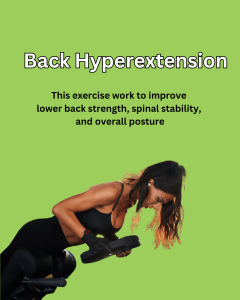
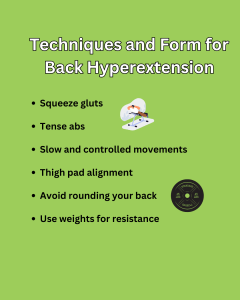







































 MABS
MABS 