Surprising Ways To Use Breast Milk You Never Knew

White woman carrying her baby, about to breastfeed her child breastmilk
Breastmilk is often called “liquid gold” because it’s so valuable. It’s not just for feeding babies. As a breastfeeding mom, you can use it in many new and exciting ways. This article will show you how to use breastmilk in recipes, skincare, and more.
Breastmilk is not just for babies. It can be used in many tasty recipes for the whole family. Try making breastmilk pancakes or smoothies to see how versatile they are.

Free Mother Breastfeeding her Baby Stock Photo

Nourishing Breastmilk Pancakes

Begin your day with breastmilk pancakes that are both filling and delicious. Breastmilk’s natural sweetness makes pancakes extra tasty. Just swap out regular milk for breastmilk in your recipe for a meal that’s good for you and comforting.

Creamy Breastmilk Smoothies

Make a breastmilk smoothie that’s full of vitamins and minerals. Mix breastmilk with fruits, greens, yogurt, or nut butter for a smooth, creamy drink. These smoothies are perfect for a quick snack or a light meal.
Using breastmilk in baking adds a special touch. Its natural fats and sugars make baked goods rich and indulgent. Everyone will love these homemade goodies.
“Breastmilk is nature’s perfect food, and it’s amazing how versatile it can be in the kitchen. Incorporating it into recipes opens up a whole new world of culinary possibilities.”

Soothing Breastmilk Skincare Solutions

Breastmilk is more than just food for your baby; it’s also great for your skin. It’s a natural way to make your skin soft and healthy. You can use it to make breastmilk lotions or treat skin problems.
Many use breastmilk to help with eczema, diaper rash, and sunburns. Its antibacterial and anti-inflammatory properties soothe and heal the skin. Just put a few drops on the affected area for quick relief.
You can also add breastmilk to homemade skincare products. Mix it with coconut or jojoba oil to make a breastmilk lotion. This lotion hydrates and calms your skin, and breast milk’s proteins, fats, and vitamins nourish and revitalize it.
“Breastmilk has been used for centuries as a natural remedy for various skin ailments. Its unique composition makes it a versatile and effective ingredient in homemade skincare solutions.”
Are you looking to soothe your skin or get a healthy glow? Breastmilk is a powerful option. Use it in your skincare routine for a natural, nourishing effect.

Breastmilk pumping for Mom’s Lactation

As a nursing mom, you know how vital a healthy breast milk supply is. Keeping up a healthy breast milk supply can be challenging. Luckily, there are natural ways to help. Foods and herbs called galactagogues can boost milk production.

Lactation-Friendly Snacks and Meals

Begin your day with a breastmilk-boosting breakfast like oatmeal, flaxseed, and nuts. For snacks, try lactation cookies, granola bars, or smoothies with fenugreek, blessed thistle, and brewer’s yeast. Choose lunch and dinner meals full of milk production-enhancing foods, like leafy greens, salmon, and chickpeas.

Herbal Supplements for Nursing Moms

You can also consider herbal supplements made for nursing moms. Fenugreek, fennel, and moringa are great options for naturally increasing breastmilk supply. But talk to your healthcare provider before starting any new supplements, especially if you have health issues.
“Incorporating galactagogues into your daily routine is a simple and effective way to boost your breastmilk production without resorting to more drastic measures.”
Using galactagogues can help your baby get the nutrients it needs, reduce sugar cravings, and support milk production. Try different lactation-boosting foods, herbs, and supplements to see what’s best for you and your family.

Breastmilk for Infant Massage and Skincare

Breastmilk can also soothe and hydrate your baby’s skin. It’s full of natural antibodies, vitamins, and nutrients, making it a great choice for many infant skincare needs.
Try massaging a few drops of breastmilk on your baby’s skin. It can help with diaper rash, eczema, or dry patches. The breastmilk soothes quickly and helps keep skin healthy and glowing. You can mix it with things like shea butter or coconut oil for extra moisture.
Put a thin layer of breastmilk on your baby’s skin for a calming massage. Then, rub it in with circular motions. This not only feeds the skin but also strengthens your bond. Breastmilk is safe and effective because of its antibacterial and anti-inflammatory properties.
Breastmilk is a natural, cheap, and easy way to soothe or moisturize your baby’s skin. This liquid gold can keep your baby’s skin soft, smooth, and healthy.

Freezing and Storing Breastmilk for Later Use

As a busy mom, pumping and storing extra breastmilk is a big help, especially when you’re heading back to work. It’s essential to know how to freeze and store your breastmilk right. This way, you’ll have it ready when you need it. Let’s look at the best ways to keep your breastmilk fresh and robust.

Free Newborn Baby Breastfeeding Stock Photo

Proper Breastmilk Storage Techniques

Storing breastmilk correctly is crucial for keeping its nutrients and preventing germs. Here are some essential tips:
  • Clean, BPA-free containers for breastmilk storage, such as glass or hard plastic bottles, are good choices.
  • Leave some space in the container for the milk to expand when it freezes.
  • Write the date the milk was pumped and the amount in each container.
  • Freeze the milk flat, then stack or store it upright once it’s frozen solid.
  • Keep freshly pumped milk in the fridge for up to 4 days before freezing it.
  • Frozen breastmilk can last up to 12 months in a deep freezer.

Storage location and duration

  • Room temperature (66-72°F) 4-6 hours
  • Insulated cooler with ice packs 24 hours
  • Refrigerator (39°F or colder) 4 days
  • Freezer (0°F or colder) 6-12 months
Start with small amounts of breastmilk when freezing, especially if you’re new. This will help you thaw and use only what you need without wasting any precious milk.

Dealing with Oversupply and Engorgement

Having a large breastmilk supply can be both good and tough. It’s great to have plenty of milk, but it can also cause problems like engorgement. Luckily, you can try some home remedies to help.

Natural Remedies for Relief

Using cold cabbage leaves on your breasts can help with engorgement. The cold can reduce swelling and ease discomfort. You can also try warm compresses or a warm shower to help with let-down and ease the pressure.
Pumping moms might find relief by hand-expressing a bit of milk before feeding or pumping. This softens the breasts and makes feeding easier for your baby. Wearing a supportive nursing bra can also be comforting and help prevent further engorgement.
If you have too much milk, try block feeding by limiting feeding time on each breast. This can help manage your breastmilk supply and avoid engorgement. Relaxing with deep breathing or meditation can also help reduce stress, which can lead to an oversupply.
It is critical to listen to your body and try different methods to see what works for you and your baby. With patience and the proper remedies, you can ease the discomfort and enjoy your breastmilk supply.

Pumping and Breastfeeding While Working

Returning to work doesn’t mean you must stop breastfeeding and pumping. With the right tools and strategies, you can keep giving your baby the benefits of breastmilk even at work. As a pumping mom, you can make returning to work easy and smooth.
Keeping your breastmilk supply strong is critical. Get a top-quality Medela pump and pump several times a day. Try to pump as often as your baby would nurse, usually every 2-3 hours. This keeps up with your baby’s needs and keeps your supply strong.
Remember to take care of yourself, too. If possible, try breastfeeding your baby at work, drink plenty of water, wear clothes that are easy to nurse in, and find a private spot to express milk.

Conclusion

Breastmilk is genuinely impressive, offering more than just nutrition for your baby. It’s great for recipes, remedies, and even special treats. You can use it to boost your supply, soothe your skin, or enjoy a unique snack.

This article showed how versatile breastmilk is. It’s suitable for making pancakes, smoothies, and even skincare solutions. Breastmilk goes beyond just feeding your baby; it offers many health benefits .As you keep breastfeeding, try new things with your breastmilk.

Did you find this article helpful? Leave a comment below

Meet Amarachi Ike

Picture of Amarachi Ike

Madame Ann: Welcome to MABS Book Reviews. I’m Jametta, AKA Madame Ann. Please introduce yourself.

Amarachi: Hello! Thank you for having me here. My name is Amarachi Ike, but you can call me Amara or Amie, whichever is your preference. I’m a Nigerian writer, reader, final-year medical student, and digital content creator living in Enugu, Nigeria.

Madame Ann: Wow, that’s amazing. So please tell me what type of books you like reading and what inspired you to start reading and writing.

Amarachi: Thank you for the questions. I enjoy reading dystopian books. That’s at the top of my list in terms of genres. Sign me up for anything end-of-the-world: war, destruction, famine, and hunger! (laughs) I adore the works of Bradbury, Atwood, Ishiguro, and Lovecraft. They are all white and either old or dead, but their fiction speaks to me. I also love good old literary fiction, especially the variety written by the continent’s writers. I’m not trying to brag or anything, but at the moment, we have the best storytellers worldwide.

Madame Ann: I agree with you

Amarachi: To the question of inspiration, I was inspired to start reading from a very young age. Way before I had an idea about it, my father invested in books and built a library for my siblings and me to read. We had encyclopedias, picture books, story books, and lots of Enid Blyton and Lady Bug tales, too–those were recommended reading from school. My father did this to ensure that we were reading at every stage in life. He loved reading, and he loved learning as well. He was always reading his medical textbooks and papers for hours on end. That’s the one thing he did the most in life. So, I guess I was inspired to read because of him. The inspiration to write came years later when I found myself craving a means of self-expression. But it didn’t mainly start that way.

Madame Ann: How do you mean?

Amarachi: Well, it was my first year in junior secondary school, and a friend had bought a forty-leaf notebook and filled it up with a story. I can’t remember the story, but I remember the seniors going wild for it. That particular friend gained a lot of “reps” for writing the book (reps meaning good reputation). Seniors fought tooth and nail to get a turn at reading my friend’s book. So, I thought… this seems like an exciting way to gain the friendship of seniors. And that meant A LOT back then. It offered a junior some level of immunity from bullying, which was a severe problem at that school. I did just that. I was eventually pulled out of the school because of bullying. No shocker there. (laughs). Perhaps my storytelling skills then weren’t as good as they are now. But the fire to write would ignite once again—this time from a genuine interest in wanting to tell our stories.

Madame Ann: Haha, that a funny story. Would love to hear more of it. How do you balance being a writer with medical school?

Amarachi: Well, being a writer and a medical student is difficult. If I could go back in time and do it all over again… I probably wouldn’t do it. It’s like being at the center of a tug of war, being pulled by both your creative side and the side that’s super serious. On some days, the writer in me is sitting at the clinic. On other days, the clinician in me sits in front of the page. I only balance it out by loving and feeding into both halves of myself. Often, the measure is unequal, and more times than not, the clinician wins. I try as much as possible now to not forsake that side of myself.

Madame Ann: Mmmm, that’s deep. Tell us more about your writing style and what you’ve been working on lately.

Amarachi: My writing style… I’m not sure if I’ve figured out my writing style yet. I think my writing is still very much evolving. But if I were to sell you my writing, I’d say it’s usually a slow burn. My narratives are never rushed. My characters are genuine. And I always intend for my reader to leave a story of mine, thinking or considering something about their life and maybe even the world at large, differently.

Lately, I’ve been working on a book—my very first one at that! It’s a collection of short stories that I hope to be done with before the end of the year or early 2025. I’m also doing small things here and there that, God willing, will find homes in certain magazines of my choosing.

Madame Ann: I love that you said God willing. At the end of the day all we can do is rely on God’s will and grace. Please tell us, what inspired you to write your book? What was your inspiration?

Amarachi: I’ve wanted to write a book… probably since I saw what writing a book did for my friend’s reps in junior secondary (😂). But seriously, I started writing the book in January of this year, just as an idea I was leaning into. But with my father’s passing this June, I felt more and more of a need to write this book and share it with the world. Initially, I believed I had to earn the right to write a book. Have some literary credibility or the validation of certain circles. But then you realize that nothing is promised in this life, not even the life itself, the very thing that allows you to pursue all these ambitions. All of it can be taken away. As I march forward in my career, it’s clear that this window between finishing medical school and residency is probably the best time to throw myself back into writing. So, I’m writing a book. Little by little, I’m writing a book.

Madame Ann: So sorry to hear about your Dad. may God rest his soul. Tell me more. Give us more detail about your book.

Amarachi: Well, like I said, the book is still a work in progress. There are a lot of moving parts at the moment. But it’s an interesting collection of my stories. The stories bleed into each other. They have similarities and differences. They are longer than what I’m used to, so I’m really pushing myself with this one for my readers. A common theme in the stories is family. I explore family throughout this collection—all kinds of family within the African context—so I’m sure it’s something everyone will enjoy and relate to.

Madame Ann: Super excited to see the finish product, I will definitely love to read your book. Ah just remembered I shared one of our templates with you the other day, I was trying to determine what type of doctor you aspire to be. I was so shocked to see we chose different things, haha. So apart from writing, what is your dream specialty, and why? 

Amarachi: I don’t have a dream specialty, but I always say you won’t find me dead in Internal Medicine. I’m more open-minded about internal medicine because I factor in the work-life balance I desire. Surgery is where the fun is, and that’s really where I want to be. But I’d have to give up everything to become a surgeon. I’m waiting for the intern year (housemanship) to decide on what specialty I’ll settle with. Observing the lives of the residents and consultants in and out of the hospital will significantly influence that final decision. For now, I am keeping an open mind.

Madame Ann: Hahaha, that is so interesting. How do you plan to merge your writing skills with your profession as a doctor?

Amarachi: I have no intention of giving up on either ambition. I will keep walking into my future, holding on to both. Let life drag one out of me.

Madame Ann: Okayyyy girl. What is your secret strategy for writing? Tell us what makes you a better writer and what sets you apart from others.

Amarachi: There is no secret strategy to writing. If I had a good one, I would’ve won the Caine Prize or Commonwealth by now (laughs). My only wisdom for any writer is to write what is true. Honest writing resonates with people. It touches people. And it’s the writing that changes lives. The kind that inspires. I would charge my fellow writers to write honestly, just as I am doing. Even for something as seemingly silly as fiction (which some argue is the antithesis of truth). Be true to your characters and their motivations. Be true to your story. Tell the truth through your story. There is a world waiting to welcome it.

Madame Ann: Mmm, do you think this writing business is profitable for you?

Amarachi:  I think it is. This has never been business for me. This truly is a whole part of my life.

Madame Ann: Wow, honestly it was great having you here and I learnt so much from you in this quick session. I can’t wait to read your book. You guys can find Amarachi on all major social media platforms at @amaranextdoor

Did you like this post? Give us a like. And send me a message if you would like me to interview you too. We all have a lot to learn from each other.

Thank you for reading, here is a free game for you to try with your friends.

Cervical Cancer Screening

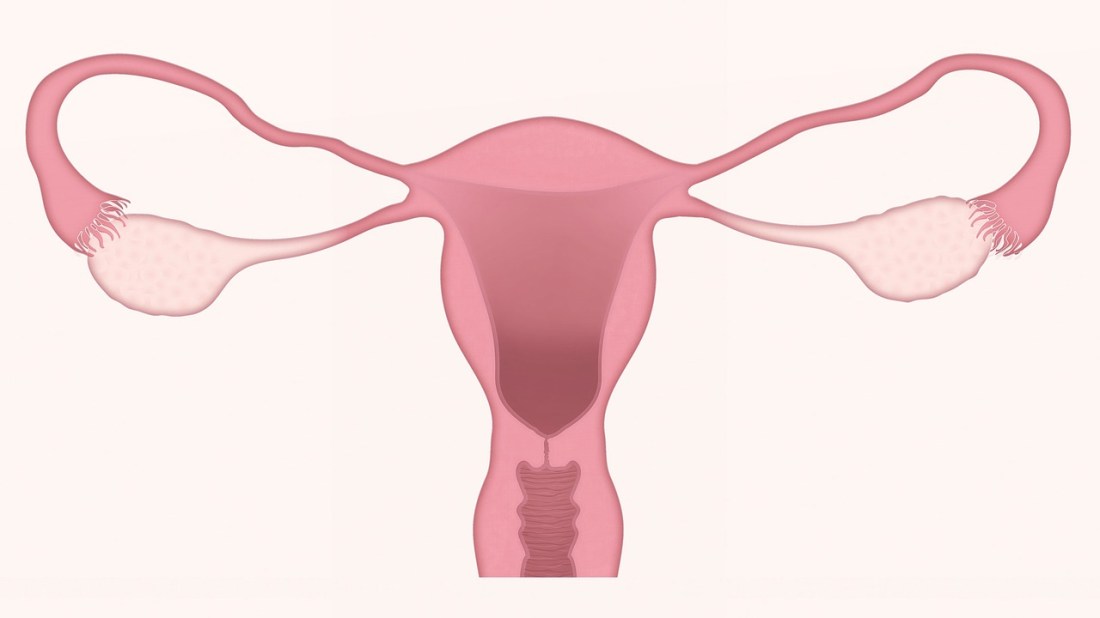
Picture of the female reproductive system

One of my role models, Doctor Egemba Chinonso Fidelis (Aproko Doctor), recently held a cervical cancer screening event. He screened thousands of women for free and was able to identify some women who had precancerous lesions.  If these women had not done the screening, there is a big chance that they would have developed cervical cancer.

To mark the Cervical Cancer Month, Giving.ng Partners with The 100k Club to Offer Free Screening to Over 400 Women in Lagos | BellaNaija
Photo credit: BellaNaija

I was inspired by the outreach and decided to write about cervical cancer screening. This article will discuss cervical cancer and the importance of screening.

Cervical cancer is a significant health concern for women worldwide. It develops silently and only shows symptoms in the later stages. By the time the cancer gets to the later stages, it becomes difficult to treat and can lead to death. Fortunately, with advancements in medical technology and widespread awareness, cervical cancer is largely preventable and treatable if detected early.

If we can identify abnormal changes in cervical cells before they turn cancerous, we can save lives. Screening tests like the Pap smear and HPV testing have helped so many women.

What is Cervical Cancer

Every woman has a cervix. It is like the door to the uterus. It is the lower part of the uterus that connects to the vagina. In cervical cancer, there are abnormal cells in the cervix growing uncontrollably. Cervical cancer is the fourth most common cancer in women worldwide.

Many cervical cancer cases are linked to persistent infection with high-risk types of human papillomavirus (HPV). HPV is a common sexually transmitted infection. However, not all HPV infections lead to cervical cancer; the body’s immune system often clears the virus on its own. This means that if you are sexually active, you might be at risk.

Risk Factors for Developing Cervical Cancer

Several factors can increase a woman’s risk of developing cervical cancer, including:

  • HPV types 16 and 18 infection
  • Smoking
  • Weakened Immune System
  • Long-term Use of Oral Contraceptives
  • Multiple Full-term Pregnancies
  • Early Sexual Activity and Multiple Sexual Partners

How Serious is Cervical Cancer?

Cervical cancer is classified into stages based on how far the cancer has spread. These stages help determine the treatment plan and determine the seriousness of the disease

Stages of Cervical Cancer

Stage I: Cancer is confined to the cervix. It is often highly treatable and has a good prognosis.

Stage II: Cancer has spread beyond the cervix to nearby tissues, such as the upper part of the vagina or the pelvic wall. Treatment may involve surgery, radiation, or chemotherapy.

Stage III: Cancer has spread to the lower part of the vagina, pelvic wall, or lymph nodes. It is more challenging to treat and may require a combination of treatments.

Stage IV: Cancer has spread to distant organs, such as the bladder, rectum, or other parts of the body. This stage is considered advanced and requires comprehensive treatment strategies.

Survival rates for cervical cancer depend on several factors, including the stage at diagnosis, the patient’s overall health, and the effectiveness of treatment. Early-stage cervical cancer has a higher survival rate compared to advanced stages.

Can You Live 10 Years After Cervical Cancer?

Yes, many women live long and healthy lives after a cervical cancer diagnosis, especially if the cancer is detected and treated early. Advances in treatment and early detection have improved long-term survival rates. Regular follow-up care and monitoring are essential for managing health and detecting potential recurrence.

What Are the Five Warning Signs of Cervical Cancer?

As the cervical cancer progresses, several warning signs may indicate the presence of the disease. Here are five key symptoms to watch for:

One of the most common signs of cervical cancer is abnormal bleeding. This can include:

  • Bleeding between periods
  • Spotting or bleeding after sexual intercourse
  • Bleeding after menopause
  • Heavier or more extended menstrual periods than usual

If you experience any of these types of bleeding, it is crucial to consult a healthcare provider to determine the cause.

Other warning signs to look out for include:

  • Pelvic pain
  • Pain during intercourse
  • Abnormal vaginal discharge
  • Pain during urination

While these symptoms can be caused by conditions other than cervical cancer, it’s essential to take them seriously and consult a healthcare provider for further evaluation.

Cervical Cancer Screening

Cervical cancer screening is critical in detecting abnormalities early before they develop into cancer. There are different methods used to check for cervical cancer.

Pap Smear (Papanicolaou Test)

The Pap smear is the most commonly known and widely used screening test for cervical cancer. A healthcare provider collects cells from the cervix during this procedure using a small brush or spatula. These cells are then examined under a microscope for abnormal changes.

HPV Testing

HPV testing involves checking for the presence of high-risk HPV types that are most likely to cause cervical cancer. This test can be done alone or in combination with a Pap smear.

For women aged 30-65, HPV testing is usually done every five years if the results are negative.

Visual Inspection with Acetic Acid (VIA)

VIA is a screening method used in some low-resource settings due to its simplicity and cost-effectiveness. It involves applying acetic acid (vinegar) to the cervix to identify abnormal areas that turn white.

VIA can be used as an alternative screening method in areas where other tests are unavailable.

Colposcopy

Colposcopy is a follow-up procedure used when a Pap smear or HPV test shows abnormal results. It involves a detailed examination of the cervix using a colposcope, a unique instrument with a magnifying lens and light.

Cervical Biopsy

A cervical biopsy involves removing a small sample of tissue from the cervix to be examined for cancerous or precancerous cells. This procedure is usually done after an abnormal Pap smear or HPV test.

Goal of  Cervical Cancer Screening

The primary goal of cervical cancer screening is to identify abnormal cells or infections early. This allows doctors to find precancerous changes or early-stage cancer before symptoms develop. It is possible to treat or reverse some precancerous lesions and the development of invasive cervical cancer.

Screening Guidelines

Screening guidelines vary based on age, health history, and other factors. Generally recommended guidelines include:

  • Women Aged 21-29: Pap smear every three years.
  • Women Aged 30-65: Pap smear combined with HPV testing (co-testing) every five years or Pap smear alone every three years.
  • Women Over 65: Screening may be discontinued if they have had consistent negative results in the past and are not at high risk.

The frequency of screening depends on the method used and age group:

  • Pap Smear Alone: Typically every three years.
  • HPV Testing Alone or with Pap Smear (Co-Testing): Every five years for women aged 30-65.
  • VIA: Frequency depends on the program and availability but is often used in areas with limited access to other methods.

Tips to know before you go for your screening

It is essential to avoid these things because they can affect the accuracy of the test results.

  • Avoid Intercourse 24-48 hours before the test.
  • Do not use vaginal douches, tampons, or spermicides before the screening.
  • Try to schedule the test when you are not menstruating.

What to Do Before Cervical Screening?

Proper preparation for cervical screening can help ensure accurate results and make the procedure as comfortable as possible. Here are some critical steps to take before your cervical screening appointment

Understand the Procedure

Familiarize yourself with the cervical screening procedure. Understanding the steps involved and what to expect can help alleviate anxiety and prepare you mentally.

If you have any concerns or questions about the procedure, don’t hesitate to ask your healthcare provider before the screening. They can provide information and address any worries you might have.

Be comfortable

Wear loose, comfortable clothing to your appointment. During the procedure, you may need to remove clothing from the waist down so that easy-to-remove clothing can make the process smoother.

Try to relax before and during the screening. Stress and tension can make the procedure feel more uncomfortable. Deep breathing exercises or visualization techniques can help ease anxiety.

Is Cervical Screening Painful?

You can feel slight discomfort during the  Pap smear or Pap test, but it shouldn’t be painful.

Most women experience mild discomfort during the procedure. This discomfort is often described as a brief, pressure-like sensation as the healthcare provider inserts a speculum to access the cervix and collects cells for examination. This feeling is usually short-lived.

However, actual pain is uncommon. Some women might experience slight cramping or soreness similar to menstrual cramps, but this is typically temporary and resolves quickly after the test.

Some women might experience mild cramping or spotting after the test. These symptoms are usually brief and resolve within a day or two.

Conclusion

Cervical cancer screening is a vital tool in the fight against cervical cancer, offering early detection and prevention opportunities that can significantly impact outcomes and survival rates. By understanding the screening methods, potential risks, and the importance of regular check-ups, women can take proactive steps to protect their health.

Regular cervical screening, including Pap smears and HPV testing, plays a crucial role in identifying abnormal cells or infections before they develop into more serious conditions. While the procedure may involve some mild discomfort, the benefits of early detection far outweigh the temporary unease.

If you have any questions or concerns about cervical screening, don’t hesitate to consult your healthcare provider.

Did you find this article helpful? Please give us a like and leave a comment.

15 Things I Wish I Knew Earlier

We cannot turn back the hands of time, but at least we can learn from our mistakes and try to make the future better. I am 26 now, and I have no regrets, but there are some things I wish I had known sooner so the ride could have been a little bit smoother.

This article will discuss the 15 most important things I wish I had known sooner. These lessons have shaped my perspective, influenced my decisions, and ultimately led to personal growth and fulfilment. 

1. Put God First

One of the biggest lessons I’ve learned is the importance of putting God first in all aspects of life.

When I was younger, I used to run around thinking I could do everything with my willpower and stubbornness, it took me 5 years to calm down and go back to the basics of what my parents taught me: God.

Your faith provides strength, guidance, and peace to help you through the most challenging times. When you prioritize your spiritual life, it creates a sense of purpose and direction that grounds you, no matter your obstacles.

Growing up, I often heard the phrase, “Put God first,” but it wasn’t until I experienced life’s ups and downs that I truly understood its significance. 

Simple practices like prayer, meditation, or reading your Bible can make a significant difference. Going to church and watching a faith niche YouTube channel can also help deepen your spiritual connection. I follow Koinonia Global on YouTube, check it out.

2. The Road to Success is Paved in Failure

I used to think success was all about winning and being the best. But over time, I realized that success often comes from failing and learning from those failures. It’s not about never making mistakes but about how you handle them and what you know.

When you fail, it’s important not to give up. Instead, use it as a chance to learn and grow. Ask yourself, “What can I do differently next time?” and “How can I improve?” 

3. 90% of Talking is Listening

When we talk, we often focus on what we want to say. But did you know that listening is even more important? Most of a good conversation is actually about listening. Listening to someone shows that you care about them and what they have to say.

Listening is about more than just hearing words. It’s about understanding the feelings and thoughts behind those words. Ask questions and show genuine interest in the other person. Don’t solve their problems immediately—sometimes, people want to be heard.

Being a good listener helps you connect with others on a deeper level. It builds trust and makes people feel valued. So, next time you’re conversing, remember that 90% of talking is listening. Be humble, let others speak, and listen with your heart.

We have a listening service, where we listen to people who need someone to talk to and pray with. Click here if you want to know more about our listening services.

4. Don’t Lose Your Inner Child to This Wicked World

Free Person Coloring Art With Crayons Stock Photo

Your inner child loves to explore, imagine, and have fun. This part of you can help you see the world differently and find joy in small things. Don’t let the stresses of life make you forget how to play and dream.

Take time to do things you enjoyed as a kid, whether it’s coloring, drawing, or playing games. These activities can bring back a sense of wonder and excitement. 

Click here to get our coloring book. Coloring is a fun way to connect with your inner child.

5. Get Up Every Day and Keep Pushing

Life can be challenging, and it’s easy to feel discouraged when things are unplanned. But one of the most important things I’ve learned is to keep getting up and pushing forward, no matter how hard it gets.

Success doesn’t come overnight. It requires hard work, dedication, and the willingness to keep trying, even when you face setbacks.

6. Your Grades Matter Less Than You Think

Many of us grow up believing that grades are the most important thing in life. While doing well in school is valuable, it’s not the only thing that matters. Your grades don’t define your worth or your future success.

What counts is your skills, passion, and drive. 

Instead of focusing only on grades, learn and grow from your experiences. Work on developing skills that interest you, and get involved in activities you love. 

7. An Awareness of Others is an Awareness of Yourself

When you pay attention to how others feel and think, you can discover more about your feelings and beliefs.

For example, if you notice that you get upset when others are rude, it might help you understand what you value in kindness and respect. By being aware of others, you also become more aware of how you react and why.

This awareness can make you a better friend, family member, student, or worker. It helps you connect with people deeper and improves your relationships. 

By noticing how others feel and think, I realized the value of standing up for yourself and others.

8. You Have All the Time in the World and No Time at All

Time can feel like it’s moving too fast and too slow simultaneously. On one hand, you might feel like there’s always more time to do things later. On the other hand, moments can slip away quickly, and it’s easy to feel rushed.

It’s essential to find a balance. Use your time wisely by focusing on what matters to you. Set goals and work on them each day, but also remember to enjoy the present and cherish the moments you have now.

9. Everything Happens for a Reason

Life is full of surprises, both good and bad. Sometimes, it’s hard to see why things happen the way they do. But believing everything happens for a reason can help you find meaning in challenging situations.

When things don’t go as planned, try to look for the lesson or opportunity they might bring. Maybe a setback is leading you to a new path or helping you grow in unexpected ways. 

10. Keep a Journal or a Diary

Writing down your thoughts and experiences can be a powerful tool for self-reflection and growth. Keeping a journal or diary helps you organize your ideas, track progress, and understand your feelings better.

When you write regularly, you give yourself a space to explore your thoughts and emotions. It can be a way to relieve stress, set goals, and celebrate your successes. Looking back at old entries can show how much you’ve grown and your perspective has changed.

Start by writing a few sentences each day or whenever you like it. You don’t need to be perfect—just be honest and open with yourself. 

11. Be Kinder to Yourself

I woke up late this morning. I would typically be so mad at myself, but today, I decided to say nice things to myself.

It’s easy to be hard on yourself, especially when you compare yourself to others. But being kind to yourself is just as important as being kind to others. 

Instead of focusing on what you think you lack, compare yourself to who you were yesterday. 

Free Photo Of People Talking To Each Other Stock Photo

12. Making Mistakes is Better Than Faking Perfection

Nobody is perfect, and trying to be perfect can hold you back. It’s okay to make mistakes because they are a part of learning and growing. Embracing your mistakes rather than trying to hide them can lead to real improvement and personal development.

When you make a mistake, see it as an opportunity to learn. Ask yourself what went wrong and how you can do better next time.

Trying to appear perfect can be exhausting and stressful. It’s more important to be authentic and genuine, even if that means showing your imperfections.

13. You Must Like Yourself, For Everybody Else, It’s Optional

At the end of the day, the most important relationship you have is with yourself. It’s crucial to like and accept who you are because that’s where true confidence comes from. When you’re comfortable with yourself, you’re less concerned about what others think and more focused on being your best self.

You don’t need everyone’s approval to be happy or prosperous. What matters most is how you feel about yourself. Embrace your strengths and work on your weaknesses, but don’t let anyone’s opinion define your self-worth.

14. When You Stand Up to People, You Gain Respect

Standing up for yourself and setting boundaries can be tough, but it’s important to earn respect. People are more likely to respect you when you speak up for your beliefs and don’t let others push you around.

Being assertive doesn’t mean being rude or aggressive. It means expressing your thoughts and needs clearly and respectfully. It’s about showing that you value yourself and expect others to do the same.

15. Invest in Yourself, Never Stop Learning

One of the best things you can do for your future is to keep learning and growing.

Investing in yourself means dedicating time and effort to develop your skills, knowledge, and talents. This doesn’t just mean formal education—it includes picking up new hobbies, reading, attending workshops, and anything else that helps you grow.

The more you learn, the more value you bring to yourself and others. It’s not just about getting paid for your time but for the skills and knowledge you offer. By continually improving yourself, you make yourself more valuable in every area of your life, from your career to your relationships.

Conclusion

Life is a journey filled with lessons; sometimes, the hardest truths are those we learn through experience. 

So my advice for younger me…

  • The key is to put God first
  • Embrace failures as steps toward success
  • Truly listen to others
  • Keep your inner child alive
  • Push forward every day
  • Understand that grades aren’t everything 
  • Recognize the importance of self-awareness
  • Make the most of your time
  • Trust that everything happens for a reason
  • Keep a journal to reflect on your journey
  • Be kind to yourself
  • Embrace your imperfections
  • Stand up for yourself
  • Invest in your growth, knowing that the most valuable asset is your continued learning

As you move forward, carry these lessons with you. They can help you build a fulfilling, meaningful life.

Did you find this helpful? Like this post and share it with your friends. As a thank you, here is a free coloring page for you to try. 


How To Cope with Anxiety

Today, we will talk about something that affects so many of us yet often stays hidden behind brave faces and forced smiles: anxiety. Raise your hand if you have anxiety. Do you know that feeling when your heart races, your mind spirals, and you can’t catch your breath? Yeah, you are not alone; my hands are raised, too.

I find that reading the bible helps me reduce my anxiety, so here is a link to a colouring book with biblical inspirational quotes. Click here

Whether it’s the butterflies before a big presentation, the nagging worry that keeps you up at night, or the overwhelming panic that hits out of nowhere, anxiety comes in many forms and doesn’t discriminate.

In this article, we’ll break it all down. We’ll explore anxiety, explore its causes, highlight its symptoms, and, most importantly, share some solid strategies for coping with it. 

What is Anxiety?

Anxiety is a natural stress response. It’s that feeling of fear or apprehension about what’s to come. Think of it as your body’s alarm system, alerting you to potential danger. 

A little bit of anxiety can be a good thing—it can keep you on your toes and ready for action. But when anxiety becomes a constant companion, it can be overwhelming and interfere with your daily life.

First, let’s distinguish between normal anxiety and anxiety disorders. Normal anxiety is a fleeting feeling that everyone experiences from time to time. It might hit you before an important meeting, a big test, or a first date. It’s situational and usually goes away once the stressful event is over.

Anxiety disorders, on the other hand, are more intense and persistent. They can cause significant distress and make it hard to function in everyday life. If your anxiety is constant, out of proportion to the situation, or leads to avoidance of activities, it might be an anxiety disorder.

Common Types of Anxiety Disorders

Here are some of the most common types of anxiety disorders:

  • Generalized Anxiety Disorder (GAD)
  • Panic Disorder
  • Social Anxiety Disorder
  • Specific Phobias
  • Obsessive-Compulsive Disorder (OCD)
  • Post-Traumatic Stress Disorder (PTSD)

Understanding the different types of anxiety disorders is the first step in recognizing what you or someone else might be going through. Remember, seeking help and talking about what you’re experiencing is okay. Anxiety is common, and you’re not alone in this.

Symptoms of Anxiety

Anxiety can manifest in a multitude of ways, impacting your body, mind, emotions, and behavior. Recognizing these symptoms is crucial for identifying anxiety in yourself or others and taking steps toward management and treatment.

Free Photo of a Woman Crouching while Her Hands are on Her Head Stock Photo

Physical Symptoms

  • Increased Heart Rate
  • Sweating 
  • Trembling or Shaking
  • Shortness of Breath
  • Muscle Tension
  • Headaches
  • Digestive Issues
  • Dizziness or Lightheadedness

Emotional Symptoms

  • Feelings of Dread
  • Irritability
  • Restlessness
  • Overwhelming Worry

Cognitive Symptoms

  • Racing Thoughts
  • Difficulty Concentrating
  • Catastrophizing
  • Indecisiveness

Behavioral Symptoms

  • Avoidance
  • Compulsive Behaviors
  • Restlessness
  • Procrastination

The Impact of Anxiety

Anxiety doesn’t just exist in a vacuum—it has a significant impact on various aspects of your life. Whether it’s your daily routine, relationships, or long-term health, the effects of anxiety can be far-reaching and, if left untreated, can lead to severe consequences. It can affect your work, productivity, academic performance, daily routine, and sleep patterns.

Recognizing the impact of anxiety on your life is the first step toward addressing it. It’s essential to seek help and find strategies that work for you. Whether through self-help techniques, professional therapy, or a combination of both, managing anxiety can significantly improve your quality of life.

Remember, you don’t have to face anxiety alone. Support is available, and with the right approach, it’s possible to regain control and lead a fulfilling life.

How to cope with anxiety

Managing anxiety effectively often requires a multi-faceted approach. While professional help is crucial for many, there are also numerous self-help techniques and lifestyle changes that can make a significant difference. 

Mindfulness and Meditation

Practicing mindfulness helps you stay grounded in the present moment, reducing the tendency to worry about the future or dwell on the past. Meditation can calm your mind and reduce anxiety symptoms. Try guided meditation or mindfulness apps to get started.

You can also use quote coloring books to help you meditate and remain mindful. I created a quote coloring book with bible verses to help you meditate on God’s word and relieve anxiety. Click here to access the book.

Professional Help

Cognitive Behavioral Therapy (CBT) is one of the most effective treatments for anxiety. It helps you identify and challenge negative thought patterns and behaviors.

We also have a listening service. If you need someone to talk to and pray with, click here.

When someone shares their anxiety with you, listen without judgment and validate their feelings. Sometimes, knowing someone cares can make a big difference. Gently encourage them to seek professional help if they haven’t already. Offer to help them find a therapist or accompany them to appointments.

Conclusion

Supporting someone with anxiety requires empathy, patience, and understanding. By listening, validating their feelings, and encouraging healthy habits, you can significantly impact their journey. Remember, professional help is often crucial; your role is to support them in seeking and adhering to treatment. And don’t forget to take care of yourself—supporting someone else is much easier when you’re also in a good place mentally and emotionally.

Did you find this article helpful? Leave a comment below. As a thank you, here is a free coloring page for you to try. 

Remember to like and follow us for more.

Elder Abuse Awareness

old couple, man is holding flowers and the woman is smiling

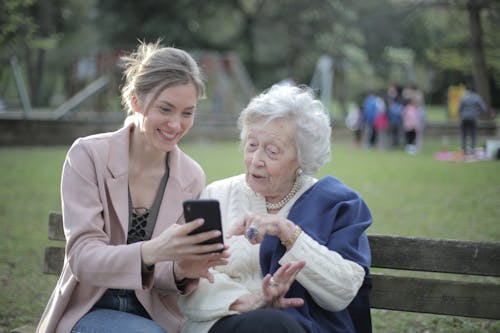
Free Delighted female relatives sitting together on wooden bench in park and browsing mobile phone while learning using Stock Photo

Abuse comes in different shapes and forms.

Elder abuse is a serious issue that is affecting millions of seniors worldwide, yet it often goes unnoticed and unreported. According to the World Health Organization, about 1 in 6 people aged 60 years and older experienced some form of abuse in community settings during the past year.

These staggering statistics highlight the urgent need for greater awareness and proactive measures to protect our elderly population.

This blog will talk about the different forms of elder abuse, help you recognize the warning signs, and provide practical steps for prevention and intervention. 

What is Elder Abuse?

Elder abuse encompasses a range of harmful behaviors directed at seniors, typically by someone in a position of trust or authority. Understanding the various forms of elder abuse is crucial in identifying and preventing it. Here are the primary types of elder abuse:

Physical Abuse

Physical abuse involves using force that may result in bodily injury or pain. This includes hitting, slapping, pushing, or misusing restraints. Signs of physical abuse can include bruises, broken bones, and other unexplained injuries.

Emotional Abuse

Emotional or psychological abuse means causing emotional pain or distress. This can include verbal assaults, threats, harassment, or isolation from friends and family. Victims may exhibit signs such as withdrawal, anxiety, or depression.

Financial Abuse

Financial abuse is the illegal or improper use of an elder’s funds, property, or assets. This can involve forging signatures, stealing money or possessions, or coercing the elder into signing financial documents. Indicators include sudden changes in financial situations, unpaid bills, or missing belongings.

Sexual Abuse

Sexual abuse involves non-consensual sexual contact of any kind with an elder. This can include unwanted touching, sexual assault, or coerced nudity. Signs of sexual abuse may be bruising around the genitals, unexplained infections, or torn clothing.

Neglect

Neglect is failing to fulfill a caregiver’s duty to provide necessary care, resulting in harm or distress to the elder. This includes withholding food, medication, or personal care. Indicators of neglect include malnutrition, untreated medical conditions, and poor hygiene.

Abandonment

Abandonment occurs when a caregiver deserts an elder, leaving them without necessary care or supervision. This is especially dangerous for elders who cannot care for themselves and may result in severe physical and emotional consequences.

How to recognize signs of elder abuse

It can be challenging to identify elder abuse, as the signs may be subtle and easily overlooked. However, being vigilant and aware of the potential indicators can make a significant difference in recognizing and addressing abuse early.

Here are some key signs to look out for:

Physical Signs

  • Unexplained Injuries
  • Fractures or Sprains
  • Burns or Abrasions
  • Weight Loss

Emotional and Behavioral Signs

  • Withdrawal
  • Depression or Anxiety
  • Fearfulness
  • Changes in Sleeping Patterns

Financial Signs

  • Unusual Transactions
  • Missing Belongings
  • Unauthorized Changes
  • Unpaid Bills

Signs of Neglect

  • Poor Hygiene
  • Unsafe Living Conditions
  • Untreated Medical Issues

Psychological Signs

  • Confusion or Disorientation
  • Stress Responses

Stories about elder abuse

Free Woman Standing Near Galvanized Steel Stock Photo

Susan has dementia, and she began to show signs of anxiety and fear whenever her new caregiver was around. Family members notice unexplained bruises on her arms and legs.

Free Man Wearing Gray and Brown Hat With Eyeglasses Stock Photo

 Richard lives alone and receives frequent visits from a new “friend,” who subsequently gains control over his finances. Family members notice large, unexplained withdrawals from his bank account.

Causes and Risk Factors of Elder Abuse

Elder abuse can stem from a variety of causes and risk factors, making seniors more vulnerable to mistreatment. Understanding these underlying causes and recognizing the risk factors can help in preventing abuse and ensuring the safety of older adults.

Common Causes of Elder Abuse

Caregiving can be demanding and stressful, particularly for individuals not adequately trained or supported. The stress and frustration of caregiving can sometimes lead to abusive behaviors, either intentional or unintentional. Caregivers who lack adequate social support or respite care may become overwhelmed, leading to neglect or abuse.

Another reason is the financial difficulties faced by caregivers or family members. These difficulties can drive them to exploit an elder’s financial resources, including stealing money, manipulating wills, or coercing elders into financial transactions.

Furthermore, caregivers or family members who abuse drugs or alcohol are more likely to exhibit abusive behaviors. Substance abuse can impair judgment, increase aggression, and decrease the ability to provide proper care. Some caregivers or family members with untreated mental health issues may struggle to manage caregiving responsibilities, potentially leading to abusive actions or neglect.

Risk Factors for Elder Abuse

  • Cognitive Impairment
  • Social Isolation
  • Physical Disabilities
  • Living with Abusers
  • Dependency
  • Previous History of Domestic Violence

How to Prevent Elder Abuse

Preventing elder abuse requires a multifaceted approach involving family members, caregivers, community organizations, and legal measures. Here are practical steps and strategies to help prevent elder abuse:

 Tips for Family Members and Caregivers

  • Regular check-ins
  • Encourage elders to stay connected with friends, neighbors, and community groups to reduce social isolation
  • Utilize respite care services to give primary caregivers regular breaks
  • Educate yourself and other family members about the signs of elder abuse and the appropriate ways to respond.
  • Training caregivers on proper caregiving techniques and stress management can also be beneficial
  • Encourage open communication

What to Do If You Suspect Elder Abuse

If you suspect that an elder is being abused, it is crucial to take immediate and appropriate action. Here are the steps to follow:

  • Document the evidence by keeping detailed records
  • Communicate your concerns by reaching out to the caregiver and the elder
  • Contact the authorities

How to support victims of elder abuse

 Supporting victims of elder abuse involves addressing their immediate needs, ensuring their safety, and providing ongoing emotional, legal, and financial support. Here are essential steps to effectively support elder abuse victims:

  • If the elder is in immediate danger, call 911 or local emergency services.
  • Ensure that they are removed from the abusive situation and placed in a safe environment
  • Arrange for a thorough medical examination to treat any physical injuries and document evidence of abuse
  • If the elder needs a safe place to stay, contact local shelters or emergency housing services or arrange temporary accommodations with trusted family or friends

Conclusion

Elder abuse is a pervasive issue that affects millions of older adults worldwide, often going unnoticed and unreported. By raising awareness, educating ourselves and others, and taking proactive measures, we can play a crucial role in combating this serious problem. Understanding the different forms of elder abuse, recognizing the warning signs, and knowing the causes and risk factors are essential steps in preventing and addressing abuse.

Taking action when elder abuse is suspected, supporting victims through their recovery, and advocating for more robust protections are vital components of our collective responsibility. Ensuring the safety, dignity, and well-being of our elders is not only a moral imperative but also a reflection of our commitment to a compassionate and just society. 

Together, we can make a difference. By staying informed, vigilant, and engaged, we can help protect our aging population from abuse and ensure they receive the care and respect they deserve. Let us all commit to creating a safer, more supportive environment for our elders, now and in the future.

🌸Share this blog to spread awareness about elder abuse.

🌸Volunteer with or donate to organizations working to prevent elder abuse.

🌸Stay informed and educate others about the signs and prevention of elder abuse.

Did you find this article interesting? Leave a comment below.

How To Eat 180g of Proteins In A Day

Free Close-up of Woman Eating a Chicken Salad Stock Photo

Protein is often hailed as the building block of life, playing a crucial role in everything from muscle repair to immune function. Whether you’re a fitness enthusiast looking to build muscle, someone trying to lose weight or simply aiming to maintain overall health, ensuring enough protein in your diet is essential. For many, consuming 180 grams of protein daily can seem daunting, but it’s entirely achievable with the right strategies and meal planning.

In this blog, we will discuss the importance of protein, provide you with a detailed meal plan to reach your protein goals and share practical tips and delicious recipes to make your high-protein diet enjoyable and sustainable. You can also check out this ebook with 200 smoothies recipe. 

Typical Challenges when trying to eat 180g of protein

Protein Fatigue

Eating a lot of protein-rich foods can become monotonous and tiresome. The trick is to mix it up to help with it. Mix up your protein sources to keep meals interesting. Rotate between animal-based proteins like chicken, beef, fish and plant-based options like lentils, tofu, and quinoa. Try new recipes and cooking methods. Grilling, baking, stir-frying, and slow cooking can change the texture and flavor of your meals. You can also use a variety of spices, herbs, and marinades to add flavor without adding extra calories.

Dietary Restrictions

Following a high-protein diet can be difficult if you have dietary restrictions such as vegetarianism, veganism, or allergies. So, if you are vegetarian, focus on plant-based protein sources such as lentils, chickpeas, quinoa, tofu, tempeh, nuts, and seeds. These can provide ample protein without relying on animal products. You can also use vegan protein powders from peas, rice, or hemp to boost your protein intake.

Digestive Issues

Consuming large amounts of protein can sometimes cause digestive discomfort, such as bloating, gas, or constipation. You need to drink a lot of water throughout the day to help your digestive system process the increased protein. Balance your diet with high-fiber foods such as vegetables, fruits, and whole grains to aid digestion. If you’re new to a high-protein diet, increase your protein intake gradually to give your digestive system time to adjust.

Busy Lifestyle

Finding time to prepare and eat multiple high-protein meals throughout the day can be challenging with a busy schedule. The solution to this is meal prepping. Plan and prepare your meals in advance. Cook in bulk on weekends and store portions in the fridge or freezer for easy access during the week.

Another thing that helps is keeping high-protein snacks like Greek yogurt, protein bars, nuts, and hard-boiled eggs on hand for when you’re on the go. Protein shakes are also a convenient way to consume a substantial amount of protein quickly. Blend with fruits, vegetables, and nuts for added nutrients.

Cost of High-Protein Foods

As you know, High-quality protein sources can be expensive. So, go for more affordable protein sources such as eggs, canned tuna, chicken thighs, and beans. You can also buy protein-rich foods in bulk to save money. 

Meeting Protein Goals Without Excess Calories

Increasing protein intake without consuming too many extra calories can be tricky, especially for those aiming for weight loss. To solve this dilemma, choose lean protein sources such as chicken breast, turkey, fish, and low-fat dairy products. Be mindful of portion sizes and balance your meals with vegetables and whole grains to avoid consuming excess calories. You should also distribute your protein intake evenly throughout the day to maintain satiety and support muscle synthesis without overeating.

What does 180 g of protein look like?

Eating 180 grams of protein in a day can seem like a lot, but with a well-planned approach, it’s entirely manageable. Here’s a breakdown of what 180 grams of protein might look like throughout a day, including meals and snacks:

Breakfast

Meal: Scrambled Eggs with Spinach and Feta

3 large eggs: 18 grams of protein

1/2 cup of feta cheese: 10 grams of protein

1 cup of spinach: 1 gram of protein

Total: 29 grams of protein

Morning Snack

Snack: Greek Yogurt with Almonds

1 cup of Greek yogurt: 20 grams of protein

1 ounce of almonds: 6 grams of protein

Total: 26 grams of protein

Lunch

Meal: Grilled Chicken Salad

6 ounces of grilled chicken breast: 42 grams of protein

2 cups of mixed greens: 2 grams of protein

1/2 cup of chickpeas: 7 grams of protein

Total: 51 grams of protein

Afternoon Snack

Snack: Protein Shake

1 scoop of protein powder: 25 grams of protein

1 cup of skim milk: 8 grams of protein

Total: 33 grams of protein

Dinner

Meal: Baked Salmon with Quinoa and Broccoli

6 ounces of baked salmon: 38 grams of protein

1 cup of cooked quinoa: 8 grams of protein

1 cup of broccoli: 3 grams of protein

Total: 49 grams of protein

Evening Snack

Snack: Cottage Cheese with Pineapple

1 cup of cottage cheese: 28 grams of protein

1/2 cup of pineapple: 1 gram of protein

Total: 29 grams of protein

Daily Total

Breakfast: 29 grams

Morning Snack: 26 grams

Lunch: 51 grams

Afternoon Snack: 33 grams

Dinner: 49 grams

Evening Snack: 29 grams

Grand Total: 217 grams of protein

Is 180g of proteins too much? 

Whether 180 grams of protein daily is too much depends on several factors, including your body weight, activity level, health goals, and underlying health conditions. Here are some considerations to help determine if this amount is appropriate for you:

Body Weight

Protein needs are often calculated based on body weight. The average adult’s general recommendation for protein intake is 0.8 grams per kilogram of body weight. However, higher intakes are recommended for those who are physically active or aim for muscle growth. For instance, a person weighing 75 kilograms (165 pounds) might aim for 1.2 to 2.2 grams of protein per kilogram, which equates to 90 to 165 grams daily.

Activity Level

Higher protein intake supports muscle repair and growth. For athletes and bodybuilders, consuming 1.6 to 2.2 grams of protein per kilogram of body weight can be beneficial. People with a sedentary lifestyle may not need as much protein. Sticking closer to the 0.8 grams per kilogram guideline is typically sufficient.

Health Goals

A higher protein intake can support muscle synthesis if you aim to build muscle. Also, High-protein diets can help with weight loss by promoting satiety and preserving lean muscle mass during calorie restriction. If you want to maintain your current physique, a moderate protein intake, consistent with your body weight and activity level, is appropriate.

Underlying Health Conditions

Individuals with certain kidney conditions may need to limit protein intake to prevent additional stress on the kidneys. Always consult with a healthcare provider if you have any chronic health conditions.

Potential Risks of Excessive Protein Intake

While protein is essential, consuming excessively high amounts can have potential drawbacks:

– Kidney Strain

– Nutrient Imbalance

– Digestive Issues

Balancing Protein Intake

To determine if 180 grams of protein is suitable for you, consider the following steps:

1. Use an online calculator or consult a nutritionist to determine your specific protein needs based on your weight, activity level, and goals.

2. Pay attention to how your body responds to higher protein intake. Adjust based on your energy levels, muscle recovery, and overall well-being.

3. Ensure your diet is well-rounded and includes adequate macronutrients and micronutrients.

Did you find this post helpful? Please leave a comment and remember to subscribe.

Flexitarian Diet: Food List, Tips and Recipes

There are no restrictions, just enjoyment and portion control. The flexitarian diet comes from the word flexible and vegetarian. Imagine being free to enjoy animal products while increasing the amount of plant-based food you eat. 

The flexitarian diet has been around for quite a while; however, only a few people know about it. You do not have to give up meat entirely in this diet, but you can limit the amount of animal products and processed food eaten. In this blog, we will explain the flexitarian diet, its benefits, and how you can start following it.

The flexitarian diet is primarily plant-based, meaning you eat a lot of fruits, vegetables, grains, and legumes. However, you can still have meat and other animal products sometimes. The main idea is to eat less meat and more plants, but you don’t have to give up meat entirely.

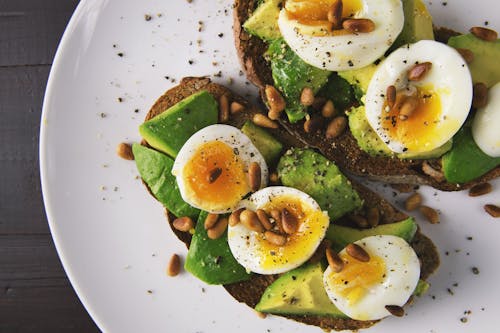
Free Pastry and Boiled Egg on Plate Stock Photo

Flexitarian diet benefit

The flexitarian diet has many benefits for your health and the environment.

It improves heart health by lowering cholesterol and blood pressure. It is also suitable for weight control and reduces the risk of chronic diseases like diabetes and cancer.

A flexitarian diet is good for the environment because it lowers the carbon footprint, reduces the production of meat products, leads to less pollution, and limits the use of resources like land and water required for animal farming.

Why do people go flexitarian?

There are many reasons why people can choose to go flexitarian. One of the most important features of this diet is its flexibility. It is also easier to follow compared to strict vegetarian and vegan diets. 

Many people confuse a flexitarian diet with a pescatarian diet. A pescatarian is a vegetarian who consumes only fish products; however, a flexitarian is a vegetarian who consumes all animal products in a limited quantity.

Another reason why people follow the flexitarian diet is because it is easy to merge it into a lifestyle. You can adjust it based on your preferences and cultural demands.

How to be a flexitarian

It is straightforward to follow the flexitarian diet. Follow these steps for an easy transition:

  • Choose one or two days each week to go meatless. You can slowly reduce the number of days to go meatless.
  • Introduce new plant-based recipes into your meal plan. You can start by adding salads, beans, and smoothies to your diet. 
  • Stock your kitchen with nuts, beans, fruits and veggies.

Flexitarian food list

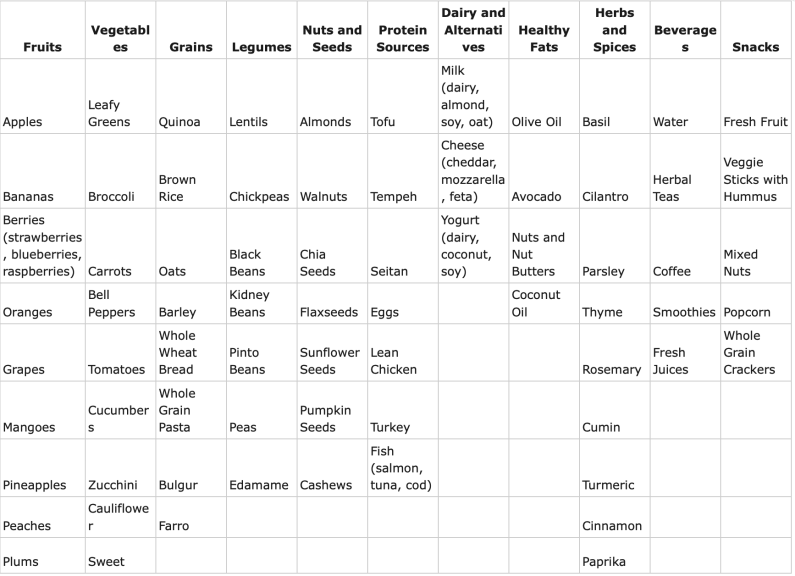
FOOD IN FLEXITARIAN DIET

Frequently asked questions:

If you are interested in following the flexitarian diet, here are some answers to questions you might have.

What does a flexitarian eat?

Flexitarians can eat whatever they want; however, they limit the number of times they eat meat in a week and focus on eating more veggies and beans.

How many times a week does a vegetarian eat meat?

Most flexitarians eat meat twice a week, but no strict restrictions exist.

Can flexitarians eat pasta?

Yes, they usually opt for whole-grain foods.

The best Moi-moi recipe

I love the flexitarian diet. One of my favorite things to eat is beans. I love beans in every form and there are so many ways to cook it. You can fry, make pudding with it, make soup, and cook it.

One of my favorite ways to prepare beans is moimoi. It is a delicious and fluffy bean pudding. I am grateful you read this blog so I want to share my recipe for making moimoi. My grandma taught me this recipe; I remember our conversations in the kitchen while we were making moimoi back in the day. I didn’t change anything in the recipe because it is so perfect.

So here we go:

Ingredient: 

  • 2 cups Black-eyed Beans 
  • Blender
  • 3 Red peppers
  • Two onions
  • Spices for taste
  • Fish
  • Eggs
  • Prawns
  • Plastic bags, cups, or ramekins

Directions: 

  1. Remove the back from the beans
  2. Blend the beans with onions, red pepper, and prawns
  3. Boil the fish  and eggs with salt and some spices
  4. Debone the fish and remove the shell from the eggs
  5. Cut the eggs into quarters and shed the fish
  6. Add the blended beans into a bowl, add the shredded fish and some spices, add a little oil, and stir
  7. Boil some water in a big pot
  8. Add blended beans in ramekin or small plastic bags and then put them in the hot water
  9. Leave it to steam for about 40 minutes
  10. Keep checking to see if there is enough water in the pot

Summary

The flexitarian diet offers a flexible and balanced approach to healthier eating. By focusing on plant-based foods while still allowing for occasional meat and animal products, you can enjoy various delicious meals that benefit your health and the environment. Starting with minor changes, like incorporating meatless days and trying new recipes, can make the transition more accessible and enjoyable. Embrace the flexitarian diet and discover how small changes in your eating habits can improve your overall well-being. 

Thank you for reading this blog. Would you be trying my moimoi recipe to boost your progress toward following the flexitarian diet?

Best Home Remedies For Constipation

woman wearing blue denim jumpsuit beside white toilet bowl

Continuous straining in the toilet can cause pressure on your abdomen, which isn’t good. It can lead to bleeding or a swollen rectum. Plus, no one enjoys straining in the bathroom for hours. 

Imagine the ease it takes to go to the toilet, do your thing, and come out feeling fresh and not stressed or sweating. 

Constipation is a common problem, and it can be caused by a lack of fiber in your diet, not drinking enough water, or a sedentary lifestyle. 

What is Constipation?

Constipation is when you have infrequent bowel movements or difficulty passing stools. It can mean different things for different people, but typically, it’s defined as having fewer than three bowel movements a week. When you do go, the stools might be hard, dry, or painful to pass.

Symptoms

  • Infrequent bowel movements ( less than three times a week)
  • Hard or lumpy stools
  • Straining during bowel movements
  • A feeling that not all stool has passed
  • Abdominal discomfort or bloating

Causes and Risk Factors

Constipation can be caused by various factors, including:

  • Low fiber intake and not drinking enough water
  • Lack of physical activity
  • Certain medications, such as painkillers and antidepressants, can cause constipation.
  • Conditions like irritable bowel syndrome (IBS), diabetes, and thyroid disorders can contribute to constipation.
  • Ignoring the need to have a bowel movement can make you more constipated over time.

Ignoring constipation can lead to complications such as hemorrhoids, anal fissures, and even fecal impaction, where hard stool gets stuck in the intestines. Addressing constipation early can prevent discomfort and potential health issues, so finding remedies fast is crucial.

Free Toilet Paper Toilet photo and picture

Dietary Remedies

1.Stay Hydrated

When it comes to constipation, water is your best friend. Drinking plenty of water can prevent constipation. Water helps to soften the stool, making it easier to pass. Aim for at least 8 cups of water a day. 

If you do not like drinking a lot of plain water, try drinking herbal teas or flavored water with a splash of lemon or cucumber.

A morning routine of drinking fresh coffee can be an excellent start to get things moving.

2.Increase Fiber Intake

Adding more fiber to your diet is one of the best ways to tackle constipation. Fiber adds bulk to your stool, making it easier to pass. I have tried oranges; they help make bowel movement easier. I am not a fan of oranges, but I was surprised how much an orange can help facilitate a bowel movement. 

Here are some fiber-rich foods to include:

  • Fruits: Oranges, pears and avocados
  • Vegetables: Spinach, Broccoli and carrots
  • Legumes: Beans, lentils, and chickpeas

Aim for various foods throughout the day to keep things moving smoothly.

3.Consume Probiotics

Probiotics are good bacteria that help keep your gut healthy. They can be found in foods like yogurt, kefir, sauerkraut, and other fermented foods. Including probiotics in your diet can improve your digestion and help prevent constipation.

By making these simple dietary changes, you can significantly reduce the chances of constipation and improve your overall digestive health.

You can also try out these supplements that help support gut health, click here

4.Regular Exercise

Exercise is not just good for your overall health; it also helps keep your digestive system moving. Regular physical activity can stimulate intestinal contractions, making it easier to pass stool.

Exercises like skipping and core strengthening can also help improve your bowel movement.

When you move your body, it helps move your intestines. This stimulation can speed up the time it takes for food to move through your digestive system, reducing the likelihood of constipation.

Types of Exercises That Help Fight Constipation

  • Walking
  • Yoga
  • Aerobic Activities

Establish a Routine

Having a routine can play a significant role in preventing constipation. Your body thrives on consistency, which also applies to your digestive system.

Importance of a Routine

Setting a regular meal schedule, taking bathroom breaks, and sleeping can help regulate your bowel movements. 

Tips for Developing a Consistent Routine:

  • Regular meal times
  • Morning bathroom break
  • Don’t rush yourself in the bathroom
  • When you feel the urge to go, don’t ignore it.

Natural Supplements and Remedies

Sometimes, diet and exercise might not be enough to relieve constipation. In such cases, natural supplements and remedies can offer additional help.

Herbal Teas

Herbal teas can be a gentle way to stimulate your digestive system. Some practical options include:

  • Ginger Tea helps stimulate digestion and can reduce bloating.
  • Dandelion Tea is a mild laxative that can promote bowel movements.
  • Peppermint Tea is known for its soothing effects on the digestive tract.

Natural Laxatives

Certain foods have natural laxative properties that can help alleviate constipation. Here is a list of 10 foods that are natural laxatives:

  • Spinach
  • Broccoli
  • Sweet Potatoes
  • Beans
  • Oatmeal
  • Whole Grains
  • Nuts and Seeds
  • Coconut Water
  • Papaya
  • Yogurt

Home Remedies to Try

When constipation strikes, several home remedies can help get things moving again. Here are a few tried-and-true methods you can easily incorporate into your daily routine.

Warm ginger water

Starting your day with warm ginger water can stimulate your digestive system.

  • Recipe: grate a some ginger into a cup of hot water. Leave for 5 minutes. You can add a teaspoon of honey for taste (optional)
  • Benefits: The warmth helps stimulate digestion, and the ginger can help flush out toxins and improve bowel movements.
  • How to Use: Drink it first thing in the morning on an empty stomach.

Olive Oil

Olive oil can act as a natural lubricant for your digestive system.

  • Benefits: Helps soften stool and makes it easier to pass.
  • How to Use: On an empty stomach, take a tablespoon of extra virgin olive oil in the morning. You can also mix it with some lemon juice for added benefit.

What not to do when constipated

When constipated, it’s essential to avoid certain habits or actions that can worsen the condition or make it harder to pass stool. Here’s what not to do when constipated:

  • Avoiding fiber
  • Ignoring the urge to go to the bathroom
  • Lack of physical activity can slow your digestive system.
  • Overuse of Laxatives
  • Not drinking enough water can contribute to constipation.
  • Ignoring underlying conditions
  • If constipation is persistent or severe, it’s essential not to delay seeking medical advice.
  • Some people find that dairy products can contribute to constipation.

Avoiding these habits and being mindful of your diet and lifestyle choices can help prevent and manage constipation more effectively.

When to See a Doctor

While home remedies and lifestyle changes can be effective for relieving occasional constipation, there are times when it’s essential to seek professional medical advice. Here’s when you should consider seeing a doctor:

1. Persistent Symptoms

  • If you’ve been constipated for over three weeks despite trying home remedies and dietary changes.
  • Experiencing severe abdominal pain or discomfort that doesn’t go away.

2. Changes in Bowel Habits

  • If there’s a sudden change in your bowel habits without apparent cause, such as changes in diet or routine.
  • Seeing blood in your stool or toilet paper can indicate a more severe condition.

3. Associated Symptoms

  • Unintended weight loss and constipation could indicate an underlying health issue.
  • Persistent nausea or vomiting can indicate that something is blocking your intestines.
  • A fever and constipation might indicate an infection or other serious condition.

4. Underlying Health Conditions

  • If you have conditions like diabetes, thyroid disorders, or neurological diseases and experience new or worsening constipation.

5. Use of Laxatives

  • If you find yourself relying on laxatives regularly to have a bowel movement, it’s essential to consult a doctor.

Importance of Medical Advice

Seeing a doctor can help determine if there’s an underlying issue causing your constipation. They can provide a proper diagnosis and recommend appropriate treatments or medications.

Paying attention to these warning signs and seeking medical advice when necessary can address potential health issues early and maintain better overall digestive health.

Did you find this article interesting? Leave a comment in the section below, and remember to like and subscribe.

Best Library Snack To Enjoy Guilt-Free

You are in the library, enjoying your pack of popcorn. Everyone is looking at you with raised eyebrows, and the librarian comes to you, asking you to stop chewing so loudly. It’s embarrassing, right? Don’t worry—it will not happen to you again. In this blog, we will discuss the best snacks to enjoy in the library and the foods to avoid. We also have a simple iced coffee recipe that will save you lots of money.

In middle school, I remember bringing a bag of chips to the library to enjoy while studying. The moment I opened the bag, the loud crunching noises seemed to echo everywhere, and I quickly noticed the annoyed glances from people around me. That’s when I realized that not all snacks are good for quiet places like libraries.

So, whether you’re settling in for a long study session or just popping in to enjoy a good book, it’s essential to pick snacks that are not only healthy but also quiet and not smelly.

Maintaining a quiet environment in a library is critical. It’s about respecting others’ space and concentration and creating a peaceful atmosphere where everyone can focus. That’s why choosing snacks that don’t make noise is so important. 

Free A Woman in White Polo Writing on Notebook Stock Photo

Criteria for the Perfect Library Snack

When picking out your library snacks, consider these four crucial factors: Nutritional value, low noise, convenience

Nutritional value

Choose snacks that provide good nutrients and keep your energy levels steady. This means snacks rich in proteins, healthy fats, and fibers without too much sugar.

Low noise

Avoid snacks that might disturb others. This means no crunchy chips or wrappers that make a lot of noise when opened.

Minimal mess

Stick to snacks that won’t leave crumbs on your books or the table. Messy snacks can not only distract you but also make extra work for library staff.

Convenience

Opt for snacks that are easy to pack and eat so you can pull them out and enjoy them without a fuss.

Top Library snacks

Here are the top library snacks you should try. They are healthy, quiet and not smelly.

Soft fruits 

Bananas and berries are soft and completely quiet, making them perfect for a quick, fuss-free snack. They also do not have strong scents, so no one will know when you eat them. Avoid apples, celery, and carrots. These are pretty loud and take a long time to chew, too.

Soft Baked Cookies or Mini Muffins

Choose varieties that aren’t too crumbly. Soft textures ensure that they won’t make a sound, and sticking to simple flavors like vanilla or chocolate can help avoid strong smells.

Dried Fruits

Snacks like raisins, dried cranberries, or apricots are silent to eat and can be easily contained in a small bag or container.

Dark chocolate

A small piece of dark chocolate can satisfy your sweet tooth without noise. Plus, it’s loaded with antioxidants. If you are not a fan of dark chocolate, you can choose any chocolate or go for gummy bears.

Overnight oats

You can have overnight oats in the library or have some smoothies. Here are some example smoothies you can try to boost your concentration in the library.

  • Blueberry and spinach smoothies
  • green tea and avocado smoothie
  • banana nut smoothie
  • beetroot and berry smoothie

Free Close-Up Shot of a Glass of Smoothie Stock Photo

For any smoothie, blend all ingredients until smooth. Add more liquid (water, milk, or juice) to achieve consistency. Add ice to any of these recipes if you prefer a colder drink, or use frozen fruits to make the smoothie refreshing and thick.

Don’t eat this food in the libraryFree A Charcuterie Board with Assorted Foods Stock Photo

Regarding library-friendly snacking, avoiding noisy foods or strong odors is crucial to maintaining a quiet and respectful environment. Here’s a list of items you shouldn’t eat in the library.

1. Fish: Any fish, especially canned varieties like tuna or sardines, can be intense and will likely disturb those around you.

2. Hard-boiled eggs: While they are a great protein source and don’t make noise when eaten, they have a distinctive smell that can be off-putting in closed spaces.

3. Strong cheeses: Some cheeses, particularly the aged or fermented types like blue cheese, Camembert, or Gorgonzola, have strong smells that can quickly fill a quiet room.

4. Garlic and onion-heavy dishes: Foods that contain a lot of garlic or onions—like garlic bread, some sandwiches, or seasoned snacks—can have a lingering odor.

5. Broccoli, cauliflower, and cabbage: These vegetables are healthy but tend to have a noticeable smell when raw or cooked, which might not be appreciated in a library setting.

6. Spicy foods: Foods with strong spices, such as curries or foods seasoned with cumin, can carry a potent aroma that spreads.

7. Pickled foods: Kimchi, pickles, and other pickled vegetables, though quiet, are often too aromatic for quiet public spaces.

8. Popcorn: Although popcorn might seem like a good snack option since it’s relatively soft, the smell, especially if it’s buttered or flavored, is potent and can easily distract others.

 My go-to library snacks are iced coffee and mini muffins. I love iced coffee with no sugar or dairy milk. I prefer soya milk or almond milk.

Making your iced coffee with soy milk at home is a delightful and refreshing choice, especially if you want a dairy-free alternative. It also saves you a lot of money. Here’s a simple DIY recipe to whip up a delicious iced coffee:

Ingredients:

– 1 cup of brewed coffee (preferably strong and cooled)

– 1/2 cup of soy milk

– Ice cubes

– Optional sweeteners (sugar, honey, maple syrup, or a sugar substitute)

– Optional flavorings (vanilla extract, cinnamon, cocoa powder)

Equipment:

– Glass

– Spoon

– Measuring cup

Instructions:

1. Brew the Coffee:

– Start by brewing your coffee. It’s best to make it stronger than usual since the ice and soy milk dilute it. Allow the coffee to cool to room temperature. You can speed up this process by placing it in the refrigerator.

2. Prepare the Glass:

– Fill a glass with ice cubes to about three-quarters complete.

3. Add Sweeteners and Flavorings (Optional):

– If you like sweet coffee, add your sweetener to the cooled coffee and stir well. If you add flavorings like vanilla or cinnamon, now is the time. A small teaspoon of vanilla extract or a sprinkle of cinnamon can enhance the flavor significantly.

4. Combine Coffee and Soy Milk:

– Pour the cooled coffee over the ice. Next, add the soy milk. The amount of soy milk can be adjusted based on your preference for creaminess.

5. Stir and Serve:

– Stir the mixture well to ensure everything is thoroughly combined. Taste and adjust the sweetness or flavorings if necessary.

6. Enjoy:

– Enjoy your homemade iced coffee immediately while it’s nice and chilled!

Free Woman Holding a Glass of Iced Coffee Stock Photo

Tips for the Best Iced Coffee:

Coffee Ice Cubes: To prevent your iced coffee from becoming too watered down, try making coffee ice cubes. Pour some brewed coffee into an ice cube tray and freeze.

– Cold Brew Coffee: For a smoother taste, use cold brew coffee instead of brewed coffee. Cold brew is less acidic and tastes great in iced coffee preparations.

– Chill Your Glass: For an extra refreshing experience, chill your glass in the freezer for 15 to 20 minutes before preparing your iced coffee.

Did you find this article helpful? Leave a comment below. Don’t forget to like and follow us on our instagram page ( mabs_blog).