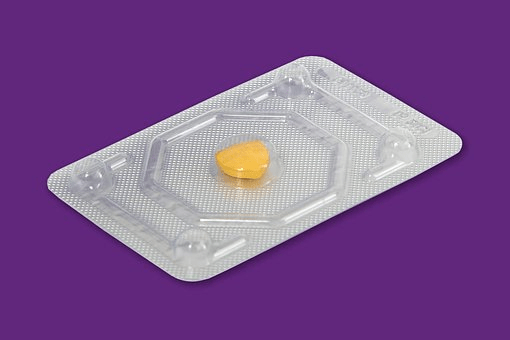
HIV/Aids- Part 1

HIV-positive individuals have the potential to develop the condition known as AIDS. However, in most cases, using antiretroviral therapy can stop the onset of AIDS in HIV-positive individuals. This article will give you a comprehensive understanding of HIV, its symptoms, and its transmission mode. Because HIV is such a big topic, there will be part 2, where we will discuss the treatment and prevention of HIV.
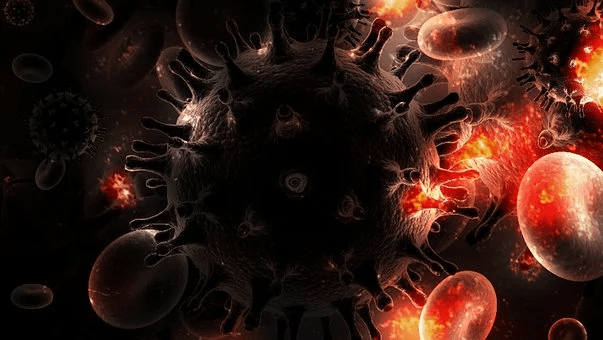
What is HIV?

HIV weakens the immune system. CD4 cells are a type of immune cell known as a T helper cell and are impacted by untreated HIV and eventually die. As a result, the body is more susceptible to developing numerous diseases and malignancies over time as HIV destroys more CD4 cells.

How does HIV spread?

HIV is spread through body secretions, such as:

Breast milk, vaginal/rectal secretions, and blood. The virus cannot be spread via casual touch, water, kissing, or the air.

HIV can spread from one person to another in several ways, including:

  • Sharing tattoo equipment without sterilizing it
  • During pregnancy, labor, or delivery
  • During breastfeeding or premastication
  • Vaginal or anal sex is the most common method of transmission
  • Through organ and tissue transplants as well as blood transfusions

Although it is exceedingly unlikely, HIV can be spread through:

  • Oral sex (only if the person has open sores in their mouth or bleeding gums)
  • Being bitten by an HIV-positive person (only if the person has open sores in their mouth or has bloody saliva)
  • Damaged skin, wounds, or mucous membranes in contact with the blood of an HIV-positive person

HIV cannot spread through:

  • Hugging, shaking hands, or kissing air or water with another person’s skin on it
  • Consuming or drinking from drinking fountains while also exchanging saliva, tears, or sweat (unless mixed with the blood of a person with HIV)
  • Sharing a bathroom, towels, or mattress with insects like mosquitoes

It is crucial to remember that it is practically impossible to spread HIV to someone else if an HIV-positive person receives treatment and maintains a persistently undetectable viral load.

HIV can be integrated into the host cell’s DNA, which makes it a lifelong problem. Although many scientists are striving to develop a medicine to eradicate HIV from the body, none has yet been discovered. But, with proper medical care, such as antiretroviral therapy, you can control HIV and live with the infection for a very long time.

A person with HIV is more likely to acquire the deadly illness Acquired Immunodeficiency Syndrome, also known as AIDS if they don’t receive therapy.

At that moment, the immune system is insufficiently strong to combat more illnesses, infections, and disorders.

Life expectancy with end-stage AIDS is around three years if untreated. HIV can be effectively managed with antiretroviral medication, and a person with HIV can expect to live almost as long as someone who does not have HIV.
What is AIDS?

HIV-positive individuals have the potential to acquire AIDS. That is HIV’s most advanced stage. Yet, merely having HIV does not guarantee that a person will get AIDS.

CD4 cells die due to HIV infection. A healthy adult’s CD4 count typically ranges from 500 to 1,600 cells per cubic millimeter. AIDS will be declared in an HIV patient whose CD4 level are less than 200 cells per cubic millimeter.

A person with HIV may potentially be identified as having AIDS if they experience an opportunistic infection or malignancy that is uncommon in persons without HIV.

Pneumocystis jiroveci pneumonia is an example of an opportunistic illness that only affects highly immunocompromised people, such as those with advanced HIV infection (AIDS).

Fortunately, antiretroviral medication therapy can stop the onset of AIDS.

If AIDS does arise, it indicates that the immune system is seriously damaged or weak, so it can no longer effectively fight off most infections and diseases.

As a result, they are more susceptible to a variety of diseases, such as:

  • Pneumonia, tuberculosis
  • Oral thrush
  • Invasive candidiasis
  • Cryptococcal meningitis
  • Toxoplasmosis
  • Cryptosporidiosis
  • Cancers like Kaposi sarcoma (KS) and lymphoma.

Symptoms of early HIV

The acute infection stage is the first several weeks after HIV infection.

This is the phase when the virus reproduces quickly. HIV antibodies, which are proteins that take action to respond against infection, are produced as a result of the immune system’s reaction.

Some people initially don’t have any symptoms during this time. But in the first month or two after catching the virus, a lot of people have symptoms, though frequently, without realizing that HIV is the cause of those symptoms.

This is because acute-stage symptoms might resemble flu-like symptoms or those of other seasonal viruses. For example:

  • Fever\ chills
  • Lymphadenopathy
  • Body aches and pains
  • Skin rash
  • Headache
  • Sore throat
  • Upset stomach
  • Nausea

The individual experiencing these symptoms might not think they need to consult a healthcare professional because they are comparable to common illnesses like the flu.

And even if they do, their doctor might assume they have the flu or mononucleosis and not even think to test for HIV.

During this time, a person’s viral load is relatively high whether they are experiencing symptoms or not. The amount of HIV in the bloodstream is known as the viral load.

When there is a high viral load, HIV can be spread quickly to new individuals.

As a person reaches the chronic, or clinical latency, stage of HIV, the initial HIV symptoms typically go away within a few months. However, this stage may persist with treatment for many years or even decades. There may be symptoms like:

  • Morning sweats
  • Fatigue
  • Nausea
  • Vomiting
  • Weight loss
  • Body rashes
  • Persistent vaginal or oral yeast infections
  • Pneumonia
  • Shingles

HIV can continue to spread throughout this time, even with no symptoms, just like it did in the early stages.

Yet unless they get tested, a person won’t know they have HIV. So you must get tested if you believe you may have been exposed to HIV and exhibit these symptoms.

HIV symptoms at this stage might fluctuate or develop quickly. With treatment, its advancement can be significantly delayed.

If antiretroviral therapy is started early enough, persistent HIV can persist for decades with regular use and is unlikely to progress to AIDS.

Signs and symptoms of AIDS?

AIDS is Acquired immunodeficiency syndrome. This syndrome is brought on by HIV, which has often gone untreated for many years and has weakened the immune system.

Among the signs of AIDS are:

  • Persistent fever
  • Chronically enlarged lymph nodes, particularly in the groin, neck, and armpits
  • Morning sweats
  • Black spots inside the mouth, nose, or eyelids or under the skin.
  • Recurrent or persistent diarrhea
  • Rapid weight loss
  • Sores, spots, or lesions of the mouth and tongue, genitals, or anus bumps, lesions, or rashes of the skin
  • Neurological issues include memory loss, confusion, and difficulty focusing
  • Anxiety
  • Depression

In conclusion

HIV can cause AIDS if left untreated. It is important to test for HIV if you have engaged in risky behavior because HIV infection can go unnoticed for many years. Symptoms of early HIV infection are usually mistaken for flu or a slight fever.

If you think you are at risk of getting HIV, we advise you to visit the physician and do a simple HIV test. The sooner you start taking your medication, the less you risk getting HIV and the fewer chances of infecting your loved ones with HIV.

We will discuss more facts about HIV/Aids in our next post. Stay connected.

Did you like this post? Please like and share.
Antibiotics

antibiotics

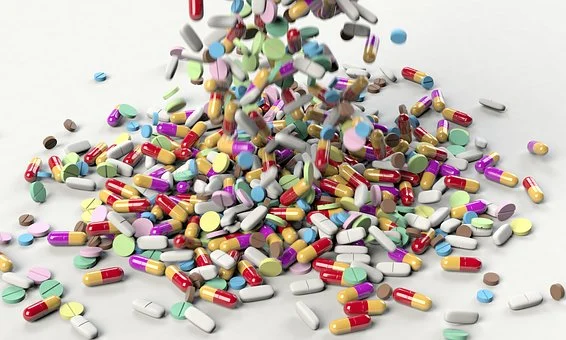
Antibiotics are medications that treat infections caused by bacteria. They are also referred to as antibacterial drugs. Antibiotics work by eradicating or reducing the growth of bacteria that cause illnesses. This article will discuss all you need about antibiotics and why you should not abuse them.

Antibiotics have been around for a long time. In 1936, the first antibiotic of the contemporary era was applied. Before antibiotics, about 30% of deaths were caused by bacterial illnesses.

Antibiotics are life-saving drugs. Furthermore, they can help stop less severe illnesses from developing into more severe ones.

There are many antibacterial drug classes; the type of antibiotic your doctor will prescribe will depend on the nature of the bacteria and illness.

Antibiotics come in different forms::

  • Tablets
  • Capsules
  • Liquids/ Syrups
  • Creams/ Ointments

The majority of antibiotics may only be obtained with a doctor’s prescription. However, certain lotions and ointments containing antibiotics are sold without a prescription. Therefore, it is essential not to abuse antibiotics to prevent bacterial resistance.

Mechanism of action of antibiotics?

Antibiotics cure bacterial illnesses by eradicating the organism or reducing or stopping its growth. They achieve this by:

  • Destroying the surrounding bacteria’s wall or coating
  • Stopping the life cycle and reproduction of bacteria
  • Preventing bacteria from producing proteins

How long do antibiotics need to take effect?

Antibiotics start working as soon as you take them. However, you might not feel better until after a few days. The recovery period varies depending on the type of antibiotic and the kind of infection.

Most antibiotics need to be administered for seven to fourteen days. Sometimes, shorter therapies are just as effective. Your doctor will determine the ideal dose and the best antibiotic for you.

You must complete the entire antibiotic course to resolve your illness, even if you feel better after a few days of therapy. This will help reduce antibiotic resistance. If your doctor has not authorized an early termination of your antibiotic treatment, do not do so.

Penicillin

Penicillin, the first beta-lactam antibiotic. It was discovered accidentally. It was developing on a petri dish from a blob of mold (fungus). Scientists found the fungus to make penicillin naturally. In the end, the fungus was used in a laboratory to ferment massive amounts of penicillin.

Where are antibiotics made?

All antibacterial drugs are created in laboratories. Some are created by a succession of chemical processes that result in the medication’s active ingredient.

Some antibiotics are produced, at least in part, using a regulated natural process. This procedure is frequently accelerated by specific chemical reactions that might change the starting molecule to make a new drug.

What is antibiotic resistance?

Antibiotics are strong drugs that treat many infections effectively. Unfortunately, some antibiotics are no longer as effective as they used to be due to antibiotic resistance.

When these antibiotics can no longer control or eradicate bacteria, it becomes difficult to treat people.

More than 2.8 million cases of antibiotic-resistant bacterial infections are reported annually, with at least 35,000 fatalities.

Examples of antibiotic-resistant bacteria include:

  • Clostridium difficle clostridium (C. diff)
  • Enterococcus resistant to vancomycin (VRE)
  • Staphylococcus aureus methicillin-resistant (MRSA)
  • Enterobacteriaceae that are Carbapenem-resistant (CRE)

Antibiotic abuse

The misuse or overuse of antibiotics is the main factor contributing to antibiotic resistance. One estimate puts the needless usage of antibiotics at up to 28%. This is because doctors frequently prescribe antibiotics even when they are not necessary.

How to reduce antibiotic abuse

  • Antibiotics should only be used for bacterial infections
  • Antibiotics should not be used to treat viral illnesses, including the common cold, flu, cough, or sore throat.
  • Take antibiotics as your doctor has prescribed, and do not skip doses
  • Use the appropriate antibiotic. Resistance may develop if the incorrect antibiotic is used to treat an infection.
  • Do not take someone else’s antibiotics.
  • Do not use antibiotics that were used in a previous therapy
  • Let your doctor prescribe the best antibiotics for you

What diseases do antibiotics treat?

Antibiotics treat bacterial infections. Unfortunately, the symptoms of a virus and bacterial infection are frequently similar; distinguishing between the two can sometimes be challenging.

To identify the source of your infection, your healthcare provider will examine you physically and assess your symptoms. To determine the source of the infection, they could occasionally ask for a blood or urine test.

Common bacterial illnesses include the following:

  • Urinary Tract infections (UTIs)
  • ear and sinus infections
  • throat infection

Antibiotics do not work against viruses, including influenza and the common cold. Additionally, they are ineffective against fungal infections like:

  • Candida infections
  • Athlete’s foot
  • Ringworm

Antifungals, a distinct class of drugs, treat fungal infections.

Side effects of antibiotics?

Antibiotics have similar side effects, most commonly gastrointestinal distress. These include:

  • Diarrhea
  • Nausea
  • Vomiting
  • Cramps

Taking the antibiotic with food can sometimes lessen these side effects. Certain antibiotics, however, need to be taken on an empty stomach. The ideal way to take your antibiotic should be discussed with your doctor or pharmacist.

Gastrointestinal discomfort usually disappears once treatment is discontinued. However, you should call your doctor if it does not.

You should also call your doctor if you experience the following:

  • Severe diarrhea
  • Severe stomach pain and cramps
  • Bloody stools
  • Fever

In conclusion

Using antibiotics properly maximizes their effectiveness. The first step is to be sure you have a bacterial infection. Then, only use antibiotics for bacterial infections as directed by your doctor or pharmacist. For example, some antibiotics must be taken with meals, while others must be taken on an empty stomach.

Moreover, antibiotics should be taken at the recommended dosage and for the specified time. After taking the antibiotic for a few days, you might feel better, but you shouldn’t stop your therapy before consulting a doctor.

Did you find this article helpful? Leave a comment in the section below.

Modern problems in healthcare

Modern problems require modern solutions. Today we will discuss some of the problems modern healthcare faces and innovative ideas to solve them.

Staffing issues and burnout

Health systems continue to have a staffing deficit. Staff shortages are the second most common problem in healthcare after finances. Many people place a high priority on finding and keeping staff, especially certified nurses. 

Another reason there is a shortage of health workers is the aging workforce and burnout.

Being current with new developments in medical sciences

Gene therapy, nanomedicine, mRNA research, digital medicine, and other fields that are growing quickly are all seeing a lot of new ideas. Doctors also require clarity on the most recent scientific data. The difficulty facing health system officials is that hospitals are unable to keep up with these developments.

Healthcare administrators and physicians must change their methods to keep pace with the breakthroughs as the available treatment always changes.

The leadership of the hospital must stay up to date on the most recent research and information and eventually do cost-benefit evaluations of new choices to evaluate how these innovations can best support the delivery of care by their physicians.

Promoting equity in health

Hospital executives are focusing entirely on the treatment discrepancies encountered by underserved patient populations, such as socioeconomic, ethnic, and gender-based disparities, and they are discovering that these issues are challenging to unravel.

The language of therapeutic information, such as patient education handouts, can contain subtle biases. They may also spread among the caregivers on a team. For instance, compared to white patients, black patients are 2.5 times more likely to have poor patient behavior and history descriptions in their electronic health record (EHR) notes.

Patient protection

Patient safety has long been a tough problem for health systems and their leaders, from drug and diagnostic errors to surgical mishaps. For example, hospital-acquired infections (HAIs) continue to place a heavy strain on healthcare systems. 

To provide the finest patient care possible, hospital executives and leaders must overcome a number of obstacles. For example, having access to reliable clinical technologies and evidence-based treatments can improve decision-making, quality, and patient and financial outcomes throughout the whole care continuum.

The high cost of medical care

The high expense of healthcare may be the most important problem currently. Due to the high cost of healthcare, many people choose not to seek medical attention when they are ill or completely avoid coming to the doctor for routine preventative care.

Many people struggle to pay for their prescriptions, causing them to miss doses or otherwise not take their medication as directed. Each of these actions has the potential to cause major health problems and hence raise future medical expenses.

The healthcare sector, insurers, and state and federal government agencies all have a role to play in reducing the cost of healthcare. The focus of current measures is on a dedication to lowering insurance prices and enacting thorough pricing caps for services.

Nonetheless, there are actions that health care administrators can do at the administrative level. Administrative expenses like invoicing, scheduling, and insurance filing account for 25% of health care spending. Automating repetitive tasks, establishing payer-provider communication platforms, and enacting industry-wide changes can reduce the cost of medical care.

Health Equity 

The healthcare sector has long been aware of the enormous variations in patient outcomes among various groups. These differences are not just related to finances and medical expenses. Instead, environmental factors also have a significant influence on one’s health and well-being.

These elements—collectively referred to as social determinants of health—include a person’s ZIP code, color, and ethnicity; the quality of the air and water; and their access to good-quality employment, housing, education, transportation, and food.

In other places, enduring racial and socioeconomic injustices have also contributed to generations of ill health. All of these factors have an impact on a person’s general health and capacity to seek medical care.

It costs more money to handle health crises in marginalized populations, which frequently necessitate hospitalization or ER visits.

Just like the high cost of healthcare, addressing health equity requires collaboration between regional, state, and federal organizations and healthcare providers.

To address environmental concerns and increase access to healthcare for marginalized areas, it is possible to use housing, transportation, and partnerships with healthcare NGOs and churches.

To address the needs of patients, healthcare executives might set up a variety of various programs. Telehealth, for instance, can assist patients who lack access to transportation, as is common in many rural locations, yet internet infrastructure is still an issue.

Additional initiatives include community partnerships, care teams that expedite patient care, and in-home senior care.

The benefits and drawbacks of technology

Although the current healthcare situation offers numerous opportunities, if handled improperly, it could result in a host of issues. Data are now used more and more in healthcare.

The difficulty comes from handling this enormous data sea. In addition to information stored in electronic health records (EHRs), this data also consists of administrative information such as addresses, demographics, information about insurance policies and claims, payment history, and appointment scheduling.

Artificial intelligence has a higher impact on healthcare. The administration and delivery of healthcare are being increasingly impacted by the use of artificial intelligence (AI). Simple, repetitive operations like patient intake and scheduling can be improved with AI and machine learning.

Staff may now focus on more difficult problems, which will save time and money. AI can also assist in forecasting staffing requirements, making it simpler for managers to staff effectively. In addition, AI can help doctors with administrative work, freeing them up to concentrate on patient care.

Last but not least, some managers and health insurers have started utilizing big data analytics and AI to forecast health risks as well as track and evaluate illness outbreaks.

The increasing lack of providers

Several issues are contributing to this shortage: an aging population, which requires more medical care; localized healthcare provider shortages, where a region lacks sufficient numbers of doctors and nurses to serve the community; and burnout, which occurs when medical staff is overwhelmed and overstressed or work too many shifts, leading some to leave the profession.

To combat the shortfall, providers are coming up with innovative solutions. This can require revising recruitment strategies and placing more emphasis on long-term workforce planning. In order to put together a competitive compensation plan, health administrators may need to look at salary, paid time off, and benefits.

In addition, making sure departments have enough employees on hand can help avoid overwork, medical mistakes, and fatigue. In order to boost employee satisfaction, additional changes might concentrate on providing opportunities for training and advancement.

In conclusion

This is a hard and exciting time to work in the healthcare profession since administrators’ time is being consumed by all the current healthcare challenges. Despite the complexity of these problems, officials in the health administration are coming up with creative solutions that will improve the health and well-being of millions of people.

The MABS blog aims to educate people about medicine and issues in medicine. Keep reading my blog and leave comments.

Fibriods and fertility

Miscarriage

Growing up in an African community, I always heard stories of women struggling with infertility because they had fibroids. These women complained of painful periods, heavy periods, bloating, and miscarriages. This article aims to shed light on fibroids and how these benign uterine tumors affect fertility.

What are fibroids?

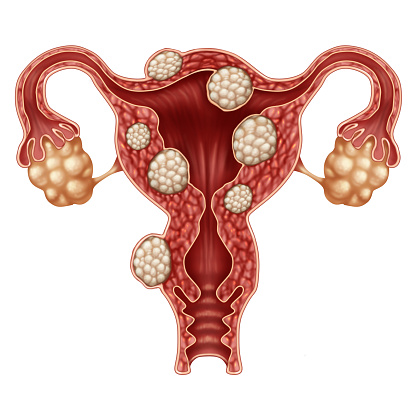
Fibroids occur when the uterus’s muscular tissue develops a benign (noncancerous) tumor. These benign uterine tumors are also known as myomas and leiomyomas.

Fibroids may be problematic because they alter the size and shape of the uterus and, occasionally, the cervix. Most women have multiple fibroids, but some can have just one. The position, size, and number of fibroids determine whether they are symptomatic or need to be treated.

Although they occasionally occur in the cervix, fibroids are typically located in or near the uterus’s body.

Uterine fibroid is a medical concept as a human female reproduction uterus disease symbol for fertility problems and reproductive system health.

Types of fibroids

Subserosal: These fibroids are on the uterus’s exterior wall (55%)
Intramural: These fibroids are in the muscular layers of the uterine wall( 40%)
Submucosal: These fibroids protrude into the uterine cavity (5%)

Fibroids can also be attached to neighboring ligaments or organs, such as the bladder and colon, or connected to the uterus via a stalk (pedunculated). Seldom are fibroids discovered outside of the pelvic cavity.

What is the prevalence of fibroids?

20% of women of reproductive age have fibroids, but black women (between 50% and 80%) have more. Uterine fibroids may have a variety of genetic, hormonal, and environmental causes. However, the exact causes are unknown.

Does having fibroids affect fertility?

Fibroids are present in 5% to 10% of infertile women. Whether fibroids have an impact on fertility depends on their size and location. Examples include massive (>6 cm in diameter) uterine wall fibroids or submucosal fibroids inside the uterine cavity.

Most women with fibroids won’t have trouble getting pregnant. However, women with fibroids should be evaluated for other fertility issues before commencing fibroid treatment. A fertility expert will help determine the fibroids are the cause of infertility.

How do fibroids result in infertility?

Uterine fibroids can decrease fertility in several ways, including:

  • Changes in the shape of the cervix might reduce the amount of sperm that can enter
  • The migration of the sperm or embryo can be hampered by changes in the uterus’s shape.
  • Fibroids may obstruct fallopian tubes
  • Fibroid may affect how thick the uterine cavity lining is
  • Fibroids might alter the uterine cavity’s blood flow hindering the embryo’s ability to attach to the uterine wall

Can getting rid of fibroids make you more fertile?

Some patients may experience improved fertility after eliminating fibroids with uterus-preserving procedures. However, the primary goal of fibroid removal is to relieve symptoms like excessive bleeding and bloating.

Can someone with fibroids still become pregnant?

A lot of people who have fibroids can become pregnant. However, discussing your objectives and top priorities with your doctor is advisable to increase your chances of having a safe pregnancy. In addition, a gynecologic surgeon can talk to you about treatment choices to help maintain your fertility if fibroids negatively affect your quality of life.

What happens to fibroids once a woman is pregnant?

About 2% to 12% of pregnant women have fibroids. However, not all fibroids enlarge or create issues. Most fibroids grow during the first trimester of pregnancy.

What risks do pregnant women with fibroids have?

  • Fibroids may raise the risk of preterm birth or miscarriage
  • Fibroids may get bigger than their blood supply, resulting in severe pain.
  • Fibroids can also alter the location of the fetus within the uterus.

Your physician will help determine how the fibroids are managed depending on your situation. Pregnancy rarely necessitates or requires surgery.

After removing a fibroid, a woman should talk to the obstetrician who will deliver the baby if she becomes pregnant. It could be advised to have a cesarean section.

Which fibroid therapies improve fertility?

Myomectomy is the gold standard treatment for younger patients with fibroids who want to keep their fertility. Unlike a hysterectomy, a myomectomy spares your uterus, so you can still get pregnant following the treatment. A single, big incision can perform a myomectomy, but physicians prefer minimally invasive methods like robotic surgery and laparoscopic surgery.

You may be a candidate for a myomectomy, depending on several criteria. These criteria are:

  • The location of your uterine fibroid(s)
  • How big your fibroid is (s)
  • how many fibroids you have
  • Your general well-being

How are fibroids managed or removed while pregnant?

Doctors cannot remove fibroids during pregnancy, but they can help you manage your symptoms.

Is it possible to have a “normal” or “natural” delivery if you have fibroids?

Most people with fibroids can give birth naturally (delivery through the vagina). Fibroids do, however, raise the possibility of a C-section. Contrary to pregnant women without fibroids, individuals with fibroids are six times more likely to require a C-section.

Do fibroids naturally disappear after giving birth?

Fibroids frequently increase during pregnancy and frequently shrink after birth. Nonetheless, some people might still have fibroids symptoms like heavy periods and bloating. Some treatments may help you if you continue to have these symptoms.

In conclusion

Fibroids can have a negative impact on your fertility in different ways. They can influence conception, the ability of an embryo to implant, the continuation of a pregnancy, and the development and position of the fetus.

Each patient’s course of treatment is chosen individually. It is based on fibroids’ symptoms, and these treatments could increase fertility. Your physician’s suggestions and the severity of your symptoms will determine how and whether you should treat your fibroids.

Did you find this article helpful? Leave a comment in the section below.

Lights on or off?

Sleep is an essential component of our lives. It is crucial for maintaining our bodily and mental health and general well-being. Yet, several factors, such as stress, anxiety, lifestyle, and environmental factors, frequently affect the quality of our sleep. The presence or absence of light is one of the most critical environmental elements that affect how well we sleep. This article will discuss the benefits of sleeping in the dark. We will also discuss the dangers of sleeping with the lights on.

You need a dark room to have a restful night’s sleep. Now let us discuss some advantages of sleeping in a dark room.

Improved Sleep

Melatonin is a hormone that controls our sleep-wake cycle. Our body produces it while we sleep in the dark. Melatonin is also called the sleep hormone because it makes us sleep more quickly and longer. Melatonin production is suppressed when we are exposed to light, mainly blue light, from electronic gadgets, making it challenging to get to sleep and stay asleep. Thus, sleeping in a dark room can aid in promoting higher-quality rest.

Decreased Risk of Obesity

Several studies have found that nighttime light exposure can reduce our circadian cycle, resulting in weight gain and obesity. In addition, melatonin regulates our metabolism, whose production can be interrupted to cause weight gain and a slowed metabolism. As a result, sleeping in the dark can aid in promoting a healthy weight and lowering the risk of obesity.

Better Mood

Sleeping in the dark can also make us feel better. Our circadian cycle can be thrown off if we are exposed to light at night, leading to mood problems, including anxiety and despair. However, we can control our circadian rhythm by sleeping in the dark, elevating our mood, and lowering the risk of mood disorders.

Better Cognitive Function

 Sleeping in the dark can also help us think more clearly. Research has shown that nighttime light exposure might affect memory and learning abilities. Melatonin is produced more frequently when we sleep in the dark, and this hormone can help with memory and cognitive function.

Sleeping in the dark can also help lower your risk of developing chronic illnesses like diabetes, heart disease, and cancer. This is because our circadian cycle can be thrown off if we are exposed to light at night, which increases our chance of developing certain disorders. Hence, sleeping in the dark can control our circadian rhythm and lower our chance of developing chronic illnesses.

Now let us discuss why we should not turn the light on while sleeping.

Circadian rhythm disruption

As we already discussed, melatonin regulates the circadian rhythm. Melatonin production, which aids in sleep onset and maintenance, is suppressed by light exposure. Therefore, by inhibiting melatonin production sleeping with the lights on can mess with our circadian cycle and make it more challenging to sleep and remain asleep.

Reduces Deep Sleep

Our bodies replenish and repair themselves during the deep rest period. However, research has shown that even low light exposure can affect how much deep sleep we obtain. This is because our brains are still processing visual information when we sleep with the lights on, which can obstruct the course of our sleep cycles, including the period of deep sleep.

Exposure to light at night has been associated with an increased chance of developing depression. According to a National Institutes of Health study, women who watched television in bed or slept with the lights on experienced higher rates of depression than those who slept in complete darkness. According to the study, exposure to light at night can raise the risk of depression by interfering with the circadian rhythm and hormones that control mood.

Increased obesity risk

Sleeping with the lights on can also increase your chance of becoming obese. The hormone that controls our sleep-wake cycle, melatonin, also aids in regulating our metabolism. Melatonin production is decreased while we sleep with the lights on, which might result in a slower metabolism and weight gain. The timing of our hunger hormones can also be thrown off by exposure to light at night, which can increase appetite and overeating.

Studies have shown that exposure to light at night is associated with an increased risk of breast cancer. According to this notion, exposure to light at night reduces melatonin production, which might interfere with the body’s average production of progesterone and estrogen and raise the risk of breast cancer. In addition, breast cancer rates have been observed in women who habitually sleep with the lights on or work night shifts.

Effects of Melatonin Production

As noted, the pineal gland releases the hormone melatonin in reaction to darkness. Melatonin plays a role in regulating our sleep-wake cycle. Still, it also plays other crucial roles in the body, such as controlling the immune system and serving as an antioxidant. Melatonin production can be suppressed by light exposure at night, which may affect our general health and well-being.

May Lead to Insomnia

Insomnia is a sleep condition that is frequently present and is defined by difficulties falling or staying asleep. Exposure to light at night may disrupt the body’s sleep-wake cycle, making it more challenging to sleep and stay asleep. In addition, a condition known as “delayed sleep phase syndrome,” characterized by a delayed initiation of sleep and a later wake-up time in the morning, can also be brought on by exposure to light at night.

In conclusion, sleeping with the lights on can harm our health and well-being in several ways. For example, it may interfere with our circadian rhythm, diminish the quantity of deep sleep, raise our risk for depression and obesity, and increase our risk for breast cancer and melatonin production. Try to sleep with the lights off or reduce the brightness in the room if you are uncomfortable sleeping in the .dark

Thank you for reading this blog. Please comment, like, and share. See you next week.

NSAIDs and ulcers

NSAIDs are non-steroidal anti-inflammatory drugs. These drugs help reduce pain and inflammation. NSAIDs include medications like Aspirin, Ibuprofen, Diclofenac, and Naproxen. You can often get them in the pharmacy without a doctor’s prescription.

Ulcers are painful sores caused by damage or constant irritation by stomach acid. They can happen in the stomach or the intestines. 

This article will describe the relationship between NSAIDs and ulcers. We will also discuss ways to prevent NSAIDs -induced stomach ulcers.

 If you have chronic pain, taking NSAIDs like ibuprofen and aspirin without protecting your stomach is bad. NSAIDs can cause stomach ulcers because they alter the protective mucus barrier in the stomach. If left untreated, ulcers can predispose you to gastrointestinal bleeding and anemia. 

The risk of developing an ulcer depends on the type of NSAIDs, dosage, and duration of use.

How do NSAIDs cause ulcers?

NSAIDs interfere with the stomach’s capacity to defend itself against gastric acids, which can result in ulcers. Although these acids are essential to digestion, if the stomach’s protective barriers are breached, they can cause harm.

Chronic use of NSAIDs causes stomach and duodenal ulcers because these drugs inhibit the enzyme cyclooxygenase-1, COX-1. COX-1 facilitates the production of prostaglandins which protect the GI mucosa. Therefore, mucosa damage occurs because of COX-1 inhibition by NSAIDs.

Furthermore, the use of NSAIDs results in gastric hypermotility, microvascular problems, and neutrophil activation, all of which cause damage to the stomach. The prostaglandin (PG) shortage brought on by COX-1 inhibition is linked to gastric hypermotility and subsequent vascular abnormalities.

Can people who have stomach ulcers use NSAIDs?

In general, acetaminophen (Tylenol or paracetamol) should be the over-the-counter pain medication for people with ulcers. You should only use aspirin, ibuprofen, ketoprofen, or naproxen sodium if your doctor has given you the go-ahead. See a doctor if acetaminophen (Tylenol or paracetamol ) cannot relieve the discomfort.

Taking NSAIDs can worsen your stomach ulcers, so it is better to use acetaminophen.

How much NSAIDs can cause ulcers?

Ulcers can develop as soon as seven days after beginning an NSAID, but they often require a few weeks. Another crucial factor is the NSAID dosage. The chance of getting an ulcer often increases with NSAID doses. However, some people can develop an ulcer after taking merely one baby aspirin daily.

Which NSAID has the highest and lowest risk for ulcers?

Ibuprofen, diclofenac, and etodolac are the NSAIDs with the lowest risk, whereas the greatest risk NSAIDs include azapropazone, ketoprofen, indomethacin, and piroxicam. You have an increased risk for stomach ulcers if you use larger doses and multiple NSAIDs. 

How do you treat NSAID-induced ulcers?

The only medication with FDA-approved labeling for NSAID-induced ulcers is misoprostol. You can also use H2-receptor antagonists, with or without antacid, omeprazole, or misoprostol. The majority of patients recover within two to three months.

Can NSAID ulcers heal on their own?

Ulcers brought on by NSAIDs typically disappear once you stop using them. However, the doctor may advise taking antacids to neutralize the acid and prescribe medications like H2-blockers or proton-pump inhibitors (omeprazole) to lessen the amount of acid the stomach generates to aid the healing process and relieve symptoms in the interim.

Additionally, you can eat a healthy diet to facilitate rapid healing. For example, you can incorporate more cabbage and cranberry into your diet, reduce alcohol and caffeine intake and stop smoking.

What are the warning signs of an ulcer?

  • The symptoms of an ulcer include:
  • Gnawing stomach pain.
  • Bloating.
  • Intolerance to fatty foods.
  • Heartburn.
  • Nausea
  • Vomiting
  • Loss of appetite
  • Weight loss
  • Early satiety
  • Blood in stool
  • Dark stools

What happens if an ulcer goes untreated?

Untreated ulcers can result in major problems like internal bleeding. While bleeding is the most frequent problem that can happen, most people with ulcers won’t experience it. Anemia or even severe blood loss can result from a slow-bleeding ulcer.

Diagnosis

A healthcare professional may request several tests when ulcer symptoms are present to ascertain the reason and confirm the diagnosis. The doctor may already have a strong hunch if you tell them you take NSAIDs for chronic pain.

They might order a breath, blood, or stool test to rule out infection. They will also do imaging tests like upper GI series and upper endoscopy.

Upper GI series: They give you barium to drink. Once you consume it, the doctor takes X-ray pictures. On imaging, the barium makes the interior organs more visible.

Upper endoscopy: The esophagus, stomach, and duodenum are examined using a flexible tube with a camera. Doctors can remove tiny bits of tissue (a biopsy) from the lining of the digestive tract during this treatment. 

Risk factors that predispose to NSAIDs-induced ulcers

  • Old age
  • Taking corticosteroids
  • Past medical history of ulcers
  • Taking high-dose NSAIDs
  • Chronic use of NSAIDs
  • Have an infection with H. pylori
  • On blood thinners
  • Smoking
  • Alcohol
  • Caffeine

In conclusion

The majority of people who use NSAIDs won’t get ulcers. However,  those taking high doses of these drugs should know the danger.

In some circumstances, it may be appropriate to inquire with a physician about ulcer prevention strategies and whether they should be implemented while taking large doses of NSAIDs. Getting a diagnosis and starting treatment is crucial if an ulcer is suspected because untreated ulcers can create complications.

Thank you for reading this article. Like and share to create awareness about the dangers of the chronic use of NSAIDs. See you next week.

Everything you need to know about Emergency Contraceptives

We are adults now, and being adults comes with the freedom to do whatever we want and, most importantly, being responsible for our actions. Today we will discuss emergency contraceptives. I firmly believe in abstinence from sex, but life is always ready to hit us with surprises, which is why women and their partners should know about emergency contraception.

Emergency contraception is the type of birth control you take after having unprotected sex. You can use it even after 72 hours of unprotected sex. However, the earlier you use the medication, the better. 

Emergency contraception is also called the morning-after pill. Although these pills are called morning-after pills, you do not have to wait till morning before you use them.

Emergency contraception is easily accessible to women of all ages. You can get this pill at your local pharmacy without a prescription. 

Emergency contraception is good because it has reduced the number of unplanned pregnancies and abortions. However, if you take the pill within 72 hours after having unprotected sex, you have only a 2% chance of getting pregnant, that is if you have not yet ovulated.

Emergency contraception is not abortion pills. Instead, emergency contraception is a quick attempt to prevent pregnancy after risky behavior.

How does the emergency contraception pill work?

The morning-after pill works by delaying ovulation. Ovulation is the release of the egg from the ovary. Once the egg is released, it can be fertilized if sperm is available. Fertilization of the egg by the sperm is pregnancy. So based on this principle, you can not get pregnant if you do not ovulate. 

Another way emergency contraception works is by preventing egg fertilization if ovulation has already occurred. Remember that sperm can remain in the woman’s body for up to five days. 

The ability to delay ovulation and prevent egg fertilization makes emergency contraception pills effective.

Common names for emergency contraception pills are Postinor 2, Plan B, Take action, My way, Afterpill, etc.

Morning-after pills usually contain levonorgestrel or ulipristal acetate. Levonorgestrel binds to progesterone receptors and decreases the secretion of gonadotropin-releasing hormone (GnRH) from the brain. The result is a decrease in Luteinizing hormone leading to delayed ovulation. On the other hand, ulipristal acetate works by binding progesterone receptors to progesterone. Ulipristal acetate antagonizes these receptors and leads to delayed ovulation and decreased endometrial thickness.

What are the side effects of emergency contraception pills (Morning-after pills)?

The side effects of the morning-after pills are not severe, and every woman experiences different side effects. These symptoms include:

  • Migraines
  • Abdominal discomfort
  • Tiredness
  • Dizziness
  • Nausea/ Vomiting
  • Breast tenderness
  • Early/Late period
  • Spotting

Usually, these side effects are short-term. However, if you experience severe forms of any of these side effects after using the medication, please consult the doctor. 

What should you not do after taking emergency contraceptives?

After taking emergency contraceptives, do not have unprotected sex until you are confident that the medication has worked. Instead, abstain or go on or continue birth control.

By no means should you substitute birth control pills for emergency contraceptives. Emergency contraceptives are only for emergencies and are not to be used regularly because the FDA has not approved them for use as regular birth control. In addition, regular birth control pills are cheaper and more effective at preventing pregnancy.

The best birth control is abstinence. Other effective birth control method includes natural planning, cervical caps, condoms, hormonal birth control pills, and IUDs.

Emergency contraceptives do not protect you from sexually transmitted diseases, so it is best not to engage in risky behavior.

Will emergency contraceptives work if you are already pregnant?

No, emergency contraceptives are not effective if you are already pregnant. The pills prevent ovulation, but pregnant women do not ovulate. Emergency contraceptives will not harm the baby. Please do not use emergency contraceptives if you are already pregnant.

Additionally, the emergency contraceptive will not work if you have already ovulated. However, it might reduce the chances of the egg being fertilized or implanted. 

How can you tell if the emergency contraception has worked?

You can only know if the emergency contraceptive worked when you get your period. 

What if emergency contraception fails?

Although emergency contraceptives have a high success rate, they can fail. Take a pregnancy test if you do not see your period; if it returns positive, you should consult your doctor to discuss your options.

Can emergency pills cause infertility?

No. Emergency contraception does not cause infertility. Women can feel free when using contraceptives.

In conclusion

Emergency contraceptives are safe ways to prevent pregnancy after risky behavior. They are also called morning-after pills but can be used any time, 72 hours after unprotected sex. These pills work by delaying ovulation and preventing fertilization of the egg. 

Finally, emergency contraceptives are not abortion pills. These pills only prevent pregnancy.

I hope I have answered all the questions you might have about emergency contraceptives. If you have any more questions, please leave them in the comment section. 

See you guys next week. 

Trauma Management and Damage Control Resuscitation

A 22-year-old man walked into the store last Friday, hoping to get two packs of cigarettes and some beers for the weekend. Little did he know 10 minutes after he walked into the store, he would be drowning in his blood. And there was Sharaya, a 43-year-old human rights activist who got shot in the stomach during the last protest.

We hear stories of different traumas happening far and near. Just recently, a devastating Earthquake in Turkey and Syria killed thousands. Trauma is inevitable. Unfortunately, we will keep losing if we do not learn to manage traumas. Today’s article is about trauma, how to handle traumas and principles of damage control resuscitation.

What is trauma?

Trauma is mechanical injury or emotional damage to one’s wellness. Mechanical trauma can be blunt or sharp. Blunt traumas are events like car accidents, while sharp traumas can be injuries caused by knives or gunshots. 

Most traumas are emergencies because they can cause massive bleeding and injuries.

The first 10 minutes after trauma are critical in saving the victim’s life. During this time, the body tries to hold up by changing from aerobic to anaerobic respiration. Although anaerobic respiration requires no oxygen, it produces little energy. As a result, the body tries to shunt blood to main organs like the brain, heart, and lungs. 

The victim will die if we do not offer knowledgeable assistance within 10 minutes.

If you find yourself in a situation where you are required to assist a trauma victim, you must know what to do. Therefore, please keep reading this blog.

The first step is to assess the safety of the environment. You will not be able to help the victim if you become a victim too. Check that the environment is safe for you and the victim.

Next, you can check if the victim is responsive or conscious. Next, call the emergency line 112, remain calm, and listen to the dispatcher.

Many of the dispatchers and first-line responders are trained in the act of Damage control resuscitation. So although you do not have to know or offer Damage control resuscitation on site, the healthcare workers have to.

What is Damage Control Resuscitation (DCR)?

DCR aims to restore normal physiological balance in the trauma victim. It entails decreasing bleeding and preventing coagulopathy, sepsis, and shock. 

The goal is to optimize the patient and ensure that the patient can survive the surgery.

Some techniques involved in DCR are hypotensive resuscitation, fluid restriction, early airway management, and early use of blood products or components.

How can you care for a gunshot wound?

Gunshot wounds are an emergency because they create false cavities as they pass through the body, leading to bleeding and tissue damage.

As I said earlier, the first thing is to find a safety ad and then try to call the emergency services.

First aid for gunshot wounds involves stopping hemorrhage and avoiding infections by keeping the wound clean and dry.

To stop the bleeding, you can apply direct pressure. 

There are three types of bleeding: arterial, venous, and capillary. Arterial bleeding is the worst type, and it is difficult to stop. You can suspect arterial bleeding when you see the blood squirting out in pulses. Arterial bleeding is also bright red because it is oxygenated blood. You should use more pressure or apply a tourniquet (for arms and legs).

The 22-year-old man survived, and the responders could control the bleeding and took him to the trauma center. Sadly, Sharaya passed on; she lost too much blood.

In conclusion, trauma is inevitable, but we can manage it using skills from both advanced life support and Basic life support.

Thank you, guys, for your constant support. Please like and share, and leave your comments. See you guys next week.

Rest well, AKA, South African rapper

Rest well, Syria/Turkey earthquake victims

How to Manage Stress in Medical School

Let us face it; medical school is stressful. Medical school is a rollercoaster, and we have good days and bad.  So far, the best days I have had in medical school are my visits to surgery rooms, and my worst will have to be reading about possible complications of each surgery.

Identify the cause of your stress

The first step in managing stress is identifying the causes of the stress. The next step is to prioritize the stress and determine if the cause of the stress is something you can fix or something out of your control. 

Academic marks, absent social life, finances, and personal ambitions cause most medical student stress. It is essential to deal with this stress because excessive stress can lead to poor academic performance and interpersonal/ intrapersonal conflicts.

Everyday tips for managing stress and why they help

Many students vouch for exercising, eating healthy, and sleeping as their ways of managing stress. But do they work? Let’s investigate!

Exercising

Exercising is good. It keeps the mind distracted from the stress. I will agree that exercise improves one overall health and fitness, but it goes a step further. Exercise directly increases the levels of endorphins in your body. Endorphins are the body’s natural painkillers. These endorphins are feel-good hormones, including dopamine, serotonin, and oxytocin.

Exercise helps you forget your stress. Of course, there is nothing wrong with forgetting your worries for a few hours. Additionally, exercise does help to channel these emotions into something efficient. 

Eating healthy

Another common way people try to alleviate their anxieties is by eating healthily.  The idea behind eating healthy is that it provides the body with the extra energy needed to maintain the stressed body.

An article I read said, ‘eating healthy is important so that we have one less thing to worry about,’ and that clicked. But, again, eating healthy doesn’t solve the problem; it is just damage control. You could be stressed, but at least you are not hungry.

Fortunately, certain foods have been scientifically proven to reduce stress. Foods like dark chocolate, chamomile tea, oysters, and oatmeal can reduce stress, so it will be a brilliant idea to add them to your diet. I will have to add a bowl of ice cream to the list; although it is not remotely healthy, it makes a long week less hectic. 

Generally, it is better to eat healthily than to eat unhealthily.

 An unhealthy diet will put your body deficient in some vital nutrients, which might lead to decreased endorphins. Additionally, preparing a healthy meal is therapeutic; you will give yourself all the nutrients your body needs.

Sleep

The best among the three earlier proposed ways to reduce stress is sleep. Sleep is the best because it decreases the stress hormone (cortisol) level. If too much cortisol is in the body, one can gain weight and acquire cardiovascular problems. 

Adults need about seven to nine hours of sleep, but the most important thing is maintaining a sleep routine. So if I were to give my younger self some advice, it would be to get more sleep. 

Sleep and stress go hand in hand; if you sleep too little, you will get more stressed. 

Now let’s discuss some of the less common ways to manage stress.

Your friends 

Your friends help you more than you think. I listened to a podcast where they interviewed young doctors, and one of their biggest regrets was that they did not socialize enough in medical school. Your peer network will get you through the stress of medical school. You just need to know which type of friends to hang around.

When it comes to friendship, quality counts more than quality. You need to be around friends who are where you want to be or friends who are aspiring to be where you want to be.

Go out, have fun, socialize, volunteer, take a walk, and converse with an old friend. You can also join support groups and clubs in school.

Meditation and prayer

Meditation has helped sort out a lot of my emotions. Meditation is a good way of relieving stress because it helps you identify the cause of stress and help you classify it into something you can control and something you cannot control. In addition, meditation helps you introspect and bring out your prayer points. 

Keep a journal

Journals help you keep track of your emotions. Journalling helps you prioritize your fears and concerns. It is one of the best ways of managing your symptoms. Journaling will expose even the emotions you did not know you had. You will be able to identify your triggers, and then you will be able to control those triggers. You will also be able to handle your problems as they come.

In conclusion

Medical school is stressful by nature, but you must not let yourself become consumed by the stress. Instead, identify your triggers, and sort out your emotions. Some ways to reduce stress include investing your emotions into physical activity, eating healthy, sleeping seven to nine hours, socializing, meditating, and keeping a journal.

The adverse effects of stress in medical school are too costly to ignore. So put yourself together; you got this. Prioritize your stress. Is it something you can control? Is it your fault?

Please like and share this post. Tell me what you do to manage your stress in the comment session. See you guys next week.

Is it okay to cry?

The past week gave me a new appreciation for an excellent loud crying session. Permit me to gist you about the events that lead to my pitiful show of pathological self-awareness. I had been weak all week because school resumed with as much force as the one I used to party with during the holidays. I felt overwhelmed. The consequences of my laziness came back like a boomerang; it hit me hard, ouch. I had intentionally got no work done in the holidays, and it came back to bite me. I was struggling to hold things up financially, academically, and spiritually. I needed a good cry to help reset my attitude for the upcoming exam week.

Types of tears

There are three different types of tears; reflex, continuous and emotional. 

Reflex tears are the body’s natural defense of trying to wash out foreign substances and gases. An example of a reflex tear is the tears that come out when you cut an onion or when dust gets into your eye. 

Continuous tears are the constant amount of fluid in your eye that helps to keep it moist and painless. However, the tears this article is referring to are emotional. 

Emotional tears are conscious. It is the tear you cry when you are hurt, stressed, or moved emotionally.

Benefits of crying

Have you ever stopped to ask why you fall asleep or feel better after a good cry session? Crying is one of the best ways to self-soothe. It is a critical tool in the art of self-love. 

Crying activates the reset button in our bodies, the parasympathetic nervous system. 

You may have noticed I am pro-tears. This article will answer the simple question: Is it okay to cry? Yes. It is okay to cry.

How does crying soothe?

The parasympathetic nervous system is a collection of nerves that calm the body after periods of danger or stress. It is the rest and digest system. Although the benefits of crying are not always immediate, the parasympathetic system helps to decrease anxiety and panic. In addition, it helps maintain the body’s natural functions, which are to stay alive and be happy.

Another way crying make you feel better is by dulling pain. This is because we have natural painkillers in our bodies called endorphins. Endorphins are essentially endogenous opioids. Other examples of activities that can cause the release of feel-good hormones are exercise, massage, and sex. 

Crying is simply a way to get your feel-good hormones cheaply and without getting much work done. The release of these hormones soothes both physical and emotional pain. One feel-good hormone that is worth mentioning is oxytocin, the love hormone. What better way to show yourself some love if not by giving yourself a therapeutic dose of oxytocin?  

What happens when you choose to ‘suck it up’?

This part of the article will highlight some dangers of not owning up to the fragility of the circumstance that could bring about the need to cry. It is so much better to let the tears out than to keep them in. 

Sometimes life demands us to ‘suck it up’ and fight the tears back. It can be awkward to start crying in the office or on a date. Indeed, the sob-fest can wait for the right time and place. 

Health risk of bottling up emotions

You are countering the parasympathetic nervous system when you try not to cry. The natural counter of the parasympathetic nervous system is the sympathetic nervous system. When you try not to cry, you are activating the sympathetic system. Activating the sympathetic system leads to increased anxiety, stress, and feeling more pressure. It can manifest as headaches and bursts of anger. If left unmanaged, chronic ‘sucking up’ can lead to hypertension and depression.

‘Sucking it up’ leaves a mark on the body. It leads to an increased release of stress hormones like adrenaline and cortisol. These hormones lead to an increase in blood pressure, heart rate, and chest tightness. Therefore bottling up the emotions leads to an exponential growth of these negative emotions. For example, most people feel better when they cry, but suppressing your tears makes you feel worse. 

It is in our best interest to make time for ourselves to evaluate our feeling. For example, giving yourself a minute to release anger, pain, and sadness through crying is an indispensable tool in self-care and personal development.

Tips that will help you have a good sob-fest

The strongest are those who know when to retreat within themselves and let the tears flow. I have compiled a list of tips for you to have a good sob-fest.

  1. Find a safe space where you can let your guard down; I recommend doing this in the shower or on your bed.
  2. Identify, respect, understand and accept your emotions
  3. Play a sad song; I suggest I be your clown by Emeli Sande
  4. Watch a sad movie; I recommend the faults in our stars
  5. Cry out loud
  6. Cry as much as it comes out, don’t rush it, and don’t force it
  7. Breathe and take deep breaths 
  8. Pray
  9. Sleep and trust God

Moments after crying that night, I gave myself a pat on the back, handed myself a handkerchief, cleaned up, and returned to work stronger and more focused than the past few days. 

Conclusion

I would conclude this article with what the word says in Revelations 21:4. And God shall wipe away all tears from our eyes; and there shall be no more death, neither sorrow, nor crying, neither shall there be any more pain: for the old things are passed away.

Crying is good. It helps us void all the piled-up anger and sadness. It is the body’s natural way of detoxifying emotionally. Crying achieves its result through two main pathways. First is activating the parasympathetic nervous system, and the other is the release of feel-good hormones.

Thank you for taking the time to read this blog; leave a comment, like, and please share. I do not say this enough, I love you and want you to show yourself more love, see you next week.