15 Delicious Ways To Add Lentils To Your Meals

Lentils

Lentils are packed with fiber and protein, which help keep you full for longer. They also have a low glycemic index (GI). This means they release energy slowly into the bloodstream, aiding in appetite control and blood sugar management.

Top 5 Health Benefits of Lentils

  • Rich in Phenols: May help reduce the risk of chronic diseases.
  • Supports Digestion: High fiber content promotes gut health.
  • Heart-Healthy: Helps manage blood pressure and cholesterol.
  • Low GI Food: Great for blood sugar regulation.
  • Plant-Based Protein: Excellent protein source for vegans.

Are Lentils a Carb or Protein?

Lentils contain both complex carbohydrates and protein, making them a balanced choice for meals. They are also naturally gluten-free, low in fat, and packed with essential nutrients.

Types of Lentils 

Lentils are edible seeds from the legume family, similar to beans and peas, and they grow in pods. There are several varieties, each with its own unique texture and flavor:
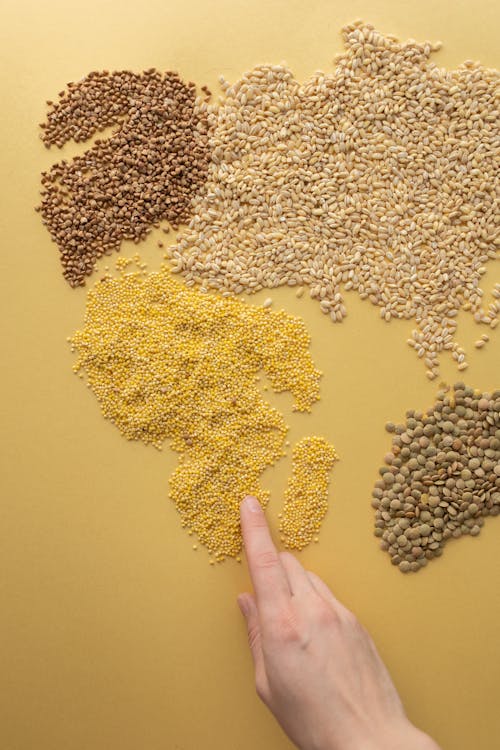
Free Top view of crop unrecognizable person making world continents with heap of assorted grains on yellow background in light studio Stock Photo

  • Brown Lentils (European Lentils): The most affordable type, brown lentils retain their shape when cooked, making them a great substitute for black beans in burgers and soups.
  • Green Lentils (French Lentils): These nutty-flavored lentils stay firm after cooking, making them ideal for salads.
  • Red Lentils: The quickest to cook, these mild and slightly sweet lentils become soft when cooked, perfect for purees and Indian dals. Lentils also come in yellow and orange varieties.
  • Black Lentils (Beluga Lentils): The smallest variety, these lentils resemble caviar, earning them the name Beluga lentils.

How to Boil Lentils

Lentils don’t require soaking and cook in just 15-20 minutes.

  1. Rinse them in a strainer.
  2. Add 1 cup of lentils to 2½ cups of water in a pot.
  3. Bring to a boil, then reduce heat, cover, and simmer for 15-20 minutes until tender.
  4. Drain well and use in recipes.
Free Close-up of dried orange lentils scattered in a blue bowl on a yellow background. Stock Photo
Lentils

15 Ways to Eat Lentils

1. Make Lentil Muffins

I just tried these, and omg, they are filling, easy to make, and store well in the fridge. They’re great for school or work, and they don’t have a strong smell. Plus, they keep you full for longer.

Recipe:

  • 2 cups red lentils
  • 1 onion
  • 1 chili
  • 1 Maggi cube
  • Salt (to taste)
  • 1 tbsp flour
  • 1 egg

Instructions:

  1. Blend all ingredients.
  2. Oil your muffin pan well (they stick easily).
  3. Pour in the mixture. No baking powder needed—they rise on their own.
  4. Bake for 20-30 minutes.

Fun Tip: Add carrots, mushrooms, or shredded chicken for extra nutrients.

2. Make Lentil Soup

Lentil soup has saved me so many times when I come home late and need something quick. I love pairing it with chicken, bread, and yogurt—absolutely delicious.

Recipe:

  • 1 cup lentils
  • 1 onion (chopped)
  • 2 cloves garlic (minced)
  • 1 carrot (chopped)
  • 4 cups broth or water
  • 1 tsp cumin
  • 1 tsp turmeric
  • Salt and pepper to taste

Instructions:

  1. Sauté onion and garlic in a pot.
  2. Add lentils, carrots, broth, and spices.
  3. Simmer for 25-30 minutes until lentils are soft.
  4. Blend for a creamy texture or enjoy as-is.

3. Add Lentils to Your Salad

Toss cooked lentils into salads for extra protein and fiber. They pair well with leafy greens, tomatoes, cucumbers, and a lemon vinaigrette.

4. Blend Lentils into Your Smoothies

Cooked lentils can be blended into smoothies for a protein and fiber boost without altering the taste.

5. Make Lentil Patties

Lentil patties taste just like Nigerian Akara and pair well with bread, custard, or oats.

6. Add Lentils to Your Stew

Stir cooked lentils into tomato-based stews for extra protein and heartiness.

7. Stir Lentils into Pasta and Noodles

Mix cooked lentils into spaghetti sauce or stir-fry noodles for added texture and nutrients.

8. Mix Lentils into Your Rice

Combine lentils with rice to create a nutrient-dense, protein-packed meal.

9. Fold Lentils into Your Eggs and Omelets

Add cooked lentils to scrambled eggs or omelets for a delicious, protein-rich breakfast.

10. Steam Lentils as Nigerian Moi Moi

Lentils make an excellent substitute for beans in Nigerian moi moi. Simply blend with spices, pour into molds, and steam.

11. Make Lentil Hummus

Blend cooked lentils with garlic, lemon juice, tahini, and olive oil for a tasty, protein-packed dip.

12. Use Lentils in Veggie Burgers

Mash cooked lentils with breadcrumbs, spices, and veggies to form patties for homemade veggie burgers.

13. Cook Lentils with Coconut Milk

Simmer lentils in coconut milk, curry, and spices for a creamy, flavorful dish.

14. Make Lentil Wraps

Use lentils as a filling for wraps with fresh veggies and sauce for a nutritious, on-the-go meal.

15. Bake Lentil Crackers

Mix lentil flour with spices and bake into crispy, high-protein crackers.

Nutrition

Lentils are packed with essential nutrients, making them a great addition to any diet. They are rich in minerals, protein, and fiber, supporting overall health and well-being.

A 100-gram (g) serving of cooked lentils contains:

  • 116 calories (kcal)
  • 9.02 g of protein
  • 0.38 g of fat
  • 20.13 g of carbohydrates, including 7.9 g of fiber and 1.8 g of sugar

Lentils are an excellent source of essential nutrients, including:

  • Folate
  • Iron
  • Manganese
  • Phosphorus
  • Thiamin
  • Potassium
  • Vitamin B-6

They also contain beneficial amounts of:

  • Riboflavin
  • Niacin
  • Pantothenic acid
  • Magnesium
  • Zinc
  • Copper
  • Selenium

How to Store Lentils

Store lentils in an airtight container in a cool, dry place. While they can be eaten indefinitely, they are best enjoyed within a year of purchase for optimal flavor and texture.

When Are Lentils in Season?

Lentils are available year-round.

How to Choose the Best Lentils

Lentils are available pre-cooked in cans or pouches, making them convenient for adding to salads and side dishes. However, they are most commonly bought dried. When selecting dried lentils, look for ones that are firm, clean, and unshrivelled.

The type of lentil you choose depends on how you plan to use them:

  • Green and Brown Lentils: Hold their shape well after cooking, making them ideal for warm salads, casseroles, and stuffing.
  • Puy Lentils: These grey-green lentils from the French region of Le Puy are more expensive but prized for their superior texture and taste. They pair well with upscale ingredients like fish, game, and sausages.
  • Red Split Lentils: Cook down into a smooth purée, making them perfect for thickening soups and casseroles. They are also commonly used in Indian dishes like dhal.
  • Yellow Lentils (Yellow Split Peas): Similar to red split lentils, they add a vibrant color to dishes. In northeastern England, they are traditionally stewed in ham stock to make pease pudding.

Conclusion

Lentils are incredibly versatile and can easily be incorporated into your meals. Whether you’re making muffins, soups, or stews, they offer a nutritious and budget-friendly way to stay full and healthy.

Did you find this blog interesting? Leave a comment below.

 

Why We Love Candy and How to Enjoy It in Moderation

candy

What’s your favorite candy?

I love jelly beans and sour worms and I am a big fan of chocolate.

My favorites are the most popular candy around me like:

Free Vibrant assortment of colorful jelly beans and sugar-coated gumdrops in decorative bowls. Perfect for sweet-themed designs. Stock Photo

  • Snickers
  • M&M’s
  • KitKat
  • Twix
  • Skittles
  • Smarties
  • Licorice
  • Milkyway

Why Is Candy So Popular?

Candy is a favorite for a few key reasons:

  • Candy satisfies our sweet tooth like nothing else.
  • The high sugar content triggers feel-good chemicals in the brain, making it a sweet reward.
  • Let’s be honest, who doesn’t love a little treat now and then?

Forget candy for a second—let’s talk about why natural foods should be our go-to treat. Lately, there’s been a push to ban artificial food dyes, like Red Dye 3, which is found in many candies. Why? Because studies have linked these dyes to health risks, including cancer in animals. So maybe it’s time to swap the artificial stuff for something naturally sweet.

Top Reasons Why Too Much Candy Is Bad for You

There’s no doubt—candy isn’t the healthiest choice. Eating it too often can be harmful since it’s loaded with sugar and unhealthy fats. Plus, if candy becomes a daily habit, it might take the place of more nutritious foods your body actually needs.

The key? Moderation. Enjoy your sweets, but remember—too much of anything is never a good thing. Here are some top reasons why too much candy is bad for you:

  • It can cause weight gain
  • May increase the risk of heart disease
  • Linked to acne
  • Increased risk of type 2 diabetes
  • Increased risk of cancer
  • Increased risk of depression
  • May accelerate the skin aging process
  • Can cause cellular aging
  • May drain your energy
  • May lead to fatty liver
  • Negative impact on dental health

How To Eat Candy Guilt Free

  • Enjoy a small portion occasionally—swap the whole chocolate bar for just a piece.
  • Balance your meals so you can fit in a little treat without guilt.
  • Don’t overdo it the next day—treats are fun, but your body loves balance

Make Your Sweets Healthier at Home

Want to enjoy homemade treats without all the extra fat, sugar, and calories? Try these simple swaps:

  • Use low-fat dairy.
  • Cut down on butter and ghee—opt for healthier oils like corn, sunflower, or canola instead.
  • Reduce sugar by sweetening with dates or raisins for a natural boost.

Did you know that a chocolate bar with wafers has fewer calories than a solid chocolate bar? 

Food To Substitute Candy Cravings

Free A vibrant assortment of fresh fruits beautifully arranged on a platter, perfect for a healthy and delicious snack. Stock Photo

  • Berries
  • Greek yogurt
  • Nuts
  • Avocado
  • Cinnamon
  • Chia seeds
  • Citrus fruits
  • Coconut
  • Dark chocolate
  • Sugar free chewing gum
  • Dates
  • Smoothies
  • Prunes

What to Eat When You Crave Sugar

If you’re craving sugar, try eating something naturally sweet but also high in fiber to keep you satisfied. Some healthy options include sweet potatoes, chia seeds, berries, prunes, dates, and lean proteins. These foods can help curb your cravings without the sugar crash.

Can Nutrient Deficiencies Cause Sugar Cravings?

There’s a common belief that nutrient deficiencies trigger sugar cravings, but research suggests otherwise. A Healthline article found that deficiencies play only a minor role. Instead, cravings are often influenced by external cues—like habits, environment, or even the time of day.

So next time you’re craving sweets, consider what might be triggering it.

Did you find this article helpful? Leave a comment below

How To Dwell In The Secret Place

Man standing outside

The Secret Place is more than just a hideaway when life gets crazy; it’s your home in God.  Think of it as the place where you cultivate a real, two-way relationship with Him. The secret place is where you dwell in God’s presence, connecting through worship, Word study and prayer. This article will discuss facts about the secret place and how to make the most of it.

Free A person holds an open Bible with Proverbs highlighted, bathed in warm light. Stock Photo

What does the Bible say about the secret place?

Jesus teaches us how to pray in Matthew 6:6: “But when you pray, go into your room, close the door and pray to your Father, who is unseen.” The Bible refers to the secret place as a space of divine protection, intimacy, and revelation. Psalm 91:1 says, “He who dwells in the secret place of the Most High shall abide under the shadow of the Almighty.” 

Free A serene morning scene with a person praying, an open Bible, oatmeal, and coffee. Stock Photo

What is the mystery of the secret place?

The mystery of the secret place is that it is where God reveals Himself to those who seek Him wholeheartedly. It is a place of supernatural encounters, spiritual renewal, and divine guidance. Many believers experience peace, wisdom, and breakthroughs in the secret place, making it a powerful aspect of a Christian’s journey.

What does dwelling in a secret place mean?

Dwelling in the secret place means maintaining a consistent and intentional relationship with God. It is not just a one-time event but a lifestyle of seeking His presence, trusting Him, and surrendering to His will. It involves prayer, worship, meditating on His Word, and living in obedience to Him.

What is the power of the secret place?

The power of the secret place lies in the transformation and spiritual strength that comes from time spent in God’s presence. It is where faith is strengthened, battles are won, and divine strategies are revealed. In the secret place, believers receive comfort, guidance, and empowerment to face life’s challenges.

Who hides in the secret place?

Those who trust in God hide in their secret place. Psalm 32:7 Personifies God as His Hiding place, “You are my hiding place; you will protect me from trouble and surround me with songs of deliverance.” It is a refuge for those who seek God’s protection, peace, and wisdom. 

10 Tips to Make the Best of Your Secret Place

Every Believer must have access to God through their Secret place.

  1. Choose a location, however small, that is specifically for your quiet time. It could be a corner of a room, a favorite chair, or even a spot outdoors. 
  2. Set consistent time. Even short periods of time spent consistently in your secret place are more beneficial than sporadic longer sessions. 
  3. Minimize distractions. Turn off your phone, close your laptop, and let others in your household know you need uninterrupted time. 
  4. Before entering your secret place, take a few moments to transition.  Perhaps listen to gospel music, or a sermon from your Spiritual leader.
  5. Engage in spiritual practices. This might include prayer, meditation, reading scripture or singing praise to God
  6. Take time to acknowledge the good things in your life.  
  7. Listen more than you speak. 
  8. Don’t get discouraged if you don’t feel immediate results. 
  9. Carry the peace and insights you experience in your secret place into the rest of your day.  
  10. Periodically reflect on your time in your secret place.  Are your practices effective? Do you need to adjust the time or location?  

Free Adult man writing notes and studying at a desk with a Bible and coffee in a cozy room. Stock Photo

Benefits of Having a Quality Secret Place

A quality secret place with God is not just a religious routine—it’s a lifeline that transforms every area of your life

  1. Deepened Intimacy with God – Spending time in His presence strengthens your relationship with Him, allowing you to know His heart and hear His voice more clearly.
  2. Divine Guidance and Wisdom – In the secret place, God reveals His plans and gives direction for your life, helping you make better decisions. Refer to Apostle Joshua Selman teaching on purpose
  3. Inner Peace and Rest– The world may be chaotic, but time with God brings a supernatural peace that surpasses understanding (Philippians 4:7).
  4. Renewed Strength and Encouragement – Life’s battles can be exhausting, but in God’s presence, you receive strength to keep going (Isaiah 40:31).
  5. Spiritual Growth and Maturity – A consistent secret place with God helps you grow in faith, character, and understanding of His Word.
  6. Divine Protection – Psalm 91:1 reminds us that those who dwell in the secret place of the Most High remain under His covering and protection.
  7. Healing and Restoration – Whether it’s emotional wounds, spiritual dryness, or physical ailments, God restores and heals in His presence.
  8. Increased Faith and Confidence – The more you spend time with God, the more you trust Him, leading to boldness and unshakable faith.
  9. Freedom from Fear and Anxiety – The presence of God casts out fear and replaces worry with trust and confidence in His plans.
  10. Greater Spiritual Authority – When you are deeply connected to God, you walk in His power, and your prayers carry greater impact.

 Conclusion

In a world full of storms—both physical and emotional—Your secret place is your weapon. God offers us a safe refuge, a place where we can rest, heal, and be renewed. Instead of turning to temporary escapes or unhealthy coping mechanisms, we can choose to abide in His presence, where peace, strength, and restoration await us. No matter how overwhelming life gets, His dwelling place is always open to us. Which of the tips for making the most of your Secret Place will you add to your routine?


How to Keep Your Eyes Comfortable in the Sauna

Do you love the Sauna but Hate Dry Eyes?

Saunas are amazing, but they can leave your eyes feeling dry.

4 Simple Tips to Keep Your Eyes Comfortable in the Sauna

Free Warm and inviting wooden sauna with ambient lighting, perfect for relaxation. Stock Photo

  1. Stay Hydrated – Drink plenty of water before, during, and after your sauna session. A good rule of thumb is at least 20 oz. before stepping in to help maintain moisture levels.
  2. Enter Wet – Take a quick shower before your first round and enter with damp hair and skin. Bonus: Keeping your hair wet can help it stay soft and healthy.
  3. Use a Wet Washcloth – Place a damp washcloth over your face to create a moisture barrier.
  4. Close Your Eyes – Whether you’re enjoying a solo sauna or chatting with friends, closing your eyes can help you relax and prevent them from drying out.

With these simple adjustments, you can enjoy all the benefits of a sauna—without the discomfort of dry eyes!

Health Benefits of Using a Sauna

1. Improved Cardiovascular Health

Sauna sessions can improve blood circulation, which helps lower blood pressure and enhance heart health.

Regular sauna use may reduce the risk of cardiovascular disease by improving vascular function.

2. Detoxification

Sweating in a sauna helps eliminate toxins like heavy metals and chemicals from the body through the skin.

3. Muscle Recovery and Pain Relief

The heat from a sauna relaxes muscles and improves blood flow, which aids in recovery after exercise.

It can help reduce joint pain and stiffness, particularly in conditions like arthritis or fibromyalgia.

4. Skin Health

Sweating cleanses the skin by opening pores and flushing out impurities, promoting a healthy glow.

5. Stress Reduction

Saunas promote relaxation by reducing cortisol levels (the stress hormone) and boosting endorphins.

The calm environment provides a mental break, reducing anxiety and improving mood.

6. Improved Sleep

Regular sauna use can enhance the quality of sleep by promoting relaxation and lowering stress.

7. Respiratory Benefits

The warm, moist air of certain types of saunas (like steam saunas) can improve respiratory function, helping with conditions like asthma, bronchitis, or congestion.

8. Boosted Immune System

Saunas may stimulate the production of white blood cells, which can enhance your immune response.

9. Calorie Burn and Weight Loss Support

Although not a replacement for exercise, saunas can increase heart rate, leading to a small calorie burn.

They also help reduce water retention through sweating.

10. Mental Clarity and Relaxation

The heat promotes better blood flow to the brain, which may improve focus and mental clarity.

Precautions

  • Stay hydrated before and after sauna use to avoid dehydration.
  • Limit time in the sauna to 15–20 minutes, especially if you’re new to it.
  • Avoid using saunas if you’re pregnant, have low blood pressure, or have underlying heart conditions without consulting a doctor.

Who Should Avoid the Sauna?

While saunas offer many health benefits, they’re not suitable for everyone. You should avoid sauna bathing if:

  • You are feeling unwell.
  • You have a chronic condition such as severe heart disease, lung disease, inflammation, high blood pressure, kidney disease, epilepsy, or hyperthyroidism.
  • You have a cold, flu, or other infections, especially if symptoms are just starting or already present.

If you’re unsure whether a sauna is safe for you, consult your doctor before using one.

Saunas are a relaxing and effective way to support overall health, provided they’re used responsibly.

Did you find this article interesting? Leave a comment below

Top 10 Food and Nutrition Trend In 2025

The food and nutrition landscape in 2025 is undergoing a dramatic transformation, driven by a growing emphasis on health, sustainability, and convenience. Consumers are increasingly aware of the link between diet and overall well-being, fueling demand for plant-based foods, functional foods enriched with vitamins, minerals, probiotics, and personalized nutrition plans.

Concerns about climate change and environmental impact also drive a shift toward sustainable food practices. Consumers seek products with minimal processing, reduced packaging, and locally sourced ingredients. Regenerative agriculture, which focuses on soil health and biodiversity, is gaining traction.

In our fast-paced world, convenience remains a key factor in food choices. This has fueled the growth of meal kit delivery services, prepared meals, and on-demand food delivery platforms. However, convenience is increasingly intertwined with health and sustainability as consumers look for quick, easy, nutritious, and environmentally friendly options.

These trends are reshaping the food industry and driving innovation in food technology, alternative proteins, and personalized nutrition. As the demand for healthier, more sustainable, and convenient food options grows, we can expect even more exciting developments in the years ahead. Here are the top 10 food and nutrition trends in 2025:

1. Hydration Hype

Hydration has always been important, but in 2025, people are going beyond water. They are choosing teas, infused waters, and natural juices to support their nutrition.

Teas: Beyond traditional black or green tea, there’s a boom in herbal teas, kombucha, and functional teas infused with ingredients like ginger turmeric and adaptogens such as ashwagandha and reishi, which promote stress reduction, immunity support, and focus.

Infused Waters: Plain water can be upgraded with additions like cucumber, mint, berries, or citrus fruits, which add antioxidants, vitamins, and minerals while making hydration more enjoyable.

Natural Juices: While 100% fruit juice remains popular, the focus is shifting toward vegetable juices, cold-pressed options, and nutrient-rich blends.

The Growing Popularity of Juice Cleanses: Juice cleanses involve consuming only fruit and vegetable juices for a short period (usually 3–7 days). Benefits may include weight loss, improved digestion, increased energy, and detoxification. However, it’s crucial to consult a healthcare professional before starting one.

Key Considerations:

  • Many functional beverages contain added sugars, so opt for unsweetened or naturally sweetened options.
  • Choose brands that prioritize sustainable sourcing and packaging.
  • Hydration needs vary based on activity level, climate, and overall health.

2. Global Snacking

Consumers are becoming more adventurous, exploring flavors and textures from different regions.

Regional Snack Trends:

  • Asia: Crispy seaweed snacks, savory rice crackers, spicy Sichuan peppercorn chips, and chewy mochi.
  • Africa: Plantain chips, spicy biltong (South African cured meat), and flavorful samosas.
  • Latin America: Chili-lime snacks, fruit leathers, and crunchy arepas.

Snack Preferences

  • Flavor Exploration: Bold, unexpected combinations like umami, smoky, spicy, and sweet-and-sour.
  • Textural Adventures: Crunchy, chewy, and melt-in-your-mouth textures are all in demand.
  • Nutrient-Dense Choices: Snacks rich in protein, fiber, and healthy fats, such as nuts, seeds, dried fruits, and veggie chips.

3. Shift Towards Plant-Based Protein Sources

More consumers are choosing sustainable, ethical, and health-conscious protein options.

Key Plant-Based Proteins:

  • Legumes: Lentils, chickpeas, and beans are versatile and nutrient-dense.
  • Soy-Based Options: Offering various textures and easy incorporation into meals.
  • Nuts & Seeds: Almonds, walnuts, chia seeds, and flaxseeds provide protein and healthy fats.

The Rise of Hybrid Protein Products: Blending plant-based and animal proteins (e.g., chicken or fish) to create unique flavors and improve sustainability.

4. Cutting Back on Sugar & Salt

Consumers are becoming more aware of the health risks of excessive sugar and sodium intake.

Natural Sweeteners: Alternatives like monk fruit, allulose, and stevia offer sweetness without blood sugar spikes.

Herbal Teas Over Sugary Beverages: People are swapping sodas and artificially sweetened drinks for herbal teas, infused water, and naturally flavored sparkling beverages.

Low-Sodium Cooking: More chefs and home cooks use spices, herbs, and citrus instead of excessive salt.

5. The Weight Loss Revolution: Medications & GLP-1 Alternatives

Weight loss medications like Ozempic®, Wegovy®, and Zepbound® are gaining popularity, especially among celebrities and influencers.

Pharmaceutical Innovations: Originally developed for diabetes, these medications regulate appetite and metabolism to promote significant weight loss.

Natural Alternatives: Berberine, fiber-rich foods, and apple cider vinegar are gaining attention for their GLP-1 mimicking effects.

Sustainable Lifestyle Approaches: While medications help, maintaining a healthy diet and exercise routine is key for long-term success.

6. Nuts & Seeds: Tiny but Mighty Superfoods

Packed with nutrients, nuts and seeds remain a dietary powerhouse in 2025.

Key Benefits:

  • Heart Health: Almonds and walnuts support cardiovascular well-being with healthy fats.
  • Brain Boosting: Walnuts contain DHA, essential for cognitive function.
  • Versatility: Nut butter and seed crackers make adding these superfoods to meals easy.

7. Food for Mental Health: Eating for Mood & Brain Function

Diet plays a crucial role in mental well-being.

Brain-Boosting Nutrients: Omega-3s (fatty fish, flaxseeds), magnesium (dark chocolate, leafy greens), and probiotics (yogurt, kefir) support cognitive function.

Mood-Enhancing Foods: Dark chocolate, berries, turmeric, and nuts help reduce inflammation and improve serotonin production.

The Mind-Gut Connection: A healthy gut microbiome supports mood and mental clarity.

8. The Rise of Fasting: More Than Just a Trend

Fasting is recognized for its metabolic, anti-aging, and longevity benefits.

Popular Methods: Intermittent fasting (16:8, OMAD) continues to grow.

Scientific Backing: Research supports fasting for insulin sensitivity, autophagy (cellular repair), and cognitive health.

9. Gut Health-Focused Eating

Prebiotics and probiotics take center stage in digestive health.

Key Foods: Bananas, onions, and garlic (prebiotics), as well as yogurt, kimchi, and kombucha (probiotics).

The Gut-Brain Connection: A balanced microbiome enhances digestion, mood, and immune function.

10. Canned Food Comeback & the ‘Complexitarian’ Diet

Canned foods are being rebranded as nutritious and convenient.

Nutritional Value: Canned beans, fish, and vegetables retain nutrients while being budget-friendly.

Sustainability: Less food waste and longer shelf life make canned goods an eco-friendly choice.

Complexitarian Diet: Balances plant-based and animal-based foods, emphasizing quality proteins and seasonal produce.

Conclusion

As we move through 2025, food and nutrition trends prioritize health, sustainability, and innovation. Whether embracing fasting, plant-based proteins, or gut-friendly foods, people are making more mindful dietary choices. Staying informed and making conscious decisions will help individuals thrive in this evolving food landscape.

Which food trend are you most excited about in 2025? Let us know in the comments.

100 Kind Things To Say To Yourself Every Day

happy

For years, I’ve been my own worst critic, filling my mind with negativity and doubt. It became second nature to tear myself down, but I’ve realized that the way I speak to myself matters. So, I’ve made a conscious decision to turn that energy around—to replace self-criticism with self-compassion. Instead of dwelling on what I lack, I choose to affirm my worth, celebrate my strengths, and speak kindness into my own life. Here are 100 nice things I’m telling myself—and maybe you should, too.

Here are 100 kind things to say to yourself everyday.

1. I am enough just as I am.

2. I deserve love and kindness.

3. My worth is not defined by my productivity.

4. I am valuable, no matter what.

5. I choose to love myself every day.

6. My imperfections make me unique and beautiful.

7. I am worthy of respect and appreciation.

8. I am deserving of happiness and peace.

9. I am proud of who I am becoming.

10. I accept myself fully and completely.

11. I am strong and capable.

12. I believe in myself and my abilities.

13. I have the power to create change.

14. I am courageous and resilient.

15. I trust myself to make good decisions.

16. I am confident in my skills and talents.

17. My voice and opinions matter.

18. I can handle whatever comes my way.

19. I learn and grow from challenges.

20. I am unstoppable.

21. I give myself permission to heal.

22. I am allowed to move forward.

23. I forgive myself for past mistakes.

24. My past does not define me.

25. I release negativity and embrace peace.

26. I choose to let go of what no longer serves me.

27. I am gentle with myself in difficult times.

28. I allow myself to rest and recover.

29. Every day is a new opportunity to grow.

30. I am becoming the best version of myself.

31. I choose joy today.

32. I attract positivity and good energy.

33. My happiness is a priority.

34. I focus on what brings me peace.

35. I find beauty in the little things.

36. I am grateful for the blessings in my life.

37. Laughter and love fill my life.

38. I embrace the present moment.

39. I am surrounded by love and positivity.

40. I have so much to be grateful for.

41. I am capable of achieving my dreams.

42. I am committed to my goals.

43. I am disciplined and focused.

44. My hard work will pay off.

45. I attract success effortlessly.

46. I am creating the life I desire.

47. I have everything I need to succeed.

48. My potential is limitless.

49. I turn obstacles into opportunities.

50. I am making progress every day.

51. My body is strong and serves me well.

52. I am grateful for all my body does for me.

53. I nourish my body with love and care.

54. I choose to be kind to my body.

55. My health is a priority.

56. I appreciate my body’s uniqueness.

57. I am more than my appearance.

58. My body is worthy of respect and love.

59. I am beautiful inside and out.

60. I honor my body by taking care of it.

61. I attract healthy and loving relationships.

62. I am surrounded by people who love me.

63. I deserve to be treated with kindness and respect.

64. I am worthy of deep, meaningful connections.

65. I give and receive love freely.

66. I bring joy to the lives of others.

67. I am a good friend and a loving person.

68. My heart is open to love and kindness.

69. I am surrounded by people who support me.

70. I create and nurture positive relationships.

71. I have the power to change my thoughts.

72. I choose to see the good in every situation.

73. My mind is clear, focused, and positive.

74. I embrace change with an open mind.

75. I trust that everything is working out for me.

76. I welcome new opportunities with excitement.

77. I choose peace over worry.

78. My mindset shapes my reality.

79. I see challenges as stepping stones to success.

80. I am always learning and growing.

81. I create balance in my life.

82. I deserve to take time for myself.

83. I am at peace with where I am in life.

84. I choose to live in the present moment.

85. I release stress and embrace calmness.

86. I trust in the timing of my life.

87. I am in control of my thoughts and emotions.

88. I prioritize my mental and emotional well-being.

89. My inner peace is my power.

90. I am worthy of a peaceful and fulfilling life.

91. I am grateful for the love in my life.

92. My life is filled with abundance.

93. I am surrounded by endless opportunities.

94. I appreciate the little joys in life.

95. I attract prosperity and success.

96. I am open to receiving all the good life has to offer.

97. Every day brings new blessings.

98. I am thankful for my journey and growth.

99. My heart is full of gratitude.

100. I am already enough, just as I am.

Which of these kind words speaks to you the most today?

Not Having Enough Time

What do you complain about the most?

I always find myself complaining about not having enough time. As a medical student, my days are packed with classes, long study sessions, and managing my side hustle—blogging. On top of that, I’m a young woman who loves going out with friends, keeping up with social media trends, hitting the gym, nurturing my faith, and maintaining a healthy diet—all within just 24 hours. It feels overwhelming.

I used to believe I didn’t have enough time—until I realized how carelessly I was spending it. I was losing three hours a day scrolling through Instagram and TikTok, constantly rushing to meet deadlines, and oversleeping more than I should. Even getting a full 7-8 hours made me feel guilty, and on days when I slept for 12 hours, I was absolutely frustrated with myself. I’m pretty sure I’m not the only one who’s been there.

That was the case until I learned a few tricks. I highly recommend using Screen Zen on your phone—it helps limit screen time and blocks distracting sites, making it a total game-changer for productivity.

Another thing that has helped me tremendously is surrounding myself with like-minded, goal-oriented friends. My friend will literally call me if she notices I’m oversleeping, and I’ll remind her of upcoming deadlines. It’s all about keeping each other accountable!

What To Do When You Have Troubles With Time

  1. Stay off your phone
  2. Have a to do list
  3. Do the hardest task first
  4. Rest, don’t compromise on sleep
  5. Have friends because sometimes group work get things done faster
  6. Pray about time management

Here are 20 More Tips to Help with Time Management

1. Set clear priorities

2. Use a planner or digital calendar

3. Create a daily to-do list

4. Set time limits for tasks

5. Use the 45/15 technique

6. Eliminate distractions

7. Batch similar tasks together

8. Plan your day the night before

9. Wake up early

10. Set specific goals with deadlines

11. Learn to say no

12. Delegate tasks when possible

13. Track your time usage

14. Avoid multitasking

15. Schedule breaks

16. Automate repetitive tasks

17. Use productivity apps

18. Establish a consistent routine

19. Limit time on social media

20. Reflect and adjust your schedule regularly

I hope you found this article interesting

Here’s a picture of me right now! Fun fact: I’m actually chilling in the surgical room, watching a CABG procedure. All I can think about is how valuable time is and how we need to make the most of it while we still can.

A Call to Faithfulness: Psalm 81:8

Psalm 81:8 (KJV):
“Hear, O my people, and I will testify unto thee: O Israel, if thou wilt hearken unto me;”

This verse is a plea from God, calling His people to listen to Him. It sets the stage for the following verses, where God warns against the worship of other gods. Just two verses later, in Psalm 81:9, God makes His command clear:

“There shall no strange god be in thee; neither shalt thou worship any strange god.”

This verse is a direct warning against idolatry, which was one of Israel’s greatest spiritual struggles—and remains a struggle for many people today.

The Command Against Idolatry

God’s instruction is firm: we should worship Him alone and never give our devotion to another god. He is a jealous God (Exodus 20:5), meaning He desires our undivided love and commitment. Just as a faithful spouse does not tolerate unfaithfulness in marriage, God does not tolerate divided worship.

Idolatry in Today’s World

While we may not bow before carved statues like in ancient times, idolatry is still prevalent today. Around the world, many people claim to be Christians while still engaging in idol worship. This can take different forms:

  • Traditional idol worship – Some mix Christianity with ancestral worship, consulting diviners, or using charms.
  • Material idolatry – Money, fame, and power often take the place of God in people’s hearts.
  • Self-idolatry – Prioritizing personal desires over God’s will is a modern form of idolatry.

God’s message in Psalm 81:8 is a reminder to examine our hearts. Are we truly devoted to God, or do we secretly hold on to other “gods” in our lives?

A Call to Repentance and Faithfulness

God wants His people to return to Him wholeheartedly. In the next verses of Psalm 81, He promises blessings to those who listen and obey:
“Oh that my people had hearkened unto me, and Israel had walked in my ways!” (Psalm 81:13).

If we fully trust in God and reject all idols, He will provide, protect, and guide us. Let this verse serve as a wake-up call: we must not worship any other god but the Lord alone.

Trusting God’s Sovereignty: A Reflection on Psalm 75:6-8

tall buildings

Psalm 75:6-8 (NIV) states:

“No one from the east, west, or desert can exalt themselves. It is God who judges: He brings one down, he exalts another. In the hand of the Lord is a cup full of foaming wine mixed with spices; he pours it out, and all the wicked of the earth drink it down to its very dregs.”

God’s Sovereignty in Exaltation

Promotion and honor do not originate from human effort or external factors (“east,” “west,“ or “desert”). Instead, God alone determines who is exalted and who is humbled. This truth teaches us to trust God’s perfect timing rather than striving for self-promotion or succumbing to fear of human opposition.

How to Apply This Bible Verse

  • Acknowledge God as the ultimate source of authority and favor.
  • Recognize that lasting success is found in aligning with His will.
  • Cultivate humility.
  • Embrace the reality that exaltation comes from God, not from our efforts.

God is the Righteous Judge

Verse 7 emphasizes God’s role as the supreme and just judge. His decisions are perfect—He lifts the humble and brings down the proud. This brings comfort to those facing injustice while serving as a warning to those acting arrogantly or unjustly.

How to Apply This Bible Verse

  • Trust in God’s justice.
  • When you encounter unfair situations, remember He sees everything and will act at the right time.
  • Align your actions with God’s principles.
  • Live with integrity, knowing that He evaluates all deeds.

The Cup of Judgment

In verse 8, the “cup“ symbolizes God’s judgment, a common biblical metaphor (e.g., Jeremiah 25:15, Matthew 26:39). The imagery of a foaming, spiced wine illustrates the intensity and completeness of God’s wrath against wickedness. The wicked will drink this cup “to its dregs,“ signifying they will fully experience the consequences of their actions without escape.

How to Apply This Bible Verse

  • Be mindful of the consequences of sin
  • Regularly examine your life and repent before God’s judgment.
  • Trust God to address evil.
  • Rest in the assurance that He will bring justice to those who suffer.

Thanksgiving For God’s Justice

This psalm, attributed to Asaph, is a song of thanksgiving and confidence in God’s justice. It reassures us that God rewards righteousness and punishes wickedness, emphasizing His ultimate control over human affairs.

Ask Yourself This Questions

  • Are you trusting in God for your success or relying on self-promotion?
  • How does the certainty of God’s justice encourage you in difficult times?
  • In what ways can you respond to His sovereignty with humility and obedience?

Psalm 75:6-8 reminds us to rest in God’s control, trust His perfect timing, and live righteously as we await His ultimate judgment. Let this passage inspire you to seek God’s guidance, knowing that He is the One who holds all power and authority.

Did you find this post valuable? Leave a comment below

How To Forgive Yourself

Forgiving yourself can feel like one of the hardest things to do, especially when guilt keeps whispering in your ear.

Forgiving yourself is one of the most powerful steps toward healing. In this article, we will discuss how to let go of the guilt and embrace self-compassion.

1. Acknowledge Your Mistakes

The first step is to face what happened. Be honest with yourself—no sugarcoating or avoiding the issue. Accept that you made a mistake, but also remind yourself that being human means being imperfect.

2. Find the Lesson

Mistakes are life’s way of teaching us valuable lessons. Ask yourself, What can I learn from this? Shifting your focus from the guilt of what went wrong to the wisdom you’ve gained helps you grow.

3. Let Go of Shame

Guilt says, I did something bad. Shame says, I am bad.

Don’t let your mistakes define your worth. You’re so much more than one decision or one moment. Recognize the difference, and release the shame holding you back.

4. Make Amends If Needed

If your actions affected someone else, a sincere apology can make all the difference—for them and for you. Owning your actions and taking steps to make it right brings closure and allows both parties to heal.

5. Be Kind to Yourself

Imagine your best friend came to you feeling the way you do now. What would you say to them? Chances are, you’d offer them love and understanding—not judgment. Show yourself that same kindness.

6. Challenge Negative Self-Talk

We can be our own worst critics. The next time you catch yourself thinking, I’ll never move past this, reframe it. Try reciting Bible verses like, I receive an abundance of grace and the gift of righteousness. I reign in life through Jesus Christ (Romans 5:17)

7. Give Yourself Permission to Heal

Forgiveness doesn’t mean you’re excusing what happened; it means you’re letting go of the pain it caused. Healing is a process, and it’s okay to take your time.

8. Seek Support

You don’t have to do this alone. Talking to a friend, mentor, or therapist can offer fresh perspectives and encouragement. Sometimes, an outside voice helps us see what we can’t.

9. Take Positive Steps Forward

Channel your energy into something meaningful. Volunteer, take up a hobby, or pursue a goal that excites you. Positive actions remind you that you’re capable of creating good in the world.

10. Be Patient with Yourself

Forgiving yourself is not a one-time event—it’s a journey. Celebrate small victories along the way. Each step you take is proof that you’re moving forward.

Conclusion

Forgiving yourself is an act of self-love. It’s about letting go of the past and embracing the opportunity to start fresh. Remember, you are not defined by your mistakes—you’re defined by how you rise after them.

Did you find this article interesting?