Top 18 Foods to Relieve Your Cough and Cold

top 18 foods that help relieve cough and cold

Its winter and that means many people have coughs and colds. Did you know several foods can help alleviate coughing and promote faster recovery? This article will discuss the top foods that can provide relief from cough and cold. Incorporating these foods into your diet can boost your immune system and also soothe sore throat and coughing.

What is a cough?

A cough is a sudden and forceful expulsion of air from the lungs. It’s a reflex action that helps to clear the airways of irritants, mucus, or foreign particles.

Common Causes of Coughs

  • Viral Infections: Colds, flu, and other respiratory infections are frequent culprits.
  • Allergies: Allergens like pollen, dust mites, and pet dander can trigger coughing.
  • Postnasal Drip: Excess mucus draining from the sinuses can irritate the throat.
  • Gastroesophageal Reflux Disease (GERD): Acid reflux can irritate the throat and cause coughing.
  • Chronic Obstructive Pulmonary Disease (COPD): Conditions like bronchitis and emphysema can cause chronic coughing.
  • Smoking: Smoking irritates the airways and damages lung tissue, leading to coughing.

Types of cough

There are many types of cough, but the most straightforward way to classify them is if there is a dry or wet cough.

Wet cough (productive cough)

This type of cough produces mucus or phlegm, which can be clear, white, yellow, green, or even bloody. It is often associated with respiratory infections such as colds, bronchitis, pneumonia, and sinusitis.

Dry cough (non-productive cough)

This type of cough does not produce any mucus and is often described as being tickly, scratchy, or hoarse. It can be caused by various conditions, including allergies, asthma, acid reflux, and postnasal drip.

Home remedies for cough

1. Honey

Free Delicious honey pouring slowly from a spoon into a white bowl, highlighting its golden hue and viscosity. Stock Photo
honey

Honey has long been used as a natural remedy for coughs. It can help to coat the throat and soothe irritation. A small spoonful of honey can be taken directly or mixed into warm water or tea. However, honey should not be given to children under the age of 1 year due to the risk of botulism

2. Warm liquids

Free Glass cup of herbal tea with yellow flowers on a textured background. Stock Photo
tea

Warm liquids such as tea, broth, or water can help to loosen mucus and soothe a sore throat.  Adding lemon and honey to warm water or tea can provide additional relief.

3. Ginger
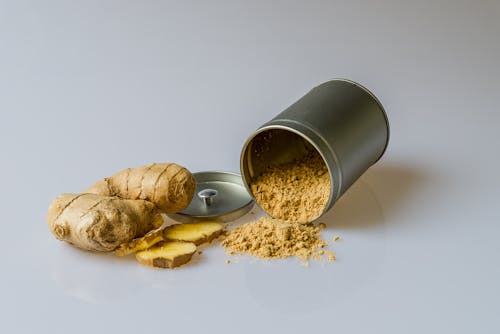
Free Close-up of fresh ginger root with sliced pieces and ginger powder spilled from a metal container. Stock Photo
ginger

Ginger is a natural anti-inflammatory that can help to soothe a cough and loosen mucus. It can be consumed in various ways, such as ginger tea, ginger ale, or candied ginger.

4. Turmeric

Free Top view of small heaps of ground chili and curcuma powders in metal bowl on white surface Stock Photo
Turmeric powder

Turmeric is another anti-inflammatory spice that can help to soothe a cough. It can be added to warm milk or taken as a supplement

5. Lemon

Free Close-up of fresh, juicy lemon halves on a clean white background. Stock Photo
lemon

Lemons are a good source of vitamin C, which can help to boost the immune system and fight off infection. They can also help to soothe a sore throat and loosen mucus. Lemon juice can be added to warm water or tea, or taken directly.

6. Garlic

Free A close-up photo of peeled garlic cloves arranged on a decorative plate, highlighting their freshness. Stock Photo
Garlic

Garlic is a natural antibiotic that can help to fight off infection. It can be added to soups, stews, or other dishes.

7. Onion

Free Close-up of hands slicing purple onions on a white cutting board with a sharp knife. Stock Photo
onion

Onions are another natural antibiotic that can help to fight off infection. They can be added to soups, stews, or other dishes.

8. Pineapple

Free High-quality image of a fresh pineapple on a blue background, highlighting tropical healthiness. Stock Photo
Pineapple

Pineapple contains bromelain, an enzyme that can help to reduce inflammation and loosen mucus. It can be eaten fresh or juiced.

9. Pomegranate

Free Detailed macro shot of a fresh, vibrant pomegranate exposing its juicy seeds. Stock Photo
Pomegranate

Pomegranates are a good source of antioxidants, which can help to boost the immune system. They can be eaten fresh or juiced.

10. Peppermint

Free Vibrant close-up view of fresh mint leaves, showcasing their vibrant texture and color. Stock Photo
Peppermint

 Peppermint can help to soothe a cough and loosen mucus. It can be consumed in various ways, such as peppermint tea, peppermint candy, or peppermint oil.

11. Licorice root

Licorice Root: Benefits, Uses, Precautions, and Dosage
Phot credit: Healthline

Licorice root is a natural expectorant that can help to loosen mucus. It can be taken as a supplement or made into a tea.

12. Marshmallow root

Marshmallow root: Benefits, risks, and uses
Phot credit: MedicalNewsToday

Marshmallow root is a natural demulcent that can help to soothe a sore throat and cough. It can be taken as a supplement or made into a tea.

13. Slippery elm

Slippery Elm : Indigenous Peoples' Perspective Project : Programs | Events : Adkins Arboretum
Photo credit: Adkins Arboretum

Slippery elm is a natural demulcent that can help to soothe a sore throat and cough. It can be taken as a supplement or made into a tea.

14. Chicken soup

Free Delicious homemade chicken soup garnished with fresh parsley, served on a rustic table setting. Stock Photo
Chicken soup

Chicken soup is a classic home remedy for colds and coughs. It is easy to digest and can help to hydrate and nourish the body.

15. Vegetable soup

Free A steaming ladle of chicken broth with carrots and herbs, perfect for a cozy meal. Stock Photo
Vegetable soup

Vegetable soup is another good option for colds and coughs. It is packed with nutrients and can help to hydrate and nourish the body.

16. Yogurt

Free Top view of a white cup filled with yogurt and assorted berries on a pink background. Stock Photo
Yogurt

Yogurt is a good source of probiotics, which can help to boost the immune system. It can also help to soothe a sore throat.

17. Bone broth

Free Close-up of hands holding a cup of bone broth beside a package on rustic table. Stock Photo
Bone broth

Bone broth is a nutrient-rich soup that can help to boost the immune system and soothe a cough.

18. Water

Free A close-up shot of a hand holding a clear glass of water, symbolizing refreshment. Stock Photo
Glass of water

Drinking plenty of water is important for staying hydrated when you have a cough. Water can also help to thin mucus and make it easier to cough up.

Bonus

Nigerian Pepper Soup 🇳🇬

Nigerian Pepper Soup- Assorted Meat Pepper Soup - Sisi Jemimah
From Sisi Jemima

Nigerian pepper soup is packed with lots of proteins and vitamins( from the pepper). If you can handle spicy food, definitely try it for an instant cough relief.

Disclaimer: It is important to note that these foods do not cure a cough, but they may help to soothe symptoms and shorten the duration of the illness. If your cough is severe, persistent, or accompanied by other symptoms such as fever, shortness of breath, or chest pain, it is important to see a doctor to determine the cause and get appropriate treatment.

Chicken soup recipe

Ingredients

– Chicken: 1 lb (bone-in or boneless chicken thighs or breasts)

– Chicken broth: 8 cups

– Vegetables:

  – 2 carrots, sliced

  – 2 celery stalks, sliced

  – 1 onion, chopped

  – 2 cloves garlic, minced

  – 1 cup potatoes or noodles (optional)

– Seasonings:

  – 1 tsp dried thyme

  – 1 tsp dried parsley (or fresh, chopped)

  – 1 bay leaf

  – Salt and pepper, to taste

– Olive oil or butter: 2 tbsp

– Fresh herbs (optional): Chopped parsley or dill for garnish

Instructions

1. Cook the Chicken

   – In a large pot, heat the olive oil or butter over medium heat.

   – Add the chicken and cook until lightly browned on both sides (about 5–7 minutes). Remove and set aside.

2. Sauté the Vegetables

   – In the same pot, sauté the onion, carrots, and celery for 4–5 minutes until softened.

   – Add the garlic and cook for another minute until fragrant.

3. Simmer the Soup

   – Pour in the chicken broth and add the thyme, parsley, bay leaf, salt, and pepper.

   – Return the chicken to the pot. If you’re using bone-in chicken, it will add extra flavor.

   – Bring the soup to a boil, then reduce the heat and let it simmer for 20–25 minutes until the chicken is cooked through.

4. Add Potatoes or Noodles (Optional)

   – If using potatoes, add them in the last 15 minutes of cooking.

   – For noodles, add them in the last 8–10 minutes, depending on the type.

5. Shred the Chicken

   – Remove the chicken, shred it using two forks, and return it to the pot.

6. Final Touches

   – Taste and adjust the seasoning.

   – Remove the bay leaf before serving.

   – Garnish with fresh parsley or dill, if desired.

Serving Suggestions

Serve hot with crusty bread or crackers on the side for a comforting meal.

Nigerian Pepper Soup

A popular dish known for its aromatic spices and comforting heat. This recipe is great with meat, fish, or chicken.

Ingredients

– Protein:

  – 1.5 lbs of goat meat, chicken, fish, or assorted meats (e.g., tripe, liver, etc.)

– Water: 6 cups (adjust as needed)

Spices and Seasonings

– 2 tbsp Pepper Soup Spice Mix (available in African stores or homemade; see below for mix)

– 1–2 tsp ground crayfish (optional, adds depth)

– 2–3 scotch bonnet peppers (ata rodo), chopped or blended (adjust to heat preference)

– 1 tbsp ground uziza seeds (optional but traditional)

– 2 seasoning cubes (Maggi or Knorr)

– Salt, to taste

Aromatics

– 1 small onion, finely chopped

– 2 cloves garlic, minced

– 1-inch piece of ginger, minced (optional)

– Handful of scent leaves or nchuanwu (substitute with basil if unavailable)

Instructions

1. Prepare the Protein

   – Wash the meat or fish thoroughly.

   – If using meat, cut into bite-sized pieces. For fish, clean and leave in chunks to prevent breaking apart during cooking.

2. Cook the Protein

   – In a pot, add the meat, chopped onions, garlic, ginger (if using), seasoning cubes, and salt.

   – Add enough water to cover the meat and bring to a boil. Simmer on medium heat for 20–30 minutes (or until tender).

3. Add the Spices

   – Add the pepper soup spice mix, crayfish (if using), uziza seeds, and scotch bonnet peppers.

   – Stir well and let it cook for another 10–15 minutes. Adjust the water for your desired consistency.

4. Taste and Adjust

   – Check for salt and seasoning. Add more if needed.

   – If using fish, carefully add it at this stage and cook for an additional 5–7 minutes until done.

5. Add the Scent Leaves

   – Add chopped scent leaves or basil just before taking the pot off the heat. Let it simmer for 1–2 minutes to release the flavor.

6. Serve

   – Serve hot, either on its own or alongside white rice, yam, or plantains.

Homemade Pepper Soup Spice Mix (Optional)

If you can’t find pre-made spice, grind these into a fine powder:

– 1 tbsp uziza seeds

– 1 tbsp ehuru (calabash nutmeg)

– 1 tsp cloves

– 1 tsp alligator pepper

Store in an airtight container for future use.

Conclusion

Coughing is a common reflex that helps clear your airways of irritants. While occasional coughs are normal, persistent or severe coughs can indicate an underlying health condition. Recognizing the type of cough you have, such as a wet or dry cough, can provide clues about the possible cause.

Remember: Home remedies like honey, warm fluids, and certain foods may provide temporary relief, but they are not a substitute for medical advice.

If your cough is severe, persistent, or accompanied by other symptoms like fever, shortness of breath, or chest pain, it’s essential to consult a healthcare professional for proper diagnosis and treatment.

This is for informational purposes only. For medical advice or diagnosis, consult a doctor.

Did you find this article helpful? Leave a comment below.

 

How to Take Care of Yourself When You Are on Your Period: Period Self Care Tips

Periods bring a range of challenges, from painful cramps and fatigue to mood swings that can make daily life feel more difficult. During this time, it’s essential to prioritize your self-care to help ease these discomforts and promote overall well-being.

In this article, we’ll explore practical and soothing tips to help you manage your period with more comfort and care, so you can feel your best throughout the month.

Don’t be angry with yourself for staining, get up, clean up and reward yourself with a soothing cup of tea.

1. Prioritize Comfort

Periods can often leave you feeling physically drained, so prioritizing comfort is essential. 

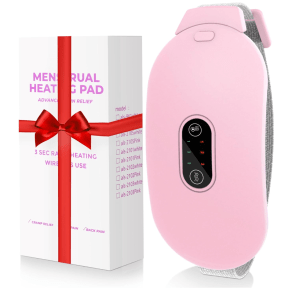
Use a Heating Pad

Heating pad for cramps

Applying a heating pad or hot water bottle to your lower abdomen or back can work wonders for relieving cramps. The warmth helps to relax the muscles and improve blood flow, reducing the intensity of pain.

Take Warm Baths

A warm bath can soothe your body and mind. Add Epsom salts or a few drops of calming essential oils like lavender to your bath for added relaxation.

Wear Comfortable Clothing

When you’re on your period, tight or restrictive clothing can add to your discomfort. Opt for loose-fitting, breathable outfits that let you feel cozy and at ease throughout the day. Wear cute socks and clean clothes.

Prioritize Rest

Your body works overtime during your period, so give it the rest it deserves. Take naps, go to bed earlier, or simply allow yourself some downtime to recharge. 

2. Nourish Your Body

During your period, your body needs extra care and nourishment to keep energy levels up and support your overall well-being. Eating the right foods can help ease discomfort and even improve your mood.

Eat Iron-Rich Foods

Free A close-up of spicy kimchi and vegetables on a black plate, perfect for food enthusiasts. Stock Photo

Menstruation can deplete your iron levels, leaving you feeling fatigued. Incorporate foods like spinach, lentils, red meat, tofu, and fortified cereals into your diet to replenish your iron stores.

Opt for Anti-Inflammatory Choices

Certain foods, like fatty fish (salmon, mackerel), nuts, seeds, and leafy greens, are rich in omega-3 fatty acids and other anti-inflammatory compounds that can help reduce cramping and bloating.

Stay Hydrated

Free Woman enjoying a warm drink in a cozy armchair by a window, embracing relaxation. Stock Photo

Drinking plenty of water is crucial to combat bloating and fatigue. Herbal teas like chamomile or peppermint can also soothe cramps and improve digestion.

Limit Sugar and Caffeine

High sugar and caffeine intake can lead to energy crashes, increased bloating, and heightened mood swings. Opt for natural sweeteners like honey and herbal teas to stay balanced.

Indulge in Dark Chocolate

If you’re craving something sweet, dark chocolate (70% cocoa or higher) is a great choice. It’s rich in magnesium, which can help relax muscles and improve your mood.

3. Prioritize Rest and Sleep

Your body works harder during your period, so giving it the rest it deserves is essential for feeling your best. Prioritizing quality sleep and relaxation can help alleviate period symptoms and boost your energy.

Get Enough Sleep

Free A close-up of a hand reaching for a ringing alarm clock, symbolizing waking up in the morning. Stock Photo

Aim for 7-9 hours of restful sleep each night. Sleep helps your body recover and reduces stress, which can worsen cramps and mood swings. If you’re struggling to sleep due to discomfort, try using a heating pad or taking a warm bath before bed.

Nap if Needed

If you feel drained during the day, give yourself permission to take short power naps. Even 20–30 minutes of rest can improve your mood and energy.

Practice Relaxation Techniques

Meditation, praying and journaling can calm your mind and relax your body. These practices can help reduce pain and ease tension, especially during particularly challenging days.

Create a Relaxing Sleep Environment

Make your bedroom as comfortable as possible by dimming lights, keeping the room cool, and using soothing scents like lavender to promote relaxation.

Listen to Your Body

 If you feel too tired to complete your usual activities, allow yourself to take a break. Resting doesn’t mean being unproductive; it’s a necessary part of self-care.

Conclusion  

Remember that your body is going through a natural process. Be patient with yourself and understand that you may not feel your best during this time. Periods can be physically and emotionally challenging. Self-compassion is not indulgence, it’s about honoring your needs and giving yourself the support you deserve.

Even small acts of self-care can make a significant difference in how you feel during your period. A warm bath, a cup of herbal tea, or a few minutes of meditation can all contribute to a more positive experience.

Did you find this article helpful? Leave a comment below


Batumi

Think back on your most memorable road trip.

We went to Batumi last summer.

I saw dolphins, went to the beach (Black sea), ate lots of ice cream and khinkali.

I faced my fear of heights, saw the famous Ali and Nino statue

I rode on this was so scared but later started enjoying the view
Ali and Nino statue ( a painful love story). Apparently they loved each other but couldn’t be together 😩
At the beach
This painting caught my attention at the museum . Why is she sleeping outside?

The trip was fun, I will go again

This is Khinkali, so delicious. I can eat 5 😄
Beautiful city
I love traveling

Frozen Tangerines 🍊 (mandarins)


What snack would you eat right now?

I love tangerines and my most recent discovery is frozen tangerines.

Frozen tangerines are delicious and often easy to make.

You can also blend the frozen tangerines to make a sweet sorbet.

Frozen tangerines

Benefits of Tangerines

1. Rich in Vitamin C

2. Boosts immunity

3. Aids in digestion

4. Promotes heart health

5. Supports weight management

6. Improves skin health

7. Enhances eye health

8. Reduces risk of chronic diseases

9. Hydrates the body

10. Easy to add to your diet

The 15 Dirtiest Things You Touch Everyday

We all know about washing our hands regularly, but how often do we think about what we touch? Many everyday items harbor germs and bacteria that could make us sick. 

1. Cellphone

Free A woman using her phone at a desk, surrounded by art supplies and a laptop, in a creative workspace. Stock Photo
Phone

Your trusty smartphone is a bacteria magnet. Between frequent use, being carried everywhere, and rarely being cleaned, studies show that phones are often dirtier than toilet seats. Wash your hands after using the toilet, and wipe your phone frequently with electronics wipes.

2. Remote Control

Free A couple enjoying a relaxing movie night, sitting on a sofa with popcorn and a TV remote. Stock Photo
Remote control

Everyone touches the remote. From greasy popcorn fingers during movie nights to dust buildup, remote controls are touched by many hands and rarely sanitized. Germs love this hotspot. 

How to clean your remote control

Use a dry cotton swab to remove visible dust and debris inside the remote. Next, dampen another cotton swab with isopropyl alcohol and gently clean the circuit board and other internal components. Be cautious not to use too much moisture, as it could damage the electrical parts. If the remote has rubber buttons, clean them thoroughly as well.

3. Laptop Keyboards

Free Child focused on laptop wearing headphones at desk with purple lighting. Modern tech scene. Stock Photo
Laptop

Eating lunch while working? Your keyboard collects crumbs, oils, and bacteria. It’s a breeding ground for germs, especially if multiple users share it.

How to clean your Laptop Keyboard

  1. Turn off and unplug the laptop.
  2. Use a soft brush or cloth to remove loose debris gently.
  3. Wipe the keys with a cloth lightly dampened with water or a mild cleaning solution.
  4. Allow the keyboard to air dry completely before reconnecting.
  5. Avoid harsh chemicals and excessive liquid to prevent damage.

4. Dish Sponge

Free Close-up of woman washing dishes at kitchen sink, highlighting hands with bracelet. Stock Photo
Dish sponge

While it’s designed for cleaning, the dish sponge is one of the dirtiest items in your kitchen. Warm, moist environments help bacteria thrive, making regular replacement crucial.

Many people use microwaves to clean their sponges; however, you can also clean your dish sponge by soaking it in hot water.

Fill a small bowl with hot water or white vinegar and soak the sponge. Let it sit for five minutes, and then rinse it out and let it air dry.

5. Toothbrush

Free Macro shot of a toothbrush with blue toothpaste and blurred background. Stock Photo
Toothbrush

Your toothbrush spends time in a humid bathroom where airborne particles from flushing toilets can settle on it. Store it upright and away from the bathroom to minimize exposure.

6. Pet Toys

Free A happy chocolate Labrador Retriever playing tug-of-war with a colorful toy inside a cozy home. Stock Photo
Pet toys

Your furry friend’s favorite toy collects drool, dirt, and bacteria. Regular washing with pet-safe cleaners can keep your pets—and you—safe.

7. Money

Free Close-up of person counting cash with notepad on desk, indicating financial tasks. Stock Photo
Money

Cash constantly changes hands, picking up bacteria, dirt, and even viruses. It’s wise to wash your hands after handling it. 

8. Laundry

Free A woman pours detergent into a washing machine for a laundry cycle. Stock Photo
Laundry

Dirty laundry, especially gym clothes or towels, can carry germs, mold, and odors. Wash them promptly to avoid bacteria buildup.

9. Your Purse

Free Close-up of a stylish black purse held by a person outdoors, showcasing elegance and fashion. Stock Photo
purse

Purses go everywhere, from the floor of public restrooms to counters and car seats. The bottom of your bag is a hotspot for bacteria and dirt.

10. ATM Keypads

Free A person wearing gloves withdrawing cash from an ATM machine showcasing money handling and hygiene. Stock Photo
ATM

Used by hundreds daily, ATM keypads are rarely cleaned and frequently touched by unwashed hands. A quick hand sanitizer rub afterward can help.

11. Shopping Cart Handles

Free An empty shopping cart lies abandoned on a patch of grass by the roadside. Stock Photo
Shopping cart

Countless people, including children, touch shopping cart handles. These handles often carry germs from raw food items and dirty hands.

12. Soap Dispensers

Ironically, the soap dispenser pump is full of germs because people touch it with dirty hands before washing it. Automatic dispensers reduce this risk.

Free A close-up of a hand dispensing soap from a bottle, showcasing hygiene and cleanliness concepts. Stock Photo
soap dispenser

13. Kitchen Towels

Free A person wearing rubber gloves cleaning a dirty gas stove with a cloth and spray bottle. Stock Photo

Kitchen towels are used for everything, from drying hands to wiping spills. When damp, they become a breeding ground for bacteria, so they should be washed frequently.

14. Light Switches

Light switches are touched multiple times a day but rarely cleaned. Regular disinfecting can keep germs at bay.

15. Steering Wheels

We eat, drink, and touch various things before grabbing the wheel, so it’s no surprise that car steering wheels often harbor bacteria and dirt.

Bonus

16. Makeup Brushes

Free A woman prepares her makeup in a stylish indoor setup, surrounded by beauty products. Stock Photo

Makeup brushes collect oils, dead skin cells, and product buildup with every use. If not cleaned regularly, they become a breeding ground for bacteria, leading to skin issues like acne and irritation.

How to clean your makeup brush

Fill a bowl with lukewarm water and add a tablespoon of gentle or clarifying shampoo. Avoid using plain soap and water, as it can dry out the bristles. Swirl the tip of each brush in the bowl to loosen dirt and makeup residue. For a deeper clean, gently massage the brush tips in the palm of your hand to create a rich lather.

Tips to Keep Germs Away

  • Clean high-touch surfaces regularly with disinfectant wipes or sprays.
  • Wash hands thoroughly and frequently.
  • Avoid touching your face, especially after handling any of these items.
  • Be mindful of shared items and sanitize them often.

By being aware of these germy culprits, you can protect yourself and your loved ones from unnecessary exposure to harmful bacteria. 

Did you find this article helpful? Leave a comment below.
Protein Breakfast: Egg Muffins

egg muffins

Eggs are an excellent source of high-quality protein, essential vitamins, and minerals. Adding veggies and meats boosts the nutrient profile, making egg muffins a wholesome, balanced option. Egg muffins are easy to make even on the most lazy mornings.

egg muffins
egg muffins

Ingredients

  • 6 large eggs
  • 2 table spoon of milk (optional, for fluffiness)
  • 1/4 cup diced bell peppers (red, green, or yellow)
  • Spinach
  • 1/4 cup diced onion
  • 1/4 cup shredded cheese (cheddar, mozzarella, or your favorite)
  • Salt and pepper to taste
  • Cooking spray or muffin liners
Instructions
  1. Preheat Oven
    Preheat your oven to 375°F (190°C). Lightly grease a 12-cup muffin tin or line it with muffin liners.
  2. Prepare the Filling
    • In a large mixing bowl, whisk together eggs and milk until smooth.
    • Stir in the diced veggies, cooked meat (if using), and cheese. Add salt and pepper to taste.
  3. Pour into Muffin Tin
    Divide the mixture evenly among the muffin cups, filling each about 3/4 full.
  4. Bake
    Bake in the preheated oven for 18-22 minutes, or until the egg muffins are set and slightly golden on top.
  5. Cool & Serve
    Allow the muffins to cool for a few minutes before removing them from the tin. Serve warm or store for later.

Nutrition Facts (per serving)

135 Calories
9g Fat
3g Carbs
10g Protein
  • Prep Time: 15 mins
  • Cook Time: 30 mins
  • Total Time: 45 mins
  • Servings: 6
  • Yield: 6 egg muffins

egg muffins
egg muffins


How To Bounce Back From a Bad Day

How To Bounce Back From a Bad Day

We’ve all been there—those days when things don’t go our way. You got another disappointing email, missed an important deadline, or got into a fight. By the end of the day, you’re left feeling drained, frustrated, and stuck with negative thoughts.

Everyone has a bad day. While you can’t always control what happens, you can control how you respond. With a few simple steps, you can turn things around and give yourself the care and space you need to feel better.

In this blog, we’ll explore practical and easy ways to lift your mood, reset your mindset, and reclaim your peace after a tough day. 

1. Acknowledge and Validate Your Feelings  

The first step to feeling better after a rough day is recognizing and accepting your feelings. It’s OK to be upset, angry, sad, or frustrated—whatever emotions are bubbling up, they’re valid. Too often, we try to brush off our feelings or push them aside, thinking they’ll disappear. But ignoring your emotions doesn’t make them disappear; it leaves them unresolved.  

Take a moment to pause and check in with yourself. Ask, “What am I feeling right now?” and “Why do I feel this way?” 

Remember, feeling bad doesn’t make you weak—it makes you human. Emotions are part of life, and allowing yourself to process them is a form of self-respect. So, take a deep breath, let those emotions rise to the surface, and remind yourself that it’s OK not to be OK sometimes.

2. Engage in Something That Brings You Joy  

When you’re feeling down, one of the quickest ways to shift your mood is to do something that genuinely brings you joy.

It doesn’t have to be big or elaborate—sometimes, minor things can make the most significant difference. Think about activities that naturally make you feel happier, calmer, or more at peace. Maybe it’s listening to your favorite playlist, dancing around your room, watching a funny TV show, or diving into a good book. If you love being creative, try drawing, writing, or crafting. If food is your comfort, make a warm cup of tea, bake something simple, or indulge in your favorite snack.  

The key here is to focus on the present moment and allow yourself to fully enjoy the activity without judgment or guilt. 

3. Move Your Body  

Physical movement can do wonders for your mental and emotional state. When you’re having a rough day, getting up and moving around might be the last thing you feel like doing—but it’s often one of the most effective ways to feel better. Exercise releases endorphins, natural mood boosters, and helps reduce stress levels.  

You don’t have to commit to a complete workout. Start small: walk around the block, stretch out your body with light yoga, or even have a mini dance party in your living room. If you’re up to it, a jog or a quick workout session can help channel your frustration or sadness into something productive.  I use this strategy often, I go to the gym to let off steam.

4. Practice Gratitude  

When the day feels overwhelmingly bad, shifting your focus to what’s good in your life can provide a much-needed perspective. Gratitude has a way of grounding you and reminding you that not everything is as bleak as it seems.  

Take a moment to list three things you’re grateful for, no matter how small they may seem. It could be the warmth of your morning coffee, a kind message from a friend, a new subscriber, or even the fact that you made it through the day and submitted that job application.

Writing them down in a journal or simply saying them out loud can amplify their impact.  

5. Journal

Write down your thoughts and feelings. Journaling can be incredibly therapeutic. It allows you to process your emotions without judgment and gain a clearer perspective.

6. Identify One Good Thing

Even on the worst days, there’s usually something positive to be found. Did you have an excellent conversation? Did you accomplish a small task you were proud of? Focusing on that one good thing can help you end the day more positively.

7. Shift Your Focus

Focus on plans, exciting goals, or something you’re looking forward to. This can help you shift your focus away from the negativity and towards a brighter future.

8. Engage in Self-Care

Self-care is crucial during tough times. Take a warm bath, listen to your favorite music, read a good book, or spend time in nature. These activities can help soothe your mind and body.

9. Rest and Recharge

Rest is essential for both physical and mental well-being. After a tough day, make sure to get enough sleep. Aim for 7-9 hours of quality sleep to allow your body and mind to reset.

10. End with Encouragement

Remember, bad days don’t last forever. You have the power to turn things around with small actions. Be patient with yourself, and remember that tomorrow is a fresh start. 

Conclusion

Apply for another job, learn a new skill, and remember to smile. You have got this!

What are your favorite ways to cope with a bad day? Share your tips in the comments below.

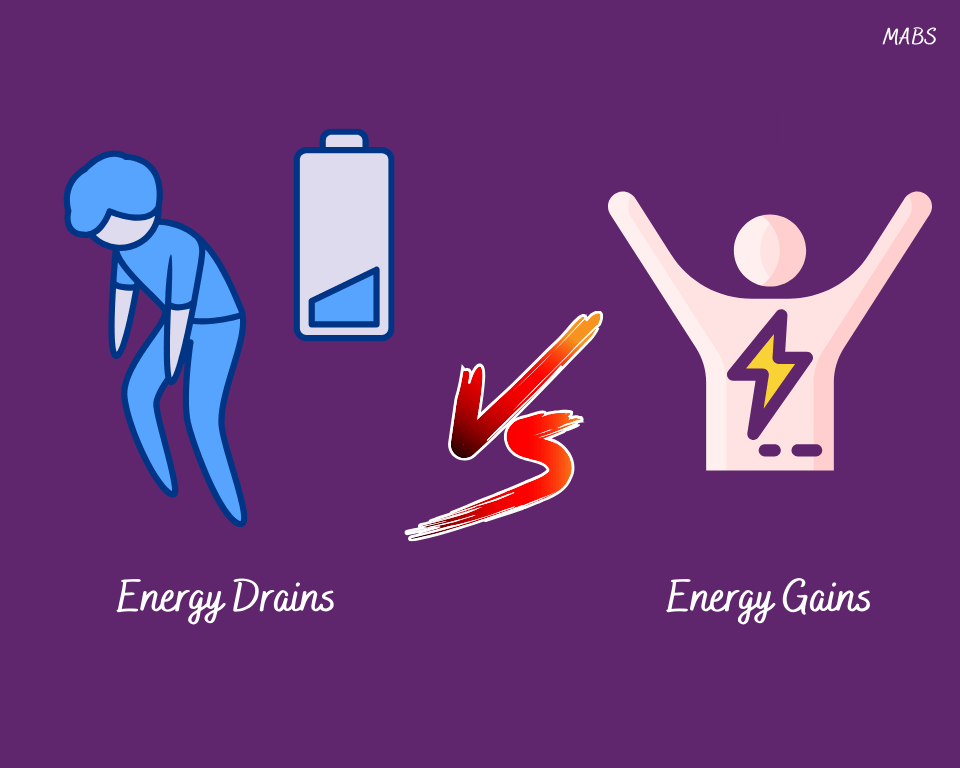
Energy Drains vs Energy Gains

Energy Drains Vs Energy gains

Do you ever feel drained entirely by midday? Are you wondering where all your energy went? Or have you experienced days when you feel unstoppable, full of motivation and vitality? The difference often lies in the subtle choices we make every day.

Energy drains are those habits, activities, or even environments that quietly sap your strength, leaving you tired, stressed, or unproductive. On the other hand, energy gains are the nourishing routines and uplifting moments that recharge your mind, body, and spirit.

Common Energy Drains

Energy drains can sneak into your life through habits, environments, and choices that initially seem harmless but add up over time, leaving you exhausted and unmotivated. Identifying these drains is the first step toward regaining control of your energy. 

1. Not getting enough sleep

Free An Asian woman lying awake in bed, reflecting on her thoughts during a sleepless night. Stock Photo
Not getting enough sleep

Sleeping less than 8 hours a night disrupts your body’s natural recovery process, leaving you tired and sluggish.  

2. Eating too much sugar

Free A stack of doughnuts covered in colorful fruity pebbles on a plate. Stock Photo
Sugar doughnuts

Sugar causes energy spikes followed by inevitable crashes, making you feel drained.  

3. Drinking too much coffee

Free A warm coffee sits beside a notebook and smartphone on a foggy day. Stock Photo
Too much coffee

More than one cup of coffee daily can lead to jitteriness and disrupt your sleep, creating a fatigue cycle.  

4. Skipping meals

Missing meals deprives your body of essential nutrients and energy, leading to sluggishness.  

5. Eating junk and processed food

Free Delicious cheeseburger with fries and ketchup served on a wooden plate, perfect for lunch or snack. Stock Photo
Fast food

Foods made in factories, such as chips and fast food, provide empty calories that don’t effectively fuel the body.  

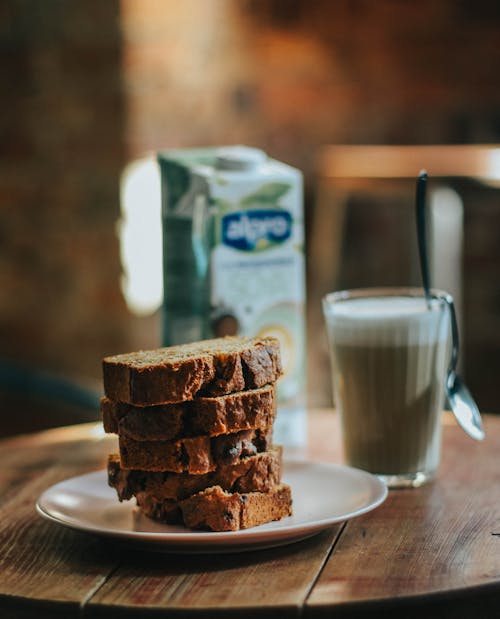
6. Consuming bread and dairy excessively

Free Warm banana bread with a glass of milk on a wooden table in a cozy cafe ambiance. Stock Photo
Milk

These can cause bloating or fatigue in some people, especially if they are sensitive to these foods.  

7. Drinking too much alcohol

Free An array of various liquor bottles beautifully displayed on a bar shelf. Stock Photo
Alcohol

More than three glasses of wine or other alcoholic drinks per week can negatively affect your sleep and energy levels.  

8. Working too much

Free A person working on a laptop in a warmly lit cafe in London, England. Stock Photo
Working too much

Long hours without proper breaks can lead to burnout and mental fatigue.  

9. Spending excessive time on screens

Too much time on the computer or watching TV strains your eyes and diminishes your mental focus.  

10. Skipping exercise

Not moving your body at least four times a week reduces your physical stamina and energy levels.  

11. Staying indoors all-day

Free African American woman reading a Braille book on a couch, emphasizing disability pride and literacy. Stock Photo
Staying indoors

Lack of fresh air and sunlight can lead to feelings of lethargy and even lower your mood.  

12. Neglecting meaningful connections

Not spending time with friends or loved ones can leave you feeling isolated and emotionally drained.  

13. Toxic Relationships  

Free A couple sits in tension on a bench surrounded by nature, holding colorful blocks spelling 'Love'. Stock Photo
toxic relationships

Hostile or manipulative individuals can drain your energy by fostering feelings of stress, self-doubt, or emotional exhaustion. Examples are constant complainers, overly critical people, or those who don’t respect your boundaries.

14. Overcommitting Socially  

Saying “yes” to every invitation or favor can drain your time and energy, leaving little room for rest or self-care.

15. Shallow Connections  

Free A comforting scene of empathy and support between two women sitting on a sofa indoors. Stock Photo
shallow connections

Engaging in surface-level conversations or spending time with people who don’t align with your values can feel unfulfilling and draining.

16. Excessive Social Media Use  

Free A person's hand holding a smartphone displaying social media and communication apps. Stock Photo
social media

Mindlessly scrolling through social media can lead to comparison, FOMO (fear of missing out), and reduced mental clarity.

17. Neglecting Alone Time  

Alone time is important so you can process your feelings and rejuvenate your energy. Use your time alone to work and journal and reflect.

Why Does Addressing Energy Drains Matters  

Ignoring these energy drains can lead to long-term consequences, including chronic fatigue, decreased productivity, and emotional burnout. You can begin making small but impactful changes to reclaim your vitality by identifying which drains affect you the most.  

Before you can eliminate energy drains, you need to identify what’s depleting your energy in the first place. While some drains are universal—like poor sleep or unhealthy eating—others may be unique to your lifestyle, environment, or habits.

How To Pinpoint Your Biggest Energy Drains

Take a few days to track your activities, emotions, and physical feelings. Write down

What are you doing at various points in the day?

  • How does each activity make you feel—energized or drained?  
  • Do you notice any patterns, like feeling exhausted after certain meals or sluggish during specific tasks?

Example: Do you feel fatigued after spending hours on your computer? Or does a late-night snack leave you struggling to wake up?  

Common Energy Gains

Now that you’ve identified what’s draining your energy, it’s time to focus on the habits, activities, and routines that can recharge you. Energy gains are the practices that nourish your body, uplift your spirit, and sharpen your mind. Integrating these into daily life can boost your vitality and make you feel more balanced.

1. Eat a high-protein breakfast

Free Savor this delicious avocado toast topped with soft-boiled eggs and garnished with pomegranate seeds. Stock Photo
eggs

Start your day with foods like eggs or a protein shake to sustain energy levels throughout the morning.  

2. Focus on fresh, whole foods

Free Avocado, kale, and more fresh produce artfully arranged on a marble surface. Stock Photo
fresh produce

Incorporate unprocessed, nutrient-dense options like vegetables, fruits, and lean proteins. Aim for 10 servings of vegetables daily.  

3. Snack smart

Add protein-packed snacks mid-morning and afternoon to maintain consistent energy levels.  

4. Avoid late-night eating

Refrain from eating three hours before bedtime to ensure quality sleep.  

5. Take essential vitamins

Support your energy with multivitamins, fish oil, and vitamin D supplements.  

6. Stay hydrated

Free A young man drinks bottled water outside, staying hydrated and refreshed. Stock Photo
drink water

Drink 6-8 cups of filtered water daily to keep your body functioning optimally.  

7. Engage in outdoor activities

Free Friends having a fun picnic in the park with a Shih Tzu, enjoying a sunny day outdoors. Stock Photo
Picnic

Run in the woods, swim in lakes or rivers, or play sports like tennis to combine movement with nature’s rejuvenating power.  

8. Move regularly

Free Side view of a young woman jogging on a beach wearing pink active wear. Stock Photo
Run

Incorporate at least four weekly workouts to build stamina and improve physical health.  

9. Spend time in nature

Free An elegant woman in traditional Ao Dai appreciating the beauty of pink blossoms. Stock Photo
Nature

A short walk outside can boost your mood and energy.  

10. Hug loved ones

Free A couple embraces while walking in a sunlit park, conveying love and togetherness. Stock Photo
hug

Physical affection, like hugging your kids or spouse, can instantly lift your mood.  

11. Connect with friends

Spend quality time talking to friends or hosting dinner parties for meaningful connections.  

12. Help others

Volunteering or assisting someone in need fosters a sense of purpose and fulfillment.  

13. Cook for family and friends

Free A joyful family scene with a mother, father, and child preparing a meal in a modern kitchen. Stock Photo
Cooking with family

Being creative in the kitchen can be relaxing and rewarding.  

14. View your day as sacred

Treat each day like a blank canvas, intentionally shaping it to create joyful and meaningful experiences.  

15. Learn something new

Explore fascinating aspects of the world and the people around you to stay curious and inspired.  

Tips for Integrating Energy Gains

Incorporating these energy gains into your daily routine will significantly improve how you feel, think, and perform. The following section will explore strategies to balance energy drains and gains for a sustainable, energized life.

Start small

Replace one energy-draining habit with an energy-gaining one. For instance, swap a sugary breakfast with a high-protein alternative.  

Schedule gains into your day

Set aside time for activities that recharge you, like morning walks or evening socializing.  

Celebrate your wins

Acknowledge the positive changes you make, no matter how small—they add up over time.  

Strategies to Balance Energy Drains and Gains

Free A cheerful woman smiles at her reflection in a vintage-style mirror, exuding positivity and warmth. Stock Photo
Happy

Life is about balance, and while it’s impossible to eliminate all energy drains, you can learn to manage them effectively while maximizing your energy gains. Here are practical strategies to create a sustainable energy flow throughout your day.

Replace Drains with Gains

For every energy-draining habit you identify, aim to replace it with an energy-giving alternative.  

Instead of skipping breakfast (an energy drain), start your day with a high-protein breakfast (an energy gain).  

Swap excessive screen time with an outdoor walk or a creative activity like cooking.  

Set Boundaries Around Drains  

Not all energy drains can be eliminated, but you can manage their impact:  

  • Limit work hours by setting specific start and end times.  
  • Use apps or timers to restrict screen time.
  • Politely decline commitments that overextend your energy, focusing on what truly matters.

Prioritize Energy Gains in Your Routine  

Make energy-giving habits a non-negotiable part of your day.  

Morning: Start with a nourishing breakfast and light movement like stretching or walking.  

Midday: Take a break to enjoy a protein-rich snack, hydrate, and recharge with a short nature walk or a few minutes of mindfulness.  

Evening: End your day with a calming activity, like reading, journaling, or spending time with loved ones.  

Use an Energy Budget  

Treat your energy like money in a bank account—be intentional about how you spend it.  

  • Identify activities that drain your energy and limit how much time you devote to them.  
  • Invest your energy in activities that bring the highest returns, such as meaningful connections, exercise, and creative pursuits.

Pro Tip: Start your day with energy-giving activities to set a positive tone for the rest of the day.  

Create a Balance Plan  

Develop a strategy for balancing energy gains and drains:  

  • List your top 3 energy drains and a corresponding list of 3 energy gains.
  • Pair each drain with a gain to neutralize its impact.

Schedule a 10-minute midday walk to recharge if work drains you.  

Conclusion

Your energy isn’t just something you use—it’s something you can shape, build, and protect. Imagine waking up daily with the vitality and focus to do what you love and make meaningful progress toward your goals. That vision starts with small, intentional actions today.

Take the first step toward your energy transformation: swap one energy drain for an energy gain and watch the positive ripple effect unfold. *Your best, most energized self is waiting—go claim it!* 

Use an energy tracker to help you identify your energy drains and gains and build a routine that works for you! 

Thank you

If you had a freeway billboard, what would it say?

We recently made 1000 likes on MABS, so my freeway billboard would say a big Thank You!

This blog has been a labor of love for the past five years, and reaching 1,000 likes in just a year is nothing short of amazing. It’s a clear sign that we’re on the right track and that our content is resonating with more and more people. While we’re not quite at the level of the larger blogs with frequent comments and massive followings, I deeply value every single visit, like, and subscription.

Writing has always been my passion, and I’m overjoyed to bring value to your lives through this blog, with a vision centered on holistic health. To everyone who reads, supports, and engages with my articles, I want to extend a heartfelt “THANK YOU!” Let’s aim for 2,000 likes by 2025—by God’s grace, we’ll make it happen! ❤️