20 Secrets To a Good Night’s Sleep

person sleeping

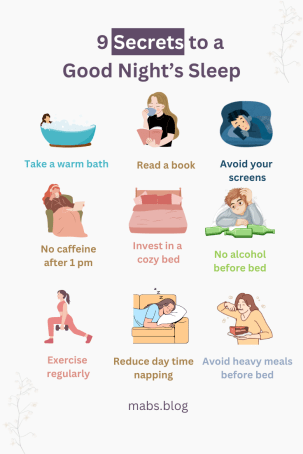
Sleep is non-negotiable. Treat sleep as an essential part of your health and productivity, not an optional activity. We have compiled the best secrets to have the best sleep.

1. Stick to a Consistent Sleep Schedule

Go to bed and wake up simultaneously every day, even on weekends. Consistency reinforces your body’s natural sleep-wake cycle. You can do this by choosing a bedtime and wake-up time that allows for 7-9 hours of sleep.

2. Create a Relaxing Bedtime Routine

Free A close-up of a hand reaching for a ringing alarm clock, symbolizing waking up in the morning. Stock Photo

Develop a calming pre-sleep ritual like reading, praying, meditating, or taking a warm bath to signal to your body that it’s time to wind down. During this time, avoid social media.

You can also use the time to reflect on your day by journaling and writing about what you look forward to tomorrow.

3. Limit Blue Light Exposure

Avoid screens (phones, TVs, computers) at least an hour before bed. Blue light can interfere with melatonin production, which is essential for sleep.

Just avoid social media and keep your phone at a distance.

4. Keep Your Room Dark and Cool

A dark, cool bedroom (around 60-67°F or 15-19°C) promotes better sleep by mimicking natural nighttime conditions.

Switch off all the lights, but if you do not like sleeping in total darkness, you can switch on a little night light, not too bright.

5. Invest in Comfortable Bedding

Free A woman peacefully sleeping with her pet dog on a soft, furry rug indoors. Stock Photo

Use a supportive mattress, soft pillows, and breathable sheets to create a cozy sleep environment. You always have your bed made in the morning so you can slip into a clean bed at night.

6. Avoid Caffeine Late in the Day

Free Warm coffee mug steaming on a rustic table, evoking cozy morning vibes. Stock Photo

Caffeine can stay in your system for up to 8 hours. Avoid consuming coffee, tea, or energy drinks after mid-afternoon. Stop your coffee after 1 pm so you can be caffeine-free by bedtime.

7. Limit Alcohol Before Bed

Free Man sleeping peacefully on striped bedding, embracing relaxation and comfort. Stock Photo

Though alcohol can make you feel drowsy, it disrupts sleep patterns and reduces sleep quality. It is good sleep hygiene to avoid alcohol before bed.

8. Exercise Regularly

Free A mother and child practicing yoga together at home on a sunny day, fostering wellness and connection. Stock Photo

Physical activity improves sleep, but avoid vigorous exercise too close to bedtime, as it can keep you awake. This means avoiding going to the gym too close to bedtime. Instead, go to the gym in the morning or around 2 pm—6 pm.
What’s most important is that you work out; don’t do it too close to bedtime.

9. Limit Daytime Naps

If you need to nap, keep it to 20-30 minutes in the early afternoon to avoid disrupting nighttime sleep. You can schedule your nap anytime between 12–3 pm, but only for 30 minutes max.

10. Manage Stress and Anxiety

Practice relaxation techniques such as deep breathing, journaling, or mindfulness to calm your mind before bed. On days when you have been too tested, you can enjoy a good crying session before bed. Studies have found melatonin in tears. Melatonin is the night hormone regulated by the circadian rhythm that helps with sleep.

11. Avoid Heavy Meals Before Bedtime

Free A cozy brunch scene with toast, scrambled eggs, sausage, and juice. Stock Photo

After a long day, you might be tempted to reward yourself with an extra bowl of pasta or another slice of cake. However, eating large or spicy meals too close to bedtime can cause discomfort and disrupt sleep.

12. Limit Fluid Intake Before Bed

Reduce drinking liquids an hour or two before bed to minimize nighttime trips to the bathroom. If you go to the bathroom multiple times in the night, it might be time to see your caregiver.

13. Use White Noise or Calming Sounds

Soothing sounds, like white noise or soft music, can help drown out distractions and lull you to sleep. You can also consider playing soothing gospel music as you sleep to set an atmosphere of worship as you sleep.

14. Optimize Lighting Throughout the Day

Get plenty of natural light during the day to regulate your circadian rhythm and signal your body to stay awake when it’s light out. You can also reduce using artificial light during the day and night; try following natural light as much as possible.

15. Avoid Sleeping Pills

Unless prescribed by a doctor, avoid over-the-counter sleep aids, which can lead to dependency or interfere with natural sleep cycles.

16. Practice Gratitude

Free Silhouette of a person with open arms beside a cross at sunset, symbolizing faith and spirituality. Stock Photo

Spend a few minutes reflecting on what you’re thankful for. A positive mindset can help you relax and sleep better.

17. Use Aromatherapy

Scents like lavender, chamomile, or sandalwood can help promote relaxation and improve sleep quality.

18. Reserve Your Bed for Sleep

Avoid working, watching TV, or eating in bed. This helps your brain associate your bed with rest and sleep only.

19. Try Progressive Muscle Relaxation

To release tension, systematically tense and relax each muscle group in your body, starting from your toes and working upward.

20. Seek Professional Help if Needed

If you consistently struggle with sleep, consult a doctor or sleep specialist. Sleep disorders like insomnia or sleep apnea require treatment.

Conclusion

Adopting even a few of these habits can significantly improve the quality of your sleep. Sweet dreams.

Did you find this article helpful? Leave a comment below.

Vision Board Ideas for 2025: Create a Vision Board That Truly Manifests Your Dreams

vision board template

A vision board is a tangible or digital representation of your dreams and goals. It’s like a personal roadmap filled with inspiration to help you visualize your desired future. What you include on your vision board should reflect the aspirations that matter most to you.

What is in a vision board?

They often include images, quotes, symbols that are personal and help remind you of your goals.

Images, Photos, and Illustrations

Pictures are the heart of a vision board. They evoke emotions and create a clear mental image of your goals. These could include:

  • Photos of destinations you’d like to visit.
  • Images representing your dream home or car.
  • Illustrations symbolizing personal milestones like a degree or promotion.

Words and Affirmations

Powerful words and affirmations act as reminders of what you’re striving for. These could be:

  • Single words like  “God”, “Health,” “Success,” or “Love.”
  • Phrases such as “I am thriving” or “I am worthy of success.”
  • Personalized mantras that resonate with your journey.

Quotes and Mantras

Inspirational quotes from people you admire or lines that give you strength can keep you motivated. For example:

  • “The future belongs to those who believe in the beauty of their dreams.” – Eleanor Roosevelt.
  • A religious or spiritual mantra if it aligns with your beliefs.
New Year's resolutions
New Year’s resolutions

Symbols or Representations

Sometimes, you may not find the exact image you’re looking for, but symbols can work just as well.

  • A heart symbol to represent love.
  • A dollar sign for financial goals.
  • A tree symbolizing personal growth.

A Personal Touch

Your vision board should reflect who you are. Add things like:

  • A handwritten goal or letter to your future self.
  • Tickets, postcards, or mementos tied to your dreams.

By thoughtfully including these elements, your vision board mirrors your aspirations, making it easier to stay focused and inspired. Each piece you add should resonate deeply with your goals, creating a tool that motivates you daily.

Vision board Canva template

What Is the Major Rule for Creating a Vision Board?

The most important rule for creating a vision board is this: Make it personal and meaningful. Your vision board is not just a collection of pretty pictures or trendy quotes—it’s a profoundly personal tool designed to reflect your unique dreams and aspirations.

2.1 Align It with Your Authentic Goals

Your vision board should represent what you genuinely want, not what society, family, or friends think you should pursue. Ask yourself:

  • What does success look like to me?
  • What are my short-term and long-term goals?
  • What brings me joy, purpose, and fulfillment?

Be Specific

Clarity is key. Vague goals lead to vague results, so ensure your vision board includes specific and detailed representations of your dreams. For example:

  • Instead of “travel,” include a picture of the Eiffel Tower to symbolize a trip to Paris.

Replace “get fit” with an image of someone performing your favorite workout or running a marathon.

Ensure Emotional Connection

Every image, word, or symbol on your vision board should stir a strong emotional response. It might not belong there if it doesn’t inspire excitement, motivation, or happiness. Choose elements that light a spark within you.

Keep It Positive

Focus on what you want rather than what you want to avoid. For instance:

  • Instead of “Stop being broke,” include affirmations like “I am financially abundant.”
  • Replace “Lose weight” with “I am strong, healthy, and confident.”

Make It Action-Oriented

While visualization is powerful, a vision board should also encourage action. Incorporate reminders of the steps you need to take to achieve your goals.

  • Add a picture of running shoes to motivate you to start jogging.
  • Include a checklist symbol to remind you of daily tasks to help you reach your goals.

Following these rules when making your vision board transforms it from a simple collage into a powerful tool for achieving your dreams. By staying true to yourself and focusing on what truly matters, your vision board becomes a daily reminder of your potential and a motivator to turn your goals into reality.

How to Make a Vision Board That Works

A vision board isn’t just about pasting pictures on a board; it’s about creating a visual representation of your goals that actively inspires and motivates you to take action.

Vision board Canva template

Step 1: Define Your Goals

  • Reflect on what you want in your career, relationships, health, finances, and personal growth.
  • Write down your goals. The more clarity you have, the better your vision board will resonate with you.

Step 2: Gather Materials

  • For a physical vision board, you need a sturdy board, magazines, newspapers, scissors, glue, markers, and stickers.
  • For a digital vision board, you need tools like Canva, Pinterest, or vision board apps to create your design for a digital vision board.

Step 3: Add Inspiring Elements

  • Choose visuals that evoke strong emotions and represent your goals.
  • Include affirmations, mantras, and power words like “Success,” “Gratitude,” or “Balance.”

Step 4: Make It Personal

  • Add items that reflect your individuality, like photos of yourself or loved ones.
  • Handwritten notes or letters to your future self.

Step 5: Place It Somewhere Visible

Position your vision board where you’ll see it daily, such as in your bedroom or workspace or as a screensaver for a digital version. Regular exposure keeps your goals at the top of your mind.

Step 6: Use It Actively

  • Spend a few minutes each day looking at your vision board and imagining yourself achieving your goals.
  • Use your vision board as a motivator to work toward your dreams. Pair visualization with concrete steps to make your goals a reality.
  • Update your vision board as you achieve goals or refine your aspirations.

Host a Vision Board Party

Creating a vision board is a powerful experience, but sharing the process with others can make it more meaningful and fun. Hosting a vision board party is a great way to gather friends, foster creativity, and set goals together.

Step 1: Plan Your Vision Board Party

  • Pick a date and time
  • Host at your home, a cozy café, or even virtually using platforms like Zoom.
  • Send out invitations with details about the event and encourage attendees to bring their dreams, goals, and open minds.

Step 2: Gather Supplies

  • For in-person events, provide:
    – Boards (poster boards, corkboards, or notebooks).
    – Magazines, newspapers, or printed images for cutting.
    – Scissors, glue sticks, markers, stickers, and decorative items.
  • For virtual parties, ask participants to prepare their materials in advance or guide them on creating digital vision boards using tools like Canva or Pinterest.

Step 3: Set the Mood

  • Play uplifting music or calming background tunes.
  • Light candles or set out motivational books for inspiration.
  • Use themed decorations to enhance creativity and focus.
  • Provide snacks and drinks

Step 4: Share and Motivate

  • If comfortable, have friends present their boards and explain their vision.
  • Discuss how to use their vision boards daily and remind them to take actionable steps toward their goals.

Step 5: Follow Up

After the party, check in with your guests to see how they use their vision boards. This accountability can encourage everyone to stay on track.

Frequently Asked Questions About Vision Boards

If you’re new to vision boards or have lingering questions, this section covers some of the most commonly asked questions to help you get started with clarity and confidence.

Can My Vision Board Be Digital?

Absolutely! A digital vision board is a great alternative, especially for those who prefer convenience and portability.

With a digital vision board, you can:

  • Use apps like Canva or tools like Pinterest to create your board.
  •  Set it as your phone or desktop wallpaper for daily reminders.
  • Easily update it as your goals evolve.

Can a Vision Board Be Just Words?

Yes, if that resonates with you, a vision board can be entirely text-based. Words, affirmations, and quotes can be compelling when they are meaningful and aligned with your goals.

  • A board filled with empowering affirmations
  • Descriptive phrases outlining specific goals, such as “I will get a flat tummy this year.”

What Does a Vision Board Do?

A vision board serves as a visual reminder of your goals, keeping them at the forefront of your mind. It helps by:

  • Encouraging daily visualization of your aspirations.
  • Motivating you to take actionable steps.
  • Reinforcing your belief in achieving your dreams.

When Should I Make My Vision Board?

The best time to create a vision board is:

  • At the beginning of the year or a new season.
  • During significant life transitions, like starting a new job or moving to a new place.
  • Anytime you feel the need to refocus your goals or gain clarity.
  • Don’t feel restricted to a specific time—what matters is your readiness to set and work toward your goals.

Where Should I Put My Vision Board?

Place your vision board somewhere you’ll see it daily to keep your goals in mind. Suggestions include:

  • Your bedroom wall or closet door.
  • Above your desk in your workspace.
  • On your phone or computer screen if it’s a digital version.

The goal is to integrate it into your daily routine so that it becomes a constant source of inspiration.

7 Books About Achieving Your Goals

Conclusion

Creating a vision board is more than just a creative project; it’s a powerful tool for clarifying dreams, staying motivated, and taking actionable steps toward goals. By incorporating meaningful images, words, and symbols that truly resonate with you, your vision board becomes a personal roadmap to success.

Remember, the key is to make it personal, keep it positive, and actively engage with it every day. Whether you choose a physical board, a digital one, or even host a vision board party, the process itself is an inspiring journey of self-discovery and goal-setting.

Ready to create your vision board? Grab your materials, gather your inspiration, and let your dreams take shape today. Don’t forget to tag us in your posts to share your vision board journey!


Vulnerability

What are your biggest challenges?

Last night, I opened my journal out of curiosity, but it turned into an emotional journey. As I read, the tears started flowing, and I cried until I fell asleep. Through it all, I kept gospel music playing softly in the background, and it felt like a warm, comforting hug. Peace gently filled the room.

In that moment, I realized how God had been my strength throughout the year—how He showed up when I was barely holding on, running on autopilot. He stepped in, took the wheel, and guided me forward.

Thank you, Jesus, for being my light in the darkness. Life without You is empty, but with You, there’s hope and purpose.

Embracing the Spirit of Christmas

Embracing the true spirit of Christmas involves more than just the external festivities—it’s also a time for nurturing joy, health, and personal well-being. 

Before you go on to read, if you haven’t gotten your loved one a gift, we recommend our coloring book.

Best Things to Do on Christmas Day        

1. Volunteering

One of the most fulfilling ways to capture the essence of Christmas is through giving back. Volunteer at a local shelter or organize a gift drive. The joy of helping others brings the true spirit of the season to life.

Utilize your professional skills to support non-profits without leaving your home. Whether graphic design, web development, or digital marketing, platforms like Catchafire allow you to connect with non-profits needing specific skills.

2. Home Decoration

Transform your home into a festive haven. Engage the whole family in decorating the tree, setting up lights, and crafting homemade decorations. This not only beautifies your home but also creates cherished memories.

3. Attend Local Events

Check out local Christmas markets, concerts, or plays. Such events often provide a taste of local traditions and crafts, perfect for embracing the community spirit of Christmas.

4. Virtual Gatherings

For those far from loved ones, virtual gatherings can bridge the gap. To feel connected despite the distance, organize a virtual Christmas dinner or a gift-opening session.

Things you can do with your family if they are far away

When family members are spread across different locations, maintaining strong bonds can be challenging but rewarding with a bit of creativity. Here are several activities you can enjoy together, even when you’re far apart:

  • Virtual Family Dinners or Coffee Dates
  • Online Game Nights
  • Movie Nights with Watch Parties
  • Virtual Book Club
  • Shared Photo Albums
  • Storytelling Sessions
  • Art and Craft Projects
  • Fitness Challenges
  • Learn Something New Together
  • Virtual Tours

These activities help keep the family connected despite the distance and enrich your relationships through shared experiences and new memories.

Healthy Food Ideas for Christmas

1. Roasted Turkey with Herbs

Opt for a roasted turkey seasoned with rosemary and thyme. These herbs are not only flavorful but also healthier alternatives to heavy sauces.

2. Veggie Platters

Brighten your Christmas table with vibrant veggie platters and healthy dips like hummus or yogurt-based sauces.

3. Fresh Fruit Desserts

Instead of traditional heavy desserts, try serving fresh fruit salads or baked apples with cinnamon. These alternatives satisfy the sweet tooth without the extra calories.

4. Seafood Delights

Incorporate seafood dishes like grilled salmon or shrimp cocktails, which are lighter and packed with healthy fats.

Self-Growth Tips for Christmas

Christmas can be an ideal time for self-growth, as it provides a break from the usual routines, a chance to reflect on the year’s progress, and a chance to set goals for the new year.

1. Reflect on the Past Year

Take the time to reflect on what the past year has brought you, including the challenges you’ve overcome and the successes you’ve achieved. This can help you appreciate your growth and set a more informed direction for the coming year.

2. Set New Goals

Use the downtime during the holidays to set personal and professional goals for the new year. These could be related to career advancement, individual skills, health, or relationships.

3. Read and Learn

Christmas break provides an excellent opportunity to catch up on reading, whether it’s books, articles, or educational material that can inspire and motivate you. Consider choosing reads that align with your goals for self-improvement.

4. Start a New Hobby

Picking up a new hobby can be a fulfilling way to expand your skills and interests. Whether learning a musical instrument, painting, or coding, engaging in a new activity can stimulate your creativity and enhance your life.

5. Practice Mindfulness and Meditation

The end of the year is a perfect time to start or deepen a mindfulness practice. Meditation, journaling, or yoga can improve your mental well-being and help you enter the new year with a calm, clear mind.

6. Connect with Loved Ones

Use this time to strengthen bonds with family and friends. Deep, meaningful conversations can offer new perspectives and insights, aiding personal growth and understanding.

7. Digital Detox

Consider taking a break from digital devices to reconnect with yourself and your surroundings. A digital detox can help reduce stress and increase your presence in the moment, allowing for deeper personal reflection and connection.

8. Attend Workshops or Seminars

Look for any workshops or seminars that might be happening during the holiday season, which could provide new knowledge and skills that aid in your personal development.

9. Plan Your Year

Create a vision board or a detailed plan that outlines what you want to achieve in the next year, breaking down larger goals into manageable steps. This can help keep you motivated and on track.

Christmas Beauty Tips

Christmas is also an excellent time to focus on beauty maintenance and self-care, ensuring you look and feel your best for all the festivities.

1. Hydration

With the busy pace of the holidays and colder weather, staying hydrated is crucial. Drink plenty of water to keep your skin hydrated from the inside out. This can help maintain its elasticity and radiance.

2. Moisturizing

Invest in a good quality moisturizer suited to your skin type. Winter air can be dry and harsh, so a heavier, nourishing moisturizer might be needed to protect and hydrate your skin effectively.

3. Sun Protection

UV rays can be harmful even in winter. Apply broad-spectrum sunscreen every morning, especially if you’ll be spending time outdoors or near reflective surfaces like snow.

4. Gentle Skin Care

The festive season often brings late nights and more makeup use. Opt for gentle skincare products that cleanse without stripping moisture. Make sure to remove makeup before bed to prevent breakouts and skin irritation.

5. Exfoliation

Regular exfoliation can help revitalize your skin by removing dead skin cells and promoting cell turnover. Choose a gentle product on your skin to avoid irritation during the colder months.

6. Healthy Diet

Your skin reflects what you eat, so maintain a diet rich in fruits, vegetables, lean proteins, and healthy fats. Foods high in antioxidants can help combat skin damage and give you a healthy glow.

7. Hair Care

Winter can be tough on hair, leading to dryness and breakage. Use a hydrating conditioner and consider applying a weekly hair mask to keep hair shiny and healthy.

8. Sleep

Ensure you get plenty of rest. Sleep is a critical component of health and beauty, helping to repair your skin, refresh your eyes, and improve your overall energy levels.

9. Lip Care

Chapped lips are typical in winter. To keep them smooth and soft, use a hydrating lip balm with ingredients like shea butter or vitamin E, and exfoliate your lips gently with a sugar scrub.

10. Festive Touches

Incorporate some festive colors into your beauty routine. A touch of shimmer on your eyelids, red lipstick, or glittery nail polish can add holiday cheer to your appearance.

Conclusion

Christmas is not just a time for traditional celebrations; it’s also an opportunity for personal growth, maintaining health through nutritious eating, and keeping beauty routines amidst the winter challenges. You can make the most out of the holiday by engaging in virtual activities with loved ones, focusing on self-improvement, opting for healthy festive meals, and taking care of your physical appearance.

Did you find this article valuable?

The Power of Self Awareness

self awareness

How well do you honestly know yourself?

In a world that constantly pulls us in a thousand different directions, it’s easy to lose sight of who we are and what we stand for. Yet, self-awareness, the art of understanding our thoughts, emotions, and behaviors, is key to personal fulfillment and meaningful relationships.

Our sense of self shapes our decisions, how we interact with others, and how we respond to life’s challenges. When we’re self-aware, we become more in tune with our values, strengths, and areas for growth. We also gain the clarity needed to live authentically rather than simply reacting to external circumstances.

In this blog, we’ll explore its benefits, discuss how to cultivate it, and uncover strategies for overcoming the common obstacles that can make it elusive. 

So, are you ready to embark on the journey of self-discovery?

What Is Self-Awareness?

Self-awareness is the ability to recognize and understand your thoughts, emotions, and behaviors and how they influence your actions and impact the people around you. But self-awareness isn’t just about knowing yourself internally; it also involves understanding how others perceive you. Knowing who you are is the foundation of personal growth. Two forms of self-awareness are:

  • Internal self-awareness
  • External self awareness

Internal Self-Awareness

Internal self-awareness is the deep understanding of your values, passions, strengths, and weaknesses. It’s knowing what drives you, what stresses you out, and what brings you joy. It allows you to align your actions with your true self.

External Self-Awareness

External self-awareness focuses on understanding how your behaviors affect others and how the outside world views you. Knowing this can help you build connections, communicate more effectively, and develop empathy.

The Benefits of Self-Awareness

Self-awareness builds emotional intelligence, fosters better decision-making, promotes stronger relationships, and enables personal growth.

Emotional Intelligence

Emotional intelligence (EI) refers to the ability to recognize, understand, and manage our own emotions while also being able to identify, understand, and influence the feelings of others. It encompasses skills such as emotional awareness, empathy, and emotional regulation, essential for building strong relationships, managing stress, and navigating social complexities.

One of the most significant contributors to developing emotional intelligence is self-awareness. When you understand your emotions, you can manage them more effectively. Self-awareness helps you recognize your emotional triggers, allowing you to respond rather than react in stressful situations. This leads to healthier emotional regulation and improved interpersonal skills.

As you cultivate a deeper understanding of yourself, you enhance your capacity for emotional intelligence, ultimately improving your personal and professional relationships.

Better Decision-Making as a Benefit of Self-Awareness

Self-awareness plays a crucial role in enhancing decision-making skills. Possessing a strong sense of self-awareness makes you better equipped to navigate the complexities of your choices, leading to more thoughtful, informed, and effective decisions. When you’re clear about your values and goals, you can make decisions that align with your authentic self. You’re less likely to be swayed by outside pressures and more likely to make choices that bring long-term satisfaction.

This connection between self-awareness and decision-making can be observed across various aspects of life, including personal relationships, professional settings, and individual growth.

Stronger Relationships 

Self-awareness is vital to building and maintaining strong, healthy relationships. When you possess a heightened self-awareness, you can communicate more effectively, empathize with others, and navigate interpersonal dynamics more easily. The benefits of self-awareness extend beyond the individual; they also profoundly impact relationships with family, friends, colleagues, and partners. Understanding how your actions affect others can lead to deeper, more meaningful connections and less conflict in relationships.

Self-awareness is a powerful catalyst for stronger relationships. It enriches interpersonal connections by improving communication, enhancing empathy, facilitating conflict resolution, setting healthy boundaries, fostering personal accountability, and encouraging continuous growth.

Conclusion

In today’s fast-paced and often emotionally charged world, investing in self-awareness is beneficial and essential for success and happiness in all aspects of life.

With emotional intelligence, you enhance your understanding of yourself and deepen your relationships with others. In a world where connections can often feel superficial, the benefits of self-awareness shine through, fostering meaningful bonds built on trust, respect, and understanding. Ultimately, stronger relationships contribute to overall well-being, creating a supportive network that enhances the richness of life.

Did you find this article helpful? Leave a comment below

Always learning

Is your life today what you pictured a year ago?

Not at all. I was much more ignorant last year. This year, I’ve learned so much—like the value of relationships, the importance of consistency and prayer, and better ways to manage my self and resources


This song really got me through the year 🙏. It reminded me that Jesus is my light in a dark world. You should totally listen to it—especially on those days when you can’t get out of bed or feel overwhelmed by negative thoughts. Even if you don’t understand the lyrics, the spirit of God will speak to you and give you the strength and motivation you need.

10 Common Meal Prepping Challenges and Easy Ways to Solve Them

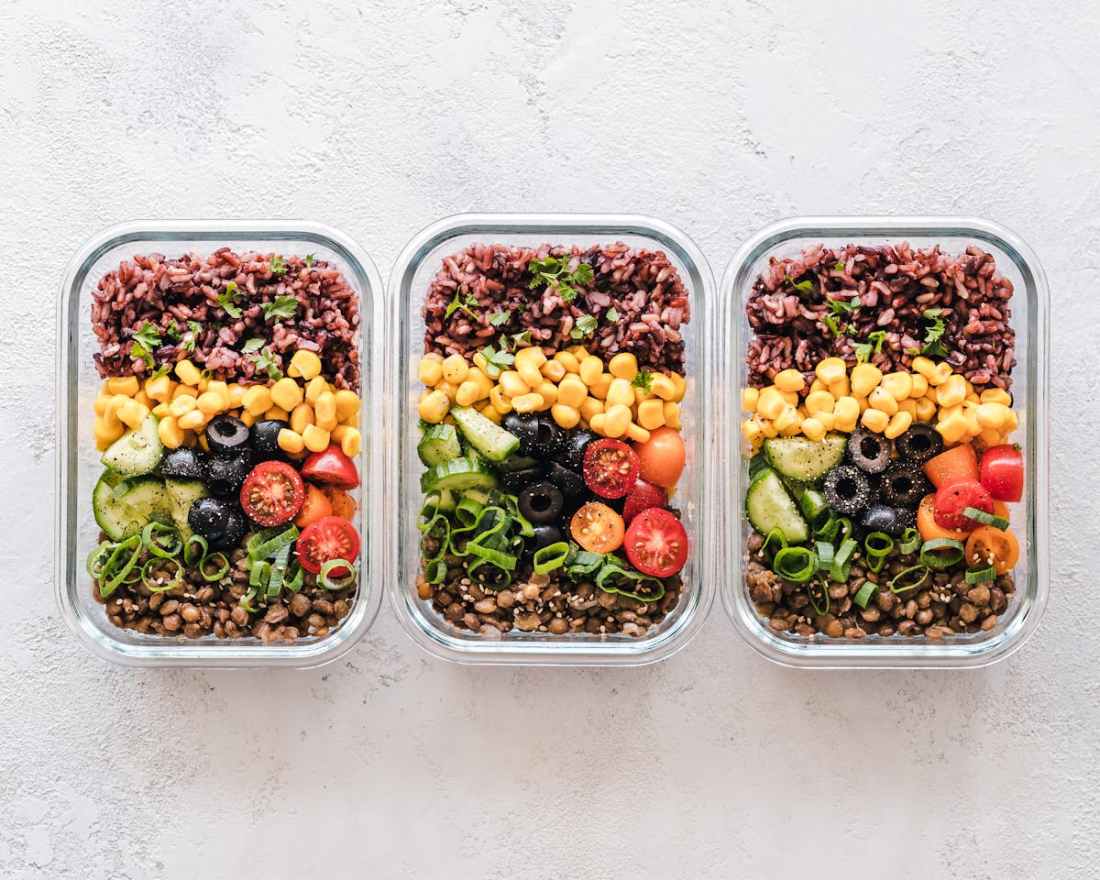
meal prep for 3 days

They say meal prepping is  the ultimate solution for eating healthier, saving money, and reducing stress. However, meal prep comes with its own set of challenges. Many people need help to turn their meal prep goals into a sustainable routine.

In this blog, we will discuss how to make meal prepping easier for you.

1. Lack of Time

Our busy schedules make it hard to dedicate time for planning, shopping, and cooking, making many think meal prepping must be within reach. You end up having to buy unhealthy and expensive takeouts.

Many people say that meal prepping takes too much time. The reason is that you overestimate how much time meal prep requires and try to prep everything in one go. You will also spend too much time in meal prep if you do not have a clear goal before you start.

  • Prepping 1–2 meals or snacks for the week instead of every meal.
  • Group similar tasks together, like chopping all veggies or cooking multiple proteins.
  • Leverage time-saving appliances like slow cookers, instant Pots, or air fryers.
  • Dedicate just 1–2 hours for meal prep during the weekend or evenings.

2. Limited Creativity

Eating the same bland meals week after week is boring, and it makes meal prep feel like a chore. This is due to a lack of inspiration or knowledge about recipes and the fear of experimenting with new ingredients or flavors.

  • Try recipes from different cultures to expand your palate (e.g., Mediterranean, Thai, or Indian-inspired meals).
  • Use fun themes like Taco Tuesday, Salad Wednesday, or Stir-Fry Friday to guide your meal choices.
  • Use social media platforms like Instagram or YouTube to discover fresh ideas.
  • Save recipes you’ve tried and liked to build a go-to library for quick inspiration.

3. Balancing Dietary Needs

Managing multiple dietary preferences, allergies, or restrictions in one household can complicate meal prep. This could be due to miscommunication about preferences or restrictions or you trying to create one meal that suits everyone. Which is why you need some family-friendly meal planing.

Prep components that can be assembled differently for each person (e.g., grain bowls with mix-and-match toppings). You can also get creative with substitutes for common allergens (e.g., pistachio milk instead of dairy or chickpea pasta for gluten-free meals).

Another tip that always works is to involve everyone in choosing meals so preferences are clear upfront.

4. Budget Constraints

Meal prepping can seem expensive, especially when aiming for healthy, fresh, and organic ingredients. This happens because you buy ingredients without a plan and focus on specialty or out-of-season items.

To meal prep on a budget, plan meals around what’s on sale or in season. You can also buy staple items like grains, beans, and proteins in bulk to save money.

Another tip is to make simple food that Uses affordable ingredients like eggs, beans, rice, and seasonal produce.

My mom gave me this tip:

Cook in large portions. Cook large portions and freeze half for future meals to stretch your dollar further.

5. Food Waste

Buying too much food or not using leftovers leads to food (and money) going into the trash.

This happens because of poor planning, overestimating how much you’ll eat, and forgetting about leftovers or fresh produce.

  • Only prep for the days you know you’ll eat at home.
  • Turn last night’s roasted chicken into a salad or wrap it the next day.
  • Label containers with dates and organize your fridge so older items are at the front.
  • Choose recipes with shared ingredients (e.g., a soup and a salad using spinach).

6. Inconsistent Availability of Ingredients

Recipes that rely on specialty or seasonal items can be frustrating if those ingredients aren’t available.

This happens because of seasonal changes, supply chain issues, or reliance on specific recipes instead of flexible ones.

Choose recipes that allow substitutions. For example, swap zucchini for eggplant or chicken for turkey. Also, keep canned beans, frozen vegetables, and dried grains on hand as backups.

7. Decision Fatigue

After a long day, the last thing you want to consider is what to cook for dinner.

This is because there is a lack of a clear plan for the week. Also, if you have too many meal options, it can feel overwhelming.

Use a weekly meal planner to map out dinners in advance. Limit yourself to 2–3 meal options for the week. Rotate meals you know are easy and well-loved.

8. Unrealistic Expectations

Feeling like every meal needs to be gourmet can lead to burnout.

This is because of Social media pressure to make picture-perfect meals and try out overcomplicating recipes.

Keep it simple. Focus on meals that are easy, quick, and nutritious. You can Follow the 80/20 Rule: Aim for 80% of meals to be healthy and allow for 20% indulgence.

Another really cool tip is to batch-cook staples. These include grains, proteins, and veggies that can be transformed into multiple meals.

9. Health Goals vs. Convenience

Fast food is tempting when you’re tired or short on time. Fat food becomes even more alluring when you don’t have quick, prepped options at home and forgetting to pack meals for busy days.

Reduce your takeout habits by pre-cutting veggies, hard-boiled eggs, and fruit cups are ready for grab-and-go snacking. For emergencies, make freezer-safe casseroles, soups, or stir-fries.

Another cool trick is to have portable, reusable containers. They make it easy to have meals on the go.

10. Meal Prep Fatigue

Spending hours in the kitchen every week can make meal prep feel exhausting. Fatigue can result from taking on too much at once and not varying the routine enough.

To avoid burnout, prep some meals on the weekend and finish others midweek. Another trick is to turn on music or podcasts to make the process enjoyable. Opt for no-cook recipes like salads or sandwiches to lighten the load.

Conclusion

Meal prep doesn’t have to be challenging. By addressing these challenges with practical strategies, you can build a routine that saves time, money, and effort—while keeping your meals healthy and delicious. Remember, consistency beats perfection. Start small, adapt as needed, and find joy in the process!

Do you have meal prep tips or challenges? Share them in the comments below.

7 Must-Read Christmas Romance Books to Warm Your Heart This Holiday

Do you find yourself enchanted by Hallmark Christmas movies? You’re not alone—I’m right there with you. Embracing the essence of warmth, joy, and love, I’ve curated a list of heartwarming Christmas romance books just for you.

Whether you’re snuggling by the fire or seeking a respite from the holiday rush, these novels will immerse you in the festive spirit, filling your season with love and cheer.

1. “In a Holidaze” by Christina Lauren

Dive into the festive season with Christina Lauren’s “In a Holidaze, a delightful Christmas romance that captures holiday magic and misadventures. This New York Times bestseller follows Maelyn Jones, who, amidst a personal crisis, gets caught in a time loop, repeatedly reliving her Christmas holiday. Each reset brings hilarious disasters and a step closer to discovering true happiness.

Set against the snowy backdrop of a Utah cabin, Christina Lauren weaves a tale filled with laughter, love, and heartfelt revelations. 

Known for their witty and engaging storytelling, as seen in “The Unhoneymooners, the authors ensure “In a Holidaze is brimming with holiday cheer and the transformative power of wishes. This charming read is perfect for those seeking laughter and a warm holiday glow.

2. “One Day in December by Josie Silver

Dive into the enchanting world of “One Day in December, a New York Times number-one bestseller and a Reese Witherspoon x Hello Sunshine Book Club favorite. Reese Witherspoon herself praises this captivating novel as a whirlwind romance that will charm its way into your heart.

Josie Silver’s narrative brims with warmth, crafting characters that resonate deeply and linger long after the last page. Laurie’s belief in the impracticality of love, at first sight, is challenged one snowy December day when she locks eyes with a man through a misted-up bus window. In that fleeting moment of connection, she feels an undeniable magic before the bus pulls away, leaving her with a lingering sense of what could be.

Driven by the notion of destiny, Laurie spends the next year searching every bus stop and cafe in London, hoping to find the man from the bus. Fate, however, has a different plan. Laurie finally “reunites with him at a Christmas party, where her best friend Sarah excitedly introduces her new boyfriend, Jack—the man Laurie has been searching for.

Spanning a decade, “One Day in December navigates through the lives of Laurie, Sarah, and Jack, exploring themes of friendship, heartbreak, and missed connections. This novel offers a poignant look at the complex paths love can take and the serendipitous nature of life. It’s a touching and heartwarming love story, perfect for those who believe in the power of fate and the magic of the holiday season.

3. “The Holiday Swap by Maggie Knox

Get swept up in the festive cheer with “The Holiday Swap, an international bestseller that delivers all the warmth and humor of a holiday romantic comedy. This charming novel is a hit for fans of Christina Lauren’s “In a Holidaze and Josie Silver’s “One Day in December, perfect for those who love a feel-good Christmas story with a twist.

Twelve days before Christmas, chef Charlie Goodwin suffers a bizarre accident on her L.A. reality baking show set, losing her sense of taste and smell—an unfortunate setback for a show judge. Meanwhile, her identical twin, Cass, juggles chaos in their picturesque mountain hometown, managing the family bakery and dodging an ex who refuses to accept their breakup.

In a moment of desperation, Charlie concocts a plan to ask Cass to revisit their childhood antics: a twin swap. Cass, needing a break from her own troubles, agrees to the switch. As the twins navigate their new realities, they encounter unexpected romances—Charlie with rugged firefighter Jake Greenman and Cass with charming physician assistant Miguel Rodriguez.

As the swap unfolds, the sisters are embroiled in mishaps and miscommunications, testing their plan’s limits. “The Holiday Swap is a delightful romp through festive challenges and romantic entanglements. It explores whether this high-stakes switch will lead to disaster or give the twins the fresh start they desperately need. This novel promises to be a delicious blend of love, laughter, and holiday spirit.

4. “How My Neighbor Stole Christmas”

Dive into the festive frolic and fiery romance of How My Neighbor Stole Christmas, a delightful enemies-to-lovers holiday tale by USA Today bestselling author Meghan Quinn. Known for her wit and spicy storytelling, Quinn delivers yet another captivating read set in a town where Christmas never ends.

The story introduces us to a self-proclaimed Christmas curmudgeon who prefers the solitude of his home over the relentless cheer of his year-round Christmas town. His peaceful hibernation is disrupted when Storee Taylor, his old nemesis, moves in next door. Storee’s arrival throws his world into chaos, particularly when she joins the fiercely competitive town Christmas Kringle contest—a contest he swears she won’t win, especially not on his watch.

Driven by their shared history and his determination not to be outdone, he reluctantly dives into the holiday festivities, vowing to beat Storee at her own game. As they engage in spirited competition, their antics lead to a fake dating scenario, where staged kisses ignite real sparks and unexpected feelings bloom.

The story heats up with comedic yet romantic mishaps involving Christmas lights and a ladder, transforming their rivalry into a passionate connection. Quinn masterfully blends humor with romance, crafting a story that’s as heartwarming as it is hilarious.

How My Neighbor Stole Christmas is a must-read for those who enjoy a good rom-com with a healthy dose of holiday spirit, humorous banter, and a love story that proves even the coldest hearts can thaw in the magic of Christmas. Discover for yourself who truly stole Christmas in this enchanting holiday romance.

5. “The Christmas Bookshop by Jenny Colgan

Unwrap the magic of the holidays with Jenny Colgan’s enchanting tale, “The Christmas Bookshop. This instant New York Times bestseller is a festive treat, combining the warmth of a heartwarming Christmas story with the charm of a quaint bookshop narrative. Hailed by USA Today as a blend of humor, wit, suspense, and a captivating love triangle and described by The Times (UK) as “literary hot chocolate with a bourbon shot, this novel is set to be the perfect companion for your holiday season.

Carmen finds herself jobless just as the holidays approach, with dwindling finances and limited options. The last thing she wants is to spend Christmas in the seemingly perfect world of her sister Sofia—complete with a flawless house, delightful children, and another baby on the way. Despite their differences, Sofia needs Carmen. Their mother wants peace between her daughters, and Sofia’s client, Mr. McCredie, desperately needs someone to rejuvenate his charming yet disheveled bookshop in historic Edinburgh.

Reluctantly, Carmen steps into the world of Mr. McCredie’s bookshop. Despite its initial neglect, the shop’s dusty shelves and disarray hide an undeniable allure. As Carmen delves into the task of revitalizing the shop for the Christmas rush, she finds herself enchanted not only by the books but also by the community—and notably, a captivating and famous author who shows an unexpected interest in both the bookshop and Carmen herself.

The Christmas Bookshop is more than just a festive read; it’s a journey of self-discovery, family reconciliation, and life’s unexpected twists. Jenny Colgan beautifully captures the essence of the Christmas spirit, making this novel a heartfelt reminder of the season’s joys and the potential for new beginnings. Whether you’re a lover of holiday stories, romantic comedies, or tales of personal transformation, this book promises to deliver joy and a few surprises along the way.

6.”Royal Holiday by Jasmine Guillory

Delight in the regal romance of “Royal Holiday, a sparkling novel from Jasmine Guillory, celebrated as a rising star in the romance genre by Entertainment Weekly. Known for her bestseller “The Proposal, Guillory now invites readers to a festive escapade across the pond that blossoms into an unforgettable love story.

Vivian Forest, who has rarely traveled abroad, seizes the opportunity to join her daughter Maddie on a work trip to style a member of the British royal family. Anticipating a holiday filled with sightseeing and British culture, Vivian must prepare for the instant attraction she feels towards Malcolm Hudson, the private secretary to the Queen. Malcolm, known for his charming accent and impeccable professionalism, is equally taken with Vivian from their first meeting.

Breaking away from his usual reserved nature, Malcolm offers Vivian a private tour of the royal residences. Their flirtation quickly ignites under the mistletoe, leading to a passionate fling that neither expected. As their time together ticks down to New Year’s Day, what was meant to be a brief holiday romance begins to feel like something more substantial.

Royal Holiday is a beautifully crafted tale that captures the essence of a whirlwind romance amid the festive backdrop of England’s stately charm. Guillory’s signature blend of humor and warmth makes this novel perfect for those who love romance novels with a touch of class and a dash of holiday spirit. Whether or not Vivian and Malcolm’s holiday romance can withstand the realities of their regular lives might be the best gift.

7. “The Santa Suit by Mary Kay Andrews

Dive into the heartwarming charm of “The Santa Suit, a novella from Mary Kay Andrews, the New York Times bestselling author known for “Hello, Summer. This enchanting tale captures the essence of Christmas magic and the hope of new beginnings, making it a delightful read for the holiday season.

Newly divorced and seeking a fresh start, Ivy Perkins buys an old farmhouse called the Four Roses sight unseen. Eager for a change but unprepared for the extensive renovations needed, Ivy finds herself sifting through decades of left-behind belongings—a daunting task that turns intriguing when she discovers a beautifully crafted, vintage Santa suit hidden in a closet. The magic begins when Ivy finds a poignant note in the suit’s pocket: a heartfelt Christmas wish from a little girl longing for her father’s safe return from war.

Driven by the mystery of the note and the story behind the Santa suit, Ivy embarks on a journey that draws her into the heart of her new community. Far from the solitude she initially craved, she is surrounded by people who share her curiosity and desire to reconnect with the past. As she delves deeper, Ivy’s quest aims to reunite a family and offers her a chance at healing her wounds.

The Santa Suit weaves together the themes of community, family reconciliation, and unexpected romantic sparks. With its blend of mystery and romance, this novella showcases the transformative power of the Christmas spirit, offering readers a story of rediscovery and the possibility of second chances in love and life. Ivy’s adventure promises to warm hearts and remind us of the miracles that can occur when we open ourselves up to new experiences and the season’s magic.

Bonus

“The Christmas Fix by Lucy Score

Experience the spirited clash and festive charm in “The Christmas Fix, a lively Christmas romance that proves miracles come in unexpected packages. When a hurricane devastates the quaint town of Merry, Connecticut, the last thing city manager and single dad Noah Yates wants is to cancel the annual Christmas Festival. But with no festival, there are no tourism dollars, and the town faces a catastrophic holiday season.

Enter Catalina King, a charismatic home renovation expert and reality TV star, determined to save Christmas with her crew, a substantial budget, and a holiday special to revive Merry. Noah is skeptical, remembering the chaos Cat caused during her last visit, which even sparked the town’s first bar fight. He’s reluctant to let her near his village—or his daughter, fearing she’ll bring more glitz than goodwill.

But Cat is ready to prove Noah wrong, believing she can transform their tragedy into a season of hope and celebration. Packed with festive flare and a dash of conflict, “The Christmas Fix is a tale of overcoming differences and rediscovering holiday joy. It’s a battle of wills with Christmas cheer at stake, ringing in a season where every challenge is met with a miracle.

“The True Christmas Coloring book” by MABS

These Christmas books are perfect for family reading and make wonderful gifts for friends. Additionally, I’ve created a Christmas-themed coloring book that’s ideal for gifting to both family and friends this holiday season.


Did you find this article interesting? Leave a comment below

Top Foods to Curb Your Hunger

Have you ever wondered why certain foods leave you feeling full for hours while others leave you scavenging for snacks shortly after a meal?

Understanding how to stay satisfied with your meals can be a game changer, especially if you’re managing your weight or simply trying to avoid hunger during the afternoon. 

This blog post explores a variety of foods that are not only nutritious but also top performers on the Satiety Index. Whether planning a meal or looking for the right snacks, choosing foods with high satiety values can help you curb hunger and maintain your energy levels throughout the day. 

Satiety Foods to Include in Your Diet

Choosing foods that keep you satisfied longer can significantly impact your overall health, energy levels, and weight management efforts. Based on the Satiety Index, which measures the extent to which foods keep you full after eating them, here are some highly satiating food groups to incorporate into your diet. 

Including these foods in your diet can help manage hunger and boost nutrition. They are satiating and contribute to a balanced and healthy dietary pattern. 

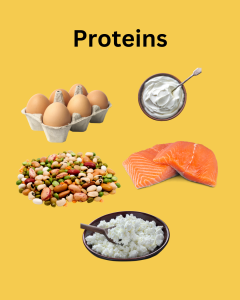
1. Proteins

  • Eggs
  • Greek yogurt
  • Fish
  • Cottage cheese
  • Beans, lentils, chickpeas

 Eggs

Often considered a staple in a satiating diet, eggs are high in protein and provide essential vitamins and minerals. They contribute to a feeling of fullness and help stabilize blood sugar levels.

Greek Yogurt

This thick, creamy yogurt is much higher in protein than traditional yogurts. Its high protein content effectively reduces feelings of hunger and delays the need for a next meal. 

Fish

Particularly fatty types like salmon and mackerel, fish is a good source of protein and omega-3 fatty acids, contributing to fullness and overall heart health.

Cottage Cheese

Cottage cheese is low in calories but high in protein. It is a filling option that can be eaten as a snack or used as a versatile ingredient in recipes.  

Legumes

Beans, lentils, and chickpeas are rich in protein and have high fiber content, making them incredibly filling. They’re also versatile in cooking, making excellent additions to salads, soups, and stews.

2. Whole Grains and High Fiber Foods

  • Oatmeal
  • Whole grain
  • Quinoa
  • Chia seeds

 Oatmeal

Oatmeal is a popular breakfast choice. It is rich in a type of fiber called beta-glucan, which absorbs water and expands in the stomach, helping to keep you full longer.

Whole Grain

Products like whole-grain bread, pasta, and brown rice contain all the parts of the grain, including the fiber-rich outer layer, which helps increase satiety and prevent overeating.

 Quinoa

Known as a “superfood,” quinoa is a seed with all nine essential amino acids, fiber, and protein, making it highly satisfying.

Chia Seeds

These tiny seeds are a powerhouse of fiber. They absorb several times their weight in water to form a gel-like consistency in the stomach, significantly extending fullness.

3. Healthy Fats

  • Avocado
  • Nuts and almonds
  • Peanut butter

 Avocado

Besides being a tasty addition to almost any meal, avocados are high in monounsaturated fats and fiber, which help keep you full.

Nuts and Almonds

Nuts and almonds are great sources of healthy fats, protein, and fiber. When eaten in moderation, they can effectively curb appetite.

Peanut Butter

Despite its caloric density, peanut butter can be part of a satiating snack. Its protein, fat, and fiber content balance its energy density.

4. Vegetables and Fruit

  • Vegetable
  • Vegetable soup
  • Apples
  • Fruits

   Vegetables

Loaded with fiber and water, they fill up your stomach without adding extra calories. Spinach, broccoli, and carrots are exceptionally high in fiber and nutrients.

Vegetable Soup

The high water content of soup can lead to a feeling of fullness with fewer calories consumed.

Apples

Rich in soluble fiber and pectin, apples help regulate digestion and extend feelings of fullness.

Fruits

Other fruits like oranges, berries, and pears also contain a lot of fiber and water, helping to control hunger.

5. Snacks

  • Popcorn
  • Dark chocolate

Popcorn

If air-popped and eaten without unhealthy toppings, popcorn can be a voluminous, low-calorie snack and a good fiber source.

Dark Chocolate

When consumed in moderation, dark chocolate can satisfy cravings for sweets while also providing fiber, healthy fats, and antioxidants.

Tips for Incorporating These Foods into Your Diet

Integrating high-satiety foods into your daily meals and snacks can make a significant difference in managing your hunger and maintaining a healthy lifestyle. Here are some practical tips and meal ideas to help you effectively incorporate these foods into your diet:

1. Start Your Day Right

Begin with a protein-rich breakfast like scrambled eggs with spinach and avocado or Greek yogurt topped with chia seeds and berries.

For a heartier meal, try oatmeal with a scoop of peanut butter and sliced apples or almonds.

Consistently including protein and fiber in your breakfast can help stabilize your blood sugar levels and set a satiety standard for the rest of the day.

2. Smart Snacking

Keep snacks that combine protein, healthy fats, and fiber handy. Examples include hummus with vegetable sticks, an apple with almond butter, or a small portion of nuts with dark chocolate. Be mindful of portions, especially with high-calorie foods like nuts and cheese. Small, frequent meals can help prevent overeating at meal times.

3. Lunch and Dinner

For lunch and dinner, fill half your plate with vegetables, a quarter with lean protein such as fish, cottage cheese, or legumes, and the remainder with a whole grain like quinoa or whole grain pasta.

You can also try some vegetable soup before dinner. Beginning with a vegetable soup will help you consume fewer calories before moving on to more calorie-dense parts of your meal.

4. Master Meal Prepping

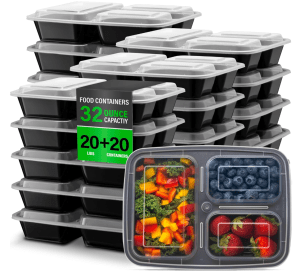
Prepare meals and snacks in advance to avoid the temptation of less healthy options. Investing in meal prep containers can help you portion and store your meals efficiently, making it easier to grab a balanced option on busy days. Batch cooking legumes, grains, and proteins can save time during the week and ensure you always have healthy meals ready to go.

This containers are great and do not take too much space in your fridge

Mix several high-satiety foods in your meals to keep things interesting and flavorful. Experiment with spices and herbs to enhance the taste without adding extra calories.

Try out these spices for delicious meals every time

5. Hydration Helps

Often, feelings of hunger are signs of dehydration. Drinking daily water can help you stay hydrated and reduce unnecessary snacking.

You can also include fruits and vegetables with high water content in your meals to aid satiation and hydration.

6. Mindful Eating

Take time to chew your food thoroughly and enjoy each bite. Eating slowly can help you more effectively recognize your body’s satiety signals.

Try to eat without distractions like TV or smartphones. Being mindful while you eat enhances your ability to feel satisfied with less food.

Conclusion

Choosing foods that rank high on the Satiety Index can transform how you manage your hunger and overall eating habits. Incorporating a variety of protein-rich, fiber-dense, and healthy fat foods into your meals can enhance satiety and reduce the urge to snack unnecessarily. These foods keep you feeling full longer and provide essential nutrients that support a healthy lifestyle.

Remember, the key to a satisfying diet is balance and variety, ensuring that every meal contributes to your feelings of fullness and your nutritional needs.     

We hope this guide inspires you to experiment with these satiating foods in your daily diet. Which foods do you find most effective at keeping hunger at bay? Do you have any favorite recipes that combine these ingredients? Share your experiences and tips in the comments below. 

Focused people

What is something others do that sparks your admiration?


I deeply admire seeing people who are laser-focused on their goals—so determined that nothing can deter them.

These individuals have the discipline to consistently take the necessary steps toward their dreams, whether it’s waking up early, staying off their phones, or prioritizing tasks that truly matter. They value their time and are intentional about who they allow into their lives. That level of focus and self-control is truly inspiring.

Another group of people I greatly admire are those who strive for excellence. They approach their work with grace, minimize mistakes, and consistently produce high-quality results. These are the people who never settle, always pushing themselves to improve and elevate their standards. Their dedication to excellence is something I deeply respect.