Cultural Diversity and Mental Health (part 1)

lash, lash extension, beauty

Most societies have various cultural groups. These groups view mental health issues through varying lenses, influencing both how individuals perceive their mental well-being and how they seek care.

This post is part one of a two-part blog where we explore cultural diversity. Part two will focus on how cultural diversity affects mental health outcomes.

What is Cultural Diversity?

At its core, cultural diversity refers to the variety of cultures, traditions, and ways of life within a society or group. It encompasses differences in language, religion, ethnicity, customs, and social practices. 

Cultural diversity can be seen in many aspects of life: food, festivals, music, and even communication styles. For example, in cities like London, Los Angeles, New York, Sydney, and Toronto, you can find neighborhoods where people speak dozens of different languages, practice a range of religious beliefs, and celebrate cultural events that are rooted in various parts of the world.

A culturally diverse society is one where no single culture dominates; rather, multiple cultures coexist and influence each other. This diversity contributes to the overall vibrancy of the community, allowing people to share and experience different aspects of humanity.

Cultural diversity is a fact of life and a significant strength in today’s interconnected world.

Importance of Understanding Cultural Diversity

Understanding cultural diversity is essential for fostering harmony and cooperation in today’s interconnected world. As societies become increasingly multicultural, navigating and appreciating different cultural perspectives becomes a critical skill. 

A society that understands cultural diversity is better equipped to build social cohesion. When diverse groups feel respected and included, it promotes a sense of belonging and unity.

On the contrary, when cultural differences are ignored or dismissed, it can lead to divisions, isolation, and even conflict. Therefore, cultural diversity is essential not only in celebrating differences but also in recognizing that understanding those differences can create more robust, more unified communities.

1. Promotes Empathy and Tolerance

2. Fosters Global Collaboration

3. Enriches Personal and Social Development

4. Strengthens Social Cohesion

Benefits of Embracing Cultural Diversity

Embracing cultural diversity brings many benefits at an individual and societal level. It strengthens communities, drives innovation, and fosters a more compassionate and equitable world. 

By embracing cultural diversity, individuals and societies can enjoy these benefits, creating inclusive spaces open to change, collaboration, and growth.

1. Drives Innovation and Creativity

2. Boosts Economic Growth

3. Enriches Cultural Experiences

4. Promotes Empathy and Social Cohesion

5. Enhances Problem Solving

Challenges of Cultural Diversity

While cultural diversity brings numerous benefits, it has its challenges. In multicultural societies, people must navigate differences in communication, social norms, and even values, which can lead to misunderstandings or tensions. To truly embrace cultural diversity, it is essential to acknowledge and address these challenges effectively.

1. Communication Barriers

To overcome these barriers, it’s essential to promote language education and cross-cultural communication training. 

2. Stereotyping and Prejudice

Combating stereotyping and prejudice requires education and open dialogue. Awareness campaigns, diversity training, and opportunities for cultural exchange help break down barriers and challenge preconceived notions.

Individuals who learn more about other cultures are more likely to develop empathy and reject harmful stereotypes.

3. Integration vs. Cultural Preservation

Successful integration involves finding a middle ground where individuals can contribute to and participate in the larger society while preserving their unique cultural identities. This can be supported by inclusive policies recognizing and celebrating cultural diversity, such as multicultural festivals, language classes, and community-building efforts encouraging interaction across cultural lines.

4. Social and Economic Inequality

Addressing this challenge requires policies that promote equal access to resources and opportunities for all, regardless of cultural background. This includes anti-discrimination laws, equal employment initiatives, and community support programs that help marginalized groups overcome these barriers and achieve economic and social equality.

Conclusion

Recognizing and appreciating the richness of different cultures is more important than ever. Cultural diversity brings immense benefits, from driving innovation and economic growth to fostering empathy, understanding, social cohesion, and mutual respect.

I am secretive 🤫

What’s something most people don’t know about you?

Why would I reveal that? Secrecy is power.

When you don’t tell people too much, it grants you a level of control and influence.

For example, if someone asks you what did you have for breakfast, you could simply say, a sandwich and coffee, no need to go too much in details. Instead ask the question back 😆 and then make them give you the detail.

Keeping things hidden allows you to maintain an advantage, since others are left without the full picture, unable to predict actions or understand motives.

This concept is often seen in political, strategic, and business environments where controlling information flow can impact outcomes.

However, excessive secrecy can also backfire if it breeds mistrust or isolation.

When secrecy is overused, opportunities for collaboration or innovation can be missed.

Open exchange of ideas and sharing of information often lead to breakthroughs and partnerships that wouldn’t happen if everything were kept under wraps. So the secret here is balance.

No one knows how the water enters inside a coconut ( 🌴 btw_this is not a coconut tree)

Glucocorticoid-Induced Osteoporosis

Your doctor might prescribe you some glucocorticoids, but usually, they prefer to give you a short course to get rid of the inflammation.

Inflammation comes in different ways; it could be an allergy, a gout attack, or something chronic like an inflammatory bowel disorder.

The bottom line is that glucocorticoids (prednisone) work, and they work fast. They have the superpower of getting rid of the inflammation fast.

But why aren’t long-term glucocorticoids the go-to solution?

Doctors are cautious about prescribing them for extended periods due to the numerous potential side effects. This careful consideration is a testament to your doctor’s commitment to your well-being.

One of the side effects that many people don’t remember is that glucocorticoids can eat the bones. Well, a better way of putting it is that, this medication can activate bone-eating (osteoclasts) enzymes that resorb bone. This is called glucocorticoid-induced osteoporosis.

Patients taking glucocorticoids (like prednisone) are at an increased risk of developing glucocorticoid-induced osteoporosis because these medications can interfere with the body’s ability to absorb calcium, decrease bone formation, and increase bone resorption.

However there are some conditions where people have to use glucocorticoids for a long time. For example Lupus and Rheumatoid Arthritis patients. These category of people need to use glucocorticoids for a long time so they need to protect their bones.

How Prednisone Weakens Your Bones

Free Hand X-ray Result Stock Photo

Prednisone affects your bones in a number of ways, which can lead to a condition known as glucocorticoid-induced osteoporosis.

Decreased Calcium Absorption

Prednisone reduces the body’s ability to absorb calcium from food.

Calcium is a critical mineral that helps keep bones strong. Without enough calcium, your bones become more prone to weakness and fractures.

Increased Calcium Loss

In addition to blocking absorption, prednisone also causes the body to excrete more calcium through the kidneys, which leads to a further drop in calcium levels in the bloodstream.

Low calcium triggers the body to pull calcium from the bones, further weakening them.

Reduced Bone Formation

Healthy bones are constantly being broken down and rebuilt.

Prednisone disrupts this balance by decreasing the activity of osteoblasts—the cells responsible for forming new bone. This slows down bone rebuilding, while bone breakdown continues at the same rate.

Increased Bone Breakdown

Prednisone increases the activity of osteoclasts—the cells that break down bone tissue. This speeds up the process of bone resorption, making bones more fragile over time.

How to Prevent Glucocorticoid Induced Osteoporosis

Your doctor probably is aware of the side effects of using glucocorticoids so feel free to mention your concerns and definitely ask your doctor

Calcium and Vitamin D Supplementation

Take enough vitamin D and calcium. Speak to your doctor to confirm your recommended daily does. I wouldn’t be specifying any recommended amount in this posts to ensure everyone is safe.

Bone Density Monitoring

Regular bone mineral density (BMD) testing using a DEXA scan is advised, especially if patients are on long-term or high-dose glucocorticoid therapy. This helps detect early bone loss.

Medications to Strengthen Bones

Bisphosphonates (e.g., alendronate, risedronate) are often prescribed to prevent or treat bone loss. These drugs help slow bone resorption. Teriparatide or Denosumab may be recommended in cases of severe bone loss or if bisphosphonates are not suitable.

Weight-bearing Exercise

Regular weight-bearing exercises such as walking, jogging, or resistance training can help strengthen bones. These exercises stimulate bone formation.

Lifestyle Changes

Avoid smoking and limit alcohol consumption, as both can contribute to bone loss.

Another lifestyle change we recommend is eating healthy. Eat an healthy diet rich in bone-supporting nutrients like Magnesium and Vitamin K

Foods That are Good for the Bone

  • Dairy products (milk, cheese, yogurt)
  • Leafy greens (kale, spinach, collard greens)
  • Fortified plant-based milk (almond, soy, rice milk)
  • Fatty fish (salmon, sardines, mackerel)
  • Almonds
  • Tofu
  • Broccoli
  • Oranges
  • Eggs
  • Fortified cereals
  • Nuts and seeds (chia seeds, flaxseeds)
  • Beans and lentils
  • Figs
  • Prunes

In Conclusion

Prednisone can be a highly effective treatment for many inflammatory and autoimmune conditions, but it does come with potential side effects, especially on your bones.

If you’re taking prednisone, it’s important to be proactive about your bone health. By ensuring adequate calcium and vitamin D intake, staying active, and possibly using medications to protect your bones, you can reduce the risk of osteoporosis and maintain strong bones for years to come.

If you’re concerned about how prednisone is affecting your bones, talk to your doctor. They can help you develop a plan to protect your bone health while managing your condition effectively.

Did you find this post interesting, please leave a comment below


Separation of Task

This post will discuss the second key concept in the book The Courage to Be Disliked. Remember, we discussed the issue of happiness being a choice in the previous post.

The concept of “separation of tasks” in The Courage to Be Disliked is a central idea derived from Alfred Adler’s psychology.

It revolves around the idea that many of life’s struggles arise from not understanding which tasks belong to us and which belong to others.

By clearly identifying and separating these tasks, we can reduce unnecessary stress, conflicts, and anxiety.

What is a Task?

A “task” refers to any responsibility or problem that arises in daily life. It could be anything from your own decisions, actions, and feelings, to the opinions, reactions, or judgments of others.

The idea is to discern whether a given task is within your control or not.

Your Task

  • Explore yourself and your autonomy
  • Find out what your strengths and weaknesses are
  • Understand yourself and aim for growth
  • Improve your decision making skills
  • Have a open and flexible mind
  • Contribute positively to the society

Determining Whose Task it Is

To separate tasks effectively, the book suggests asking: “Who will ultimately face the consequences of this decision or action?” If you will bear the outcome, then it’s your task.

If someone else will, then it’s their task.

For example, deciding what career to pursue is your task, as you will live with the consequences. However, how others perceive your career choice is their task, not yours.

Avoiding the Interference in Others’ Tasks

The book stresses the importance of not intervening in tasks that belong to others. For instance, parents may want to control their child’s choices to ensure they succeed, but if the child ultimately faces the consequences, then it’s the child’s task. When people interfere in others’ tasks, they create tension and conflict, often leading to resentment or dependency.

Liberating Yourself from Others’ Judgments

A key application of the separation of tasks is freeing yourself from the need for approval or validation from others.

The book argues that how others feel about you is their task, not yours. Your task is to live authentically according to your values.

This separation allows you to focus on what you can control—your own actions, decisions, and attitudes—rather than being preoccupied with others’ opinions or reactions.

Improving Interpersonal Relationships

Understanding the separation of tasks can also help improve relationships by reducing conflict.

When you focus on your own tasks and respect others’ autonomy to handle theirs, you avoid the stress and frustration that come from trying to control situations outside your realm of influence. It promotes a healthier dynamic where each person takes responsibility for their own life.

How To Improve interpersonal Relationships

  • Listen, understand their message, acknowledge what they’re saying, and respond thoughtfully

  • Share your thoughts and feelings clearly and respectfully. 

  • Show empathy 

  • Set your boundaries and respect other people’s boundaries

  • Be open to receiving feedback without taking it personally, and offer feedback kindly and constructively.

  • Be supportive of others’ goals and challenges. 

  • When disagreements occur, address them directly but respectfully. Avoiding passive-aggressive behavior, blame, and defensiveness. 

  • Make a concerted effort to be present and engaged during these times.

  • Trust is essential for strong, enduring relationships.

  • Regularly express gratitude for the other person’s presence and contributions to your life. 

  • When you are healthy and fulfilled on your own, you are more likely to bring positivity and balance to your relationships.

  • Try to fully understand the other person’s point of view before explaining your own. 

Taking Ownership of Your Life

Separation of task encourages people to take ownership of their happiness and well-being, rather than blaming others or external circumstances. By recognizing which tasks are truly yours, you can make conscious decisions to shape your lives in a positive direction, rather than being dragged down by factors beyond your control.

Scuba diving 🤿

What could you try for the first time?

I’ve always been fascinated by fish—their vibrant colors, graceful movements, and the way they seem to glide effortlessly through the water. It’s like they belong to a world completely different from ours, full of mystery and beauty. That’s why scuba diving has always intrigued me. I want to experience that underwater world firsthand, not just to observe from afar but to truly immerse myself in it.

By scuba diving, I’ll have the chance to swim alongside these incredible creatures, witnessing their behaviors up close and interacting with them in their natural habitats. It’s about exploring the hidden depths of the ocean, where every dive feels like stepping into an uncharted paradise.

Happiness is a Choice- Summary of “The Courage to Be Disliked”

The “Courage to Be Disliked by Ichiro Kishimi and Fumitake Koga is a dialogue between a philosopher and a young man. They discuss the principles of Alfred Adler’s psychology.

One of the things I love about the book is its views on happiness, interpersonal relationships, and the pursuit of meaning.

This blog post will be the first part of 6 key concepts in the  book. Happiness is a choice.

Key concepts

  • Happiness is a choice
  • Identifying your task and what is not your task
  • All problems are interpersonal relationships
  • People’s behaviour and mindsets are based on their goals
  • Living in the moment
  • Courage to prioritise your values over being liked

We will discuss these basic concepts in upcoming blog posts, so stay tuned and keep your eyes out for new updates.

Happiness is a Choice

The idea that “happiness is a choice” is rooted in the belief that individuals have control over how they perceive and respond to their circumstances.

The book argues that happiness isn’t something that happens to you based on external events, but rather, it’s a decision you actively make. You choose to be a happy.

You have power over your thoughts, emotions and reactions. Your thoughts, emotions and reactions are not determined by external forces like friends, colleagues, family or negative situations.

By choosing how you interpret situations, you can influence your own happiness.

For example, getting a B in a test shouldn’t make you too much upset to the extent that it influences your emotions or reactions. Rather, see the B as a motivation to work harder for a better grade.

Choosing happiness means living in alignment with your own values and goals, rather than constantly seeking approval or trying to meet others’ expectations. When you prioritize what genuinely matters to you, it becomes easier to find contentment, as your sense of worth and joy is based on your own choices, not others’ judgments.

According to Adlerian psychology, many people struggle with feelings of inferiority because they compare themselves to others.

Happiness can be achieved by choosing to accept yourself as you are, focusing on your strengths, and setting your own benchmarks for success rather than relying on comparisons.

The authors argue that people often use their circumstances or emotions as excuses to avoid making changes or facing fears. For example, someone might say,

“I can’t be happy because of my past experiences.”

However, Adler’s perspective is that this person has chosen to let the past determine their present.

Instead, by setting positive, meaningful goals and pursuing them, one can decide to prioritize happiness over dwelling on past grievances or perceived limitations.

Choosing happiness also involves embracing imperfection—in oneself, in others, and in life. The book encourages acknowledging that it’s okay not to have everything figured out and that life is inherently filled with ups and downs. By accepting these imperfections, you reduce the stress associated with striving for unrealistic standards and open up more room for genuine happiness.

Happiness isn’t about eliminating problems or achieving certain milestones, but about how you approach life’s challenges.

By choosing to see difficulties as opportunities for growth or opting to focus on the present rather than dwelling on the past, you take an active role in shaping your happiness.

How to Focus on your Strength

  • Reflect on past successes
  • Use your strengths to achieve your goals
  • Apply your strengths in different ways
  • Practise and improve your strongest skill
  • Outsource tasks that don’t align with your strengths

What are some Benchmarks for Success

  • Mastering a skill
  • Forming a good habits
  • Promotion or salary increase
  • Networking growth
  • Recognition and awards
  • Investment goals
  • Fitness goals
  • Consistency
  • Quality time with family
  • Emotional stability
  • Community involvement

Things to do to Prioritize Your Happiness

  • Set boundaries
  • Practise self-care (exercise, journaling, prayer)
  • Connect with people that uplift your spirit
  • Disconnect from toxic relationships
  • Try out new hobbies
  • Spend time in nature
  • Declutter
  • Practise gratitude
  • Unplug from social media
  • Volunteer
  • Practise random acts of kindness
  • Stay open to new experiences

If you would like to read the book, click here

Did you learn something new from this post? If yes, please share it in the comment section.

Integrity

Woman smiling

Integrity is the quality of being honest, trustworthy, and having strong moral principles. It means doing the right thing, even when no one is watching. Integrity is essential to any community, influencing every aspect of life. 

In this blog, we will explore why Integrity is essential, how it influences society, its benefits, the challenges to maintaining it, and how promoting Integrity can lead to a more equitable and harmonious world.

What is Integrity?

At its core, Integrity refers to the alignment between a person’s actions and their moral beliefs. It is the unwavering commitment to truth, honesty, and fairness, even when faced with temptations or challenges. A person with Integrity acts consistently with their values, regardless of external pressures. This means they are truthful and dependable and stand by their principles even when no one is watching.

Integrity is not limited to individual actions. It also applies to collective efforts like those of businesses, governments, and institutions. Organizations that prioritize Integrity focus on ethical practices, transparency, and fairness. These values build trust between the organization and the public, fostering a positive relationship that benefits both parties.

Why Integrity is Important in Personal Life

Having Integrity means keeping promises, being truthful, and standing up for what’s right, even when it’s hard. When you act with Integrity, people know they can trust you because your words and actions always match.

Integrity plays a significant role in shaping who we are as individuals. When we live with Integrity, we make decisions based on what we know is right, not just what’s easy or popular. This helps us stay true to our values and avoid regrets later on.

Benefits of Integrity in Personal Life and Relationships

Having Integrity brings many benefits that can positively impact your life. One of the most significant advantages is the trust and respect you earn from others. When people know you are honest and dependable, they’re more likely to value your friendship, listen to your ideas, and count on you in critical situations.

Integrity also helps us build strong, lasting relationships. People are drawn to trustworthy and dependable people because they know they can count on them. When you act with Integrity, you’re more likely to attract positive, supportive people into your life. Friends, family, and co-workers appreciate knowing they can trust you to be honest, keep your promises, and stand by your values. This trust strengthens relationships and creates stronger bonds.

Another benefit of living with Integrity is the peace of mind it gives you. When your actions align with your values, you don’t have to worry about covering up lies, pretending to be someone you’re not, making excuses, or feeling guilty. Instead, you can feel proud of your choices and confident in who you are. This sense of inner peace helps reduce stress, boosts your self-esteem, helps you face challenges, and enables you to make better decisions in life.

Integrity also helps build a positive reputation. Whether at school, in the workplace, or your community, people will recognize you as someone who stands for what’s right. This can open new opportunities like leadership roles, promotions, or solid personal connections.

Overall, Integrity improves one’s life and helps create a positive environment where trust, honesty, and respect can thrive. Living with Integrity endears one to everyone.

Integrity in the Workplace

Integrity is one of the most important qualities you can bring to the workplace. It means being honest and reliable and doing what you say you will, even when no one is watching. When you act with Integrity at work, you build trust with your boss, co-workers, and clients. This trust is the foundation of a positive and productive work environment.

Having Integrity also means taking responsibility for your actions. If you make a mistake, admitting and fixing it shows you’re honest and accountable. People respect those who own up to their errors instead of trying to cover them up or blame others. This kind of honesty helps create a workplace culture of fairness and transparency.

Leaders who act with Integrity set an excellent example for their teams. Employees who see their boss acting ethically and somewhat are likelier to do the same. This improves team morale, encourages collaboration, and can even increase the business’s overall success. 

The Importance of Integrity in Society

Integrity plays a vital role in maintaining the balance and functionality of a society. It is the bedrock for trust between individuals, organizations, and the broader community. Here are some key ways Integrity influences society:

1. Building Trust Among Citizens and Institutions

Trust is the glue that holds society together. When individuals act with Integrity, they are seen as reliable, dependable, and trustworthy. This fosters healthy relationships between people, whether they are family members, friends, or strangers. In contrast, when trust is broken, dishonest acts or unethical behavior can lead to suspicion, resentment, and conflict.

On a larger scale, Integrity builds trust between citizens and institutions, such as governments, businesses, and non-profit organizations. When people believe these entities are acting ethically and in the public’s best interest, they are more likely to support and cooperate with their goals.

Conversely, a lack of Integrity in institutions can lead to public mistrust, skepticism, and even social unrest.

2. Creating Ethical Leadership

Integrity is essential for effective leadership. Leaders who act with Integrity earn the respect and loyalty of those they lead, whether in the public sector, private companies, or community organizations. Such leaders are more likely to make fair, ethical decisions that benefit the greater good rather than prioritizing their interests.

Ethical leaders also serve as role models, encouraging others to act with Integrity in their own lives. When leaders demonstrate honesty, fairness, and accountability, they set a positive example that inspires others to uphold these values. In contrast, when

Leaders act unethically or are caught in scandals, which undermines public trust and can erode society’s moral fabric.

3. Supporting Social Justice and Fairness

Integrity plays a key role in promoting social justice and fairness. A society built on Integrity ensures that all individuals are treated with dignity and respect, regardless of their background, beliefs, or socioeconomic status. Laws, policies, and institutions should reflect these values, providing equal opportunities and protection for all citizens.

When Integrity is absent, discrimination, corruption, and injustice can flourish. Inequities in access to education, healthcare, and legal rights are often the result of a lack of Integrity within societal systems. By prioritizing Integrity, societies can create more just and equitable conditions for all members, ensuring fairness prevails in all areas of life.

4. Encouraging Ethical Business Practices

Integrity is critical in the business world. Companies that act with honesty and fairness gain the trust of their customers, employees, and investors. This trust is essential for long-term success, as it fosters loyalty, enhances reputation, and attracts new opportunities.

Ethical business practices include:

  • Treating employees fairly.
  • Providing quality products or services.
  • Being transparent about company policies.

When businesses prioritize profits over people or engage in dishonest practices, they can lose trust, damage reputations, and face legal consequences.

In contrast, companies that act with Integrity often build stronger relationships with their stakeholders, leading to tremendous long-term success and positive societal impacts.

5. Strengthening Community Bonds

Communities thrive when Integrity is at the heart of social interactions. When neighbors trust one another, schools teach the value of honesty and accountability, and local leaders act ethically, communities become safer and more cohesive.

Integrity helps individuals engage in acts of kindness, fairness, and responsibility that strengthen community bonds. It fosters a shared responsibility for the common good, encouraging people to work together to solve problems and improve their surroundings. In contrast, communities can become divided without Integrity, and social cohesion weakens.

Challenges to Integrity in Society

Despite its importance, maintaining Integrity in society can be challenging. Many challenges threaten the practice of Integrity at both the individual and collective levels:

1. Temptation and Short-Term Gains

One of the biggest challenges to Integrity is the temptation to seek short-term gains at the expense of ethical behavior. In many situations, people may be tempted to lie, cheat, or cut corners to achieve personal goals, such as gaining wealth, power, or recognition. However, these actions can have long-term negative consequences, eroding trust and damaging relationships.

Companies may face pressure to prioritize profits over ethical practices in the business world, leading to decisions that harm customers, employees, or the environment. Similarly, in politics, leaders may be tempted to make decisions that benefit themselves or their supporters rather than acting in the public’s best interest.

2. Cultural and Societal Pressures

Cultural and societal norms can also challenge individuals’ ability to act with Integrity. In some cases, societal expectations may prioritize success, wealth, or status over honesty and fairness, leading individuals to compromise their values in pursuit of these goals.

Additionally, peer pressure can play a significant role in undermining Integrity. For example, individuals may feel compelled to act dishonestly or unethically to fit in with a group or avoid criticism. Overcoming these pressures requires a solid commitment to one’s values and the courage to stand up for what is right.

3. Corruption and Lack of Accountability

Corruption is one of the greatest threats to society’s Integrity. When individuals or institutions engage in corrupt practices such as bribery, fraud, or favoritism, they undermine trust in the systems meant to ensure fairness and justice. Corruption can lead to unequal access to opportunities, resources, and services, perpetuating social inequalities and fostering cynicism among citizens.

A lack of accountability further demonstrates a lack of Integrity. When individuals or organizations are not held accountable for unethical behavior, it sends the message that Integrity is optional and that dishonesty or corruption can go unpunished. Strengthening accountability systems, such as transparent legal processes and ethical oversight, is essential for promoting Integrity in society.

Promoting Integrity in Society

Despite the challenges, Integrity can be cultivated and promoted at individual and societal levels. Here are some ways to encourage Integrity:

1. Education and Early Development

Teaching Integrity from a young age is essential for shaping ethical behavior in adulthood. Schools and parents play a crucial role in instilling values such as honesty, fairness, and responsibility in children. Educators can help students develop the moral compass needed to make ethical decisions by teaching students about the importance of Integrity.

Lessons on Integrity should go beyond simply telling students to be honest; they should also involve discussing real-world situations where Integrity is tested. Encouraging students to reflect on ethical dilemmas and consider the consequences of their actions can help them build solid moral reasoning skills.

2. Ethical Leadership and Role Models

Ethical leadership is critical for promoting Integrity in society. Leaders in government, business, education, and other fields should lead by example, demonstrating the importance of honesty, accountability, and fairness in their actions. When leaders act with Integrity, they inspire others to do the same.

Public recognition of ethical leaders and role models can also encourage Integrity. Highlighting individuals or organizations that uphold strong moral values can be a positive example for others. This can be done through awards, media coverage, or community recognition programs.

3. Strengthening Accountability Systems

Creating systems that promote transparency and accountability is essential for maintaining Integrity in society. Governments, businesses, and organizations should have clear ethical guidelines and enforceable standards for behavior. Whistleblower protections, legal consequences for unethical behavior, and public oversight can help deter corruption and dishonesty.

In addition to formal accountability measures, individuals should be encouraged to hold themselves and others accountable for their actions. 

4. Fostering Open Dialogue

Encouraging open dialogue about Integrity and ethics can help raise awareness of its importance in society. Public discussions, forums, and educational programs on ethics can give individuals the tools and knowledge to navigate ethical dilemmas in their personal and professional lives.

Communities and organizations can also create spaces for dialogue about integrity-related issues, allowing individuals to share their experiences and reflect on how to uphold moral values in everyday situations. 

The Long-Term Benefits of Integrity in Society

A society that values and promotes Integrity reaps numerous long-term benefits that enhance social cohesion, economic prosperity, and overall well-being. When individuals, leaders, and institutions act with honesty and fairness, the entire community benefits in various ways:

1. Enhanced Trust and Cooperation

Integrity fosters a culture of trust, which is essential for the smooth functioning of any society. When people believe others will act honestly and keep their promises, they are more likely to cooperate and collaborate. This trust allows for stronger relationships between individuals, organizations, and institutions.

In trust-based communities, people are more willing to engage in collective efforts, whether participating in local events, volunteering, or supporting community initiatives. This cooperation can lead to more effective problem-solving and innovation as diverse groups come together to address shared challenges.

2. Increased Social Stability

Integrity contributes to social stability by reducing conflict and fostering a sense of security among citizens. People who trust their neighbors, leaders, and institutions feel more secure in their environment. This stability allows communities to thrive and grow, as citizens are more likely to invest their time, resources, and energy into improving their surroundings.

In contrast, a lack of Integrity can lead to mistrust, resentment, and social unrest. Societies plagued by corruption and dishonesty often experience higher crime, violence, and political instability. By promoting Integrity, societies can create a safer and more stable environment for all members.

3. Economic Prosperity

Integrity plays a crucial role in driving economic growth and prosperity. Businesses with Integrity attract loyal customers, build strong supplier relationships, and create positive workplace cultures. When transparent and honest, companies gain consumers’ trust, increasing sales and customer retention.

Furthermore, ethical business practices can enhance a company’s reputation, making it more attractive to investors and potential partners. When businesses prioritize Integrity, they contribute to a fair marketplace, where competition is based on quality and value rather than deceitful tactics.

On a broader scale, a society that values Integrity is likely to attract domestic and foreign investment. Investors are more inclined to invest in countries committed to ethical practices, rule of law, and transparency. This investment can lead to job creation, innovation, and economic growth.

4. Stronger Democratic Institutions

Integrity is fundamental to the functioning of democratic institutions. When government officials and public servants act with Integrity, they uphold the principles of accountability, transparency, and fairness essential for a healthy democracy.

Citizens are more likely to participate in the democratic process, such as voting, attending town hall meetings, and engaging in civic activities when they believe their leaders are acting in the public’s best interest.

Moreover, a commitment to Integrity in governance can help reduce corruption and promote the rule of law. When citizens trust that their leaders will act ethically and uphold their promises, they are more likely to support democratic processes and institutions, leading to a more engaged and informed electorate.

5. Improved Quality of Life

A society prioritizing Integrity ultimately leads to a higher quality of life for its members. When individuals feel safe, trusted, and respected, their well-being improves. Access to opportunities, resources, and services is more equitable when Integrity is upheld, allowing all members of society to thrive.

Communities characterized by Integrity often experience lower crime rates, better health outcomes, and higher levels of education. This is because individuals are more likely to support one another, contribute to local initiatives, and advocate for policies that benefit the collective.

6. Cultural Resilience

Integrity strengthens cultural resilience, helping communities navigate challenges and crises more effectively. When people trust each other and share a commitment to ethical values, they are better equipped to support one another during difficult times, whether facing economic downturns, natural disasters, or social upheaval.

Culturally resilient communities can draw upon their shared values of Integrity to mobilize resources, provide assistance, and adapt to changing circumstances. This resilience fosters a sense of belonging and solidarity among community members, ultimately leading to a more cohesive and thriving society.

7. Legacy of Ethical Behavior

Promoting Integrity in society creates a lasting legacy of ethical behavior that can be passed down through generations. When individuals prioritize honesty and moral values, they serve as role models for their children, peers, and future leaders. This legacy of Integrity helps shape a culture where ethical behavior is encouraged and expected.

As younger generations learn the importance of Integrity, they are more likely to carry these values into their lives and careers, perpetuating a cycle of honesty, trust, and accountability. This cultural shift can lead to a more ethically conscious society where individuals feel empowered to stand for what is right.

7 Examples of Integrity

Here are some examples of Integrity in various contexts:

1. Personal Integrity

A person who admits their mistakes to a friend, even if it might lead to temporary discomfort, demonstrates Integrity by valuing truth over the fear of conflict.

A teenager commits to finishing their homework before hanging out with friends. They prioritize their responsibilities, demonstrating Integrity in their commitments.

2. Workplace Integrity

An employee who reports errors in a project, even if it might affect their performance review, shows Integrity by prioritizing the team’s success over personal gain.

A manager who promotes a deserving candidate for a position based on merit rather than favoritism or personal relationships exemplifies Integrity in leadership.

3. Community Integrity

A person regularly volunteers at a local shelter, not for recognition but because they genuinely care about helping others in need. This act demonstrates Integrity through selfless service.

An employee uncovers unethical practices within their organization and chooses to report them to the appropriate authorities despite potential backlash. This reflects Integrity in standing up for what is right.

4. Civic Integrity

A citizen researches candidates and issues thoroughly before voting, ensuring they make informed decisions that reflect their values. This demonstrates Integrity in civic engagement.

A politician who openly addresses past mistakes and works to rectify them, rather than hiding or denying them, exemplifies Integrity in public service.

5. Academic Integrity

A student who submits original work and adequately cites sources, even when it’s tempting to copy from others, shows Integrity in their academic pursuits.

A student who chooses not to cheat on a test exemplifies Integrity in their educational ethics despite knowing that others are doing so.

6. Financial Integrity

A business owner who fully discloses product pricing and conditions, ensuring customers are well-informed, demonstrates Integrity in business practices.

An individual who accurately reports their income and pays the taxes they owe, even if they could evade detection, shows Integrity in their financial responsibilities.

7. Social Integrity

– Refraining from intruding into or circulating others’ private communications. For example, emails, messages, pictures, and videos.

15 Inspirational Quotes about Integrity

Here are some inspiring quotes about Integrity:

1. “Integrity is doing the right thing, even when no one is watching.” — C.S. Lewis

2. “The strength of a nation derives from the integrity of the home.” — Confucius

3. “Integrity is telling myself the truth. And honesty is telling the truth to other people.” — Spencer Johnson

4. “Real integrity is doing the right thing, knowing that nobody’s going to know whether you did it or not.” — Oprah Winfrey

5. “Integrity is the essence of everything successful.” — R. Buckminster Fuller

6. “Lose integrity, lose everything.” — Chinese proverb

7. “Integrity is not a 90 percent thing, not a 95 percent thing; either you have it, or you don’t.” — Arnold H. Glasow

8. “Integrity is choosing your thoughts and actions based on values rather than personal gain. — Anonymous

9. A man of integrity will be trusted. — Anonymous

10. “Character is much easier kept than recovered. — Thomas Paine

11. “If you don’t stand for something, you will fall for anything. — Malcolm X

12. “He who loses his integrity loses his credibility. — Anonymous

13. “People may doubt what you say, but they will believe what you do. — Lewis Cass

14. “Integrity is doing the right thing, even when it’s unpopular. — Anonymous

15. “Courage combined with integrity is the foundation of character. — Brian Tracy

Conclusion

Integrity is more than just being honest. It’s about staying true to your values and doing the right thing, even when it’s tough.

Whether in your personal life, at work, or in society, living with Integrity helps build trust, respect, and stronger relationships. While there may be challenges, the benefits make it worth the effort.

As you go through life, remember the power of Integrity. It shapes not only how others see you but also how you see yourself. 

Did you find this article interesting? Leave a comment

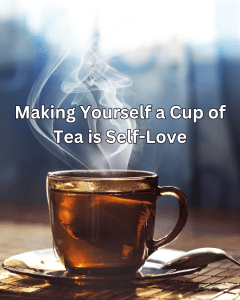
Slow Mornings With Herbal Tea

When you feel sad, or upset, make tea. You will feel way better.

A good cup of tea will calm you down on even the worst days. Listen to yourself and process your emotions and validations as you sip your tea.

What you need:

One glass of drinking water

One flower or three florets of your favorite edible flower

Method:

Wash the flower and drop it in a glass of water. Watch it float for about 1-3 minutes. Then sip the water until you have drunk all the water.

Take out the flower from the glass and tell the flower how you feel.

10 common edible flowers

1. Lavender

2. Pansy

3. Hibiscus

4. Violets

5. Chamomile

6. Rose 

7. Cilantro Flowers 

8. Nasturtium

9. Jasmine 

10. Mint Flowers 

Note: Not all flowers are edible. When using edible flowers, it is essential to ensure they are free from pesticides and safe for consumption.

1. Lavender

Lavender is most famous for its soothing, sweet fragrance. The scent is popular in aromatherapy to help reduce stress and anxiety.

Lavender has a long history of medicinal use, particularly for helping to calm anxiety, relieve pain, and as a sleep aid. 

Lavender tea, brewed from the buds of the lavender plant, offers several benefits that make it a popular herbal drink.

Due to its relaxing effects, lavender tea is often recommended before bedtime to improve sleep quality. It may help those suffering from insomnia or sleep disturbances.

Lavender tea can soothe stomach discomfort, relieve bloating, and promote overall digestive health. It may also help alleviate nausea symptoms.

Lavender’s anti-inflammatory properties can help reduce inflammation and may provide relief from pain, making it beneficial for those with conditions like arthritis.

Lavender contains antioxidants that help protect the body from oxidative stress and may reduce the risk of chronic diseases.

Some people find that drinking lavender tea helps relieve headaches, including those caused by stress or tension.

Overall, lavender tea is a gentle, soothing beverage that can offer physical and mental health benefits, making it a great addition to a relaxing routine.

2. Pansy

Pansies contain antioxidants that can help improve skin conditions and soothe irritation. They are known for their anti-inflammatory effects, which are useful in treating conditions like arthritis.

3. Hibiscus

Hibiscus tea is commonly consumed to help lower high blood pressure. There is a common drink in Nigeria called zobo.It was one of my fav drinks growing up. 

Hibiscus is high in antioxidants, which help combat free radicals and can reduce the risk of chronic diseases.

My Zobo recipe

Zobo drink, also known as Hibiscus tea, is a popular beverage in West Africa, particularly in Nigeria. It’s made from dried hibiscus flowers and is known for its deep red color, tart flavor, and health benefits. 

Ingredients

– 2 cups dried hibiscus flowers (Zobo leaves)

– 8 cups water

– 1-2 cups sugar (adjust to taste)

– 1-2 tablespoons grated ginger

– 1-2 cloves garlic (optional, for a spicy kick)

– A few pineapple slices (for sweetness and flavor)

– Juice of one lime or lemon

– Optional flavorings: cinnamon sticks, cloves, nutmeg, orange peels, or mint leaves

Instructions

1. Start by rinsing the dried hibiscus flowers under cold running water to remove any dirt and impurities.

2. In a large pot, bring the 8 cups of water to a boil. Add the rinsed hibiscus flowers, grated ginger, and any other spices like cinnamon, cloves, or nutmeg that you’re using. If you’re adding garlic, include it here too.

3. Reduce the heat and let the mixture simmer for 20-30 minutes. This will allow all the flavors to infuse nicely.

4. After about 15 minutes of simmering, add the pineapple slices to the pot. This adds a natural sweetness and enhances the flavor.

5. Turn off the heat and allow the mixture to cool to room temperature. Once cooled, strain the liquid through a fine sieve or cheesecloth into a large pitcher or bowl, pressing on the solids to extract as much liquid as possible.

6. Stir in the sugar and lime or lemon juice. Adjust the sweetness and tartness according to your taste. If the drink is too concentrated, you can add some water to dilute it.

7. Refrigerate the Zobo drink until it’s thoroughly chilled. This beverage is best served cold.

8. Serve the Zobo drink over ice cubes. Garnish with mint leaves or slices of citrus fruits if desired.

Tips

Instead of sugar, you can try honey and fruit juices. For a twist, mix in some orange juice, pineapple juice, or apple juice to play with different flavors.

Storage

Zobo drinks can be stored in the refrigerator for up to a week. Make sure it’s in a sealed container to maintain freshness.

My first experience with herbal tea was when I was working at a spa. We often served guests calming tea before their massage. 

Drinking Tea on Slow Mornings

Drinking tea during a slow morning can be a wonderfully healthful ritual that offers both mental and physical benefits. 

A slow morning naturally allows for moments of reflection and calm, and tea complements this perfectly. The act of brewing tea can be meditative, and sipping it slowly helps to ease the mind into the day. 

While tea contains less caffeine than coffee, it provides enough to help awaken your senses gently. This can improve focus and alertness without the spike and crash often associated with stronger caffeinated drinks. The combination of caffeine and L-theanine in tea enhances brain function, improving mood and cognitive abilities, making it a perfect beverage for a slow start where you ease into your daily tasks.

A slow morning that includes tea drinking can encourage other healthful habits. With more time, you might choose to pair your cup of tea with a nutritious breakfast, perhaps engage in some light exercise like stretching or yoga, or even spend a few moments in meditation or reading, all of which contribute to a healthy lifestyle.

Drinking Tea Promotes Hydration and Reduces Inflammation

Starting your day with tea is a great way to hydrate your body after the overnight fast. Hydration is crucial for maintaining the function of every system in your body, including your heart, brain, and muscles. Drinking tea contributes to your daily fluid intake and can help maintain optimal bodily function.

Many teas, such as green tea or herbal options like turmeric tea, possess anti-inflammatory properties. Regular consumption can help reduce chronic inflammation, which is linked to many health issues, including arthritis, heart disease, and certain cancers.

What is your favorite tea? 

Public Speaking

What skill would you like to learn?

I would love to improve my public speaking skills.

The best public speakers know how to influence their audience and open networking opportunities.

Great Public Speakers:

  • Michelle Obama
  • Oprah Winfrey
  • Viola Davis
  • Kamala Harris

How to be a better public speaker

  • Use body language
  • Watch speeches, Ted talks and debates
  • Practice in front of mirrors
  • Try presenting to friends and classmates
  • Prepare and organize your speech