Best Ways To Reach Your Goals and Build Consistent Habits

Staying consistent sounds simple but can be challenging, especially when motivation fades or obstacles arise.

 Motivation is usually high at the beginning of a new routine. However, as time goes on, that excitement can fade. It is easy to lose interest when the results are not immediate, or things get boring.

Another reason why we find it hard to stay consistent is distractions. Life is full of distractions. Unexpected events, social media, and other temptations can throw you off track. It is hard to stay focused when so many things compete for your attention.

Another big mistake that is affecting your consistency is trying to change everything at once. When you take on too much, you quickly feel overwhelmed and give up.

How to Get into a Daily Routine and Stay Consistent

Free Two Silver Chess Pieces on White Surface Stock Photo

Building consistency starts with creating daily habits that fit your life. It is not always easy, but having a clear plan can make a big difference. Here are some practical steps to help you stay on track:

Create a schedule

Start by planning out your day. Set specific times for activities like waking up, studying, exercising, and relaxing. A schedule helps you know exactly what to do and when, making it easier to stick to your routine. First thing I do when I get up is say something positive to myself. 

Start small

Instead of making significant changes all at once, focus on one small habit at a time. For example, if you want to start exercising, begin with just 10 minutes a day. Once that becomes a habit, you can gradually increase the time.

Set reminders

Use alarms, sticky notes, or apps to remind you of the habits you’re trying to build. Regular reminders help you stay on track and keep your goals top of mind.

Track your progress

Keep a simple checklist or use a habit-tracking app to see how often you follow your routine. Tracking your habits can keep you motivated and show you how far you’ve come, even when it feels tough.

Celebrate small wins

Free Man in White Dress Shirt Smiling Stock Photo

Reward yourself for sticking to your routine, even if it’s just for a few days in a row. Recognizing your progress, no matter how small, can keep you motivated and remind you that you’re progressing.

Stay organized

Having a plan makes consistency easier. Create a simple schedule that includes your daily tasks and goals. Knowing what to expect makes you less likely to get off track.

Stay Patient

Consistency is about the long game. Don’t expect instant results. Stay patient and remind yourself that small, daily efforts add up over time. If you miss a day, don’t give up—get back on track the next day.

An example of a consistent daily routine:

  • Morning: Wake up at 6:00 AM, make bed, and have a good breakfast.
  • Midday: Study or attend classes from 10:00 AM to 14:00 PM, lunch, and a short break.
  • Afternoon: Spend time on hobbies or exercise from 16:00 PM to 18:00 PM, then do any chores or assignments.
  • Evening: Review what you learned during the day, relax by reading or listening to music, and wind down by going to bed at the same time every night, around 10:00 PM.

This routine includes a balance of work, rest, and fun. Balance is critical to staying consistent over the long term. To build daily habits that stick, start small and focus on one or two changes at a time. As those habits become second nature, you can gradually add more tasks to your routine. Remember, consistency is not about being perfect. It is about showing up daily, doing your best, and staying committed to your goals.

How to Overcome the Challenges of Maintaining Consistency

Free Man In Toga Holding Diploma Stock Photo

Consistency is challenging because it requires discipline, patience, and effort daily. The key to overcoming these challenges is taking them one step at a time. If you slip up, don’t be too hard on yourself; just return to your routine the next day. Remember, the goal is progress, not perfection.

By starting small, setting clear goals, and staying organized, you can gradually build a routine that works for you. Consistency takes time, but with the right mindset and approach, it is something anyone can achieve.

Consistency in Relationships

Consistency does not just matter in daily routines. It is also a powerful tool for building strong and lasting relationships. Whether with friends, family, or even in teamwork, consistency with your actions and communication builds trust, reliability, and deeper connections.

People know they can count on you when you are consistent in how you treat others. For example, if you regularly check in on a friend, offer support when needed, or follow through on plans, it shows that you care and are dependable. This builds trust and strengthens the bond between you and others.

Consistency is critical to creating a stable and supportive environment in family relationships. Being reliable with family commitments, such as helping out at home or showing up when needed, shows that you are someone they can depend on. Over time, this reliability leads to more robust and healthier relationships.

Why Is Consistency Important?

Sticking to your habits and promises creates success in relationships and life. In the long run, consistent actions like regularly communicating, being there for others, and honoring your commitments make a difference. Consistency is not just about doing something once; it is about repeatedly showing up, even when it is not easy or convenient.

Consistency also helps you develop a reputation for being trustworthy. When people see that you consistently keep your word, they’ll naturally feel more confident in you. This reliability becomes a core part of your character and strengthens your relationships.

Motivation for Consistency

Staying consistent is hard work, and there will be days when it feels easier to give up. However, staying motivated can help you push through tough times and develop habits that lead to success.

Consistency is not about being perfect but about starting and making steady progress over time. Even when things get difficult, staying committed can lead to great results. Whether it’s improving in a sport, doing better in school, or building better relationships, small efforts repeated daily can add up to big changes.

Perfectionism can sometimes be mistaken for consistency, leading to burnout or frustration. The secret of consistency is finding a balance and being adaptable while remaining committed. Let us explore how to stay motivated and why it is worth the effort.

Tips for Finding Motivation for Consistency

  • Spend time with friends and family who encourage you to keep going. 
  • Remind yourself why you started in the first place.
  • Visualize your desired outcome, like getting better grades, becoming healthier, or mastering a new skill.
  • Big goals can feel overwhelming, but breaking them into smaller, manageable steps makes them easier to tackle.
  • On tough days, look back at how far you have come. Seeing your progress can reignite your motivation and remind you that your consistency is paying off.

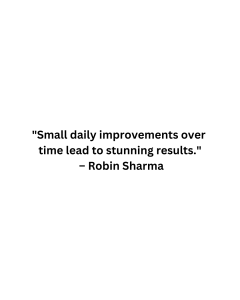
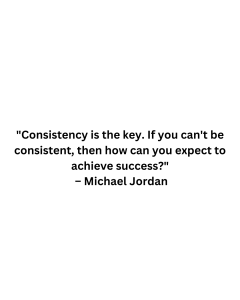
Inspirational Quotes To Boost Your Consistency

Sometimes, a simple quote can be a powerful reminder to keep going. 
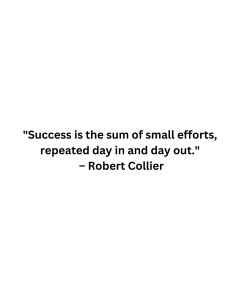
These quotes capture the idea that the little things we do consistently lead to success. They remind us that staying on track, even when it is hard, is what makes a difference.

One thing that has helped me stay consistent is reading my bible. I wished I started reading my bible earlier. This is why I created the coloring books, to get young people to start reading their bible.

Here is a free coloring page for you to try

Conclusion

Starting small is the best way to build consistency. Begin with manageable changes, stay determined, and gradually build on your habits. Every small step you take helps you move closer to your goals, making the journey to success more achievable and rewarding.

Remember, consistency is not about perfection but about making steady progress and staying committed to your path. By trusting the process and consistently putting in the effort, you will see the positive impact on your daily life, your relationships, and your personal growth. Embrace the power of consistency, and let it guide you towards a more fulfilling and successful life. 

Did you find this article helpful? Leave a comment below and definitely share this post with your friends.
 

What You Need to Know about the Parkinson’s Disease and How You Can Help

Living with Parkinson’s can bring a lot of anxiety. You may have many questions about the disease, and you may be looking for advice on managing symptoms like rigidity and stiffness.

This post explains Parkinson’s disease, whether you’re living with it yourself or you know someone who is. It will also show you how to help them.

If you want to support a loved one with Parkinson’s, understanding the disease and its symptoms is a good first step.

The power of lifestyle changes

In our journey toward understanding and embracing lifestyle changes for Parkinson’s management, stories have immense power – tales of resilience, triumph, and the human spirit’s unyielding resolve.

Imagine sitting down with individuals who have walked the path you now tread – individuals whose journeys have been marked by moments of doubt, fear, and uncertainty yet who have emerged stronger, wiser, and more resilient than ever. These voices guide us, illuminating the way forward with their wisdom, courage, and unwavering determination.

So, let’s lean in and listen closely to these stories – stories of ordinary people facing extraordinary challenges, setbacks transformed into stepping stones, and dreams realized against all odds.

The examples below are fictional and meant to illustrate what the research supports. Everyone’s Parkinson’s is different, so talk to your neurologist before changing your routine.

Sarah, diagnosed at 52

After her diagnosis, Sarah felt overwhelmed. Her neurologist adjusted her medication, and she also added walking and gentle yoga a few times a week. Over several months she found it easier to move through her day and felt less stiff. Exercise is one of the best-supported ways to help with mobility and balance in Parkinson’s, though it doesn’t reliably reduce tremor. She also talked to a dietitian about eating more fiber and fluids to help with constipation, and about spacing protein away from her levodopa doses, since protein can affect how well the medication works for some people.

John, diagnosed at 60

John loved golf and worried he would have to give it up. Alongside his medication, he joined a tai chi class. Tai chi has good research behind it for improving balance and reducing falls in mild to moderate Parkinson’s. John noticed he felt steadier on his feet, and he enjoyed the people in his class. He kept playing golf, with his doctor’s guidance on what felt safe.

Emily, diagnosed at 48

Emily has three young children, and her diagnosis added a lot of stress to an already full life. She stayed on her treatment plan and added short mindfulness sessions, plus regular coffee dates and book club with friends. Small studies suggest mindfulness can help with anxiety and quality of life, and staying connected matters because depression and isolation are common in Parkinson’s. These habits don’t treat the disease itself, but they helped her cope day to day.

Practical Tips for Implementing Lifestyle Changes

As we embark on the journey of incorporating lifestyle changes into our Parkinson’s management plan, it’s essential to equip ourselves with practical strategies and actionable steps. Think of it as charting a course on a voyage – with each step carefully planned and executed, we inch closer to our destination of improved well-being and symptom relief.

First and foremost, let’s set the stage for success by establishing realistic goals and expectations. It’s essential to recognize that change takes time and patience, and embracing a compassionate approach toward yourself is critical to long-term success. Start small, celebrate each milestone along the way, and remember that every step forward, no matter how small, is a victory worth honoring.

Next, craft a personalized plan tailored to your unique needs, preferences, and circumstances. What works for one person may not necessarily work for another, so it’s crucial to listen to your body, trust your instincts, and adjust as needed. Whether incorporating daily exercise routines, revamping your diet, or prioritizing stress-reduction techniques, your plan should reflect your journey toward more excellent health and vitality.

Lastly, let’s lean on the support of your healthcare team, caregivers, and loved ones as you navigate this terrain. They are your allies, advocates, and partners in this journey, offering guidance, encouragement, and unwavering support at every step. Feel free to reach out for help when needed, and remember that you’re always with others on this path.

Nutrition

Working with a healthcare provider or registered dietitian is essential to develop a personalized nutrition plan that meets your unique needs and preferences. Individuals can optimize their nutrition to manage their symptoms and improve their overall quality of life by focusing on nutrient-dense, whole foods and minimizing processed and sugary items.

Foods that may worsen symptoms

High-sugar foods and beverages: Excessive sugar intake can lead to fluctuations in blood sugar levels, potentially exacerbating symptoms such as fatigue and tremors.

Processed foods: Foods high in processed ingredients, additives, and preservatives may contribute to inflammation in the body, worsening symptoms of Parkinson’s.

High-fat foods: Consuming a diet high in saturated and trans fats has been linked to an increased risk of cardiovascular disease, which can indirectly impact Parkinson’s symptoms by affecting blood flow to the brain.

Foods that may alleviate symptoms

Antioxidant-rich foods: Fruits and vegetables such as berries, spinach, kale, and bell peppers are packed with antioxidants that help combat oxidative stress and inflammation in the body, potentially reducing symptoms of Parkinson’s.

Omega-3 fatty acids: Foods rich in omega-3 fatty acids, such as fatty fish (salmon, mackerel, sardines), flaxseeds, and walnuts, have anti-inflammatory properties that may help alleviate symptoms and support brain health.

Whole grains: Choosing whole grains such as brown rice, quinoa, oats, and whole wheat bread over refined grains can provide steady energy levels and support overall health, which may positively impact Parkinson’s symptoms.

Navigating Challenges and Celebrating Progress

Setbacks are not roadblocks; they’re detours that offer valuable lessons and opportunities for growth.

When faced with obstacles, it’s essential to approach them with patience, resilience, and a healthy dose of self-compassion. Remember, your struggles do not define you – you’re limited by how you rise above them. So, take a deep breath, gather your strength, and press on, knowing that each challenge conquered brings you one step closer to your goals.

And let’s remember to celebrate the wins, no matter how small. Whether mastering a new yoga pose, preparing a nutritious meal from scratch, or getting a good night’s sleep, every achievement is cause for celebration. So, take a moment to bask in the glow of your successes, acknowledging the hard work and dedication that brought you to this point.

Sleep

Ensuring restful sleep is vital for individuals managing Parkinson’s disease, yet sleep disturbances are common and can significantly impact overall well-being. Employing strategies to improve sleep hygiene and address these disturbances is critical to promoting better sleep quality and quality of life.

Establish a consistent sleep schedule

Aiming to go to bed and wake up simultaneously every day, even on weekends. This consistency helps regulate the body’s internal clock, promoting better sleep quality and a more stable sleep-wake cycle.

Create a relaxing bedtime

Creating a relaxing bedtime routine can signal the body that it’s time to wind down and prepare for sleep. Activities such as reading, taking a warm bath, or practicing relaxation techniques like deep breathing or meditation can promote relaxation and ease the transition to sleep.

Limiting stimulants and screen time before bed

Avoiding stimulants such as caffeine and nicotine in the hours leading up to bedtime can prevent interference with sleep quality. Additionally, reducing exposure to blue light from electronic devices like smartphones and computers can help regulate the body’s natural sleep-wake cycle.

Manage stress and anxiety

Stress and anxiety can significantly impact sleep quality, so relaxation techniques like mindfulness meditation, progressive muscle relaxation, or journaling can help reduce stress levels and promote a more peaceful state of mind before bedtime.

Finally, seeking medical evaluation and treatment is essential if sleep disturbances persist despite implementing these strategies. Medical professionals can assess for underlying issues contributing to poor sleep quality and recommend appropriate interventions, such as medication adjustments or treatments targeting specific sleep disorders.

By implementing these strategies and prioritizing sleep hygiene, individuals with Parkinson’s disease can take proactive steps to improve sleep quality and enhance their overall quality of life.

In conclusion

Your diagnosis does not define you. By supporting one another, sharing your stories, and embracing the journey with open hearts and minds, you can find strength, inspiration, and hope in the face of adversity.

Ready to take the next step towards optimizing your health and well-being on your Parkinson’s journey?

Subscribe to my blog and leave a suggestion for the next blog post below.

Are you sleeping through you alarm?

Have you ever felt irresponsible because you overslept? You couldn’t hear your alarms, even when you set them about 30 minutes apart. I promise I have been there too.

Have you figured out a way to subconsciously switch off your alarm when you are asleep, and now you feel at war with your alarm clocks? This is me on most days until I find a solution. Keep reading; I will share the secret of winning the war against the alarm clock.

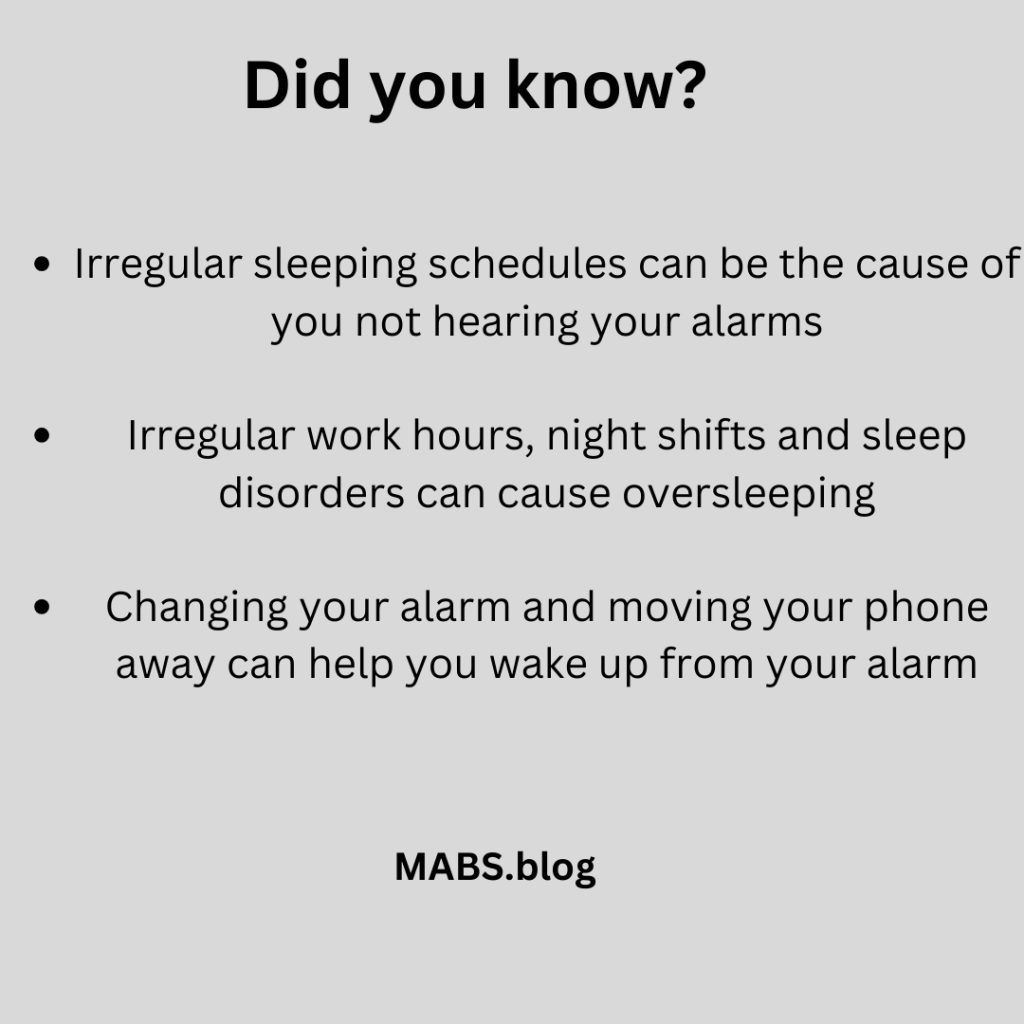
The first thing is to discover why you are oversleeping and not hearing your alarms. Here are some common reasons

1. You are not getting enough sleep

We each have our own biological sleep needs. It is the amount of sleep you need to wake up feeling refreshed and able to go about your day. It can be 7-9 hours, but if you are in medical school or on a tight schedule at work, you are lucky to get 5.

When you don’t get the sleep your body needs each night, you start to rack up sleep debt. If you are in a chronic state of sleep deprivation, then you might have sleep deprivation and a higher sleep drive, and you are probably not going to hear your alarms when they ring. 

2. You go to bed at the wrong time

Are you a morning person or a night owl? You need to figure that out so you schedule your sleep well. I am an early waker, so I must sleep early to wake up early. If you are a night owl, you need to find a way to adjust your sleep schedule to fit your activity time. 

3. You are spending too much time on social media

After a long day, you might want to reward yourself a little by scrolling through a few posts on social media, but unfortunately, you get trapped and find yourself mindlessly scrolling. Before you know it, it’s 1 am, but you must be up by 5 am. So you set up multiple alarms to wake you at 5 am or at least 5:30. But sadly, you couldn’t hear the alarm, and now it’s 8 am. Sounds familiar? Hehehe 

Now let’s discuss how to avoid sleeping through your alarms

1. Have a routine

Having a routine means going to bed at the same time and waking up at the same time every day. If having a routine is something plausible for you, try to work out a routine that benefits you.

For many who cannot work a routine out, the next best thing is sleeping the same hours daily. 

2. Dont press the snooze button

I have the magical power of switching off my alarm while asleep. For some people, they are in an infinite cycle of snoozing. Just keep your phone far from you before sleep, and let your alarm ring enough to annoy you out of bed. Then, grudgingly, make yourself a coffee or switch on the lights. 

3. Have good sleep hygiene

Sleep hygiene is a habit you develop to ensure you have quality sleep. Try reading a book before bed, eating a balanced meal, and exercising regularly. 

I remember how much my sleep improved once I started going to my gym. I could initiate sleep quickly and had a better motivation for waking up in the morning.

Speaking of motivation, you need to be motivated to wake up in the morning. Are you trying to wake up to study for a test or want more functional hours in your day? Find a way to be motivated to wake up. A cup of coffee, yummy leftovers, or a sweet conversation with your partner

4. Change your alarm tone

Having the same alarm for years can desensitize you from hearing it ring. So, changing the tone helps a lot. Furthermore, don’t set your alarm as your favorite song. Trust me, you will sleep through it or even dance to it in your dreams, haha.

Keep your alarm or phone a little distance from you; that way, you need to physically get up to stop it from ringing. 

5. Light 

Do not underestimate the power of light in waking you up; it works. Light from your phone or the lights in the bathroom work well, but you could also invest in light therapy alarm clocks  

In conclusion

Don’t beat yourself up for sleeping through your alarm. There are many solutions:

  • Have a sleep routine and good sleep hygiene.
  • Change your alarm clock.
  • Be motivated to wake up and use light to your advantage.

I hope you found this article helpful. Leave a comment below; I would like your feedback after trying these methods to ensure you wake up on time.