
Today was the first of my many future night shifts. I am excited, of course, and proud to be here. I have been in many surgical rooms, just watching how the surgeon starts every surgery by meticulously cleaning their patients’ skin with betadine. Betadine is a brown solution that aims to kill most microorganisms on the skin.
This article will discuss the indications and mechanisms of action of betadine.
Surgeons have been using betadine for many years to treat and prevent infections. It is iodine. I remember my grandmother (she is a retired nurse) cleaning my minor childhood wounds with iodine. It stings so bad, but of course, it does the job by cleaning the damage, preventing infection, and preventing multiple trips to the hospital.
Iodine is a natural substance that contains antibacterial properties. It is frequently used to disinfect surfaces and surgical incisions.
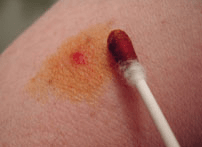
Why do surgeons prefer to use betadine?
Betadine is still in use because it has good efficacy and is generally well tolerated. It is easy to use and cheap. Betadine has a wide range of activity and can penetrate biofilms (thick clusters or plaques of bacteria). Additionally, betadine has little resistance; it has anti-inflammatory qualities and low cytotoxicity.
Today I watched my teacher use betadine to wash a fistula; it was so cool to watch; she said betadine could even activate cell regeneration because it causes minor stress to cells, which triggers the cell to increase.
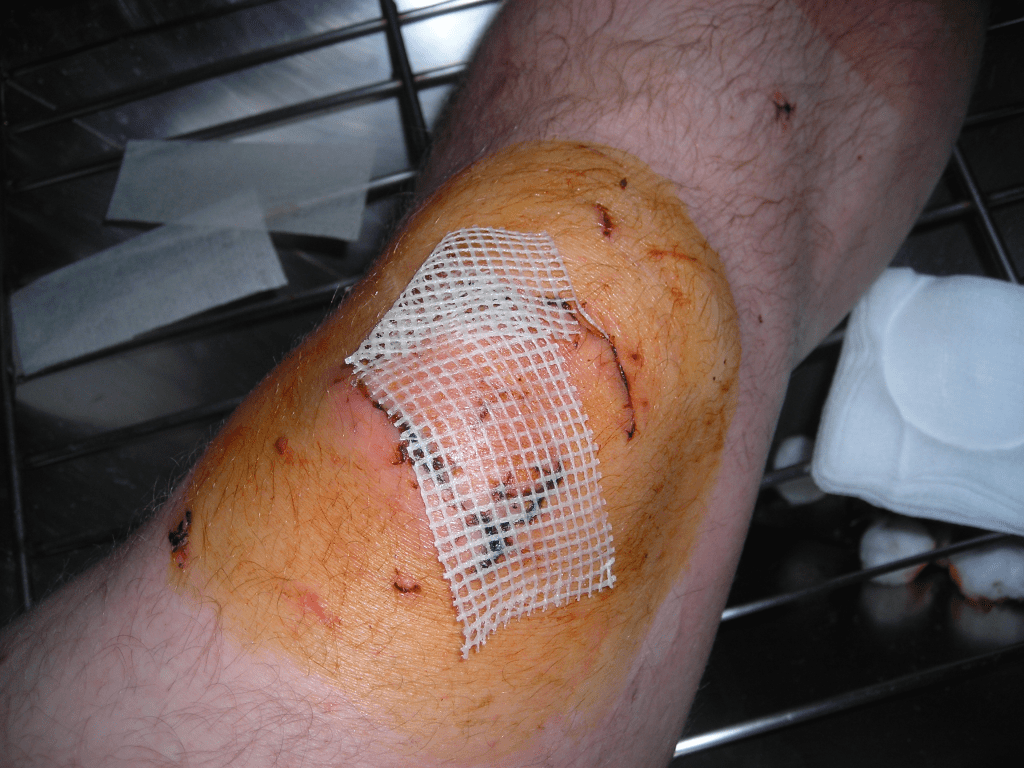
What is the mechanism of action of betadine?
As stated earlier, iodine is the main active component of betadine. Our bodies require iodine as a vital mineral to operate properly; it is essential for thyroid function. We will discuss thyroid functions in another article. Betadine is a potent antiseptic that works well on many bacteria, viruses, and fungi. Betadine destroys germs and other microbes when applied to the skin by releasing free iodine.
Iodine is a small molecule that readily penetrates microorganisms and oxidizes essential proteins, nucleotides, and fatty acids, leading to death. This means that betadine is bacteriocidal.
Betadine comes in different forms, including liquid, gel, and spray. The most prevalent version is a liquid rubbed onto the skin or wound with a cotton swab or gauze pad. Applying the gel and spray forms to vast regions or hard-to-reach locations is simpler.
If used as instructed, betadine is often safe and well tolerated. But in certain people, it might lead to allergic reactions and skin irritability. Furthermore, people with thyroid problems and those allergic to iodine should not use betadine.
What are the indications for betadine?
Betadine is applied directly to the skin to treat or prevent skin infection in minor burns, scrapes, and wounds. In a medical setting, betadine is also used to help heal skin wounds, pressure sores, and surgical incisions, as well as to prevent infection.
Several infections, such as those at surgical sites, those on the skin, and those in open wounds, can be prevented and treated using betadine. It is frequently used to avoid infection before and after surgery and to treat infections of the mouth, throat, and genitalia.
Why are wounds treated with betadine?
Iodine, which is released by betadine, kills a variety of germs. Since betadine may be purchased over the counter, many individuals utilize it as a natural cure to stop wound infections.
Is betadine an antibiotic?
You can call it an antibiotic because it halts or delays bacterial development.
Can I apply betadine if I have an open wound?
I recommend you visit a clinic if you have cuts. Betadine can be used to treat acute and chronic wounds and has a broad spectrum of antimicrobial action with effectiveness against bacteria, mycobacteria, fungi, protozoa, and viruses.
In conclusion
Betadine is a potent antiseptic frequently used to prevent and treat infections. It comes in a variety of forms and is effective against a large variety of bacteria, viruses, and fungi.
Consult your doctor or other healthcare practitioner to see whether betadine is appropriate for you if you have an infection or are considering surgery.
Next week, we will discuss wound management. Keep an eye out.
Did you find this article interesting? Leave a comment and tell me if you have used betadine before.


Great article! Betadine has been a go-to antiseptic for a long time and it’s interesting to learn about its mechanisms of action and indications. Looking forward to reading more articles like this.
LikeLike
Thank you, omg 🥰
LikeLike
Iodine cured my fungi infection.
LikeLike