
Being a medical student isn’t just about memorizing facts or passing exams. It’s about preparing for a career where your decisions and compassion directly impact lives. While lectures, labs, and clinical rotations play their part, one powerful (and often overlooked) way to grow during your medical journey is through volunteering.
Whether you’re assisting at a hospital, helping at a free clinic, or participating in community outreach programs, volunteering as a medical student offers a range of benefits that extend far beyond academics.
Here’s why it’s worth your time—even when your schedule is already packed.
How to Start Volunteering as a Medical Student A Simple 6-Step Guide
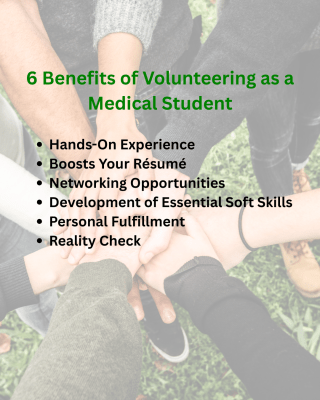
“Volunteering in rural areas helped me understand the public health gaps in my country—and that inspired me to pursue global health.”
— Ife, 4th-year medical student
Want to know how to get involved in meaningful volunteer work that complements your journey? Download this FREE checklist PDF to get started today.
1. Hands-On Experience
Volunteering gives you real-world exposure to medical environments that textbooks can’t replicate. Whether you’re shadowing doctors, helping with administrative tasks, or offering basic care, you’re getting a front-row seat to medicine in action.
One underrated but powerful way to volunteer is by offering your digital skills—like writing for medical websites or creating educational graphics. We live in a digital world, and helping healthcare professionals spread knowledge online goes a long way.
This experience helps you:
- Bridge the gap between theory and practice
- Get exposure to different specialties and patient populations
- Build comfort and confidence in clinical settings
It’s a valuable preview of your future role—and a head start on becoming the kind of doctor patients trust.
2. Boosts Your Résumé
Volunteering showcases more than just skills—it highlights your character. Residency programs and employers look for candidates who take initiative, give back to their communities, and pursue growth beyond the classroom.
It shows that you:
- Are committed to healthcare beyond grades
- Have a passion for service
- Are willing to go the extra mile
These are the qualities that set you apart during interviews and applications.
3. Networking Opportunities
Volunteering isn’t just about service—it’s about connection. You’ll meet doctors, nurses, public health professionals, and peers who could become lifelong mentors or collaborators. Building your network early opens doors you didn’t even know existed.
Benefits include:
- Insightful career advice
- Letters of recommendation
- Opportunities for research or shadowing
Last summer, I volunteered with an organization supporting lupus warriors. I managed content and helped design materials. During that time, I learned so much about lupus, improved my leadership and communication skills, and made great friends. That experience changed me.
4. Development of Essential Soft Skills
Medicine is about more than clinical knowledge. Volunteering allows you to develop the interpersonal skills that define excellent healthcare providers.
You’ll sharpen skills like:
- Empathy: Connecting with patients on a human level
- Communication: Explaining medical concepts clearly and kindly
- Teamwork: Adapting, supporting, and collaborating in diverse environments
These “soft” skills are the heartbeat of medical care.
5. Personal Fulfillment
Volunteering gives meaning to your long hours of study. Whether you’re educating a community, comforting a patient, or simply showing up—you’re making a real difference.
This impact:
- Boosts your sense of purpose
- Keeps you motivated through tough academic seasons
- Reaffirms your ‘why’ for pursuing medicine
In a field as demanding as medicine, emotional fuel like this is invaluable.
6. Reality Check
The medical field isn’t always glamorous. Volunteering offers a safe space to witness its emotional, ethical, and logistical challenges.
It helps you:
- Test your resilience and stress tolerance
- Discover your strengths and limitations
- Make informed decisions about your specialty and career path
Better to find out now what you’re made of—before the stakes get higher.
Where to Start Volunteering Today:
- Red Cross
- Volunteer Match
- Student-run clinics or local NGOs
- Hospitals, public health campaigns, digital health platforms
Conclusion
Volunteering as a medical student is one of the smartest, most fulfilling choices you can make. You’re not just gaining experience and boosting your résumé—you’re growing as a human being. You’re developing the empathy, wisdom, and resilience that medicine demands.
So whether it’s a few hours a month or part of your summer break, make space in your journey to give back. The more you serve, the more you gain.
What’s one volunteer experience that changed your perspective? Share in the comments below!
Want to know how to get involved in meaningful volunteer work that complements your journey? Download this FREE checklist PDF to get started today.

 MABS
MABS 
admirable! Tensions Escalating Between [Countries] Over [Dispute] 2025 lovely
LikeLike