Financial habits of Successful women

This article will inspire you to take charge of your finances


1. Set Clear Financial Goals

  • Successful women create specific, measurable, achievable, relevant, and time-bound (SMART) goals.
  • Example: Saving for a house, building an emergency fund, or planning retirement.

2. Budget and Stick to It

  • They track their income and expenses using tools, apps, or spreadsheets.
  • A budget helps them know where their money goes and ensures they prioritize savings and investments.

3. Prioritize Saving

  • They consistently save a portion of their income, no matter how small.
  • They often automate savings to ensure consistency.

4. Invest Wisely

  • Successful women understand the power of compound interest and invest in stocks, mutual funds, ETFs, or real estate.
  • They seek to grow their wealth instead of just saving it.

5. Educate Themselves About Money

  • They take time to learn about personal finance, investing, and market trends.
  • They read books, listen to podcasts, or consult financial advisors.

6. Avoid Lifestyle Inflation

  • They live below their means and resist the urge to upgrade their lifestyle as their income increases.
  • They focus on needs over wants and save the extra income.

7. Have an Emergency Fund

  • They maintain a fund covering 3-6 months of expenses to safeguard against unexpected events like job loss or medical emergencies.

8. Pay Off Debt Strategically

  • They tackle high-interest debts first (like credit cards) and avoid accumulating unnecessary debt.
  • They use strategies like the snowball or avalanche method to eliminate debt.

9. Negotiate and Advocate for Themselves

  • Whether it’s a salary raise, a better deal on purchases, or lower interest rates, successful women negotiate to get the best value.

10. Protect Their Assets

  • They ensure they have adequate insurance (health, life, home, auto) to protect themselves financially.
  • They also have a will or estate plan to safeguard their wealth for the future.

Would you like tips on implementing these habits?


11 Ways You’re Sabotaging Your Own Productivity

Productivity is crucial for success in our fast-paced world, but various obstacles often derail our progress. Social media has to be one of the biggest culprits today, but there is also going out too much with friends, oversleeping, and chronic procrastination. In this post, we will discuss 11 things that are harming your productivity.

Productivity measures how efficiently tasks are completed. It’s about maximizing output—whether that’s work done, goals achieved, or problems solved—in the least amount of time with the best use of resources, including effort and energy. 

Why Productivity is Needed

Productivity helps you reach your personal and professional goals faster and more efficiently. When you’re productive, you can accomplish more in less time, moving you closer to success in whatever area you focus on. Productivity isn’t just about speed; it also involves maintaining quality. Efficiently managing time and resources allows you to focus on delivering high-quality work.

High productivity ensures time is used wisely, helping you effectively manage and balance your tasks. When you’re productive, you avoid spending excessive time on low-priority tasks and can free up time for essential activities.

When productivity is low, stress often increases because tasks pile up and goals are out of reach. Being productive can reduce this stress by creating a sense of accomplishment and control over your work and time. Being productive often gives a sense of purpose and fulfillment. It allows individuals to focus on meaningful work and see tangible progress, which can be highly motivating.

When you’re productive, you can easily handle challenges and adapt to changes. But sometimes, we are in our own way. And it causes our productivity levels to drop.

11 Ways You’re Sabotaging Your Own Productivity

1. Multitasking

Multitasking might seem like a productivity booster, but studies reveal it can significantly reduce efficiency. Each time you switch tasks, your brain requires time to refocus, resulting in a productivity loss known as the “switch cost.” Multitasking leads to errors, slower completion times, and increased stress.

Instead of multitasking, practice “single-tasking” by prioritizing one task. To maintain your focus, try techniques like time-blocking or the Pomodoro method.

2. Lack of Clear Goals and Prioritization

Without clear goals, it’s easy to feel overwhelmed or unsure where to start. Unclear priorities can lead to procrastination or focusing on low-value tasks instead of high-impact ones.

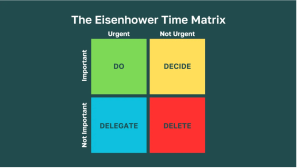
Start each day by listing your top three goals and setting specific, measurable objectives. Tools like the Eisenhower Matrix can help you prioritize tasks based on urgency and importance.

3. Social Media, Phone Notifications, and Interruptions

Distractions are everywhere—social media, notifications, and other interruptions steal valuable time and disrupt focus. A study found that it can take over 20 minutes to refocus after a distraction.

Limit distractions by turning off notifications, setting designated times to check emails and social media, and using productivity apps to block distracting websites. Try working in a quiet space or using noise-canceling headphones to minimize interruptions.

4. Burnout and Lack of Self-Care

Pushing yourself too hard without taking breaks or focusing on self-care can lead to burnout, which can severely impact productivity. Burnout causes mental and physical exhaustion, reduced creativity, and a lack of motivation.

Schedule regular breaks throughout your day and take time for activities you enjoy outside of work. Incorporate physical activity, good nutrition, and quality sleep into your routine for sustained energy and focus.

5. Poor Time Management

With adequate time management, it’s easier to maintain track of priorities, procrastinate, or get bogged down in unimportant details. This results in wasted time and rushed deadlines.

Adopt time management techniques like the Pomodoro Technique, time-blocking, or the “two-minute rule” to manage your time efficiently. Set specific deadlines for tasks, even if they’re self-imposed.

Free Top view of anonymous woman in casual wear sitting on floor with laptop and smartphone and creating plan on notebook while resting during break in modern living room Stock Photo

6. Overcommitting and Inability to Say “No”

Trying to do everything and please everyone leads to an overload that compromises productivity. Taking on too many tasks often results in lower-quality work and stress.

Learn to say “no” when your schedule is complete or a task doesn’t align with your priorities. Use phrases like “I’d love to help, but I don’t have the capacity right now.” Delegating tasks when possible also reduces your workload.

7. Perfectionism

Perfectionism can be paralyzing. It leads to overthinking and spending too much time on small details, which can cause delays, frustration, and reduced output.

Set realistic standards for yourself and recognize that perfection isn’t always necessary. Use the 80/20 rule—focus on the 20% of effort that produces 80% of the results. Set time limits for tasks to avoid dwelling on details.

8. Inadequate Sleep

Sleep is essential for cognitive function, mood, and overall well-being. Lack of sleep leads to reduced focus, slower information processing, and lower productivity.

Aim for 7-9 hours of sleep each night. Create a sleep routine by going to bed and waking up at the same time daily, and avoid caffeine or screen time before bed.

9. Poor Physical Health and Lack of Exercise

Physical health is directly linked to mental clarity and energy levels. A sedentary lifestyle, poor diet, and lack of exercise can contribute to low energy and reduced productivity.

Incorporate physical activity into your day, even just a short walk or stretching break. Eat a balanced diet to fuel your brain, and drink plenty of water to stay hydrated.

10. Cluttered or Unorganized Workspace

A cluttered workspace can lead to an untidy mind. An unorganized environment makes it hard to find what you need and can even contribute to stress and distractions.

Take a few minutes each day to tidy your workspace. Keep essential items within reach and create a filing system for documents. Digital tools like task managers can also help keep your digital workspace organized.

11. Negative Mindset and Lack of Motivation

A negative mindset can lead to self-doubt, procrastination, and resistance to challenging tasks. This mindset makes it hard to stay motivated, focused, and productive.

Practice gratitude, focus on your achievements, and set small, achievable goals to build momentum. Surround yourself with positive influences and take regular breaks to recharge. If unmotivated, try breaking large tasks into smaller, manageable steps.

Conclusion

Productivity isn’t just about working harder—it’s about working smarter. Recognizing and addressing these productivity pitfalls can help you reclaim control of your time, increase efficiency, and ultimately lead to more satisfaction and success in your work and personal life.

Did you find this article interesting? Leave a comment below

Separation of Task

This post will discuss the second key concept in the book The Courage to Be Disliked. Remember, we discussed the issue of happiness being a choice in the previous post.

The concept of “separation of tasks” in The Courage to Be Disliked is a central idea derived from Alfred Adler’s psychology.

It revolves around the idea that many of life’s struggles arise from not understanding which tasks belong to us and which belong to others.

By clearly identifying and separating these tasks, we can reduce unnecessary stress, conflicts, and anxiety.

What is a Task?

A “task” refers to any responsibility or problem that arises in daily life. It could be anything from your own decisions, actions, and feelings, to the opinions, reactions, or judgments of others.

The idea is to discern whether a given task is within your control or not.

Your Task

  • Explore yourself and your autonomy
  • Find out what your strengths and weaknesses are
  • Understand yourself and aim for growth
  • Improve your decision making skills
  • Have a open and flexible mind
  • Contribute positively to the society

Determining Whose Task it Is

To separate tasks effectively, the book suggests asking: “Who will ultimately face the consequences of this decision or action?” If you will bear the outcome, then it’s your task.

If someone else will, then it’s their task.

For example, deciding what career to pursue is your task, as you will live with the consequences. However, how others perceive your career choice is their task, not yours.

Avoiding the Interference in Others’ Tasks

The book stresses the importance of not intervening in tasks that belong to others. For instance, parents may want to control their child’s choices to ensure they succeed, but if the child ultimately faces the consequences, then it’s the child’s task. When people interfere in others’ tasks, they create tension and conflict, often leading to resentment or dependency.

Liberating Yourself from Others’ Judgments

A key application of the separation of tasks is freeing yourself from the need for approval or validation from others.

The book argues that how others feel about you is their task, not yours. Your task is to live authentically according to your values.

This separation allows you to focus on what you can control—your own actions, decisions, and attitudes—rather than being preoccupied with others’ opinions or reactions.

Improving Interpersonal Relationships

Understanding the separation of tasks can also help improve relationships by reducing conflict.

When you focus on your own tasks and respect others’ autonomy to handle theirs, you avoid the stress and frustration that come from trying to control situations outside your realm of influence. It promotes a healthier dynamic where each person takes responsibility for their own life.

How To Improve interpersonal Relationships

  • Listen, understand their message, acknowledge what they’re saying, and respond thoughtfully

  • Share your thoughts and feelings clearly and respectfully. 

  • Show empathy 

  • Set your boundaries and respect other people’s boundaries

  • Be open to receiving feedback without taking it personally, and offer feedback kindly and constructively.

  • Be supportive of others’ goals and challenges. 

  • When disagreements occur, address them directly but respectfully. Avoiding passive-aggressive behavior, blame, and defensiveness. 

  • Make a concerted effort to be present and engaged during these times.

  • Trust is essential for strong, enduring relationships.

  • Regularly express gratitude for the other person’s presence and contributions to your life. 

  • When you are healthy and fulfilled on your own, you are more likely to bring positivity and balance to your relationships.

  • Try to fully understand the other person’s point of view before explaining your own. 

Taking Ownership of Your Life

Separation of task encourages people to take ownership of their happiness and well-being, rather than blaming others or external circumstances. By recognizing which tasks are truly yours, you can make conscious decisions to shape your lives in a positive direction, rather than being dragged down by factors beyond your control.

Happiness is a Choice- Summary of “The Courage to Be Disliked”

The “Courage to Be Disliked by Ichiro Kishimi and Fumitake Koga is a dialogue between a philosopher and a young man. They discuss the principles of Alfred Adler’s psychology.

One of the things I love about the book is its views on happiness, interpersonal relationships, and the pursuit of meaning.

This blog post will be the first part of 6 key concepts in the  book. Happiness is a choice.

Key concepts

  • Happiness is a choice
  • Identifying your task and what is not your task
  • All problems are interpersonal relationships
  • People’s behaviour and mindsets are based on their goals
  • Living in the moment
  • Courage to prioritise your values over being liked

We will discuss these basic concepts in upcoming blog posts, so stay tuned and keep your eyes out for new updates.

Happiness is a Choice

The idea that “happiness is a choice” is rooted in the belief that individuals have control over how they perceive and respond to their circumstances.

The book argues that happiness isn’t something that happens to you based on external events, but rather, it’s a decision you actively make. You choose to be a happy.

You have power over your thoughts, emotions and reactions. Your thoughts, emotions and reactions are not determined by external forces like friends, colleagues, family or negative situations.

By choosing how you interpret situations, you can influence your own happiness.

For example, getting a B in a test shouldn’t make you too much upset to the extent that it influences your emotions or reactions. Rather, see the B as a motivation to work harder for a better grade.

Choosing happiness means living in alignment with your own values and goals, rather than constantly seeking approval or trying to meet others’ expectations. When you prioritize what genuinely matters to you, it becomes easier to find contentment, as your sense of worth and joy is based on your own choices, not others’ judgments.

According to Adlerian psychology, many people struggle with feelings of inferiority because they compare themselves to others.

Happiness can be achieved by choosing to accept yourself as you are, focusing on your strengths, and setting your own benchmarks for success rather than relying on comparisons.

The authors argue that people often use their circumstances or emotions as excuses to avoid making changes or facing fears. For example, someone might say,

“I can’t be happy because of my past experiences.”

However, Adler’s perspective is that this person has chosen to let the past determine their present.

Instead, by setting positive, meaningful goals and pursuing them, one can decide to prioritize happiness over dwelling on past grievances or perceived limitations.

Choosing happiness also involves embracing imperfection—in oneself, in others, and in life. The book encourages acknowledging that it’s okay not to have everything figured out and that life is inherently filled with ups and downs. By accepting these imperfections, you reduce the stress associated with striving for unrealistic standards and open up more room for genuine happiness.

Happiness isn’t about eliminating problems or achieving certain milestones, but about how you approach life’s challenges.

By choosing to see difficulties as opportunities for growth or opting to focus on the present rather than dwelling on the past, you take an active role in shaping your happiness.

How to Focus on your Strength

  • Reflect on past successes
  • Use your strengths to achieve your goals
  • Apply your strengths in different ways
  • Practise and improve your strongest skill
  • Outsource tasks that don’t align with your strengths

What are some Benchmarks for Success

  • Mastering a skill
  • Forming a good habits
  • Promotion or salary increase
  • Networking growth
  • Recognition and awards
  • Investment goals
  • Fitness goals
  • Consistency
  • Quality time with family
  • Emotional stability
  • Community involvement

Things to do to Prioritize Your Happiness

  • Set boundaries
  • Practise self-care (exercise, journaling, prayer)
  • Connect with people that uplift your spirit
  • Disconnect from toxic relationships
  • Try out new hobbies
  • Spend time in nature
  • Declutter
  • Practise gratitude
  • Unplug from social media
  • Volunteer
  • Practise random acts of kindness
  • Stay open to new experiences

If you would like to read the book, click here

Did you learn something new from this post? If yes, please share it in the comment section.

Integrity

Woman smiling

Integrity is the quality of being honest, trustworthy, and having strong moral principles. It means doing the right thing, even when no one is watching. Integrity is essential to any community, influencing every aspect of life. 

In this blog, we will explore why Integrity is essential, how it influences society, its benefits, the challenges to maintaining it, and how promoting Integrity can lead to a more equitable and harmonious world.

What is Integrity?

At its core, Integrity refers to the alignment between a person’s actions and their moral beliefs. It is the unwavering commitment to truth, honesty, and fairness, even when faced with temptations or challenges. A person with Integrity acts consistently with their values, regardless of external pressures. This means they are truthful and dependable and stand by their principles even when no one is watching.

Integrity is not limited to individual actions. It also applies to collective efforts like those of businesses, governments, and institutions. Organizations that prioritize Integrity focus on ethical practices, transparency, and fairness. These values build trust between the organization and the public, fostering a positive relationship that benefits both parties.

Why Integrity is Important in Personal Life

Having Integrity means keeping promises, being truthful, and standing up for what’s right, even when it’s hard. When you act with Integrity, people know they can trust you because your words and actions always match.

Integrity plays a significant role in shaping who we are as individuals. When we live with Integrity, we make decisions based on what we know is right, not just what’s easy or popular. This helps us stay true to our values and avoid regrets later on.

Benefits of Integrity in Personal Life and Relationships

Having Integrity brings many benefits that can positively impact your life. One of the most significant advantages is the trust and respect you earn from others. When people know you are honest and dependable, they’re more likely to value your friendship, listen to your ideas, and count on you in critical situations.

Integrity also helps us build strong, lasting relationships. People are drawn to trustworthy and dependable people because they know they can count on them. When you act with Integrity, you’re more likely to attract positive, supportive people into your life. Friends, family, and co-workers appreciate knowing they can trust you to be honest, keep your promises, and stand by your values. This trust strengthens relationships and creates stronger bonds.

Another benefit of living with Integrity is the peace of mind it gives you. When your actions align with your values, you don’t have to worry about covering up lies, pretending to be someone you’re not, making excuses, or feeling guilty. Instead, you can feel proud of your choices and confident in who you are. This sense of inner peace helps reduce stress, boosts your self-esteem, helps you face challenges, and enables you to make better decisions in life.

Integrity also helps build a positive reputation. Whether at school, in the workplace, or your community, people will recognize you as someone who stands for what’s right. This can open new opportunities like leadership roles, promotions, or solid personal connections.

Overall, Integrity improves one’s life and helps create a positive environment where trust, honesty, and respect can thrive. Living with Integrity endears one to everyone.

Integrity in the Workplace

Integrity is one of the most important qualities you can bring to the workplace. It means being honest and reliable and doing what you say you will, even when no one is watching. When you act with Integrity at work, you build trust with your boss, co-workers, and clients. This trust is the foundation of a positive and productive work environment.

Having Integrity also means taking responsibility for your actions. If you make a mistake, admitting and fixing it shows you’re honest and accountable. People respect those who own up to their errors instead of trying to cover them up or blame others. This kind of honesty helps create a workplace culture of fairness and transparency.

Leaders who act with Integrity set an excellent example for their teams. Employees who see their boss acting ethically and somewhat are likelier to do the same. This improves team morale, encourages collaboration, and can even increase the business’s overall success. 

The Importance of Integrity in Society

Integrity plays a vital role in maintaining the balance and functionality of a society. It is the bedrock for trust between individuals, organizations, and the broader community. Here are some key ways Integrity influences society:

1. Building Trust Among Citizens and Institutions

Trust is the glue that holds society together. When individuals act with Integrity, they are seen as reliable, dependable, and trustworthy. This fosters healthy relationships between people, whether they are family members, friends, or strangers. In contrast, when trust is broken, dishonest acts or unethical behavior can lead to suspicion, resentment, and conflict.

On a larger scale, Integrity builds trust between citizens and institutions, such as governments, businesses, and non-profit organizations. When people believe these entities are acting ethically and in the public’s best interest, they are more likely to support and cooperate with their goals.

Conversely, a lack of Integrity in institutions can lead to public mistrust, skepticism, and even social unrest.

2. Creating Ethical Leadership

Integrity is essential for effective leadership. Leaders who act with Integrity earn the respect and loyalty of those they lead, whether in the public sector, private companies, or community organizations. Such leaders are more likely to make fair, ethical decisions that benefit the greater good rather than prioritizing their interests.

Ethical leaders also serve as role models, encouraging others to act with Integrity in their own lives. When leaders demonstrate honesty, fairness, and accountability, they set a positive example that inspires others to uphold these values. In contrast, when

Leaders act unethically or are caught in scandals, which undermines public trust and can erode society’s moral fabric.

3. Supporting Social Justice and Fairness

Integrity plays a key role in promoting social justice and fairness. A society built on Integrity ensures that all individuals are treated with dignity and respect, regardless of their background, beliefs, or socioeconomic status. Laws, policies, and institutions should reflect these values, providing equal opportunities and protection for all citizens.

When Integrity is absent, discrimination, corruption, and injustice can flourish. Inequities in access to education, healthcare, and legal rights are often the result of a lack of Integrity within societal systems. By prioritizing Integrity, societies can create more just and equitable conditions for all members, ensuring fairness prevails in all areas of life.

4. Encouraging Ethical Business Practices

Integrity is critical in the business world. Companies that act with honesty and fairness gain the trust of their customers, employees, and investors. This trust is essential for long-term success, as it fosters loyalty, enhances reputation, and attracts new opportunities.

Ethical business practices include:

  • Treating employees fairly.
  • Providing quality products or services.
  • Being transparent about company policies.

When businesses prioritize profits over people or engage in dishonest practices, they can lose trust, damage reputations, and face legal consequences.

In contrast, companies that act with Integrity often build stronger relationships with their stakeholders, leading to tremendous long-term success and positive societal impacts.

5. Strengthening Community Bonds

Communities thrive when Integrity is at the heart of social interactions. When neighbors trust one another, schools teach the value of honesty and accountability, and local leaders act ethically, communities become safer and more cohesive.

Integrity helps individuals engage in acts of kindness, fairness, and responsibility that strengthen community bonds. It fosters a shared responsibility for the common good, encouraging people to work together to solve problems and improve their surroundings. In contrast, communities can become divided without Integrity, and social cohesion weakens.

Challenges to Integrity in Society

Despite its importance, maintaining Integrity in society can be challenging. Many challenges threaten the practice of Integrity at both the individual and collective levels:

1. Temptation and Short-Term Gains

One of the biggest challenges to Integrity is the temptation to seek short-term gains at the expense of ethical behavior. In many situations, people may be tempted to lie, cheat, or cut corners to achieve personal goals, such as gaining wealth, power, or recognition. However, these actions can have long-term negative consequences, eroding trust and damaging relationships.

Companies may face pressure to prioritize profits over ethical practices in the business world, leading to decisions that harm customers, employees, or the environment. Similarly, in politics, leaders may be tempted to make decisions that benefit themselves or their supporters rather than acting in the public’s best interest.

2. Cultural and Societal Pressures

Cultural and societal norms can also challenge individuals’ ability to act with Integrity. In some cases, societal expectations may prioritize success, wealth, or status over honesty and fairness, leading individuals to compromise their values in pursuit of these goals.

Additionally, peer pressure can play a significant role in undermining Integrity. For example, individuals may feel compelled to act dishonestly or unethically to fit in with a group or avoid criticism. Overcoming these pressures requires a solid commitment to one’s values and the courage to stand up for what is right.

3. Corruption and Lack of Accountability

Corruption is one of the greatest threats to society’s Integrity. When individuals or institutions engage in corrupt practices such as bribery, fraud, or favoritism, they undermine trust in the systems meant to ensure fairness and justice. Corruption can lead to unequal access to opportunities, resources, and services, perpetuating social inequalities and fostering cynicism among citizens.

A lack of accountability further demonstrates a lack of Integrity. When individuals or organizations are not held accountable for unethical behavior, it sends the message that Integrity is optional and that dishonesty or corruption can go unpunished. Strengthening accountability systems, such as transparent legal processes and ethical oversight, is essential for promoting Integrity in society.

Promoting Integrity in Society

Despite the challenges, Integrity can be cultivated and promoted at individual and societal levels. Here are some ways to encourage Integrity:

1. Education and Early Development

Teaching Integrity from a young age is essential for shaping ethical behavior in adulthood. Schools and parents play a crucial role in instilling values such as honesty, fairness, and responsibility in children. Educators can help students develop the moral compass needed to make ethical decisions by teaching students about the importance of Integrity.

Lessons on Integrity should go beyond simply telling students to be honest; they should also involve discussing real-world situations where Integrity is tested. Encouraging students to reflect on ethical dilemmas and consider the consequences of their actions can help them build solid moral reasoning skills.

2. Ethical Leadership and Role Models

Ethical leadership is critical for promoting Integrity in society. Leaders in government, business, education, and other fields should lead by example, demonstrating the importance of honesty, accountability, and fairness in their actions. When leaders act with Integrity, they inspire others to do the same.

Public recognition of ethical leaders and role models can also encourage Integrity. Highlighting individuals or organizations that uphold strong moral values can be a positive example for others. This can be done through awards, media coverage, or community recognition programs.

3. Strengthening Accountability Systems

Creating systems that promote transparency and accountability is essential for maintaining Integrity in society. Governments, businesses, and organizations should have clear ethical guidelines and enforceable standards for behavior. Whistleblower protections, legal consequences for unethical behavior, and public oversight can help deter corruption and dishonesty.

In addition to formal accountability measures, individuals should be encouraged to hold themselves and others accountable for their actions. 

4. Fostering Open Dialogue

Encouraging open dialogue about Integrity and ethics can help raise awareness of its importance in society. Public discussions, forums, and educational programs on ethics can give individuals the tools and knowledge to navigate ethical dilemmas in their personal and professional lives.

Communities and organizations can also create spaces for dialogue about integrity-related issues, allowing individuals to share their experiences and reflect on how to uphold moral values in everyday situations. 

The Long-Term Benefits of Integrity in Society

A society that values and promotes Integrity reaps numerous long-term benefits that enhance social cohesion, economic prosperity, and overall well-being. When individuals, leaders, and institutions act with honesty and fairness, the entire community benefits in various ways:

1. Enhanced Trust and Cooperation

Integrity fosters a culture of trust, which is essential for the smooth functioning of any society. When people believe others will act honestly and keep their promises, they are more likely to cooperate and collaborate. This trust allows for stronger relationships between individuals, organizations, and institutions.

In trust-based communities, people are more willing to engage in collective efforts, whether participating in local events, volunteering, or supporting community initiatives. This cooperation can lead to more effective problem-solving and innovation as diverse groups come together to address shared challenges.

2. Increased Social Stability

Integrity contributes to social stability by reducing conflict and fostering a sense of security among citizens. People who trust their neighbors, leaders, and institutions feel more secure in their environment. This stability allows communities to thrive and grow, as citizens are more likely to invest their time, resources, and energy into improving their surroundings.

In contrast, a lack of Integrity can lead to mistrust, resentment, and social unrest. Societies plagued by corruption and dishonesty often experience higher crime, violence, and political instability. By promoting Integrity, societies can create a safer and more stable environment for all members.

3. Economic Prosperity

Integrity plays a crucial role in driving economic growth and prosperity. Businesses with Integrity attract loyal customers, build strong supplier relationships, and create positive workplace cultures. When transparent and honest, companies gain consumers’ trust, increasing sales and customer retention.

Furthermore, ethical business practices can enhance a company’s reputation, making it more attractive to investors and potential partners. When businesses prioritize Integrity, they contribute to a fair marketplace, where competition is based on quality and value rather than deceitful tactics.

On a broader scale, a society that values Integrity is likely to attract domestic and foreign investment. Investors are more inclined to invest in countries committed to ethical practices, rule of law, and transparency. This investment can lead to job creation, innovation, and economic growth.

4. Stronger Democratic Institutions

Integrity is fundamental to the functioning of democratic institutions. When government officials and public servants act with Integrity, they uphold the principles of accountability, transparency, and fairness essential for a healthy democracy.

Citizens are more likely to participate in the democratic process, such as voting, attending town hall meetings, and engaging in civic activities when they believe their leaders are acting in the public’s best interest.

Moreover, a commitment to Integrity in governance can help reduce corruption and promote the rule of law. When citizens trust that their leaders will act ethically and uphold their promises, they are more likely to support democratic processes and institutions, leading to a more engaged and informed electorate.

5. Improved Quality of Life

A society prioritizing Integrity ultimately leads to a higher quality of life for its members. When individuals feel safe, trusted, and respected, their well-being improves. Access to opportunities, resources, and services is more equitable when Integrity is upheld, allowing all members of society to thrive.

Communities characterized by Integrity often experience lower crime rates, better health outcomes, and higher levels of education. This is because individuals are more likely to support one another, contribute to local initiatives, and advocate for policies that benefit the collective.

6. Cultural Resilience

Integrity strengthens cultural resilience, helping communities navigate challenges and crises more effectively. When people trust each other and share a commitment to ethical values, they are better equipped to support one another during difficult times, whether facing economic downturns, natural disasters, or social upheaval.

Culturally resilient communities can draw upon their shared values of Integrity to mobilize resources, provide assistance, and adapt to changing circumstances. This resilience fosters a sense of belonging and solidarity among community members, ultimately leading to a more cohesive and thriving society.

7. Legacy of Ethical Behavior

Promoting Integrity in society creates a lasting legacy of ethical behavior that can be passed down through generations. When individuals prioritize honesty and moral values, they serve as role models for their children, peers, and future leaders. This legacy of Integrity helps shape a culture where ethical behavior is encouraged and expected.

As younger generations learn the importance of Integrity, they are more likely to carry these values into their lives and careers, perpetuating a cycle of honesty, trust, and accountability. This cultural shift can lead to a more ethically conscious society where individuals feel empowered to stand for what is right.

7 Examples of Integrity

Here are some examples of Integrity in various contexts:

1. Personal Integrity

A person who admits their mistakes to a friend, even if it might lead to temporary discomfort, demonstrates Integrity by valuing truth over the fear of conflict.

A teenager commits to finishing their homework before hanging out with friends. They prioritize their responsibilities, demonstrating Integrity in their commitments.

2. Workplace Integrity

An employee who reports errors in a project, even if it might affect their performance review, shows Integrity by prioritizing the team’s success over personal gain.

A manager who promotes a deserving candidate for a position based on merit rather than favoritism or personal relationships exemplifies Integrity in leadership.

3. Community Integrity

A person regularly volunteers at a local shelter, not for recognition but because they genuinely care about helping others in need. This act demonstrates Integrity through selfless service.

An employee uncovers unethical practices within their organization and chooses to report them to the appropriate authorities despite potential backlash. This reflects Integrity in standing up for what is right.

4. Civic Integrity

A citizen researches candidates and issues thoroughly before voting, ensuring they make informed decisions that reflect their values. This demonstrates Integrity in civic engagement.

A politician who openly addresses past mistakes and works to rectify them, rather than hiding or denying them, exemplifies Integrity in public service.

5. Academic Integrity

A student who submits original work and adequately cites sources, even when it’s tempting to copy from others, shows Integrity in their academic pursuits.

A student who chooses not to cheat on a test exemplifies Integrity in their educational ethics despite knowing that others are doing so.

6. Financial Integrity

A business owner who fully discloses product pricing and conditions, ensuring customers are well-informed, demonstrates Integrity in business practices.

An individual who accurately reports their income and pays the taxes they owe, even if they could evade detection, shows Integrity in their financial responsibilities.

7. Social Integrity

– Refraining from intruding into or circulating others’ private communications. For example, emails, messages, pictures, and videos.

15 Inspirational Quotes about Integrity

Here are some inspiring quotes about Integrity:

1. “Integrity is doing the right thing, even when no one is watching.” — C.S. Lewis

2. “The strength of a nation derives from the integrity of the home.” — Confucius

3. “Integrity is telling myself the truth. And honesty is telling the truth to other people.” — Spencer Johnson

4. “Real integrity is doing the right thing, knowing that nobody’s going to know whether you did it or not.” — Oprah Winfrey

5. “Integrity is the essence of everything successful.” — R. Buckminster Fuller

6. “Lose integrity, lose everything.” — Chinese proverb

7. “Integrity is not a 90 percent thing, not a 95 percent thing; either you have it, or you don’t.” — Arnold H. Glasow

8. “Integrity is choosing your thoughts and actions based on values rather than personal gain. — Anonymous

9. A man of integrity will be trusted. — Anonymous

10. “Character is much easier kept than recovered. — Thomas Paine

11. “If you don’t stand for something, you will fall for anything. — Malcolm X

12. “He who loses his integrity loses his credibility. — Anonymous

13. “People may doubt what you say, but they will believe what you do. — Lewis Cass

14. “Integrity is doing the right thing, even when it’s unpopular. — Anonymous

15. “Courage combined with integrity is the foundation of character. — Brian Tracy

Conclusion

Integrity is more than just being honest. It’s about staying true to your values and doing the right thing, even when it’s tough.

Whether in your personal life, at work, or in society, living with Integrity helps build trust, respect, and stronger relationships. While there may be challenges, the benefits make it worth the effort.

As you go through life, remember the power of Integrity. It shapes not only how others see you but also how you see yourself. 

Did you find this article interesting? Leave a comment

Fall and Forgiveness (Part 2)

Continuing from our previous post, fall and forgiveness part 1

How to Forgive Someone (Even When They’re Not Sorry)

Forgiving someone who hasn’t apologized or shown remorse can be particularly challenging, but it’s also a profound act of self-care that can lead to significant personal growth and peace. 

1. Acknowledge your feelings

Recognize and accept your emotions about the situation. It’s essential to understand how deeply you’ve been hurt and allow yourself to feel those emotions without judgment—anger, sadness, or disappointment.

2. Understand Forgiveness

Clarify what Forgiveness means and does not mean. Forgiving someone does not imply condoning their actions or forgetting what happened. It means letting go of the hold that resentment has on you.

3. Reflect on the context

Consider the circumstances that might have led the other person to act as they did. This is not about excusing their behavior but understanding it. Seeing the situation from the other person’s perspective can lessen the personal sting and help foster forgiveness.

4. Decide to forgive

Forgiveness is a choice, often made for one’s well-being rather than as a favor to the other person. Decide that you are ready to release the pain for your own sake, to heal and move forward.

5. Work through the pain

Process the pain through writing, therapy, or conversations with trusted friends. Sometimes, articulating your feelings helps to diminish their power.

6. Seek support

Talk to people who understand and support your feelings. Support groups, counselors, or spiritual leaders can provide guidance and validate your emotions throughout the forgiveness process.

7. Practice empathy

Cultivate empathy for the person who wronged you. Everyone makes mistakes, and while their actions might have been hurtful, understanding their humanity can facilitate forgiveness.

8. Consider the benefits of forgiveness

Reflect on how holding onto anger and resentment affects you. Often, not forgiving can be more harmful to you than to the person who wronged you.

9. Let go of expectations

Do not expect a change in the other person’s behavior or an apology. Forgiveness is a personal act you do for yourself; it should not be contingent on the actions of others.

10. Embrace personal growth

Use this experience as a growth opportunity. What can you learn about yourself, your boundaries, and how you handle conflict? How can this make you a stronger, more compassionate person?

11. Move forward

Create a positive path forward. Engage in activities that bring you joy and fulfillment. Sometimes, the best way to forgive is to build a happy, enriched life consciously.

Forgiving someone who isn’t sorry is ultimately about not allowing another person’s actions to control your emotional well-being. 

How to Forgive Yourself: Letting Go of Shame and Guilt

Forgiving yourself is a crucial step toward personal growth and emotional well-being. 

1. Acknowledge your mistakes

Recognize and accept your errors without harsh self-judgment. Understanding what went wrong and why it happened is the first step toward making peace with yourself.

2. Understand the context

Decisions that seem regrettable in hindsight were often made under complex circumstances. Give yourself the grace to consider the context in which you made those choices, acknowledging that you did the best you could at the time with the information and emotional tools you had.

3. Learn from the experience

Use your past mistakes as learning opportunities. Identify what you can learn from the situation and how you can apply this knowledge in the future to avoid similar mistakes.

4. Apologize and make amends

If your actions hurt others, offer a sincere apology and try to make amends. This can be a significant step in healing your relationship with the other person and your feelings toward yourself.

5. Practice self-compassion

Treat yourself with the kindness and compassion you would offer a good friend in a similar situation. Self-compassion involves recognizing that everyone is imperfect and making mistakes is part of being human.

6. Seek professional help

If self-forgiveness feels overwhelming, consider seeking support from a counselor or therapist. A professional can guide you through the process and offer strategies tailored to your situation.

7. Meditate on Forgiveness

Meditation can help soothe guilt and promote emotional healing. Try guided meditations focused on forgiveness or loving-kindness to reconnect with your inner peace.

8. Set new goals

Focus on the future by setting new, positive goals. Taking active steps toward these objectives can help you move past your previous mistakes and rebuild your self-esteem.

9. Celebrate progress

Recognize and celebrate your progress toward self-forgiveness. Acknowledge the effort it takes to overcome feelings of guilt and self-reproach.

10. Repeat affirmations

Positive affirmations can reinforce your journey to self-forgiveness. Regularly reminding yourself of your worth and humanity can help change negative thought patterns.

By integrating these practices into your life, you can develop a healthier relationship with yourself characterized by kindness and understanding. This will allow you to move forward with greater confidence and self-acceptance.

How to prepare for autumn – Forgiveness

Preparing for fall and incorporating the theme of forgiveness can create a refreshing and meaningful seasonal transition. 

1. Embrace change like nature

Fall is characterized by change—leaves turning colors, temperatures cooling, and days shortening. It’s a natural time to reflect on personal changes, too.

2. Clean and declutter

In preparation for fall, consider cleaning and decluttering your physical and emotional spaces. As you clean your home, consider each item you discard as letting go of a grievance or resentment. This physical act can symbolize and facilitate an emotional release, making room for positive energy and new experiences.

3. Nurture yourself and relationships

Forgiving others and asking for Forgiveness can renew and deepen connections. Organize small gatherings, perhaps around a fire pit or during a meal, where open conversations can flourish.

4. Reflect and keep a journal

Spend some time writing about the past year, focusing on moments where forgiveness (either given or received) played a role. What lessons did you learn? How have these experiences changed you? Writing can help solidify your thoughts and feelings about Forgiveness and personal growth.

5. Set goals for the season

As you prepare for fall, set intentions focusing on Forgiveness. This could be as simple as forgiving one person who has wronged you or forgiving yourself for past mistakes. Think of this as setting the tone for a peaceful and reflective season.

6. Connect with nature

Fall’s beauty is breathtaking. Spend time in nature to reflect on the beauty of letting go, which trees perfectly exemplify as they drop their leaves. This connection can offer new insights into the nature of Forgiveness—how it can feel both like a loss and a relief simultaneously.

Focusing on these areas can help you prepare for fall in a way that refreshes your environment and spirit and aligns with deeper themes of renewal and Forgiveness.

8 Bible Verses about Forgiveness

Forgiveness is a central theme in the Bible, emphasized across both the Old and New Testaments.

“For if you forgive others when they sin against you, your heavenly Father will also forgive you. But your Father will not forgive your sins if you do not forgive others.” Matthew 6:14-15

“Get rid of all bitterness, rage and anger, brawling and slander, and malice. Be kind and compassionate to one another, forgiving each other, just as in Christ God forgave you.” Ephesians 4:31-32

“Bear with each other and forgive one another if any of you has a grievance against someone. Forgive as the Lordforgave you.” Colossians 3:13

“So watch yourselves. If your brother or sister sins against you, rebuke them; if they repent, forgive them. Even if they sin against you seven times in a day and seven times come back to you saying ‘I repent,’ you must forgive them.” Luke 17:3-4

“And when you stand praying, if you hold anything against anyone, forgive them, so that your Father in heaven may forgive you your sins.” Mark 11:25

“Then Peter came to Jesus and asked, ‘Lord, how many times shall I forgive my brother or sister who sins against me? Up to seven times?’ Jesus answered, ‘I tell you, not seven times, but seventy-seven times.'” Matthew 18:21-22

“If we confess our sins, He is faithful and just and will forgive and purify us from all unrighteousness.”1 John 1:9

“He does not treat us as our sins deserve or repay us according to our iniquities. As high as the heavens are above the earth, so great is His love for those who fear Him; as far as the east is from the west, so far has He removed our transgressions from us.” Psalm 103:10-12

These verses encapsulate the biblical perspective that Forgiveness is not just a one-time act but a continuous process that reflects God’s infinite mercy towards humanity. 

Did you find this post helpful? Leave a comment below.
Fall and Forgiveness (Part 1)

Fall or autumn is the season between summer and winter.

Forgiveness is a powerful act of letting go and moving forward. With its yellow leaves and cooler temperatures, the fall season serves as an impactful metaphor for Forgiveness.

As nature transforms, plants shed their old leaves to prepare for the winter. This natural transition beautifully illustrates the idea of ‘letting go,’ making it an ideal time to explore and embrace forgiveness.

In this blog post, we shall see how Fall and Forgiveness are related.

Embracing the Essence of Fall

Fall (autumn) is about letting go. It is often seen as the season of transformation when nature sheds the old to make way for the new. As the leaves turn from vibrant greens to rich shades of orange, yellow, and red, they remind us of the beauty and necessity of letting go.

This natural cycle provides a clear similitude to our lives, highlighting the importance of releasing things that no longer serve us to cultivate growth and renewal.

In many cultures, fall is a season of harvest—a time to reap what has been sown throughout the year. But it’s also a preparation period for the winter months when old and unnecessary parts of the environment are naturally cleared away. Understanding the innate need to conserve energy for the colder months, trees let go of their leaves in a spectacular display of acceptance and surrender.

The process of release provides a powerful lesson. Just as trees let go of their leaves to preserve their strength, so must we let go of past grievances, outdated commitments, and unhelpful beliefs to maintain our energy and protect our well-being.

Letting go is not just an act of removal; it’s choosing where to direct our energies more fruitfully.

The Symbolism of Shedding Leaves

Trees let go of their leaves in the fall. This natural shedding process is not only necessary for the health of the trees but is also crucial for their rejuvenation and growth in the coming seasons.

Similarly, letting go and forgiving those who have wronged us, or even forgiving ourselves, can free us from the unnecessary weight of past pains, allowing emotional growth and renewal.

We can use this season as a reminder to release our burdens of grudges and resentment. The following five points provide further insight into the relationship between fall and Forgiveness.

1. Preparing for Renewal

Fall marks a time of preparation for the new and preservation for the harsher winter months ahead. In the human experience, forgiveness can be a preparation for a more peaceful state of mind, safeguarding our emotional well-being against the bitterness that can harden us during more challenging times.

By forgiving, we open ourselves to new relationships and opportunities as the soil readies itself for new seeds in the spring.

2. The Beauty in Change

There is undeniable beauty in the fall colors, a vibrant finale before the quiet of winter. Forgiveness, too, can bring beauty to our lives by transforming relationships and enhancing our understanding of human frailty, including our own.

It adds depth and color to our character, teaching us about compassion and the strength of the human spirit.

3. A Time for Reflection

The longer nights and cooler days of autumn offer a perfect opportunity for reflection—a chance to sit back and contemplate the events and interactions of the past year.

This introspection can lead to a deeper understanding of the situations where forgiveness might be needed. It’s a time to think about whom we must forgive and why and perhaps seek reconciliation.

4. Harvesting Peace

As farmers harvest their crops in the fall, we too can harvest the personal peace from forgiving. There’s a profound peace and satisfaction in resolving old conflicts and healing old wounds, which can improve our mental health and overall happiness.

5. Embracing the Cycle of Life

Fall and Forgiveness remind us of life’s cycles—of endings and beginnings. Forgiveness marks the end of conflict and the beginning of something brighter. It helps us close chapters that need closing and renew our spirit for the upcoming chapters.

The Art of Letting Go

Letting go can be challenging because it often involves stepping out of our comfort zones and confronting uncomfortable truths about our lives and relationships. It requires recognizing that some relationships, habits, and old ways of thinking may no longer contribute positively to our lives.

The process is not about loss but about making room for new experiences and opportunities.

Here’s how we can embrace this season to help us let go:

Reflect on the past year

Just as trees shed their leaves, take stock of what you might need to shed. What burdens are you carrying that you can let go of? This could be anything from resentments and fears to physical clutter in your home.

Practice forgiveness

Just as autumn clears the old and makes way for the new, Forgiveness allows us to clear old grudges. Forgiving yourself and others can free up tremendous energy and lead to a healthier emotional state.

Set goals for the coming months

As the landscape changes, consider the changes you wish to see. What new qualities do you want to cultivate? Setting intentions can help you focus on what truly matters.

Cultivate gratitude

Take time to appreciate the beauty of the changing seasons and the lessons they bring. Gratitude shifts your focus from what you need to let go and enhances your overall well-being.

Connect with nature

Spend time outdoors. The crisp autumn air and the crunch of leaves underfoot can be incredibly grounding and rejuvenating, reminding us of the cycle of life and renewal.

Autumn teaches us that letting go is a natural and necessary process for growth. It’s a beautiful reminder that there is also a beginning in every end, and in the act of release, there is renewal.

As you watch the leaves fall this season, remember that it’s an invitation to drop the weights you’ve carried, perhaps longer than necessary, and to walk lighter into the days ahead.

Best Ways to Let Go of the Past

Letting go of the past can be a liberating yet challenging process, but it’s crucial for moving forward and living a fulfilling life.

1. Acknowledge and express your feelings

Recognize the emotions tied to your past experiences. Allow yourself to feel them fully, whether it’s through talking with someone, journaling, or creative expression. Suppressing these feelings can delay the healing process.

2. Seek closure

Speaking to the people involved or writing a letter you never send can provide a form of closure. It’s a way to articulate your feelings and say everything you need to say, even if the other person isn’t part of the conversation.

3. Forgive

Forgiving yourself or others is a powerful tool for letting go. It doesn’t mean excusing the behavior or forgetting what happened, but freeing yourself from bitterness and resentment.

4. Change your narrative

Shift how you talk about your past. Instead of seeing it as a series of misfortunes, try to find lessons or strengths you gained from those experiences. This can transform how you view your past and its impact on your life.

5. Practice mindfulness and meditation

Engage in mindfulness exercises and meditation to help anchor you in the present moment. These practices can help you gradually detach from the cycles of regret or nostalgia that tie you to the past.

6. Create new memories

Actively seek out new experiences to create positive memories. This can shift your focus from the past to the present and future, helping you move on.

7. Set goals for the future

Having clear goals provides direction and motivation to help shift your focus away from the past. Plan steps to achieve these goals and start working on them.

8. Talk to a therapist

Sometimes, letting go of deep-seated or traumatic past events requires professional help. A therapist can provide strategies tailored specifically to you and support you.

9. Limit reminders

If certain places, people, or things trigger painful memories, limit your exposure to them as you work through your feelings.

10. Embrace change

Recognize that change is an inevitable part of life. Embracing it can reduce the fear and pain of leaving the past behind.

Letting go is not about erasing the past but lightening its impact on your present and future. It’s a journey that requires patience and self-compassion, but each step forward makes it easier to enjoy the present and look forward to what’s coming next.

Importance of Forgiveness

Forgiveness is a powerful and transformative process that benefits both the forgiver and the forgiven, and it plays a vital role in fostering healthy relationships and promoting personal and emotional well-being. 

Emotional healing

Holding onto anger, resentment, or grudges can be emotionally draining and detrimental to one’s mental health. Forgiveness allows individuals to release these negative emotions, leading to more excellent emotional stability and peace.

It helps heal the wounds of the past, allowing people to move forward without the burden of unresolved emotions.

Physical health benefits

Research has shown that Forgiveness improves physical health outcomes. Those who forgive tend to experience lower levels of stress, anxiety, and depression, which are all associated with a myriad of health problems, including heart disease and weakened immune systems. Forgiving can lead to lower blood pressure, improved heart health, and longevity.

Improved relationships

Forgiveness is essential for the longevity and health of relationships. It fosters a positive and supportive environment, enabling relationships to thrive even in the face of conflicts.

Individuals can prevent bitterness from poisoning their relationships by choosing to forgive and build stronger, more resilient bonds.

Psychological resilience

Forgiving others and oneself can build psychological resilience. It helps individuals develop a more adaptive approach to dealing with setbacks and conflicts. People who practice Forgiveness are better equipped to handle future challenges without being overwhelmed by negative emotions.

Spiritual growth

Many religious and spiritual traditions emphasize the importance of forgiveness as a pathway to enlightenment and inner peace. Forgiving is often seen as a divine attribute, and practicing forgiveness can deepen one’s spiritual life and connection to others.

Fosters empathy and compassion

Forgiveness encourages empathy and compassion. Understanding the reasons behind others’ actions and recognizing our vulnerabilities helps nurture compassion, which is crucial for forgiveness.

This makes interpersonal relationships more fulfilling and promotes a more compassionate society.

Freedom from the past

Forgiveness is a way of freeing oneself from the past. It allows individuals to let go of the parts of their history that bind them in negative cycles, opening up new possibilities for personal growth and happiness. It is a crucial step in reclaiming power over one’s own life.

Reduces the cycle of retaliation

On a broader scale, forgiveness can help reduce the cycle of retaliation and violence within communities and societies. Forgiveness can be a powerful tool for conflict resolution and peace-building.

However, forgiveness is not always easy and often requires a conscious, deliberate decision to let go of perceived wrongs. It might require time and can be a gradual process. However, the benefits of forgiving far outweigh the initial emotional cost, making it a crucial element for a fulfilled and healthy life.

10 Inspirational Quotes to Encourage Forgiveness

These forgiveness quotes will inspire you or help you to inspire others to forgive someone.

“The weak can never forgive. Forgiveness is the attribute of the strong.” – Mahatma Gandhi

 “To forgive is to set a prisoner free and discover that the prisoner was you.” – Lewis B. Smedes

“Forgiveness does not change the past, but it does enlarge the future.” – Paul Boese

“Forgiving isn’t something you do for someone else. It’s something you do for yourself. It’s saying, ‘You’re not important enough to have a stranglehold on me.'” – Kathleen Norris

“Forgiveness is not an occasional act; it is a constant attitude.” – Martin Luther King Jr.

“Forgiveness says you are given another chance to make a new beginning.” – Desmond Tutu

“The act of Forgiveness takes place in our mind. It has nothing to do with the other person.” – Louise Hay

“When you forgive, you in no way change the past – but you sure do change the future.” – Bernard Meltzer

“Resentment is like drinking poison and then hoping it will kill your enemies.” – Nelson Mandela

“Forgiveness is the fragrance that the violet sheds on the heel that has crushed it.” – Mark Twain


Increase Your Productivity With The 45/15 Rule

Do you wish you had more time in your day to finish the amount of work you have on your to do list. I am on the same page. I  used to feel like 24 hours wasn’t enough for me to finish my tasks.

Free Person Holding Iphone Showing Social Networks Folder Stock Photo

One of the biggest time thief is social media. I used to spend hours scrolling mindlessly, laughing my time a way. Have you also ever lost track of how long you have been scrolling on social media?

What sucks is after spending hours on social media, we are already tired and aren’t able to complete our task successfully. Or worse, we need to rush to submit our work and doing this repeatedly can lead to burnout.

In today’s fast-paced world, maximizing productivity without burning out is necessary. There are a lot of time management strategies, but my favourite strategy is the 45/15 rule.

The 45/15 rule balances intense focus with essential breaks. Rooted in cognitive science, this technique enhances focus, reduces procrastination, and optimizes work-life balance.

The Science Behind the 45/15 Rule

The 45/15 rule is not a random number game; it’s a carefully curated strategy based on cognitive research. Cognitive science tells us that the human brain works best with intermittent breaks. Focused work sessions longer than 45 minutes often lead to decreased concentration and increased chances of burnout. The 45/15 rule, therefore, aligns work habits with natural attention spans and cognitive rhythms, ensuring sustained focus and productivity.

During the 45-minute work period, you dive deep into your tasks, reaching a heightened concentration that fosters creativity and efficiency. This uninterrupted focus allows for deeper engagement with the task.

The Psychological Edge

Besides cognitive benefits, the 45/15 rule offers significant psychological advantages. Breaking down work into manageable intervals makes daunting tasks more achievable and reduces the anxiety associated with large projects. This segmentation boosts motivation and satisfaction, enhancing overall work morale.

One of the 45/15 rule’s greatest strengths is its flexibility. It can be adapted to suit different personal preferences and professional demands. For example, virtual assistants can use this techniques for work and students can also use this as a study strategy.

Free Photo of a Woman Thinking Stock Photo


How To Use The 45/15 Rule

Step 1: Choose a distraction-free workspace

This could be a quiet room or a designated desk. Equip it with all necessary tools — WiFi, stationery, etc.

Plan what each 45-minute segment will entail. Use a notebook or apps like notion to keep track.

I use a notebook and pencil to plan my day but if you are more tech savvy, you can try this apps

Apps that can help with Time Management:

  • Trello
  • Asana
  • Todoist
  • Evernote
  • Microsoft To Do
  • Focus@Will
  • RescueTime
  • Forest
  • Google Calendar
  • Clockify

Step 2: Be disciplined

Do your work for 45 mins and take 15 mins break

Benefits of the 45/15 Rule

1. Maintains High Productivity

The 45/15 rule helps maintain a high productivity level throughout the day by aligning with our natural cognitive capacities. This method prevents the typical mid-afternoon slump and keeps energy levels steady.

2. Prevents Burnout

Regular breaks are essential in managing stress and preventing burnout. The 15-minute interval allows the mind to reset and rejuvenate, ready to tackle the next challenge.

3. Work-Life Integration

These breaks also provide an opportunity to attend to personal needs — a quick walk, a snack, or a moment of meditation. Integrating personal time within the workday enhances overall life satisfaction and reduces work-related stress.

Daily Habits That Improve Your Productivity

Respond emails, engage with your audience,

Write a blog, study or work on your presentation

Clean your work space

Excuse yourself from meetings that take too much of your time. For example, you can let your friends know you can only commit 15-30 min to the meeting then you will have to excuse yourself

Go to the gym, take a walk or dance

How I Use The 45/15 Rule

I work on a computer screen a lot. During my 45 minutes of deep work, I mostly just try to do something on my to-do list. I write a blog, post on my social media platforms, or work on my clients’ blogs and social media.

Then, I take a 15-minute break. During my breaks, I prefer not to be on a screen. Instead, I enjoy a cup of coffee, do a chore, have a snack, or take a nap.

Your 15 min break is also the best time to take a shower, meditate or write on your journal.

I prefer the 45/15 rule to the 25 min of work and 5 min break  (Pomodoro technique) because I can get more work done in 45 mins and enjoy longer breaks.

Conclusion

The 45/15 rule presents a practical, adaptable framework for managing time that suits modern work demands. Its simplicity and effectiveness make it invaluable for anyone looking to boost productivity and maintain a healthy balance between work and life.

Will you be trying the 45/15 rule? Leave a comment below.
Back to School Glow Up Tips: The Ultimate Guide for Skincare, Confidence, and Healthy Habits

As the new school year approaches, it’s time to focus on feeling and looking your best. Are you in high school or preparing for your next semester of university? Glowing up before school is not just about your outward appearance but also your confidence and mental health.

In this post, we’ll cover everything from skincare routines and hair care to self-care tips and productivity hacks. If you’re looking for glow up tips, a back-to-school beauty preparation guide, or a healthy routine to boost your confidence, you’ve come to the right place.

What is a Glow Up?

A “glow up” is a transformation for the better, focusing on improving your physical appearance, mental health, and overall lifestyle. It can be gradual or a rapid change. As you prepare for the school year, this glow-up guide will help you set up a plan that includes beauty tips, healthy habits, and a confidence boost so you can start your semester feeling refreshed and empowered.

“Skin glow” refers to the radiant, healthy appearing skin. It’s often associated with smooth, even-toned, and hydrated skin that reflects light well, giving it a fresh and vibrant look. Skin glow is typically a result of proper skincare, balanced nutrition, hydration, and overall well-being.

Why Glow Up Before School?

Starting the school year off with a fresh glow-up gives you a confidence boost, helps you feel more organized, and prepares you mentally for success.

The appearance of skin often plays a key role in self-esteem, body image, and social interactions. A glow-up isn’t just about looking pretty; it’s about taking care of your mental and physical health so that you’re able to handle the demands of school with grace.

Relationship between Skin Glow and Mental Health

In general, the state of your skin can deeply influence how you feel about yourself, shaping your emotional well-being and mental health.

Clear, healthy skin is often associated with confidence and attractiveness, contributing to a positive self-image. Skin conditions like acne, eczema, or hyperpigmentation can lead to feelings of self-consciousness, low self-worth, and embarrassment, especially when visible.

People experiencing skin issues might avoid social situations due to fear of judgment or unwanted attention. They may feel anxious about meeting others, leading to social withdrawal or isolation, which can contribute to depression and anxiety.

Chronic skin conditions (like severe acne) can cause constant psychological distress, especially if treatments are slow or ineffective. The visible nature of these conditions often triggers negative thoughts or worries, leading to increased stress.

Cultural and societal pressures around beauty, which often emphasize perfect, flawless skin, can make people feel inadequate if they don’t meet these standards. This may lead to depression, anxiety, and low self-esteem.

Healthy skin contributes to a more positive self-image, while skin issues can sometimes lead to psychological challenges. Skincare routines themselves can serve as acts of self-care, offering moments of relaxation and mindfulness, reducing stress levels.

Skincare Routine for Glowing Skin

One of the most important aspects of any glow-up is your skincare routine. Many skincare products and treatments are aimed at enhancing skin glow by improving texture, hydration, and tone.

Glowing skin gives you that radiant, healthy look that will help you feel good inside and out. Whether you’re starting your first semester of high school or returning to university life, maintaining healthy skin is key.

Essential tips for achieving a glow up

Good Skincare Routine

For your glow-up, start with a basic skincare routine that you can stick to consistently

Wash your face twice daily with a gentle cleanser, exfoliate twice a week and moisturise.

This face wash helped me clear my acne

Exfoliating removes dead skin cells and reveals the fresher skin underneath. Use an exfoliant two to three times a week to boost skin renewal.

A vey good sugar scrub

A great salt scrub

Eat good food

Eat foods rich in vitamins (especially A, C, E), minerals, and antioxidants, such as fruits, vegetables, and nuts. These foods nourish the skin from within.

Try to eat more citrus fruits, salads and drink fresh juices. Also don’t forget to drink enough water.

Sleep

Do you remember how you feel when you have 2-3 hours of sleep? Grumpy, angry and clumsy. Not getting enough sleep can also affect your skin.

Adequate rest promotes skin repair and regeneration. Getting adequate sleep allows the body to repair itself, reducing the appearance of dark circles and giving your skin a rested glow.

Exercise

Go to the gym often, go on long walks or skip. Physical activity boosts circulation, which helps deliver oxygen and nutrients to the skin, giving it a fresh, natural glow.

Use Sunscreen

Sunscreen is a most have of glowing skin. Since I started using sunscreen my skin condition has improved a lot. Shielding skin from UV damage helps maintain its health and glow. Never skip sunscreen. It protects your skin from UV damage and prevents premature aging.

Sunscreen

Overnight Beauty Tips for Glowing Skin

Overnight skincare is the secret to waking up with fresh, glowing skin.

  • Use a hydrating overnight mask
  • Sleep on a clean, soft silk pillowcase
  • Wake up early so you have some time to yourself to look your best
  • Use a toner to balance your skin

Hair Care Routine for Your Glow Up

Your hair plays a big part in your glow-up journey. Having shiny, healthy hair will not only make you look great, but it will also boost your confidence.

The Essentials

  • Shampoo & conditioner (Once a week)
  • Hair Masks (Once a month)
  • Heat Protection (When you do hairstyles that require heat)

Haircut Transformation

A new haircut can make you feel like a whole new person. Start your glow-up by booking an appointment with your hairstylist. Consider a fresh style, adding layers, or trimming split ends to bring life back to your hair.

For black girls, go get new braids, style your hair differently, get hair supplies and new hair accessories. You can also try wigs for periods when you need you hair to take a break.

Don’t forget to get edge controllers and gels, for a smooth finish every time.

Hair and Makeup for School

For an easy school beauty prep, opt for low-maintenance hair and makeup routines. A simple, ponytail or a corn rows can look chic and effortless.

For makeup, a light touch of foundation, concealer, mascara, and lip gloss is enough to freshen up your face without too much effort.

Healthy Habits for a Glow-Up

Glowing up isn’t just about beauty; it’s about incorporating healthy habits into your daily life. To truly feel good, focus on maintaining a balanced lifestyle that will support your mental and physical well-being.

Drink More Water

Staying hydrated is crucial for both your skin and your overall health. Aim to drink at least eight glasses of water a day to keep your skin glowing and your body functioning at its best.

Stick to a Sleep Schedule

A proper sleep routine is essential for a successful glow-up. Try to get at least 7–9 hours of sleep every night.

To help with this, set a regular bedtime and create a relaxing night routine (like skincare or reading). Also, avoid using electronics an hour before bed.

School Glow-Up Tips

Plan your outfits. Choose outfits that make you feel confident and comfortable. Prepping your wardrobe in advance can save you from last-minute panic.

Wear what makes you feel good. Confidence comes from within, so choose clothes and accessories that reflect your personality.

Quick Beauty Hack

Keep a lip gloss, powder, and mascara in your bag for a quick refresh during the school day.

Semester Preparation for University Students

For university students, the spring or fall semester glow-up is all about balancing productivity, self-care, and managing a busy schedule.

Get Organized

Spend some time to refresh your digital workspace. Update your Notion or Google Calendar to reflect your upcoming semester.

Declutter your digital files, folders, and desktop.

Additionally, create a study schedule that helps you stay on top of assignments.

Mental Health Tips for Your Glow Up

University life can be stressful, so taking care of your mental health is just as important as your physical appearance.

Take Periodic Breaks

Don’t overwork yourself. Make time for breaks and relaxation to avoid burnout. What I found helped me prevent burnt out is working for 45 minutes and taking 15 minutes break. This is the 45/15 rule.

Practice Mindfulness

Meditation and prayer can help you focus and reduce stress. Read your bible, write down your worries and change them to prayer points.

Build a support system of friends, family, or even a counselor to check in on your mental health. Be comfortable sharing your worries with them.

Your Step-by-Step Plan to Glowing Up

Ready for the ultimate glow-up challenge?

Set Your Glow-Up Goals

  • Skincare routine, haircut, and outfit makeover.
  • Drink more water, exercise regularly, and eat healthier.
  • Focus on positivity, reduce stress, and practice gratitude.

Create a Daily Glow-Up Routine

  • Morning Routine– Start with a simple skincare routine, a balanced breakfast, and a positive mindset.
  • Night Routine– End your day with a relaxing self-care routine, a good book, or meditation to recharge for the next day.

Track Your Progress

Use a checklist or a digital app to track your daily glow-up goals – Notion templates are perfect for this.

Celebrate Your Achievements

Glow-ups are a personal journey, so don’t forget to celebrate the small wins. Whether it’s clearing up your skin, staying organized, or feeling more confident, acknowledge your hard work and keep pushing forward.

Conclusion

A glow-up isn’t just about a beauty makeover, and it’s not just about using the best skincare products. It’s about feeling your best inside and out.

Your skin is a reflection of your overall well-being, and factors like stress, poor diet, and lack of sleep can dull your complexion.

By focusing on your skincare, healthy habits, mental health, and personal goals, you can achieve the ultimate glow-up before school and carry that confidence with you throughout the year.

Did you find this helpful? Leave a comment below.
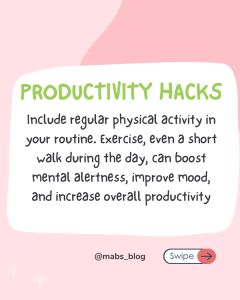
Are You Ready To Be a Leader?

Do you see yourself as a leader?

Yes.

I have always shied away from positions of leadership because I felt I wanted to be mentally and physically ready for it. I’ve been watching YouTube videos on leadership, trying to learn how to be a good leader. And I must say, a leader is a slave to the team. I am using the word slave here not to be negative but to show the importance of humility in leadership.

Anyone can be a leader, but what’s even better is positively impacting the organization and the team. 

Painpoints of leadership

  • Managing conflicting team dynamics
  • Maintaining consistent communication

  • Delegating tasks effectively
  • Handling team burnout and motivation
  • Balancing short-term and long-term goals
  • Dealing with difficult team members
  • Managing time and prioritization
  • Navigating change and uncertainty
  • Making tough decisions under pressure
  • Aligning individual goals with organizational objectives

Being a leader is so much different from being simply good at your daily task. It is about managing God’s best creation, people.


If you want to know how to manage people, you must know how to manage yourself first. Manage your insecurities, anger, weakness and your time. 

10 tips to be a good leader

  • Communicate clearly and effectively.
  • Lead by example and model the behavior you expect.
  • Foster trust and transparency within the team.
  • Be open to feedback and continuously improve.
  • Empower and delegate to your team members.
  • Show empathy and understand individual needs.
  • Stay adaptable and embrace change.
  • Make decisions confidently and decisively.
  • Recognize and celebrate team achievements.
  • Invest in personal growth and learning.

Do I see myself as a leader? Yes and I am committed to personal growth and learning. My biggest strength as a leader is empathy. I have genuine love for God’s perfect creations and I want to leave a positive impact on my team and organisations I work with.