Why ladies get sugar cravings during that time of the month

What was the last thing you searched for online? Why were you looking for it?

I was genuinely curious, and I was glad there was a blogger who could answer the question 😅.

I was craving chocolate muffins, caramel popcorn, cherry juice, and every sweet thing I could think of. It is very unlike me because lately, I have been health cautious, but somehow, once a month, my sugar craving skyrockets, and eating cantaloupes wouldn’t help.

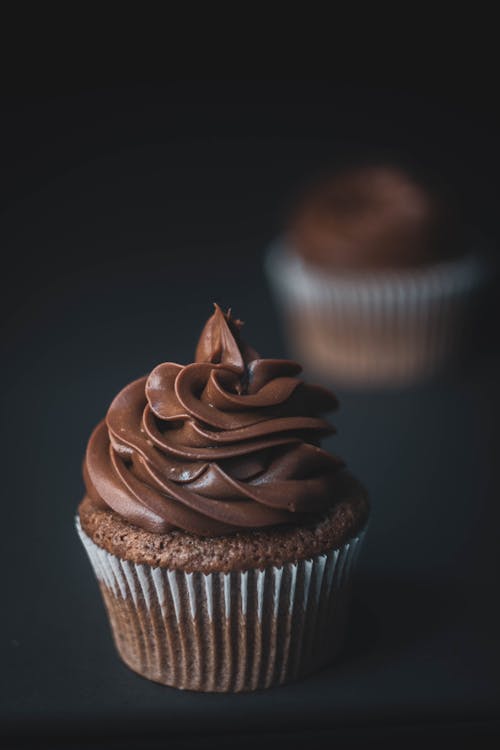
Free Chocolate Muffin with Cream Stock Photo


I learned it was because of our hormones; our bodies are trying to increase serotonin levels. During that time of the month, our serotonin levels are low, so having sugar would help us. The low serotonin explains the bursts of tears and why we get mad at the boys 🌝 and everyone in between. 

I also noticed there is an answer for every question thanks to bloggers. I am so glad I am a blogger. I have written 100 blog posts on my blog page, omg. I feel like crying because I started MABS when I was at a really low place, and I am so happy I kept writing. Thank you, Jesus. I am hopeful for the best. 


Ladies, every time you crave a chocolate bar or something sweet on your period, I think you should go for it. You deserve a little extra serotonin.

World Humanitarian Day – Uplifting Local Heroes

World Humanitarian Day (WHD) is observed every year on August 19 to honor those who work to help others in need.

Free Women Outdoors with Food and Home Essentials Aid Packages Stock Photo

The United Nations General Assembly designated it in 2008 to appreciate humanitarian workers who risk their lives to provide aid and to recognize the efforts of those involved in humanitarian work globally. This day reminds us of the importance of helping people in crisis, whether they are affected by war, natural disasters, or other emergencies.

WHD highlights:

Each year, WHD has a different theme that sheds light on humanitarian workers’ challenges and raises awareness about specific issues affecting needy communities. The day is marked by campaigns, events, and social media activities to share the message of the humanitarian day and amplify the voices of people in need. 

Humanitarianism

Simple acts of kindness and empathy in everyday life, such as helping a neighbor, donating to charity, or standing up for someone in need, are all ways of being a humanitarian. Humanitarianism is about the small things we do to improve the world, especially during tough times like natural disasters, pandemics, conflicts, and wars.

You should embrace the four main humanitarian principles: humanity, neutrality, impartiality, and independence. These principles ensure that support or aid is given based only on need, without showing favoritism.Free Tents in Refugee Camp in Desert Stock Photo

7 Core Humanitarian Principles

Humanitarian work aims to save lives, reduce suffering, and restore human dignity. Seven fundamental principles guide humanitarianism:

  • Humanity
  • Impartiality
  • Neutrality
  • Independence
  • Universality
  • Unity
  • Voluntary Service.

Who is a Humanitarian?

A humanitarian is someone who is driven by compassion and a desire to improve the lives of others. You take action to provide food, shelter, medical care, and other forms of assistance to those in crisis. Whether young or old, your action to improve the living conditions of others identifies you as a humanitarian.

5 Ways to Be a Humanitarian in Your Day-to-Day Life

Every one can be a humanitarian.

  • Hold the door open for someone
  • Offering a compliment, or lending a hand to a neighbour
  • Volunteer
  • Donate—pencils, notebooks, kitchenware, toys, clothes, bedding, work tools, etc.
  • Be an Advocate for Positive ChangeFree A Man Sitting on a Car Trunk While Looking at a Black Watch Stock Photo

Why World Humanitarian Day is Important

World Humanitarian Day powerfully reminds us of the critical role that compassion, empathy, and unity play in our world. In addition, global attention is drawn to the people who are most in need of help—those caught in conflicts, natural disasters, and other crises. It reminds us that behind every statistic is a real person facing hardship.

Many humanitarian workers face immense risks but remain committed to helping others. Honoring their work on this day acknowledges their sacrifice and dedication.

The Theme for World Humanitarian Day 2024

This year’s World Humanitarian Day 2024 theme is “Uplifting Local Heroes.” This theme highlights the often unrecognized heroes in communities worldwide—local volunteers, responders, and aid workers who help their neighbors when crises hit.

This theme is essential because, in many emergencies, people who live in the affected areas are the first to respond. They know the culture, the people, and the needs better than anyone else. Their courage, dedication, and the critical role they play in saving lives and rebuilding communities are appreciated worldwide.

In a world where disasters and conflicts are increasing, this year’s theme encourages us to appreciate those who step up first and take action. It is a call to recognize the strength and resilience in every community and to support local efforts that help people recover and thrive after a crisis. This year’s focus on local heroes reminds us that anyone, anywhere, can be a humanitarian.Free A Medical professional Inserting Needle to s Person's Arm Stock Photo

What You Can Do for World Humanitarian Day

Plan an activity that aligns with the year’s theme to make the most of World Humanitarian Day. Here are some specific ideas:

  • Highlight local individuals or groups making a difference in your community
  • Bring people together to clean up parks, neighbourhoods, or public spaces. 

Quotes and Slogans for World Humanitarian Day

Words have the power to move people and ignite change. Below are some meaningful quotes and slogans that capture the spirit of humanitarianism and remind us of our shared responsibility to care for one another.

  •  “The best way to find yourself is to lose yourself in the service of others.” — Mahatma Gandhi
  •  “Helping one person might not change the whole world, but it could change the world for one person.” — Anonymous 3. “The true measure of a society is how it treats its most vulnerable members.” — Mahatma Gandhi
  • “We can’t help everyone, but everyone can help someone.” — Ronald Reagan
  • “No one has ever become poor by giving.” — Anne Frank
  • “Together for Humanity.”
  • “Local Heroes, Global Impact.”
  • “Compassion in Action.”
  • “Humanity Knows No Borders.”
  • “Small Acts, Big Difference.”
  • “Humanity is our ultimate duty.”
  • “Service to others is the rent you pay for your room here on Earth.” – Muhammad Ali
  • “The best way to find yourself is to lose yourself in the service of others.” – Mahatma Gandhi
  • “Wherever there is a human in need, there is an opportunity for kindness and to make a difference.” – Kevin Heath
  • “We rise by lifting others.” – Robert Ingersoll
  • “Every act of kindness creates a ripple with no logical end.” – Scott Adams
  • “The purpose of life is to contribute in some way to making things better.” – Robert F. Kennedy
  • “A kind gesture can reach a wound that only compassion can heal.” – Steve Maraboli
  • “To care for those who once cared for us is one of the highest honors.” – Tia Walker
  • “Helping one person might not change the world, but it could change the world for one person.”
  • “Humanity should be our race. Love should be our religion.”
  • “Compassion is the greatest form of love humans have to offer.”
  • “In a gentle way, you can shake the world.” – Mahatma Gandhi
  • “Be the change you wish to see in the world.” – Mahatma Gandhi
  • “The simplest acts of kindness are by far more powerful than a thousand heads bowing in prayer.” – Mahatma Gandhi
  • “It is not how much we give, but how much love we put into giving.” – Mother Teresa
  • “Humanitarian work isn’t about helping people, it’s about saving lives.”
  • “To the world, you may be one person, but to one person, you may be the world.”
  • Kindness is the language which the deaf can hear and the blind can see.” – Mark Twain
  • “There is no exercise better for the heart than reaching down and lifting people up.” – John Holmes
  • “Humanity begins with us.”
  • “We can’t help everyone, but everyone can help someone.” – Ronald Reagan
  • “The only way forward is human compassion.”
  • “Humanity is not thinking less of yourself, but thinking of yourself less.”
  • “Act Now, Make a Difference.”
  • “United for Humanity.”
  • “Be a Lifeline.”
  • “Empathy in Action.”
  • “Bringing Hope to the Helpless.”
  • “Compassion Knows No Borders.”
  • “Together, We Heal.”
  • “Stand Up for Human Dignity.”
  • “Every Act of Kindness Matters.”
  • “Change the World, One Life at a Time.”
  • “Humanity First, Always.”
  • “Love in Action.”
  • “Lifting Lives, Spreading Hope.”
  • “Be the Light in Someone’s Darkness.”
  • “Help Today, Hope for Tomorrow.”
  • “Be the Voice for the Voiceless.”
  • “A Helping Hand for All.”
  • “One World, One Humanity.”
  • “Be Kind, Be Human.”
  • “Together for a Better Tomorrow.”
  • “Humanity Begins with You.”
  • “Join Hands, Change Lives.”
  • “Empowering Lives, Inspiring Hope.”
  • “Spread Love, Share Hope.”
  • “One Humanity, One Heart.”

Conclusion

World Humanitarian Day is more than just a day of recognition. It is a call to action for everyone to embrace the values of compassion, empathy, and solidarity. Every contribution counts, no matter how small. It is not just about being on the front lines but about showing up for others, no matter how big or small the effort. We can make a significant difference by volunteering, donating, educating ourselves, or simply spreading kindness.

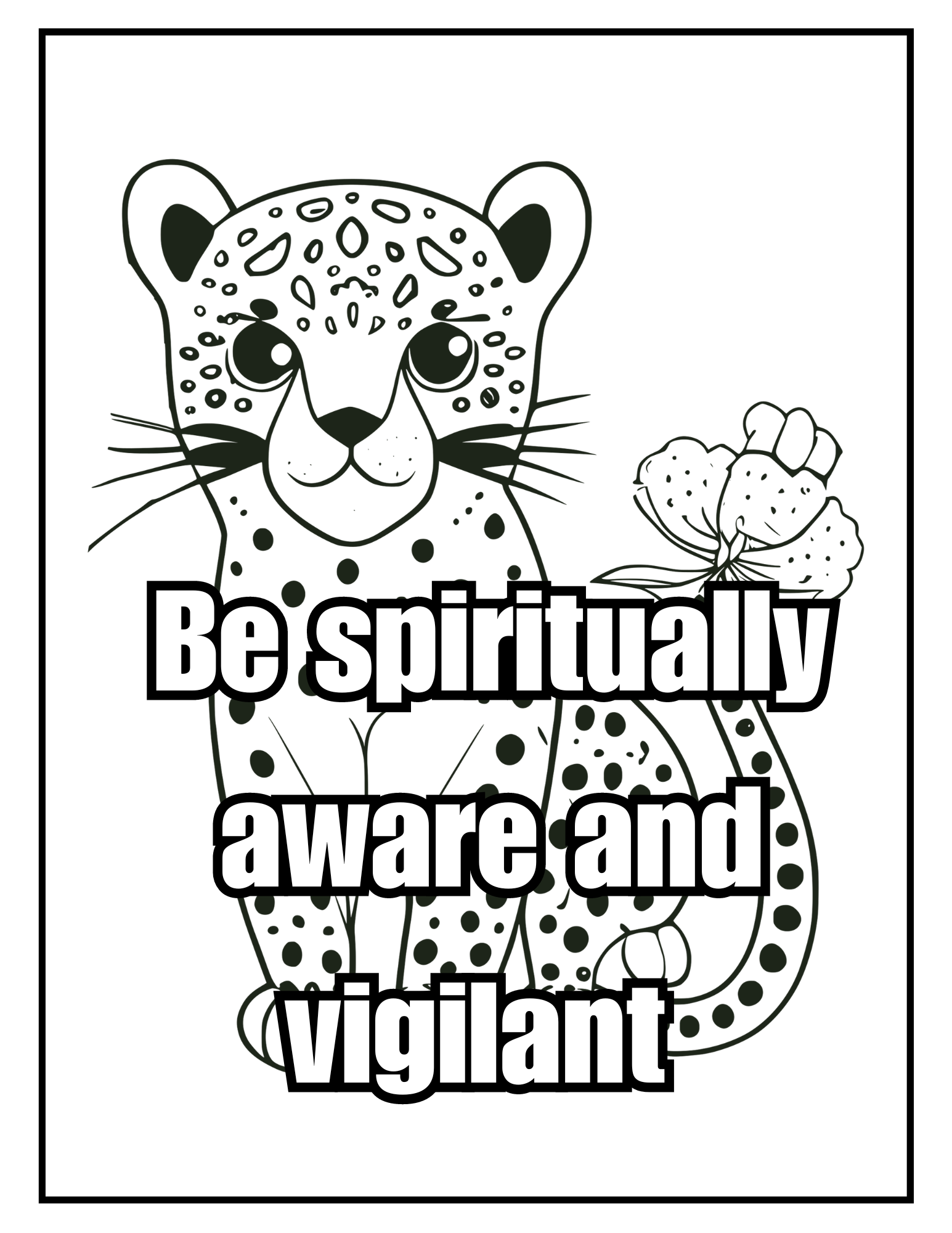
In the spirit of humanitarianism, we are giving a free coloring page from our coloring book.

If you would like the full copy of our coloring book, click here

Coloring book with bible quotes

Did you find this post interesting? Leave a comment below.

A lady who is fearless cannot be courageous

What positive emotion do you feel most often?

Courage is the emotion that generates inner strength. Sometimes, it’s hard to get out of bed to push, but courage helps me—courage to show up for myself, business, and school.

I always feel courageous, and I am glad it enables me to post on the blog, pitch my business, and ask for help when I need it.

I was not always courageous. I have had days when I just couldn’t get out of bed and days when I was too scared to pitch my business.

The moment I realized it was not by my strength, willpower, or by being super cute, it all changed.

All I ever needed was God to hold my hands through the day. The concept of God holding my hands gives me courage. And I always feel it because I now know that God is holding my hands.

I don’t know who needs to hear this, but if you are struggling to get out of bed or put work on in, just remember God is holding your hands. He gives you the courage to get out of bed and strength to do the next task.

  1. Get out of bed
  2. Make your bed
  3. Get a cold shower
  4. Pray
  5. Do the most challenging task first

Medical Digital Services

If I was to open a shop, I would sell digital services like blogging, graphic designing, video editing, and digital product creation etc.

I have always been fascinated about tech and the digital world. Fun fact, my parents bought me my first laptop in 2014. It was one of those Hp touch screen pc, it was a big deal. I felt like the biggest winner in the world. Thank you, daddy & mummy 💋

It’s 2024 now, I am all grown up. I want to use my digital skills to raise awareness on how we can prevent illnesses 🙂‍↕️.

That’s actually the idea behind this blog.

I am full of faith and hope that I would one day run a successful medical digital business. I would write and edit blogs, create cool graphics (pics and videos) and integrate AI tools like chat bots that can help people know what to do in emergency situations.

When I get the opportunity, I ask my seniors and role models about their secret strategies for building successful businesses and careers.

So guys, tell me. What is your secret strategy for your business and for growing in your niche? 😌

I am humble and ready to learn 😅

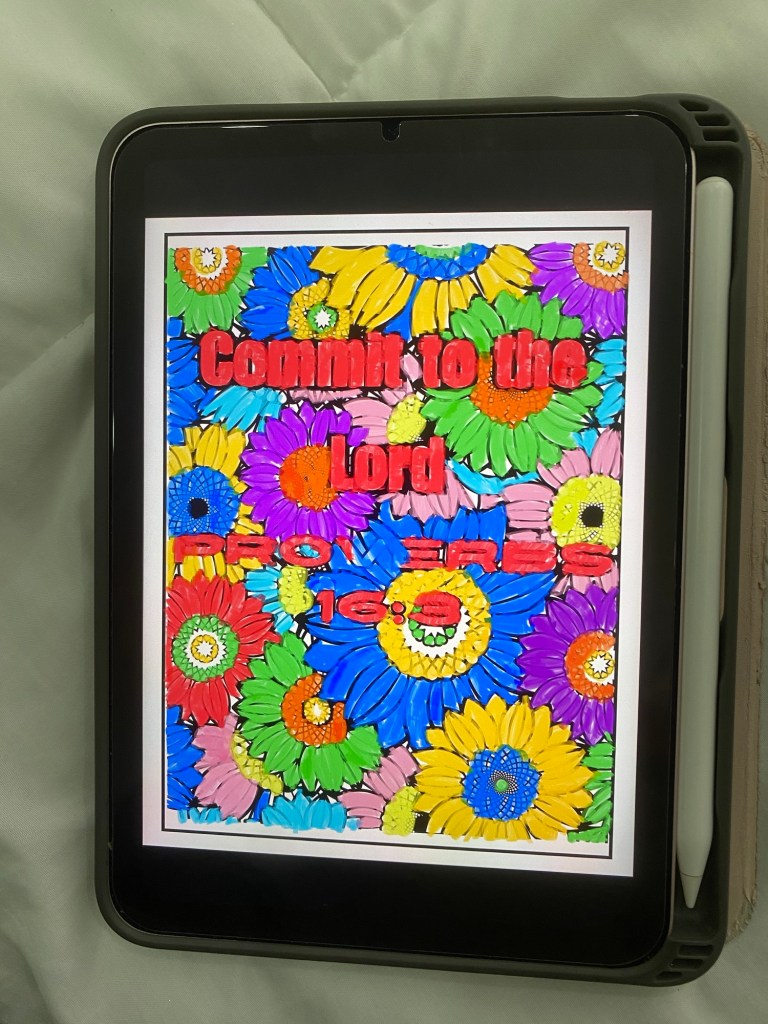
I made this colouring book, I got free pages on my blog. It has 50 bible verses that give me inspiration every time.
Check out this cool design I made today
A video I edited today
Kinda had high hopes for this one but alas 😂😩
But this one went well all glory to God
Another page of my coloring book

Did you like this article? Please subscribe and give me a like 😅. Follow me on all my social platforms. I follow back 😄

Guys here is a free colouring page, here 

15 Things I Wish I Knew Earlier

We cannot turn back the hands of time, but at least we can learn from our mistakes and try to make the future better. I am 26 now, and I have no regrets, but there are some things I wish I had known sooner so the ride could have been a little bit smoother.

This article will discuss the 15 most important things I wish I had known sooner. These lessons have shaped my perspective, influenced my decisions, and ultimately led to personal growth and fulfilment. 

1. Put God First

One of the biggest lessons I’ve learned is the importance of putting God first in all aspects of life.

When I was younger, I used to run around thinking I could do everything with my willpower and stubbornness, it took me 5 years to calm down and go back to the basics of what my parents taught me: God.

Your faith provides strength, guidance, and peace to help you through the most challenging times. When you prioritize your spiritual life, it creates a sense of purpose and direction that grounds you, no matter your obstacles.

Growing up, I often heard the phrase, “Put God first,” but it wasn’t until I experienced life’s ups and downs that I truly understood its significance. 

Simple practices like prayer, meditation, or reading your Bible can make a significant difference. Going to church and watching a faith niche YouTube channel can also help deepen your spiritual connection. I follow Koinonia Global on YouTube, check it out.

2. The Road to Success is Paved in Failure

I used to think success was all about winning and being the best. But over time, I realized that success often comes from failing and learning from those failures. It’s not about never making mistakes but about how you handle them and what you know.

When you fail, it’s important not to give up. Instead, use it as a chance to learn and grow. Ask yourself, “What can I do differently next time?” and “How can I improve?” 

3. 90% of Talking is Listening

When we talk, we often focus on what we want to say. But did you know that listening is even more important? Most of a good conversation is actually about listening. Listening to someone shows that you care about them and what they have to say.

Listening is about more than just hearing words. It’s about understanding the feelings and thoughts behind those words. Ask questions and show genuine interest in the other person. Don’t solve their problems immediately—sometimes, people want to be heard.

Being a good listener helps you connect with others on a deeper level. It builds trust and makes people feel valued. So, next time you’re conversing, remember that 90% of talking is listening. Be humble, let others speak, and listen with your heart.

We have a listening service, where we listen to people who need someone to talk to and pray with. Click here if you want to know more about our listening services.

4. Don’t Lose Your Inner Child to This Wicked World

Free Person Coloring Art With Crayons Stock Photo

Your inner child loves to explore, imagine, and have fun. This part of you can help you see the world differently and find joy in small things. Don’t let the stresses of life make you forget how to play and dream.

Take time to do things you enjoyed as a kid, whether it’s coloring, drawing, or playing games. These activities can bring back a sense of wonder and excitement. 

Click here to get our coloring book. Coloring is a fun way to connect with your inner child.

5. Get Up Every Day and Keep Pushing

Life can be challenging, and it’s easy to feel discouraged when things are unplanned. But one of the most important things I’ve learned is to keep getting up and pushing forward, no matter how hard it gets.

Success doesn’t come overnight. It requires hard work, dedication, and the willingness to keep trying, even when you face setbacks.

6. Your Grades Matter Less Than You Think

Many of us grow up believing that grades are the most important thing in life. While doing well in school is valuable, it’s not the only thing that matters. Your grades don’t define your worth or your future success.

What counts is your skills, passion, and drive. 

Instead of focusing only on grades, learn and grow from your experiences. Work on developing skills that interest you, and get involved in activities you love. 

7. An Awareness of Others is an Awareness of Yourself

When you pay attention to how others feel and think, you can discover more about your feelings and beliefs.

For example, if you notice that you get upset when others are rude, it might help you understand what you value in kindness and respect. By being aware of others, you also become more aware of how you react and why.

This awareness can make you a better friend, family member, student, or worker. It helps you connect with people deeper and improves your relationships. 

By noticing how others feel and think, I realized the value of standing up for yourself and others.

8. You Have All the Time in the World and No Time at All

Time can feel like it’s moving too fast and too slow simultaneously. On one hand, you might feel like there’s always more time to do things later. On the other hand, moments can slip away quickly, and it’s easy to feel rushed.

It’s essential to find a balance. Use your time wisely by focusing on what matters to you. Set goals and work on them each day, but also remember to enjoy the present and cherish the moments you have now.

9. Everything Happens for a Reason

Life is full of surprises, both good and bad. Sometimes, it’s hard to see why things happen the way they do. But believing everything happens for a reason can help you find meaning in challenging situations.

When things don’t go as planned, try to look for the lesson or opportunity they might bring. Maybe a setback is leading you to a new path or helping you grow in unexpected ways. 

10. Keep a Journal or a Diary

Writing down your thoughts and experiences can be a powerful tool for self-reflection and growth. Keeping a journal or diary helps you organize your ideas, track progress, and understand your feelings better.

When you write regularly, you give yourself a space to explore your thoughts and emotions. It can be a way to relieve stress, set goals, and celebrate your successes. Looking back at old entries can show how much you’ve grown and your perspective has changed.

Start by writing a few sentences each day or whenever you like it. You don’t need to be perfect—just be honest and open with yourself. 

11. Be Kinder to Yourself

I woke up late this morning. I would typically be so mad at myself, but today, I decided to say nice things to myself.

It’s easy to be hard on yourself, especially when you compare yourself to others. But being kind to yourself is just as important as being kind to others. 

Instead of focusing on what you think you lack, compare yourself to who you were yesterday. 

Free Photo Of People Talking To Each Other Stock Photo

12. Making Mistakes is Better Than Faking Perfection

Nobody is perfect, and trying to be perfect can hold you back. It’s okay to make mistakes because they are a part of learning and growing. Embracing your mistakes rather than trying to hide them can lead to real improvement and personal development.

When you make a mistake, see it as an opportunity to learn. Ask yourself what went wrong and how you can do better next time.

Trying to appear perfect can be exhausting and stressful. It’s more important to be authentic and genuine, even if that means showing your imperfections.

13. You Must Like Yourself, For Everybody Else, It’s Optional

At the end of the day, the most important relationship you have is with yourself. It’s crucial to like and accept who you are because that’s where true confidence comes from. When you’re comfortable with yourself, you’re less concerned about what others think and more focused on being your best self.

You don’t need everyone’s approval to be happy or prosperous. What matters most is how you feel about yourself. Embrace your strengths and work on your weaknesses, but don’t let anyone’s opinion define your self-worth.

14. When You Stand Up to People, You Gain Respect

Standing up for yourself and setting boundaries can be tough, but it’s important to earn respect. People are more likely to respect you when you speak up for your beliefs and don’t let others push you around.

Being assertive doesn’t mean being rude or aggressive. It means expressing your thoughts and needs clearly and respectfully. It’s about showing that you value yourself and expect others to do the same.

15. Invest in Yourself, Never Stop Learning

One of the best things you can do for your future is to keep learning and growing.

Investing in yourself means dedicating time and effort to develop your skills, knowledge, and talents. This doesn’t just mean formal education—it includes picking up new hobbies, reading, attending workshops, and anything else that helps you grow.

The more you learn, the more value you bring to yourself and others. It’s not just about getting paid for your time but for the skills and knowledge you offer. By continually improving yourself, you make yourself more valuable in every area of your life, from your career to your relationships.

Conclusion

Life is a journey filled with lessons; sometimes, the hardest truths are those we learn through experience. 

So my advice for younger me…

  • The key is to put God first
  • Embrace failures as steps toward success
  • Truly listen to others
  • Keep your inner child alive
  • Push forward every day
  • Understand that grades aren’t everything 
  • Recognize the importance of self-awareness
  • Make the most of your time
  • Trust that everything happens for a reason
  • Keep a journal to reflect on your journey
  • Be kind to yourself
  • Embrace your imperfections
  • Stand up for yourself
  • Invest in your growth, knowing that the most valuable asset is your continued learning

As you move forward, carry these lessons with you. They can help you build a fulfilling, meaningful life.

Did you find this helpful? Like this post and share it with your friends. As a thank you, here is a free coloring page for you to try. 


How To Cope with Anxiety

Today, we will talk about something that affects so many of us yet often stays hidden behind brave faces and forced smiles: anxiety. Raise your hand if you have anxiety. Do you know that feeling when your heart races, your mind spirals, and you can’t catch your breath? Yeah, you are not alone; my hands are raised, too.

I find that reading the bible helps me reduce my anxiety, so here is a link to a colouring book with biblical inspirational quotes. Click here

Whether it’s the butterflies before a big presentation, the nagging worry that keeps you up at night, or the overwhelming panic that hits out of nowhere, anxiety comes in many forms and doesn’t discriminate.

In this article, we’ll break it all down. We’ll explore anxiety, explore its causes, highlight its symptoms, and, most importantly, share some solid strategies for coping with it. 

What is Anxiety?

Anxiety is a natural stress response. It’s that feeling of fear or apprehension about what’s to come. Think of it as your body’s alarm system, alerting you to potential danger. 

A little bit of anxiety can be a good thing—it can keep you on your toes and ready for action. But when anxiety becomes a constant companion, it can be overwhelming and interfere with your daily life.

First, let’s distinguish between normal anxiety and anxiety disorders. Normal anxiety is a fleeting feeling that everyone experiences from time to time. It might hit you before an important meeting, a big test, or a first date. It’s situational and usually goes away once the stressful event is over.

Anxiety disorders, on the other hand, are more intense and persistent. They can cause significant distress and make it hard to function in everyday life. If your anxiety is constant, out of proportion to the situation, or leads to avoidance of activities, it might be an anxiety disorder.

Common Types of Anxiety Disorders

Here are some of the most common types of anxiety disorders:

  • Generalized Anxiety Disorder (GAD)
  • Panic Disorder
  • Social Anxiety Disorder
  • Specific Phobias
  • Obsessive-Compulsive Disorder (OCD)
  • Post-Traumatic Stress Disorder (PTSD)

Understanding the different types of anxiety disorders is the first step in recognizing what you or someone else might be going through. Remember, seeking help and talking about what you’re experiencing is okay. Anxiety is common, and you’re not alone in this.

Symptoms of Anxiety

Anxiety can manifest in a multitude of ways, impacting your body, mind, emotions, and behavior. Recognizing these symptoms is crucial for identifying anxiety in yourself or others and taking steps toward management and treatment.

Free Photo of a Woman Crouching while Her Hands are on Her Head Stock Photo

Physical Symptoms

  • Increased Heart Rate
  • Sweating 
  • Trembling or Shaking
  • Shortness of Breath
  • Muscle Tension
  • Headaches
  • Digestive Issues
  • Dizziness or Lightheadedness

Emotional Symptoms

  • Feelings of Dread
  • Irritability
  • Restlessness
  • Overwhelming Worry

Cognitive Symptoms

  • Racing Thoughts
  • Difficulty Concentrating
  • Catastrophizing
  • Indecisiveness

Behavioral Symptoms

  • Avoidance
  • Compulsive Behaviors
  • Restlessness
  • Procrastination

The Impact of Anxiety

Anxiety doesn’t just exist in a vacuum—it has a significant impact on various aspects of your life. Whether it’s your daily routine, relationships, or long-term health, the effects of anxiety can be far-reaching and, if left untreated, can lead to severe consequences. It can affect your work, productivity, academic performance, daily routine, and sleep patterns.

Recognizing the impact of anxiety on your life is the first step toward addressing it. It’s essential to seek help and find strategies that work for you. Whether through self-help techniques, professional therapy, or a combination of both, managing anxiety can significantly improve your quality of life.

Remember, you don’t have to face anxiety alone. Support is available, and with the right approach, it’s possible to regain control and lead a fulfilling life.

How to cope with anxiety

Managing anxiety effectively often requires a multi-faceted approach. While professional help is crucial for many, there are also numerous self-help techniques and lifestyle changes that can make a significant difference. 

Mindfulness and Meditation

Practicing mindfulness helps you stay grounded in the present moment, reducing the tendency to worry about the future or dwell on the past. Meditation can calm your mind and reduce anxiety symptoms. Try guided meditation or mindfulness apps to get started.

You can also use quote coloring books to help you meditate and remain mindful. I created a quote coloring book with bible verses to help you meditate on God’s word and relieve anxiety. Click here to access the book.

Professional Help

Cognitive Behavioral Therapy (CBT) is one of the most effective treatments for anxiety. It helps you identify and challenge negative thought patterns and behaviors.

We also have a listening service. If you need someone to talk to and pray with, click here.

When someone shares their anxiety with you, listen without judgment and validate their feelings. Sometimes, knowing someone cares can make a big difference. Gently encourage them to seek professional help if they haven’t already. Offer to help them find a therapist or accompany them to appointments.

Conclusion

Supporting someone with anxiety requires empathy, patience, and understanding. By listening, validating their feelings, and encouraging healthy habits, you can significantly impact their journey. Remember, professional help is often crucial; your role is to support them in seeking and adhering to treatment. And don’t forget to take care of yourself—supporting someone else is much easier when you’re also in a good place mentally and emotionally.

Did you find this article helpful? Leave a comment below. As a thank you, here is a free coloring page for you to try. 

Remember to like and follow us for more.

Best Library Snack To Enjoy Guilt-Free

You are in the library, enjoying your pack of popcorn. Everyone is looking at you with raised eyebrows, and the librarian comes to you, asking you to stop chewing so loudly. It’s embarrassing, right? Don’t worry—it will not happen to you again. In this blog, we will discuss the best snacks to enjoy in the library and the foods to avoid. We also have a simple iced coffee recipe that will save you lots of money.

In middle school, I remember bringing a bag of chips to the library to enjoy while studying. The moment I opened the bag, the loud crunching noises seemed to echo everywhere, and I quickly noticed the annoyed glances from people around me. That’s when I realized that not all snacks are good for quiet places like libraries.

So, whether you’re settling in for a long study session or just popping in to enjoy a good book, it’s essential to pick snacks that are not only healthy but also quiet and not smelly.

Maintaining a quiet environment in a library is critical. It’s about respecting others’ space and concentration and creating a peaceful atmosphere where everyone can focus. That’s why choosing snacks that don’t make noise is so important. 

Free A Woman in White Polo Writing on Notebook Stock Photo

Criteria for the Perfect Library Snack

When picking out your library snacks, consider these four crucial factors: Nutritional value, low noise, convenience

Nutritional value

Choose snacks that provide good nutrients and keep your energy levels steady. This means snacks rich in proteins, healthy fats, and fibers without too much sugar.

Low noise

Avoid snacks that might disturb others. This means no crunchy chips or wrappers that make a lot of noise when opened.

Minimal mess

Stick to snacks that won’t leave crumbs on your books or the table. Messy snacks can not only distract you but also make extra work for library staff.

Convenience

Opt for snacks that are easy to pack and eat so you can pull them out and enjoy them without a fuss.

Top Library snacks

Here are the top library snacks you should try. They are healthy, quiet and not smelly.

Soft fruits 

Bananas and berries are soft and completely quiet, making them perfect for a quick, fuss-free snack. They also do not have strong scents, so no one will know when you eat them. Avoid apples, celery, and carrots. These are pretty loud and take a long time to chew, too.

Soft Baked Cookies or Mini Muffins

Choose varieties that aren’t too crumbly. Soft textures ensure that they won’t make a sound, and sticking to simple flavors like vanilla or chocolate can help avoid strong smells.

Dried Fruits

Snacks like raisins, dried cranberries, or apricots are silent to eat and can be easily contained in a small bag or container.

Dark chocolate

A small piece of dark chocolate can satisfy your sweet tooth without noise. Plus, it’s loaded with antioxidants. If you are not a fan of dark chocolate, you can choose any chocolate or go for gummy bears.

Overnight oats

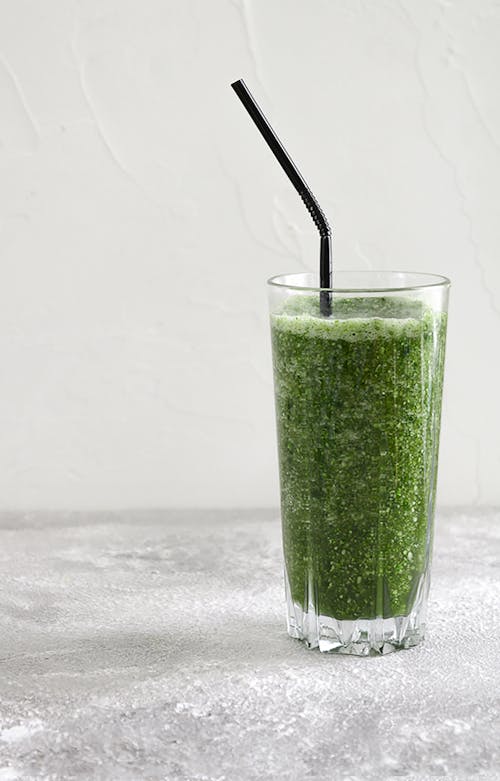
You can have overnight oats in the library or have some smoothies. Here are some example smoothies you can try to boost your concentration in the library.

  • Blueberry and spinach smoothies
  • green tea and avocado smoothie
  • banana nut smoothie
  • beetroot and berry smoothie

Free Close-Up Shot of a Glass of Smoothie Stock Photo

For any smoothie, blend all ingredients until smooth. Add more liquid (water, milk, or juice) to achieve consistency. Add ice to any of these recipes if you prefer a colder drink, or use frozen fruits to make the smoothie refreshing and thick.

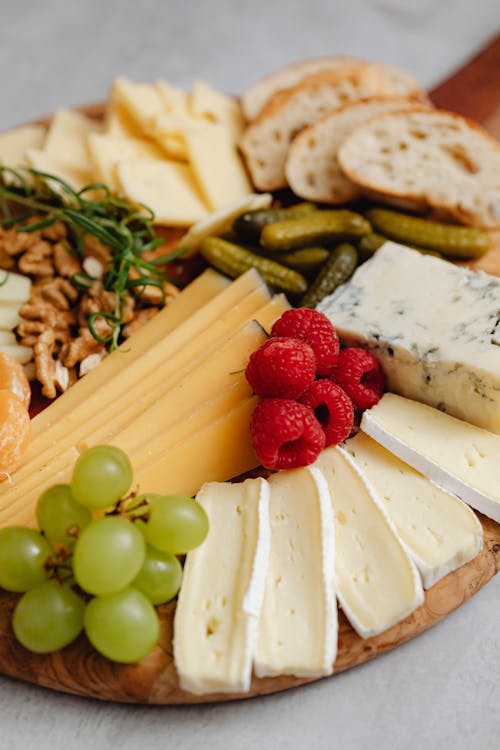
Don’t eat this food in the libraryFree A Charcuterie Board with Assorted Foods Stock Photo

Regarding library-friendly snacking, avoiding noisy foods or strong odors is crucial to maintaining a quiet and respectful environment. Here’s a list of items you shouldn’t eat in the library.

1. Fish: Any fish, especially canned varieties like tuna or sardines, can be intense and will likely disturb those around you.

2. Hard-boiled eggs: While they are a great protein source and don’t make noise when eaten, they have a distinctive smell that can be off-putting in closed spaces.

3. Strong cheeses: Some cheeses, particularly the aged or fermented types like blue cheese, Camembert, or Gorgonzola, have strong smells that can quickly fill a quiet room.

4. Garlic and onion-heavy dishes: Foods that contain a lot of garlic or onions—like garlic bread, some sandwiches, or seasoned snacks—can have a lingering odor.

5. Broccoli, cauliflower, and cabbage: These vegetables are healthy but tend to have a noticeable smell when raw or cooked, which might not be appreciated in a library setting.

6. Spicy foods: Foods with strong spices, such as curries or foods seasoned with cumin, can carry a potent aroma that spreads.

7. Pickled foods: Kimchi, pickles, and other pickled vegetables, though quiet, are often too aromatic for quiet public spaces.

8. Popcorn: Although popcorn might seem like a good snack option since it’s relatively soft, the smell, especially if it’s buttered or flavored, is potent and can easily distract others.

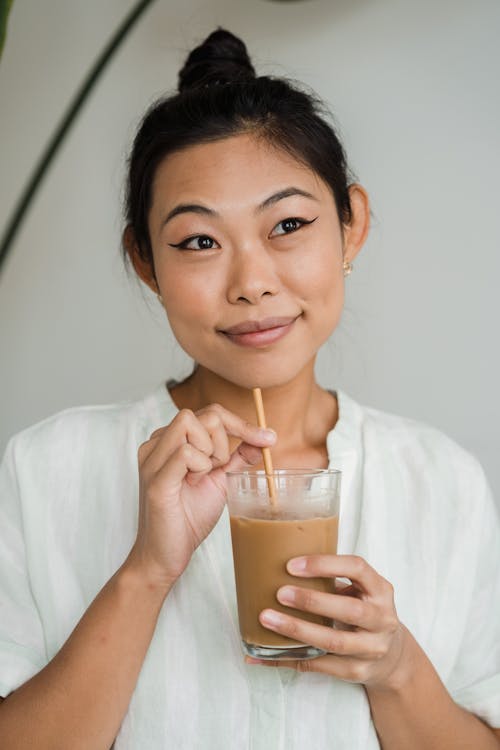
 My go-to library snacks are iced coffee and mini muffins. I love iced coffee with no sugar or dairy milk. I prefer soya milk or almond milk.

Making your iced coffee with soy milk at home is a delightful and refreshing choice, especially if you want a dairy-free alternative. It also saves you a lot of money. Here’s a simple DIY recipe to whip up a delicious iced coffee:

Ingredients:

– 1 cup of brewed coffee (preferably strong and cooled)

– 1/2 cup of soy milk

– Ice cubes

– Optional sweeteners (sugar, honey, maple syrup, or a sugar substitute)

– Optional flavorings (vanilla extract, cinnamon, cocoa powder)

Equipment:

– Glass

– Spoon

– Measuring cup

Instructions:

1. Brew the Coffee:

– Start by brewing your coffee. It’s best to make it stronger than usual since the ice and soy milk dilute it. Allow the coffee to cool to room temperature. You can speed up this process by placing it in the refrigerator.

2. Prepare the Glass:

– Fill a glass with ice cubes to about three-quarters complete.

3. Add Sweeteners and Flavorings (Optional):

– If you like sweet coffee, add your sweetener to the cooled coffee and stir well. If you add flavorings like vanilla or cinnamon, now is the time. A small teaspoon of vanilla extract or a sprinkle of cinnamon can enhance the flavor significantly.

4. Combine Coffee and Soy Milk:

– Pour the cooled coffee over the ice. Next, add the soy milk. The amount of soy milk can be adjusted based on your preference for creaminess.

5. Stir and Serve:

– Stir the mixture well to ensure everything is thoroughly combined. Taste and adjust the sweetness or flavorings if necessary.

6. Enjoy:

– Enjoy your homemade iced coffee immediately while it’s nice and chilled!

Free Woman Holding a Glass of Iced Coffee Stock Photo

Tips for the Best Iced Coffee:

Coffee Ice Cubes: To prevent your iced coffee from becoming too watered down, try making coffee ice cubes. Pour some brewed coffee into an ice cube tray and freeze.

– Cold Brew Coffee: For a smoother taste, use cold brew coffee instead of brewed coffee. Cold brew is less acidic and tastes great in iced coffee preparations.

– Chill Your Glass: For an extra refreshing experience, chill your glass in the freezer for 15 to 20 minutes before preparing your iced coffee.

Did you find this article helpful? Leave a comment below. Don’t forget to like and follow us on our instagram page ( mabs_blog).

Crafting the Ultimate Wellness Routine to Stick-to

Life is a hustle, and sometimes dedicating time to prioritize your health is often easier said than done. Yet, the rewards are immeasurable. When you prioritize your health, you enjoy increased energy and a positive mindset

In this article, we will discuss the significance of cultivating habits that nurture both your body and mind. We’ll unravel the challenges many face in maintaining consistent routines and, more importantly, discover how to overcome them

Why does a daily wellness routine matter ? Beyond the immediate benefits, we’ll uncover the profound impact it has on your overall health – physically, mentally, and emotionally. Before we discuss why it is important to have a wellness routine, let’s explain what a good routine actually is

Free Teacup With Tea Stock Photo

What is a wellness routine?

A wellness routine is a set of intentional actions and habits designed to enhance your overall well-being, encompassing physical, mental, and emotional health. It involves consistent practices that contribute to a balanced and healthy lifestyle

Starting a wellness routine involves thoughtful planning and a commitment to making positive changes in various aspects of your life

Self assessment

A solid wellness routine starts with reflecting on your current lifestyle and identifying areas where you can improve your well-being. Consider your physical health, mental well-being, sleep patterns, nutrition, and stress levels

Set Clear Goals

Establish specific and realistic goals for your wellness routine. Whether it’s increasing physical activity, improving sleep, or practicing mindfulness, define what success looks like for you

Sticking to a wellness routine can be challenging, but with a strategic approach and a commitment to self-care, it becomes more achievable. I put it upon myself to go to the gym 3-4 times a week and spend at least an hour in the gym. I have managed to stick to my routine for 6 months now, and I am going strong, I am not planning to quit the gym anytime soon

How did I stick to my routine? I set realistic goals

Set Realistic Goals

Define achievable and realistic goals that align with your lifestyle. Setting small, attainable milestones will keep you motivated. It could mean doing arms, quads, and abs on separate days

Create a Schedule

Incorporate your wellness activities into your daily or weekly schedule. Treat them as non-negotiable appointments to prioritize your well-being. I go to the gym on Tuesdays, Thursdays, and Saturdays, and sometimes Sundays if I couldn’t go during the week

Some people find it hard to stick to a routine because they have overly ambitious goals. I definitely wouldn’t go back to the gym the next couple of days if I overworked myself in the gym till I was sore

Remember, you do not have to be perfect. If you failed to keep your schedule improvise. You could do Sunday, Monday, and Wednesday instead

Being flexible helps you to be consistent with your goals. If you are inconsistent, consider reevaluating your goals, seeking support, and focusing on enjoyable tasks

My friend chooses 15-min walk around the park instead of 15-min walk on the treadmill

Free Warm Coffee Drink Stock Photo

Top 5 morning routines

The way you start your Morning determines how your day would look like. I used to wake up at 10am, feeling tired. I was under lots of pressure to attend my morning classes. Imagine how life changed when I woke up 5am instead of 10am

1. Wake up early

Start your morning routine by waking up early, allowing for a calm and unhurried beginning to your day. I love this quote: “Embrace the dawn, for in the early light, you discover the quiet power of a new beginning. Waking up early isn’t just a routine; it’s a promise to yourself – a promise to make each day count from the very first ray of light.”

Try to wake up at 5 am every morning; it helps. You can get more work done and have a positive mindset since you have more time to yourself in the morning

2. Digital Detox

Limit screen time during the early morning hours. Minimise exposure to emails and social media to reduce stress and foster a more mindful start to the day

I try to avoid social media until after 10am

3. Nutrient-Rich Breakfast

Have a proper breakfast. Fuel your body with a nutritious breakfast containing a balance of protein, fiber, and healthy fats. This provides sustained energy throughout the morning

An example of a well-balanced and nutritious breakfast could be a bowl of oatmeal topped with fresh berries, a sprinkle of chia seeds, and a dollop of Greek yogurt. Accompanied by a side of sliced avocado on whole-grain toast and a cup of green tea, this breakfast provides a mix of complex carbohydrates, fiber, healthy fats, and protein to fuel your body and kickstart your day

Drink lots of water. Ideally you should drink water through out your day to maintain hydration

4. Personal Development Time

Dedicate time to personal development activities, such as reading, journaling, or learning. This mental stimulation contributes to continuous growth. Mornings are also a good time to read your bible and pray

5. Goal Setting and Visualization

Take a moment to set intentions for the day and visualize your goals. This helps create a sense of purpose and direction.You could write on your daily planner or on your daily calendar. Click here for a free copy of my monthly planner

Can ADHD people do routines?

I have a friend with ADHD who honestly finds it extremely hard to follow a morning routine. Individuals with Attention Deficit Hyperactivity Disorder (ADHD) may have varying preferences when it comes to routine. It’s not accurate to make broad generalisations, as everyone is unique.

If you have ADHD, think of having a routine as a coping mechanism, and you can go about your morning routine with a personalized approach. You can go for a loose structure that allows for adaptability.

Top 5 Night Routines

Ending your day is equally as important as starting your day. So here are the top 5 ways to end your day well.

1. Mindful Evening Reflection

Spend a few minutes reflecting on your day, expressing gratitude, forgiving your mistakes, and acknowledging your achievements. This sets a positive tone for the evening.

I find that reflecting while sipping a cup of herbal tea is very relaxing

2. Digital Detox-again

Disconnect from electronic devices at least an hour before bedtime to promote relaxation and improve the quality of your sleep.

3. Skincare Routine

Establish a calming skincare routine. Cleansing your face, moisturizing, and any other skincare steps can become a soothing ritual before bedtime.

4. Journaling

Capture your thoughts in a journal. This can include jotting down reflections and goals or simply expressing any lingering thoughts to clear your mind.

5. Preparation for the Next Day

Lay out clothes, pack essentials, and make a to-do list for the next day. This reduces morning stress and helps you start the day with clarity.

In Conclusion

In the tapestry of life, our routines weave the threads of consistency and well-being. As we navigate the nuances of daily existence, the choices we make in our morning and night routines become the brushstrokes that paint the canvas of our days.

Remember, there is no one-size-fits-all approach to crafting the perfect routine. Embrace the fluidity of your journey, allowing room for growth and adaptation. What matters most is the conscious effort to prioritize self-care, mindfulness, and balance in these daily rituals.

How to Manage Stress in Medical School

Let us face it; medical school is stressful. Medical school is a rollercoaster, and we have good days and bad.  So far, the best days I have had in medical school are my visits to surgery rooms, and my worst will have to be reading about possible complications of each surgery.

Identify the cause of your stress

The first step in managing stress is identifying the causes of the stress. The next step is to prioritize the stress and determine if the cause of the stress is something you can fix or something out of your control. 

Academic marks, absent social life, finances, and personal ambitions cause most medical student stress. It is essential to deal with this stress because excessive stress can lead to poor academic performance and interpersonal/ intrapersonal conflicts.

Everyday tips for managing stress and why they help

Many students vouch for exercising, eating healthy, and sleeping as their ways of managing stress. But do they work? Let’s investigate!

Exercising

Exercising is good. It keeps the mind distracted from the stress. I will agree that exercise improves one overall health and fitness, but it goes a step further. Exercise directly increases the levels of endorphins in your body. Endorphins are the body’s natural painkillers. These endorphins are feel-good hormones, including dopamine, serotonin, and oxytocin.

Exercise helps you forget your stress. Of course, there is nothing wrong with forgetting your worries for a few hours. Additionally, exercise does help to channel these emotions into something efficient. 

Eating healthy

Another common way people try to alleviate their anxieties is by eating healthily.  The idea behind eating healthy is that it provides the body with the extra energy needed to maintain the stressed body.

An article I read said, ‘eating healthy is important so that we have one less thing to worry about,’ and that clicked. But, again, eating healthy doesn’t solve the problem; it is just damage control. You could be stressed, but at least you are not hungry.

Fortunately, certain foods have been scientifically proven to reduce stress. Foods like dark chocolate, chamomile tea, oysters, and oatmeal can reduce stress, so it will be a brilliant idea to add them to your diet. I will have to add a bowl of ice cream to the list; although it is not remotely healthy, it makes a long week less hectic. 

Generally, it is better to eat healthily than to eat unhealthily.

 An unhealthy diet will put your body deficient in some vital nutrients, which might lead to decreased endorphins. Additionally, preparing a healthy meal is therapeutic; you will give yourself all the nutrients your body needs.

Sleep

The best among the three earlier proposed ways to reduce stress is sleep. Sleep is the best because it decreases the stress hormone (cortisol) level. If too much cortisol is in the body, one can gain weight and acquire cardiovascular problems. 

Adults need about seven to nine hours of sleep, but the most important thing is maintaining a sleep routine. So if I were to give my younger self some advice, it would be to get more sleep. 

Sleep and stress go hand in hand; if you sleep too little, you will get more stressed. 

Now let’s discuss some of the less common ways to manage stress.

Your friends 

Your friends help you more than you think. I listened to a podcast where they interviewed young doctors, and one of their biggest regrets was that they did not socialize enough in medical school. Your peer network will get you through the stress of medical school. You just need to know which type of friends to hang around.

When it comes to friendship, quality counts more than quality. You need to be around friends who are where you want to be or friends who are aspiring to be where you want to be.

Go out, have fun, socialize, volunteer, take a walk, and converse with an old friend. You can also join support groups and clubs in school.

Meditation and prayer

Meditation has helped sort out a lot of my emotions. Meditation is a good way of relieving stress because it helps you identify the cause of stress and help you classify it into something you can control and something you cannot control. In addition, meditation helps you introspect and bring out your prayer points. 

Keep a journal

Journals help you keep track of your emotions. Journalling helps you prioritize your fears and concerns. It is one of the best ways of managing your symptoms. Journaling will expose even the emotions you did not know you had. You will be able to identify your triggers, and then you will be able to control those triggers. You will also be able to handle your problems as they come.

In conclusion

Medical school is stressful by nature, but you must not let yourself become consumed by the stress. Instead, identify your triggers, and sort out your emotions. Some ways to reduce stress include investing your emotions into physical activity, eating healthy, sleeping seven to nine hours, socializing, meditating, and keeping a journal.

The adverse effects of stress in medical school are too costly to ignore. So put yourself together; you got this. Prioritize your stress. Is it something you can control? Is it your fault?

Please like and share this post. Tell me what you do to manage your stress in the comment session. See you guys next week.

Is it okay to cry?

The past week gave me a new appreciation for an excellent loud crying session. Permit me to gist you about the events that lead to my pitiful show of pathological self-awareness. I had been weak all week because school resumed with as much force as the one I used to party with during the holidays. I felt overwhelmed. The consequences of my laziness came back like a boomerang; it hit me hard, ouch. I had intentionally got no work done in the holidays, and it came back to bite me. I was struggling to hold things up financially, academically, and spiritually. I needed a good cry to help reset my attitude for the upcoming exam week.

Types of tears

There are three different types of tears; reflex, continuous and emotional. 

Reflex tears are the body’s natural defense of trying to wash out foreign substances and gases. An example of a reflex tear is the tears that come out when you cut an onion or when dust gets into your eye. 

Continuous tears are the constant amount of fluid in your eye that helps to keep it moist and painless. However, the tears this article is referring to are emotional. 

Emotional tears are conscious. It is the tear you cry when you are hurt, stressed, or moved emotionally.

Benefits of crying

Have you ever stopped to ask why you fall asleep or feel better after a good cry session? Crying is one of the best ways to self-soothe. It is a critical tool in the art of self-love. 

Crying activates the reset button in our bodies, the parasympathetic nervous system. 

You may have noticed I am pro-tears. This article will answer the simple question: Is it okay to cry? Yes. It is okay to cry.

How does crying soothe?

The parasympathetic nervous system is a collection of nerves that calm the body after periods of danger or stress. It is the rest and digest system. Although the benefits of crying are not always immediate, the parasympathetic system helps to decrease anxiety and panic. In addition, it helps maintain the body’s natural functions, which are to stay alive and be happy.

Another way crying make you feel better is by dulling pain. This is because we have natural painkillers in our bodies called endorphins. Endorphins are essentially endogenous opioids. Other examples of activities that can cause the release of feel-good hormones are exercise, massage, and sex. 

Crying is simply a way to get your feel-good hormones cheaply and without getting much work done. The release of these hormones soothes both physical and emotional pain. One feel-good hormone that is worth mentioning is oxytocin, the love hormone. What better way to show yourself some love if not by giving yourself a therapeutic dose of oxytocin?  

What happens when you choose to ‘suck it up’?

This part of the article will highlight some dangers of not owning up to the fragility of the circumstance that could bring about the need to cry. It is so much better to let the tears out than to keep them in. 

Sometimes life demands us to ‘suck it up’ and fight the tears back. It can be awkward to start crying in the office or on a date. Indeed, the sob-fest can wait for the right time and place. 

Health risk of bottling up emotions

You are countering the parasympathetic nervous system when you try not to cry. The natural counter of the parasympathetic nervous system is the sympathetic nervous system. When you try not to cry, you are activating the sympathetic system. Activating the sympathetic system leads to increased anxiety, stress, and feeling more pressure. It can manifest as headaches and bursts of anger. If left unmanaged, chronic ‘sucking up’ can lead to hypertension and depression.

‘Sucking it up’ leaves a mark on the body. It leads to an increased release of stress hormones like adrenaline and cortisol. These hormones lead to an increase in blood pressure, heart rate, and chest tightness. Therefore bottling up the emotions leads to an exponential growth of these negative emotions. For example, most people feel better when they cry, but suppressing your tears makes you feel worse. 

It is in our best interest to make time for ourselves to evaluate our feeling. For example, giving yourself a minute to release anger, pain, and sadness through crying is an indispensable tool in self-care and personal development.

Tips that will help you have a good sob-fest

The strongest are those who know when to retreat within themselves and let the tears flow. I have compiled a list of tips for you to have a good sob-fest.

  1. Find a safe space where you can let your guard down; I recommend doing this in the shower or on your bed.
  2. Identify, respect, understand and accept your emotions
  3. Play a sad song; I suggest I be your clown by Emeli Sande
  4. Watch a sad movie; I recommend the faults in our stars
  5. Cry out loud
  6. Cry as much as it comes out, don’t rush it, and don’t force it
  7. Breathe and take deep breaths 
  8. Pray
  9. Sleep and trust God

Moments after crying that night, I gave myself a pat on the back, handed myself a handkerchief, cleaned up, and returned to work stronger and more focused than the past few days. 

Conclusion

I would conclude this article with what the word says in Revelations 21:4. And God shall wipe away all tears from our eyes; and there shall be no more death, neither sorrow, nor crying, neither shall there be any more pain: for the old things are passed away.

Crying is good. It helps us void all the piled-up anger and sadness. It is the body’s natural way of detoxifying emotionally. Crying achieves its result through two main pathways. First is activating the parasympathetic nervous system, and the other is the release of feel-good hormones.

Thank you for taking the time to read this blog; leave a comment, like, and please share. I do not say this enough, I love you and want you to show yourself more love, see you next week.